
vitamine -
Best Anti-Aging Supplements for 2026
Anti-aging supplements are often searched by people who want to support healthy skin, energy, metabolism, cognition, and healthy aging overall. The most useful products are not miracle fixes; they are supplements that may help fill nutrient gaps, support normal body processes, or

Anti-aging supplements are often searched by people who want to support healthy skin, energy, metabolism, cognition, and healthy aging overall. The most useful products are not miracle fixes; they are supplements that may help fill nutrient gaps, support normal body processes, or address age-related needs in specific situations.
This guide explains what “anti-aging” can realistically mean in a supplement context, which ingredients are commonly discussed, what the evidence and limitations look like, and how to think about safety, interactions, and quality. The goal is to help U.S. readers make more informed choices without overpromising results or replacing medical care.
What “anti-aging supplements” really means
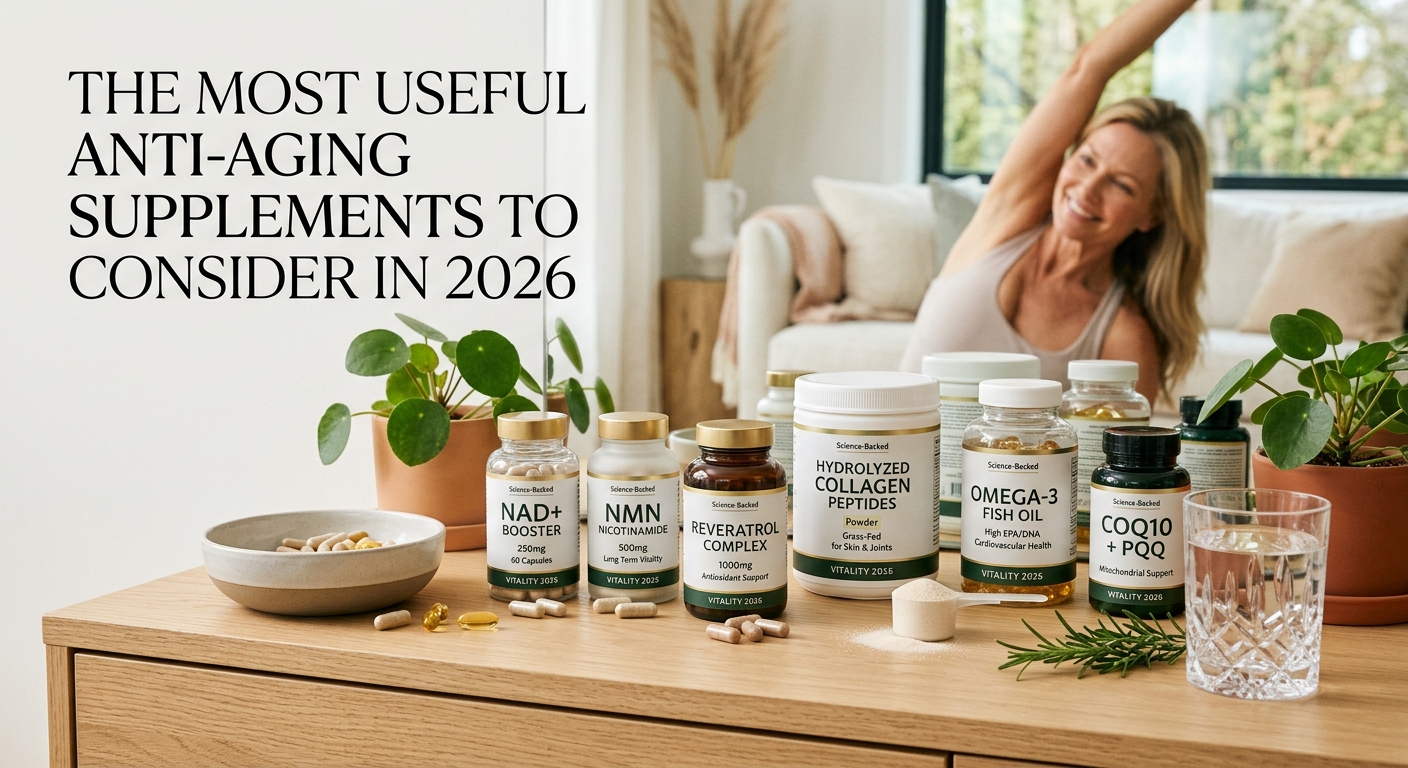
The phrase “anti-aging supplements” is broad, and that matters because aging itself is not a single problem a capsule can solve. In practice, these products are usually marketed to support one or more age-related goals, such as skin appearance, bone health, muscle maintenance, energy metabolism, cellular health, or cognitive support. Some of these claims are based on nutrients that address deficiencies, while others are based on early-stage research that is not yet strong enough to support big promises.
For U.S. readers, the most careful way to think about the category is this: supplements may help support health when diet, absorption, lifestyle, medications, or age-related changes create a gap. They do not replace medical evaluation, sun protection, exercise, sleep, or treatment for underlying conditions. If a product sounds like it can “reverse aging,” “erase wrinkles,” or “stop aging at the cellular level,” that is a sign to be skeptical.
Why people search for anti-aging supplements
Many people begin looking at supplements after noticing changes that naturally come with age, such as drier skin, reduced recovery after exercise, lower energy, sleep disruption, or concerns about memory and focus. Others are trying to stay proactive after seeing nutrient deficiencies, bone density issues, or medication-related depletion. The underlying motivation is often reasonable: people want practical ways to support healthy function over time.
The challenge is that the supplement market mixes evidence-based options with exaggerated marketing. A useful guide should separate the ingredients that are commonly used for a clear nutritional reason from those that are mostly speculative. That distinction helps reduce waste, lowers the chance of side effects, and keeps expectations realistic.
What anti-aging can and cannot mean
In scientific and clinical terms, healthy aging usually means maintaining function, mobility, cognition, skin integrity, and metabolic health for as long as possible. Supplements may be one part of that picture, but they are only one part. They may support deficiency correction, antioxidant defenses, collagen formation, or mitochondrial and metabolic pathways, depending on the nutrient.
They cannot reliably undo chronological aging. They also cannot substitute for evaluation when symptoms may point to anemia, thyroid disease, vitamin deficiency, medication effects, hormone changes, or another medical issue. When a supplement is discussed below, it should be understood as potentially supportive, not curative.
| What people want | What supplements may realistically support | What they should not be expected to do |
|---|---|---|
| Better skin appearance | Collagen production, hydration support, antioxidant status | Guarantee wrinkle removal or replace dermatologic care |
| More energy | Correct nutritional gaps, support normal metabolism | Fix fatigue from undiagnosed medical causes |
| Healthy bones and muscles | Support calcium balance, vitamin D status, protein utilization | Replace exercise or treat osteoporosis by itself |
| Cognitive support | Address deficiencies that affect the nervous system | Prevent dementia or guarantee sharper memory |
The most useful anti-aging supplements to consider in 2026

There is no single best supplement for everyone, but several nutrients and compounds are commonly discussed because they support body systems that often matter more with age. The most practical approach is to prioritize ingredients with a clear biological role, a known safety profile, and a reason to use them. In many cases, the strongest reasons are deficiency risk, limited intake, or a specific health goal discussed with a clinician.
Below is a careful overview of ingredients that are frequently included in anti-aging discussions. Some are vitamins and minerals; others are compounds that may support skin, joints, mitochondria, or general nutrition. Evidence varies, so each one should be evaluated on its own merits rather than treated as a universal longevity solution.
1. Vitamin D
Vitamin D is often considered foundational because it supports calcium balance, bone health, muscle function, and immune regulation. Low vitamin D levels are common enough in the U.S. that many adults are told to check intake, especially if they get limited sun exposure, have darker skin, are older, or spend much of their time indoors. The connection to “anti-aging” is indirect but important: maintaining bone and muscle function becomes increasingly relevant with age.
Supplementation may be useful when a person has low intake or low blood levels, but it should not be treated casually. Too much vitamin D can cause problems by raising calcium levels, and the right amount depends on the person’s current status and guidance from a healthcare professional. If you are already taking calcium or certain medications, that context matters.
2. Omega-3 fatty acids
Omega-3s are not vitamins, but they are commonly included in anti-aging supplement conversations because they support normal heart, brain, and inflammatory balance. People who eat little fatty fish may use them to help meet dietary needs. They are often discussed in relation to brain function, skin barrier support, and healthy aging overall, although expectations should remain modest.
Fish oil, algae-based omega-3s, and other formulations differ in source and composition. Safety considerations matter, especially for people who take anticoagulants, have surgery scheduled, or experience fish allergy or digestive upset. Quality also varies, so product selection is important.
3. Collagen peptides
Collagen peptides are popular because collagen is a structural protein involved in skin, joints, bones, and connective tissue. Some evidence suggests that collagen supplementation may support skin hydration and elasticity in some people, though results are not uniform and depend on the product, dose, and individual context. The more realistic framing is that collagen may support normal collagen turnover rather than “reverse aging.”
Collagen is not a complete replacement for dietary protein, and it does not work the same way as topical skin care or dermatology procedures. It may be most sensible for adults who want to support protein intake or target skin/joint-related goals. If a product includes added sugars, stimulants, or unneeded blends, that can reduce its usefulness.
4. Magnesium
Magnesium supports hundreds of enzyme reactions, including those related to energy production, muscle function, and nerve signaling. Many adults do not get enough from food alone, and older adults may be at greater risk because of lower intake, absorption changes, or medication use. In an anti-aging context, magnesium is often less about “anti-aging” marketing and more about filling a meaningful nutritional gap.
Different forms matter. Magnesium glycinate is often chosen for tolerance, while citrate may have a stronger laxative effect. People with kidney disease need extra caution, since magnesium handling can be impaired, and excessive intake from supplements can be harmful.
5. Coenzyme Q10 (CoQ10)
CoQ10 plays a role in cellular energy production and acts as an antioxidant in the body. It is often discussed for people using statin medications, for whom CoQ10 is sometimes considered because statins can lower CoQ10 levels in the body. It is also commonly marketed for overall vitality, though those claims often outpace the evidence.
CoQ10 may be useful in some cases, but it is not a universal energy booster. It can interact with certain medications, including blood thinners, and it should be reviewed with a clinician if you have cardiovascular conditions or multiple prescriptions. The benefit profile depends heavily on the reason for use.
6. Creatine monohydrate
Creatine is best known for exercise performance, but it is also relevant to aging because muscle mass, strength, and function become increasingly important over time. Creatine may help support physical performance and muscle maintenance when combined with resistance training and adequate protein. For older adults, that combination can be more relevant than any single “anti-aging” pill.
Creatine is not a stimulant, and it is not only for athletes. However, it may not be appropriate for everyone, especially those with kidney disease or those advised to restrict supplementation by a healthcare professional. Hydration and dosing strategy matter for tolerability.
7. B vitamins, especially B12
B vitamins support energy metabolism, nerve function, and red blood cell formation. Vitamin B12 is especially important because absorption can decrease with age, and some adults take medications that affect stomach acid or digestive function. Low B12 can be associated with fatigue, numbness, or cognitive changes, but those symptoms are nonspecific and should not be assumed to come from a deficiency without testing.
B12 is often useful when a person has low intake, absorption issues, or a dietary pattern that increases risk. Folate, B6, and other B vitamins also matter, but more is not always better. Excessive supplementation can create imbalance or side effects, so the amount and form should be chosen thoughtfully.
8. Vitamin C
Vitamin C supports collagen formation, antioxidant activity, and iron absorption. Because collagen and skin health are frequent “anti-aging” concerns, vitamin C is often included in these discussions. It is a good example of a nutrient with a clear biological role but limited power when used as a stand-alone cosmetic solution.
Vitamin C is typically best obtained from food when possible, but supplementation may help if intake is low. Higher intakes can cause gastrointestinal upset in some people, and very large amounts are not necessarily better. People with a history of kidney stones or certain iron disorders should ask a clinician before using high-dose products.
9. Zinc
Zinc supports immune function, wound healing, skin integrity, and many enzymatic processes. It is sometimes included in anti-aging formulas because skin and tissue repair are frequent concerns with age. However, zinc deficiency is not the same as needing more zinc in general, and excess intake can create its own problems.
Long-term high zinc intake can interfere with copper status and cause imbalance. For that reason, zinc is best viewed as a targeted nutrient rather than an ingredient to stack aggressively. If your diet already includes meat, shellfish, dairy, legumes, nuts, and fortified foods, you may not need much supplemental zinc unless a clinician identifies a reason.
10. Vitamin K2
Vitamin K2 is often discussed alongside vitamin D because both are involved in calcium metabolism and bone-related pathways. That connection has made K2 popular in bone health and healthy aging conversations. While it is biologically plausible and interesting, the evidence is not strong enough to treat K2 as a must-have longevity supplement for everyone.
People taking warfarin or other vitamin K-sensitive anticoagulants should not start vitamin K supplements without medical guidance. Supplement decisions should be based on the person’s medication profile, diet, and clinical context. For many readers, this is a “check first” nutrient rather than a casual add-on.
11. Polyphenol-style compounds such as resveratrol and curcumin
Some anti-aging products contain plant compounds that are often marketed for antioxidant support or healthy cellular aging. Resveratrol and curcumin are two familiar examples. The science around these ingredients is evolving, but much of the excitement comes from mechanistic studies, not from clear, consistent clinical outcomes in everyday supplement use.
These compounds can also affect drug metabolism or bleeding risk in some circumstances. That makes them more complicated than their marketing may suggest. If a supplement is sold as a “longevity blend” with dozens of extracts, the ingredient list deserves close scrutiny because more ingredients can mean more interactions and less clarity.
| Supplement | Common reason people consider it | Main caution |
|---|---|---|
| Vitamin D | Bone and muscle support, low intake or low levels | Too much can raise calcium |
| Omega-3s | Heart, brain, and inflammatory balance support | Bleeding risk concerns with some medications |
| Collagen peptides | Skin hydration and connective tissue support | Evidence is modest; product quality varies |
| Magnesium | Dietary gap support, muscle and nerve function | Kidney disease increases risk from excess |
| B12 | Absorption concerns, fatigue-related deficiency risk | Symptoms are nonspecific; testing helps |
What the evidence says about benefits and limitations
Supplements are most convincing when they address a known problem, such as a deficiency, poor intake, or a clinically relevant need. They are less convincing when the claim is broad and vague, such as “anti-aging,” because aging is complex and influenced by many factors. For that reason, the strongest value often comes from matching the supplement to a real need rather than chasing a general promise.
It also helps to remember that a supplement can be biologically plausible without being dramatically effective in the real world. A nutrient may support a pathway related to healthy aging but still produce only modest benefits when used by someone who is not deficient. That does not make the ingredient useless; it simply means expectations should stay grounded.
How to judge whether a supplement is worth considering
A practical way to evaluate a product is to ask whether it has a clear role in the body, a reason you personally might need it, and a safety profile you can reasonably manage. If the supplement is intended to support a documented nutrient gap, that is generally a stronger rationale than taking it because a label says “anti-aging.” The most useful supplements tend to be boring, not flashy.
It is also worth separating clinical outcomes from cosmetic or subjective outcomes. For example, someone might feel better on B12 if they were low, but that is different from proving a general anti-aging effect. Similarly, collagen might support skin hydration in some people, but it is not equivalent to reversing intrinsic skin aging.
Why “more” is not the same as “better”
With supplements, higher doses can sometimes increase risk without adding meaningful benefit. This is especially true for fat-soluble vitamins, minerals that compete with others, and herbs or polyphenols that affect drug metabolism. Many people stack multiple products and accidentally double up on the same ingredient, such as vitamin D, zinc, or magnesium.
A careful anti-aging plan usually uses the fewest products needed to address the actual goal. That approach reduces cost, lowers interaction risk, and makes it easier to notice what is helping and what is not. If a product requires you to take many capsules per day just to reach an ordinary nutrient amount, it may not be the best fit.
Food first when possible
Food remains the most reliable source of many nutrients because it comes with protein, fiber, and a broader nutrient profile. Supplements can help fill gaps, but they are generally less complex than food and may not provide the same overall benefit. For example, vitamin D from a supplement may be helpful, but fatty fish, fortified dairy or alternatives, eggs, and sunlight exposure patterns also matter.
That said, food alone may not solve every issue. Older adults may have reduced appetite, chewing problems, digestive changes, medication effects, or restricted diets that make supplementation reasonable. In those cases, the supplement is best thought of as a support tool, not a substitute for overall nutrition.
How anti-aging supplements work in the body
Different supplements work through different mechanisms, and understanding that can make product choice more rational. Some support enzymatic reactions, some provide building blocks for structural proteins, some help correct deficiencies, and some act on antioxidant or mitochondrial pathways. These functions are normal parts of human biology rather than special anti-aging tricks.
Because the body is interconnected, a benefit in one area may show up indirectly in another. For example, improving vitamin D status may support muscle function, which may affect balance and mobility. Likewise, correcting B12 deficiency may help normalize blood-related and neurologic processes, though that is a medical issue rather than a cosmetic one.
Structural support: skin, connective tissue, and bone
Collagen peptides, vitamin C, vitamin D, calcium-related nutrients, and protein all play different roles in structural support. In aging discussions, this matters because skin, bones, tendons, and joints are all tissues that depend on adequate raw materials and normal remodeling. A supplement that supports structure may make sense when diet is insufficient or age-related changes increase need.
Still, structural support is not instant. Collagen turnover, bone remodeling, and tissue repair all take time, and results may be subtle. That is why claims promising quick changes should be treated cautiously.
Metabolic support: energy and nutrient utilization
B vitamins, magnesium, CoQ10, and creatine are often discussed because they help support metabolic pathways that turn food into usable energy or help cells function normally. If someone is low in one of these nutrients, correcting the gap may improve how they feel. If someone is already sufficient, the effect may be much smaller.
This is one reason fatigue is a poor reason to self-prescribe. Fatigue has many possible causes, including sleep problems, anemia, thyroid disorders, depression, medication side effects, chronic illness, and overtraining. Supplements may be part of a plan, but they should not replace evaluation when symptoms persist.
Protection and repair: antioxidant-related roles
Some ingredients, including vitamin C, CoQ10, and several plant compounds, are often described as antioxidants. That term is useful but sometimes oversimplified. In the body, antioxidant systems are part of normal regulation, and a supplement does not automatically create stronger protection just because it is labeled that way.
Antioxidant-oriented products may be relevant when dietary intake is low or when a specific nutrient supports a known pathway. However, high-dose antioxidant strategies are not automatically better and may sometimes be counterproductive in certain contexts. Careful use matters more than aggressive use.
| Mechanism category | Examples | Why it matters |
|---|---|---|
| Structural support | Collagen, vitamin C, protein, vitamin D | May support skin, bone, and connective tissue integrity |
| Metabolic support | B12, magnesium, CoQ10, creatine | May support normal energy and cellular function |
| Deficiency correction | Vitamin D, B12, magnesium, zinc | Can be especially useful when intake or absorption is low |
| Antioxidant-related support | Vitamin C, CoQ10, polyphenols | May help support normal cellular defense systems |
Who may be more likely to benefit from supplementation
Some people are more likely than others to benefit from anti-aging supplements, not because they are “aging badly,” but because their diet, medications, or health status increases the chance of a nutrient gap. This is where supplements can be genuinely useful. The goal is not to medicate normal aging; it is to support nutrition when needs are harder to meet.
If you recognize yourself in one of the groups below, it may be worth discussing supplement use and possible testing with a licensed healthcare professional. That is especially true if you have symptoms, use multiple medications, or have changed your diet in ways that may reduce intake.
Adults with limited dietary intake
People who eat very little protein, dairy or fortified alternatives, fish, fruits, vegetables, or whole grains may miss key nutrients. Appetite can also decline with age, making it harder to get enough from food alone. In these cases, supplements may help bridge the gap, but they should not be used to justify chronically poor intake.
Restrictive eating patterns can also leave people short on B12, magnesium, zinc, calcium-related nutrients, omega-3s, or vitamin D. The exact risk depends on the diet pattern and how carefully it is planned. A clinician or registered dietitian can help identify the most relevant gaps.
Older adults with absorption concerns
Absorption can change with age, and some medications reduce the absorption of nutrients or alter stomach acid in ways that matter for B12, magnesium, iron, and other nutrients. Digestive conditions, bariatric surgery, and chronic GI issues can also increase the likelihood of deficiency. For those reasons, supplements can play a more important role later in life than they do for younger adults.
That said, absorption problems should not be guessed at casually. Symptoms like fatigue, memory issues, tingling, or weakness have many causes. Testing and medical review are important before assuming a nutrient is the answer.
People taking long-term medications
Medication use is one of the most important reasons to approach supplements carefully. Common medications can interact with vitamin K, magnesium, calcium, iron, CoQ10, omega-3s, and several herbal ingredients. Even when an interaction is not dangerous, it can reduce the usefulness of either the medication or the supplement.
This is not a reason to avoid all supplementation. It is a reason to review supplements with a pharmacist or clinician, especially if you use blood thinners, blood pressure medicines, diabetes medications, thyroid medication, or medicines that affect digestion or kidneys.
People with higher nutritional needs
Pregnancy and breastfeeding are not anti-aging contexts, but they are important examples of when nutritional needs change and supplementation may be recommended. Likewise, athletic training, recovery from illness, and certain life stages can increase nutrient demand. These situations require individualized guidance rather than generic anti-aging advice.
If your nutrient needs are elevated, the most appropriate supplement may not be the one marketed for longevity. It may be a standard nutrient used in a way that matches your lab values, diet, and clinical history.
| Higher-risk group | Why risk may be higher | What to discuss with a clinician |
|---|---|---|
| Older adults | Reduced intake, absorption changes, more medications | B12, vitamin D, magnesium, protein, interactions |
| Vegetarians/vegans | Lower intake of some nutrients such as B12 | B12, iron, zinc, omega-3 source options |
| People with GI disorders or surgery | Reduced absorption or altered digestion | Lab testing and targeted supplementation |
| People on multiple prescriptions | Interaction risk | Medication compatibility and timing |
Food sources that support healthy aging
Supplements should not be discussed in isolation, because food sources often provide the same nutrients in a more complete package. A balanced dietary pattern can reduce the need for some products and may improve the usefulness of others. Even when a supplement is appropriate, diet still matters because most supplements provide only a narrow slice of what the body needs.
For many readers, the most practical “anti-aging” step is not a pill but a better nutrient foundation. That does not mean a perfect diet; it means a realistic pattern that covers the nutrients most likely to matter with age.
Key nutrient food sources
Vitamin D is found in fatty fish, fortified milk and alternatives, eggs, and fortified foods, though many adults still need supplementation depending on their status. Omega-3s are naturally present in salmon, sardines, mackerel, and some algae-based foods. Magnesium is found in nuts, seeds, legumes, whole grains, and leafy greens.
B12 is found in animal foods and fortified products, which is why people avoiding animal foods often need extra attention. Vitamin C is abundant in citrus, berries, peppers, tomatoes, and cruciferous vegetables. Zinc appears in meat, shellfish, dairy, beans, nuts, and fortified grains.
Why food-based intake still matters if you take supplements
Food and supplements do not behave the same way in the body. Foods provide fiber, protein, and a matrix of nutrients that can support overall health in ways isolated ingredients cannot. That is one reason a capsule with collagen or magnesium should be seen as a tool, not a replacement for nutrition.
In addition, food intake helps reduce the chance of accidentally overdoing a nutrient through multiple overlapping supplements. A food-first mindset can make supplement use more targeted, safer, and easier to manage.
| Nutrient | Common food sources | Why food matters |
|---|---|---|
| Vitamin D | Fatty fish, fortified foods, eggs | Supplement may still be needed if levels are low |
| Omega-3s | Salmon, sardines, mackerel, algae sources | Diet provides broader nutrition beyond the fatty acids |
| Magnesium | Nuts, seeds, legumes, whole grains, greens | Often helps close common intake gaps |
| Vitamin C | Citrus, berries, peppers, tomatoes | Food helps meet needs without high-dose pills |
| B12 | Meat, dairy, eggs, fortified foods | Vegetarian and vegan patterns need careful planning |
How to choose an anti-aging supplement safely
Choosing a supplement well is often more important than choosing a trendy ingredient. A thoughtful product should match your goal, contain the right form and amount, and come from a company that provides clear labeling and quality control. This is especially important in the U.S. market, where supplement regulation differs from prescription drug regulation.
The safest choice is usually a simple formula with a known purpose rather than a large proprietary blend. That makes it easier to identify interactions, avoid duplication, and track whether the supplement is doing anything useful.
What to look for on the label
Start with the Supplement Facts panel. Check the active ingredient, serving size, form of the nutrient, and the amount per serving. A product can look impressive on the front label but provide too little of the ingredient to matter or too much to be sensible.
Also scan for additional ingredients that may not fit your needs, such as added stimulants, large herbal blends, or multiple overlapping vitamins. If you already take a multivitamin, a separate bone formula, and a hair-skin-nails product, you may be doubling up on zinc, vitamin A, vitamin D, biotin, or other nutrients.
Forms can matter
Different nutrient forms are not identical. Magnesium glycinate, citrate, oxide, and malate can have different tolerability and elemental amounts. Vitamin D is usually discussed as D3 or D2, with D3 often used in supplements. Omega-3s vary in EPA and DHA content, while collagen products vary by source and peptide type.
None of these forms is automatically best for everyone. The right choice depends on your goals, digestion, medication list, and whether you need a general maintenance product or a more targeted one. If you are unsure, a pharmacist or registered dietitian can often help interpret the label.
Third-party testing and quality
Independent testing can be helpful because supplement quality can vary across brands and batches. Look for reputable third-party verification when possible, especially for products you plan to use regularly. This does not make a product perfect, but it can reduce the chance of contamination, inaccurate labeling, or poor manufacturing practices.
Quality matters more than branding claims about “clean,” “natural,” or “doctor-formulated.” Those phrases are not the same as verified testing. A simple, well-made product is often preferable to a flashy one with a long marketing story.
A practical selection checklist
- Choose a supplement for a specific reason, such as low intake, a known deficiency, or a clinician-recommended goal.
- Check the form and serving size so you know what you are actually taking.
- Avoid products that duplicate ingredients you already get from another supplement.
- Look for third-party testing or quality verification when available.
- Be cautious with blends that include many herbal ingredients and little dosing transparency.
- Review medication interactions before starting any new product.
Dosage framing, timing, and absorption factors
Supplement dosage should be framed carefully because the right amount depends on the nutrient, the form, the purpose, and the person’s health status. General intake information can help you understand what a product is meant to do, but it should not replace individualized medical guidance. If you suspect a deficiency or have a medical condition, lab testing and professional advice are usually more useful than guessing.
Timing also matters less for some supplements than marketing suggests. For many nutrients, the bigger issue is consistency and absorption, not the exact minute of the day. Still, there are practical patterns that can improve tolerance and usefulness.
General dosage framing for common anti-aging supplements
Vitamin D supplements are commonly used in varying amounts depending on status, but they should not be self-escalated indefinitely. Omega-3 products are often judged by EPA and DHA content rather than fish oil volume alone. Collagen products vary widely, and what matters is the actual peptide amount rather than the marketing name on the front of the bottle.
Magnesium, zinc, and B12 supplements also vary by form and intended use. Some are low-dose maintenance products, while others are meant for targeted correction. The safer approach is to align the dose with the reason for use and to avoid stacking several products without checking the totals.
When to take them
Many supplements can be taken with food to reduce stomach upset and support absorption. Fat-soluble nutrients, including vitamin D and some omega-3 products, are commonly taken with a meal. Magnesium may be better tolerated with food, and some people prefer it in the evening if it seems relaxing, although that is not a requirement.
Other products are more flexible. Collagen can often be taken at any time of day. Vitamin B12 is also flexible for many users, though certain forms and dosing plans may vary by clinician guidance. If a product causes nausea, taking it with a meal or changing the form may help, but that should not be used to ignore persistent side effects.
Absorption factors that can change effectiveness
Several factors can reduce or improve absorption. Fat-soluble nutrients usually absorb better with dietary fat. Mineral supplements can compete with one another, and some should not be taken together if the goal is maximum absorption. Stomach acid, digestive disorders, age-related changes, and medication use can all change how well a supplement works.
For example, calcium, iron, magnesium, zinc, and thyroid medication may need spacing from one another depending on the specific product and prescription. This is one of the main reasons it is helpful to review the full supplement and medication list with a clinician or pharmacist before making changes.
| Factor | Why it matters | Practical tip |
|---|---|---|
| Taking with food | May reduce nausea and improve absorption for some nutrients | Use meals for vitamin D, omega-3s, and many minerals |
| Medication timing | Some drugs bind with minerals or are affected by nutrients | Ask a pharmacist about spacing |
| Multiple formulas | Can duplicate ingredients and raise side effect risk | Compare labels across all products |
| Digestive health | Can affect absorption and tolerance | Use simpler forms if needed and seek clinical review |
Side effects, contraindications, and medication interactions
Even widely used supplements can cause problems if they are taken in the wrong context or combined inappropriately. Side effects may be mild, such as nausea or diarrhea, but they can also become more serious, especially with high doses or in people with kidney disease, bleeding risk, or complex medication regimens. Safety is not optional just because a product is sold without a prescription.
The key is not to fear supplements; it is to treat them like biologically active products. If you have a medical condition or use prescription medicines, your supplement list should be reviewed with the same care as your medication list.
Common side effects
Magnesium can cause loose stools, especially in some forms and higher doses. Zinc can lead to nausea when taken on an empty stomach. Vitamin C may cause digestive upset at higher intakes, and omega-3 products can produce fishy burps or stomach discomfort. Collagen is often well tolerated, but some formulations contain additives that can be irritating.
These side effects are not always dangerous, but they matter because they affect adherence and quality of life. If a supplement consistently causes problems, it may not be the right form or may not be needed at all.
Important contraindications and caution groups
People with kidney disease need special caution with magnesium, vitamin D, and some mineral supplements. Those taking anticoagulants should be careful with vitamin K-containing products and some omega-3 or herbal formulas. Anyone with a history of kidney stones, iron overload, or mineral imbalance should ask before using high-dose products.
Pregnant and breastfeeding people should not use anti-aging supplements casually or based on marketing. Their needs are different, and some ingredients are not appropriate. The same caution applies to older adults with frailty, polypharmacy, or recent hospitalizations.
Medication interactions to know about
Vitamin K can interfere with warfarin management. Magnesium, calcium, iron, and zinc may affect absorption of certain medications, including some antibiotics and thyroid medicines. Omega-3s and polyphenol supplements may increase bleeding concerns in some settings, depending on dose and concurrent medications.
CoQ10 may interact with blood thinners in a way that needs review. Stimulants and herbal “energy” blends can also raise blood pressure, heart rate, or anxiety. If a supplement label looks harmless because it says “natural,” that does not mean it is interaction-free.
| Ingredient | Common safety concern | Who should ask a clinician first |
|---|---|---|
| Vitamin D | Excess calcium, high blood levels | People with kidney disease, hypercalcemia, granulomatous disease |
| Omega-3s | Bleeding concerns, GI upset | People on anticoagulants or with surgery planned |
| Magnesium | Diarrhea, accumulation if kidneys are impaired | People with kidney disease |
| Vitamin K2 | Medication interference | People on warfarin |
| Zinc | Nausea, copper imbalance with excess | Anyone using high-dose zinc long term |
Common mistakes people make with anti-aging supplements
Many supplement problems come from how products are used rather than from the ingredients themselves. People often combine multiple formulas, chase trends, or assume that a higher dose must be better. Avoiding common mistakes can make supplementation more effective and much safer.
This section is especially useful because it addresses real-world behavior. Even a reasonable ingredient can become a poor choice if it is used without a clear goal, without checking interactions, or without paying attention to the rest of the diet.
1. Taking too many products at once
It is common to see multivitamins, skin formulas, bone support products, fish oil, sleep aids, and magnesium all taken together. The problem is that these formulas often overlap in ingredients, creating duplication and making it harder to tell what is helping. More pills also increase the chance of gastrointestinal side effects and cost without improving outcomes.
A better approach is to start with one or two targeted products when there is a clear reason to use them. That makes it easier to judge value and safety.
2. Ignoring lab testing or symptoms
Self-diagnosing a nutrient deficiency from vague symptoms is unreliable. Fatigue, hair changes, dry skin, brain fog, weakness, and sleep issues can come from many causes. Supplements may be part of the answer, but they should not replace evaluation when symptoms persist or when lab work suggests a problem.
If you already have abnormal results, it is especially important not to guess at the remedy. The right intervention may be dietary, supplemental, medication-related, or something else entirely.
3. Chasing “longevity blends” with vague labeling
Many longevity or anti-aging blends use a long list of botanicals, cofactors, and proprietary ingredients without meaningful dosing transparency. That makes it hard to assess whether the product is effective or safe. A label that hides details is a warning sign, not an advantage.
Simple formulas are often more useful because they allow you to match a product to a specific nutritional or physiological need. When the branding is more impressive than the facts panel, caution is warranted.
4. Assuming natural means harmless
Natural ingredients can still interact with medications, affect blood pressure, change bleeding risk, or worsen digestive symptoms. The idea that “natural” automatically equals “safe” is one of the most persistent supplement myths. Safety depends on dose, context, and the person using the product.
That is especially true for older adults and people taking multiple prescription medications. A supplement should be reviewed based on its actual effects, not its marketing language.
- Do not combine several products with the same ingredient unless a clinician has reviewed the total amount.
- Do not use a supplement to delay evaluation of persistent symptoms.
- Do not assume a product is appropriate during pregnancy, breastfeeding, or chronic illness without professional guidance.
- Do not ignore the role of diet, sleep, and medication review in how you feel.
Practical ways to build a supplement plan
A useful supplement plan is usually simple, specific, and based on a real goal. The best anti-aging approach is often not a giant stack; it is a small number of thoughtfully chosen products. That keeps your routine manageable and makes it easier to notice what actually matters.
The steps below are not personal medical instructions. They are a general framework you can use when discussing supplement decisions with a clinician or pharmacist.
Step 1: Define the goal
Start by deciding what you want to support: skin appearance, bone health, muscle function, energy metabolism, or filling a possible nutrient gap. A vague goal such as “anti-aging” is too broad to guide good choices. A narrower goal makes it easier to choose ingredients with a reasonable rationale.
For example, if your concern is bone and muscle support, vitamin D and magnesium may be more relevant than a trendy herbal blend. If your concern is intake from a restricted diet, B12 might deserve more attention. The goal should determine the product, not the other way around.
Step 2: Check diet and medications first
Before buying anything, review what you already get from food and whether your medications might interfere with supplement choice or absorption. Many people already receive enough of some nutrients through a multivitamin, fortified foods, or diet. In that case, adding another formula may add risk without benefit.
A pharmacist can often help identify common interactions quickly. For complex cases, a primary care clinician, specialist, or registered dietitian can help determine whether testing or a targeted supplement makes more sense.
Step 3: Choose the simplest effective product
When several products could solve the same problem, the simplest one is often best. A single-ingredient supplement is usually easier to monitor than a multi-ingredient blend. This does not mean blends are always bad, but they require more scrutiny because the ingredient list is longer and the interaction risk is harder to predict.
Simple products are also easier to stop if they are not helpful or cause side effects. That matters because supplement use should be flexible and reevaluated over time.
Step 4: Reassess after a reasonable period
Supplements should not be taken forever by default. If the reason for use was temporary, the product may no longer be necessary. If the reason was a deficiency or chronic risk factor, it may still need follow-up testing or ongoing supervision.
It is reasonable to reassess whether the product is still needed, whether the dose is appropriate, and whether any symptoms or side effects have developed. That kind of review makes supplement use more responsible and more effective.
When to see a doctor or licensed healthcare professional
There are times when supplement self-management is not enough. If you have ongoing symptoms, abnormal lab values, a chronic condition, or take several medications, professional input is especially important. Supplements can be useful tools, but they should not be used to bypass diagnosis or care.
If you are considering anti-aging supplements because you feel tired, weak, forgetful, or unwell, that is a reason to talk with a healthcare professional rather than guessing. Those symptoms can overlap with nutrient issues, but they can also indicate unrelated medical conditions.
Seek medical guidance if you have any of the following
- Persistent fatigue, brain fog, numbness, weakness, or unexplained changes in skin, hair, or nails
- Known osteoporosis, kidney disease, liver disease, gastrointestinal disorders, or malabsorption
- A history of kidney stones, bleeding disorders, or mineral imbalance
- Pregnancy or breastfeeding
- Use of anticoagulants, thyroid medication, diabetes medication, or multiple prescriptions
- Abnormal vitamin or mineral lab results
- A plan to combine several supplements or use higher-than-label amounts
Frequently asked questions
What are the best anti-aging supplements for most adults?
There is no universal best supplement, but vitamin D, omega-3s, magnesium, B12, collagen peptides, and creatine are commonly discussed because they support important body systems. The best choice depends on diet, age, medications, and whether you have a nutrient gap. A licensed healthcare professional can help determine which, if any, are appropriate for you.
Do anti-aging supplements really work?
Some supplements may help support skin, bone, muscle, or energy-related functions, especially when a deficiency or low intake is present. They do not reliably reverse aging or produce dramatic results for everyone. Benefits are usually modest and depend on the ingredient and the reason for use.
Can I take several anti-aging supplements together?
Sometimes, but it depends on the ingredients and your medications or health conditions. Combining products can lead to duplicated nutrients, side effects, or interactions. It is wise to review your full list with a pharmacist or clinician before stacking multiple supplements.
What supplements are most important after age 50?
Commonly discussed options include vitamin D, B12, magnesium, and omega-3s, but the right choice depends on diet, health status, and lab results. Some adults also consider creatine or collagen for muscle and connective tissue support. A one-size-fits-all recommendation is not appropriate.
Are anti-aging vitamins safe for daily use?
Some are appropriate for daily use in the right amount, but daily use is not automatically safe for every ingredient or person. Safety depends on dose, kidney function, medication use, and whether the supplement overlaps with others you already take. Daily use should be reviewed if you have chronic conditions or take prescriptions.
Can supplements replace a healthy lifestyle for aging well?
No. Supplements can support nutrition or specific body functions, but they do not replace medical care, physical activity, adequate sleep, or a balanced diet. They are best used as targeted tools rather than as substitutes for core health habits.
What should I avoid in anti-aging supplement products?
Be cautious with products that make extreme promises, hide ingredient amounts, or use large proprietary blends with unclear dosing. Also be careful with formulas that duplicate nutrients from other supplements or that include ingredients that may interact with your medications. Simple, transparent products are usually easier to evaluate.
Should I take anti-aging supplements if I feel tired or foggy?
Not automatically. Fatigue and brain fog can have many causes, including sleep issues, anemia, thyroid disorders, medication effects, or other medical conditions. If symptoms are persistent or concerning, a medical evaluation is a better first step than self-treating with supplements.
Are anti-aging supplements regulated by the FDA like medicines?
No. In the United States, dietary supplements are regulated differently from prescription drugs, which means quality and labeling can vary. That is one reason third-party testing, transparent labeling, and professional guidance matter when choosing supplements.
Conclusion
The best anti-aging supplements for 2026 are not the most heavily marketed ones; they are the ones that match a real need, use sensible amounts, and fit safely with your health profile. For many adults, the most useful options are vitamin D, B12, magnesium, omega-3s, collagen peptides, creatine, or other targeted nutrients chosen for a specific reason rather than for a vague promise.
Supplements can support healthy aging, but they work best as part of a thoughtful plan that includes diet, medication review, and professional guidance when needed. If you have symptoms, chronic conditions, abnormal labs, or questions about interactions, it is wise to talk with a licensed healthcare professional before starting or changing any supplement routine.