vitamine

Natural Support for Estrogen Dominance

Natural Support for Estrogen Dominance

Natural support for estrogen dominance focuses on holistic strategies that encourage hormone balance through diet, lifestyle modifications, and specific supplements. Key nutrients and compounds such as DIM (diindolylmethane), sulforaphane, calcium D-glucarate, and certain B vitam

Read →
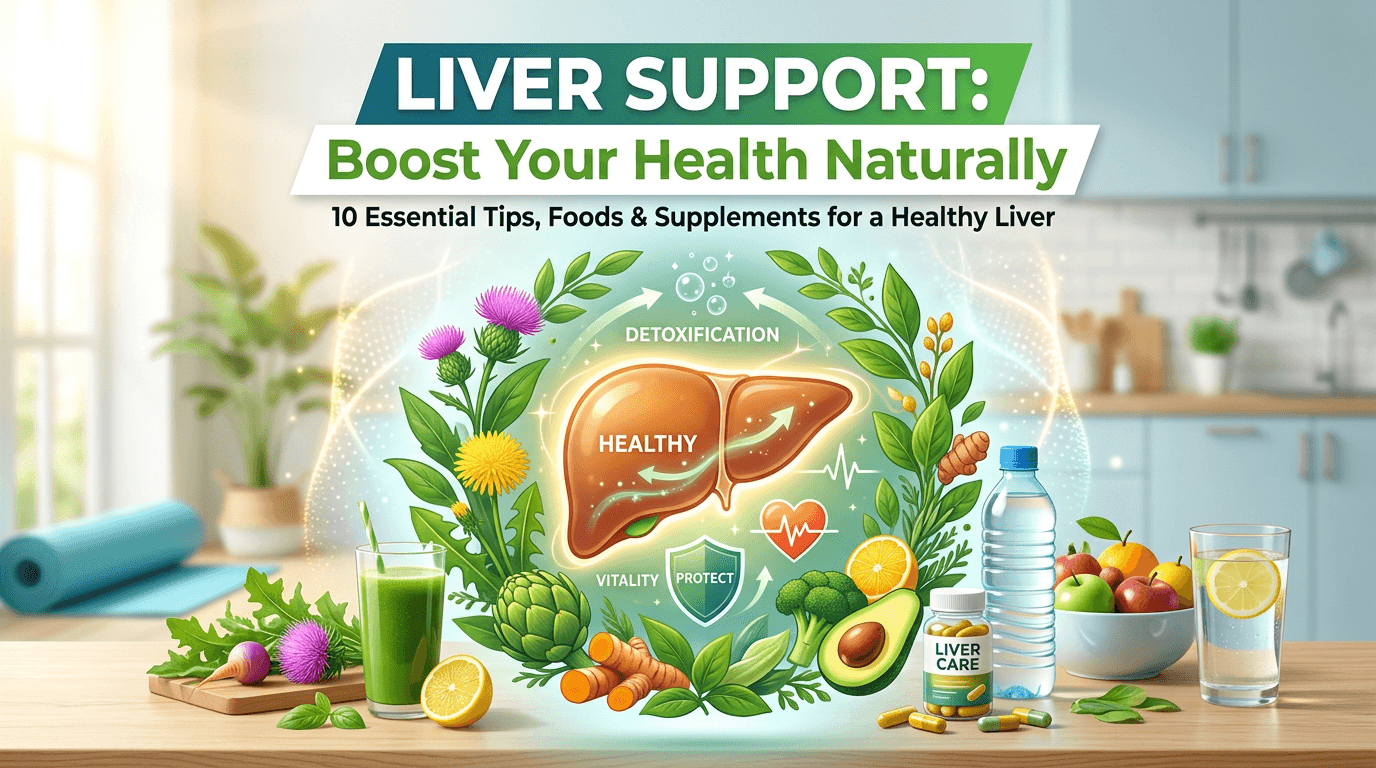
Liver Detox: Best Supplements for Liver Health

Liver Detox: Best Supplements for Liver Health

While no single pill can perform a "liver detox," certain supplements may provide valuable **liver support** by protecting cells from damage, reducing inflammation, and aiding the organ's natural detoxification processes. The most evidence-backed options include milk thistle (sil

Read →
Supplements that Help Support a Healthy Metabolism

Supplements that Help Support a Healthy Metabolism

While no supplement offers a "metabolism boost" that can single-handedly cause significant weight loss, certain vitamins, minerals, and compounds are essential for supporting the body's metabolic processes. These nutrients act as crucial cofactors in the complex network of chemic

Read →
How to Build a Powerful Immune System

How to Build a Powerful Immune System

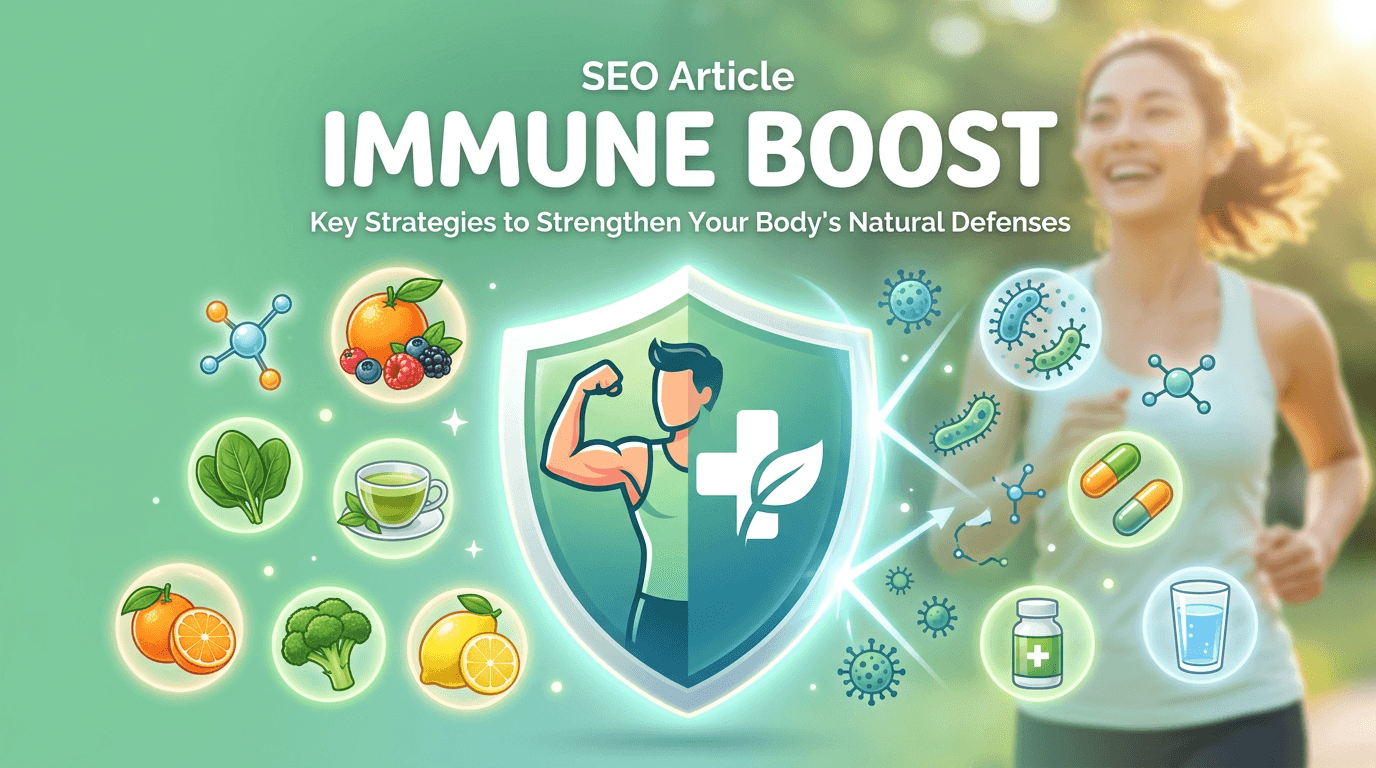
Building a powerful immune system involves consistently providing your body with the essential nutrients required for its complex defense mechanisms to function properly. While the term "immune boost" is popular, a more accurate goal is to support and maintain a balanced immune r

Read →
CoQ10 and Statins: Why You Might Need Both

CoQ10 and Statins: Why You Might Need Both

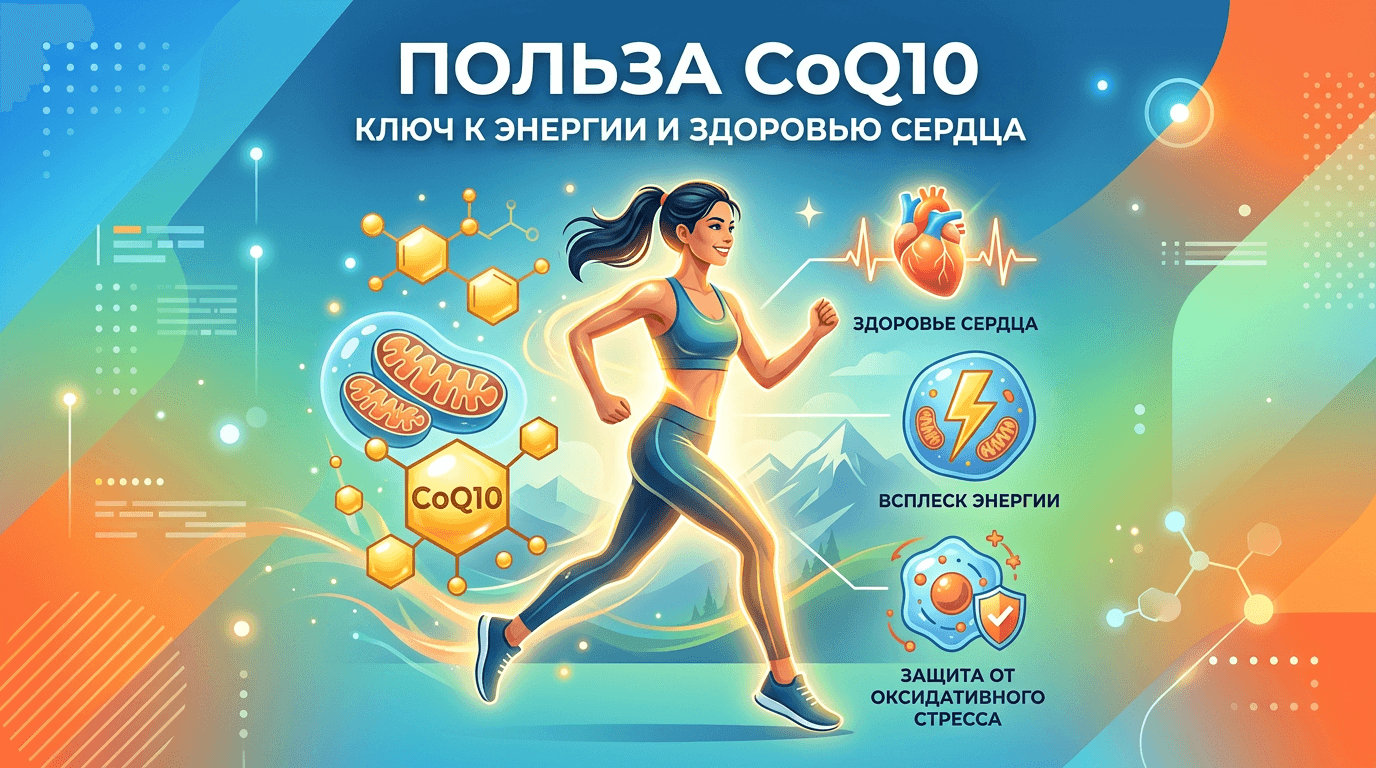
One of the most significant coq10 benefits is its potential role in supporting individuals taking statin medications, as statins can deplete the body's natural levels of this crucial compound. While Coenzyme Q10 (CoQ10) is essential for cellular energy production and antioxidant

Read →
Lutein and Zeaxanthin: Protecting Your Eyes

Lutein and Zeaxanthin: Protecting Your Eyes

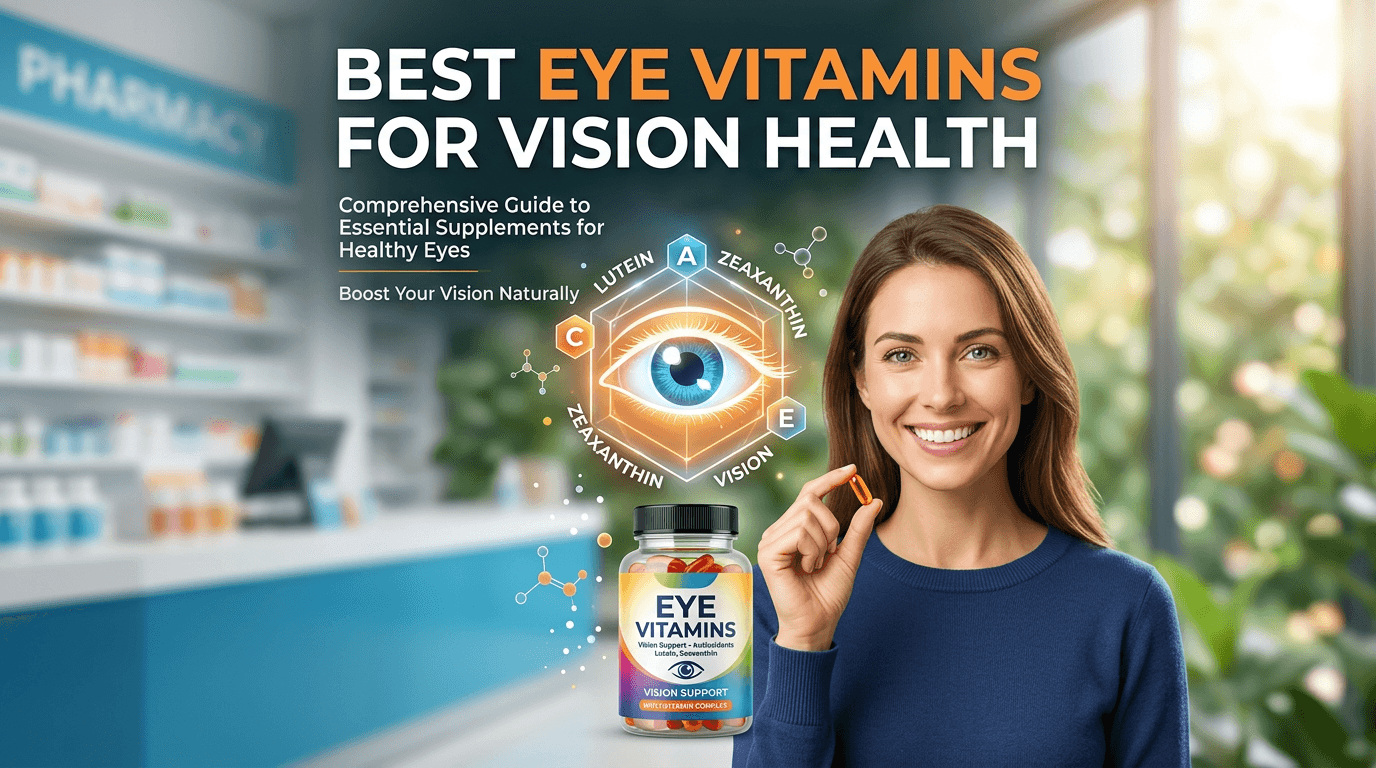
Lutein and zeaxanthin are two essential carotenoids that function as powerful eye vitamins, concentrating in the retina's macula to help filter harmful blue light and neutralize damaging free radicals. These antioxidants are crucial for supporting macular health, visual performan

Read →
Adaptogens for Stress: Ashwagandha vs Rhodiola

Adaptogens for Stress: Ashwagandha vs Rhodiola

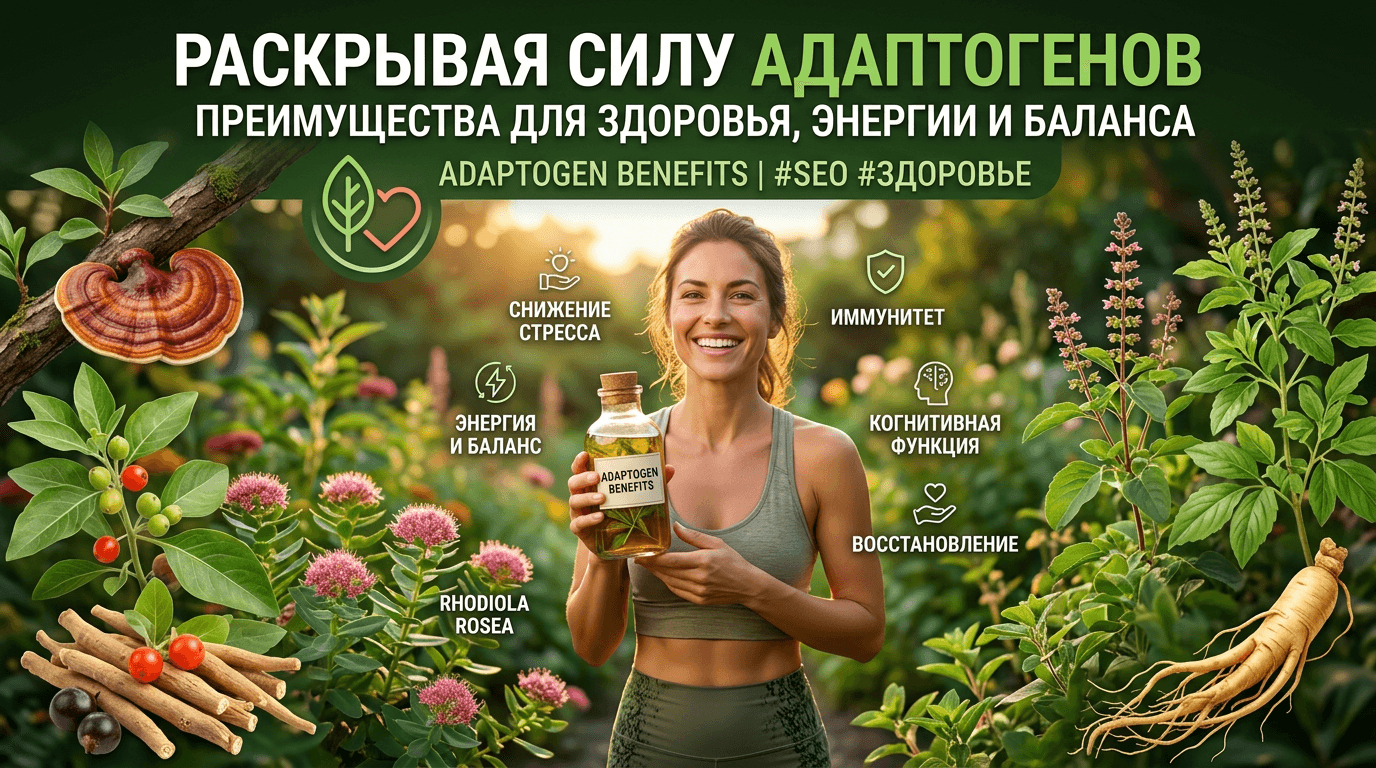
Ashwagandha and Rhodiola are two powerful adaptogenic herbs used to help the body manage stress, but they offer different adaptogen benefits and work in distinct ways. Ashwagandha is generally considered a calming adaptogen, ideal for individuals who feel "wired and tired" with a

Read →
Natural Ways to Boost Energy Without Caffeine

Natural Ways to Boost Energy Without Caffeine

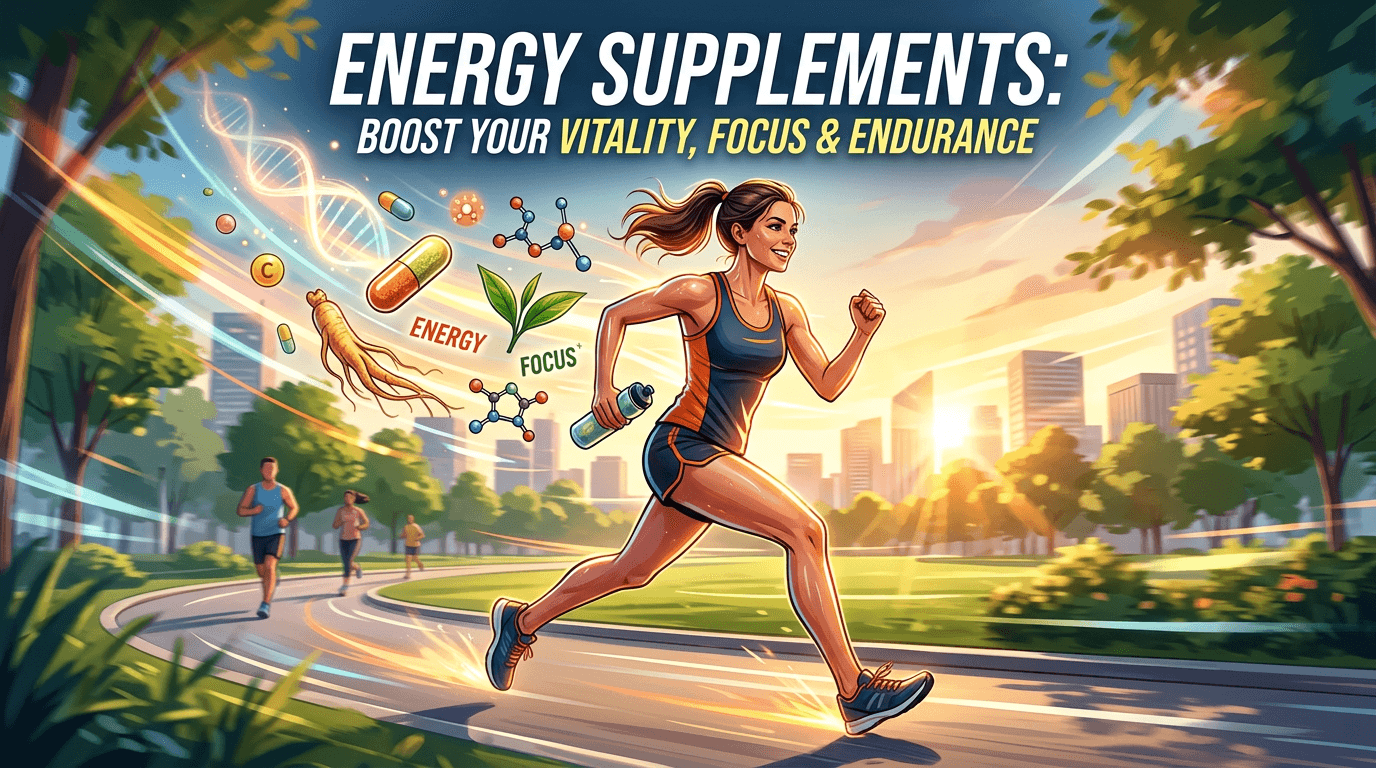
Natural ways to boost energy without caffeine involve a multi-faceted approach that prioritizes identifying the root cause of fatigue, correcting nutrient deficiencies, and supporting the body's own energy production systems. While no single pill can replace healthy habits, targe

Read →
Glucosamine and Chondroitin for Joint Pain

Glucosamine and Chondroitin for Joint Pain

Glucosamine and chondroitin are two of the most widely recognized joint supplements, often taken together with the goal of supporting cartilage health and managing joint discomfort. These compounds are naturally found in cartilage, and supplementing with them is based on the theo

Read →
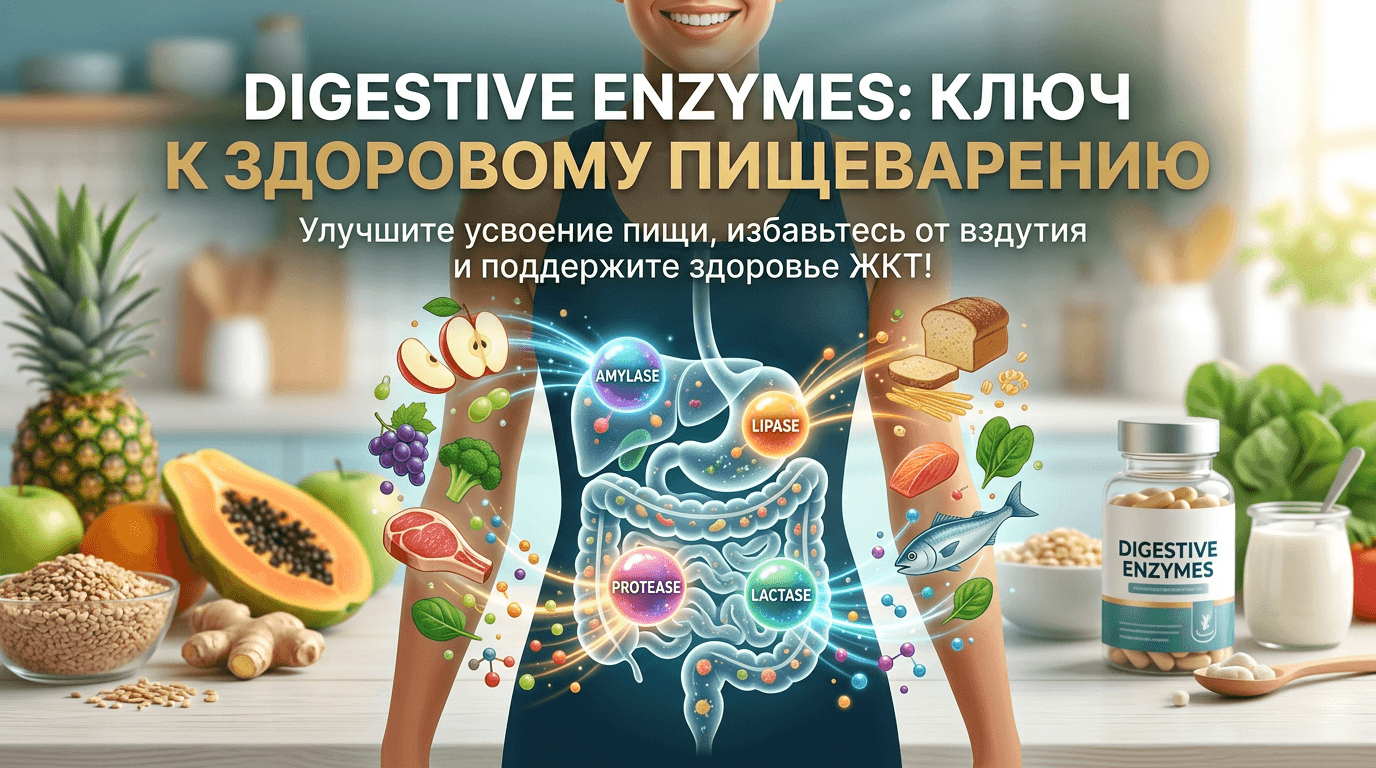
Digestive Enzymes vs Probiotics: Which Do You Need?

Digestive Enzymes vs Probiotics: Which Do You Need?

Digestive enzymes and probiotics are both used to support digestive health, but they serve fundamentally different purposes. Digestive enzymes are non-living proteins that help break down the food you eat, while probiotics are living microorganisms that contribute to a healthy gu

Read →
Natural Remedies for Insomnia: Beyond Melatonin

Natural Remedies for Insomnia: Beyond Melatonin

While melatonin is a popular choice, many other sleep supplements are available that may help support restful sleep through different mechanisms. Options like magnesium, L-theanine, glycine, and herbal extracts such as valerian root and lemon balm are increasingly explored by ind

Read →
Best Nootropics for Focus and Mental Clarity

Best Nootropics for Focus and Mental Clarity

The best nootropics for focus and mental clarity are generally considered to be substances with significant scientific backing, such as the combination of Caffeine and L-Theanine for synergistic effects on alertness and calm focus, Creatine for supporting brain energy metabolism,

Read →
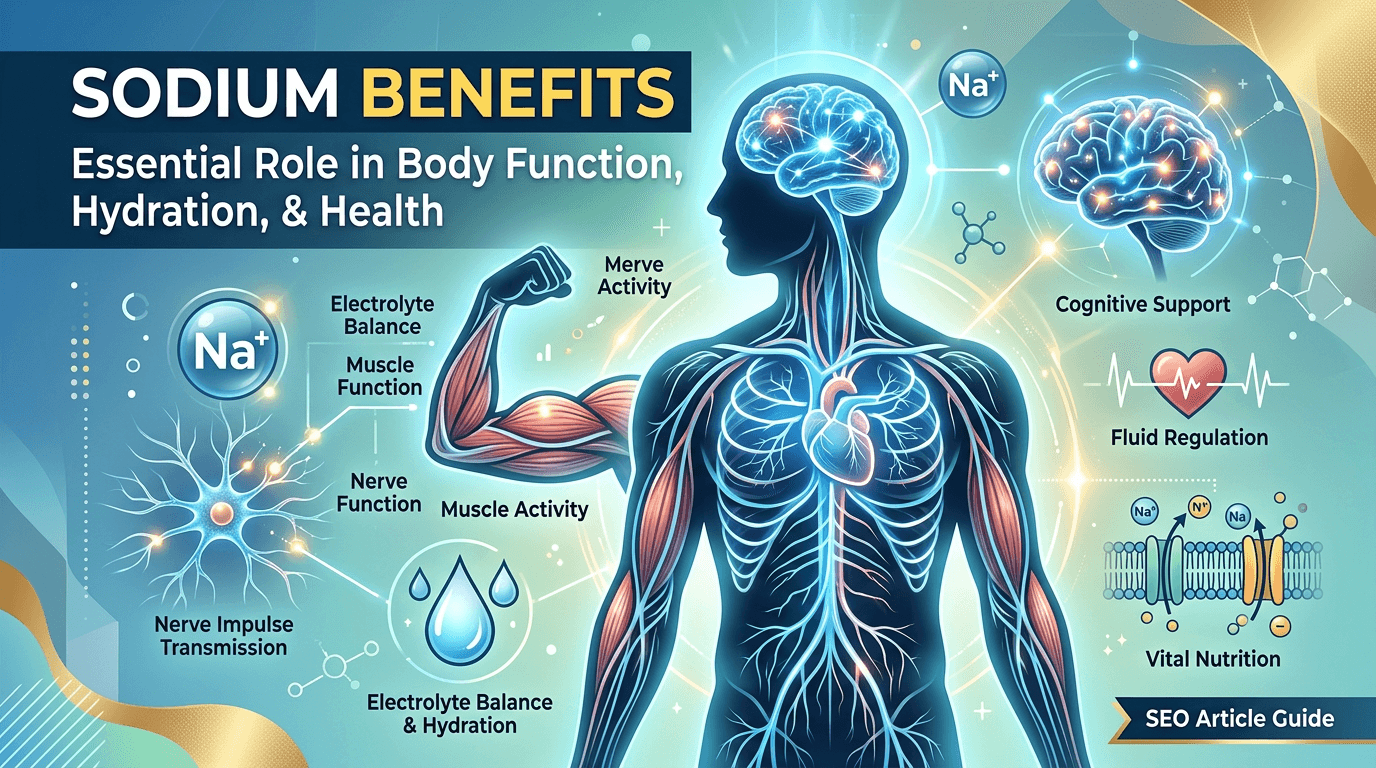
Why You Actually Need Salt (In Moderation)

Why You Actually Need Salt (In Moderation)

Sodium is an essential mineral and a primary electrolyte that your body requires for several vital functions, including maintaining proper fluid balance, supporting nerve impulse transmission, and enabling muscle contraction. While it has been widely criticized due to the health

Read →
The Importance of Ionic Trace Minerals

The Importance of Ionic Trace Minerals

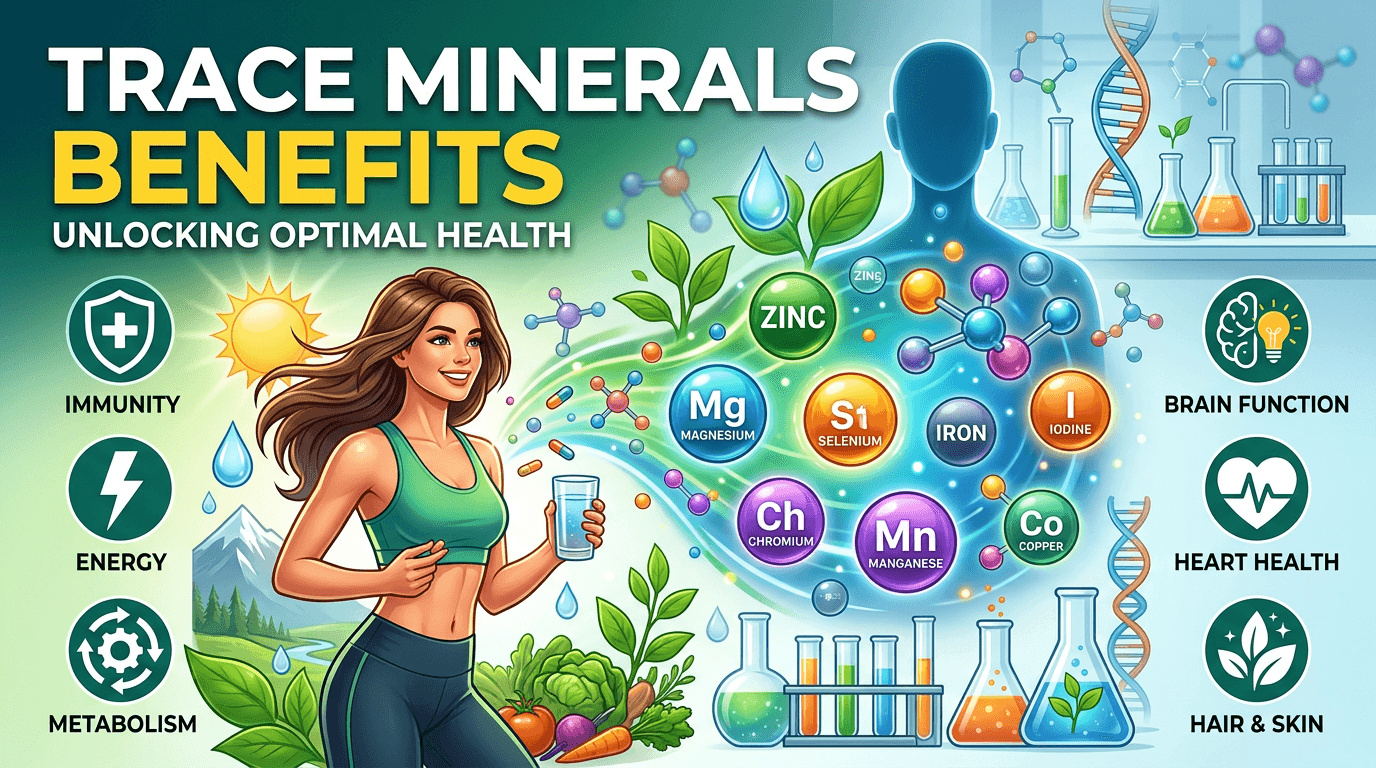
The benefits of trace minerals are foundational to your body's complex electrical and biochemical systems, supporting everything from metabolic energy to antioxidant defense. These essential nutrients, required in very small amounts, act as catalysts for countless physiological p

Read →
Why 80% of People are Magnesium Deficient

Why 80% of People are Magnesium Deficient

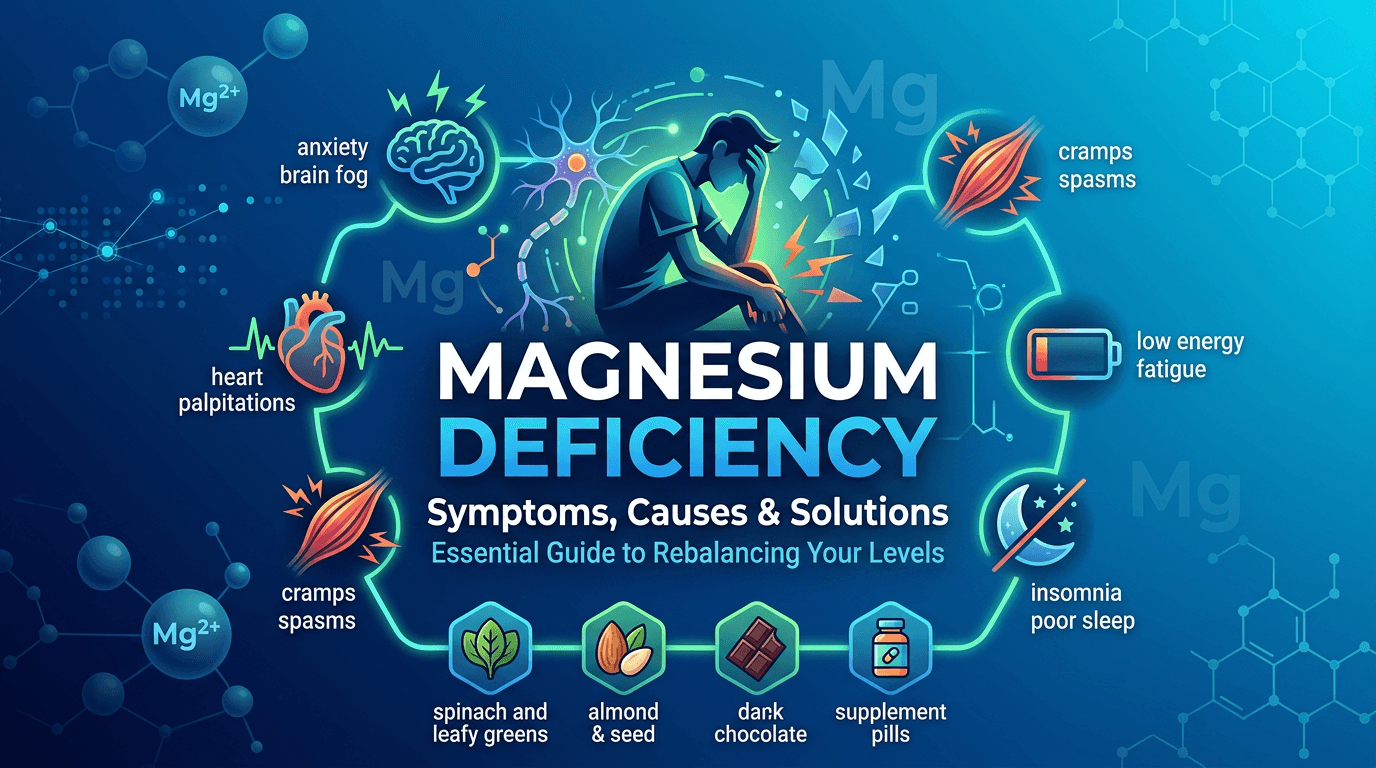
The widely cited claim that up to 80% of people are deficient in magnesium often refers to suboptimal intake rather than a clinical deficiency. While true clinical magnesium deficiency, or hypomagnesemia, is less common in the general population, data from U.S. national health su

Read →
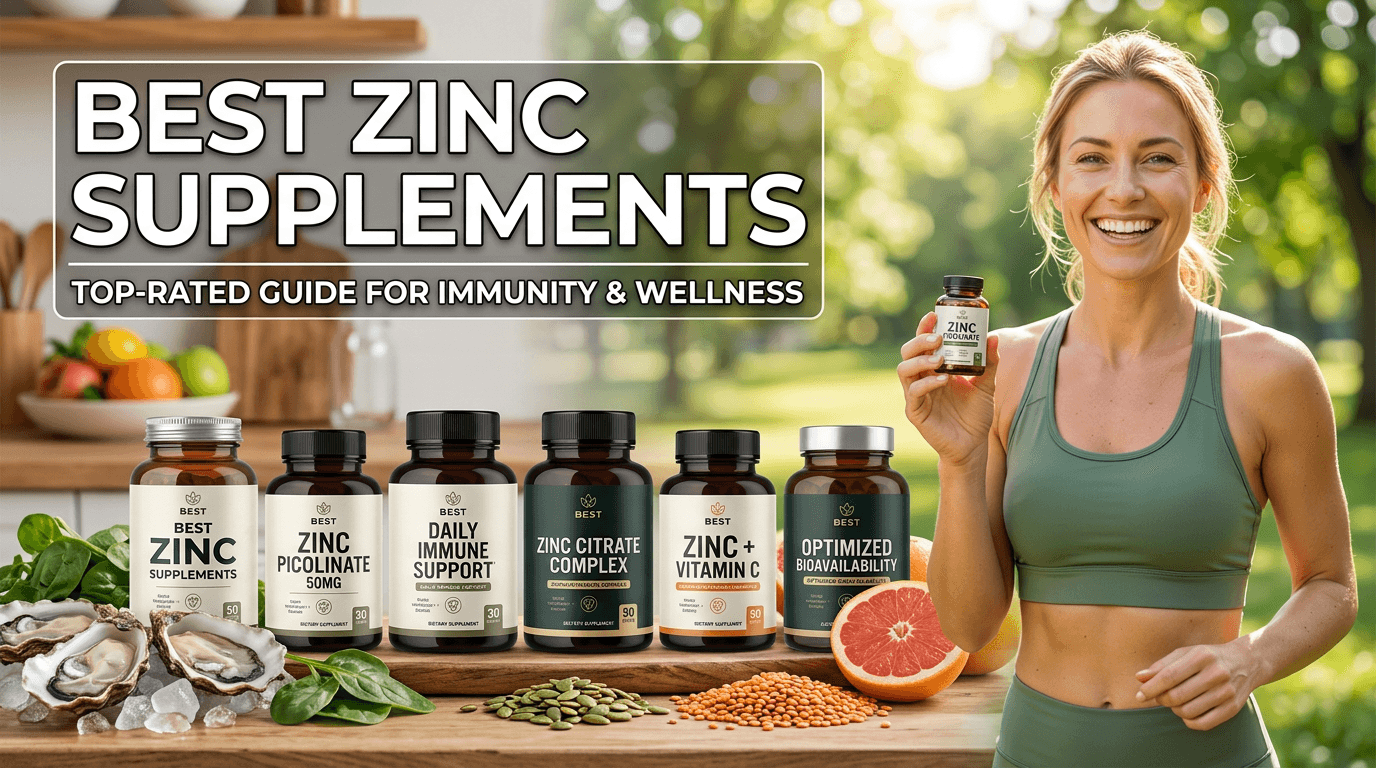
Signs of Zinc Deficiency You Might Be Ignoring

Signs of Zinc Deficiency You Might Be Ignoring

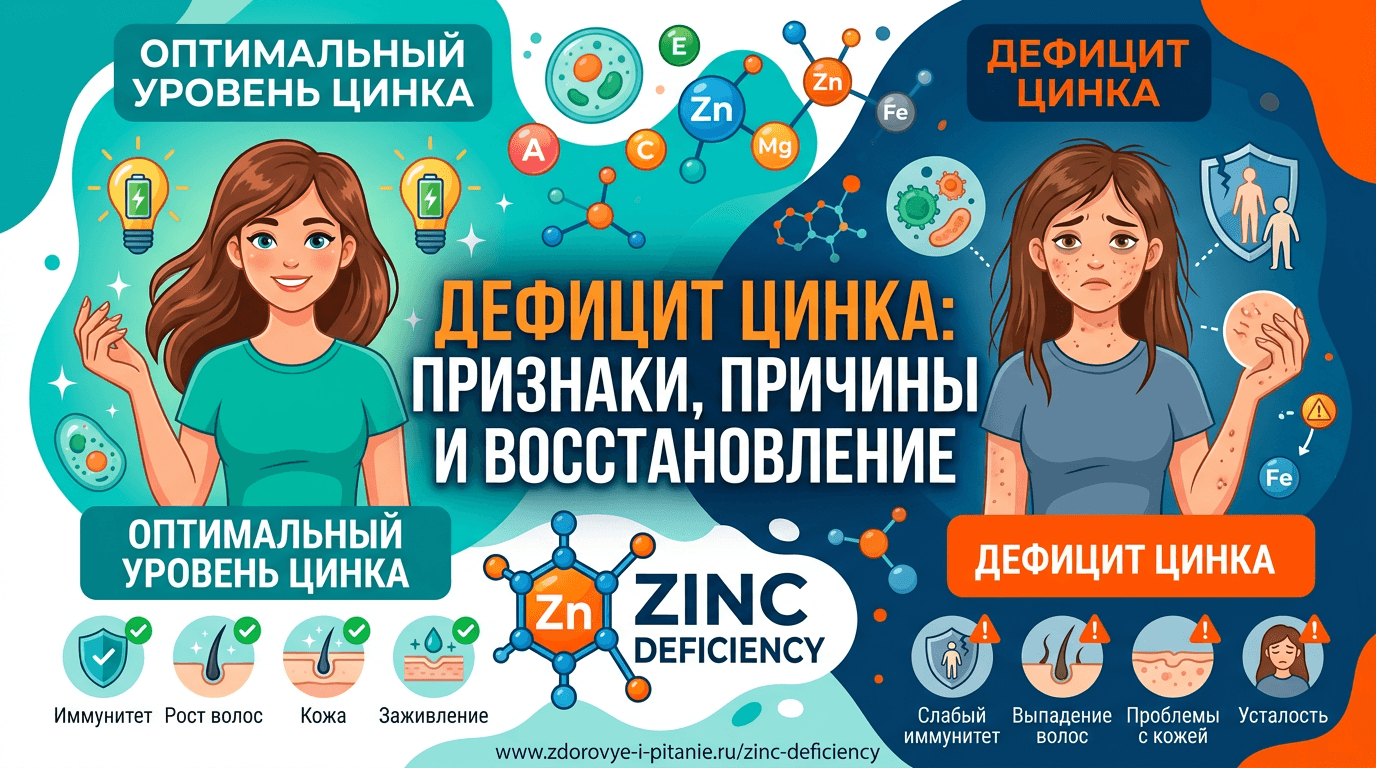
Zinc deficiency can manifest through a wide range of subtle and often overlooked signs, including impaired immune function, slow wound healing, skin issues, and a reduced sense of taste or smell. Because zinc is an essential trace mineral involved in hundreds of critical bodily p

Read →
Magnesium L-Threonate for Brain Focus

Magnesium L-Threonate for Brain Focus

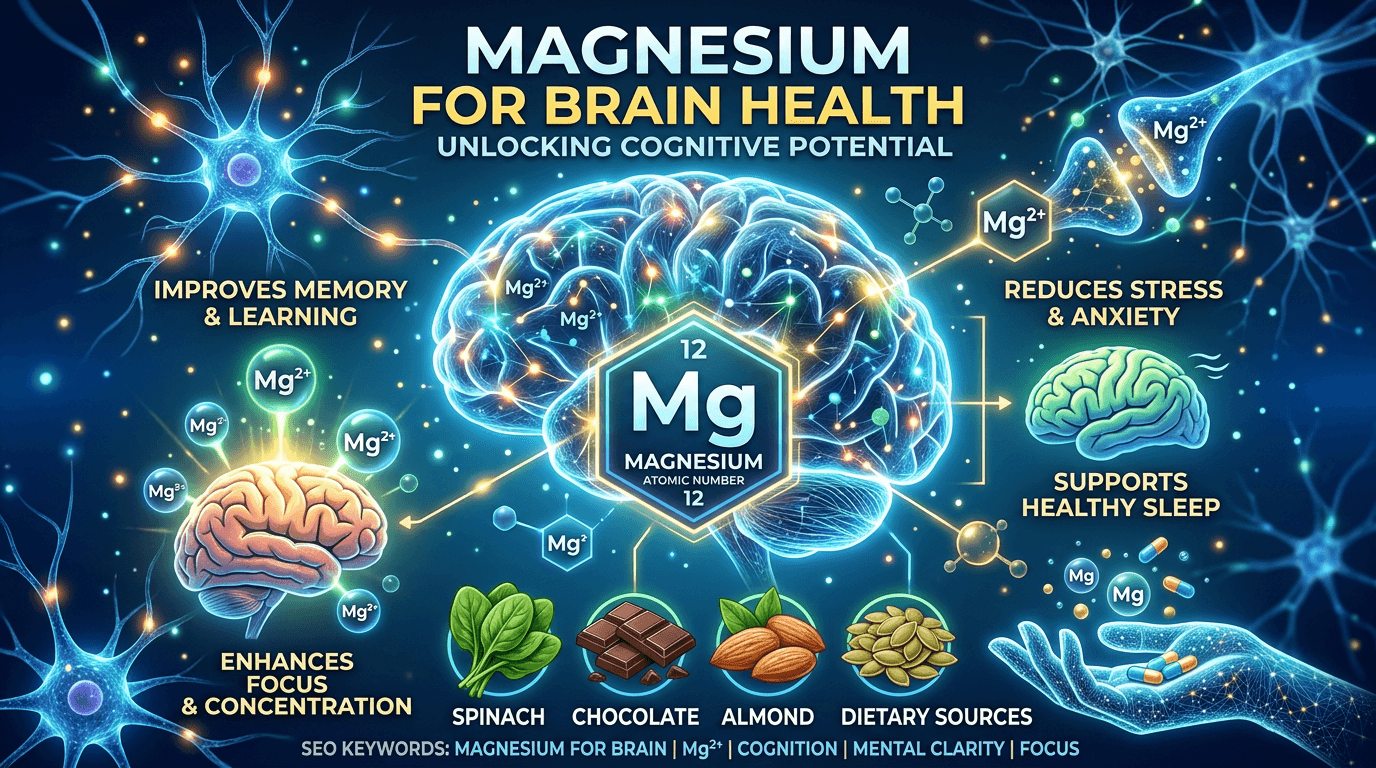
Magnesium for brain health is a significant area of interest, and Magnesium L-Threonate is a specific form often discussed for its potential to support cognitive functions like focus and memory. This unique compound is designed to effectively cross the blood-brain barrier, delive

Read →
Best Electrolyte Powder for Hydration and Keto

Best Electrolyte Powder for Hydration and Keto

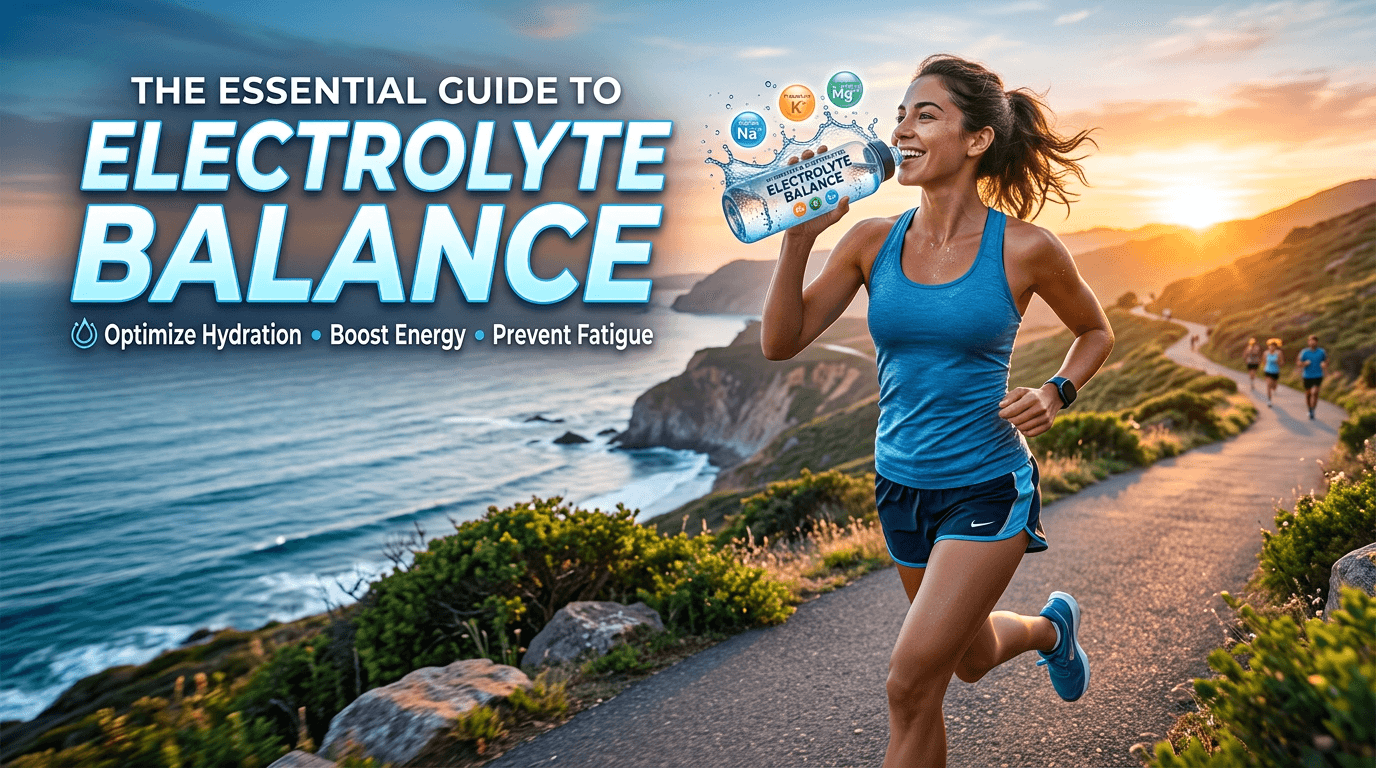
Achieving and maintaining electrolyte balance is essential for proper hydration, nerve function, and overall cellular health, particularly for individuals following a ketogenic diet or engaging in regular, intense exercise. An effective electrolyte powder for these purposes shoul

Read →
Silica for Skin, Hair, and Collagen Support

Silica for Skin, Hair, and Collagen Support

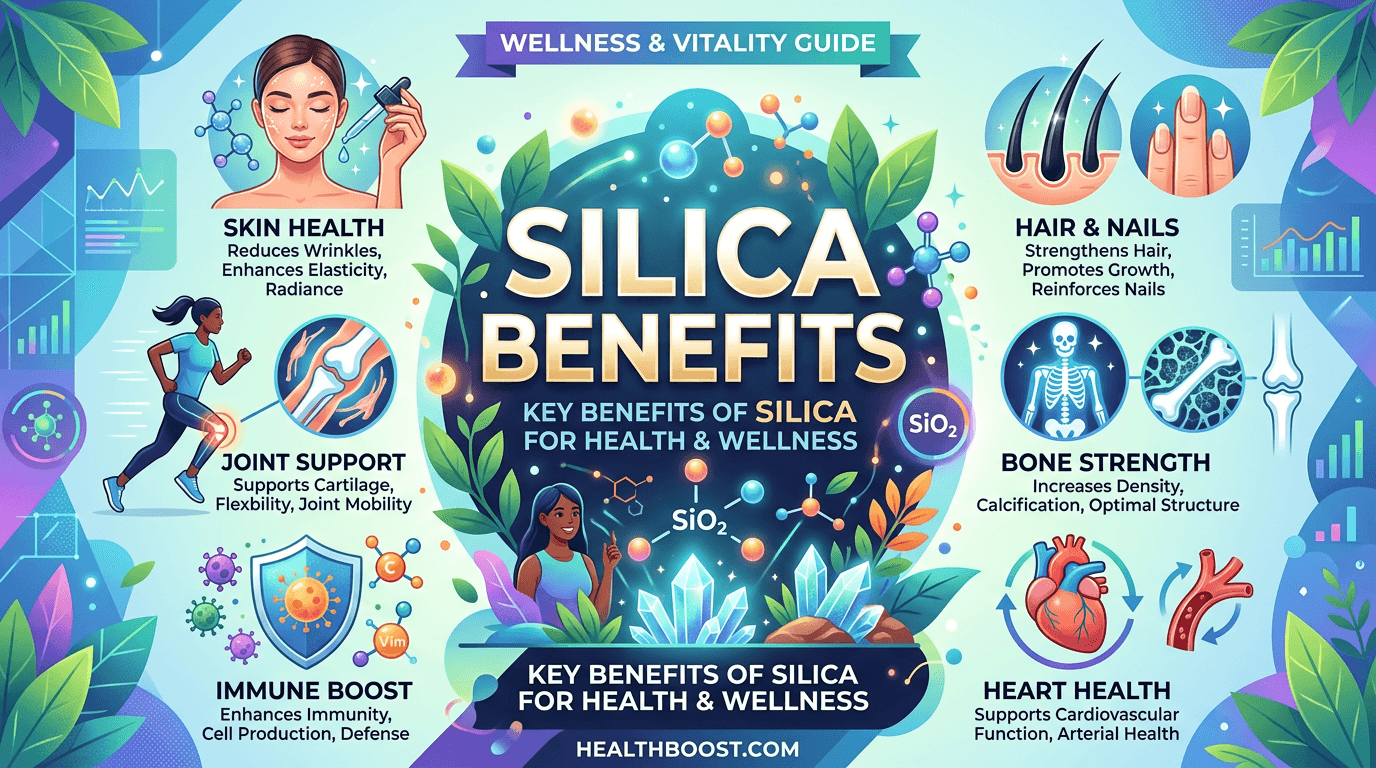
Silica offers potential benefits for skin, hair, and collagen production by providing the essential trace mineral silicon, which is integral to the synthesis of collagen and the structural integrity of connective tissues. As a key building block, silica may help support skin elas

Read →
Phosphorus: Roles in Energy and Bone Health

Phosphorus: Roles in Energy and Bone Health

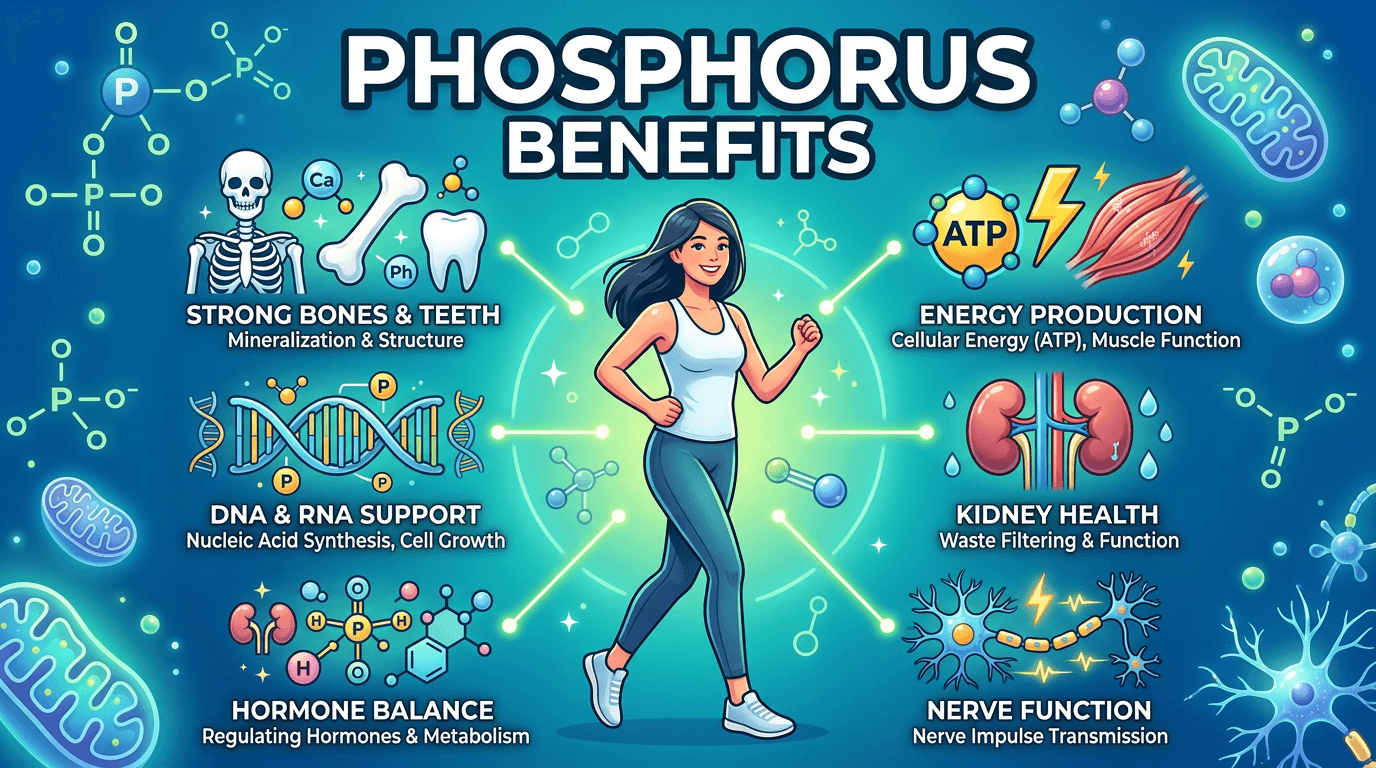
The primary phosphorus benefits relate to its fundamental roles in the body, including building strong bones and teeth, producing energy at a cellular level, and forming the very structure of our DNA and cell membranes. As the second most abundant mineral in the body after calciu

Read →
Why You Need Molybdenum for Detoxification

Why You Need Molybdenum for Detoxification

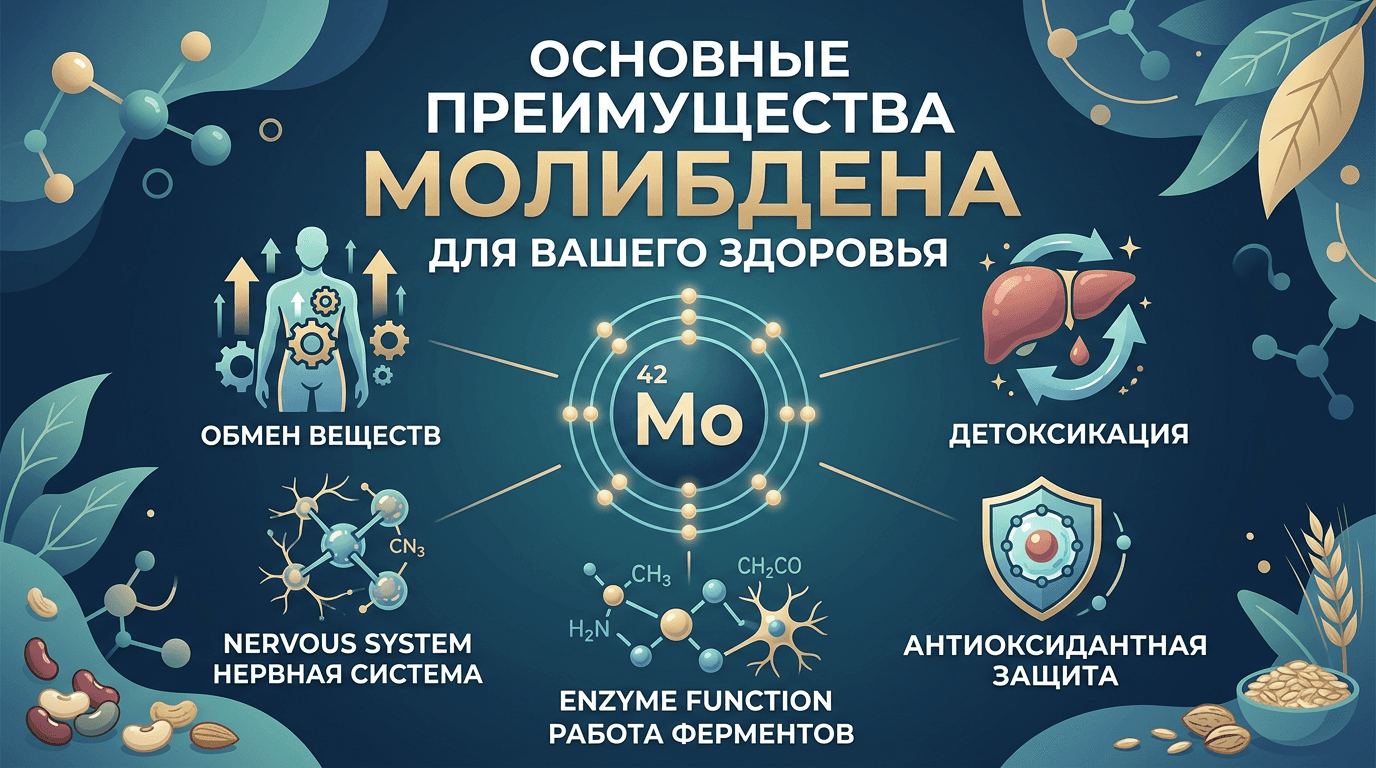
The primary molybdenum benefits stem from its role as an essential cofactor for enzymes crucial to detoxification, particularly for processing sulfites and breaking down various compounds in the body. This trace mineral helps convert potentially harmful sulfites into safer sulfat

Read →
Manganese: The Mineral for Connective Tissue

Manganese: The Mineral for Connective Tissue

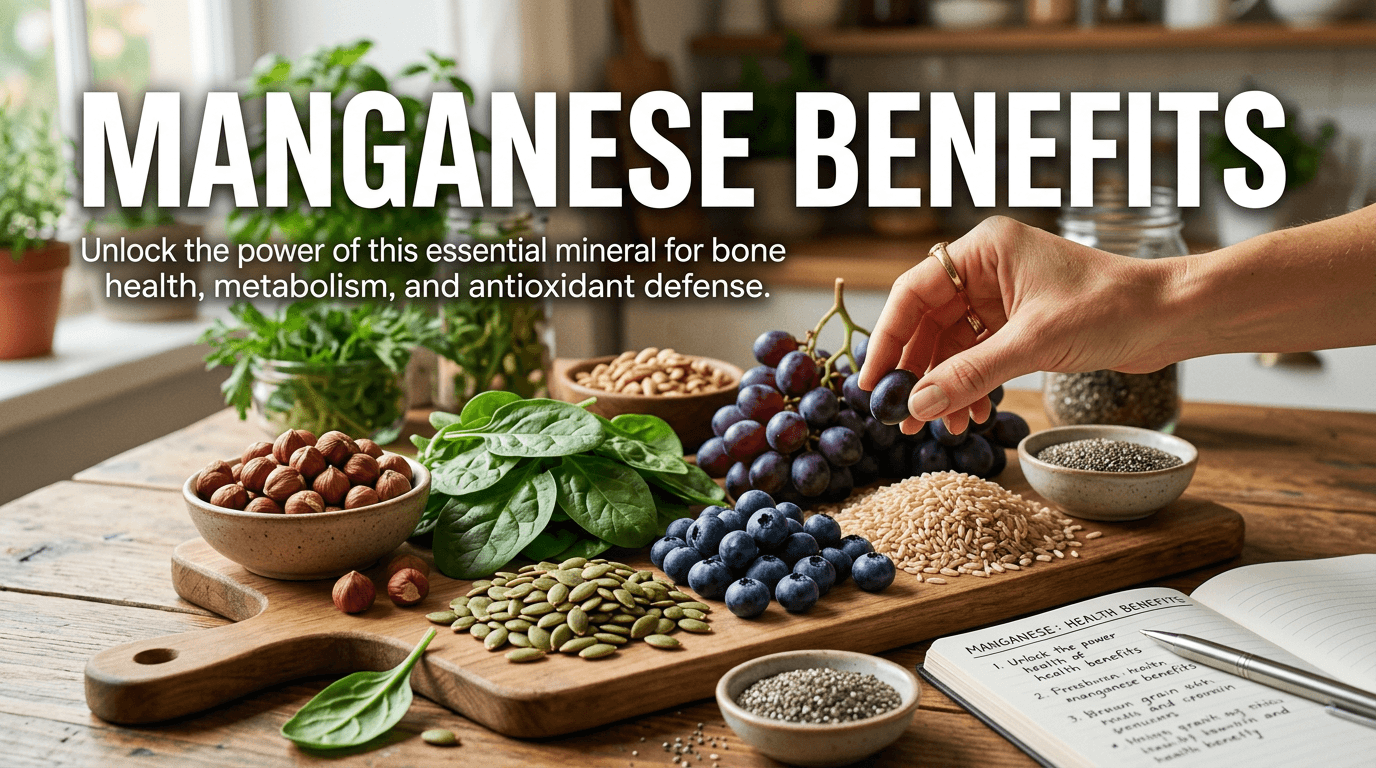
The primary manganese benefits stem from its role as an essential trace mineral that acts as a cofactor for numerous enzymes, supporting antioxidant defense, nutrient metabolism, bone health, and the formation of connective tissue. While crucial for health, it is a mineral where

Read →
Boron: The Hidden Mineral for Bone and Hormones

Boron: The Hidden Mineral for Bone and Hormones

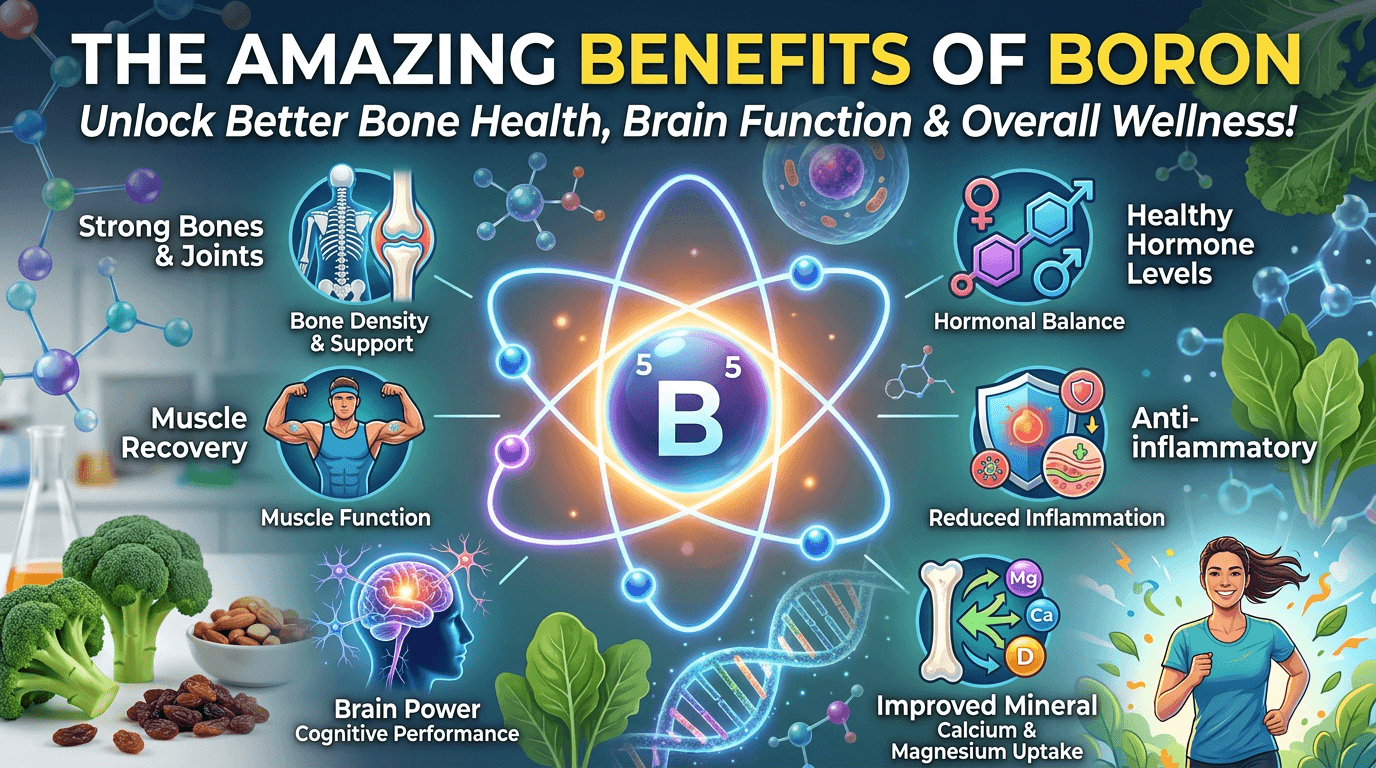
The potential boron benefits for human health, particularly in supporting bone density and hormonal balance, are a subject of growing scientific interest. This trace mineral, found naturally in many plant-based foods, plays a complex and multifaceted role in the body's metabolic

Read →
Chromium Picolinate for Blood Sugar Control

Chromium Picolinate for Blood Sugar Control

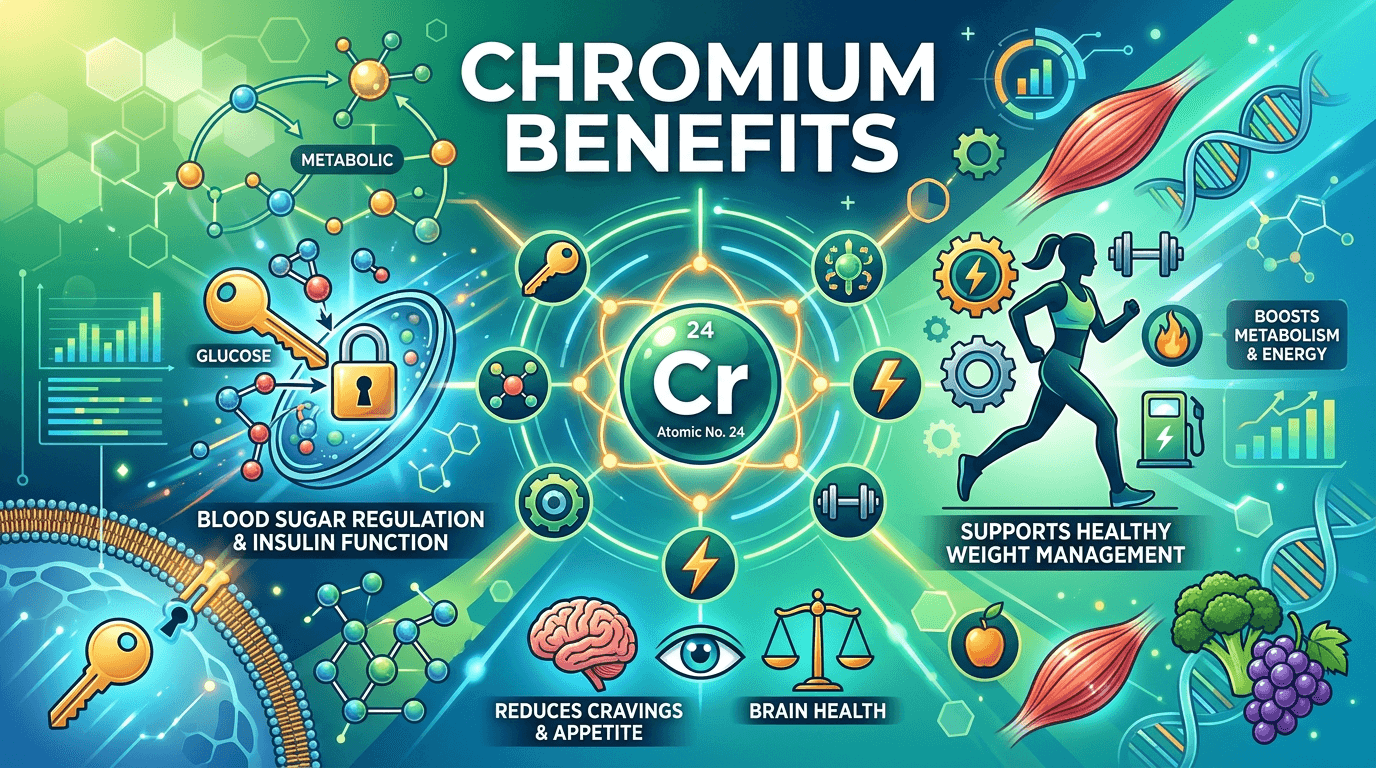
Chromium picolinate is a popular supplemental form of the essential trace mineral chromium, often explored for its potential chromium benefits in supporting healthy blood sugar levels and insulin function. While chromium is vital for macronutrient metabolism, the effectiveness of

Read →
The Danger of Zinc-Induced Copper Deficiency

The Danger of Zinc-Induced Copper Deficiency

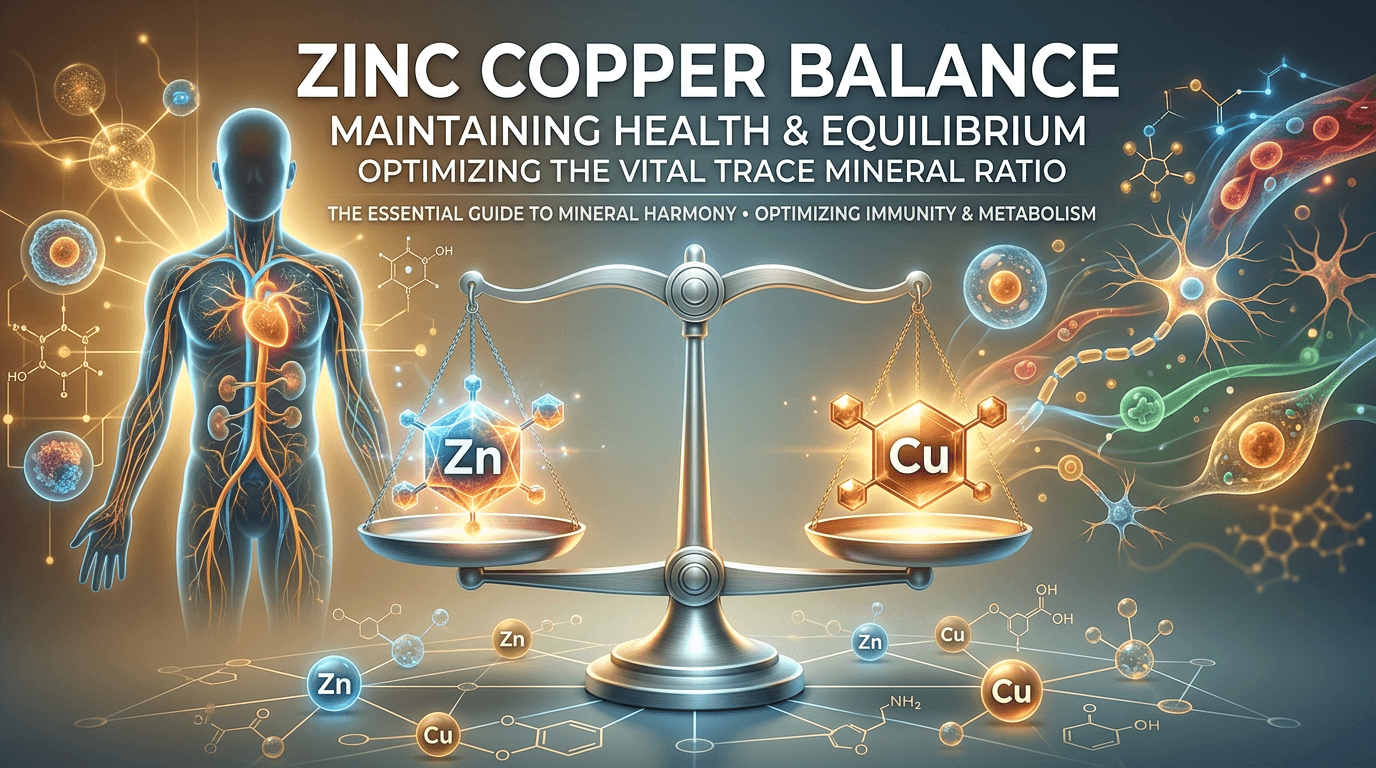
Maintaining the proper zinc copper balance is essential for overall health, as excessive zinc intake can lead to a clinically significant copper deficiency. This condition arises because high levels of zinc interfere with the body's ability to absorb copper, a vital trace mineral

Read →
Why Potassium is More Important Than You Think

Why Potassium is More Important Than You Think

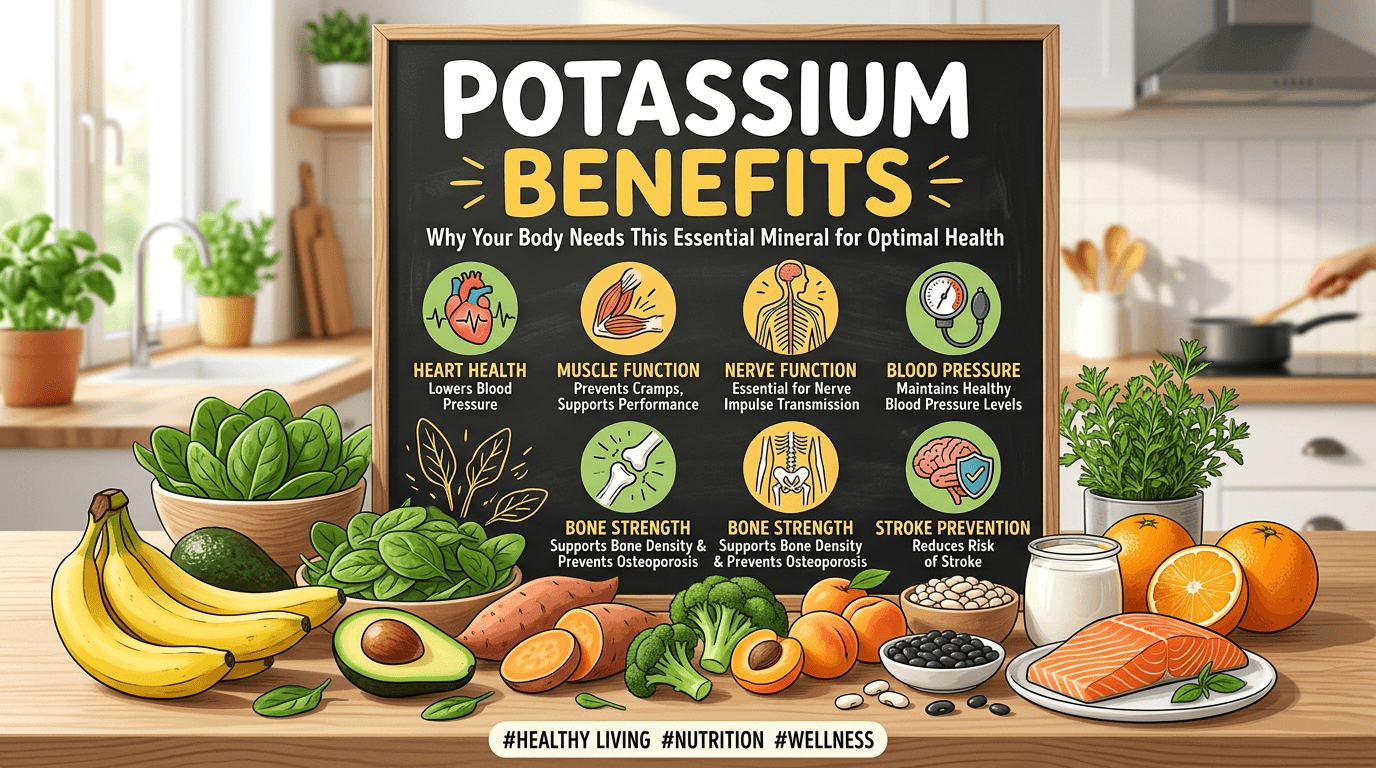
The primary potassium benefits stem from its role as an essential electrolyte that helps regulate fluid balance, nerve signals, and muscle contractions, which is critical for maintaining healthy blood pressure and overall cardiovascular function. As a mineral vital for nearly eve

Read →
Iodine and the Thyroid: How to Supplement Safely

Iodine and the Thyroid: How to Supplement Safely

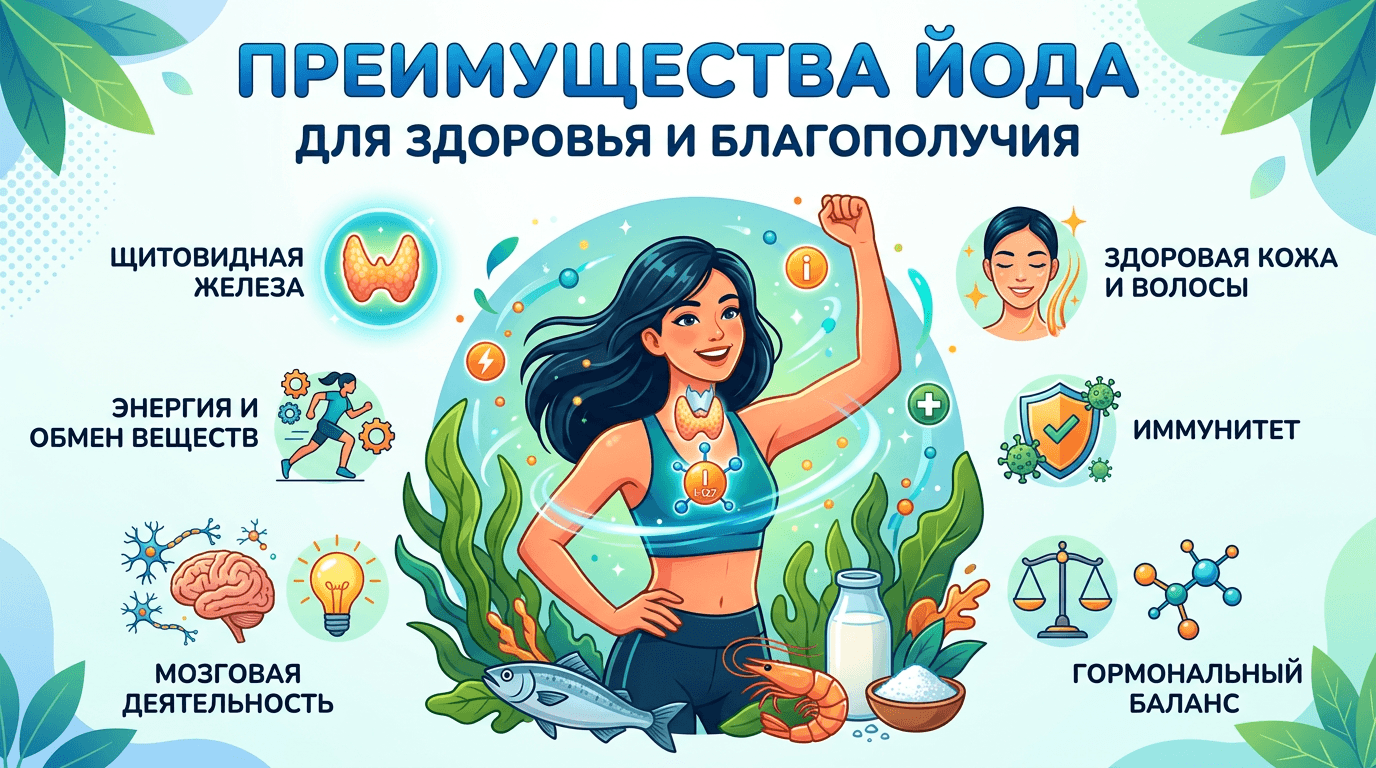
The primary iodine benefits stem from its essential role in producing thyroid hormones, which are critical for regulating metabolism, supporting brain development, and maintaining overall energy levels. This trace mineral is a fundamental building block that the thyroid gland req

Read →
Calcium Without Supplements: Best Food Sources

Calcium Without Supplements: Best Food Sources

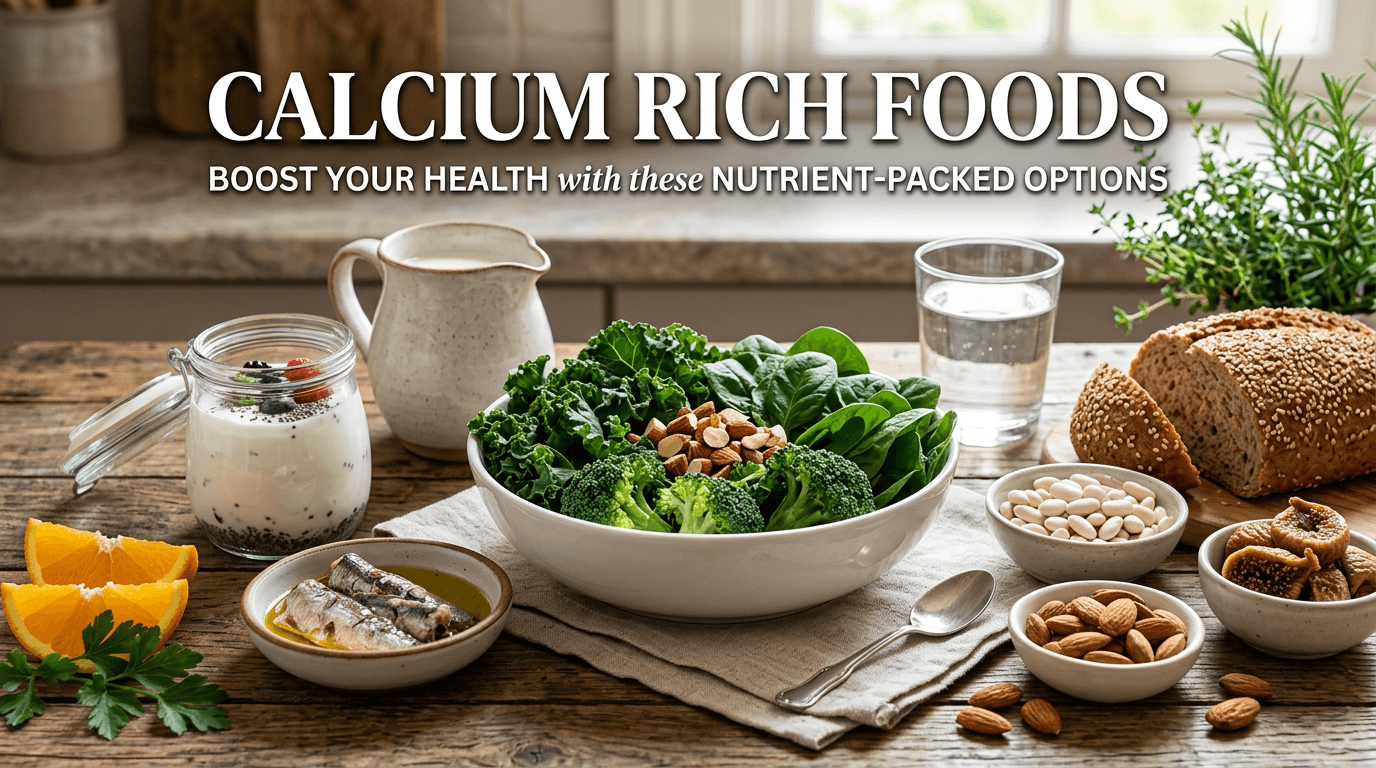
The best calcium-rich foods for building a strong, healthy body include dairy products like milk, yogurt, and cheese, as well as a wide array of non-dairy options such as fortified plant milks, leafy greens like kale and collard greens, calcium-set tofu, and canned fish with edib

Read →
Selenium for Thyroid Health and Detox

Selenium for Thyroid Health and Detox

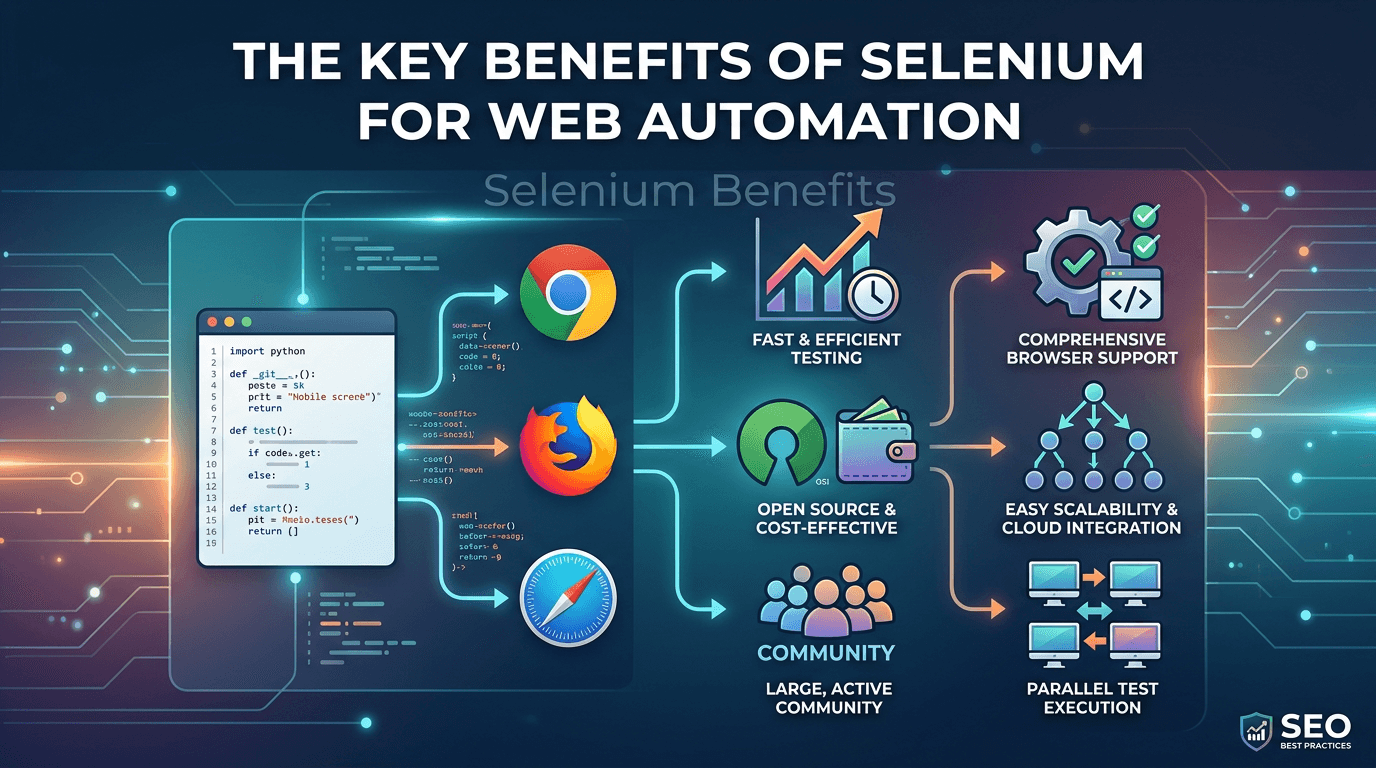
The key benefits of selenium stem from its role as an essential trace mineral that is a critical component of powerful antioxidant enzymes called selenoproteins. These compounds are vital for thyroid hormone metabolism, protecting cells from oxidative damage, supporting a healthy

Read →
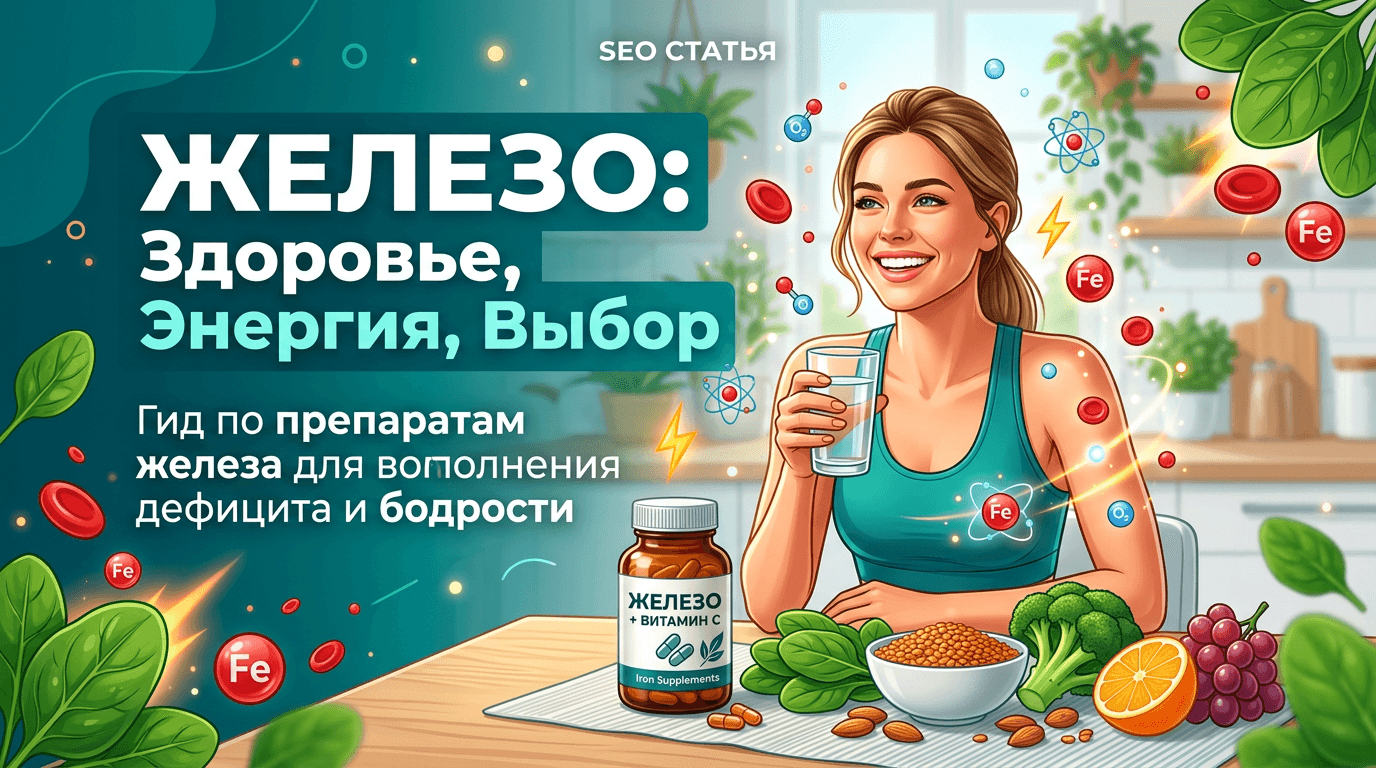
How to Fix Iron Deficiency Without Constipation

How to Fix Iron Deficiency Without Constipation

To fix iron deficiency without constipation, the most effective strategies involve choosing a gentler, more bioavailable form of iron supplement, such as iron bisglycinate. Additionally, taking iron with vitamin C to enhance absorption, starting with a lower dose, considering alt

Read →
Zinc Picolinate for Immune Support

Zinc Picolinate for Immune Support

Zinc picolinate is a specific form of zinc supplement often considered one of the best for supporting the immune system due to its high bioavailability. As a chelated form, zinc is bound to picolinic acid, a natural compound the body uses to transport minerals, which may enhance

Read →
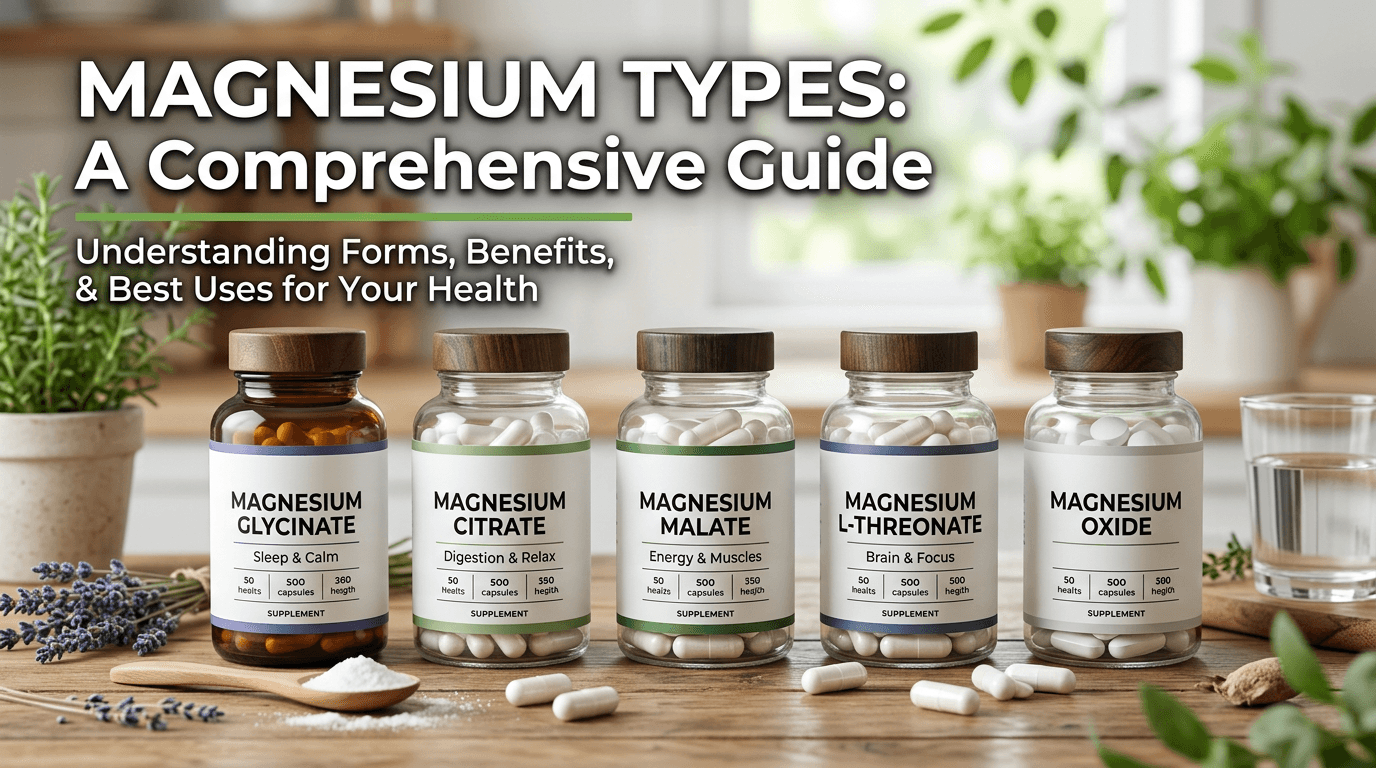
7 Types of Magnesium and Their Benefits

7 Types of Magnesium and Their Benefits

The main types of magnesium supplements include citrate, glycinate, malate, L-threonate, oxide, chloride, and sulfate, each offering different levels of absorption and potential benefits. These forms vary in their bioavailability and are often chosen based on specific health goal

Read →
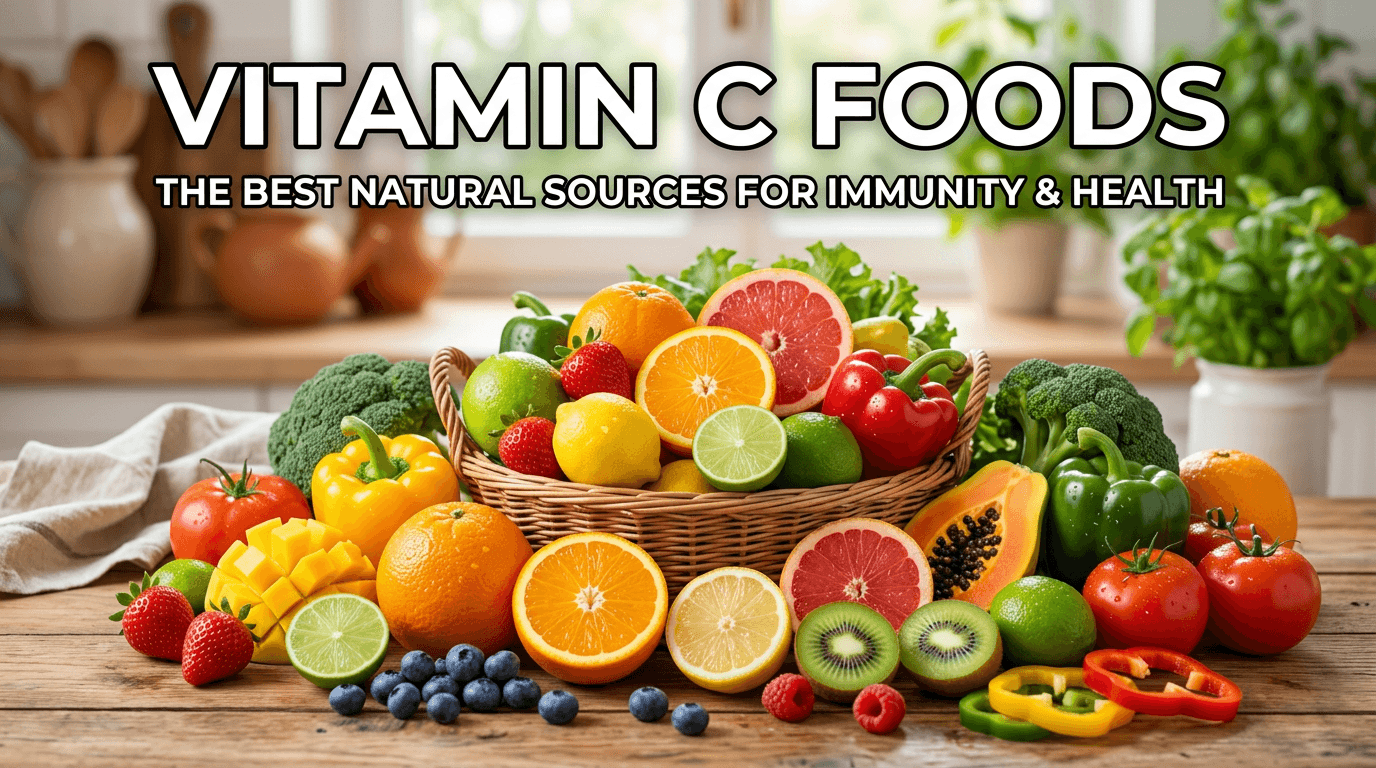
Natural Sources of Vitamin C Beyond Oranges

Natural Sources of Vitamin C Beyond Oranges

The best vitamin C foods extend far beyond the citrus aisle, with options like red bell peppers, kiwifruit, and broccoli offering significantly more of this essential nutrient per serving than an orange. While oranges are a well-known source, a diverse diet rich in various fruits

Read →
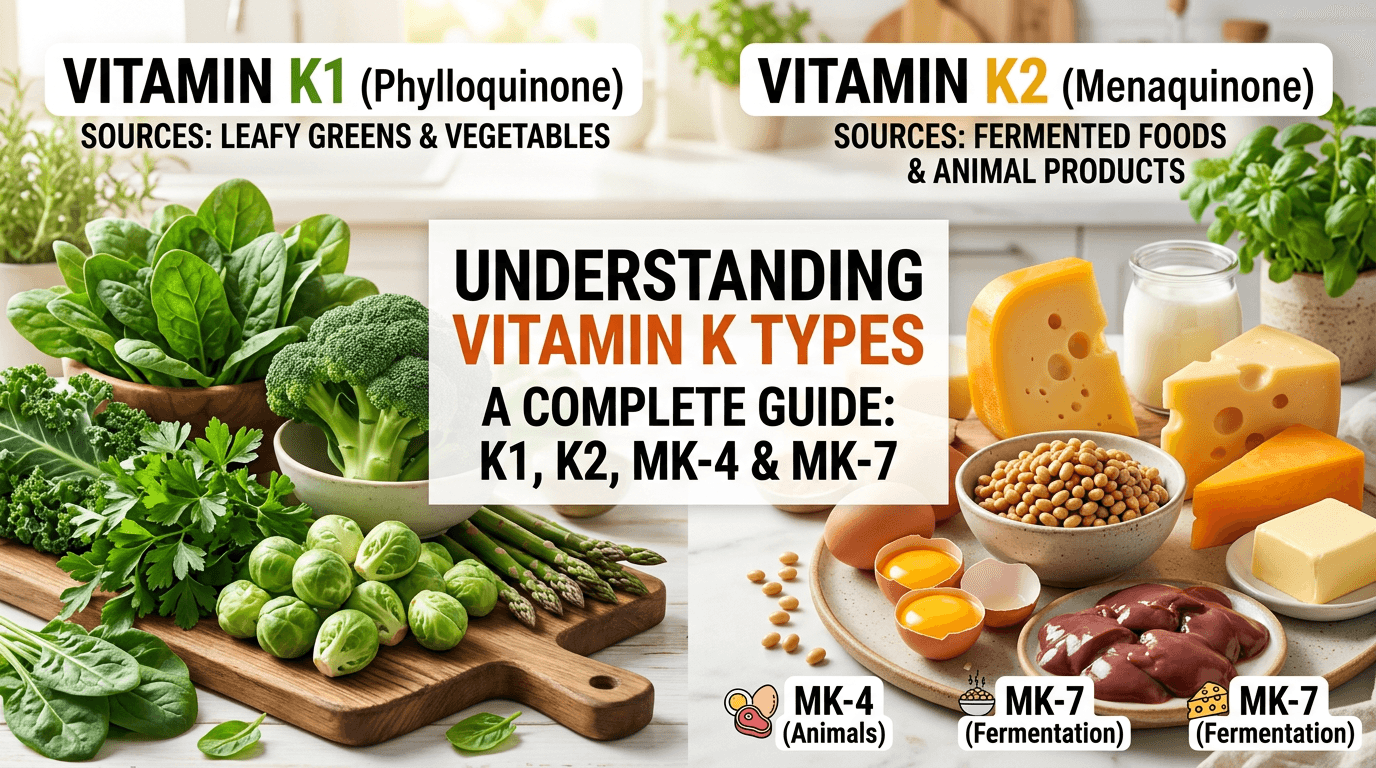
Vitamin K1 vs K2: Understanding the Difference

Vitamin K1 vs K2: Understanding the Difference

The key difference between vitamin K types is their function and dietary source: Vitamin K1, or phylloquinone, primarily supports blood coagulation and is abundant in leafy green vegetables. Vitamin K2, a group of compounds called menaquinones, is crucial for regulating calcium p

Read →
Can Vitamin D Help with Depression?

Can Vitamin D Help with Depression?

The relationship between vitamin D and depression is complex, with research showing a consistent link between low vitamin D levels and a higher likelihood of depressive symptoms. While correcting a vitamin D deficiency is important for overall health and may offer some support fo

Read →
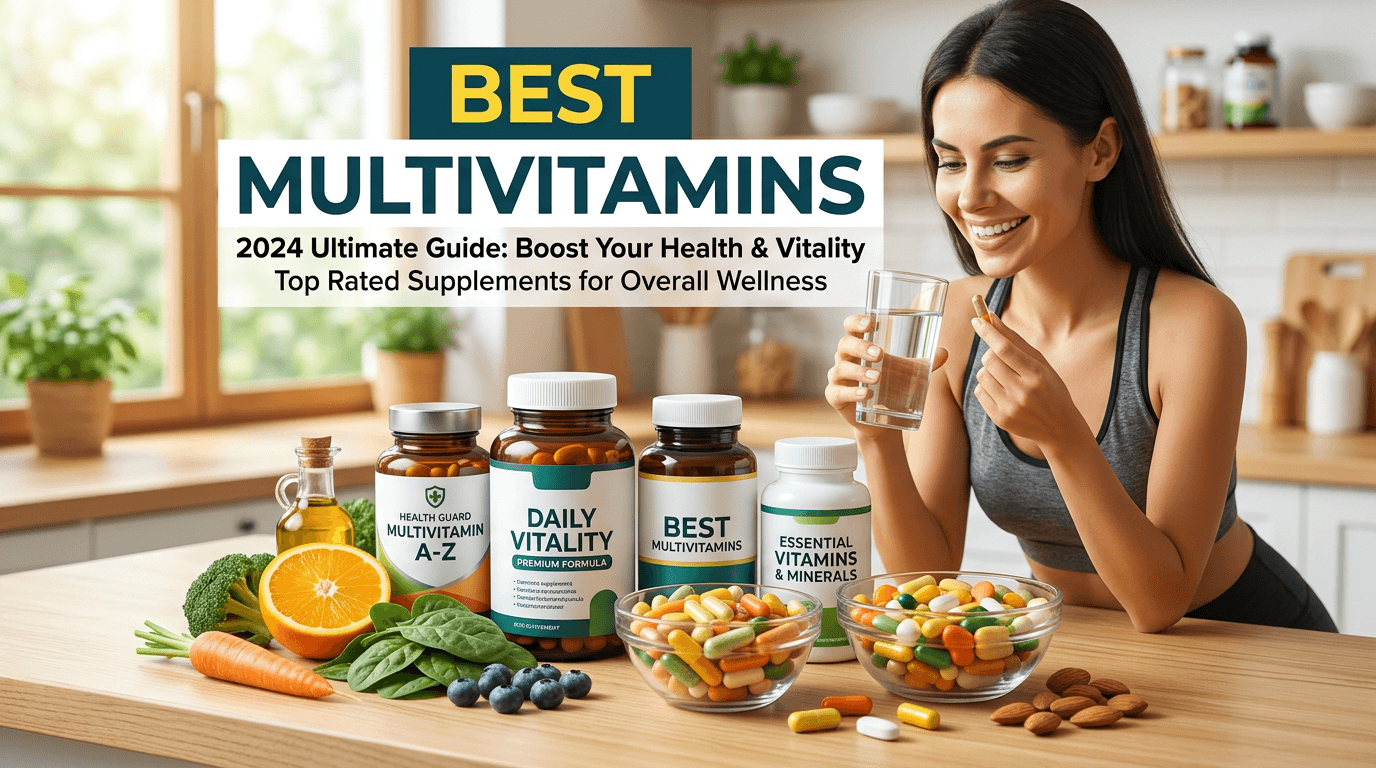
Are Multivitamins a Waste of Money?

Are Multivitamins a Waste of Money?

For some people, a daily multivitamin can be a waste of money, particularly if they already consume a nutrient-rich diet and have no underlying health issues. However, for others—including pregnant individuals, older adults, and those with specific dietary restrictions—a well-for

Read →
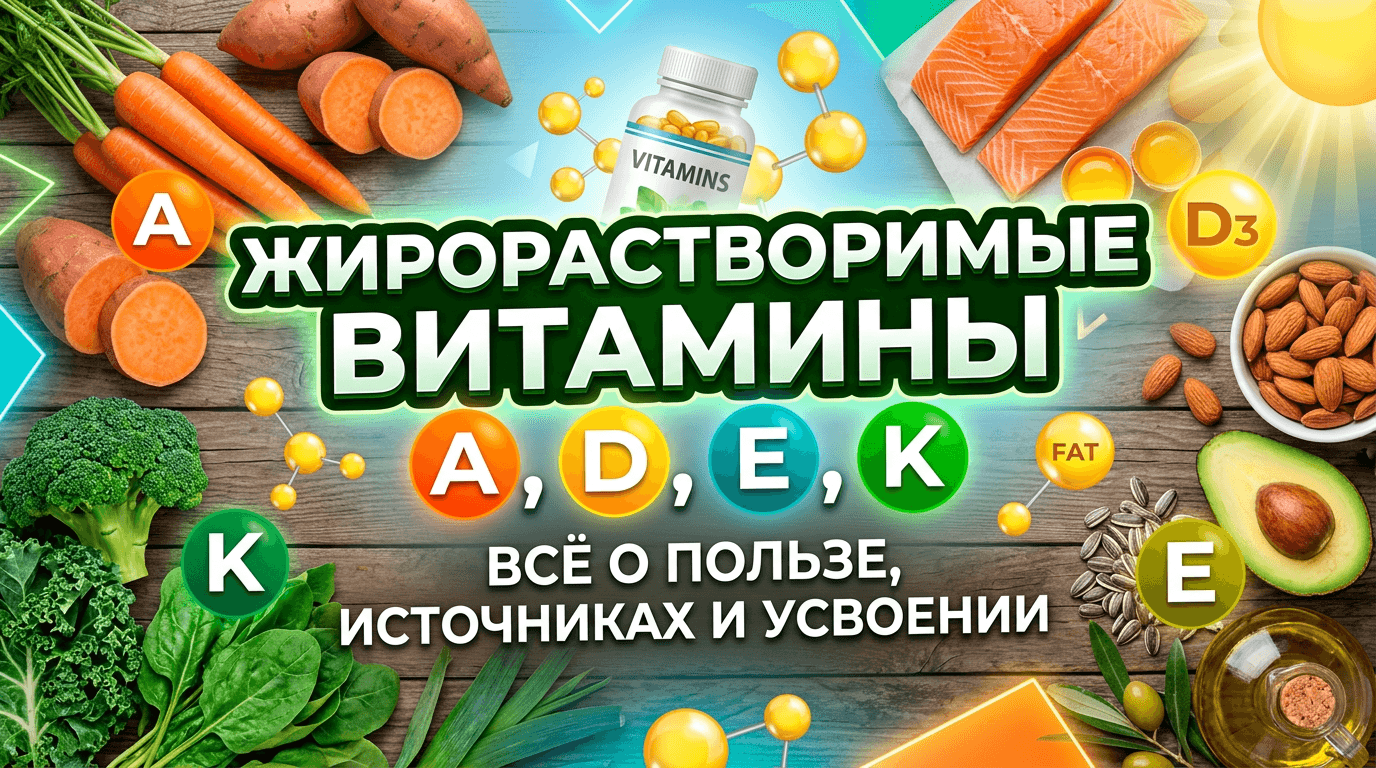
The Truth About Fat-Soluble Vitamins (A, D, E, K)

The Truth About Fat-Soluble Vitamins (A, D, E, K)

The fat-soluble vitamins are a group of four essential nutrients—vitamins A, D, E, and K—that play critical roles throughout the body. Unlike their water-soluble counterparts, these vitamins are absorbed alongside fats in the diet and can be stored in the body's fatty tissues and

Read →
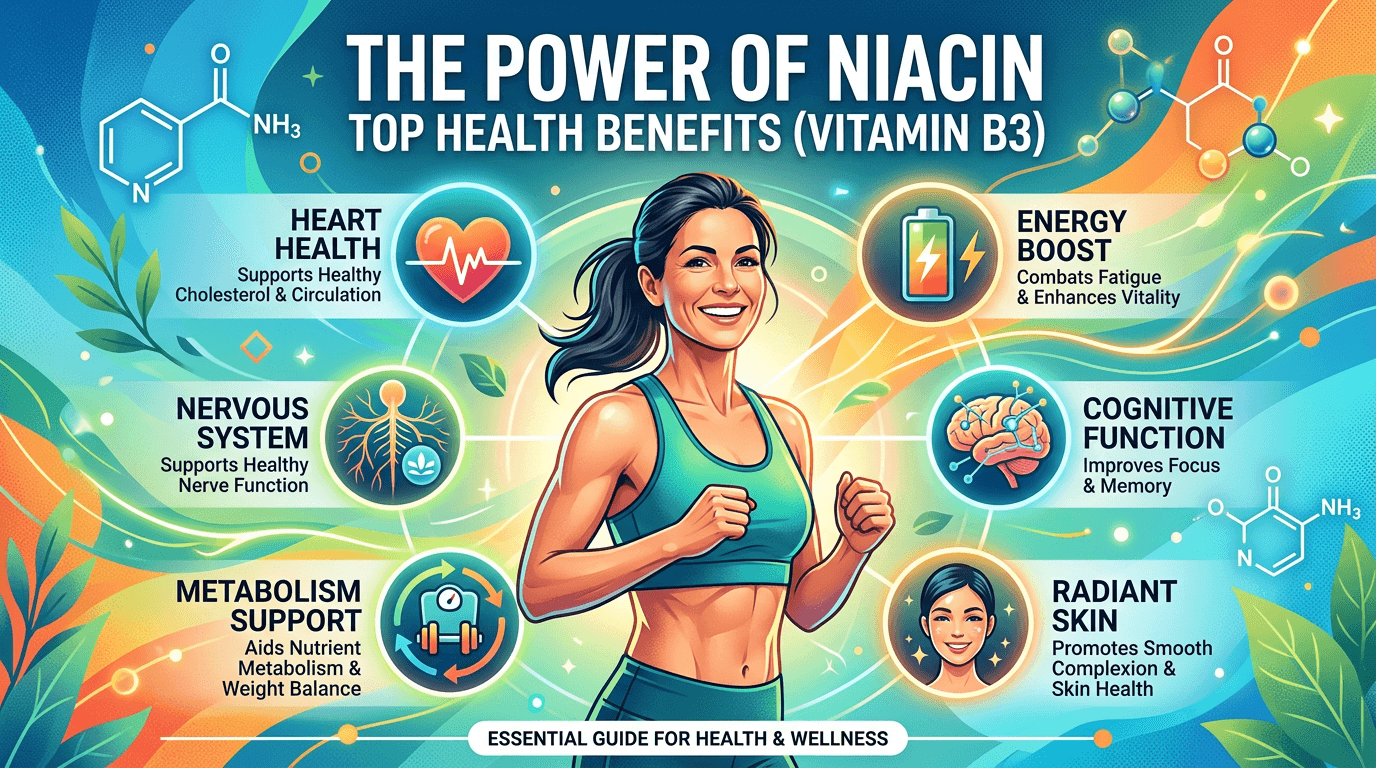
Niacin Flush: Is it Dangerous or Beneficial?

Niacin Flush: Is it Dangerous or Beneficial?

The niacin flush is a common and generally harmless side effect of taking high-dose nicotinic acid, a specific form of vitamin B3, and is not inherently dangerous for most healthy individuals. While the experience can be uncomfortable, the flushing reaction itself is not consider

Read →
Thiamine Deficiency: Symptoms and Solutions

Thiamine Deficiency: Symptoms and Solutions

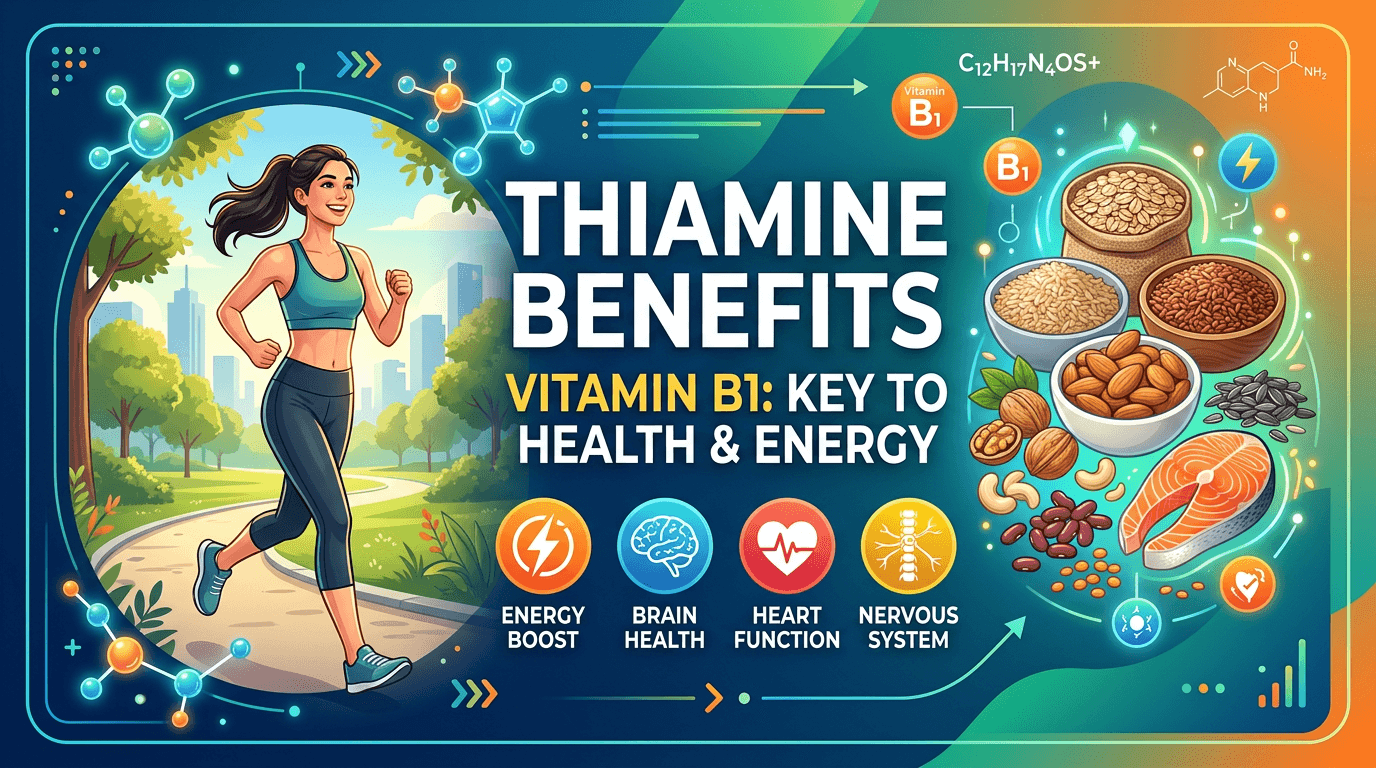
The primary thiamine benefits relate to its essential role in energy metabolism, nervous system function, and heart health. As vitamin B1, thiamine is a critical cofactor for enzymes that convert carbohydrates and fats into usable energy, supports the integrity of nerve cells, an

Read →
Pantothenic Acid: The Stress-Busting Vitamin

Pantothenic Acid: The Stress-Busting Vitamin

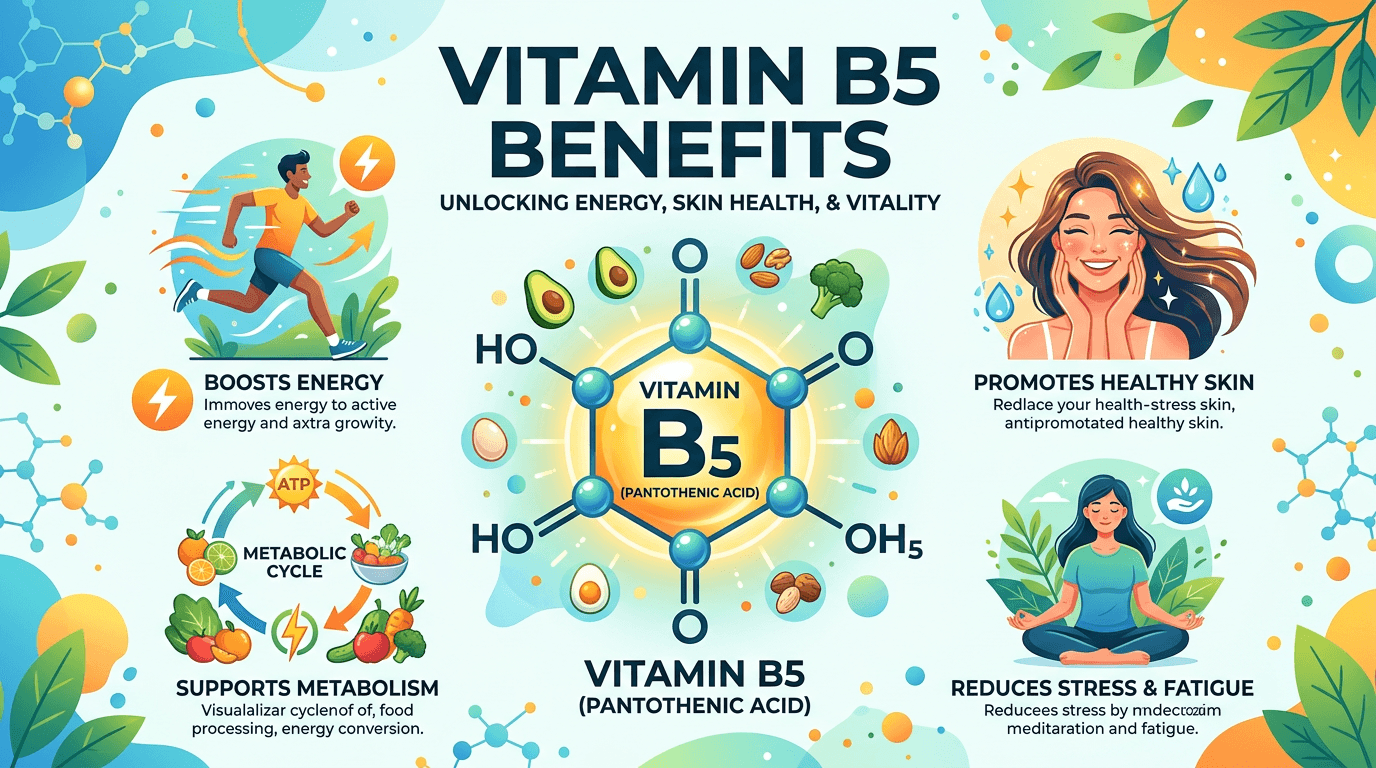
The primary benefits of pantothenic acid, also known as vitamin B5, revolve around its essential role in converting food into energy, synthesizing hormones, and supporting nervous system function. As a critical component of Coenzyme A (CoA), vitamin B5 is involved in over 150 met

Read →
Biotin for Hair Growth: Myth or Reality?

Biotin for Hair Growth: Myth or Reality?

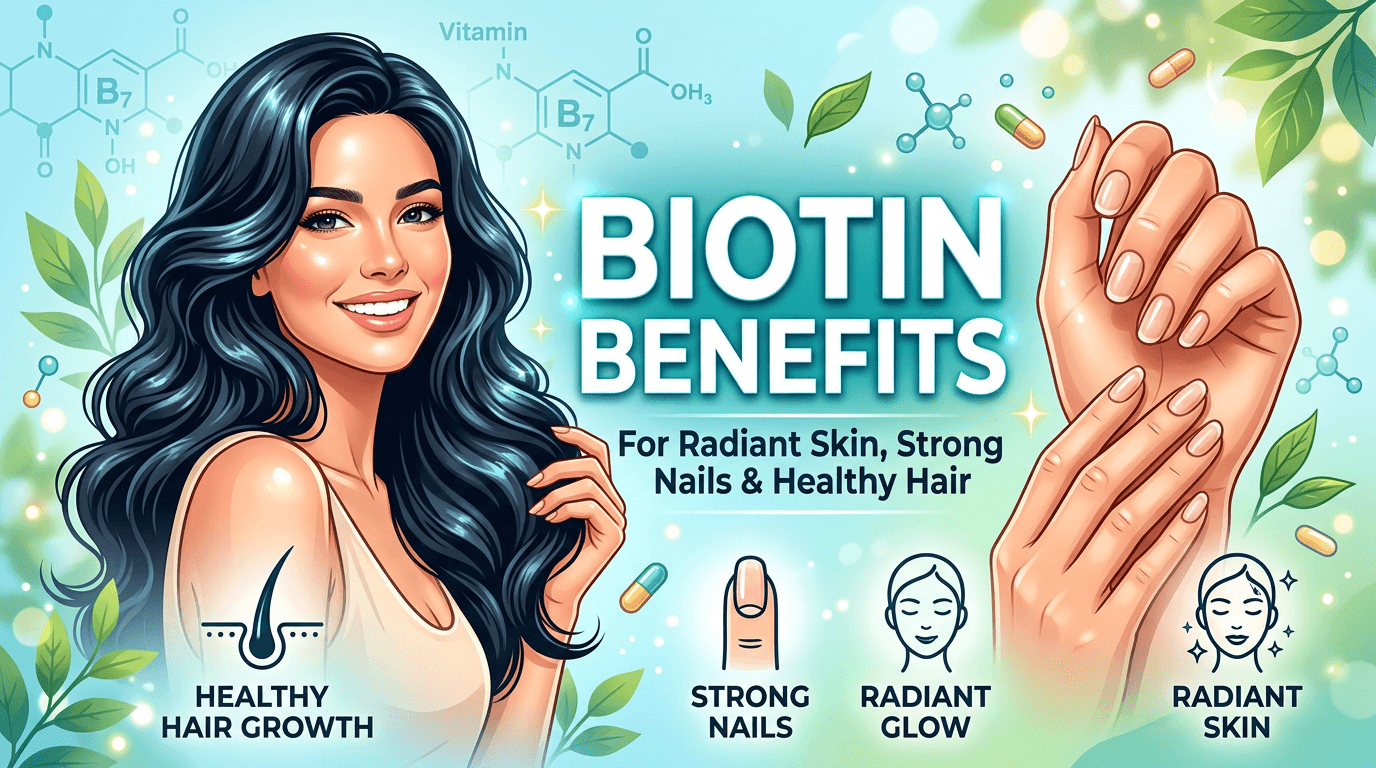
The primary biotin benefit for hair is its ability to help reverse hair thinning or loss caused by a true biotin deficiency. For individuals without a deficiency, who represent the vast majority of the U.S. population, the evidence that biotin supplementation can significantly im

Read →
How Much Vitamin C Can Your Body Absorb?

How Much Vitamin C Can Your Body Absorb?

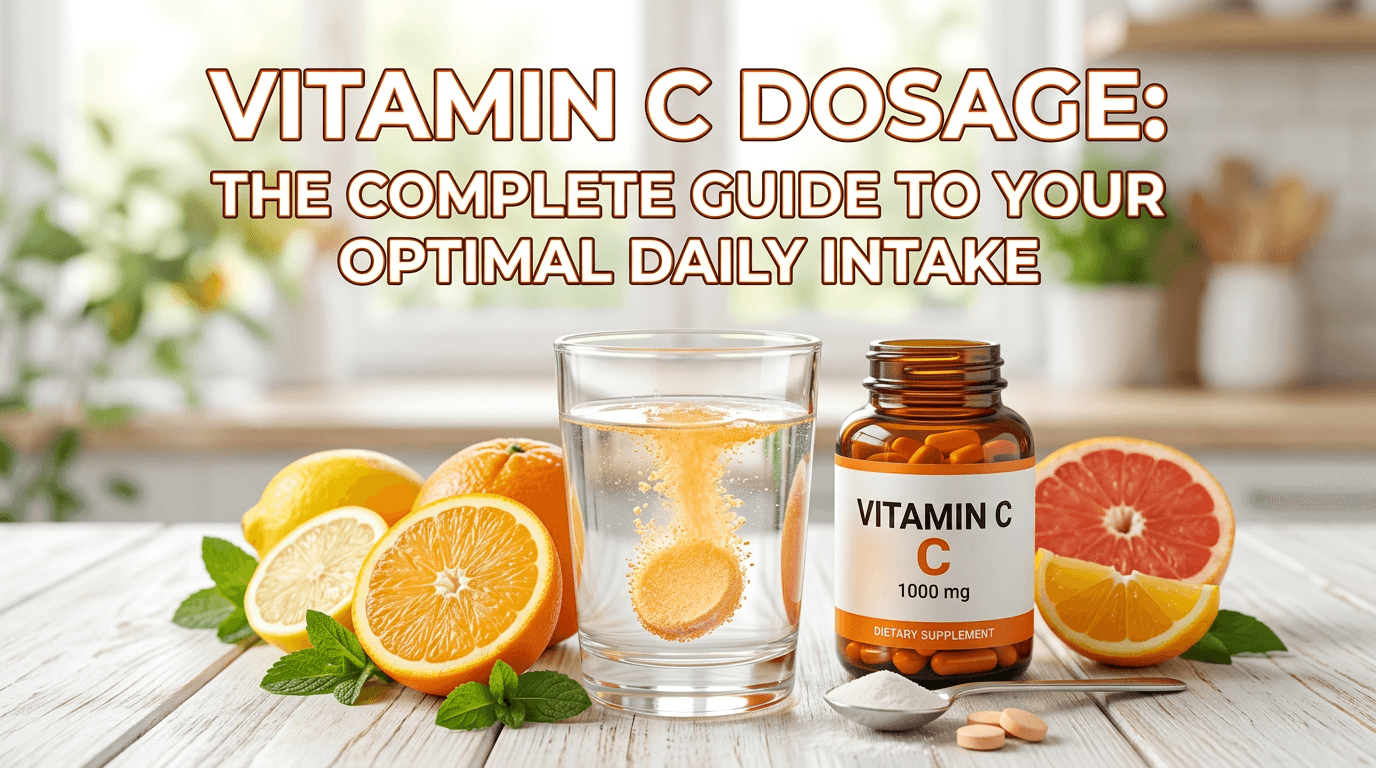
Your body's ability to absorb vitamin C is highly dependent on the dosage; in short, absorption efficiency decreases as the dose increases. At low doses typical of food intake (under 200 mg), the body absorbs more than 90% of the vitamin C. However, with a large single vitamin C

Read →
Vitamin D and Immune System Function

Vitamin D and Immune System Function

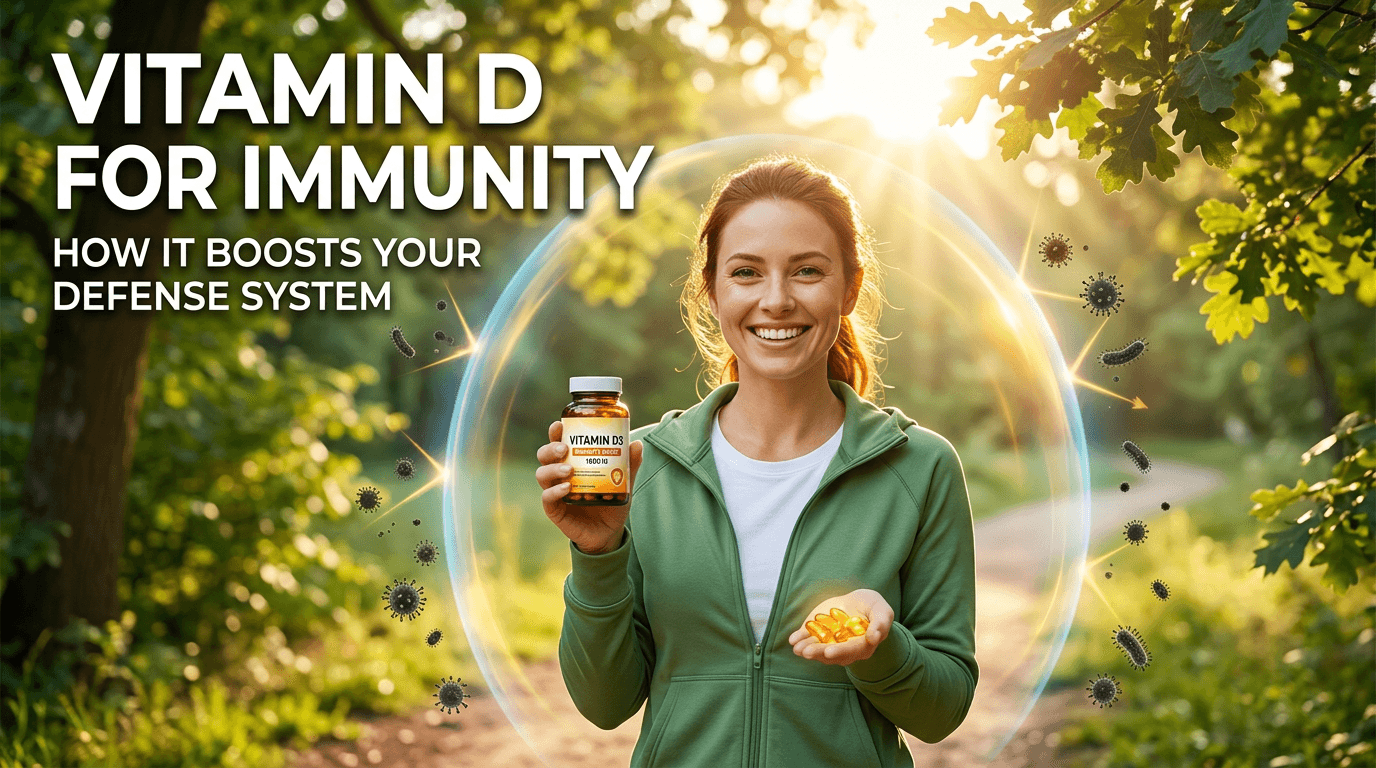
Using vitamin D for immunity is a crucial strategy for health, as this nutrient plays a vital role in modulating both the innate and adaptive immune systems. Adequate vitamin D levels are necessary to help activate your body's immune defenses and are also important for regulating

Read →
Why You Need a Full Vitamin B Complex

Why You Need a Full Vitamin B Complex

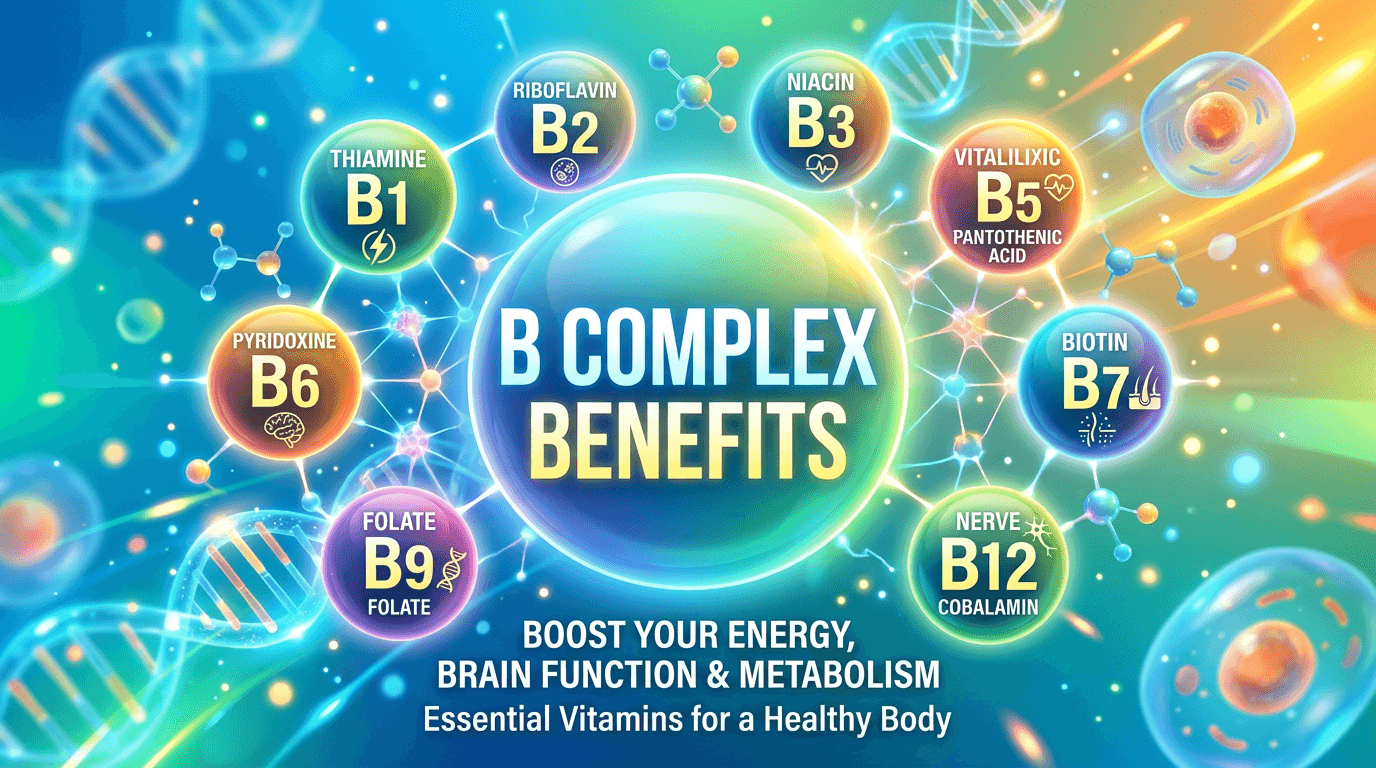
The primary B complex benefits stem from their collective role in converting food into cellular energy, supporting nervous system function, and maintaining the health of your skin, hair, and eyes. A full vitamin B complex supplement provides all eight essential B vitamins, which

Read →
Vitamin B6 for Mood and Hormonal Balance

Vitamin B6 for Mood and Hormonal Balance

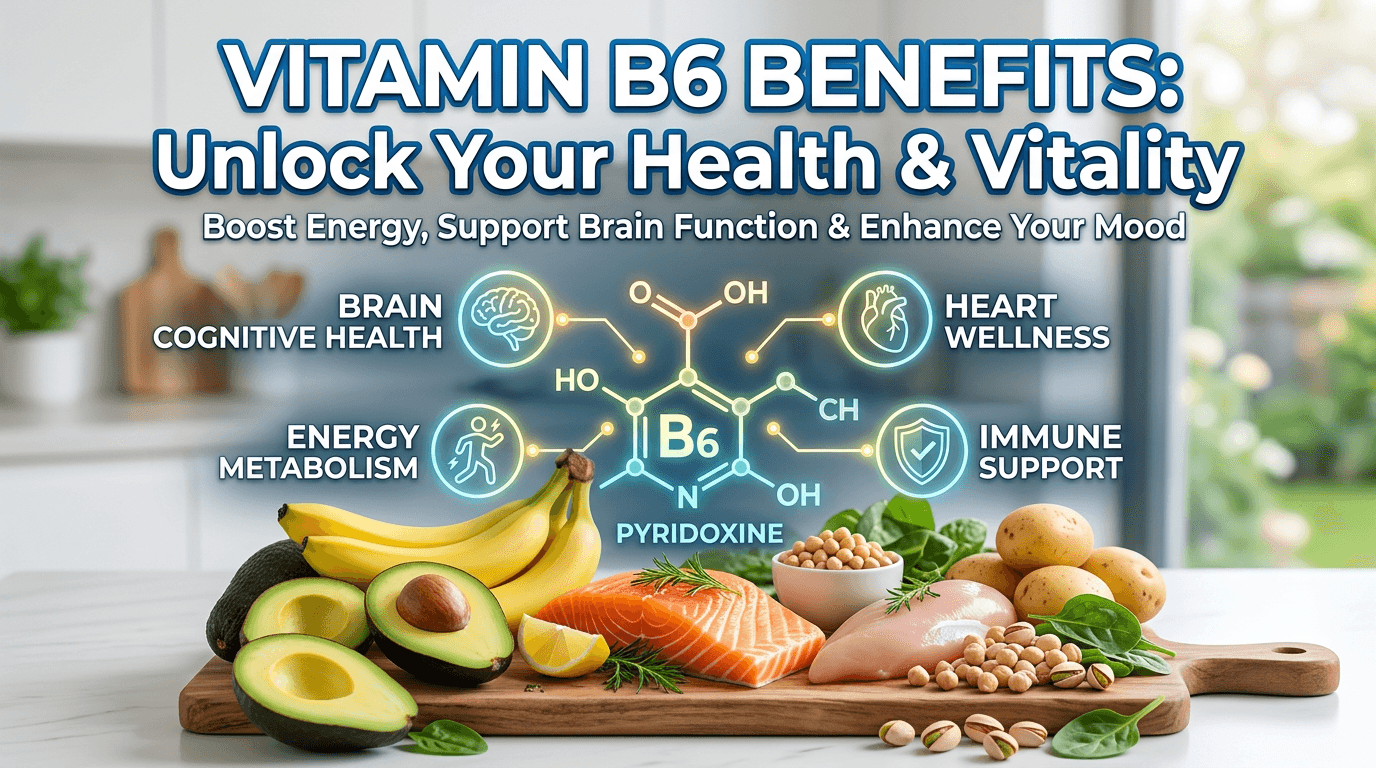
Among the B6 benefits often discussed, its role in supporting mood and hormonal balance is significant, primarily because it functions as a crucial cofactor in the synthesis of key neurotransmitters like serotonin and dopamine. As an essential water-soluble vitamin, Vitamin B6 is

Read →
Folic Acid vs Methylfolate: Why it Matters

Folic Acid vs Methylfolate: Why it Matters

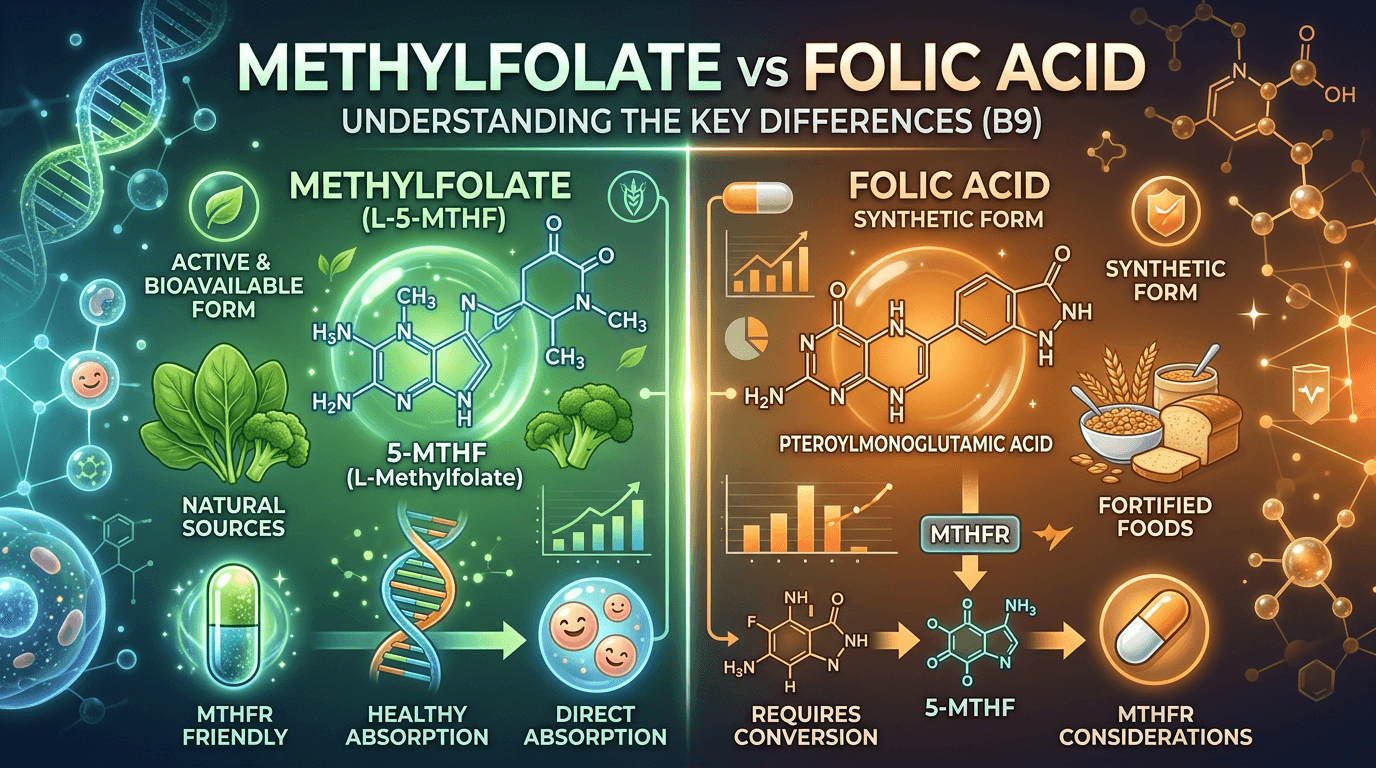
The key difference between methylfolate vs folic acid is that methylfolate is the biologically active, natural form of vitamin B9 that the body can use immediately, whereas folic acid is a synthetic form that must be converted by an enzyme called MTHFR. This conversion process ca

Read →
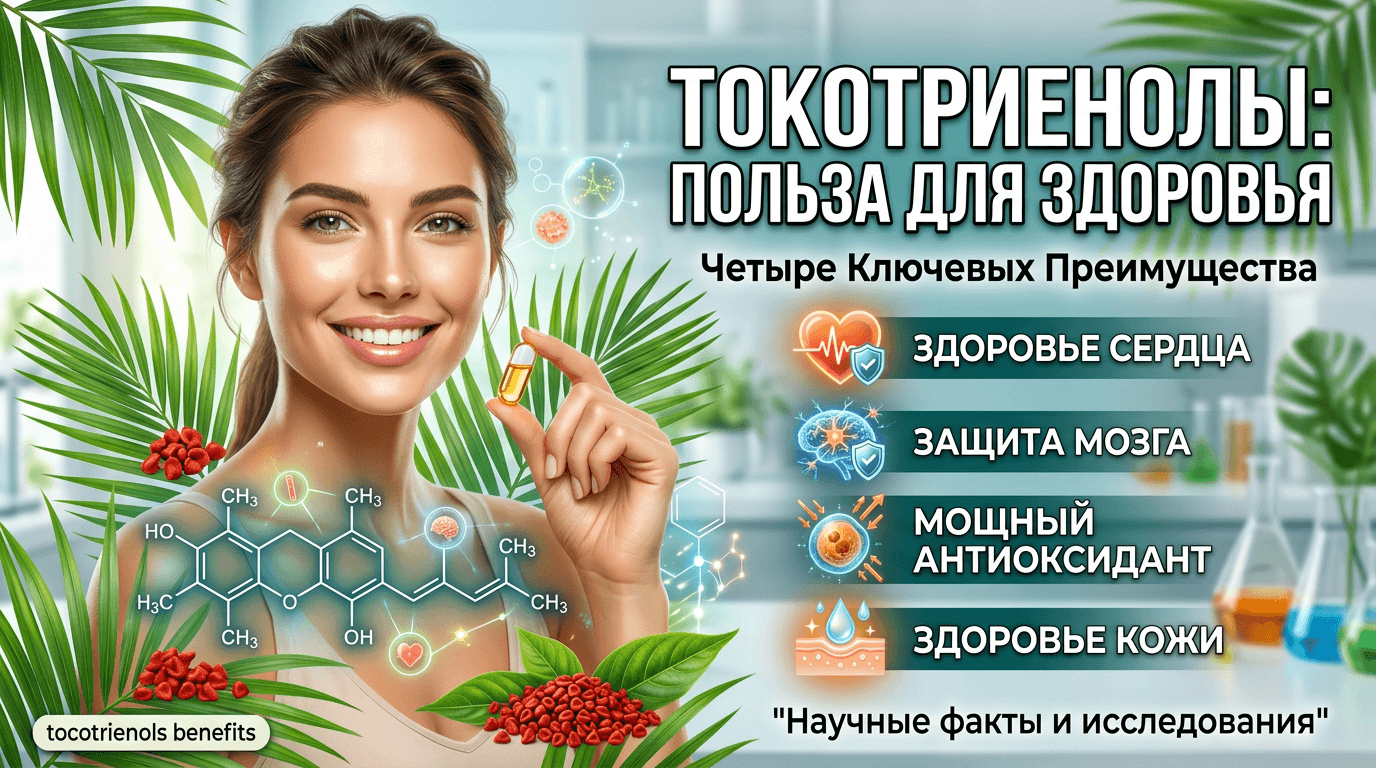
Tocotrienols vs Tocopherols: The Real Vitamin E

Tocotrienols vs Tocopherols: The Real Vitamin E

The primary benefits of tocotrienols, a less common form of vitamin E, stem from their unique molecular structure which may allow for more potent antioxidant activity compared to their tocopherol cousins. Emerging research suggests tocotrienols offer specific advantages in suppor

Read →
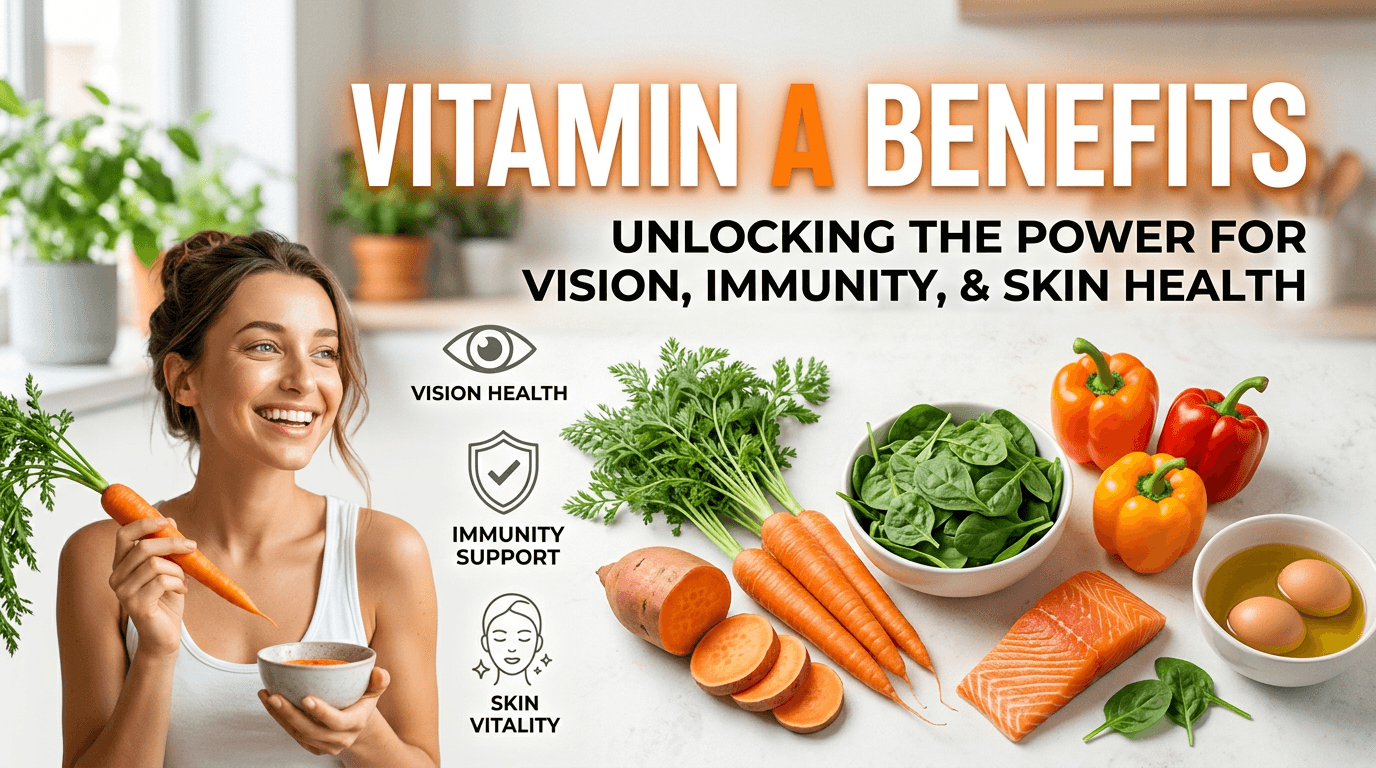
Retinol vs Beta-Carotene: What’s the Difference?

Retinol vs Beta-Carotene: What’s the Difference?

The primary difference between retinol and beta-carotene lies in their form and origin: retinol is preformed, active vitamin A found in animal products, while beta-carotene is a provitamin A carotenoid from plant foods that the body must convert into active vitamin A. Achieving t

Read →
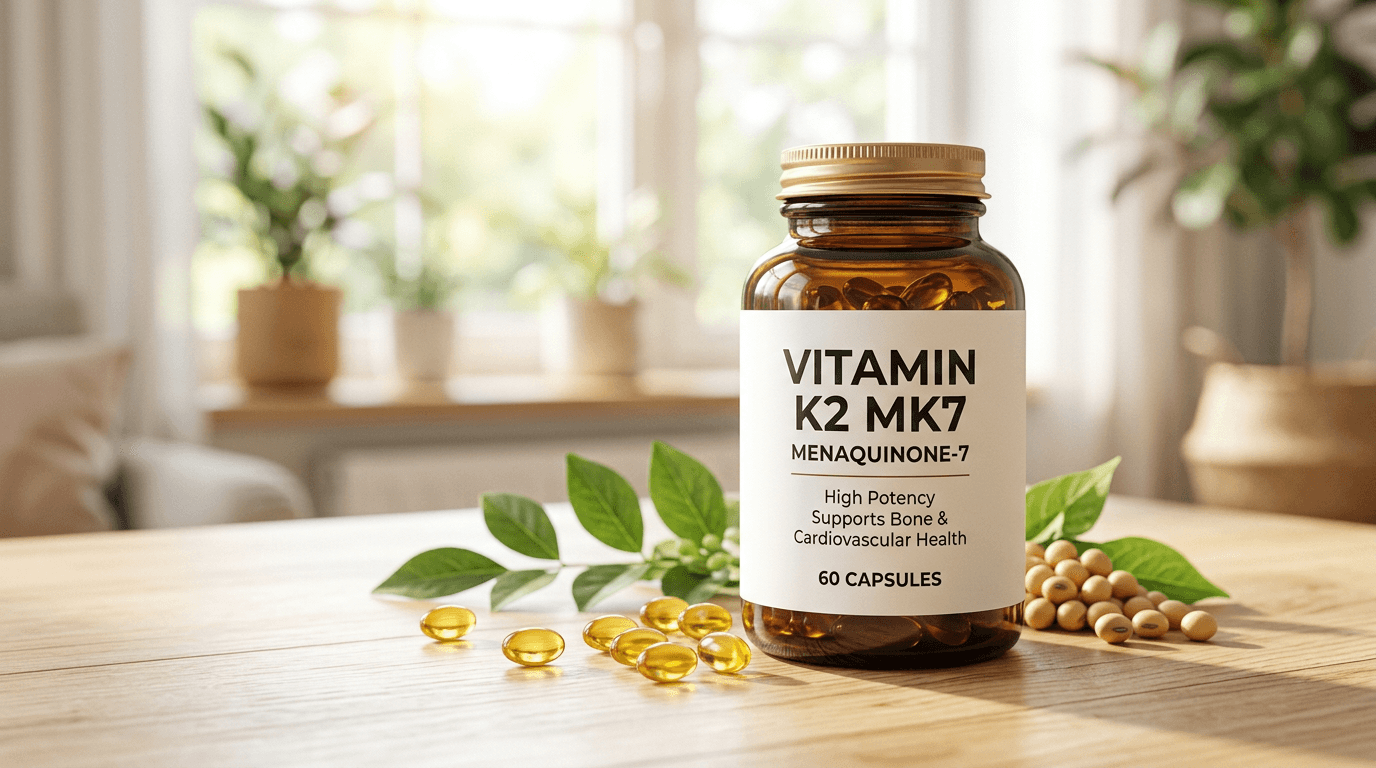
Vitamin K2: The Missing Link in Bone Health

Vitamin K2: The Missing Link in Bone Health

Vitamin K2, particularly in its vitamin K2 MK-7 form, is a fat-soluble nutrient that plays a crucial role in calcium metabolism, directing calcium into the bones and teeth while helping to keep it out of arteries and soft tissues. This vital function has positioned Vitamin K2 as

Read →
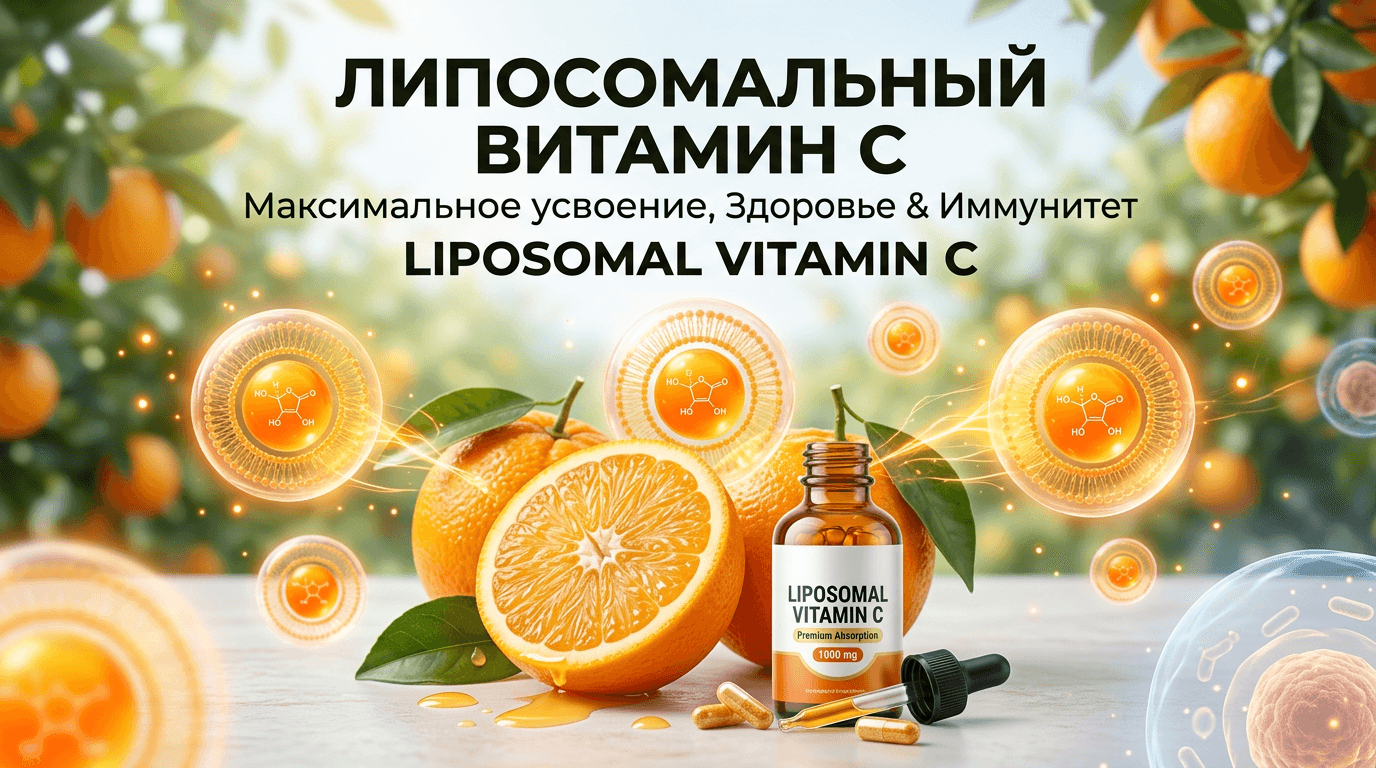
Liposomal Vitamin C vs Regular Ascorbic Acid

Liposomal Vitamin C vs Regular Ascorbic Acid

Liposomal vitamin C is a specialized form of vitamin C designed for enhanced absorption by encapsulating the nutrient in a layer of lipids, or fats. This delivery system aims to increase the amount of vitamin C that reaches the bloodstream and cells compared to regular ascorbic a

Read →
Methylcobalamin vs Cyanocobalamin

Methylcobalamin vs Cyanocobalamin

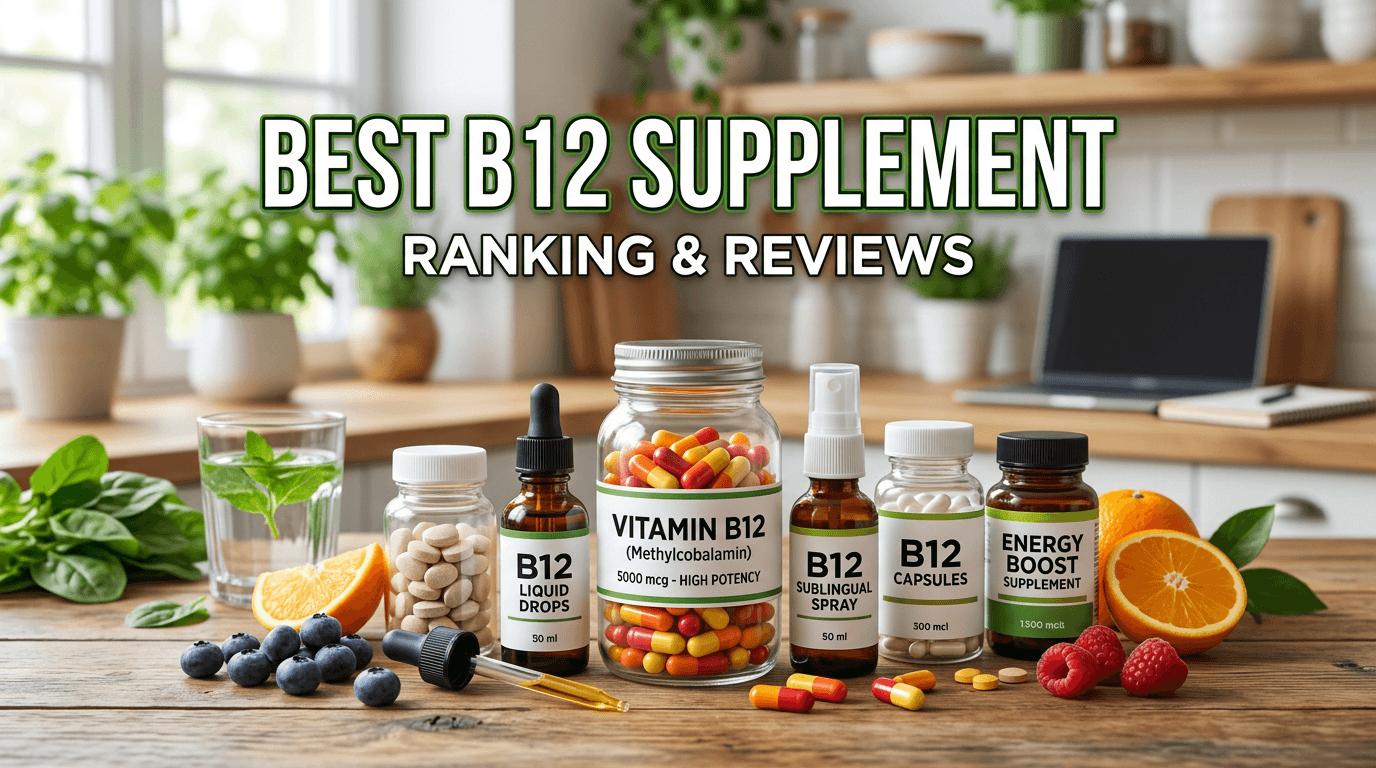
The best B12 supplement for you depends on individual factors like genetics, health status, and cost, with no single form being universally superior. Methylcobalamin is a naturally occurring, active form of B12, while cyanocobalamin is a stable, synthetic version that the body mu

Read →
High Dose Vitamin D: Safety and Benefits

High Dose Vitamin D: Safety and Benefits

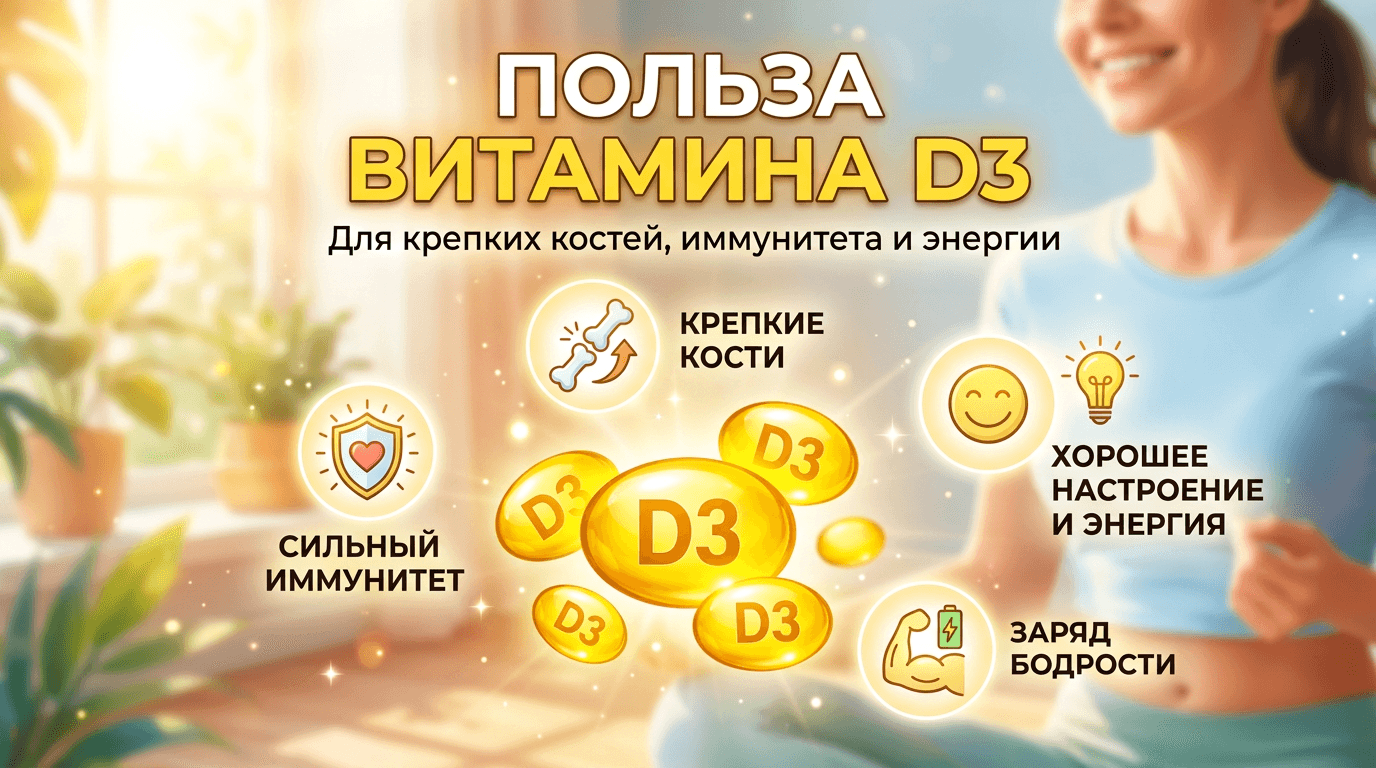
The primary vitamin D3 benefits revolve around its crucial role in calcium absorption for bone health, immune system function, and cellular growth. While standard doses support these functions, high-dose vitamin D is sometimes used under medical supervision, primarily to correct

Read →
Is Aging a Disease? The New Science

Is Aging a Disease? The New Science

aging as a disease is a serious scientific and medical question, but there is no single universal answer. Some researchers argue that aging shows many features of a biological process that could be studied and targeted like a disease, while others caution that aging is a natural,

Read →
Brain Longevity: Preventing Cognitive Decline

Brain Longevity: Preventing Cognitive Decline

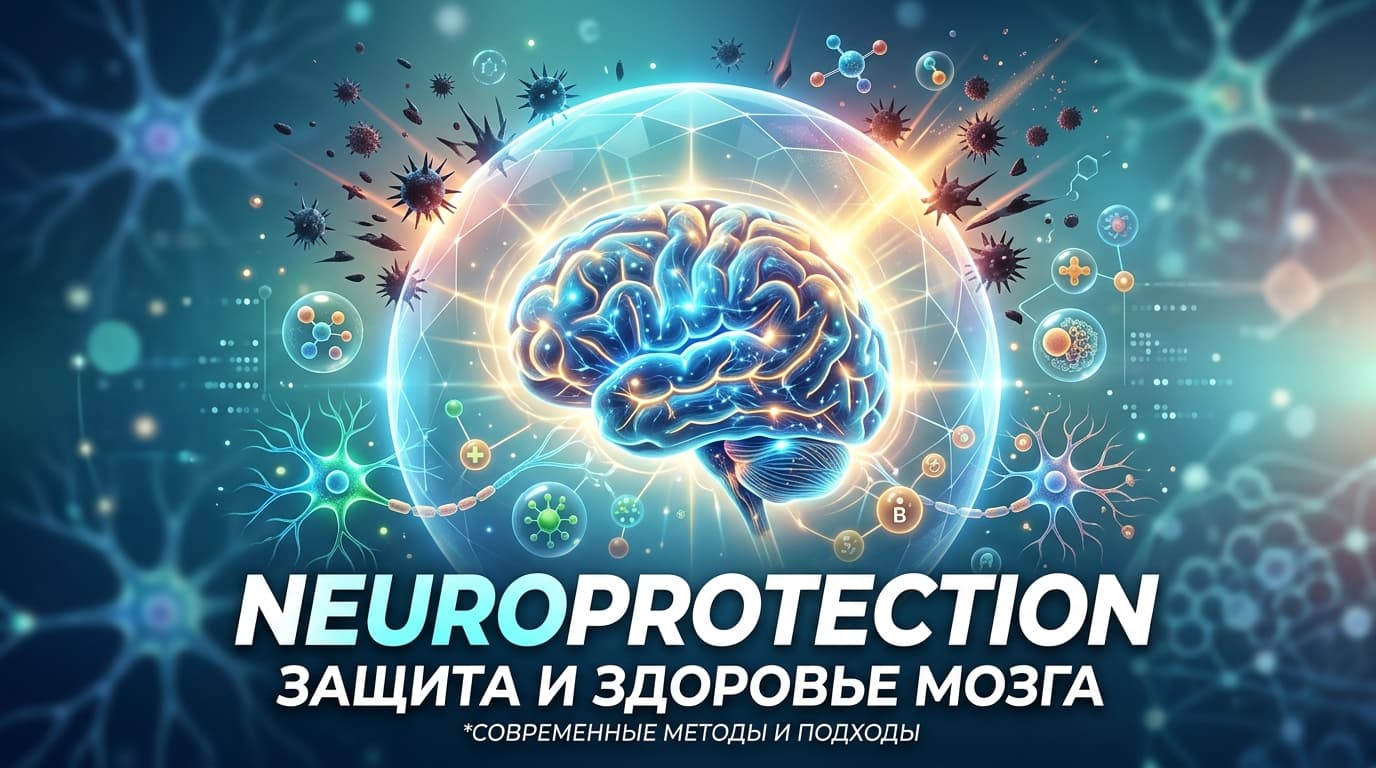
Neuroprotection is a broad term for strategies that may help support brain cells, preserve normal cognitive function, and reduce avoidable stress on the nervous system over time. When people search for brain longevity, they are usually looking for evidence-based ways to support m

Read →
Blue Zones: Lessons from the Longest-Lived

Blue Zones: Lessons from the Longest-Lived

Blue zones habits are the everyday patterns often associated with longer, healthier lives in certain regions of the world. These habits do not offer a shortcut or guarantee, but they may help support better nutrition, movement, rest, and social connection in ways that matter over

Read →
Caloric Restriction vs Long Life

Caloric Restriction vs Long Life

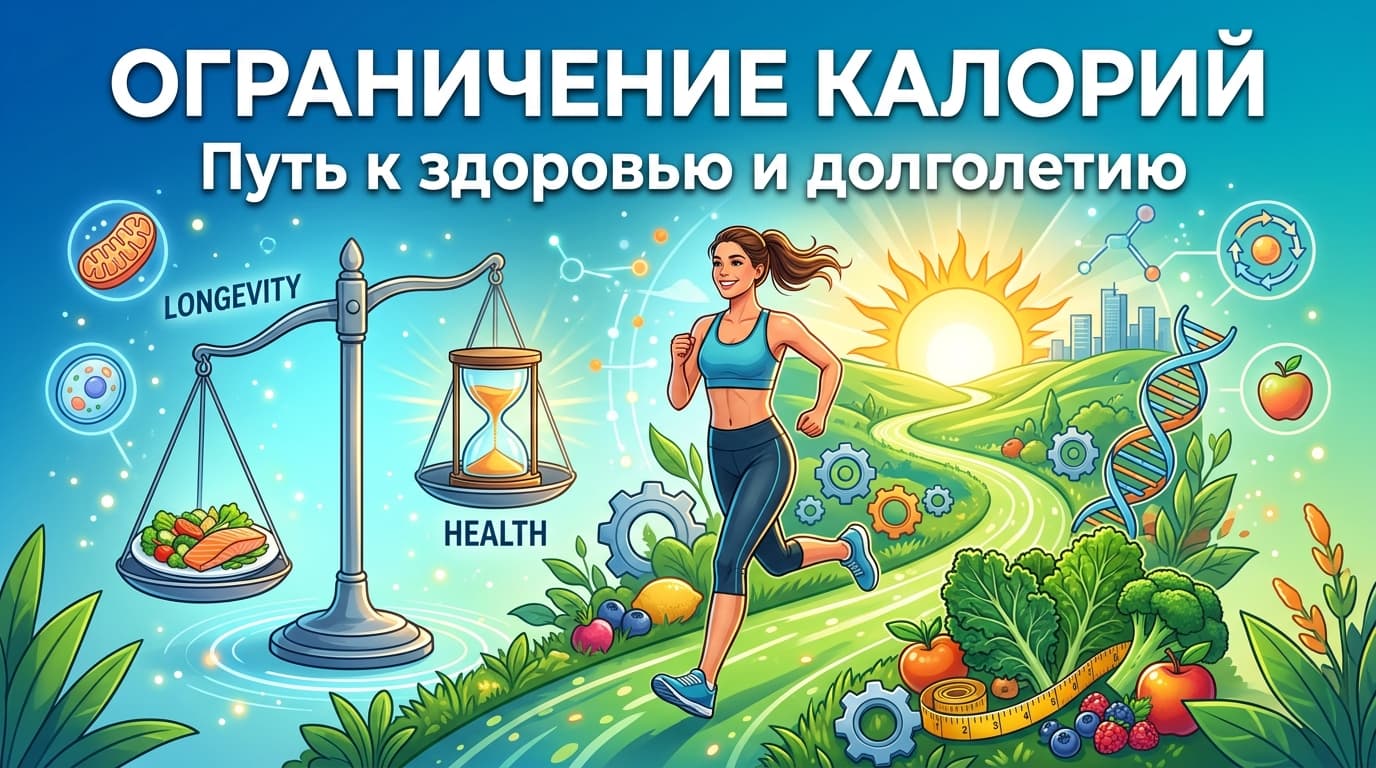
Caloric restriction is often discussed as a possible way to support healthier aging, but the relationship between eating fewer calories and living longer is more complex than the headlines suggest. In human life, the effects of caloric restriction depend on nutrition quality, bod

Read →
The Link Between Gut Microbiome and Aging

The Link Between Gut Microbiome and Aging

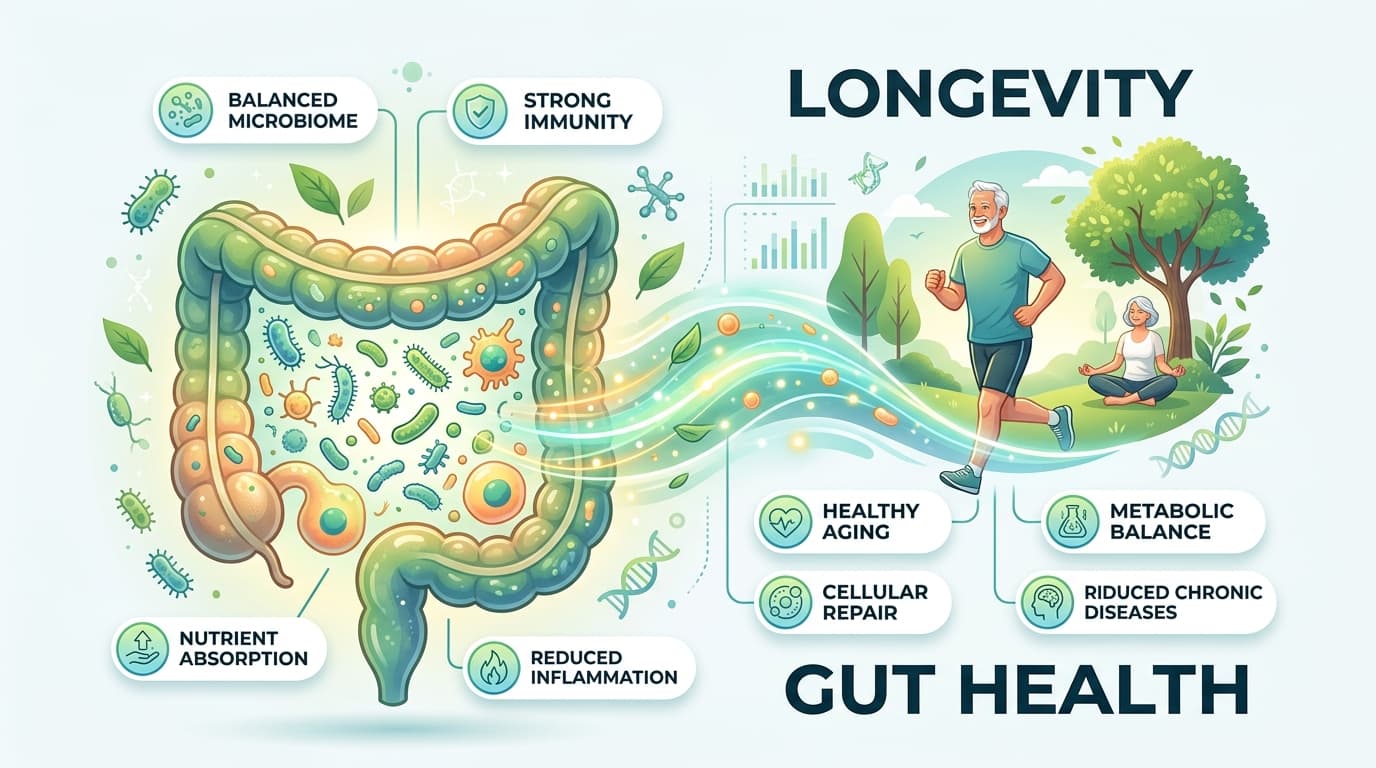
Longevity gut health is an area of growing interest because the gut microbiome appears to influence digestion, nutrient metabolism, immune signaling, and other processes that tend to change with age. Research suggests that a more diverse and resilient microbiome may support healt

Read →
How Strength Training Affects Lifespan

How Strength Training Affects Lifespan

Exercise for longevity often includes strength training because building and maintaining muscle is closely linked with healthy aging, mobility, and overall physical resilience. Strength training does not guarantee a longer life, but it may help support the systems that matter for

Read →
Peptides for Longevity: A Beginner’s Guide

Peptides for Longevity: A Beginner’s Guide

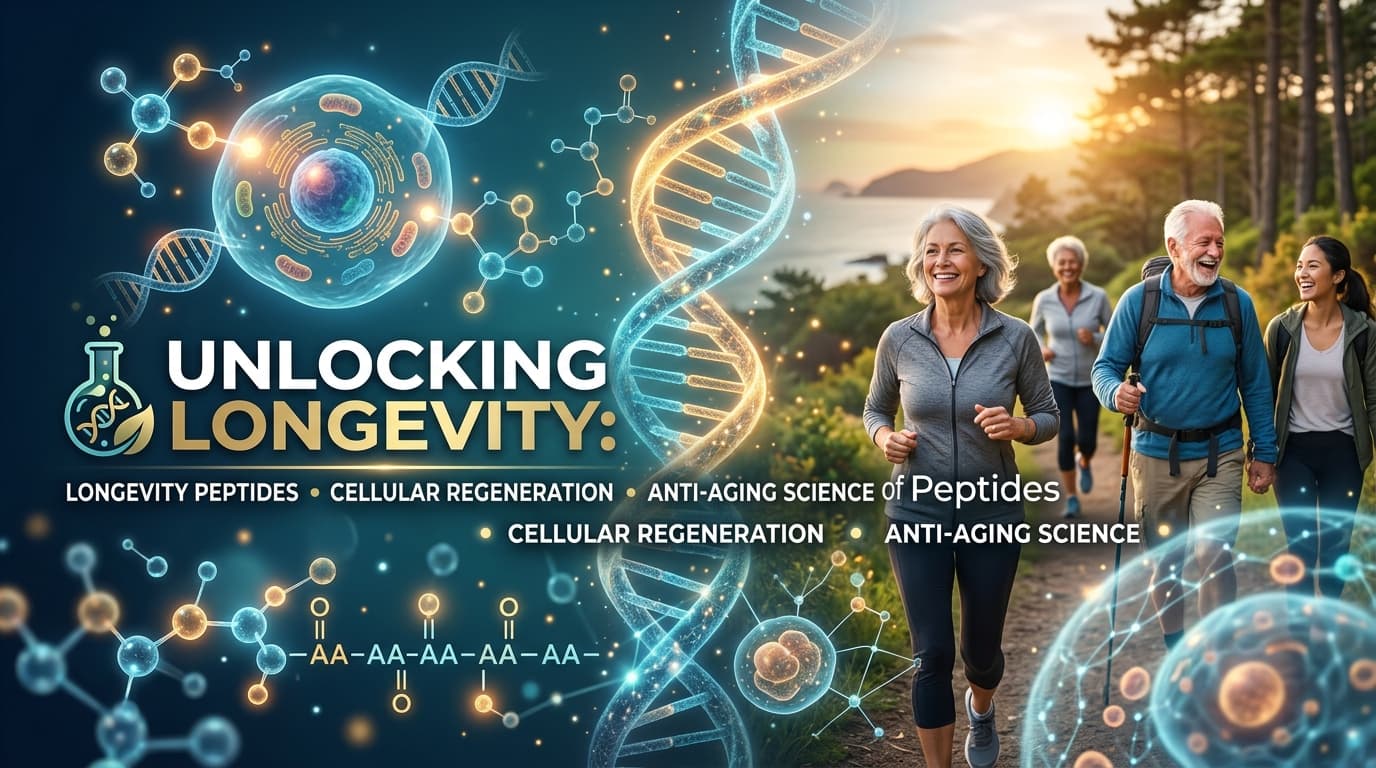
Longevity peptides are a broad, fast-growing topic that people often explore when they want to understand whether certain peptide compounds may support healthy aging, recovery, metabolism, or general cellular function. For beginners, the most important point is that “longevity” i

Read →
Top Longevity Clinics in the World

Top Longevity Clinics in the World

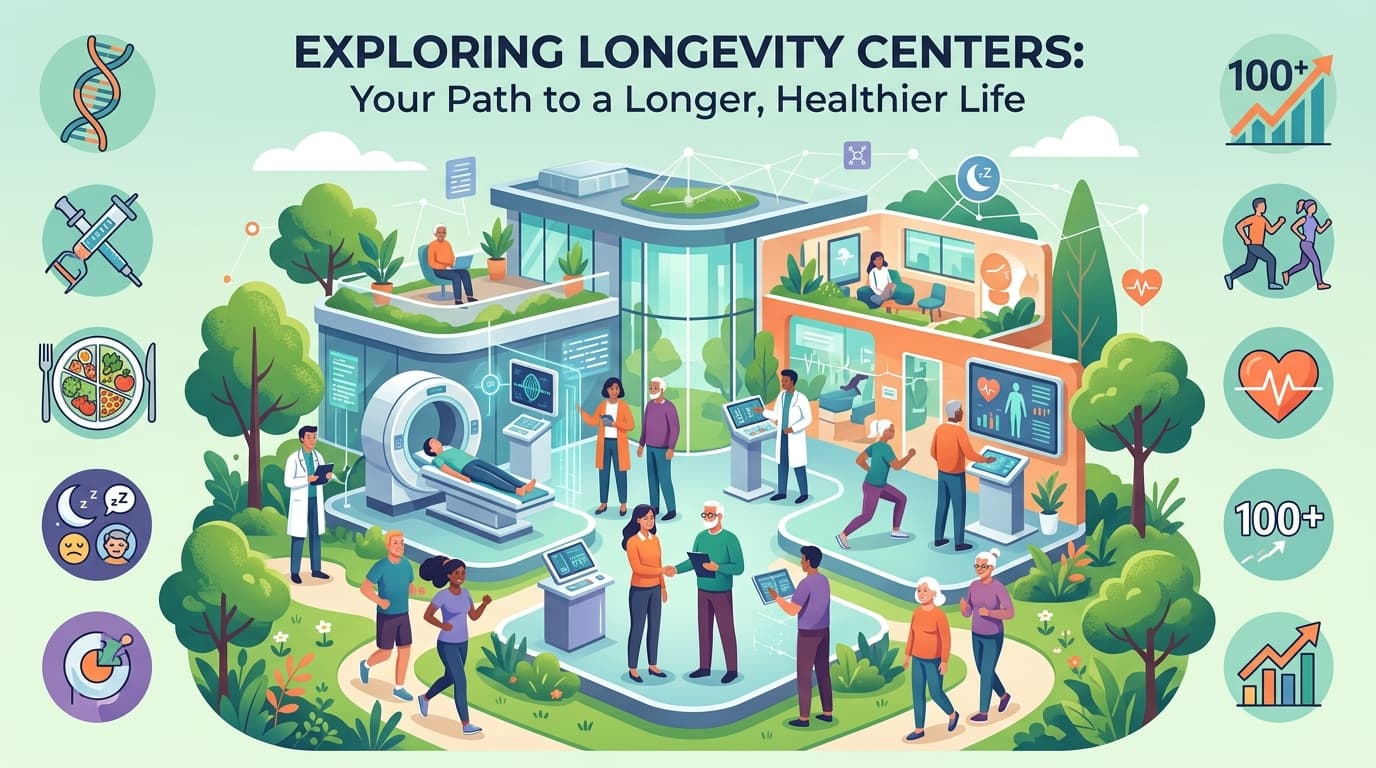
Longevity centers are specialized medical and wellness facilities that focus on aging-related health assessment, prevention, and personalized strategies designed to support long-term health. The best-known clinics combine physician oversight, lab testing, body composition assessm

Read →
The Impact of Sugar on Biological Aging

The Impact of Sugar on Biological Aging

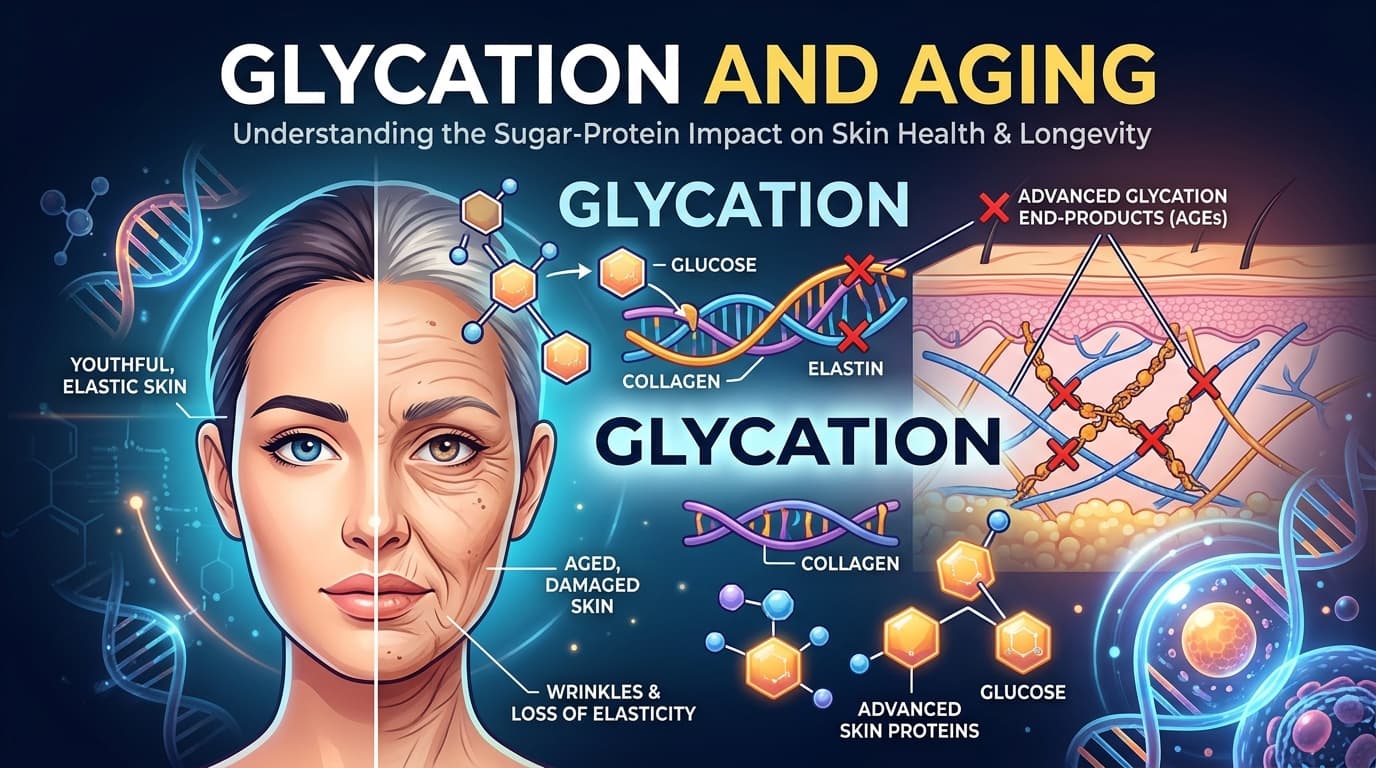
Glycation and aging are closely connected because excess sugar in the body can attach to proteins and fats, forming compounds that may affect how tissues function over time. This does not mean sugar directly “causes” aging in a simple way, but it is one factor that may contribute

Read →
Epigenetics: How to Change Your Gene Expression

Epigenetics: How to Change Your Gene Expression

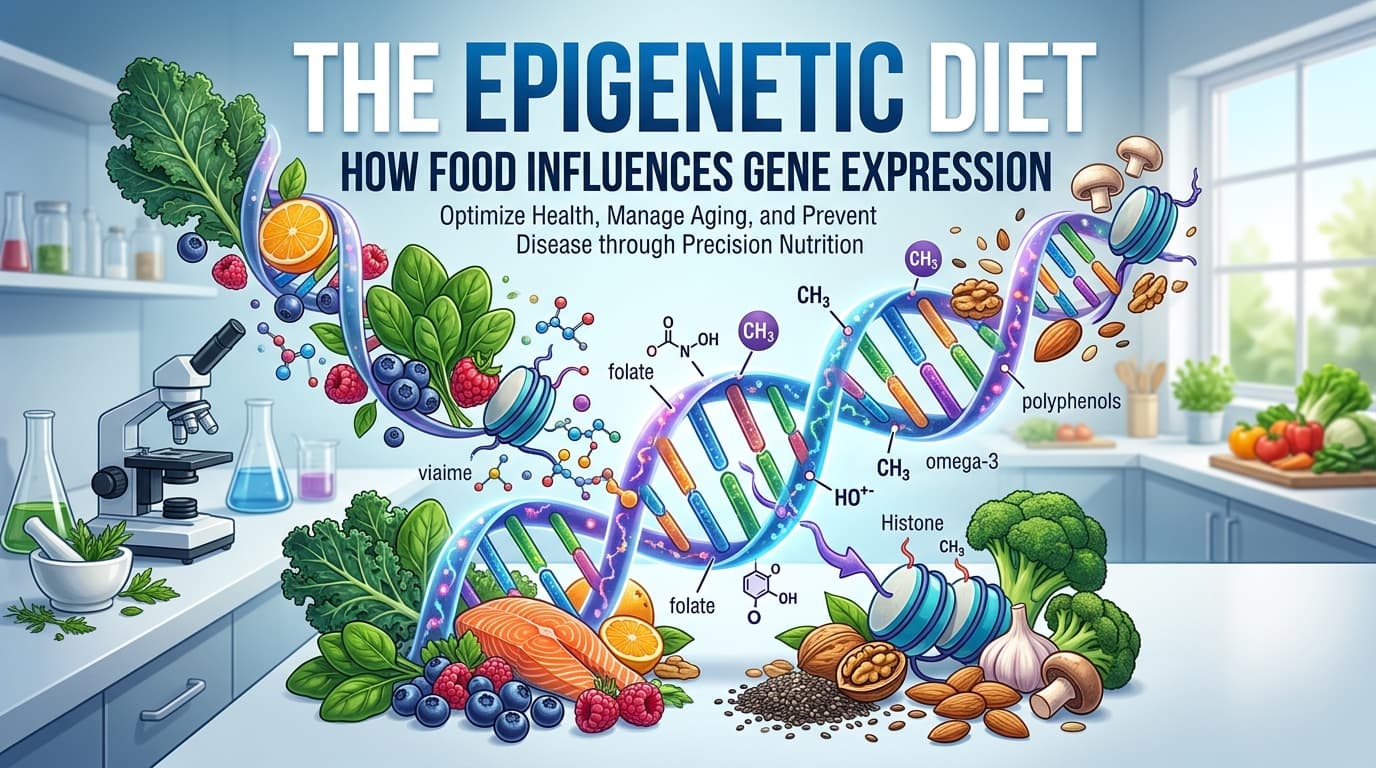
Epigenetic diet is a term people often use to describe eating patterns that may support healthy gene expression without changing DNA itself. In practical terms, this means choosing foods and nutrients that may influence how genes are turned on or off, especially through pathways

Read →
Quercetin and Senolytic Therapy Explained

Quercetin and Senolytic Therapy Explained

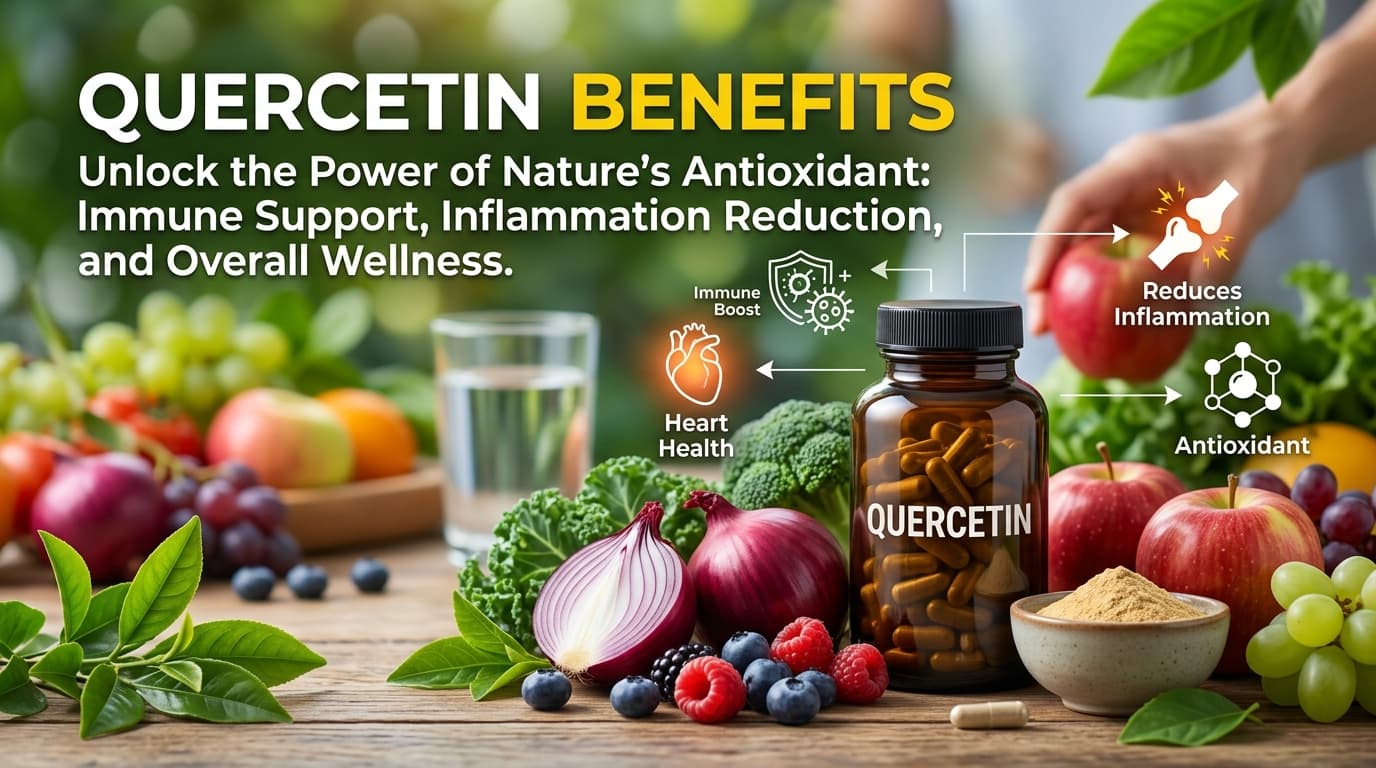
Quercetin benefits are often discussed in relation to antioxidant support, immune function, and cellular health, but the conversation gets more specific when quercetin is mentioned in the context of senolytic therapy. Quercetin is a flavonoid found in many plant foods and also so

Read →
Hormesis: Why Stress Can Make You Live Longer

Hormesis: Why Stress Can Make You Live Longer

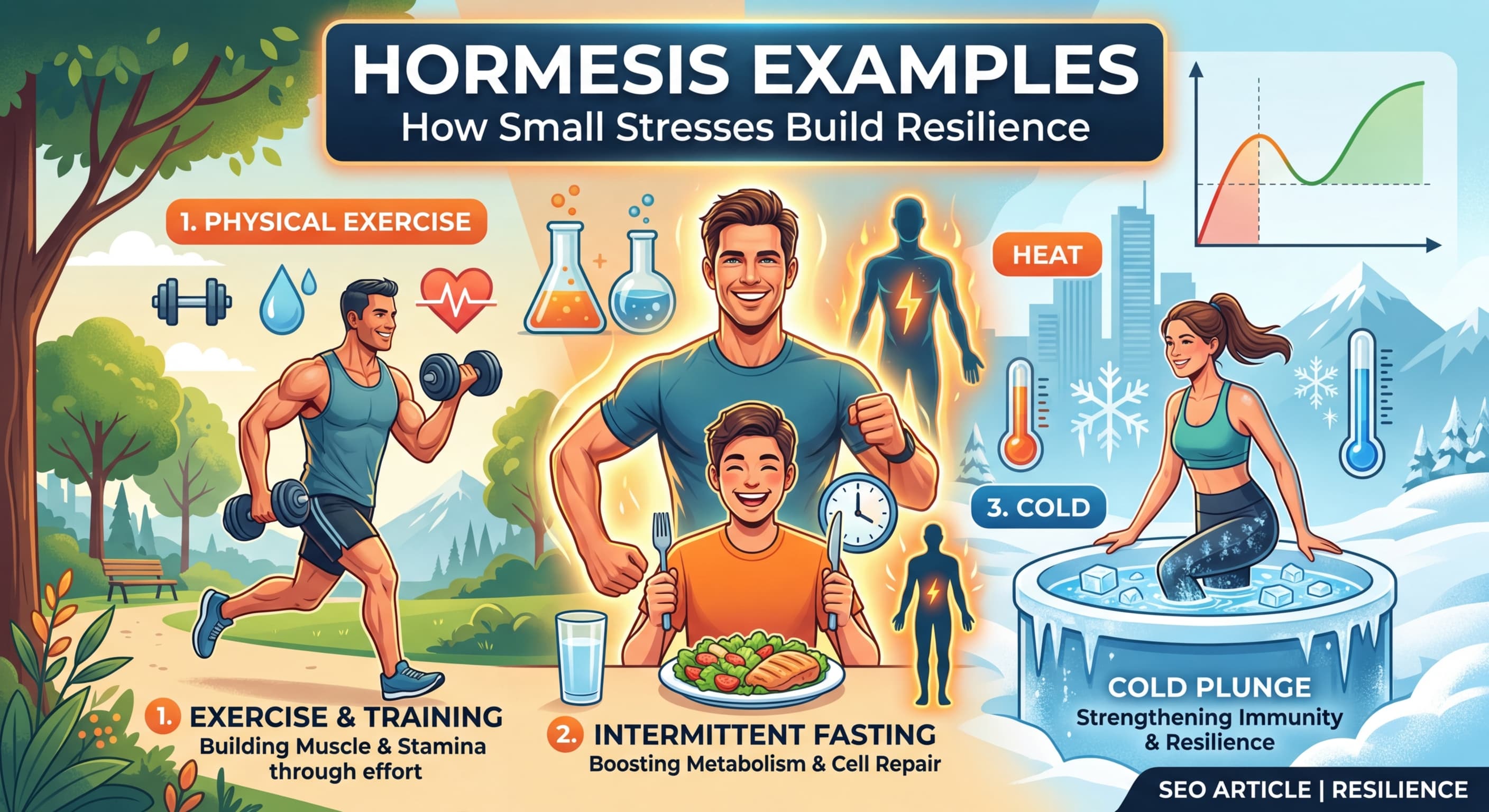
Hormesis examples help explain a counterintuitive idea: small, controlled amounts of stress may trigger adaptive responses that help the body become more resilient. In biology, hormesis refers to a pattern where a low-level stressor can produce a beneficial response, while a high

Read →
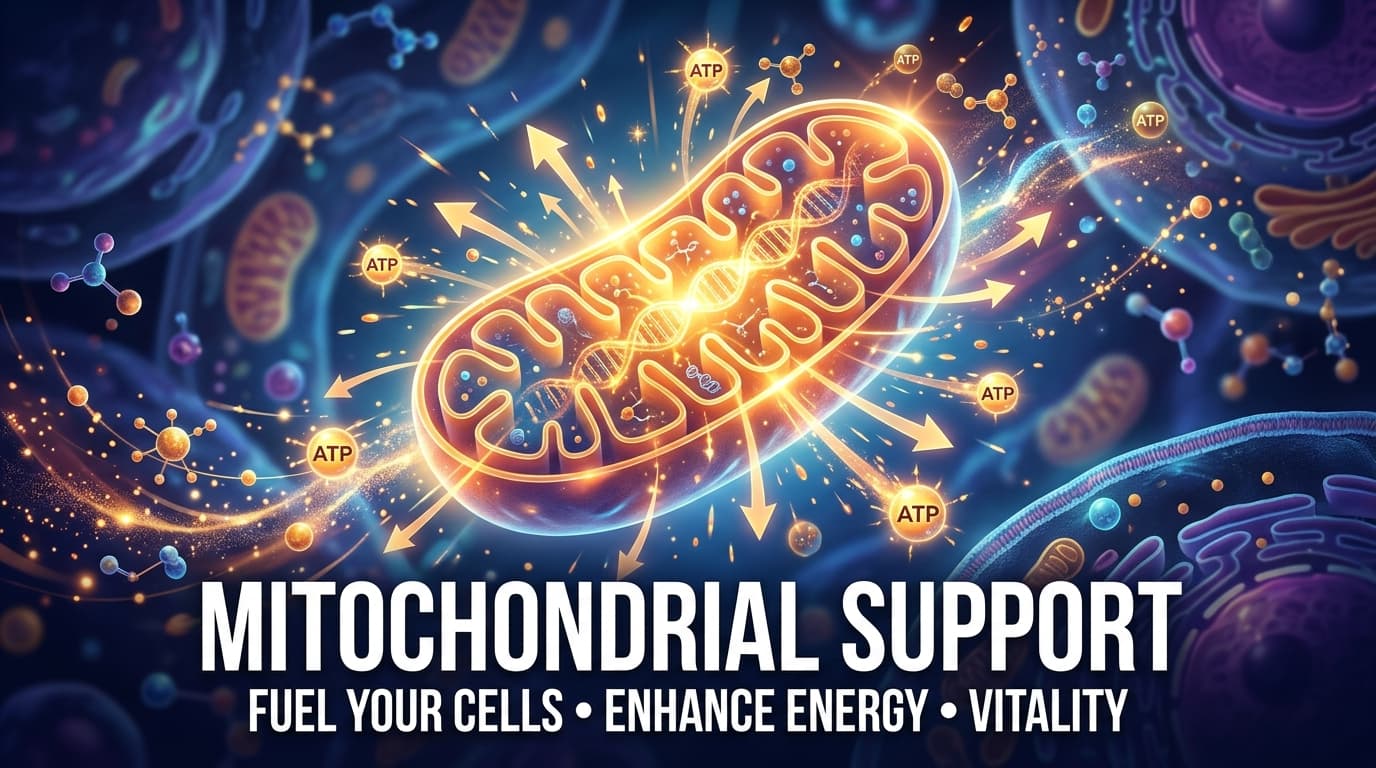
Mitochondrial Health: The Key to Energy

Mitochondrial Health: The Key to Energy

Mitochondrial support refers to nutrition and lifestyle strategies that may help support the mitochondria, the structures in your cells that help convert food into usable energy. When people search for mitochondrial support, they are often trying to understand why they feel tired

Read →
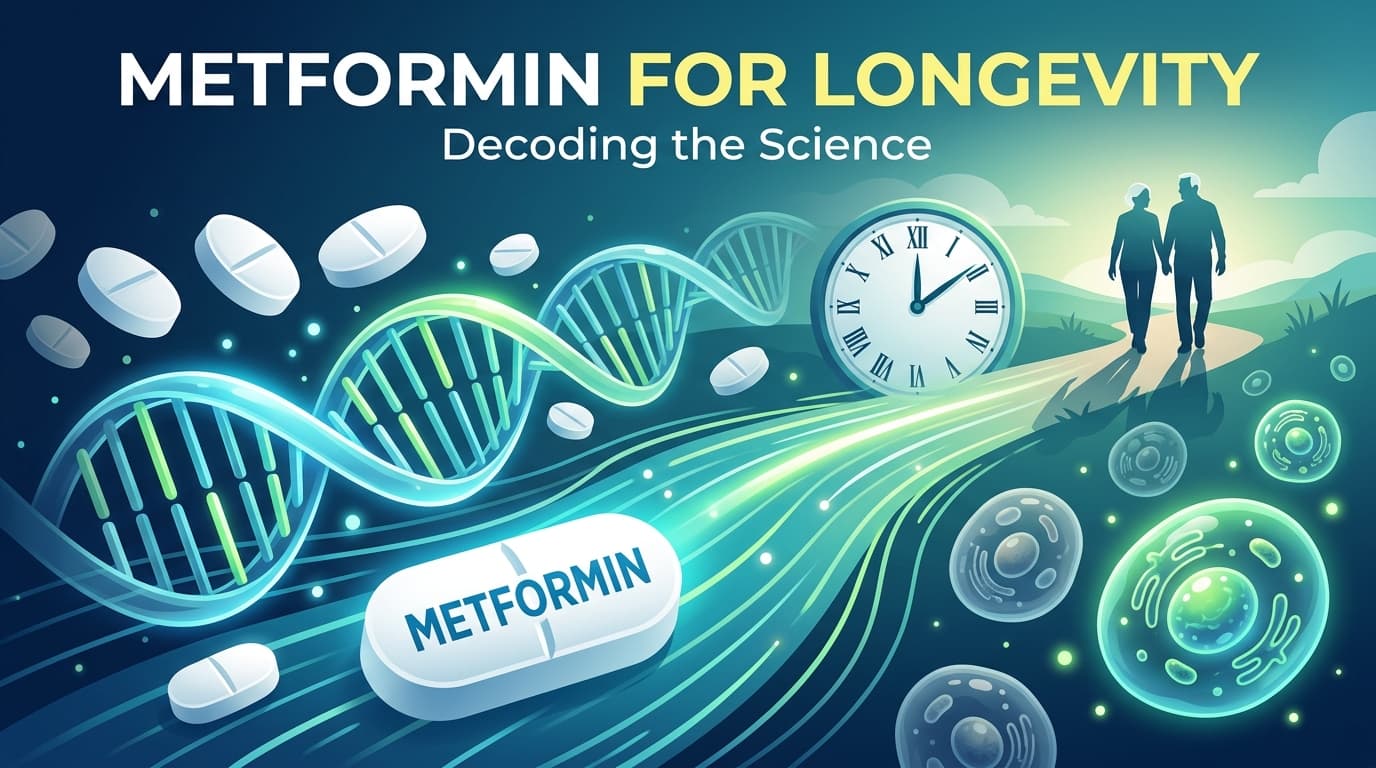
Can Metformin Actually Extend Human Life?

Can Metformin Actually Extend Human Life?

Metformin for longevity is a popular search because the drug has attracted attention beyond diabetes care, with some people wondering whether it could support healthier aging or longer life. The short answer is that metformin is not proven to extend human lifespan, but researcher

Read →
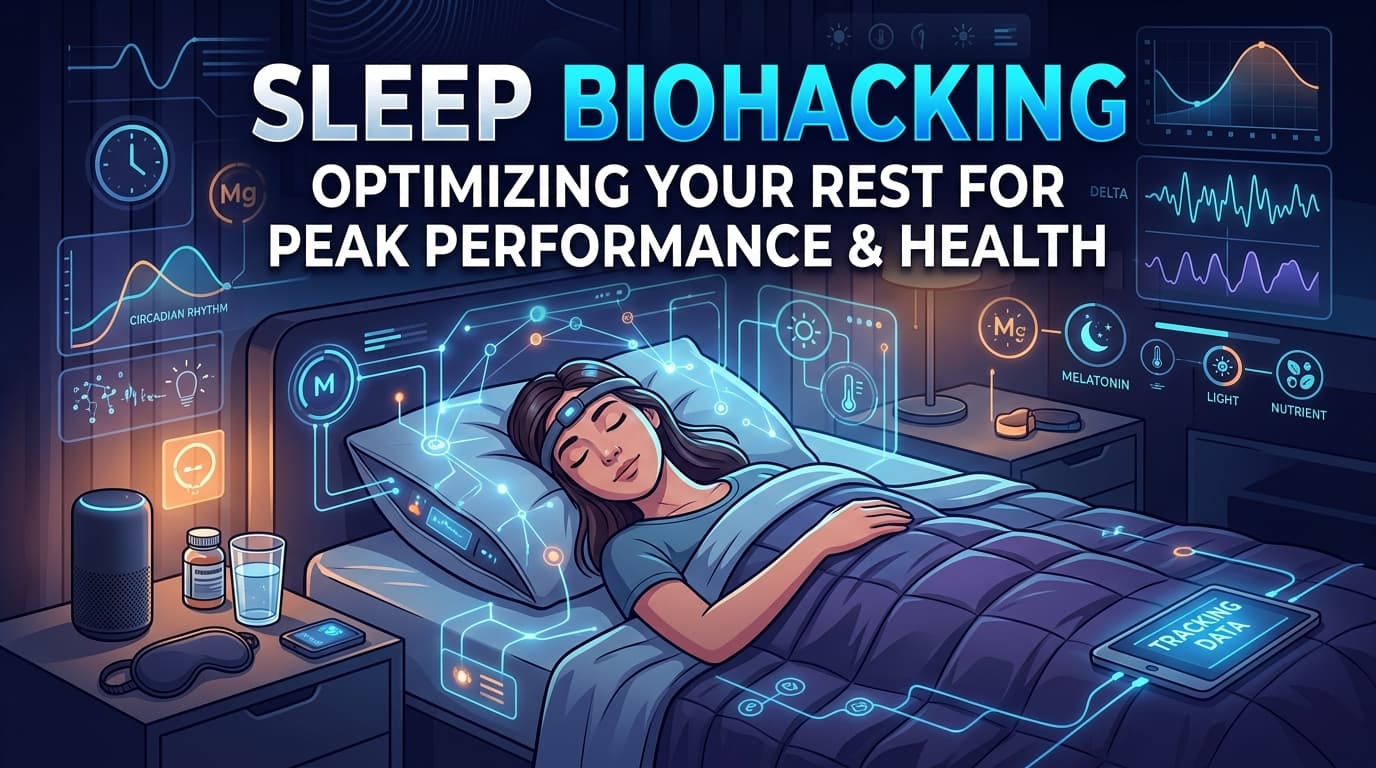
Biohacking Your Sleep for Longevity

Biohacking Your Sleep for Longevity

Sleep biohacking is the practice of using evidence-informed habits, tools, and, in some cases, supplements to support better sleep quality, sleep timing, and next-day recovery. For longevity, the goal is not “perfect sleep” but more consistent, restorative sleep that fits your he

Read →
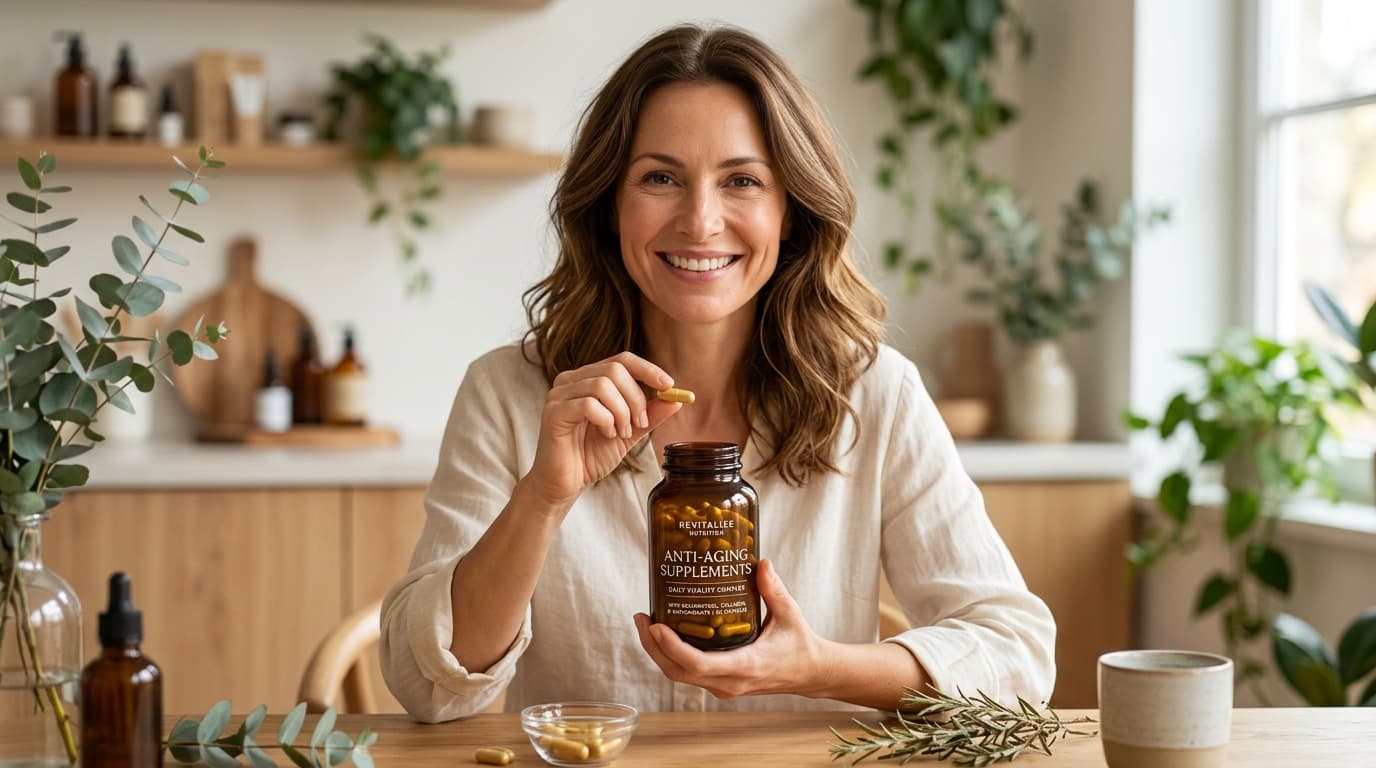
Best Anti-Aging Supplements for 2026

Best Anti-Aging Supplements for 2026

Anti-aging supplements are often searched by people who want to support healthy skin, energy, metabolism, cognition, and healthy aging overall. The most useful products are not miracle fixes; they are supplements that may help fill nutrient gaps, support normal body processes, or

Read →
The Role of Telomeres in Human Aging

The Role of Telomeres in Human Aging

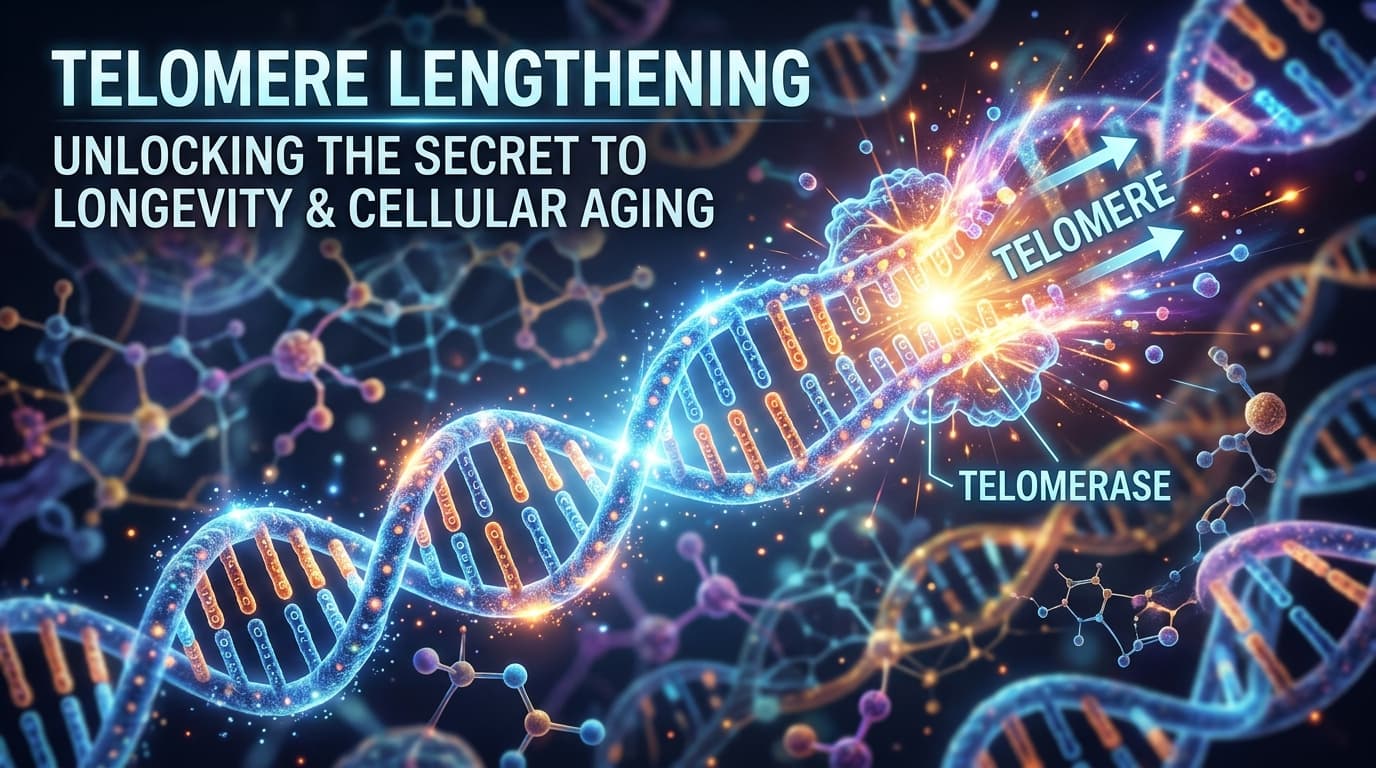
Telomere lengthening is a term many people search when they want to understand whether cellular aging can be influenced by diet, lifestyle, or supplements. Telomeres are protective caps at the ends of chromosomes, and while they naturally shorten over time, their biology is more

Read →
How to Trigger Autophagy Naturally

How to Trigger Autophagy Naturally

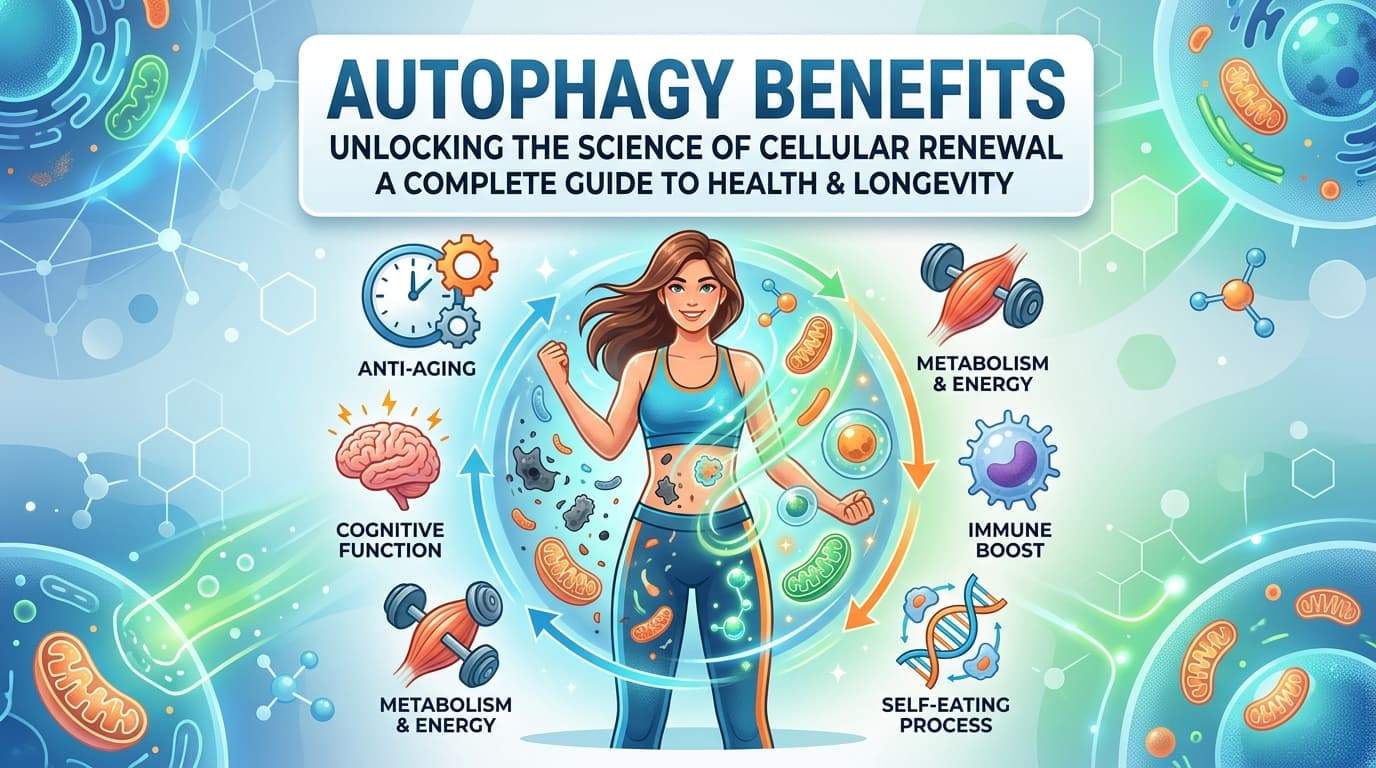
If you are searching for autophagy benefits , you are likely trying to understand how the body’s cellular cleanup and recycling process works, and what habits may help support it naturally. Autophagy is a normal biological process, and certain lifestyle patterns such as fasting i

Read →
NMN vs Resveratrol: Which is Better for Aging?

NMN vs Resveratrol: Which is Better for Aging?

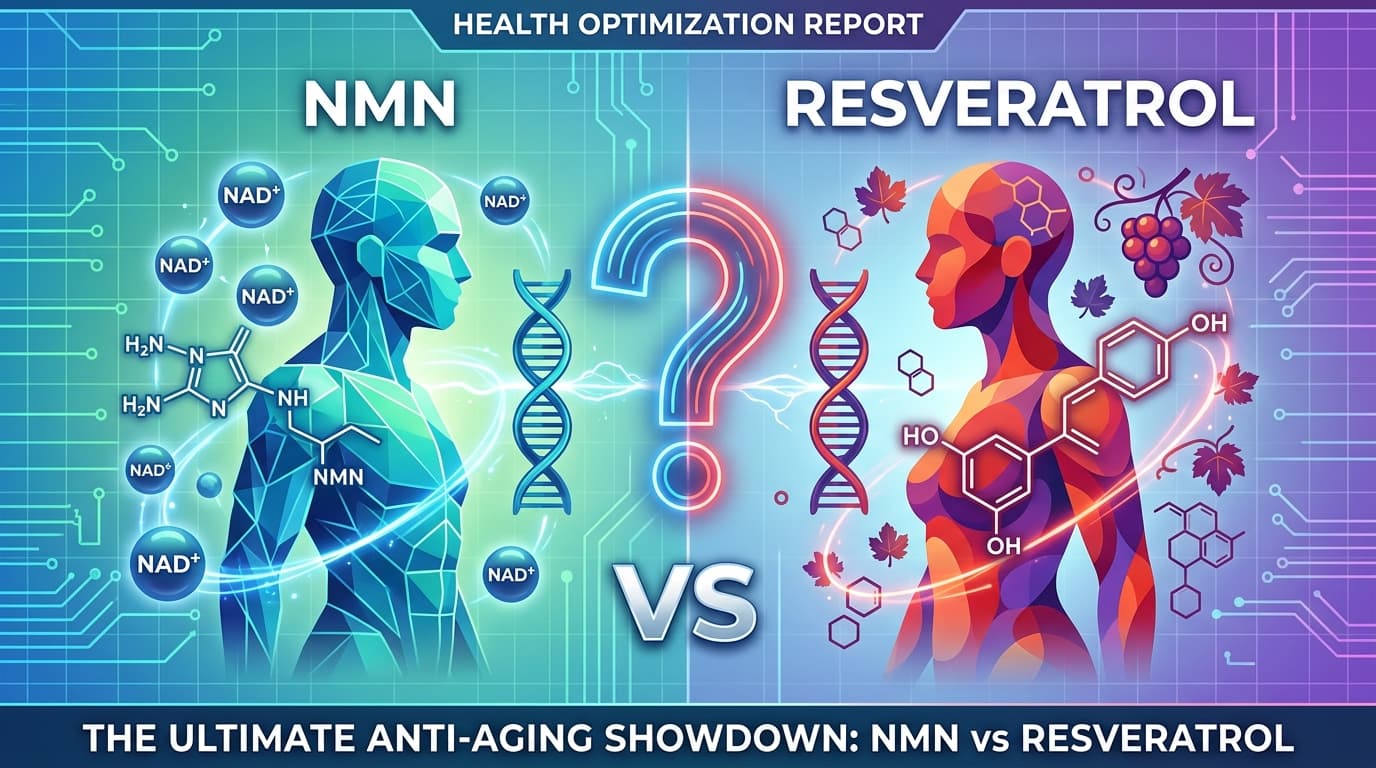
NMN vs resveratrol is a common comparison for people who want to support healthy aging, energy, or cellular function with supplements. The short answer is that neither supplement is clearly “better” for everyone, because they work through different pathways and the evidence for h

Read →