
vitamine -
Signs of Zinc Deficiency You Might Be Ignoring
Zinc deficiency can manifest through a wide range of subtle and often overlooked signs, including impaired immune function, slow wound healing, skin issues, and a reduced sense of taste or smell. Because zinc is an essential trace mineral involved in hundreds of critical bodily p
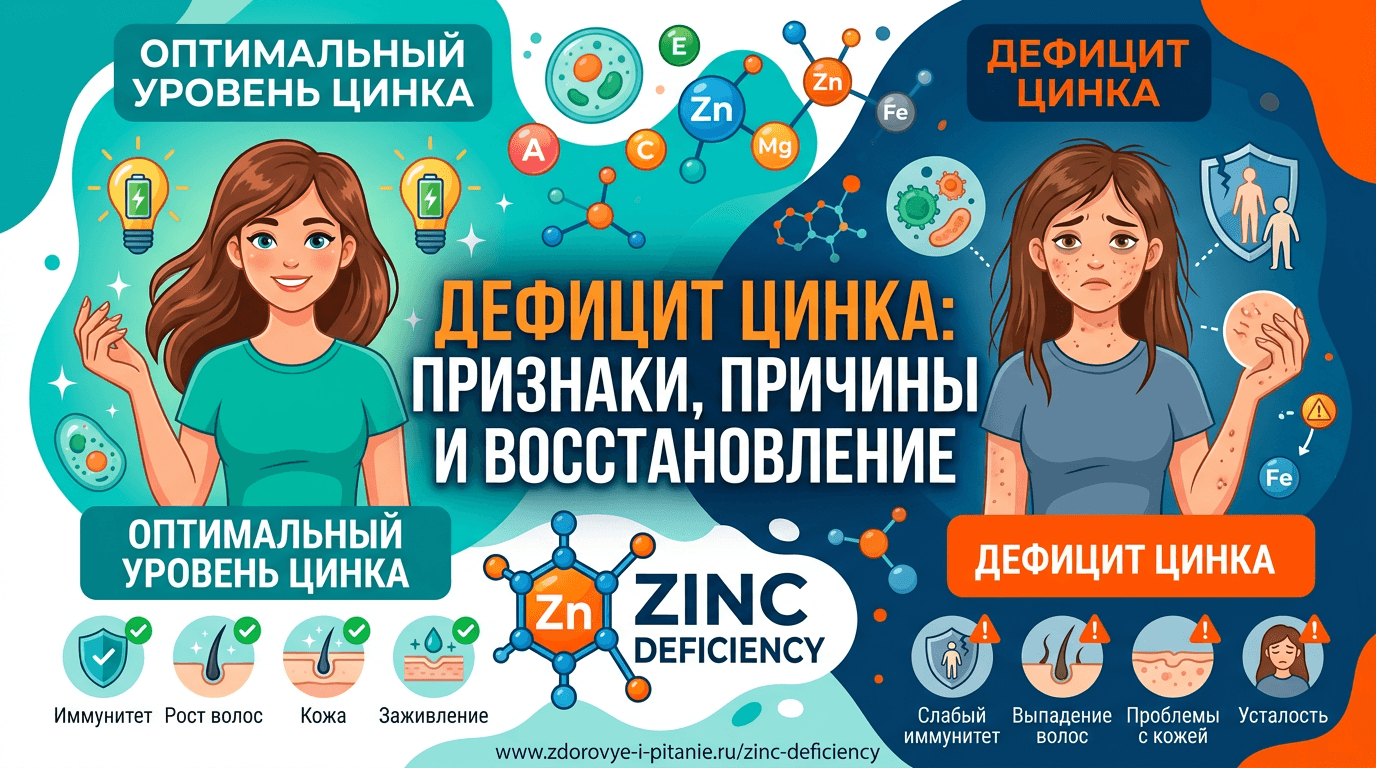
Zinc deficiency can manifest through a wide range of subtle and often overlooked signs, including impaired immune function, slow wound healing, skin issues, and a reduced sense of taste or smell. Because zinc is an essential trace mineral involved in hundreds of critical bodily processes, from DNA synthesis to antioxidant defense, even a mild insufficiency can have noticeable effects on your overall health and well-being.
Understanding these potential indicators is the first step toward addressing your body's needs. This article provides a comprehensive overview of the signs and symptoms associated with low zinc levels, explores the groups most at risk, and details how zinc status is evaluated. We will also cover zinc-rich food sources, the nuances of supplementation, and crucial safety information to help you make informed and responsible decisions in consultation with your healthcare provider.
What Is Zinc and Why Is It Essential?
Zinc is an essential trace mineral, meaning the body needs it in small amounts to function correctly but cannot produce it on its own. It must be obtained regularly through diet or supplementation. Zinc's importance cannot be overstated; it acts as a catalyst, structural component, or regulator for over 300 different enzymes and thousands of proteins, placing it at the heart of countless physiological processes.
The roles of zinc in the human body are incredibly diverse. It is fundamental for a properly functioning immune system, where it helps in the development and activation of T-lymphocytes, a type of white blood cell that helps fight infection. It also plays a vital role in cell division, cell growth, DNA synthesis, and protein production. This makes it critical during periods of rapid growth, such as childhood, adolescence, and pregnancy. Furthermore, zinc is necessary for wound healing, maintaining a proper sense of taste and smell, and supporting normal vision.
Unlike some other nutrients, the body has no specialized storage system for zinc. This means a steady, daily intake is required to maintain adequate levels and support these essential functions. If dietary intake is insufficient or absorption is compromised, the body's zinc status can decline, potentially leading to a state of deficiency that can impact health in numerous ways.
The Spectrum of Zinc Status: From Optimal to Deficient

Zinc deficiency is not a simple "yes or no" condition; it exists on a spectrum. This ranges from severe deficiency, which is rare in developed countries like the United States, to marginal or subclinical deficiency, which is thought to be much more common and often goes unrecognized. Understanding this spectrum is key to identifying potential issues before they become more serious.
Severe vs. Marginal (Subclinical) Zinc Deficiency
Severe zinc deficiency is typically associated with specific genetic disorders, such as acrodermatitis enteropathica, or severe malabsorption conditions. The symptoms are dramatic and unmistakable, often including severe growth retardation, debilitating diarrhea, major immune dysfunction, and characteristic skin lesions or rashes around the body's orifices and on the extremities. Because of its severity and clear presentation, it is usually diagnosed and treated in a clinical setting.
In contrast, marginal or subclinical zinc deficiency is far more subtle. It occurs when zinc intake is consistently just below the body's daily requirements. The signs are often mild, nonspecific, and can develop slowly over time. This subtlety is precisely why it is so frequently overlooked. A person might feel vaguely unwell, notice their hair is thinning more than usual, or catch more colds, but they may not connect these disparate symptoms to a potential nutrient insufficiency.
Why Vague Symptoms Are a Challenge
The primary challenge in identifying marginal zinc deficiency lies in the nonspecific nature of its symptoms. Fatigue, hair loss, poor appetite, and mood changes can be caused by a vast array of other factors, including stress, lack of sleep, other nutrient deficiencies (like iron or vitamin D), thyroid imbalances, or various chronic health conditions. This overlap makes self-diagnosis both unreliable and unwise.
Attributing these common complaints solely to zinc deficiency without a proper evaluation can lead to a missed diagnosis of a more serious underlying condition. Therefore, while being aware of the signs is important for initiating a conversation with a healthcare professional, it is not a substitute for a thorough medical assessment. A provider can take a comprehensive history, evaluate your diet and risk factors, and determine the appropriate steps for testing and management.
12 Common Signs and Symptoms of Zinc Deficiency
Because zinc is active in virtually every tissue and system in the body, a deficiency can manifest in numerous ways. The following signs and symptoms are commonly associated with inadequate zinc status. It's important to remember that these signs are often nonspecific and can have other causes, making professional evaluation essential.
1. Impaired Immune Function
One of the most well-established consequences of zinc deficiency is a weakened immune system. If you find yourself catching every cold that goes around or struggling with infections that seem to linger longer than they should, low zinc could be a contributing factor. Zinc is crucial for the normal development and function of immune cells, including neutrophils, macrophages, and particularly T-cells, which are vital for coordinating the immune response and eliminating pathogens.
When zinc levels are low, the body's ability to mount a robust defense against bacteria and viruses is compromised. This can lead to increased susceptibility to infections, such as the common cold, pneumonia, and other respiratory illnesses. Correcting a deficiency may help support the body's natural defense mechanisms and promote a more balanced immune response.
2. Slow Wound Healing
If you notice that minor cuts, scrapes, or sores take an unusually long time to heal, it could be a sign of insufficient zinc. Zinc plays a central role in every stage of the wound healing process, from blood clotting and inflammation to tissue regeneration and scar formation. It is essential for collagen synthesis, the protein that provides structure to the skin, and for the proliferation of cells needed to repair the damaged tissue.
Healthcare professionals have long used zinc in clinical settings, both orally and topically, to support healing for various types of wounds, including burns, ulcers, and surgical incisions. A chronic deficiency impairs these repair mechanisms, leaving the body struggling to close even small breaks in the skin efficiently.
3. Skin Problems
The skin is one of the organs most visibly affected by zinc status. Because skin cells turn over rapidly, they have a high demand for zinc to support cell growth and division. A deficiency can manifest as various dermatological issues. This may include acne-like breakouts, as zinc helps regulate oil production and has anti-inflammatory properties that can be beneficial for skin health. Some individuals may also experience patches of dry, rough skin or eczema-like rashes (dermatitis).
4. Hair Thinning and Loss
Unexplained hair loss or thinning can be distressing and is a potential indicator of low zinc levels. Zinc is vital for the health of hair follicles and the production of keratin, the primary protein that makes up hair. A deficiency can disrupt the normal hair growth cycle, pushing more hairs into the shedding (telogen) phase, a condition known as telogen effluvium. While many factors can cause hair loss, including hormonal changes and other nutrient deficiencies (like iron), checking zinc status is often part of a comprehensive evaluation.
5. Brittle, Slow-Growing Nails
Similar to hair, nails are also composed of cells that divide and grow quickly, requiring a steady supply of zinc. Signs of deficiency can appear on the fingernails as brittleness, splitting, or slow growth. Some people may also develop Beau's lines (horizontal ridges) or white spots (leukonychia), although the link between white spots and zinc deficiency is debated and can have other causes, such as minor trauma to the nail bed.
6. Diminished Sense of Taste or Smell
A classic, though not always present, sign of zinc deficiency is a change in your sensory perceptions. You might notice that food tastes bland or that you have trouble detecting certain aromas. This is known as hypogeusia (reduced taste) and hyposmia (reduced smell). Zinc is a key component of a protein called gustin, which is essential for the proper development and function of taste buds. When zinc is lacking, taste buds may not regenerate properly, leading to these sensory deficits.
7. Loss of Appetite
A noticeable decrease in appetite is another common symptom, particularly in more significant deficiencies. The exact mechanisms are not fully understood but are thought to be linked to zinc's role in regulating neurotransmitters and hormones that control hunger and satiety signals in the brain. For children and older adults, a persistent loss of appetite can be particularly concerning as it can lead to reduced overall nutrient intake and potential weight loss.
8. Diarrhea
Zinc is critical for maintaining the structural integrity of the intestinal lining and regulating fluid transport in the gut. A deficiency can compromise this barrier, leading to increased intestinal permeability ("leaky gut") and a higher risk of chronic or recurrent diarrhea. This can create a vicious cycle, as persistent diarrhea itself can lead to further zinc loss, worsening the deficiency.
9. Cognitive and Mood Changes
The brain is highly dependent on zinc for proper function. It plays a role in synaptic transmission and the regulation of neurotransmitters like serotonin and dopamine, which are crucial for mood and cognitive function. Consequently, a deficiency may contribute to symptoms like "brain fog," difficulty concentrating, poor memory, and mood disturbances such as apathy, irritability, or depressive symptoms. While these are very nonspecific, they are sometimes part of the clinical picture of low zinc status.
10. Impaired Night Vision
Zinc works in conjunction with vitamin A to support healthy vision. Specifically, it is required for the synthesis of retinol-binding protein, which transports vitamin A from the liver to the retina. In the eye, zinc is also a component of an enzyme needed to convert vitamin A (retinol) into its active form (retinal), which is essential for producing melanin, a pigment that protects the eyes and is necessary for night vision. A deficiency can therefore lead to difficulty seeing in low light.
11. Delayed Growth in Children and Adolescents
In pediatric populations, zinc deficiency is a major cause of concern for growth and development. Because of its fundamental role in cell division and protein synthesis, inadequate zinc can lead to stunted or delayed growth (failure to thrive). It is a significant public health issue in parts of the world where diets are poor in bioavailable zinc.
12. Delayed Sexual Maturation
In adolescents, a significant zinc deficiency can interfere with normal sexual development. It can lead to delayed puberty in both boys and girls. Zinc is involved in the production and regulation of several hormones, including testosterone, and is essential for the development of reproductive organs.
Who Is at Risk for Zinc Deficiency?
While severe zinc deficiency is uncommon in the U.S., marginal deficiency can affect various segments of the population. Certain dietary patterns, life stages, and medical conditions can significantly increase the risk of developing inadequate zinc status.
Dietary Factors
- Vegetarians and Vegans: Plant-based diets can be very healthy, but they present a challenge for zinc adequacy. The primary sources of zinc in these diets (legumes, whole grains, nuts, and seeds) contain compounds called phytates, which bind to zinc and inhibit its absorption. Animal proteins, on the other hand, do not contain phytates and can even enhance zinc absorption. For this reason, it's often recommended that individuals following strict vegetarian or vegan diets aim for up to 50% more zinc than the standard RDA.
- Individuals on Highly Restrictive Diets: Anyone following a diet that is very low in calories or excludes major food groups may be at risk for multiple nutrient deficiencies, including zinc. Poor dietary diversity can make it difficult to meet daily requirements.
Life Stages with Increased Needs
- Infants and Children: Rapid growth creates a high demand for zinc. Exclusively breastfed infants generally have adequate zinc for the first 4-6 months, but breast milk alone may not provide enough zinc thereafter. Complementary foods rich in zinc should be introduced accordingly.
- Adolescents: The adolescent growth spurt is another period of high demand for zinc to support bone, muscle, and tissue development.
- Pregnant and Lactating Women: Zinc requirements increase significantly during pregnancy to support the growing fetus and during lactation to provide zinc to the infant through breast milk. Prenatal vitamins typically contain extra zinc to help meet these needs.
- Older Adults: The elderly are a particularly vulnerable group. They may have reduced food intake due to poor appetite or difficulty chewing, and their ability to absorb zinc may also decline with age. Furthermore, they are more likely to be taking medications that can interfere with zinc status.
Medical Conditions and Other Factors
- Gastrointestinal Diseases: Conditions that cause malabsorption, such as Crohn's disease, ulcerative colitis, and celiac disease, can severely impair the body's ability to absorb zinc from food.
- Chronic Liver or Kidney Disease: These conditions can affect how the body processes and excretes zinc, often leading to lower levels.
- Diabetes: Individuals with diabetes, particularly if it is poorly controlled, may experience increased urinary loss of zinc.
- Alcohol Use Disorder: Chronic, excessive alcohol consumption is a major risk factor. Alcohol can decrease the absorption of zinc from the gut and increase its excretion through urine.
- Bariatric Surgery: Certain types of weight-loss surgery, especially those that bypass portions of the small intestine, can lead to significant malabsorption of zinc and other essential nutrients.
How Zinc Deficiency Is Diagnosed: The Limits of Testing
Diagnosing zinc deficiency can be surprisingly complex, as there is no single, perfectly reliable test to measure the body's total zinc stores. A healthcare provider must often act like a detective, piecing together clues from your symptoms, dietary habits, and medical history to form a complete picture.
The most common test used is a plasma or serum zinc test. However, this measurement has significant limitations. Less than 1% of the body's total zinc is found in the blood plasma, and these levels can fluctuate based on a variety of factors. For example, levels can drop temporarily due to stress, infection, or inflammation (as zinc moves into cells to help with the immune response), or even based on the time of day or the timing of your last meal. A low plasma zinc level can be an indicator of deficiency, but a normal level does not definitively rule it out, especially if symptoms and risk factors are present.
Other tests, such as measuring zinc levels in red or white blood cells or in hair, are also used in some contexts but have their own limitations and are not standardized for routine clinical use. Because of these challenges, a diagnosis of zinc deficiency is often clinical. A provider will consider:
- A thorough review of your symptoms.
- A detailed dietary assessment to estimate your daily zinc intake.
- An evaluation of your risk factors (e.g., digestive disorders, vegetarian diet).
- Blood tests to rule out other conditions that could be causing your symptoms (like anemia or thyroid issues).
In some cases, if a deficiency is strongly suspected but test results are inconclusive, a physician may recommend a carefully monitored trial of zinc supplementation to see if symptoms improve. This should only be done under professional guidance.
Boosting Your Intake: Top Food Sources of Zinc
The most effective and sustainable way to maintain adequate zinc levels is through a balanced, nutrient-dense diet. Zinc is found in a variety of both animal and plant foods, though its bioavailability (the amount the body can absorb and use) differs between them.
| Food Source | Serving Size | Approximate Elemental Zinc (mg) | % Daily Value (DV) |
|---|---|---|---|
| Oysters, cooked | 3 ounces | 74 mg | 673% |
| Beef, chuck roast, cooked | 3 ounces | 7.0 mg | 64% |
| Crab, Alaska king, cooked | 3 ounces | 6.5 mg | 59% |
| Fortified breakfast cereal | 1 serving | 2.8 mg | 25% |
| Pumpkin seeds, roasted | 1 ounce | 2.2 mg | 20% |
| Chicken, dark meat, cooked | 3 ounces | 2.1 mg | 19% |
| Yogurt, plain, low fat | 8 ounces | 1.7 mg | 15% |
| Cashews, dry roasted | 1 ounce | 1.6 mg | 15% |
| Chickpeas, cooked | 1 cup | 2.5 mg | 23% |
| Lentils, cooked | 1 cup | 2.5 mg | 23% |
*Daily Value (DV) is based on the FDA's recommendation of 11 mg of zinc for adults.
Animal-Based Sources (High Bioavailability)
Animal products are generally considered the best sources of zinc. This is not only because they are rich in the mineral, but also because they lack the phytates found in plants. The presence of certain amino acids in animal proteins can also enhance zinc absorption.
- Shellfish: Oysters are the undisputed champion, containing more zinc per serving than any other food. Crab and lobster are also excellent sources.
- Meat: Red meat, such as beef and lamb, is particularly rich in highly bioavailable zinc.
- Poultry: Dark meat from chicken and turkey contains more zinc than the white breast meat.
- Dairy and Eggs: Yogurt, milk, cheese, and eggs contribute a moderate amount of zinc to the diet.
Plant-Based Sources and the Role of Phytates
While plant foods can be good sources of zinc, their zinc is less bioavailable due to the presence of phytates (phytic acid). These compounds, found in the hulls of nuts, seeds, grains, and legumes, bind to minerals like zinc, iron, and calcium, preventing their absorption in the digestive tract.
However, there are traditional food preparation methods that can help break down phytates and improve zinc absorption from these foods:
- Soaking: Soaking beans, grains, or raw nuts in water for several hours before cooking or eating can help activate phytase, an enzyme that breaks down phytic acid.
- Sprouting: Allowing seeds, grains, or legumes to germinate (sprout) significantly reduces their phytate content.
- Fermenting: The process of fermentation, used to make sourdough bread or tempeh, also lowers phytate levels. Choosing leavened whole-grain bread over unleavened options (like crackers) can increase zinc absorption.
By incorporating these techniques, individuals following plant-based diets can significantly enhance the amount of zinc they absorb from their food.
Navigating Zinc Supplements: Forms, Dosage, and Selection
When dietary intake is not enough to correct a deficiency, or for individuals with malabsorption issues, a healthcare provider may recommend a zinc supplement. The supplement aisle can be confusing, with zinc available in many different forms and dosages. Understanding these variations can help you and your provider choose the most appropriate option.
Common Forms of Supplemental Zinc
Zinc supplements are available as zinc salts or chelated forms, where the zinc is attached to another molecule to improve stability and absorption. The percentage of actual (elemental) zinc varies by form.
| Zinc Form | Bioavailability Notes | Common Considerations |
|---|---|---|
| Zinc Gluconate | Considered to have good bioavailability. | One of the most common, affordable, and widely available forms. Often found in zinc lozenges for colds. |
| Zinc Picolinate | Chelated form; often cited in studies for its superior absorption compared to other forms like citrate and gluconate. | May be a good choice for those with absorption issues. Can be more expensive. |
| Zinc Citrate | Well-absorbed, with bioavailability comparable to zinc gluconate. | Often preferred for its milder, less metallic taste compared to zinc sulfate. |
| Zinc Sulfate | Effective and has been used in many clinical studies. | Can be effective but is more likely to cause stomach irritation or nausea than other forms. |
| Zinc Acetate | Good bioavailability. | Another form commonly used in lozenges to reduce the duration of common cold symptoms. |
| Zinc Monomethionine | A chelated form bound to the amino acid methionine. Resists binding by phytates, which may enhance absorption. | Often sold under brand names like OptiZinc, sometimes combined with copper. |
Understanding "Elemental" Zinc
One of the most important things to understand when reading a supplement label is the difference between the total compound weight and the amount of "elemental" zinc. For example, a bottle might say "50 mg Zinc Gluconate" on the front, but zinc gluconate is only about 14% elemental zinc by weight. This means you are getting roughly 7 mg of actual zinc per capsule.
Always check the Supplement Facts panel on the back of the bottle. It should clearly state the amount of elemental zinc per serving. This is the number that matters when comparing products and following dosage recommendations from your healthcare provider. Recommended Dietary Allowances (RDAs) and Tolerable Upper Intake Levels (ULs) are all based on elemental zinc.
General Dosage Considerations
Dosage for zinc supplementation depends entirely on the individual's age, sex, diet, and reason for taking it.
- RDAs: For general health maintenance, the RDA for adults is 11 mg/day for men and 8 mg/day for women (increasing to 11-12 mg during pregnancy and lactation). Most multivitamins provide this amount.
- Supplemental Doses: For addressing a suspected or confirmed insufficiency, a healthcare provider might recommend a short-term course of higher-dose zinc. Doses in the range of 15-30 mg of elemental zinc per day are common in this context. Higher doses should only be used under strict medical supervision due to the risk of side effects and mineral imbalances.
Safe Supplementation: Timing, Interactions, and Side Effects
Taking a zinc supplement correctly is just as important as choosing the right one. Proper timing can enhance absorption and reduce side effects, while being aware of interactions and upper limits is crucial for safety.
Best Time to Take Zinc and Absorption Factors
The most common side effect of zinc supplements, especially at higher doses, is stomach upset or nausea. To minimize this risk, it is generally recommended to take zinc with a meal. While some evidence suggests zinc may be absorbed slightly better on an empty stomach, for most people, the benefit of avoiding digestive discomfort outweighs this small difference.
Zinc competes for absorption with other minerals, particularly iron and copper. If you are taking separate high-dose iron supplements (e.g., for iron-deficiency anemia), it is best to take them at least two hours apart from your zinc supplement. Similarly, avoid taking zinc at the same time as a high-dose calcium supplement. Phytates from high-fiber meals can also reduce zinc absorption, so taking it with a meal lower in phytates (e.g., with animal protein) may be beneficial.
The Risk of Overdoing It: Zinc Toxicity and Copper Deficiency
More is not better when it comes to zinc. The National Institutes of Health has established a Tolerable Upper Intake Level (UL) for zinc, which is the maximum daily intake unlikely to cause adverse health effects. For adults, the UL is 40 mg of elemental zinc per day from all sources (food and supplements combined).
The primary danger of chronically exceeding this limit is an induced copper deficiency. High levels of zinc stimulate the production of a protein in the intestines called metallothionein, which binds to both zinc and copper. However, it has a stronger affinity for copper, effectively trapping it and preventing its absorption. This can lead to a copper deficiency, which can cause serious and sometimes irreversible problems, including:
- Anemia: Similar to iron-deficiency anemia.
- Neutropenia: A low level of a type of white blood cell, leading to impaired immunity.
- Neurological damage: Including numbness, tingling in the extremities, and difficulty walking (ataxia).
Acute zinc toxicity from a single very large dose (e.g., over 200 mg) can cause immediate symptoms like nausea, vomiting, abdominal cramps, and diarrhea.
Medication and Supplement Interactions
Zinc supplements can interact with several types of prescription medications, potentially affecting their absorption and efficacy. It's crucial to discuss all supplements with your doctor and pharmacist.
| Medication / Supplement | Nature of Interaction | Management Strategy |
|---|---|---|
| Quinolone & Tetracycline Antibiotics (e.g., Cipro, Levaquin, Doxycycline) |
Zinc can bind to these antibiotics in the gut, significantly reducing their absorption and effectiveness. | Take the antibiotic at least 2 hours before or 4-6 hours after taking the zinc supplement. |
| Penicillamine (Used for rheumatoid arthritis and Wilson's disease) |
Zinc can reduce the absorption and action of penicillamine. | Take zinc supplements at least 2 hours apart from this medication. |
| Thiazide Diuretics (e.g., hydrochlorothiazide) |
These "water pills" can increase the amount of zinc excreted in the urine by up to 60%, potentially lowering zinc status over time. | Discuss your zinc status with your doctor if you are on long-term diuretic therapy. They can assess if dietary changes or supplementation are needed. |
| Iron Supplements | High doses of iron can interfere with zinc absorption. | If taking both, space them out by at least 2 hours. This is generally not a concern with the low iron levels in a typical multivitamin. |
Common Mistakes to Avoid When Addressing Zinc Status
When you suspect a nutrient deficiency, it's easy to make well-intentioned mistakes. Avoiding these common pitfalls can help you navigate your health journey more safely and effectively.
- Self-Diagnosing Based on Vague Symptoms: The most significant mistake is concluding you have a zinc deficiency because you have hair loss or feel tired. As discussed, these symptoms are highly nonspecific. Ascribing them to zinc could cause you to miss the real cause, which might be a different nutrient deficiency, a thyroid problem, or another medical condition that requires specific treatment.
- Taking High Doses Without Confirmation or Monitoring: Grabbing a bottle of high-dose zinc (50 mg or more) and taking it daily "just in case" is a risky strategy. Without professional guidance, you risk side effects, and more seriously, you put yourself at risk for developing a copper deficiency and its associated neurological consequences.
- Ignoring the Importance of a Food-First Approach: Supplements are meant to supplement the diet, not replace it. Focusing on incorporating zinc-rich foods is the most balanced and safest long-term strategy. This approach also provides a host of other beneficial nutrients that work synergistically with zinc.
- Using Zinc Nasal Sprays or Gels: This is a crucial safety warning. Certain over-the-counter cold remedy nasal sprays and gels containing zinc have been linked to a severe and potentially permanent loss of the sense of smell (anosmia). The FDA has issued warnings about these products. This risk does not apply to oral zinc supplements like lozenges or capsules.
- Forgetting About Absorption Inhibitors and Enhancers: If you are relying on plant-based sources, forgetting to use techniques like soaking or sprouting can mean you're absorbing much less zinc than you think. Conversely, taking your supplement with a high-phytate meal or at the same time as an iron pill can reduce its effectiveness.
Frequently Asked Questions About Zinc Deficiency
How long does it take to correct a zinc deficiency?
The time it takes to restore adequate zinc levels depends on the severity of the deficiency, the supplement dosage, and the individual's absorption capacity. Some symptoms, like diarrhea or loss of appetite, may improve within a few weeks. Other signs, such as hair growth or wound healing, involve slower cellular processes and may take several months to show noticeable improvement.
Can I get all the zinc I need from a multivitamin?
For most people without risk factors, a standard multivitamin-mineral supplement, which typically provides 100% of the Daily Value for zinc (around 11 mg), can help fill dietary gaps. However, this amount may not be sufficient to correct a significant deficiency. A healthcare provider can recommend the appropriate dose for your specific needs.
Are the white spots on my nails always a sign of zinc deficiency?
Not necessarily. While white spots on the nails (leukonychia) are popularly associated with zinc deficiency, the most common cause is actually minor, often forgotten, trauma to the nail bed where the nail grows. While severe zinc deficiency can affect nail health, isolated white spots are not a reliable indicator on their own.
Does zinc help with acne?
Some evidence suggests that zinc may be beneficial for acne. It has anti-inflammatory properties, may help regulate oil gland activity, and can inhibit the growth of acne-causing bacteria. Both oral and topical zinc have been studied, but results are mixed. If you are considering zinc for acne, it's best to discuss it with a dermatologist or healthcare provider to determine if it's appropriate for you.
Is it safe to take zinc every day?
Taking a low-dose zinc supplement, such as that found in a daily multivitamin, is generally safe for most people. However, taking high-dose zinc supplements daily for an extended period should only be done under the supervision of a healthcare professional. Chronic high intake can interfere with copper absorption and lead to other adverse effects.
Can you test for zinc deficiency at home?
No, there are no reliable at-home tests for diagnosing a clinical zinc deficiency. While some companies may offer tests, their accuracy and clinical utility are questionable. Proper diagnosis requires a combination of laboratory testing (like a plasma zinc test) and a comprehensive clinical evaluation by a licensed healthcare professional.
Why do vegetarians and vegans need more zinc?
Vegetarians and vegans need more zinc because their primary dietary sources—legumes, whole grains, and nuts—contain phytates. Phytates are compounds that bind to zinc and significantly reduce its absorption. Due to this lower bioavailability, some guidelines suggest that people on plant-based diets may need to consume up to 50% more zinc than the standard RDA to meet their bodies' needs.
Does zinc affect testosterone levels?
Zinc is essential for the production of testosterone, and a significant zinc deficiency can lead to decreased testosterone levels in men. Correcting a deficiency in men with low zinc has been shown to help normalize testosterone levels. However, for men who already have adequate zinc status, taking extra zinc supplements is not likely to boost testosterone further and is not recommended for this purpose without a confirmed deficiency.
Conclusion: A Balanced Approach to Zinc Health
Zinc is a small but mighty mineral that plays a foundational role in our health, from fortifying our immune defenses to repairing our tissues. The signs of a deficiency are often subtle and can easily be mistaken for the general wear and tear of a busy life. Recognizing these potential indicators—such as frequent illness, slow healing, or changes in skin and hair—is a valuable step toward proactive health management.
A food-first approach, centered on a diverse diet rich in bioavailable zinc from sources like shellfish, meat, poultry, and properly prepared legumes and seeds, remains the cornerstone of maintaining adequate zinc status. For those at higher risk or with confirmed insufficiencies, supplements can be an effective tool when used correctly and cautiously.
Ultimately, the key to managing your zinc status is balance and informed caution. Never self-diagnose based on symptoms, and avoid the "more is better" mindset with supplementation to prevent the serious risk of mineral imbalances. If you have concerns about your zinc levels or are experiencing any of the symptoms discussed, the most responsible action is to partner with a licensed healthcare professional. They can provide a proper evaluation, accurate diagnosis, and a personalized, safe plan to ensure your body gets exactly what it needs to thrive.