
vitamine -
Silica for Skin, Hair, and Collagen Support
Silica offers potential benefits for skin, hair, and collagen production by providing the essential trace mineral silicon, which is integral to the synthesis of collagen and the structural integrity of connective tissues. As a key building block, silica may help support skin elas
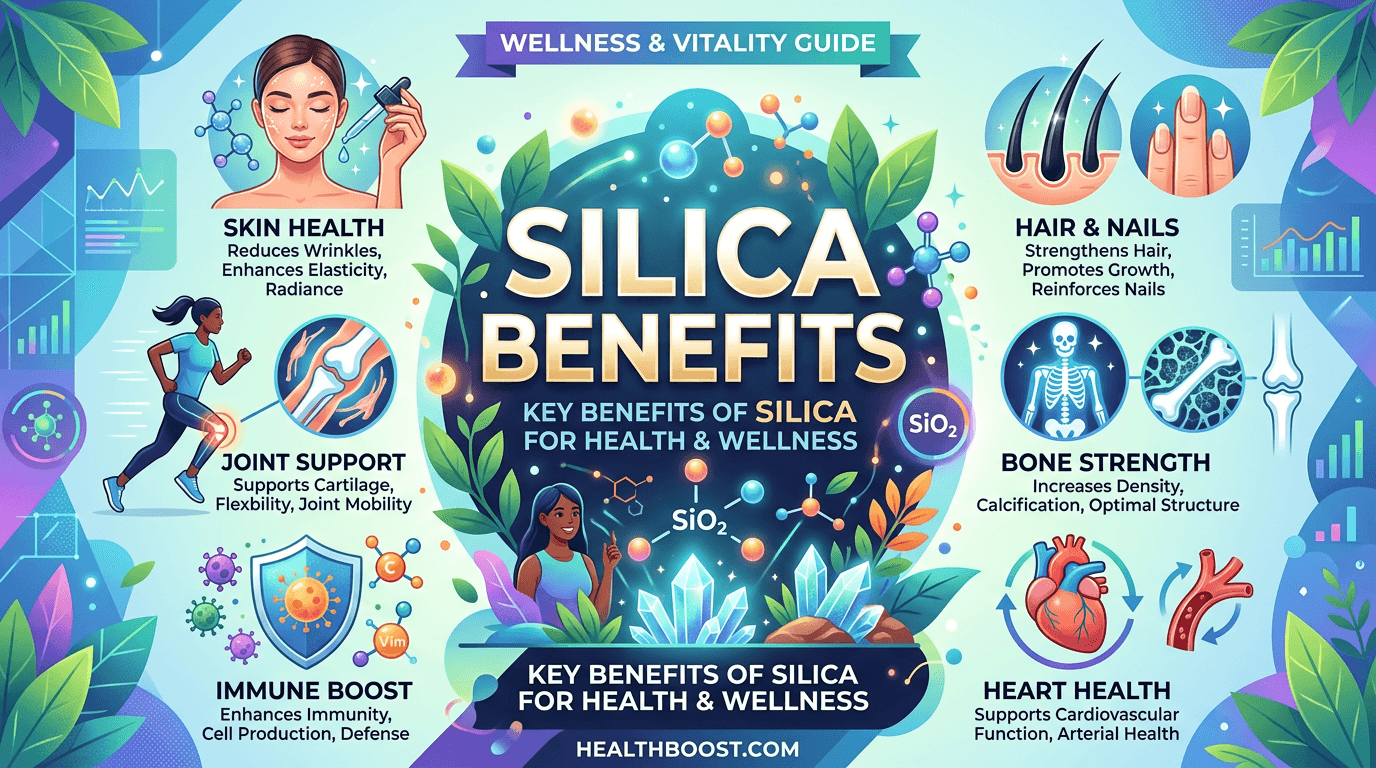
Silica offers potential benefits for skin, hair, and collagen production by providing the essential trace mineral silicon, which is integral to the synthesis of collagen and the structural integrity of connective tissues. As a key building block, silica may help support skin elasticity and hydration, hair strength and thickness, and nail quality. It functions by supporting the body's own internal processes for maintaining healthy connective tissue.
While silica is naturally present in the human body and many plant-based foods, interest in supplementation has grown, particularly as a strategy to address age-related changes in skin, hair, and nails. This comprehensive article explores the science behind silica, its role in the body, the differences between various supplement forms, and how to approach its use safely and effectively. We will delve into food sources, potential benefits, dosage considerations, and crucial safety information to provide a balanced and evidence-based perspective.
What Is Silica and Why Is It Important?
Silica, also known as silicon dioxide (SiO2), is a natural compound made up of silicon and oxygen, two of the most abundant elements on Earth. Silicon itself is a trace mineral that, while not classically defined as "essential" in the same way as vitamins, is present in virtually all human tissues and plays a significant supportive role in various biological processes. It is particularly concentrated in connective tissues like bone, cartilage, tendons, skin, hair, and nails.
The body's main use for silica is in the form of orthosilicic acid, a water-soluble and bioavailable form that the body can absorb and utilize. This form is critical for the structural integrity and development of connective tissues. Its importance stems from its involvement in the synthesis of collagen and glycosaminoglycans (GAGs), which are fundamental components of the extracellular matrix that provides structural support to cells and tissues throughout the body.
Research indicates that silicon concentrations in certain tissues, such as the aorta and skin, tend to decline with age. This observation has led to the theory that maintaining adequate silicon levels may help support the resilience and youthful function of these tissues. While the body requires it in small amounts, ensuring a consistent supply through diet or, in some cases, supplementation is the focus of much of the interest in silica for health and wellness.
The Role of Silica in Collagen Production
Silica's most celebrated role is its connection to collagen, the most abundant protein in the human body. Collagen acts as a primary structural protein, forming the scaffold for skin, bones, tendons, ligaments, and blood vessels. Understanding silica's function requires distinguishing it from collagen supplements: silica is not collagen, but rather a key co-factor that supports the body's *own* ability to produce it.
The process of collagen synthesis is complex, involving several enzymatic steps. Silica is believed to play a crucial part by activating specific enzymes called prolyl and lysyl hydroxylases. These enzymes are responsible for a critical step known as hydroxylation, which helps form and stabilize the triple-helix structure of collagen. Without sufficient hydroxylation, the resulting collagen fibers are weaker and less stable, which can impact the integrity of connective tissues.
By supporting this foundational step in collagen formation, silica may contribute to:
- Skin Strength and Elasticity: Healthy collagen production is essential for maintaining the skin's firmness and ability to bounce back.
- Bone Mineralization: Silica is found at sites of active bone growth and is thought to facilitate the deposition of calcium and other minerals into the bone matrix.
- Joint and Tendon Health: The strength and resilience of cartilage and tendons depend heavily on a well-organized collagen network.
Therefore, when discussing silica benefits, it's more accurate to think of it as a "collagen generator" or "collagen support nutrient" rather than a direct source of collagen. It helps ensure the body's internal collagen-making machinery is functioning efficiently.
Potential Silica Benefits for Skin Health
Silica's support for collagen and other connective tissue components may translate into several observable benefits for skin health. Its primary contributions are thought to be in maintaining skin's structural integrity, hydration, and overall texture. As we age, declining collagen production and reduced skin hydration contribute to the formation of fine lines, wrinkles, and loss of firmness.
One of the ways silica may support skin health is through its influence on Glycosaminoglycans (GAGs). GAGs are water-binding molecules, with hyaluronic acid being the most well-known. These molecules are essential for keeping the skin plump, hydrated, and supple. Research suggests that silicon is structurally linked to GAGs, indicating it may play a role in their synthesis and stabilization. By supporting both collagen and GAGs, silica addresses two key pillars of youthful skin architecture: strength and moisture.
A few clinical studies have investigated the effects of silica supplementation on skin. For instance, research on choline-stabilized orthosilicic acid (ch-OSA), a highly bioavailable form of silica, has shown promising results. In one study involving women with sun-damaged skin, those taking 10 mg of elemental silicon daily in the form of ch-OSA for 20 weeks saw improvements in skin micro-relief (roughness) and mechanical properties (elasticity) compared to a placebo group. While this evidence is encouraging, it's important to note that the body of research is still growing, and results can vary based on the supplement form and individual factors.
How Silica May Support Hair Strength and Appearance
Silica may support hair health by contributing to its structural integrity and potentially influencing the hair growth cycle. Silicon is one of the most abundant trace minerals found in the hair fiber. The theory is that higher concentrations of silicon within the hair shaft contribute to stronger, more resilient hair that is less prone to breakage.
The potential benefits of silica for hair are thought to include:
- Increased Strength and Reduced Brittleness: By becoming part of the hair's structure, silicon can increase the diameter of the hair shaft and fortify it against splitting and breakage.
- Enhanced Shine and Luster: Healthier, stronger hair often has a smoother cuticle, which reflects light better and gives the hair a shinier, more vibrant appearance.
- Support for Hair Volume: Some research suggests a link between higher silicon content in hair and a lower rate of hair loss or alopecia. By strengthening existing hair, it may help maintain overall volume and thickness.
A study published in the *Archives of Dermatological Research* examined the effects of a 9-month supplementation with 10 mg of silicon (as ch-OSA) on women with fine hair. The results indicated that the supplement group experienced improvements in hair's elastic properties and a thicker hair shaft compared to the placebo group. This suggests that adequate silica intake can positively affect the physical characteristics of hair, making it feel and look fuller and stronger. However, it's crucial to differentiate this from claims of "curing" baldness; silica is more about supporting the quality of existing and newly growing hair.
Silica for Nail Health and Strength
The benefits of silica extend to nails, which, like hair, are made of keratin and rely on a strong connective tissue base for healthy growth. Brittle, splitting, or soft nails can be a common concern, and while they can be caused by many factors, nutritional deficiencies are sometimes involved. Silicon is a key mineral in the nail plate, and adequate levels are thought to be necessary for nail hardness and resilience.
The mechanism by which silica may improve nail health is straightforward. By providing elemental silicon to the nail matrix (the area under the cuticle where nail growth begins), it can be incorporated into the forming nail plate. This is believed to strengthen the keratin structure, making the nail less susceptible to chipping, peeling, and breaking. Essentially, silica helps build a stronger foundation for the nail from the inside out.
Clinical observation and some study data support this role. In one study, individuals with brittle nail syndrome who took 10 mg of elemental silicon daily for 20 weeks reported subjective improvements in their nail condition. While more rigorous, large-scale studies are needed to confirm these effects, the existing evidence aligns with silica's known function in connective tissue synthesis. For individuals struggling with weak or brittle nails, ensuring adequate silica intake through diet or supplementation may be a supportive measure worth discussing with a healthcare provider.
Food Sources of Silica
Before considering supplements, it's beneficial to focus on dietary sources of silica. A food-first approach ensures you receive a spectrum of nutrients that work synergistically. Plant-based foods are the primary dietary source of silica, as plants absorb orthosilicic acid from the soil and incorporate it into their structure. The silica content in plants can vary significantly depending on the soil type, geographical location, and farming practices.
Some of the richest and most common food sources of silica include:
- Grains: Oats, barley, wheat bran, and millet are excellent sources. Whole grains generally contain more silica than their refined counterparts as it's concentrated in the hull.
- Vegetables: Green beans, root vegetables (like carrots and potatoes with skin), and leafy greens (like spinach) are good contributors.
- Fruits: Bananas, raisins, and dried fruits contain moderate amounts of silica.
- Legumes: Lentils and other legumes provide a decent amount of this trace mineral.
- Beverages: Certain mineral waters, especially those from volcanic regions, can be very rich in silica. Beer is also a surprisingly significant source due to the processing of barley and hops.
- Herbs: Horsetail (Equisetum arvense) and bamboo are exceptionally high in silica, which is why they are often used to make supplements.
The following table provides a general overview of silica content in common foods. Note that these values are approximate and can vary.
| Food Category | Examples | Relative Silica Content |
|---|---|---|
| Herbs & Plant Extracts | Bamboo shoots, Horsetail | Very High |
| Whole Grains | Oats, Millet, Barley, Rice Bran | High |
| Vegetables | Green Beans, Root Vegetables, Bell Peppers | Moderate |
| Fruits | Bananas, Dried Fruits (Raisins, Prunes) | Moderate to Low |
| Legumes | Lentils, Beans | Low |
| Beverages | Beer, Mineral Water | Variable (can be High) |
While a varied, plant-rich diet can provide a good amount of silica, modern food processing can strip silica from foods. This, combined with potential age-related declines in absorption, is why some people turn to supplements to ensure a consistent and bioavailable intake.
Understanding Silica Supplements: Forms and Bioavailability
Navigating the world of silica supplements can be confusing, as products come in various forms with significant differences in bioavailability—the degree to which the body can absorb and use the nutrient. The effectiveness of a silica supplement is largely determined by its ability to provide silicon in the form of orthosilicic acid. Here's a breakdown of the most common forms.
Choline-Stabilized Orthosilicic Acid (ch-OSA)
ch-OSA is a patented, synthetic form of silica that is widely considered the gold standard for bioavailability. In nature, orthosilicic acid molecules are unstable and tend to polymerize, or clump together, forming larger chains (polysilicic acid) that are too large for the body to absorb effectively. Choline stabilization prevents this polymerization, keeping the silicon in its small, monomeric, and highly absorbable orthosilicic acid form. Most of the robust clinical studies demonstrating benefits for skin, hair, and nails have used ch-OSA. It is typically sold as a liquid concentrate or in capsules.
Horsetail Extract (Equisetum arvense)
Horsetail is an ancient plant that is naturally very rich in silica, containing it in both soluble and insoluble forms. It is one of the most popular and traditional herbal sources for silica supplementation. However, the bioavailability of silica from horsetail can be lower and more variable than from ch-OSA because much of the silica is bound within the plant's fibrous structure. The amount of absorbable orthosilicic acid it yields depends on the extraction method. When choosing a horsetail supplement, it is crucial to select a product from a reputable manufacturer that is standardized for its silica content.
Bamboo Extract
Bamboo is another plant-based source that has gained popularity. It is known for having one of the highest natural concentrations of silica, with some extracts standardized to contain up to 70% silica by weight. Like horsetail, the silica in bamboo is in a natural, polymeric form. While it provides a high dose of total silicon, its bioavailability as absorbable orthosilicic acid may be less than that of ch-OSA. It is a common ingredient in many hair, skin, and nail formulas and is often preferred by those seeking a potent plant-derived option.
Other Forms: Silicic Acid and Diatomaceous Earth
Silicic Acid/Colloidal Silica: These are typically liquid preparations where silica particles are suspended in water. Their stability and bioavailability can vary. Some preparations may be effective, but they lack the extensive clinical backing of ch-OSA.
Food-Grade Diatomaceous Earth (DE): This is a powder made from the fossilized remains of diatoms, a type of algae with a silica-rich cell wall. While it is marketed as a source of silica, its bioavailability is generally considered very low. Furthermore, safety concerns exist regarding the potential for inhalation of the fine powder, which can cause lung damage, even with "food-grade" products. It is not typically recommended as a primary silica supplement for therapeutic purposes.
| Supplement Form | Source | Bioavailability | Key Considerations |
|---|---|---|---|
| Choline-Stabilized Orthosilicic Acid (ch-OSA) | Synthetic | Very High | Most clinically studied form; patented and often more expensive. |
| Horsetail Extract | Plant (Herbal) | Moderate to Low | Choose standardized, thiaminase-free products. Bioavailability can be variable. |
| Bamboo Extract | Plant (Herbal) | Moderate to Low | Very high silica concentration by weight, but bioavailability is not as high as ch-OSA. |
| Diatomaceous Earth | Fossilized Algae | Very Low | Not recommended for supplementation due to low bioavailability and inhalation risks. |
How to Take Silica: Dosage, Timing, and Absorption
Determining the right approach to silica supplementation requires understanding general dosage guidelines, factors affecting absorption, and consistency. There is no official Recommended Dietary Allowance (RDA) for silicon in the United States, so guidance is primarily based on levels used in clinical studies and manufacturing recommendations.
Dosage is typically discussed in terms of elemental silicon. It's important to read labels carefully, as a product might list a high milligram amount of horsetail extract, but the actual amount of elemental silicon is a fraction of that number.
- General Dosage Range: Most clinical studies showing benefits for skin, hair, and nails used doses of 5 to 20 mg of elemental silicon per day. A common and effective dose for ch-OSA is around 10 mg of elemental silicon daily.
- Horsetail and Bamboo Extracts: Dosages for these can vary widely based on their standardization. A typical dose might be 300-500 mg of an extract standardized to 7% silica, which would provide 21-35 mg of silica (not elemental silicon). It's crucial to follow the manufacturer's directions and consult a healthcare professional for personalized guidance.
Regarding timing, there are no strict rules. Some people prefer to take silica with a meal to minimize the risk of mild digestive upset, while others take it on an empty stomach. For liquid forms like ch-OSA, it is often recommended to mix the drops into a small amount of juice or water to mask the taste. The most important factor is consistency—taking the supplement daily is necessary to see potential results, which may take several months to become apparent.
Absorption of silica is influenced by several factors. First, it must be in the form of orthosilicic acid. Stomach acid plays a role in helping to break down dietary silica into this absorbable form. Therefore, conditions that reduce stomach acid (such as chronic antacid use or age-related changes) could potentially impair the absorption of silica from food and less bioavailable supplement forms. For overall connective tissue health, silica doesn't work in a vacuum. Ensuring adequate intake of other key nutrients like Vitamin C, Vitamin D, Vitamin K, zinc, and magnesium creates a supportive nutritional environment for collagen synthesis and tissue repair.
Safety, Side Effects, and Potential Interactions
Silica from food sources is considered safe. When taken as a supplement in recommended doses, silica is also generally well-tolerated by most healthy adults. However, like any supplement, it has potential side effects, contraindications, and interactions that are important to understand.
General Safety and Side Effects
Side effects from silica supplementation are uncommon but can include mild digestive issues like gas or an upset stomach. The long-term effects of taking high doses of silica supplements are not well-studied. The body excretes excess silicon through the urine, which provides a natural safety mechanism against accumulation. In the United States, there is no established Tolerable Upper Intake Level (UL) for silicon. However, some European authorities have suggested an upper limit of around 700 mg of silicon per day for adults, which is far higher than typical supplement doses.
Who Should Be Cautious? (Contraindications)
Certain individuals should avoid silica supplements or use them only under the direct supervision of a healthcare professional:
- Individuals with Kidney Disease: Because the kidneys are responsible for filtering and excreting excess silicon, people with impaired kidney function are at risk of silicon accumulation. In rare cases, very high, long-term intake of certain forms of silica (silicates) has been linked to the formation of kidney stones.
- Pregnant and Breastfeeding Women: There is insufficient research on the safety of silica supplements during pregnancy and lactation. It is best to avoid supplementation during these times unless specifically advised by a doctor.
- Children: The use of silica supplements in children has not been studied and is not recommended.
Medication Interactions
Silica supplements, particularly those derived from horsetail, can potentially interact with certain medications. This is primarily due to horsetail's natural diuretic (water pill) effect.
Potential interactions include:
- Diuretics (e.g., hydrochlorothiazide, furosemide): Combining horsetail with prescription diuretics could lead to excessive water loss, dehydration, and electrolyte imbalances, particularly low potassium (hypokalemia).
- Lithium: The diuretic effect of horsetail might decrease the body's ability to excrete lithium, potentially leading to dangerously high levels of the drug.
- Diabetes Medications: Some preliminary evidence suggests that horsetail may lower blood sugar levels. Combining it with anti-diabetes drugs could increase the risk of hypoglycemia (blood sugar that is too low). Careful monitoring is essential.
Who Might Consider Silica Supplementation?
Silica supplementation is not a necessity for everyone. A well-balanced diet rich in whole foods is the best foundation for health. However, certain groups may find that a silica supplement provides additional support, especially when dietary intake is low or needs are potentially higher.
Individuals who might discuss silica supplementation with their healthcare provider include:
- Older Adults: Due to potential age-related declines in silicon levels in tissues, reduced dietary intake, and decreased absorption efficiency, older adults may be one of the groups to benefit most from supporting their silica status.
- Individuals with Low Dietary Intake: People who consume a diet high in processed foods and low in whole grains, vegetables, and fruits may not be getting adequate amounts of silica.
- Those with Specific Cosmetic Concerns: People who are specifically looking to support the health and appearance of their skin, hair, and nails after addressing foundational nutritional and lifestyle factors may consider a high-quality silica supplement.
- Postmenopausal Women: Some research has focused on the role of silica in bone health, suggesting it may work alongside calcium and vitamin D to support bone density. Postmenopausal women concerned about bone health might explore this topic with their doctor.
It is essential to maintain realistic expectations. A supplement is not a magic bullet. Silica's effects are supportive and gradual, building on the foundation of a healthy lifestyle that includes a balanced diet, adequate hydration, sun protection, and not smoking. It works from the inside out and is most effective as part of a holistic approach to health.
Frequently Asked Questions About Silica
How long does it take to see silica benefits?
Results are not immediate. Because silica works by supporting the body's natural growth and repair cycles, it can take several months of consistent use to see noticeable changes. For hair and nails, you must wait for new, healthier growth to emerge, which can take 3 to 6 months or longer.
Can I get enough silica from food alone?
It is possible to get sufficient silica from a diet rich in whole, plant-based foods like oats, green beans, and root vegetables. However, modern diets high in processed foods may be lacking. If your diet is limited in these foods, you may have a lower intake.
What's the difference between silica and collagen supplements?
Silica supplements provide a mineral that helps your body produce its own collagen. Collagen supplements provide the actual protein building blocks (peptides) from an external source (like bovine or marine). They work differently but have a similar goal; some people take them together, but it is not necessary.
Which form of silica is best?
Choline-stabilized orthosilicic acid (ch-OSA) is considered the most bioavailable form and is supported by the most clinical research for skin, hair, and nail benefits. Plant-based forms like horsetail and bamboo extract are also popular but may have lower and more variable absorption rates.
Does silica help with hair growth?
Silica is not known to regrow hair on a bald scalp. Its primary role is to support the strength, thickness, and quality of existing and newly growing hair. By reducing breakage and improving hair structure, it can contribute to the appearance of fuller, healthier hair.
Can silica cause kidney stones?
This is a rare risk, primarily associated with very high, long-term intake of certain silica compounds (silicates), not typical dietary or supplemental intake. Individuals with pre-existing kidney disease are at a higher risk and should avoid silica supplements unless cleared by their doctor, as their kidneys may not be able to excrete excess silicon efficiently.
Does silica interact with biotin?
There is no known negative interaction between silica and biotin. In fact, they are often included together in "hair, skin, and nails" formulas. They work through different mechanisms—biotin is a B-vitamin essential for keratin production, while silica supports collagen and connective tissue—and can be complementary.
Is food-grade diatomaceous earth a good source of silica?
While diatomaceous earth (DE) is very high in silica, it is in a form that has very low bioavailability for humans. Furthermore, inhaling the fine powder poses a significant health risk to the lungs. For these reasons, other forms like ch-OSA or standardized herbal extracts are considered safer and more effective for supplementation.
Conclusion: A Balanced View on Silica
Silica is an important, though often overlooked, trace mineral that plays a fundamental role in the health of our body's connective tissues. Its function as a supporter of collagen synthesis makes it a nutrient of interest for anyone looking to maintain the health and integrity of their skin, hair, and nails, particularly as they age. The available scientific evidence, while still growing, suggests that supplementation with a bioavailable form of silica may offer modest but measurable improvements in skin elasticity, hair strength, and nail quality.
The key to success with silica lies in a balanced and informed approach. Prioritizing a diet rich in silica-containing whole foods is the best starting point. When considering a supplement, choosing a high-quality, bioavailable form like ch-OSA is crucial for effectiveness. It is also vital to be aware of the safety considerations, especially for individuals with kidney conditions or those taking certain medications.
Ultimately, silica is a supportive nutrient, not a panacea. It works best as part of a comprehensive strategy for wellness that includes a nutritious diet, a healthy lifestyle, and realistic expectations. Before starting any new supplement regimen, a conversation with a licensed healthcare professional is always the most responsible and effective path forward to ensure it is the right choice for your individual health needs.