
vitamine -
Zinc Picolinate for Immune Support
Zinc picolinate is a specific form of zinc supplement often considered one of the best for supporting the immune system due to its high bioavailability. As a chelated form, zinc is bound to picolinic acid, a natural compound the body uses to transport minerals, which may enhance
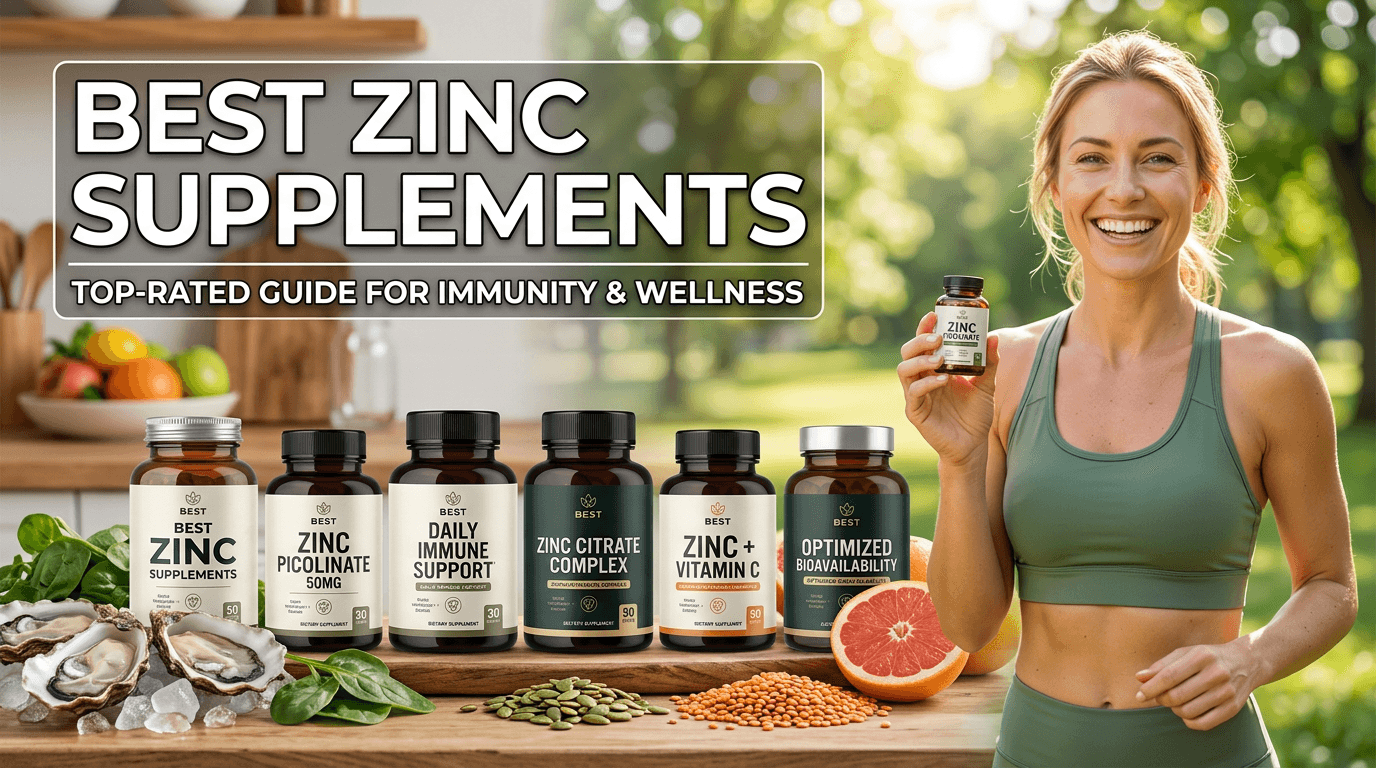
Zinc picolinate is a specific form of zinc supplement often considered one of the best for supporting the immune system due to its high bioavailability. As a chelated form, zinc is bound to picolinic acid, a natural compound the body uses to transport minerals, which may enhance its absorption compared to other forms of zinc. While many types of zinc supplements exist, the choice of the "best" one depends on individual factors like digestive health, diet, and specific health goals.
Understanding zinc's critical role in health is the first step toward making an informed decision about supplementation. This essential trace mineral is a key player in hundreds of enzymatic reactions within the body, influencing everything from cell growth and DNA synthesis to wound healing and sensory perception. Its most well-known function, however, is its profound impact on the immune system. This article provides a comprehensive overview of zinc, a detailed exploration of zinc picolinate, and practical guidance on how to approach zinc supplementation safely and effectively, particularly in the context of immune health.
What Is Zinc and Why Is It Essential?

Zinc is an essential trace mineral, meaning the body needs it in small amounts to function correctly but cannot produce it on its own. Therefore, it must be obtained continuously through diet or supplementation. Zinc is present in every cell, tissue, and fluid in the body, acting as a critical component or cofactor for more than 300 enzymes. These enzymes catalyze a vast range of biochemical reactions that are fundamental to life.
The roles of zinc are incredibly diverse and vital for day-to-day health. It is integral to cell division, cell growth, and the synthesis of DNA and proteins, which are the building blocks of life. Zinc also plays a crucial part in wound healing, the proper functioning of the senses of taste and smell, and maintaining healthy skin. Perhaps its most studied role is in the immune system, where it is necessary for the development and activation of key immune cells, helping to mount a balanced and effective response to challenges.
Because the body does not have a specialized storage system for zinc, a steady daily intake is required to maintain adequate levels and support these essential physiological processes. A lack of consistent zinc intake can quickly lead to suboptimal function in multiple systems, particularly the immune system, which has a high turnover of cells and a constant demand for this crucial mineral.
Understanding Zinc Deficiency and Insufficiency
Zinc deficiency occurs when dietary intake is insufficient to meet the body's needs, or when absorption is impaired. While severe zinc deficiency is relatively rare in the United States, mild to moderate insufficiency is more common and can have subtle yet significant health consequences. The challenge with identifying zinc insufficiency is that its symptoms are often non-specific and can be attributed to many other conditions.
Common signs and symptoms that may be associated with low zinc status include:
- Impaired Immune Function: Increased frequency of infections, such as colds and other respiratory illnesses.
- Skin Issues: Delayed wound healing, acne, eczema, or other dermatitis-like rashes.
- Hair Loss: Unexplained thinning of hair or alopecia.
- Sensory Changes: A reduced or altered sense of taste and smell.
- Digestive Problems: Chronic diarrhea can be both a cause and a symptom of zinc deficiency.
- Loss of Appetite: Zinc plays a role in appetite regulation, and deficiency can lead to reduced food intake.
Certain populations are at a higher risk of developing zinc deficiency. These groups include:
- Vegetarians and Vegans: Plant-based diets are often high in phytates, compounds found in grains, legumes, and seeds that bind to zinc and inhibit its absorption. Animal-based foods are the most bioavailable sources of zinc.
- Older Adults: Aging can lead to reduced zinc absorption and often co-exists with lower dietary intake, placing seniors at increased risk.
- Individuals with Gastrointestinal Conditions: Conditions like Crohn's disease, ulcerative colitis, and celiac disease can impair zinc absorption and increase zinc losses.
- Pregnant and Lactating Women: The demands of the growing fetus and milk production increase zinc requirements significantly.
- People with Chronic Alcohol Use: Alcohol decreases the absorption of zinc in the gut and increases its excretion through urine.
If you suspect you have a zinc deficiency based on symptoms or risk factors, it is essential to consult a healthcare professional. They can assess your diet, order appropriate lab tests (such as plasma zinc levels), and provide a proper diagnosis and guidance, as self-diagnosing and over-supplementing can be harmful.
Navigating the Different Forms of Zinc Supplements
Choosing a zinc supplement can be confusing because zinc is not supplemented as a pure element. Instead, it is bound to another substance, often called a salt or a chelating agent, to create a stable compound that the body can absorb. The "best zinc supplement" is often the one that balances bioavailability (how much zinc the body can absorb and use) with tolerability (how likely it is to cause side effects). Different forms have different characteristics, and what works well for one person may not be ideal for another.
The two main categories of zinc supplements are inorganic zinc salts and organic chelated zinc. Inorganic salts, like zinc sulfate, are often less expensive but can be harder on the digestive system and may not be as well-absorbed. Organic chelates, such as zinc picolinate, glycinate, and citrate, involve binding zinc to an organic molecule (like an amino acid). This chelation process is thought to improve stability and absorption by using the body's natural pathways for absorbing those organic molecules.
| Form of Zinc | Description & Key Characteristics |
|---|---|
| Zinc Picolinate | A chelated form where zinc is bound to picolinic acid. It is often cited as one of the most bioavailable forms, as picolinic acid is a natural chelator produced by the body to aid mineral transport. Often preferred for addressing significant deficiencies. |
| Zinc Gluconate | One of the most common and affordable forms, found in many over-the-counter supplements and zinc lozenges for colds. It's a zinc salt of gluconic acid and is generally well-absorbed, though some find it can cause stomach upset. |
| Zinc Citrate | A chelated form where zinc is bound to citric acid. Research suggests its absorption is comparable to zinc gluconate, and it has a milder taste, making it a good option for chewable or liquid supplements. |
| Zinc Glycinate / Bisglycinate | A chelated form bound to the amino acid glycine. This form is known for being highly bioavailable and very gentle on the stomach, making it an excellent choice for individuals with sensitive digestive systems. |
| Zinc Sulfate | An inorganic salt form. It's effective and has been used extensively in clinical research, particularly in studies on wound healing and deficiency. However, it is more likely to cause gastrointestinal side effects like nausea than chelated forms. |
| Zinc Acetate | Another zinc salt, commonly used in zinc lozenges. Like zinc gluconate, it releases free zinc ions in the mouth and throat, which is thought to be the mechanism for its effects on the common cold. |
The percentage of elemental zinc also varies by form. For example, a capsule labeled "150 mg of Zinc Picolinate" might only provide 30 mg of actual, or "elemental," zinc. Always check the "Supplement Facts" panel on the label to see how much elemental zinc a serving provides, as this is the number that matters for dosage.
A Deep Dive into Zinc Picolinate: What Makes It Different?
Zinc picolinate stands out in the crowded field of zinc supplements primarily due to its reputation for superior absorption. This reputation is based on the nature of its chelating agent, picolinic acid. Understanding this compound is key to understanding why zinc picolinate is a popular and effective choice for many.
The Role of Picolinic Acid
Picolinic acid is not an artificial substance; it's a natural metabolite of the amino acid tryptophan. The human body produces picolinic acid in the liver and pancreas, and it is secreted into the intestine during digestion. Its primary biological function is to act as a chelator for minerals like zinc, chromium, and manganese. A chelator is a substance that can form multiple bonds with a single metal ion, creating a stable, water-soluble complex.
By binding to minerals, picolinic acid helps shepherd them through the harsh environment of the digestive tract and across the intestinal wall into the bloodstream. This natural mineral transport system is what supplement manufacturers leverage when creating zinc picolinate. The theory is that by pre-chelating zinc with picolinic acid, the supplement essentially "pre-digests" the zinc into a form the body is already designed to absorb efficiently.
Evidence for Enhanced Bioavailability
The primary claim for zinc picolinate is its enhanced bioavailability. A small but influential human study published in the 1980s compared the absorption of zinc from zinc picolinate, zinc citrate, and zinc gluconate supplements. The results showed that after four weeks of supplementation, the group taking zinc picolinate had significantly higher levels of zinc in their hair, urine, and red blood cells, suggesting more effective absorption and assimilation into the body's tissues.
While this study is often cited, it's important to note that the broader body of research comparing all zinc forms is still developing. Other forms, like zinc bisglycinate, also show excellent absorption profiles. However, the evidence for zinc picolinate is compelling enough that it has become a go-to form for clinicians aiming to correct a diagnosed zinc deficiency quickly and effectively. Its ability to raise zinc levels in the body efficiently makes it a powerful tool in specific therapeutic contexts.
The Role of Zinc Picolinate in Immune System Function
Adequate zinc status is non-negotiable for a properly functioning immune system, and using a well-absorbed form like zinc picolinate can be an effective way to support this system. Zinc contributes to both innate immunity (the body's first line of defense) and adaptive immunity (the more specialized, long-term response involving antibodies).
Zinc's immune-supporting activities are multifaceted:
- Development of Immune Cells: Zinc is required for the development and differentiation of key immune cells, particularly T-lymphocytes (T-cells) and B-lymphocytes (B-cells). A deficiency can lead to a reduced number and impaired function of these critical defenders.
- Antioxidant Activity: Zinc is a component of the antioxidant enzyme superoxide dismutase (SOD). By helping to neutralize free radicals, zinc protects immune cells from oxidative stress, which is often generated during an active immune response. This protection helps maintain the integrity and function of immune cells.
- Regulation of Inflammation: Zinc plays a crucial role in regulating inflammation. It helps ensure that the inflammatory response is strong enough to deal with a threat but also controlled enough to prevent excessive damage to the body's own tissues. Zinc deficiency is associated with chronic, low-grade inflammation.
- Maintaining Physical Barriers: The skin and the mucous membranes of the respiratory and digestive tracts are the body's first line of defense. Zinc is essential for maintaining the structural integrity of these barriers, making it harder for pathogens to enter the body.
In the context of common illnesses, zinc supplementation has been most extensively studied for the common cold. A body of research, including several meta-analyses, suggests that taking zinc supplements (often as lozenges of zinc gluconate or acetate, but the principle of providing zinc applies) shortly after the onset of cold symptoms may help reduce the duration and severity of the illness. The mechanism is thought to involve both direct effects on viral replication in the throat and support for the systemic immune response. Using a bioavailable form like zinc picolinate may help ensure the body has the zinc it needs to support these processes.
How to Use Zinc Picolinate: Dosage, Timing, and Practical Tips
Approaching zinc supplementation requires careful attention to dosage, timing, and individual needs. Using zinc picolinate is not a one-size-fits-all solution, and it's crucial to follow established guidelines and consult a healthcare professional for personalized advice. The goal is to achieve adequate zinc levels without exceeding safe limits.
Understanding Elemental Zinc Dosage
The most important concept in zinc dosing is understanding "elemental zinc." The total weight of the zinc picolinate compound is different from the weight of the actual zinc it provides. For instance, a 150 mg capsule of zinc picolinate might deliver 30 mg of elemental zinc. The Supplement Facts panel is your guide. All recommendations and limits for zinc refer to the elemental amount.
Here are the Recommended Dietary Allowances (RDA) for zinc, which represent the average daily intake sufficient to meet the nutrient requirements of nearly all healthy individuals:
| Age Group | Recommended Dietary Allowance (RDA) in mg/day |
|---|---|
| Infants 7–12 months | 3 mg |
| Children 1–3 years | 3 mg |
| Children 4–8 years | 5 mg |
| Children 9–13 years | 8 mg |
| Teen Males 14–18 years | 11 mg |
| Teen Females 14–18 years | 9 mg |
| Adult Men | 11 mg |
| Adult Women | 8 mg |
| Pregnancy | 11-12 mg |
| Lactation | 12-13 mg |
Supplemental doses are often higher than the RDA, particularly when used for short-term immune support or to correct a deficiency. Common supplemental doses range from 15 mg to 30 mg of elemental zinc per day. Doses higher than this, especially for long-term use, should only be taken under the supervision of a healthcare professional.
Timing and Taking with Food
There is a trade-off between maximizing zinc absorption and minimizing side effects. Zinc is best absorbed on an empty stomach, at least one hour before or two hours after a meal. However, this is also when it is most likely to cause nausea or stomach upset, which is a common side effect of zinc supplements.
To mitigate this, many people find it best to take zinc picolinate with a small meal or snack. While this may slightly reduce absorption (especially if the meal is high in phytates), it often makes supplementation tolerable. It's better to absorb slightly less zinc consistently than to stop taking it altogether due to side effects. Experimenting with timing can help you find the best balance for your body.
Maximizing Zinc Absorption and Avoiding Inhibitors
Beyond choosing a bioavailable form like zinc picolinate, you can take further steps to enhance zinc absorption and avoid common dietary components that interfere with it. Understanding these interactions is crucial for getting the most out of your diet and any supplements you take.
Dietary Enhancers and Inhibitors
The main dietary factor that inhibits zinc absorption is a class of compounds called **phytates** (or phytic acid). Phytates are found in plant-based foods like whole-grain breads, cereals, legumes, nuts, and seeds. They can bind to zinc in the intestine, forming an insoluble complex that the body cannot absorb. This is a primary reason why individuals on vegetarian or vegan diets are at higher risk for zinc insufficiency.
Conversely, certain proteins, particularly those found in animal foods, can enhance zinc absorption. The presence of these proteins appears to counteract some of the inhibitory effects of phytates when consumed in the same meal.
Interactions with Other Minerals
Zinc absorption can also be affected by other minerals, especially when they are taken in high doses from supplements. The most significant interaction is with iron and calcium.
- Iron: High-dose iron supplements (over 25 mg) taken at the same time as zinc can interfere with zinc absorption. If you need to supplement with both, it is best to take them at different times of the day, separated by at least two hours. Iron from fortified foods does not typically have a significant impact.
- Calcium: Very high intakes of calcium (over 600 mg) in a supplement or a calcium-rich meal can also decrease zinc absorption. If you are taking a high-dose calcium supplement, it's wise to take it separately from your zinc supplement.
The interaction between zinc and copper is also critically important, but it works in the other direction. High-dose, long-term zinc supplementation can interfere with copper absorption, which is discussed in the safety section below.
Potential Side Effects, Interactions, and Safety Considerations
While zinc is an essential nutrient, more is not always better. Both acute and chronic overconsumption of zinc can lead to adverse effects, some of which are serious. Understanding these risks is fundamental to safe supplementation.
Common Side Effects
The most common side effects of zinc supplements are gastrointestinal. These are dose-dependent and more likely to occur when zinc is taken on an empty stomach. They include:
- Nausea
- Vomiting
- Stomach cramps
- Diarrhea
- A metallic taste in the mouth
If you experience these side effects, try taking your zinc supplement with food or consider a lower dose. A chelated form like zinc glycinate, known for its gentleness, might be an alternative to discuss with your healthcare provider.
The Tolerable Upper Intake Level (UL) and Copper Deficiency
The National Academy of Medicine has established a Tolerable Upper Intake Level (UL) for zinc. The UL is the maximum daily intake from all sources (food and supplements) that is unlikely to cause adverse health effects in the general population. For adults 19 years and older, the UL for zinc is **40 mg of elemental zinc per day**.
The primary reason for this upper limit is the risk of inducing a copper deficiency. Zinc and copper compete for absorption in the small intestine through the same transport proteins. When you consistently consume high doses of zinc, it can saturate these transporters, effectively blocking copper from being absorbed. A resulting copper deficiency can lead to serious health issues, including anemia (that doesn't respond to iron), neurological problems, and paradoxically, a weakened immune system—the very thing many people take zinc to support.
Medication Interactions
Zinc supplements can interact with several types of prescription medications, potentially reducing their effectiveness. It's vital to discuss zinc supplementation with your doctor or pharmacist if you take any of the following:
- Antibiotics: Zinc can bind to antibiotics in the quinolone class (e.g., ciprofloxacin) and the tetracycline class (e.g., doxycycline) in the gut, preventing the absorption of both the zinc and the antibiotic. It is recommended to take zinc at least 2 hours before or 4-6 hours after these antibiotics.
- Penicillamine: This medication, used to treat rheumatoid arthritis and Wilson's disease, can have its absorption reduced by zinc. Zinc should be taken at least 2 hours apart from penicillamine.
- Thiazide Diuretics: Certain diuretics, such as chlorthalidone and hydrochlorothiazide, can increase the amount of zinc lost in the urine. Long-term use may affect zinc status.
Who Might Benefit from Zinc Picolinate Supplementation?
While most people in the U.S. get enough zinc from their diet, supplementation with a highly bioavailable form like zinc picolinate may be beneficial for specific individuals, particularly those at risk for deficiency or with increased needs. However, the decision to supplement should always be made in consultation with a licensed healthcare professional who can assess individual circumstances.
Groups who might discuss zinc supplementation with their doctor include:
- Individuals with Diagnosed Deficiency: This is the most straightforward reason for supplementation. A healthcare provider can recommend an appropriate dose and form, like zinc picolinate, to restore levels safely and effectively.
- Vegetarians and Vegans: Due to the high phytate content and lack of high-bioavailability animal sources in their diets, those following strict plant-based diets may struggle to meet their zinc needs. Regular, low-dose supplementation might be considered after a dietary review.
- Older Adults (65+): This group is vulnerable due to a combination of potentially lower dietary intake, reduced absorption efficiency, and chronic conditions. Supporting zinc status in older adults is an active area of research for maintaining immune resilience.
- People with Malabsorption Syndromes: Those with gastrointestinal conditions like Crohn's, celiac disease, or short bowel syndrome have compromised nutrient absorption and are at high risk for multiple deficiencies, including zinc. Medically supervised supplementation is often a necessary part of their care.
- Individuals Seeking Short-Term Immune Support: For healthy adults, short-term use of zinc at the onset of a common cold is a common application. Using a form like zinc picolinate ensures the body can readily access the mineral during this period of increased demand.
It is crucial to remember that supplementation is not a substitute for a healthy diet. The foundation of good zinc status is a balanced intake of zinc-rich foods. Foods high in zinc include oysters (the richest source), red meat, poultry, beans, nuts, crab, lobster, and fortified cereals.
Frequently Asked Questions About Zinc Picolinate
What is the best form of zinc to take?
There is no single "best" form of zinc for everyone. The best choice depends on your individual needs, digestive tolerance, and goals. Zinc picolinate and zinc bisglycinate are often favored for their high bioavailability and good absorption. Zinc gluconate is a common, affordable option, while zinc bisglycinate is particularly gentle on the stomach.
How much elemental zinc is in zinc picolinate?
Zinc picolinate is typically about 20% elemental zinc by weight. This means that a capsule containing 100 mg of zinc picolinate provides about 20 mg of elemental zinc. Always check the "Supplement Facts" panel on the product label, as it will clearly state the amount of elemental zinc per serving.
Can I take zinc picolinate every day?
Taking a standard dose of zinc picolinate (e.g., 15-30 mg of elemental zinc) daily is generally considered safe for adults, but long-term use should be discussed with a healthcare professional. Consistently taking high doses (above 40 mg/day) is not recommended without medical supervision due to the risk of causing a copper deficiency and other adverse effects.
What are the signs of taking too much zinc?
Acute signs of taking too much zinc (zinc toxicity) can include nausea, vomiting, stomach pain, diarrhea, and headaches. Long-term high intake can lead to a copper deficiency, which may cause neurological symptoms, anemia, and reduced immune function. Adhering to recommended dosages and the Tolerable Upper Intake Level (40 mg/day) is crucial for safety.
When is the best time to take zinc picolinate?
For optimal absorption, zinc picolinate should be taken on an empty stomach, either one hour before or two hours after a meal. However, if this causes nausea or stomach upset, it is perfectly acceptable to take it with a small meal to improve tolerance.
Does zinc picolinate help with the common cold?
Research suggests that starting zinc supplements soon after the onset of cold symptoms may help shorten the duration of the illness. As a highly bioavailable form, zinc picolinate can effectively supply the zinc needed to support the immune system's response, though much of the direct research has used zinc lozenges (gluconate or acetate).
Is zinc picolinate better than zinc gluconate?
Some evidence suggests zinc picolinate may be absorbed more efficiently by the body than zinc gluconate, potentially leading to a greater increase in zinc levels within tissues. However, zinc gluconate is also effectively absorbed and has been used successfully in many studies. The choice may come down to individual tolerance and specific health goals.
Can zinc picolinate cause nausea?
Yes, nausea is one of the most common side effects of all forms of zinc supplements, including zinc picolinate, especially when taken in higher doses or on an empty stomach. Taking the supplement with a meal or snack can help reduce or prevent this side effect.
Conclusion: A Balanced Approach to Zinc Supplementation
Zinc is an undeniably essential mineral for human health, with a profound and well-established role in supporting a resilient immune system. Among the many available supplement forms, zinc picolinate has earned a strong reputation as a highly bioavailable and effective option for delivering this critical nutrient to the body's cells. Its use of picolinic acid, a natural mineral chelator, is a key reason for its popularity and effectiveness, particularly in situations where correcting a deficiency or providing robust nutritional support is the goal.
However, the pursuit of the "best zinc supplement" should be guided by knowledge and caution. The optimal choice is always individual, balancing factors like absorption, cost, and gastrointestinal tolerance. More importantly, effective supplementation is safe supplementation. Understanding the importance of elemental dosage, the Tolerable Upper Intake Level of 40 mg per day, and the serious risk of copper deficiency from long-term high-dose use are paramount.
Ultimately, supplements are tools, not magic bullets. They should complement, not replace, a nutrient-rich diet and a healthy lifestyle. Before starting zinc picolinate or any new supplement, especially if you have underlying health conditions, are pregnant, or take medications, a conversation with a qualified healthcare professional is the most important first step. This ensures that your choices are safe, appropriate, and truly supportive of your long-term health and well-being.