
vitamine -
Chromium Picolinate for Blood Sugar Control
Chromium picolinate is a popular supplemental form of the essential trace mineral chromium, often explored for its potential chromium benefits in supporting healthy blood sugar levels and insulin function. While chromium is vital for macronutrient metabolism, the effectiveness of
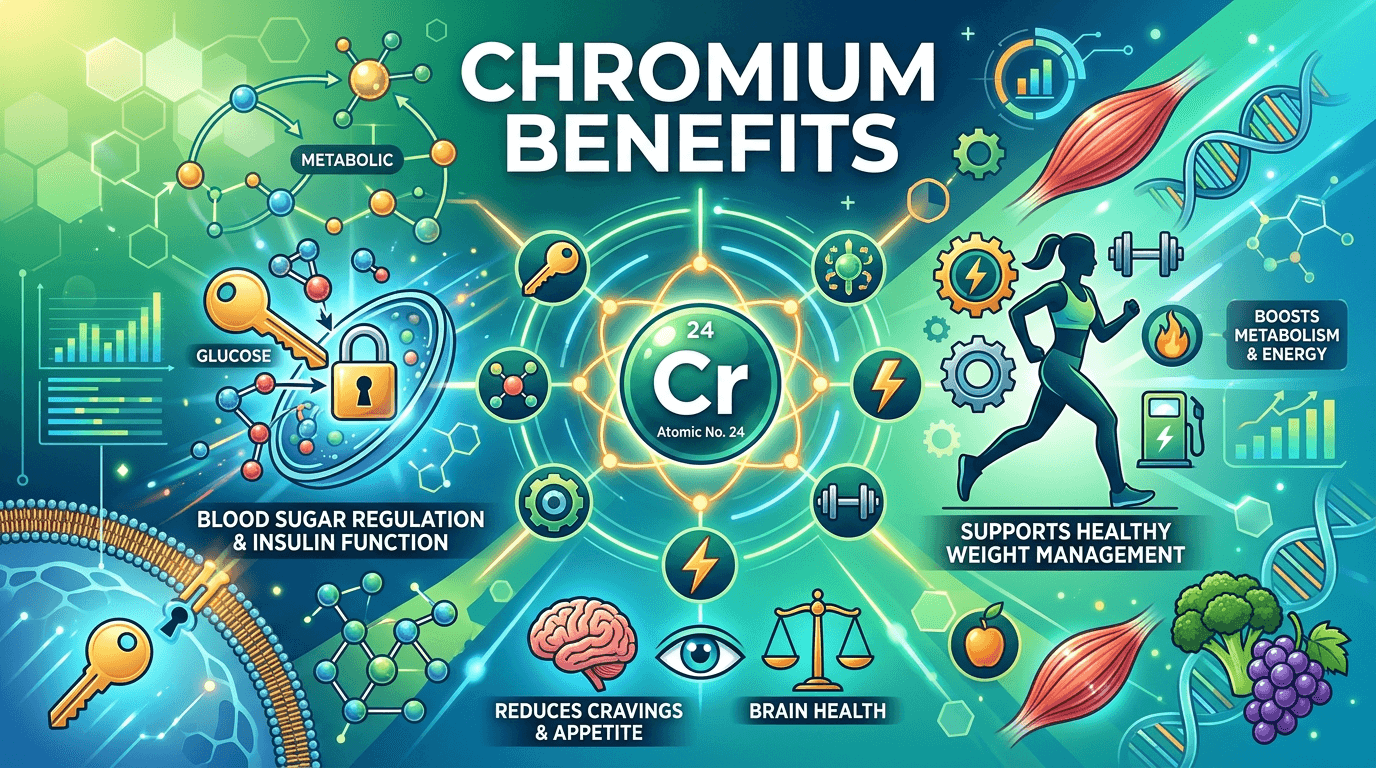
Chromium picolinate is a popular supplemental form of the essential trace mineral chromium, often explored for its potential chromium benefits in supporting healthy blood sugar levels and insulin function. While chromium is vital for macronutrient metabolism, the effectiveness of supplementation for blood sugar control remains a topic of scientific discussion, with evidence showing mixed results.
Understanding the role of chromium in the body is key for anyone considering this supplement. This article provides a detailed, evidence-based look at chromium picolinate, covering its mechanism of action, the scientific research on its effects, potential benefits beyond blood sugar, and crucial safety information. We will delve into dietary sources, deficiency risks, appropriate dosage considerations, and how it may interact with medications, empowering you to have a more informed conversation with your healthcare provider.
What Is Chromium and Why Is It Important?

Chromium is an essential trace mineral, meaning the body requires it in very small amounts to function properly, but cannot produce it on its own. It must be obtained through diet or supplementation. Chromium exists in several forms, but the one most relevant to human health is trivalent chromium (Cr3+), which is the form found in foods and most dietary supplements. Another form, hexavalent chromium (Cr6+), is a toxic industrial byproduct and is not used in supplements.
The primary recognized role of trivalent chromium is its involvement in the metabolism of carbohydrates, fats, and proteins. It is a key component that appears to enhance the action of insulin, the hormone responsible for regulating blood glucose (sugar). By supporting insulin's function, chromium helps facilitate the transport of glucose from the bloodstream into cells, where it can be used for energy. This fundamental process is central to maintaining stable energy levels and overall metabolic health.
Without adequate chromium, the body's ability to process macronutrients may be less efficient. While overt, severe chromium deficiency is rare in the United States and most developed nations, suboptimal levels may have subtle effects on metabolic processes. The body's need for this mineral, though small, underscores its importance in the complex symphony of biochemical reactions that sustain life and health.
Understanding Chromium Picolinate: Form and Function

Chromium picolinate is a specific chemical compound where elemental chromium is bound to three molecules of picolinic acid. This is the most common form of chromium found in dietary supplements, and it's important to understand why this specific structure is used. Elemental minerals like chromium are often not well-absorbed by the body in their raw form. To improve bioavailability—the amount of a substance that enters circulation and becomes available for use—minerals are often chelated, or bonded, to organic molecules.
Picolinic acid, a natural metabolite of the amino acid tryptophan, acts as an efficient chelator for minerals. When chromium is bound to picolinic acid, it creates a more stable and soluble compound that the body can absorb more effectively through the intestines compared to other forms, such as chromium chloride. This enhanced absorption is the primary reason chromium picolinate is so prevalent in the supplement market and frequently used in clinical research.
While chromium picolinate is the most studied form, other chelated forms of chromium are also available. These include chromium polynicotinate (bound to niacin) and chromium-enriched yeast. Each form has a slightly different structure and may have different absorption characteristics. The table below outlines the key differences between common supplemental forms of chromium.
| Chromium Form | Description | Key Characteristics |
|---|---|---|
| Chromium Picolinate | Chromium (Cr3+) bound to three molecules of picolinic acid. | Most common and most studied form. Generally considered to have high bioavailability compared to inorganic forms. |
| Chromium Polynicotinate | Chromium (Cr3+) bound to niacin (Vitamin B3). Also known as niacin-bound chromium. | Believed to be a biologically active form, as niacin is also involved in metabolism. Often marketed as "GTF Chromium." |
| Chromium Chloride | An inorganic salt form of chromium. | Low bioavailability (estimated around 0.4%). Sometimes used in parenteral (IV) nutrition solutions but less common in oral supplements. |
| Chromium-Enriched Yeast | Yeast (e.g., Saccharomyces cerevisiae) is grown in a high-chromium medium, incorporating the mineral into its cellular structure. | Considered a "food form" of the mineral. Bioavailability can be good, but the exact chromium compound can vary. |
Chromium's Role in Blood Sugar Regulation and Insulin Sensitivity
The primary reason chromium picolinate has gained widespread attention is its proposed connection to blood sugar control and insulin function. To understand this, it's essential to first grasp the basics of how insulin works. After you eat carbohydrates, they are broken down into glucose, which enters your bloodstream. In response, the pancreas releases insulin. Insulin acts like a key, binding to receptors on the surface of cells, which "unlocks" them and allows glucose to move from the blood into the cells to be used for energy.
The Chromodulin Hypothesis
The leading theory explaining chromium's metabolic role is the "chromodulin hypothesis." According to this model, chromium is a central component of an oligopeptide (a small protein) called chromodulin, historically referred to as Glucose Tolerance Factor (GTF). When insulin binds to its receptor on a cell's outer membrane, it is thought to trigger a process that moves chromium into the cell. Inside the cell, chromium binds to its apo-protein (Apo-chromodulin) to form the active chromodulin molecule.
This newly formed, active chromodulin then binds to the insulin receptor on the *inside* of the cell membrane. This binding is believed to amplify and prolong the signal initiated by insulin, essentially making the insulin receptor more sensitive and efficient. By enhancing the insulin signaling cascade, chromodulin may help cells take up glucose from the blood more effectively, thus helping to lower blood glucose levels and improve the body's overall response to insulin.
In a state of insulin resistance, which is a hallmark of prediabetes and type 2 diabetes, cells do not respond efficiently to insulin's signal. This means more insulin is required to get the same amount of glucose into cells. The theory suggests that in individuals with insufficient chromium, the chromodulin system may not function optimally, potentially contributing to or exacerbating insulin resistance. Supplementing with a bioavailable form like chromium picolinate is proposed to help restore this function, thereby improving insulin sensitivity.
Scientific Evidence on Chromium for Blood Sugar and Type 2 Diabetes
While the biological mechanism for chromium's action is plausible, the critical question is whether supplementation translates to meaningful clinical benefits for people, particularly those with or at risk for type 2 diabetes. The body of scientific evidence is extensive but has yielded inconsistent and often contradictory results, leading to a lack of consensus among major medical bodies.
Research Suggesting a Benefit
A number of studies, particularly earlier research and studies conducted in populations with potential nutrient deficiencies, have shown positive outcomes. For example, some randomized controlled trials have found that chromium picolinate supplementation can lead to modest improvements in key metabolic markers in individuals with type 2 diabetes. These improvements have included:
- Fasting Blood Glucose: Some studies report a statistically significant, albeit modest, decrease in fasting glucose levels compared to a placebo.
- HbA1c: Hemoglobin A1c is a measure of average blood sugar control over two to three months. Several analyses have found that chromium supplementation can lead to a small reduction in HbA1c, particularly in patients with poorer glycemic control at the start of the study.
- Insulin Levels and Sensitivity: In individuals with insulin resistance, some research indicates that chromium may help lower fasting insulin levels and improve markers of insulin sensitivity, such as HOMA-IR.
It is often noted that the benefits appear to be more pronounced in individuals who have higher baseline blood sugar levels or more significant insulin resistance. This suggests that chromium may be more effective in repleting a suboptimal status rather than providing a benefit to those with already adequate levels and healthy metabolic function.
Research Showing No Significant Effect
Conversely, a substantial number of well-designed, large-scale studies have failed to find any significant benefit from chromium supplementation. Many recent, high-quality randomized controlled trials in well-nourished populations in Europe and North America have shown that chromium picolinate, even at high doses, did not improve glucose control, insulin sensitivity, or HbA1c levels any more than a placebo did. This is particularly true for individuals who do not have type 2 diabetes, such as those who are overweight or obese but have normal glucose tolerance.
The reasons for these conflicting results are likely multifactorial. They may be due to differences in study design, the duration of the intervention, the dosage used, the form of chromium administered, and, most importantly, the baseline chromium status and metabolic health of the study participants. If a study population already has adequate chromium levels, it is logical that adding more would not provide an additional benefit.
Official Stance of Medical Organizations
Given the inconsistent evidence, major health organizations in the United States have taken a cautious stance. The American Diabetes Association (ADA), in its "Standards of Medical Care in Diabetes," states that there is insufficient evidence to support the routine use of micronutrients like chromium to improve glycemic control in people with diabetes. The ADA notes that while some studies are positive, they are often small and have limitations, and there is no clear evidence of benefit in patients who do not have an underlying nutrient deficiency. This position emphasizes that chromium supplements are not a recognized treatment for diabetes and should not be used in place of proven therapies like diet, exercise, and prescribed medications.
Potential Chromium Benefits Beyond Blood Sugar
While its connection to blood sugar is the most studied aspect, chromium has also been investigated for other potential health benefits, largely linked to its role in metabolism. However, it's crucial to note that the evidence in these areas is generally considered weaker and more preliminary than the research on glucose control.
Weight Management and Body Composition
Chromium picolinate is frequently marketed as a weight loss aid, with claims that it can reduce body fat, increase lean muscle mass, and curb food cravings, particularly for carbohydrates. The theory is that by improving insulin's action, chromium might help regulate appetite and reduce the "crash" after high-carb meals that can lead to more eating. Some small studies have suggested that chromium may have a modest effect on food intake and cravings.
However, when looking at the broader evidence from larger reviews and meta-analyses, the effect of chromium on weight loss is minimal at best. A comprehensive review of numerous clinical trials concluded that while some studies showed a very small amount of weight loss (about 1-2 pounds) compared to placebo over several months, this effect was not considered clinically significant. There is little strong evidence to support its use for increasing muscle mass. Therefore, while some individuals may anecdotally report reduced cravings, chromium picolinate is not a reliable or effective strategy for weight management.
Polycystic Ovary Syndrome (PCOS)
PCOS is a common endocrine disorder in women of reproductive age, and it is frequently associated with insulin resistance, similar to that seen in type 2 diabetes. Because of this strong link, researchers have explored whether chromium supplementation could be beneficial for women with PCOS. The hypothesis is that by improving insulin sensitivity, chromium could help address one of the core metabolic disturbances of the condition.
Some small-scale clinical trials have investigated this and found promising, though preliminary, results. In these studies, chromium supplementation has been associated with improvements in insulin sensitivity, and in some cases, reductions in fasting glucose and testosterone levels. However, these studies are generally small and short in duration. More extensive and long-term research is needed before any firm conclusions can be drawn about chromium's role in managing PCOS. Women with PCOS should discuss any supplement use with their healthcare provider, as it should be part of a comprehensive management plan.
Heart Health Markers
Because of its role in fat and carbohydrate metabolism, chromium has also been examined for its potential effects on blood lipids, such as cholesterol and triglycerides. Dyslipidemia (abnormal lipid levels) is a common issue in people with metabolic syndrome and type 2 diabetes. Some studies have suggested that chromium supplementation might lead to modest improvements in lipid profiles, including a slight decrease in LDL ("bad") cholesterol and triglycerides, and a potential increase in HDL ("good") cholesterol. However, just as with blood sugar, the results are inconsistent. Many other studies have found no significant effect on blood lipids. The potential benefit, if any, is likely small and not as well-established as that of lifestyle changes or standard medical treatments.
Chromium Deficiency: Signs, Risks, and Assessment
Understanding the concept of deficiency is crucial when evaluating the need for a supplement. For chromium, true, clinically significant deficiency is considered extremely rare in the general population of the United States. The modern diet, while not always optimal, typically provides enough chromium to prevent overt deficiency symptoms.
Severe chromium deficiency has primarily been observed in a few specific and unusual medical circumstances. The most well-documented cases occurred in patients receiving long-term total parenteral nutrition (TPN), an intravenous feeding method, with solutions that did not contain chromium. These patients developed symptoms such as:
- Impaired glucose tolerance or hyperglycemia (high blood sugar)
- Unexplained weight loss
- Confusion and nerve-related problems (peripheral neuropathy)
Importantly, these symptoms resolved once chromium was added to their TPN solution. These cases confirmed chromium's essentiality for human health but also highlight how uncommon a severe deficiency is outside of such specific medical contexts.
Suboptimal Status vs. Overt Deficiency
While true deficiency is rare, some researchers propose the concept of "suboptimal" chromium status, which may not produce overt symptoms but could impair metabolic function over the long term. Certain factors and groups may be at higher risk for lower chromium levels:
- High Sugar Diets: Diets high in simple sugars and refined carbohydrates can increase the amount of chromium excreted in the urine, potentially leading to lower body stores over time.
- Older Adults: Some evidence suggests that chromium levels may decline with age, which coincides with an increased risk of developing insulin resistance and type 2 diabetes.
- Intense Physical Exertion or Stress: Athletes undergoing strenuous training or individuals experiencing significant physical trauma (like infection or injury) may have increased urinary chromium losses.
- Pregnancy and Lactation: The demands of fetal growth and milk production can increase the need for many nutrients, including chromium.
Challenges in Assessing Chromium Status
A major challenge in the field of chromium research is the lack of a reliable and widely accepted biomarker for assessing an individual's chromium status. Unlike minerals such as iron or sodium, there is no simple blood test that accurately reflects the body's chromium stores. Chromium levels in blood, urine, and hair do not consistently correlate with dietary intake or body reserves, making it difficult for clinicians to determine if someone is truly "low" in chromium. This uncertainty is a key reason why supplementation is not routinely recommended—it's hard to know who might actually need it.
Dietary Sources of Chromium
The best way to ensure adequate nutrient levels is through a balanced and varied diet. While the chromium content of foods can be difficult to measure and highly variable depending on soil conditions and food processing, many foods contain small amounts of this essential mineral. The National Institutes of Health (NIH) has established an Adequate Intake (AI) for chromium, which is the level assumed to ensure nutritional adequacy.
- Adult Men (19-50 years): 35 mcg/day
- Adult Women (19-50 years): 25 mcg/day
- Adult Men (51+ years): 30 mcg/day
- Adult Women (51+ years): 20 mcg/day
Note: AI levels are higher during pregnancy (30 mcg) and lactation (45 mcg).
Many whole and minimally processed foods can contribute to your daily chromium intake. Incorporating a variety of these foods is a practical strategy for meeting your needs. Keep in mind that processing, such as refining grains, can strip away much of the chromium content.
| Food Source | Serving Size | Approximate Chromium (mcg) |
|---|---|---|
| Broccoli | 1/2 cup, cooked | 11 |
| Grape juice | 1 cup (8 oz) | 8 |
| English muffin, whole wheat | 1 muffin | 4 |
| Turkey breast, processed | 3 ounces | 2 |
| Green beans | 1/2 cup, cooked | 1 |
| Apple, with skin | 1 medium | 1 |
| Orange juice | 1 cup (8 oz) | 2 |
| Beef | 3 ounces | 2 |
Source: Data adapted from the National Institutes of Health (NIH) Office of Dietary Supplements. The chromium content in foods is highly variable.
Chromium Picolinate Supplementation: Dosage and How to Take It
If you and your healthcare professional decide that chromium supplementation is appropriate, it's important to discuss the right form and dosage. Dosage is not one-size-fits-all and should be tailored to your individual health status, needs, and goals. The information here is for educational purposes and is not a substitute for medical advice.
General Dosage Considerations
There is no Recommended Dietary Allowance (RDA) for chromium because the data is insufficient to establish one. Instead, health authorities use the Adequate Intake (AI) levels mentioned previously (e.g., 25-35 mcg/day for most adults) as a benchmark for dietary intake.
Supplemental doses of chromium picolinate used in clinical studies are typically much higher than the AI. Common dosages investigated for effects on blood sugar and insulin resistance range from 200 to 1,000 micrograms (mcg) per day. Most over-the-counter supplements are available in 200 mcg, 500 mcg, or 1,000 mcg (1 mg) capsules.
- For general wellness: A common supplemental dose is 200 mcg per day.
- For blood sugar support: Studies have often used doses between 200 mcg and 1,000 mcg per day, sometimes divided into two or three doses.
Starting with a lower dose (e.g., 200 mcg) is a prudent approach to assess tolerance. It is strongly advised not to exceed 1,000 mcg per day unless specifically instructed and monitored by a qualified healthcare provider, due to the limited data on the long-term safety of very high doses.
How and When to Take Chromium
To maximize potential benefits and minimize the risk of side effects, consider the following practical tips for taking chromium supplements:
- Take with Food: Taking chromium picolinate with a meal can help reduce the risk of gastrointestinal side effects like stomach upset. Taking it with a carbohydrate-containing meal may also be theoretically advantageous for its role in glucose metabolism.
- Divided Doses: For doses higher than 200 mcg, it may be beneficial to divide them throughout the day (e.g., 200 mcg with breakfast and 200 mcg with dinner) to maintain more stable levels and potentially improve tolerance.
- Absorption Enhancers and Inhibitors: The absorption of chromium can be influenced by other dietary components. Vitamin C and niacin (vitamin B3) have been shown to enhance chromium absorption. Conversely, foods high in phytates, such as whole grains and legumes, can inhibit the absorption of chromium and other minerals.
Safety, Side Effects, and Potential Interactions
Trivalent chromium (Cr3+), the form found in food and supplements, is generally considered safe when consumed at levels typically found in the diet and in standard supplemental doses. However, like any supplement, chromium picolinate is not without potential side effects, and it can interact with certain medications. A Tolerable Upper Intake Level (UL)—the maximum daily intake unlikely to cause adverse health effects—has not been established for chromium due to a lack of sufficient data. This absence of a UL does not mean there is no risk, and caution is still advised with high-dose supplementation.
Potential Side Effects
Most people who take chromium picolinate at standard doses (200-500 mcg/day) do not experience significant side effects. When they do occur, they are typically mild and may include:
- Stomach upset, irritation, or indigestion
- Headaches
- Dizziness
- Insomnia or sleep disturbances
- Mood changes, such as irritability or feeling low
- Skin reactions or itching (rare)
There have been a few isolated case reports in medical literature linking very high-dose chromium picolinate supplementation to more serious adverse effects, including kidney damage (nephritis), liver damage (hepatitis), and a type of anemia. It is important to emphasize that these are rare events and often involved individuals taking thousands of micrograms per day for extended periods. Nevertheless, they underscore the importance of adhering to sensible dosages and consulting a professional, especially for individuals with pre-existing kidney or liver conditions.
Medication Interactions
Chromium picolinate can interact with several types of prescription and over-the-counter medications. It is essential to discuss your supplement use with your doctor and pharmacist if you take any of the following:
| Medication Class | Examples | Potential Interaction |
|---|---|---|
| Diabetes Medications | Insulin, metformin, glyburide, glipizide | Chromium may enhance the effect of these drugs, increasing the risk of hypoglycemia (low blood sugar). Blood sugar levels should be monitored closely, and medication dosages may need to be adjusted by a doctor. |
| Levothyroxine | Synthroid, Levoxyl | Chromium can interfere with the absorption of thyroid medication. These medications should be taken at least 3-4 hours apart from chromium supplements. |
| Nonsteroidal Anti-Inflammatory Drugs (NSAIDs) | Ibuprofen (Advil, Motrin), naproxen (Aleve) | NSAIDs may increase the absorption and levels of chromium in the body, potentially increasing the risk of side effects. |
| Corticosteroids | Prednisone | Can cause hyperglycemia and may increase chromium excretion, potentially affecting chromium status over long-term use. |
| Antacids and Proton Pump Inhibitors (PPIs) | Tums, calcium carbonate, omeprazole (Prilosec) | These medications reduce stomach acid and may decrease the absorption of chromium. |
Who Should Consider Chromium, and Who Should Avoid It?
Based on the available evidence, chromium picolinate supplementation is not a universal need for the general population. A "food-first" approach is always the most prudent strategy for obtaining essential nutrients. However, there are specific situations where a discussion about chromium supplementation with a healthcare professional might be warranted.
Potential Candidates for Discussion
Individuals in the following groups might be most likely to derive a potential benefit from chromium, but any decision to supplement should be made under medical supervision:
- Individuals with Diagnosed Type 2 Diabetes: Especially those with poorly controlled blood sugar (high HbA1c) despite standard treatment. Supplementation should be seen as a potential complementary therapy, not a replacement for prescribed medication, and requires close monitoring for hypoglycemia.
- People with Insulin Resistance or Prediabetes: For those who have been diagnosed with insulin resistance through lab tests, a healthcare provider might consider chromium as part of a comprehensive plan that includes diet and lifestyle changes.
- Individuals at Risk for Deficiency: As mentioned, this is rare, but could include those on long-term TPN or those with conditions that severely compromise nutrient absorption.
Groups Who Should Be Cautious or Avoid Supplementation
For some individuals, chromium picolinate supplementation is not recommended or requires extreme caution. These groups should avoid self-prescribing and only use supplements under the direct guidance of a doctor:
- Pregnant and Breastfeeding Women: While chromium needs are elevated, the safety of high-dose supplements has not been established in these populations. A prenatal vitamin and a balanced diet are the recommended sources.
- Children: Supplements are generally not recommended for children unless prescribed by a pediatrician for a specific medical reason.
- Individuals with Kidney or Liver Disease: Since the kidneys and liver are involved in processing and clearing chromium, people with impaired function in these organs may be at higher risk for toxic accumulation and adverse effects.
- People with Mental Health Conditions: There have been isolated reports of chromium supplements affecting neurotransmitters and potentially altering mood. Individuals with depression, bipolar disorder, or anxiety should discuss this potential risk with their healthcare provider.
- Those with Contact Dermatitis: Individuals with a known skin allergy to chromium or leather (which is tanned with chromium) may have allergic reactions to supplements.
Frequently Asked Questions
How long does it take for chromium picolinate to work?
The timeframe for seeing any potential effects from chromium picolinate can vary. If it is going to have an impact on blood sugar or insulin sensitivity, clinical studies suggest that changes may become apparent after 8 to 12 weeks of consistent supplementation. It is not a quick-fix solution, and effects, if any, are typically modest and develop over time.
Can chromium picolinate help me lose weight?
While chromium picolinate is often marketed for weight loss, the scientific evidence to support this claim is weak. Large-scale reviews of clinical trials have concluded that if there is any effect on body weight or body fat, it is very small and not considered clinically significant. It should not be relied upon as a primary weight loss strategy.
Is chromium picolinate the best form of chromium?
Chromium picolinate is the most studied form and is known for its high bioavailability compared to inorganic forms like chromium chloride. Other forms, such as chromium polynicotinate and chromium-enriched yeast, are also available and believed to be well-absorbed. Currently, there is not enough evidence to definitively state that one bioavailable form is superior to another for all purposes.
What is the difference between chromium and chromium picolinate?
Chromium is the essential trace mineral itself. Chromium picolinate is a specific supplemental form where the chromium mineral is chemically bonded to picolinic acid. This bonding, or chelation, is done to create a more stable compound that the human body can absorb more efficiently from the digestive tract.
Can I get enough chromium from food alone?
Yes, for most people in the U.S., a balanced diet provides the Adequate Intake (AI) level of chromium. Overt deficiency is very rare. Foods like broccoli, whole grains, grape juice, and meats contain chromium. Focusing on a varied diet rich in whole foods is the best way to meet your nutritional needs without supplements.
Does chromium picolinate interact with metformin?
Yes, this is a significant potential interaction. Both metformin and chromium can lower blood sugar levels. Taking them together could have an additive effect, increasing the risk of hypoglycemia (abnormally low blood sugar). It is essential to consult your doctor before combining these; they may need to monitor your blood sugar more closely or adjust your medication dosage.
Are there any withdrawal symptoms if I stop taking chromium?
There are no known or documented withdrawal symptoms associated with discontinuing chromium picolinate supplements. It is not a substance that creates physical dependence. If you were taking it for blood sugar support under medical guidance, your blood sugar levels may simply return to their pre-supplementation baseline.
Can chromium picolinate cure diabetes?
No. Chromium picolinate absolutely cannot cure diabetes. It is not a treatment, cure, or prevention for any disease. Major medical organizations do not recommend it as a standard treatment for diabetes due to mixed evidence. It should never be used as a replacement for prescribed medications, diet, and lifestyle changes recommended by a healthcare professional.
Conclusion: A Balanced Perspective on Chromium Picolinate
Chromium is an undisputed essential trace mineral with a critical role in the body's metabolism of carbohydrates, fats, and proteins. Its function in potentiating insulin's action places it at the center of discussions about metabolic health. Chromium picolinate, as a highly bioavailable supplemental form, has been the subject of extensive research, particularly for its potential to support healthy blood sugar control.
However, the journey from a plausible biological mechanism to a reliable clinical recommendation is complex. The scientific evidence for the benefits of chromium picolinate supplementation remains mixed and inconclusive. While some studies suggest modest benefits for individuals with existing insulin resistance or type 2 diabetes, many other high-quality trials have found no significant effect. This inconsistency has led major health organizations to conclude that there is not enough evidence to recommend routine chromium supplementation for managing diabetes or for weight loss.
For the average healthy person eating a balanced diet, chromium supplementation is likely unnecessary, as deficiency is rare. For those with specific health concerns like insulin resistance, a conversation about chromium picolinate with a licensed healthcare professional is the correct approach. It should be viewed not as a standalone solution or a "magic bullet," but as a potential piece of a larger, medically supervised puzzle that prioritizes proven strategies like diet, exercise, and appropriate medication.
Ultimately, making an informed decision about any supplement requires a careful weighing of the potential benefits against the risks and a clear understanding of the scientific landscape. This is particularly true for YMYL (Your Money or Your Life) topics like blood sugar management, where choices can have significant health consequences. Always prioritize professional medical guidance for any condition and before starting or changing your supplement regimen.