
vitamine -
Retinol vs Beta-Carotene: What’s the Difference?
The primary difference between retinol and beta-carotene lies in their form and origin: retinol is preformed, active vitamin A found in animal products, while beta-carotene is a provitamin A carotenoid from plant foods that the body must convert into active vitamin A. Achieving t
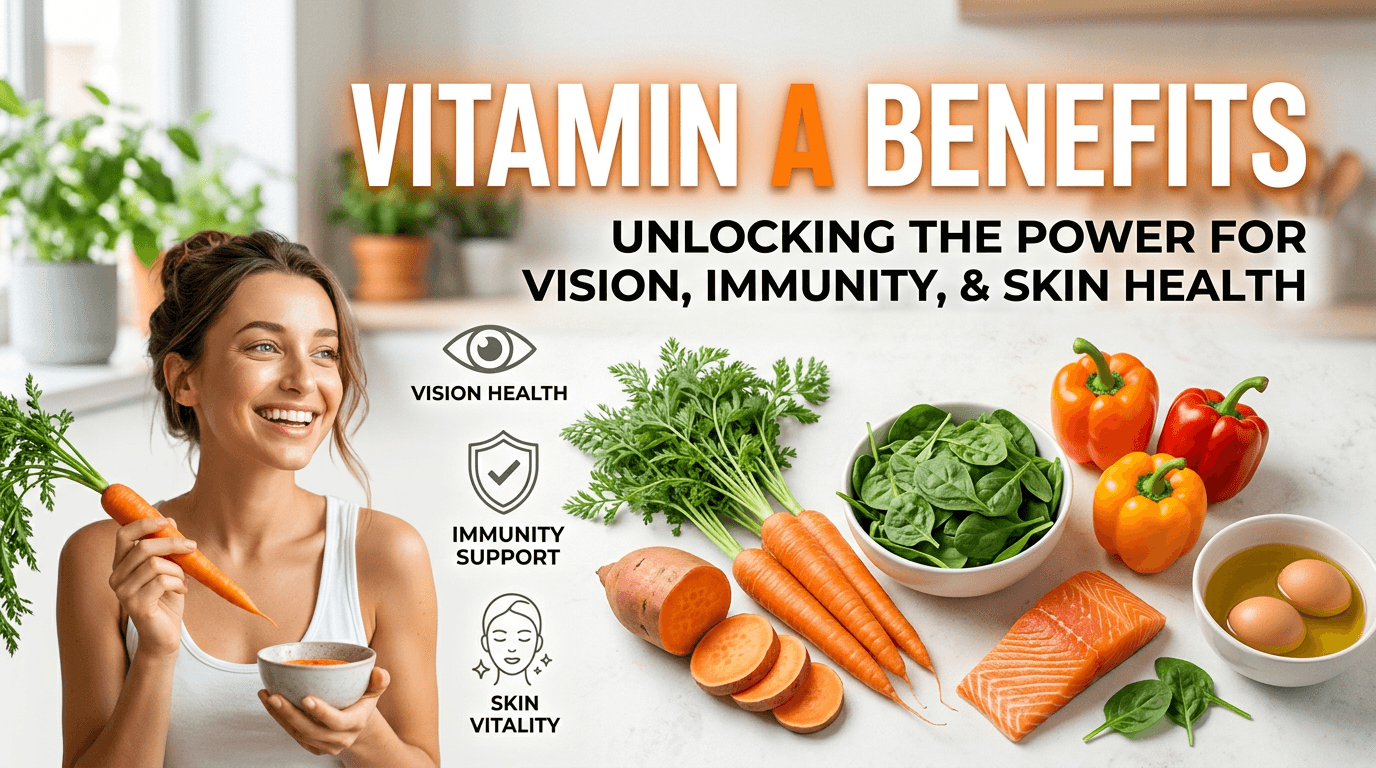
The primary difference between retinol and beta-carotene lies in their form and origin: retinol is preformed, active vitamin A found in animal products, while beta-carotene is a provitamin A carotenoid from plant foods that the body must convert into active vitamin A. Achieving the many vitamin A benefits for vision, immune function, and skin health depends on understanding how these two forms work, their bioavailability, and their respective safety profiles. While retinol is ready for your body to use immediately, beta-carotene offers a slower, regulated conversion process with a lower risk of toxicity.
Vitamin A is a crucial nutrient, but navigating the terminology on food labels and supplement bottles can be confusing. You may see ingredients like retinyl palmitate, beta-carotene, or mixed carotenoids, all listed under the umbrella of "vitamin A." This article will provide a detailed, evidence-based comparison of retinol and beta-carotene, explaining their unique roles in the body. We will explore their dietary sources, how the body absorbs and uses them, the signs of deficiency, the risks of toxicity, and how to make informed choices for your diet and, if necessary, your supplement routine.
Understanding Vitamin A: A Crucial Fat-Soluble Nutrient
Before diving into the specifics of retinol and beta-carotene, it's essential to understand vitamin A itself. Vitamin A is not a single compound but a group of fat-soluble compounds that are vital for human health. As a fat-soluble vitamin, it dissolves in fat and can be stored in the body's tissues, primarily the liver, for later use. This storage capacity means that you don't need to consume it every single day, but it also means that excessive intake, particularly from supplements, can lead to a toxic buildup over time.
The compounds that possess vitamin A activity are broadly categorized into two groups, which form the basis of our comparison:
- Preformed Vitamin A (Retinoids): This is the active form of vitamin A that the body can use directly. The main types are retinol, retinal, and retinoic acid. These are found exclusively in animal-derived foods, such as liver, fish oils, eggs, and dairy products.
- Provitamin A Carotenoids: These are inactive precursor forms of vitamin A found in plants. The body must convert them into an active retinoid form to use them. There are hundreds of carotenoids, but only a few—most notably beta-carotene—can be converted into vitamin A. They are the pigments that give many fruits and vegetables their vibrant yellow, orange, and red colors.
This fundamental distinction between a preformed, active nutrient and a precursor that requires conversion is the most critical concept in understanding the roles of retinol and beta-carotene in your diet. Each has unique properties, sources, and safety considerations that influence how you should approach meeting your body's vitamin A requirements.
What Is Retinol? The Active Form of Vitamin A
Retinol is the primary form of preformed vitamin A and is often used as a synonym for this category. When you consume animal products containing vitamin A, you are ingesting it primarily as retinyl esters, which are then converted to retinol in the small intestine. Because it is already in an active or near-active state, the body can absorb and utilize it very efficiently. This high bioavailability makes it a potent and reliable source of vitamin A.
Once absorbed, retinol is transported to the liver, where it is stored or converted into other active forms as needed. These forms have highly specialized jobs throughout the body:
- Retinal: This form is absolutely essential for vision. It binds with a protein called opsin to form rhodopsin, a molecule in the eye's retina that absorbs light and enables you to see, especially in dim conditions. A deficiency directly impairs this process, leading to night blindness.
- Retinoic Acid: This form acts like a hormone, regulating gene expression and influencing a vast array of physiological processes. It is critical for cellular differentiation (the process by which cells specialize), immune function, embryonic development, and maintaining the health and integrity of skin and mucosal tissues.
Because retinol is the "ready-to-use" form, its concentration in the body is tightly regulated. The liver releases it into the bloodstream bound to a special transport protein, retinol-binding protein (RBP), to deliver it to tissues that need it. The primary dietary sources of preformed vitamin A are animal-based, including organ meats like liver, fatty fish, egg yolks, and dairy products like milk and cheese that are often fortified with vitamin A.
What Is Beta-Carotene? The Plant-Based Precursor
Beta-carotene is the most well-known member of the carotenoid family and the most significant provitamin A carotenoid in the human diet. It is a pigment synthesized by plants and is responsible for the bright orange, yellow, and red hues of fruits and vegetables like carrots, sweet potatoes, pumpkins, and bell peppers. It's also abundant in dark leafy greens like spinach and kale, though its color is masked by the green chlorophyll pigment.
Unlike retinol, beta-carotene is not biologically active as vitamin A on its own. For the body to use it, it must first be converted. This conversion process primarily takes place in the cells of the small intestine. An enzyme called beta-carotene 15,15'-monooxygenase (BCO1) cleaves one molecule of beta-carotene into two molecules of retinal. This retinal can then be converted to retinol or retinoic acid, joining the body's active vitamin A pool.
Beyond its role as a vitamin A precursor, beta-carotene also functions as an antioxidant. Antioxidants are compounds that can neutralize unstable molecules called free radicals, which can damage cells, proteins, and DNA through a process known as oxidative stress. By scavenging these free radicals, beta-carotene and other carotenoids may help protect cells from damage. This dual function—as a vitamin A source and an antioxidant—makes beta-carotene a valuable component of a plant-rich diet.
The Key Differences: Retinol vs. Beta-Carotene Compared
Understanding the fundamental distinctions between retinol and beta-carotene is crucial for making informed dietary and health decisions. While both contribute to your overall vitamin A status, they do so in very different ways, with significant implications for bioavailability, safety, and function. Below is a detailed breakdown of their key differences.
Source and Bioavailability
The most apparent difference is their dietary source. Retinol is found exclusively in animal products, whereas beta-carotene is found in plant products. This has direct consequences for dietary patterns. For example, individuals following a strict vegan diet must obtain all their vitamin A from provitamin A carotenoids like beta-carotene, as they consume no preformed retinol.
Bioavailability—the proportion of a nutrient that is absorbed and utilized by the body—also differs dramatically. Retinol from animal foods is highly bioavailable, with absorption rates often exceeding 75-90%. In contrast, the bioavailability of beta-carotene is much lower and highly variable, ranging from as low as 5% to as high as 65%. This variability depends on several factors, including the food matrix (raw vs. cooked), the presence of dietary fat (which is required for absorption), and an individual's digestive health.
Conversion and Efficiency: The Role of Retinol Activity Equivalents (RAE)
Perhaps the most significant difference is the conversion requirement. Retinol is ready for the body to use. Beta-carotene is not. Its value as a vitamin A source is entirely dependent on the body's ability to convert it into retinal. This conversion process is not perfectly efficient and is influenced by several factors, including:
- Genetics: Variations in the BCO1 gene can make some individuals "low converters," meaning they are significantly less efficient at turning beta-carotene into active vitamin A.
- Vitamin A Status: The body downregulates the conversion of beta-carotene when vitamin A stores are already adequate. This is a natural protective mechanism against vitamin A toxicity.
- Dietary Factors: A diet very high in carotenoids can saturate the conversion enzyme, reducing its efficiency. The presence of fiber can also slightly impair absorption.
- Health Status: Conditions affecting the gut or liver, such as celiac disease, Crohn's disease, or liver cirrhosis, can impair both the absorption and conversion of beta-carotene.
To account for these differences in bioavailability and conversion, nutrition science has moved from using International Units (IUs) to a more accurate measure called Retinol Activity Equivalents (RAE). The RAE conversion factors highlight the disparity:
- 1 mcg of dietary retinol = 1 mcg RAE
- 12 mcg of dietary beta-carotene = 1 mcg RAE
- 24 mcg of other dietary provitamin A carotenoids (e.g., alpha-carotene) = 1 mcg RAE
This means you need to consume 12 times as much beta-carotene from food to get the same amount of usable vitamin A as you would from retinol.
Safety and Toxicity Risk
The risk of toxicity (hypervitaminosis A) is a major distinguishing factor. Because retinol is fat-soluble and readily absorbed, consuming high doses from supplements or certain animal foods (like beef liver) can overwhelm the liver's storage capacity and lead to toxicity. This is a serious condition with symptoms ranging from nausea and dizziness to severe liver damage, bone pain, and birth defects if taken in excess during pregnancy.
In stark contrast, beta-carotene from food sources carries virtually no risk of vitamin A toxicity. The body's built-in regulatory system slows down the conversion of beta-carotene to retinol when vitamin A levels are sufficient. Therefore, you cannot get vitamin A poisoning from eating too many carrots. The most notable side effect of consuming very large amounts of beta-carotene is a harmless condition called carotenodermia, where the skin, particularly on the palms and soles, takes on a yellowish-orange tint. This condition is reversible once intake is reduced.
| Feature | Retinol (Preformed Vitamin A) | Beta-Carotene (Provitamin A) |
|---|---|---|
| Type | Active form of vitamin A. | A precursor (provitamin) that the body must convert to active vitamin A. |
| Primary Sources | Animal products: liver, cod liver oil, eggs, fatty fish, fortified dairy. | Plant foods: carrots, sweet potatoes, spinach, kale, cantaloupe, bell peppers. |
| Bodily Use | Directly absorbed and utilized by the body. | Must be converted to retinol in the intestine and liver before it can be used. |
| Bioavailability & Efficiency | High (75-100%). Very efficient. | Low and variable (5-65%). Efficiency depends on genetics, diet, and health. |
| RAE Conversion | 1 mcg retinol = 1 mcg RAE. | 12 mcg beta-carotene = 1 mcg RAE. |
| Toxicity Risk | High risk of toxicity (hypervitaminosis A) with excessive intake from supplements or liver. | Extremely low risk of vitamin A toxicity from food. Body regulates conversion. |
| Other Functions | Primary function is as vitamin A. | Functions as a provitamin A and also as an independent antioxidant. |
The Core Vitamin A Benefits for Health
Whether it originates from retinol or beta-carotene, active vitamin A is indispensable for numerous physiological functions. These vitamin A benefits are the reason why maintaining adequate status is so important for overall health and well-being. A sufficient intake supports everything from your ability to see in the dark to your body's first line of defense against pathogens.
Supporting Vision and Eye Health
Vitamin A's role in vision is its most famous function. The retinal form of vitamin A is a critical component of rhodopsin, the photopigment found in the retina's rod cells. When light enters the eye, it triggers a change in the shape of the retinal molecule, which initiates a nerve impulse to the brain, allowing for vision. This process is especially crucial for adapting to dim light. A lack of vitamin A impairs the regeneration of rhodopsin, leading to night blindness, one of the earliest signs of deficiency. Chronic, severe deficiency can progress to permanent blindness through a condition called xerophthalmia, which involves the drying and damaging of the cornea.
Bolstering the Immune System
Vitamin A is often called the "anti-infective" vitamin for its profound effects on the immune system. It plays a dual role in both innate and adaptive immunity. First, it is essential for maintaining the integrity of mucosal surfaces in the respiratory tract, gastrointestinal tract, and urinary tract. These mucosal linings act as a primary physical barrier against invading bacteria and viruses. Without enough vitamin A, these barriers can weaken. Second, retinoic acid is involved in the development and differentiation of key immune cells, including T-lymphocytes and B-lymphocytes, which are responsible for coordinating targeted immune responses and producing antibodies.
Promoting Healthy Skin and Cellular Growth
The health of your skin and other epithelial tissues is heavily dependent on vitamin A. Retinoic acid regulates the process of cell turnover, ensuring that old skin cells are shed and replaced with new, healthy ones. It also plays a role in the production of collagen and elastin, which provide skin with its structure and firmness. This is why synthetic retinoids, such as tretinoin and isotretinoin, are powerful dermatological treatments for conditions like acne, psoriasis, and photoaging. On a more fundamental level, vitamin A is essential for normal cell growth and differentiation throughout the body, guiding immature cells to become specialized cells with specific functions.
Aiding in Reproduction and Development
Adequate vitamin A is vital for reproductive health in both men and women. In men, it is involved in spermatogenesis (sperm development). In women, it supports a healthy reproductive cycle. During pregnancy, vitamin A is critical for the normal growth and development of the embryo and fetus, contributing to the formation of the heart, lungs, kidneys, eyes, and central nervous system. However, this is an area where balance is paramount. While deficiency can be harmful, excessive intake of preformed vitamin A during pregnancy is known to cause severe birth defects, making careful medical supervision essential.
Understanding Vitamin A Deficiency
While severe vitamin A deficiency is rare in the United States and other developed nations due to food fortification and varied diets, subclinical or marginal deficiency can still occur, and it remains a major public health issue in many parts of the world. Understanding the signs and risk factors is important for identifying potential issues before they become severe.
Common Signs and Symptoms
The symptoms of vitamin A deficiency progress as the deficiency worsens. It is important to remember that these symptoms can be non-specific and may be caused by other conditions. A diagnosis should always be made by a healthcare professional.
- Night Blindness (Nyctalopia): Difficulty seeing in low light or adapting to darkness is one of the earliest and most specific signs of vitamin A deficiency.
- Dry Eyes (Xerophthalmia): The deficiency can cause the conjunctiva and cornea of the eye to become abnormally dry. If left untreated, this can lead to corneal ulcers, scarring, and eventually irreversible blindness. Bitot's spots, which are buildups of keratin on the conjunctiva, are a classic sign.
- Impaired Immunity: A person with low vitamin A status may experience more frequent and severe infections, particularly respiratory and diarrheal illnesses, because their immune defenses are compromised.
- Skin Issues: The skin may become dry, scaly, and rough. A condition called follicular hyperkeratosis, where keratin builds up in hair follicles, can cause bumpy, "gooseflesh" skin on the arms and thighs.
- Impaired Growth: In children, vitamin A deficiency can lead to stunted growth and poor bone development.
Who Is at Risk?
In the U.S., most healthy adults with a balanced diet are not at risk. However, certain populations have an increased vulnerability to deficiency due to decreased intake, impaired absorption, or increased metabolic needs:
- Individuals with Malabsorption Syndromes: Conditions that impair fat absorption, such as celiac disease, Crohn's disease, inflammatory bowel disease (IBD), and chronic pancreatitis, can significantly reduce the absorption of fat-soluble vitamins like vitamin A.
- People with Liver Disease: Since the liver is the primary site of vitamin A storage and metabolism, liver disorders like cirrhosis can interfere with vitamin A status.
- Vegans and Individuals on Highly Restrictive Diets: Those who do not consume animal products rely solely on provitamin A carotenoids. If their diet lacks sufficient carotenoid-rich foods, or if they are poor converters, they may be at risk.
- Premature Infants: They are born with low liver stores of vitamin A and their nutrient absorption is not fully developed.
- Alcoholics: Chronic alcohol consumption can deplete liver stores of vitamin A and impair its conversion to active forms.
Dietary Sources: How to Get Vitamin A from Food
For most people, a well-balanced diet is the safest and most effective way to meet vitamin A needs. By including a variety of both animal and plant foods, you can benefit from both preformed retinol and provitamin A carotenoids. Cooking vegetables, especially with a small amount of healthy fat like olive oil or avocado, can break down cell walls and significantly enhance the absorption of beta-carotene.
Foods Rich in Preformed Vitamin A (Retinol)
These animal-based foods provide a potent, ready-to-use form of vitamin A. However, some sources, particularly liver, are so concentrated that they should be consumed in moderation to avoid excessive intake.
| Food Source | Serving Size | Approximate Vitamin A (mcg RAE) |
|---|---|---|
| Beef Liver (cooked) | 3 ounces | 6,582 mcg |
| Cod Liver Oil | 1 tablespoon | 4,080 mcg |
| Salmon (Sockeye, cooked) | 3 ounces | 59 mcg |
| Egg (hard-boiled) | 1 large | 75 mcg |
| Milk (2%, fortified) | 1 cup | 134 mcg |
| Cheddar Cheese | 1 ounce | 74 mcg |
Foods Rich in Provitamin A Carotenoids (like Beta-Carotene)
These colorful plant foods provide beta-carotene, which the body can convert to vitamin A as needed. They also offer fiber, other vitamins, and beneficial antioxidant compounds.
| Food Source | Serving Size | Approximate Vitamin A (mcg RAE) |
|---|---|---|
| Sweet Potato (baked, with skin) | 1 medium | 1,403 mcg |
| Carrots (raw) | 1/2 cup, chopped | 459 mcg |
| Spinach (cooked) | 1/2 cup | 472 mcg |
| Kale (cooked) | 1/2 cup | 443 mcg |
| Cantaloupe | 1/2 cup, diced | 135 mcg |
| Red Bell Pepper (raw) | 1/2 cup, chopped | 117 mcg |
Supplementing with Vitamin A: Forms, Dosing, and When to Consider It
While a food-first approach is ideal, supplementation may be necessary for individuals with a diagnosed deficiency or those in high-risk groups. It is critical to approach vitamin A supplementation with caution and only under the guidance of a qualified healthcare professional who can assess your individual needs and monitor your status. Self-prescribing vitamin A, especially the retinol form, can be dangerous.
Common Supplement Forms
Vitamin A supplements are available in several forms, reflecting the two main dietary categories:
- Retinyl Palmitate and Retinyl Acetate: These are synthetic ester forms of preformed vitamin A (retinol). They are highly stable and are the most common forms found in single-nutrient vitamin A supplements and multivitamins. The body easily converts them to retinol.
- Beta-Carotene: This is the most common provitamin A form found in supplements. It is often preferred in multivitamins and antioxidant formulas because of the lower toxicity risk compared to retinol.
- Mixed Carotenoids: Some supplements offer a blend of different carotenoids, such as beta-carotene, alpha-carotene, and lutein. The idea is to mimic the variety found in a plant-rich diet, providing both a source of provitamin A and a spectrum of antioxidants.
- Cod Liver Oil: A traditional supplement, it is a natural source of preformed vitamin A and vitamin D, as well as omega-3 fatty acids. Dosages can vary widely between products.
Understanding Dosage: RAEs, IUs, and General Recommendations
The Recommended Dietary Allowance (RDA) for vitamin A is given in micrograms of Retinol Activity Equivalents (mcg RAE) to account for the different bioactivities of retinol and carotenoids. The RDA for adults is:
- Adult Men (19+ years): 900 mcg RAE per day
- Adult Women (19+ years): 700 mcg RAE per day
These are general targets for maintaining health in the general population and are not treatment doses. Supplement labels can be confusing, as some still use International Units (IUs). There is no single conversion from IU to RAE because it depends on the form of vitamin A. For example:
- 1 IU of retinol = 0.3 mcg RAE
- 1 IU of supplemental beta-carotene = 0.15 mcg RAE
- 1 IU of dietary beta-carotene = 0.05 mcg RAE
Because of this complexity, it is vital to read labels carefully and, ideally, choose products that list dosages in the current standard of mcg RAE. Always consult a healthcare provider to determine an appropriate and safe dosage for your specific situation.
Safety First: Vitamin A Toxicity and Upper Limits
The safety profiles of retinol and beta-carotene are perhaps their most important distinguishing feature. While vitamin A is essential, too much of the preformed version can be toxic. This is a critical consideration for anyone taking supplements or consuming large amounts of certain animal foods.
The Risk of Hypervitaminosis A
Hypervitaminosis A is the clinical term for vitamin A toxicity. It occurs when the liver's capacity to store vitamin A is exceeded, causing excess retinol and its metabolites to circulate in the blood and damage tissues. The condition is caused almost exclusively by high intake of preformed vitamin A (retinol), not by beta-carotene from food.
Toxicity can be acute or chronic:
- Acute Toxicity: Caused by ingesting a very large single dose (typically over 100 times the RDA). Symptoms can appear within hours to days and include severe headache, dizziness, nausea, vomiting, blurred vision, and lack of muscle coordination.
- Chronic Toxicity: This is more common and results from regularly consuming high doses over a long period (weeks to years). Symptoms are more insidious and can include dry, rough skin, cracked lips, hair loss, bone and joint pain, fatigue, and liver damage (hepatotoxicity). Chronic high intake can also lead to increased pressure inside the skull, mimicking a brain tumor.
The Tolerable Upper Intake Level (UL)
To prevent toxicity, the Food and Nutrition Board has established a Tolerable Upper Intake Level (UL) for preformed vitamin A. The UL is the maximum daily intake unlikely to cause adverse health effects in almost all individuals in the general population.
The UL for preformed vitamin A for adults (19+ years) is 3,000 mcg RAE (or 10,000 IU) per day.
This UL applies to vitamin A from supplements, fortified foods, and animal sources combined. It does not apply to beta-carotene or other provitamin A carotenoids from food, as the body regulates their conversion into active vitamin A.
Pregnancy and Vitamin A
Excessive intake of preformed vitamin A during pregnancy is teratogenic, meaning it can cause severe birth defects, including malformations of the skull, face, heart, and central nervous system. Pregnant women should be extremely cautious and avoid high-dose vitamin A supplements (containing retinol) and foods exceptionally high in retinol, like liver. Prenatal vitamins are formulated with this risk in mind, often containing a portion of vitamin A as beta-carotene. Any vitamin A supplementation during pregnancy must be strictly supervised by a physician.
Interactions with Medications and Other Nutrients
Vitamin A does not act in a vacuum. Its absorption, metabolism, and function can be influenced by certain medications and other nutrients, and in turn, it can affect them. Being aware of these interactions is crucial for safety and efficacy, especially when using supplements.
Drug Interactions
If you take any prescription medications, it is essential to discuss vitamin A supplementation with your doctor or pharmacist. Some notable interactions include:
- Oral Retinoids: Medications derived from vitamin A, such as isotretinoin (used for severe acne) or acitretin (used for psoriasis), should not be combined with vitamin A supplements. Doing so greatly increases the risk of vitamin A toxicity.
- Weight-Loss Drugs: Orlistat (brand names Alli, Xenical) works by blocking the absorption of dietary fat. This can also reduce the absorption of fat-soluble vitamins, including vitamin A. A multivitamin containing vitamin A may be recommended, taken at a different time of day.
- Bile Acid Sequestrants: Medications like cholestyramine, used to lower cholesterol, can also interfere with fat and fat-soluble vitamin absorption.
- Hepatotoxic Drugs: Since high doses of vitamin A can be stressful to the liver, combining them with other drugs that are potentially liver-toxic (hepatotoxic) could increase the risk of liver damage.
Nutrient Interactions
The interplay between vitamin A and other nutrients is complex and highlights the importance of overall nutritional balance.
- Zinc: Zinc is a necessary cofactor for several enzymes involved in vitamin A metabolism. It is required for the synthesis of retinol-binding protein (RBP), which transports vitamin A from the liver to other tissues. Therefore, a zinc deficiency can impair vitamin A mobilization and may lead to symptoms of vitamin A deficiency even if liver stores are adequate.
- Iron: Vitamin A deficiency can exacerbate iron-deficiency anemia. It appears to affect iron metabolism and mobilization from stores. Correcting vitamin A status can sometimes improve response to iron supplementation.
- Vitamin D: Vitamin A and vitamin D share similar receptors in the body (the vitamin D receptor and retinoic acid receptor) and can compete for gene expression pathways. Maintaining a healthy balance between these two fat-soluble vitamins is important, as an excess of one may interfere with the function of the other.
- Vitamin E: As an antioxidant, vitamin E may help protect against the oxidative damage that can occur with vitamin A toxicity at very high doses. However, balance is still key, as excessive intake of any fat-soluble vitamin is not advisable.
- Vitamin K: Extremely high intake of vitamin A has been shown to interfere with the absorption and function of vitamin K, another fat-soluble vitamin essential for blood clotting and bone health.
Frequently Asked Questions about Retinol and Beta-Carotene
Can I get all the vitamin A I need from beta-carotene?
For most people, yes. A diet rich in colorful fruits and vegetables can provide enough beta-carotene for the body to convert into the required amount of vitamin A. However, individuals with genetic variations that make them "low converters" or those with malabsorption issues may struggle to meet their needs from beta-carotene alone and should consult a healthcare professional.
Is beta-carotene from supplements as safe as from food?
Not necessarily. While beta-carotene from food is considered very safe, high-dose beta-carotene supplements have been linked to an increased risk of lung cancer in smokers and former smokers. For the general non-smoking population, beta-carotene supplements are safer than retinol supplements regarding vitamin A toxicity, but a food-first approach is always recommended.
Will eating too many carrots turn my skin orange?
Yes, it can. Consuming very large amounts of beta-carotene-rich foods can lead to a harmless condition called carotenodermia, where excess carotenoids are deposited in the skin, giving it a yellow-orange hue. It is most noticeable on the palms of the hands and soles of the feet. The condition is completely reversible by reducing your intake of high-carotene foods.
Which is better for skin, retinol or beta-carotene?
It depends on the context. For topical application, prescription retinoids (like tretinoin) and over-the-counter retinol are highly effective for acne and anti-aging due to their direct action on skin cells. For dietary intake, both forms contribute to skin health by supporting cell turnover. Beta-carotene also offers antioxidant benefits, while retinol provides a more direct source of active vitamin A.
Do I need a vitamin A supplement if I am vegan?
Most vegans can meet their vitamin A needs by consuming plenty of beta-carotene-rich foods like sweet potatoes, carrots, spinach, and kale, ensuring they also consume some healthy fats to aid absorption. However, if you are a "low converter" or have concerns about your intake, it is wise to discuss your diet and potential need for a beta-carotene or vegan-friendly preformed vitamin A supplement with a healthcare provider or registered dietitian.
How is vitamin A measured on a supplement label?
Vitamin A on supplement labels is now typically listed in micrograms of Retinol Activity Equivalents (mcg RAE). You may still see older labels using International Units (IU). The label should also specify the source, such as "as retinyl palmitate," "as beta-carotene," or a combination like "50% as beta-carotene."
Can I test my vitamin A levels?
Yes, a blood test that measures serum retinol levels can be ordered by a healthcare professional. However, because the body stores large amounts of vitamin A in the liver and tightly regulates blood levels, serum retinol may not drop until liver stores are severely depleted. Therefore, a blood test may not always reflect true total body status, and clinical signs and dietary assessment are also important.
Is it better to take retinol or beta-carotene supplements?
This depends entirely on the individual and the reason for supplementation. For correcting a diagnosed, severe deficiency, a doctor may prescribe a high-dose retinol form for rapid results. For general health maintenance or in a multivitamin, beta-carotene is often preferred due to its lower toxicity risk. This decision should always be made in consultation with a healthcare professional.
Conclusion: Making an Informed Choice for Your Health
The distinction between retinol and beta-carotene is a perfect example of how the source and form of a nutrient matter immensely. Retinol, the preformed animal-based vitamin A, is a powerful, ready-to-use form that the body absorbs efficiently. Beta-carotene, the plant-based precursor, offers a safer, regulated path to vitamin A status, with the body converting only what it needs, while also providing antioxidant benefits.
The most practical takeaway is that a varied and balanced diet remains the cornerstone of good health. A diet that includes a wide array of colorful fruits and vegetables will provide ample beta-carotene and other beneficial compounds. For non-vegans, moderate inclusion of dairy, eggs, and fish contributes highly bioavailable retinol. This combined approach leverages the benefits of both forms while minimizing risks.
Supplementation, particularly with preformed retinol, should not be taken lightly. Due to the real risk of toxicity, high-dose vitamin A supplements are best reserved for cases of diagnosed deficiency under strict medical supervision. For most people seeking to support their overall health, obtaining vitamin A from the diverse palette of whole foods is the safest, most effective, and most nourishing strategy. If you have concerns about your vitamin A status, risk factors for deficiency, or are considering supplements, the most responsible step is to consult with a licensed healthcare professional for personalized guidance.