
vitamine -
Why Potassium is More Important Than You Think
The primary potassium benefits stem from its role as an essential electrolyte that helps regulate fluid balance, nerve signals, and muscle contractions, which is critical for maintaining healthy blood pressure and overall cardiovascular function. As a mineral vital for nearly eve
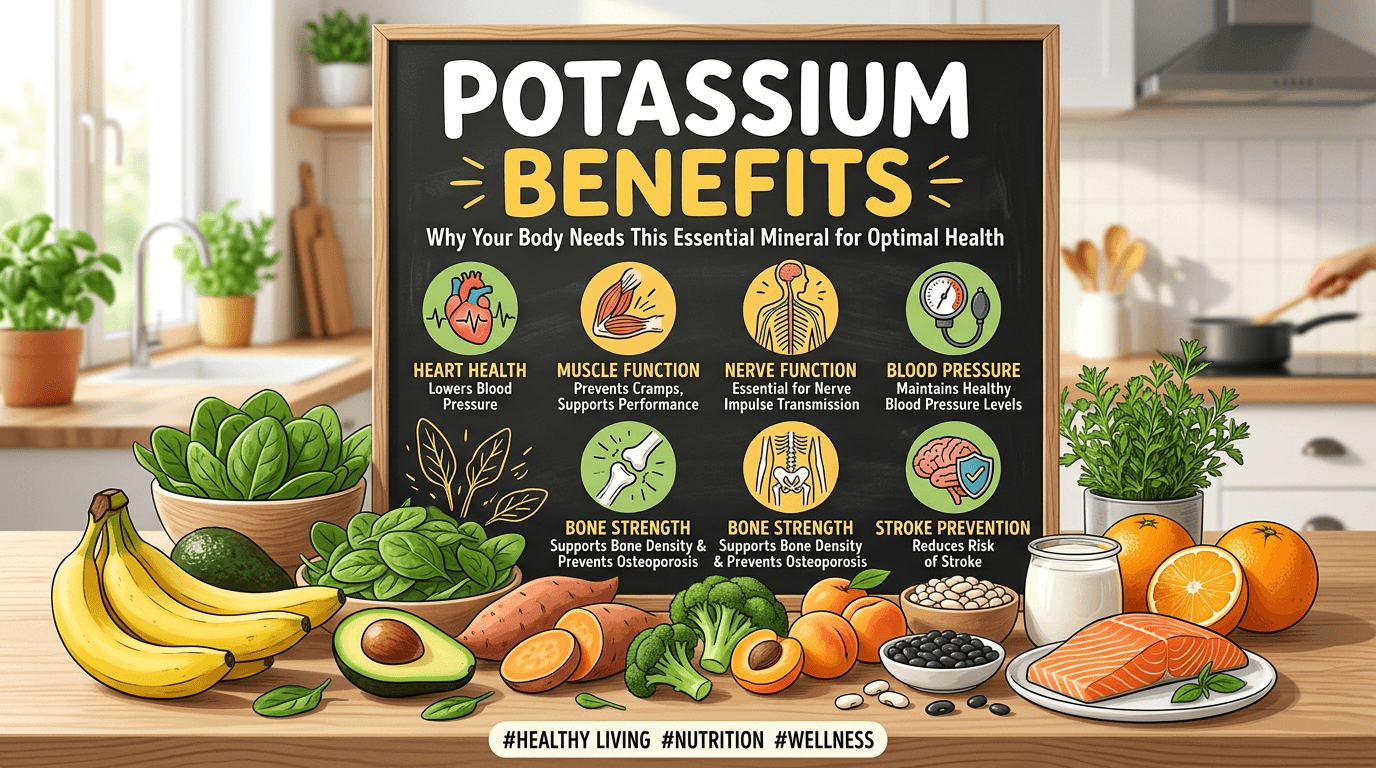
The primary potassium benefits stem from its role as an essential electrolyte that helps regulate fluid balance, nerve signals, and muscle contractions, which is critical for maintaining healthy blood pressure and overall cardiovascular function. As a mineral vital for nearly every cell in your body, adequate potassium intake is a cornerstone of physiological health, yet it remains one of the most under-consumed nutrients in the American diet.
While often overshadowed by nutrients like vitamin D, calcium, or iron, potassium quietly performs a multitude of indispensable tasks. From facilitating the electrical impulses that keep your heart beating steadily to helping your muscles move and your nerves fire, its influence is profound and far-reaching. Understanding the full scope of potassium's importance, the signs of inadequacy, and how to safely ensure you're getting enough is key to supporting long-term wellness. This article provides a comprehensive guide to potassium, covering its functions, health benefits, deficiency risks, food sources, and crucial safety considerations for supplementation.
What is Potassium and What Does It Do in the Body?

Potassium is an essential mineral and one of the body's main electrolytes, meaning it carries a small electrical charge when dissolved in body fluids. This electrical potential is fundamental to communication between cells, particularly nerve and muscle cells. About 98% of the potassium in your body is found inside your cells, highlighting its critical role in intracellular function, while a small but vital amount circulates in the bloodstream.
The Electrolyte Powerhouse: Fluid Balance and pH
One of potassium's most significant jobs is to help maintain fluid balance within the body. It works in a delicate partnership with sodium, another key electrolyte. While sodium is the primary electrolyte in the fluid outside of cells (extracellular fluid), potassium is the main electrolyte in the fluid inside cells (intracellular fluid). The balance between these two minerals, managed by a mechanism known as the sodium-potassium pump, regulates the amount of water inside and outside of every cell. This process is crucial for maintaining cellular hydration, blood volume, and overall fluid equilibrium throughout the body. Additionally, potassium plays a part in maintaining a healthy acid-base (pH) balance in your blood and tissues, which is essential for countless metabolic processes to function correctly.
The Body's Electrical System: Nerves and Muscles
Potassium is indispensable for the proper functioning of the nervous and muscular systems. Nerve impulses, which are the signals that your brain sends to the rest of your body, are generated by the movement of electrolytes like potassium and sodium across nerve cell membranes. This creates an electrical gradient, or "membrane potential," that allows nerve signals to travel. When you want to move a muscle, your brain sends a nerve impulse to that muscle. The arrival of this signal triggers a change in the electrolyte balance within the muscle cells, causing them to contract. Without sufficient potassium, this entire process can be impaired, leading to issues like muscle weakness, twitching, or cramps. The heart, being the body's most important muscle, is especially sensitive to potassium levels. A steady, regular heartbeat depends on the precisely controlled flow of potassium in and out of cardiac muscle cells.
Cellular Function and Nutrient Transport
Beyond its electrical duties, potassium is involved in a variety of other cellular activities. It acts as a cofactor for several enzymes that are necessary for carbohydrate metabolism and energy production. In other words, it helps your body convert the food you eat into usable energy. Potassium also assists in the transport of other nutrients into cells and helps remove cellular waste products. This role in basic cellular maintenance and metabolism underscores why it is considered an essential nutrient for every tissue and organ in the human body. Its presence is required for growth, cellular repair, and the day-to-day work of keeping you alive and functioning.
Key Potassium Benefits for Your Health

Adequate dietary potassium is associated with a wide array of health benefits, primarily centered on the cardiovascular system, bone health, and kidney function. These advantages are largely linked to its role in counteracting the effects of sodium and maintaining proper fluid and electrical balance throughout the body. Meeting daily potassium needs is a key strategy for supporting long-term health and reducing the risk of certain chronic conditions.
Supporting Healthy Blood Pressure
Perhaps the most well-documented benefit of potassium is its role in blood pressure regulation. It helps manage blood pressure in two main ways. First, potassium helps the body excrete excess sodium through urine. Since high sodium intake is a major contributor to elevated blood pressure for many individuals, this effect is crucial. Second, potassium helps ease tension in the walls of blood vessels. When blood vessel walls are relaxed and flexible, blood can flow more freely, which lowers the pressure exerted against them. Numerous studies have shown that diets rich in potassium are linked to lower blood pressure levels and a reduced risk of hypertension. The Dietary Approaches to Stop Hypertension (DASH) diet, a well-regarded eating plan for blood pressure management, is notably rich in potassium-containing fruits, vegetables, and low-fat dairy products.
Cardiovascular Health and Stroke Risk Reduction
Beyond its effect on blood pressure, adequate potassium intake is linked to broader cardiovascular protection. By helping to maintain a regular heartbeat, manage fluid balance, and keep blood vessels healthy, potassium contributes to a lower risk of adverse cardiovascular events. Several large-scale observational studies have found that individuals with higher potassium intake tend to have a lower risk of stroke, particularly ischemic stroke (the type caused by a blood clot). The protective effect appears to be strongest in individuals with high blood pressure, but benefits have also been observed in the general population. Maintaining an optimal sodium-to-potassium ratio through a diet high in fruits and vegetables and low in processed foods is considered a key dietary strategy for supporting heart health.
Maintaining Bone Mineral Density
Emerging evidence suggests a link between potassium intake and bone health. Diets typical in the U.S. are often high in acid-producing foods, such as meat and cereal grains, and low in base-producing foods like fruits and vegetables. To neutralize this dietary acid load, the body may draw upon alkaline minerals from bone, such as calcium, which can lead to bone loss over time. Potassium-rich foods, particularly fruits and vegetables, provide potassium salts like potassium citrate and potassium bicarbonate, which have an alkalizing effect. By helping to neutralize metabolic acids, potassium may help preserve the calcium stores in your bones. Some studies have associated higher potassium intake with greater bone mineral density, especially in older women, suggesting it may play a supportive role in preventing osteoporosis.
Kidney Health and Preventing Kidney Stones
Potassium may also play a role in maintaining kidney health. Its ability to lower urinary calcium excretion is a key mechanism. When there is less calcium in the urine, the risk of it crystallizing and forming calcium oxalate or calcium phosphate stones—the most common types of kidney stones—is reduced. The alkalizing effect of potassium from fruits and vegetables also helps create a urinary environment that is less conducive to stone formation. For this reason, healthcare providers sometimes recommend potassium citrate to help prevent the recurrence of kidney stones in susceptible individuals. It is crucial to note that this benefit applies to people with healthy kidney function; those with chronic kidney disease must be extremely cautious with their potassium intake.
Understanding Potassium Deficiency (Hypokalemia)
Potassium deficiency, medically known as hypokalemia, occurs when the level of potassium in your blood falls below the normal range. While true hypokalemia is uncommon in healthy individuals with a balanced diet, dietary inadequacy—failing to meet daily recommended intake levels—is extremely common. Severe deficiency is typically caused by factors beyond low dietary intake, such as excessive fluid loss or certain medical conditions.
Common Signs and Symptoms of Low Potassium
The signs and symptoms of low potassium can be subtle and non-specific, especially in mild cases, and they often relate to its role in muscle and nerve function. As potassium levels drop, these symptoms can become more pronounced. Common indicators may include:
- Weakness and Fatigue: This is often one of the first and most common signs. Insufficient potassium impairs the ability of muscle cells to function efficiently, leading to a general feeling of tiredness and lack of strength.
- Muscle Cramps, Aches, and Spasms: Because potassium is crucial for muscle contraction and relaxation, low levels can cause muscles to cramp, ache, or twitch involuntarily.
- Digestive Issues: The muscles of the digestive tract can also be affected. Low potassium may slow down gut motility, leading to bloating, constipation, and abdominal cramping.
- Heart Palpitations: The heart is highly sensitive to potassium levels. A deficiency can disrupt the normal heart rhythm, causing palpitations, fluttering sensations, or skipped beats (arrhythmias). In severe cases, this can be life-threatening.
- Tingling and Numbness: Since potassium is vital for healthy nerve function, a lack of it can result in paresthesia, a sensation of pins and needles, tingling, or numbness, often felt in the hands, arms, legs, or feet.
- Frequent Urination and Increased Thirst: Severe hypokalemia can impair the kidneys' ability to concentrate urine, leading to polyuria (excessive urination) and polydipsia (increased thirst).
Why Vague Symptoms Can Be Misleading
It is important to recognize that symptoms like fatigue, weakness, and bloating are very common and can be caused by a wide range of other factors, including stress, poor sleep, dehydration, or other nutrient deficiencies. Self-diagnosing a potassium deficiency based on these symptoms alone is unreliable and potentially dangerous. If you are experiencing persistent or severe symptoms, especially heart palpitations or significant muscle weakness, it is essential to consult a licensed healthcare professional. A simple blood test can accurately measure your serum potassium levels and determine if a true deficiency is present.
Primary Causes: From Diet to Diuretics
While a poor diet low in fruits and vegetables can lead to chronically low intake, it rarely causes severe hypokalemia on its own. More often, a significant drop in potassium levels is due to excessive potassium loss from the body. The most common causes include:
- Diuretic Medications: Certain types of diuretics, often called "water pills" (e.g., thiazide and loop diuretics), are a very common cause of potassium loss through increased urination.
- Chronic Vomiting or Diarrhea: Severe or prolonged episodes of vomiting or diarrhea can lead to significant losses of electrolytes, including potassium.
- Laxative Abuse: Overuse of laxatives can also cause substantial potassium loss through the bowels.
- Excessive Sweating: Athletes or individuals working in hot climates can lose a significant amount of potassium through sweat, although this is less common as a cause of severe deficiency.
- Certain Medical Conditions: Kidney disorders, such as renal tubular acidosis, and adrenal gland conditions, like Cushing's syndrome, can lead to excess potassium excretion.
- Low Magnesium Levels: Magnesium is required for the proper processing of potassium. If magnesium levels are low, the kidneys may excrete too much potassium, making it difficult to correct a potassium deficiency without also addressing the magnesium status.
Who Is at Risk for Low Potassium Levels?
While anyone can have low potassium intake, certain populations are at a significantly higher risk of developing hypokalemia due to increased potassium losses or underlying medical issues. Identifying these risk factors is crucial for prevention and timely intervention under medical supervision.
Individuals in the following groups should be particularly mindful of their potassium status and discuss it with their healthcare provider:
- People Taking Certain Medications: This is one of the largest risk groups. Users of thiazide and loop diuretics (prescribed for high blood pressure or heart failure) are at high risk. Others at risk include those using high doses of corticosteroids or certain antibiotics.
- Individuals with Inflammatory Bowel Disease (IBD): Conditions like Crohn's disease and ulcerative colitis can cause chronic diarrhea, leading to malabsorption and significant electrolyte losses, including potassium.
- Those with Chronic Kidney Disease (CKD): While advanced CKD often leads to high potassium (hyperkalemia), some earlier stages or specific types of kidney disease can cause potassium wasting. Kidney health must always be assessed by a professional before considering potassium intake changes.
- People with Eating Disorders: Conditions like anorexia nervosa and bulimia nervosa often involve self-induced vomiting, laxative abuse, and poor nutritional intake, creating a high-risk scenario for severe hypokalemia.
- Endurance Athletes: Athletes who engage in prolonged, intense exercise, especially in hot and humid conditions, can lose substantial amounts of potassium through sweat. While this rarely leads to severe deficiency, it can impact performance and recovery.
- Individuals with Pica: Pica is a condition involving the compulsive eating of non-food items. Those who ingest clay (geophagia), specifically bentonite clay, are at risk because the clay can bind to potassium in the gut and prevent its absorption.
- People with a High-Sodium, Processed Food Diet: While not a direct cause of hypokalemia, a diet consistently high in sodium and low in potassium-rich whole foods creates an imbalance that can strain the body's regulatory systems and contribute to chronic potassium inadequacy.
How Much Potassium Do You Need? U.S. Daily Intake Guidelines
The U.S. National Academies of Sciences, Engineering, and Medicine have established Adequate Intake (AI) levels for potassium. An AI is set when there isn't enough evidence to establish a Recommended Dietary Allowance (RDA), but the amount is considered sufficient to ensure nutritional adequacy for most healthy people. It's noteworthy that the majority of the U.S. population does not meet these AI recommendations, making potassium a "nutrient of public health concern."
The AIs for potassium vary by age, sex, and life stage. These recommendations are intended for healthy individuals and are focused on the amount needed to lower blood pressure, reduce the risk of chronic disease, and prevent deficiency. The values below reflect the most recent guidelines.
| Age Group / Life Stage | Adequate Intake (AI) in milligrams (mg) per day |
|---|---|
| Infants 0–6 months | 400 mg |
| Infants 7–12 months | 860 mg |
| Children 1–3 years | 2,000 mg |
| Children 4–8 years | 2,300 mg |
| Males 9–13 years | 2,500 mg |
| Females 9–13 years | 2,300 mg |
| Males 14–18 years | 3,000 mg |
| Females 14–18 years | 2,300 mg |
| Males 19+ years | 3,400 mg |
| Females 19+ years | 2,600 mg |
| Pregnancy | 2,900 mg |
| Lactation | 2,800 mg |
Achieving these intake levels through diet alone is challenging for many, primarily due to the high consumption of processed foods, which are typically low in potassium and high in sodium. In contrast, a diet rich in whole foods like fruits, vegetables, legumes, and dairy is the most effective way to meet these daily goals naturally.
Top Potassium-Rich Foods to Add to Your Diet
The best and safest way to increase your potassium intake is through a balanced, whole-foods diet. Many delicious and versatile foods are excellent sources of this vital mineral. Focusing on incorporating a variety of these foods into your daily meals can help you meet the recommended intake levels without the risks associated with supplementation.
While bananas are famously associated with potassium, many other foods contain significantly more per serving. Building your diet around a diverse range of plant-based foods is a superior strategy. Below is a list of some of the top dietary sources of potassium.
| Food Item | Serving Size | Approximate Potassium (mg) |
|---|---|---|
| Potato, baked with skin | 1 medium | 926 mg |
| Sweet Potato, baked with skin | 1 medium | 542 mg |
| Spinach, cooked | 1 cup | 839 mg |
| Avocado | 1 whole | 690 mg |
| Salmon, cooked | 3 ounces | 534 mg |
| White Beans, canned | 1 cup | 1,189 mg |
| Lentils, cooked | 1 cup | 731 mg |
| Yogurt, plain non-fat | 1 cup | 579 mg |
| Tomato Paste | 1/4 cup | 669 mg |
| Dried Apricots | 1/2 cup | 755 mg |
| Acorn Squash, cubed, cooked | 1 cup | 896 mg |
| Banana | 1 medium | 422 mg |
To increase your daily intake, consider simple swaps and additions. Add a handful of spinach to your morning smoothie or eggs. Choose a baked potato or sweet potato as a side dish instead of fries. Incorporate beans and lentils into soups, stews, and salads. Snacking on a small handful of dried apricots or an avocado can also provide a significant potassium boost.
Navigating Potassium Supplements: Forms, Dosage, and Safety
While a food-first approach is always recommended, potassium supplements may be considered in specific situations, almost always under the guidance of a healthcare professional. Unlike many other vitamins and minerals, over-the-counter (OTC) potassium supplements are handled with unique caution due to the potential for serious health risks if taken inappropriately.
Common Forms of Potassium Supplements
Potassium supplements are available in several different chemical forms, each bound to another molecule. The form can affect its use and potential benefits. The most common forms include:
- Potassium Chloride: This is the most common form, often used to treat or prevent hypokalemia, especially when it is caused by diuretic medication. It is also used as a salt substitute (e.g., "Lite Salt").
- Potassium Citrate: This form has an alkalizing effect on the urine and is frequently used to help prevent the formation of certain types of kidney stones. It may also support bone health by helping to neutralize metabolic acids.
- Potassium Gluconate, Bicarbonate, and Aspartate: These forms are also available and are generally well-absorbed. Potassium bicarbonate is another alkalizing agent, while the others are often found in general multivitamin and mineral formulas in very small amounts.
Why Over-the-Counter Potassium Supplements Are Low-Dose (The 99mg Rule)
If you've ever looked for potassium supplements at a pharmacy or health food store, you may have noticed that they are almost always sold in doses of 99 milligrams (mg) or less per tablet or capsule. This is not a coincidence. While not a formal law, it is a long-standing U.S. Food and Drug Administration (FDA) guideline rooted in safety concerns. The FDA has recommended this limit for solid oral dosage forms of OTC potassium chloride to reduce the risk of gastrointestinal injury (ulcers in the small intestine) that could occur if a concentrated pill dissolved in one spot. More importantly, this low dosage helps prevent consumers from easily taking a dangerously high amount of potassium at once, which could lead to hyperkalemia (high blood potassium), a potentially fatal condition. A 99 mg dose represents less than 3% of the daily AI for an adult male, underscoring that these supplements are meant for minor dietary top-ups, not for correcting a true deficiency.
When is Supplementation Considered?
Potassium supplementation should only be initiated after consulting with a licensed healthcare professional. Prescription-strength potassium is typically reserved for individuals with diagnosed hypokalemia resulting from specific medical conditions or medications. A doctor may recommend or prescribe potassium supplements in cases of:
- Clinically diagnosed deficiency (hypokalemia) confirmed by a blood test.
- Use of potassium-wasting diuretic medications.
- Significant potassium losses due to chronic diarrhea, vomiting, or other gastrointestinal issues.
- Specific medical conditions that cause potassium wasting, as determined by a physician.
Potassium Absorption, Interactions, and Timing
Optimizing your body's potassium status involves more than just intake; it's also about ensuring proper absorption and maintaining balance with other key nutrients. Understanding these interactions can help you get the most out of your dietary potassium and use any medically-advised supplements safely and effectively.
Factors Affecting Potassium Absorption
The human body is very efficient at absorbing dietary potassium, with over 90% of ingested potassium typically absorbed in the small intestine. The body tightly regulates blood potassium levels, primarily through the kidneys, which excrete any excess. Unlike some minerals, potassium absorption is not heavily influenced by other dietary components like phytates or oxalates. The primary factor determining your potassium status is the balance between what you consume and what your body excretes, which is controlled by hormones and kidney function. A healthy individual's body is well-equipped to manage this balance, efficiently absorbing what it needs from food and excreting the rest.
The Critical Potassium-Sodium Balance
Potassium does not work in a vacuum. Its relationship with sodium is one of the most important mineral dynamics in the body. As mentioned, these two electrolytes work antagonistically to maintain fluid balance and blood pressure. A diet high in sodium and low in potassium can disrupt this balance, leading to fluid retention and increased blood pressure. Conversely, a diet high in potassium can help counteract these effects by promoting sodium excretion. For optimal health, the focus should be less on the absolute amount of each mineral and more on the ratio between them. The World Health Organization recommends a sodium-to-potassium intake ratio of approximately 1:1. However, the standard American diet often has a ratio closer to 3:1 or even higher, heavily favoring sodium. Reducing processed food intake (high in sodium) and increasing whole food intake (high in potassium) is the most effective way to improve this crucial ratio.
Interactions with Other Nutrients (Magnesium, Calcium)
Magnesium is another electrolyte that has a critical interplay with potassium. Magnesium is required for the proper functioning of the sodium-potassium pump, the cellular mechanism that moves potassium into cells. Furthermore, magnesium helps the kidneys retain potassium. In cases of severe magnesium deficiency, the kidneys may "leak" potassium into the urine, leading to hypokalemia that is resistant to treatment with potassium alone. If someone has both a potassium and magnesium deficiency, the magnesium deficiency must be corrected first, or at the same time, to effectively restore potassium levels. While less direct, the relationship with calcium is also relevant, particularly for bone health. As discussed, adequate potassium may help preserve calcium in the bones by neutralizing metabolic acids that would otherwise cause calcium to be leached from the skeleton.
Best Time to Take Potassium Supplements
If a healthcare provider has recommended a potassium supplement, it is generally advised to take it with a meal or a full glass of water. This helps to minimize the risk of gastrointestinal side effects, such as stomach upset, nausea, or diarrhea. Dividing the total daily dose into two or more smaller doses to be taken with different meals can further reduce this risk. Taking potassium with food also mimics the way it is naturally ingested, which may aid in its gentle absorption and integration into the body's systems. Always follow the specific instructions provided by your doctor or pharmacist, as well as the directions on the product label.
Safety First: Side Effects, Toxicity, and Contraindications
While essential for life, potassium must be treated with respect. Both too little (hypokalemia) and too much (hyperkalemia) can have serious consequences. Understanding the risks, side effects, and individuals who should avoid supplementation is paramount for safety.
Common Side Effects of Potassium Supplements
Even when taken as directed, potassium supplements can cause side effects, most of which are gastrointestinal. This is why taking them with food is so important. Common side effects may include:
- Nausea or vomiting
- Stomach pain or discomfort
- Diarrhea
- Gas and bloating
In rare cases, solid oral dosage forms (pills) of potassium chloride can cause more serious issues like ulceration or perforation of the esophagus or small intestine. This risk is minimized by using liquid or powder forms, or by taking pills with plenty of fluid.
Understanding Hyperkalemia (High Potassium) and Its Dangers
Hyperkalemia is a medical condition characterized by dangerously high levels of potassium in the blood. It is a serious and potentially life-threatening condition because it can disrupt the electrical signals in the heart, leading to dangerous arrhythmias or even cardiac arrest. It is nearly impossible for a person with healthy kidney function to develop hyperkalemia from food sources alone. The kidneys are extremely effective at filtering out and excreting excess potassium. Therefore, hyperkalemia almost always occurs in the context of:
- Impaired Kidney Function: This is the most common cause. When the kidneys are not working properly, they cannot effectively remove potassium from the blood, allowing it to build up to toxic levels.
- High-Dose Supplementation: Taking large doses of potassium supplements, especially without medical supervision, can overwhelm the kidneys' ability to excrete it, leading to a rapid and dangerous rise in blood potassium levels.
- Certain Medications: Medications that interfere with potassium excretion (discussed in the next section) are a major risk factor.
Symptoms of hyperkalemia can be vague and may include muscle weakness, fatigue, nausea, and tingling sensations. As levels rise, more severe symptoms can develop, including a slow or weak pulse, paralysis, and sudden cardiac arrest, which can occur without warning.
Who Should Avoid Potassium Supplements?
Due to the risk of hyperkalemia, certain individuals should avoid potassium supplements unless explicitly prescribed and monitored by a healthcare professional. This includes:
- Individuals with Chronic Kidney Disease (CKD): This is the most critical contraindication. People with impaired kidney function are at the highest risk of developing life-threatening hyperkalemia.
- People with Addison's Disease: This adrenal gland disorder can cause high potassium levels.
- Those taking medications that increase potassium levels: This includes ACE inhibitors, ARBs, and potassium-sparing diuretics (see next section).
- Individuals with severe burns or tissue injuries: Massive cell damage can release large amounts of potassium from inside the cells into the bloodstream.
Critical Medication Interactions to Be Aware Of
Potassium levels in the body can be significantly affected by a number of common prescription medications. It is absolutely essential to be aware of these potential interactions, as combining potassium supplements with certain drugs can lead to dangerous hyperkalemia. Always inform your doctor and pharmacist of all medications and supplements you are taking.
Some medications increase potassium levels by reducing the kidneys' ability to excrete it, while others cause potassium loss. The most significant interactions are those that increase potassium retention.
| Medication Class | Examples | Nature of Interaction |
|---|---|---|
| ACE Inhibitors | Lisinopril, Enalapril, Ramipril | Decrease potassium excretion, increasing the risk of hyperkalemia. Combining with potassium supplements is very risky. |
| Angiotensin II Receptor Blockers (ARBs) | Losartan, Valsartan, Irbesartan | Similar to ACE inhibitors, they reduce potassium excretion and increase hyperkalemia risk. Avoid potassium supplements unless directed by a doctor. |
| Potassium-Sparing Diuretics | Spironolactone, Amiloride, Triamterene | Specifically designed to prevent potassium loss. Taking potassium supplements with these drugs is highly dangerous and can easily cause severe hyperkalemia. |
| Nonsteroidal Anti-Inflammatory Drugs (NSAIDs) | Ibuprofen, Naproxen, Celecoxib | Can reduce kidney function and potassium excretion, especially with long-term use or in those with pre-existing kidney issues. May increase risk of hyperkalemia. |
| Potassium-Wasting Diuretics | Hydrochlorothiazide (HCTZ), Furosemide | Increase potassium excretion, leading to a risk of hypokalemia. A doctor may prescribe potassium supplements to counteract this effect. |
Frequently Asked Questions About Potassium
Is a banana the best source of potassium?
While bananas are a good source of potassium (around 422 mg for a medium one), they are not the best. Many other foods, such as a medium baked potato with skin (over 900 mg), a cup of cooked spinach (over 800 mg), or a cup of white beans (over 1,100 mg), contain significantly more potassium per serving.
Can I get enough potassium from a multivitamin?
No, it is highly unlikely. Most standard multivitamin and mineral supplements contain either no potassium or a very small amount, typically less than 99 mg. This is due to safety regulations and the large physical size that would be required to include a meaningful dose. The best way to meet your daily needs is through a diet rich in whole foods.
Does coffee deplete potassium?
Coffee has a mild diuretic effect, which can slightly increase the excretion of minerals, including potassium, through urine. However, for moderate coffee drinkers with a healthy, potassium-rich diet, this effect is generally considered negligible and unlikely to cause a significant deficiency. The amount of potassium lost is very small.
Can potassium supplements help with muscle cramps?
It depends on the cause. If muscle cramps are caused by low potassium levels (hypokalemia), then restoring potassium status through diet or medically supervised supplementation may help. However, muscle cramps can also be caused by dehydration, magnesium deficiency, overexertion, or other medical issues. It's best to consult a doctor to determine the underlying cause before supplementing.
Is it safe to take a 99 mg potassium supplement every day?
For most healthy individuals with normal kidney function, taking a low-dose 99 mg potassium supplement daily is generally considered safe. However, it is not safe for everyone, particularly those with kidney disease or taking certain medications like ACE inhibitors. It is always best to consult a healthcare professional before starting any new supplement, even a low-dose one.
What's the difference between potassium chloride and potassium citrate?
Potassium chloride is typically used to replete potassium levels, especially when deficiency is caused by diuretics. Potassium citrate has an alkalizing effect, making it useful for preventing certain types of kidney stones and potentially supporting bone health. The best form depends on the specific health goal and should be determined by a healthcare provider.
Can low potassium cause heart palpitations?
Yes, low potassium (hypokalemia) is a well-known cause of heart palpitations and other heart rhythm disturbances (arrhythmias). Potassium is critical for the electrical stability of heart muscle cells. If you are experiencing new or persistent heart palpitations, it is crucial to seek immediate medical attention to determine the cause.
How quickly can I raise my potassium levels?
In a clinical setting for severe hypokalemia, intravenous (IV) potassium can raise levels relatively quickly under strict medical monitoring. For mild inadequacy, increasing intake of potassium-rich foods will gradually restore levels over days to weeks. Using high-dose oral supplements to raise levels quickly without medical supervision is extremely dangerous and can cause life-threatening hyperkalemia.
The Takeaway: Prioritizing Potassium for Long-Term Health
Potassium is a true unsung hero of nutrition. Its vital role in regulating fluid balance, nerve function, muscle contractions, and blood pressure makes it one of the most important minerals for your daily and long-term health. From supporting a strong heart and sturdy bones to ensuring your muscles and nerves communicate effectively, its benefits are woven into the very fabric of your physiology.
Despite its importance, most Americans fall short of the recommended daily intake, largely due to a reliance on processed foods that are high in sodium and low in potassium. The single most effective and safest strategy for boosting your potassium status is to shift your dietary focus toward a rich variety of whole foods. Emphasize vegetables, fruits, legumes, and dairy to naturally improve your crucial sodium-to-potassium ratio and reap the full spectrum of health benefits.
While supplements exist, they must be approached with extreme caution. The low 99 mg dosage of over-the-counter products is a deliberate safety measure to prevent the serious risks of hyperkalemia. Supplementation should not be a casual decision but rather a targeted intervention guided by a licensed healthcare professional, especially for those with kidney conditions or on medications. By prioritizing potassium-rich foods and seeking expert advice when needed, you can harness the power of this essential mineral to support your health for years to come.