
vitamine -
The Role of Telomeres in Human Aging
Telomere lengthening is a term many people search when they want to understand whether cellular aging can be influenced by diet, lifestyle, or supplements. Telomeres are protective caps at the ends of chromosomes, and while they naturally shorten over time, their biology is more
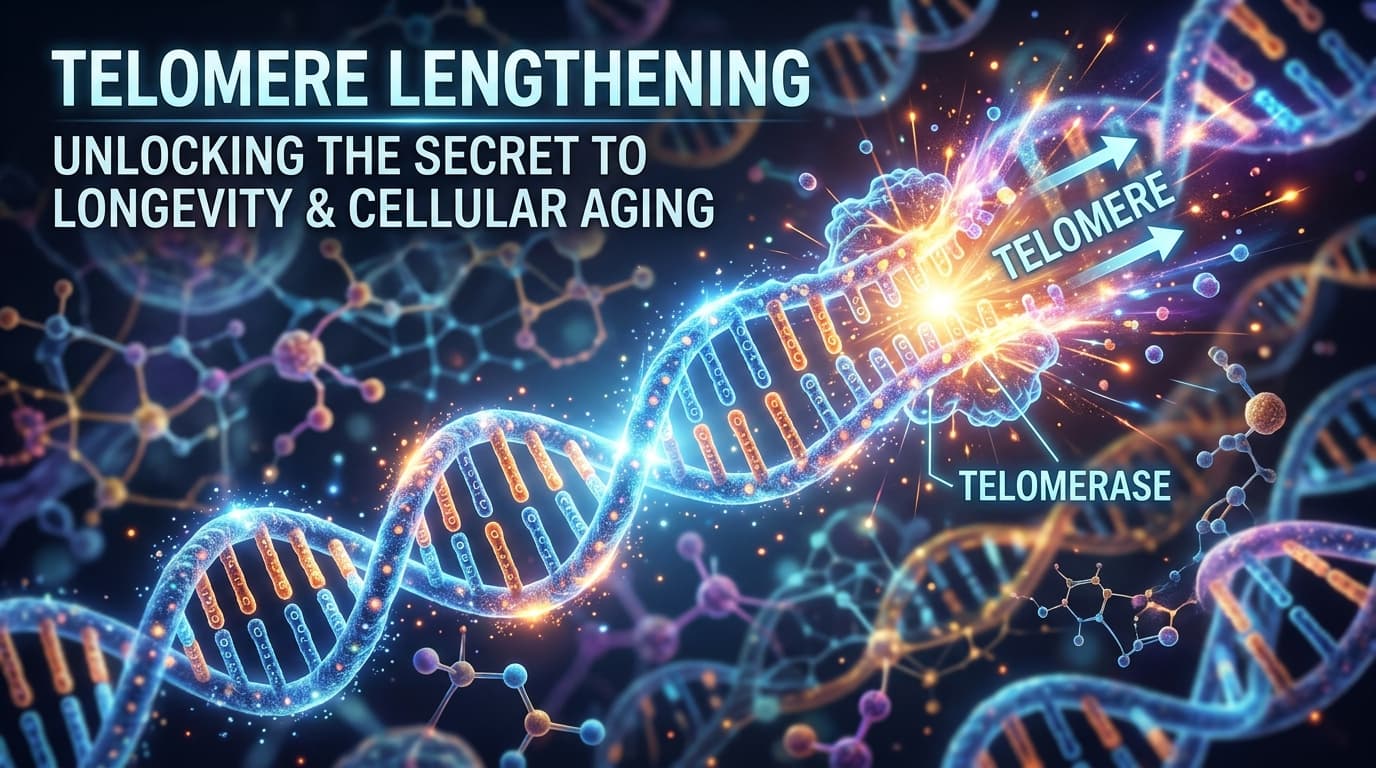
Telomere lengthening is a term many people search when they want to understand whether cellular aging can be influenced by diet, lifestyle, or supplements. Telomeres are protective caps at the ends of chromosomes, and while they naturally shorten over time, their biology is more complex than a simple “aging clock.”
This article explains what telomeres are, how they relate to human aging, what affects telomere length, and why claims about telomere lengthening should be interpreted carefully. You will also learn about common misconceptions, potential lifestyle factors that may support healthy telomere maintenance, supplement considerations, and when it is important to speak with a licensed healthcare professional.
What Telomeres Are and Why They Matter
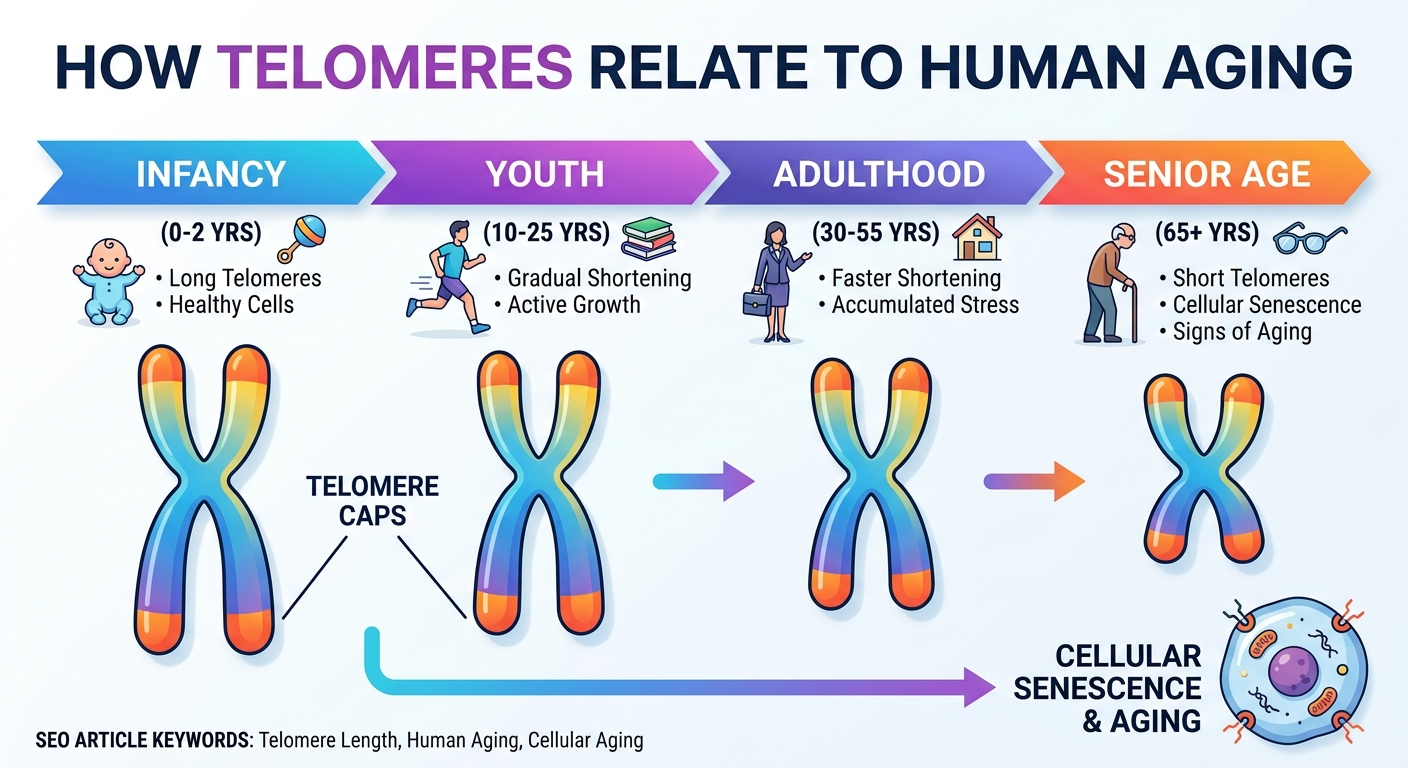
Telomeres are repetitive DNA sequences and associated proteins located at the ends of chromosomes. Their main job is to help protect genetic material during cell division, somewhat like the plastic tips at the ends of shoelaces. Each time a cell divides, telomeres typically become a little shorter, although the rate of shortening varies by cell type and biological context.
Because telomeres shorten over time, researchers have studied them as one marker of cellular aging. That does not mean telomere length alone determines how old a person is biologically, or that it can explain overall health by itself. Aging is influenced by many factors, including genetics, inflammation, oxidative stress, metabolic health, environmental exposures, sleep, nutrition, and medical conditions.
People often search for telomere lengthening because the concept suggests a possible way to slow cellular aging. The reality is more cautious: telomere biology is active research, but no supplement or habit has been proven to “reverse aging” in a guaranteed way. A more accurate way to think about telomeres is as one piece of a much larger biological puzzle.
Telomeres and cell division
When most cells divide, they must copy their DNA. Telomeres help protect the ends of that DNA during the process. Over time, shortening may contribute to cells reaching a state where they divide less effectively or stop dividing. This is one reason telomere length has become a focus in aging research.
However, the relationship is not simple. Some cells, such as stem cells and certain immune cells, use the enzyme telomerase to help maintain telomere length more effectively than ordinary cells. Cancer cells can also exploit telomerase in harmful ways, which is one reason telomere biology is studied carefully and not treated as a straightforward “good vs. bad” system.
Why telomere length is a biomarker, not a verdict
Telomere length is often described as a biomarker because it can provide information about a biological process. But biomarkers are not the same as diagnoses. Two people with similar telomere lengths may have very different health profiles, and one reading does not tell the whole story about future health, longevity, or disease risk.
That is why telomere testing, while available in some settings, should be interpreted cautiously. Results can be influenced by the testing method, sample type, age, and lab variability. A healthcare professional can help place any result in context, especially if you are considering supplements or broader health changes based on the result.
| Term | Meaning | Why it matters |
|---|---|---|
| Telomere | A protective DNA-protein structure at the end of a chromosome | Helps protect genetic material during cell division |
| Telomere shortening | Gradual loss of telomere length over time | Associated with cellular aging and stress |
| Telomerase | An enzyme that helps maintain telomeres in certain cells | Important in stem cells, immune cells, and cancer biology |
| Biomarker | A measurable indicator of a biological process | Provides context, but not a full health picture |
How Telomeres Relate to Human Aging
Telomeres are widely studied because they change across the lifespan and may reflect cumulative biological stress. In broad terms, shorter telomeres are often associated with older age, but that association is only part of the story. Telomere length does not act alone; it interacts with many other factors that influence how cells function and repair themselves.
Human aging happens at multiple levels: molecular, cellular, tissue, and whole-body. Telomeres are one molecular feature that can be affected by stressors such as inflammation and oxidative damage. At the same time, healthy behaviors and good medical care may support overall aging health without necessarily producing dramatic or measurable telomere changes.
It is also important to understand that not all telomere shortening is harmful in the same way. Some telomere attrition is a natural result of cell turnover. The goal of a healthy lifestyle is not necessarily to stop all shortening, but to support normal cellular maintenance and reduce avoidable stress on the body.
Why telomere shortening happens
Telomeres shorten partly because of the way DNA is copied during cell division. Beyond normal replication, additional stress can influence shortening. Oxidative stress, chronic inflammation, poor sleep, smoking, and some metabolic conditions may all be associated with faster telomere attrition in research settings.
Genetics also matter. Some people inherit telomere-related traits that affect starting length or the rate of maintenance. That means two people with similar habits may still have different telomere dynamics. This is one reason personalized medical interpretation is more useful than generic internet advice.
What telomeres do not tell you
Telomere length does not tell you whether you are “biologically old” in a precise way. It does not diagnose a disease, and it cannot by itself predict how long someone will live. People sometimes assume that longer telomeres are always better, but that is not necessarily true, because abnormal telomere maintenance can be involved in cancer biology.
For that reason, the goal should not be to chase a number. Instead, telomere research is best viewed as one more reason to reduce known health risks and support overall wellness through evidence-based care. That includes nutrition, physical activity, sleep, tobacco avoidance, and appropriate medical monitoring.
What Affects Telomere Length
Telomere length is shaped by a mix of inherited and environmental factors. Some influences are not modifiable, such as age and genetics. Others may be influenced by daily habits, social circumstances, and health management.
This does not mean every healthy habit will lengthen telomeres in a meaningful or permanent way. It does mean that the same factors that support overall health often show up in telomere research as well. That overlap is one reason the topic attracts attention from both scientists and the public.
| Factor | Possible effect on telomeres | Notes |
|---|---|---|
| Age | Natural shortening over time | Expected biological pattern |
| Genetics | Influences starting length and maintenance | Not modifiable |
| Smoking | Associated with more oxidative stress | Avoidance supports overall health |
| Chronic stress | May be linked with faster shortening in some studies | Context matters; stress is multifactorial |
| Diet quality | May influence oxidative stress and inflammation | No single food or supplement is enough |
| Physical activity | Often associated with healthier aging markers | Effects depend on type, intensity, and overall health |
Inflammation and oxidative stress
Chronic inflammation and oxidative stress are commonly discussed in telomere research because they can affect DNA stability. Oxidative stress occurs when damaging reactive molecules overwhelm the body’s antioxidant defenses. Inflammation is part of the immune response, but when it becomes persistent, it may contribute to cellular wear.
Many diet and lifestyle recommendations related to telomeres are really aimed at reducing these stress pathways. However, it is better to think of those habits as supporting broad health rather than directly “fixing” telomeres. That distinction matters because it keeps expectations realistic and avoids overstating the role of supplements.
Stress, sleep, and social factors
Sleep quality, psychological stress, and social environment may all be relevant in telomere research. That does not mean a stressful week will suddenly shorten telomeres in a measurable way. Rather, long-term patterns of poor sleep or sustained stress may contribute to overall physiological strain.
For readers interested in telomere lengthening, this is a reminder that the body does not respond to one factor in isolation. Nutrition and supplements matter most when placed within a broader health picture that includes rest, recovery, medical care, and reasonable expectations.
Can Telomere Lengthening Actually Happen?
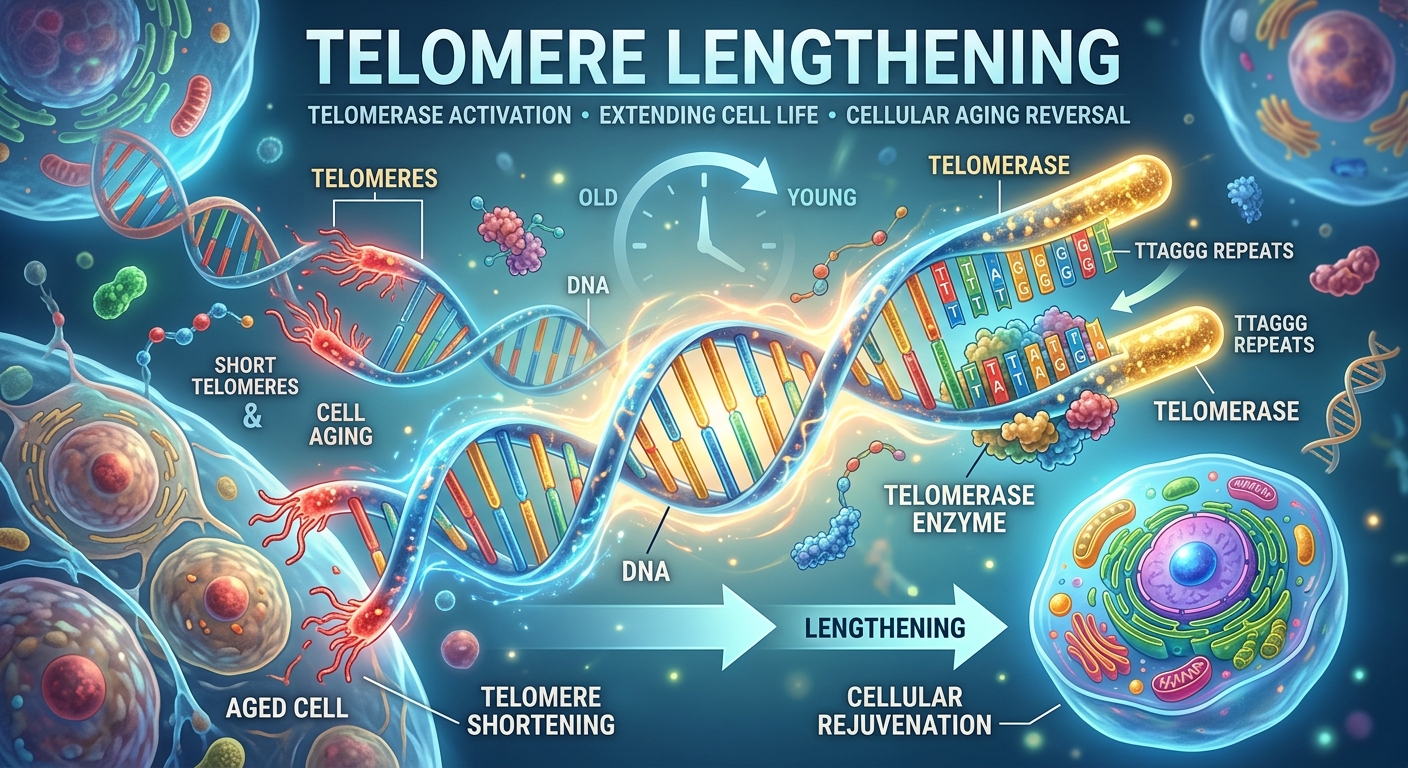
Telomere lengthening is a real biological concept, but it should be understood carefully. In certain cells and contexts, telomeres can be maintained or even lengthened through telomerase activity or other mechanisms. That does not mean healthy adults can reliably reverse aging by taking a supplement or following a specific routine.
Some research suggests that lifestyle changes may be associated with changes in telomere maintenance or telomerase activity. However, these findings are not the same as proving long-term telomere reversal in a broad, clinically meaningful sense. In addition, studies may differ in design, population, and outcome measurement, which makes simple conclusions risky.
What the science can and cannot show
Researchers can measure telomere length and telomerase activity under controlled conditions, but human aging is complex. A change in telomere-related markers does not automatically mean a person will feel better or live longer. Likewise, an unchanged biomarker does not necessarily mean a healthy lifestyle has no benefit.
For consumers, the practical message is simple: be cautious about products marketed around telomere lengthening as if it were a guaranteed anti-aging outcome. There is a difference between promising cellular mechanisms and proving meaningful clinical benefit. That gap is one reason healthcare professionals encourage evidence-based skepticism.
Why the phrase is popular in supplements
The phrase “telomere lengthening” is attractive because it sounds precise and science-based. Supplement marketing often uses cellular language to suggest a direct path to longevity support. But a scientific-sounding phrase is not the same thing as a clinically established benefit.
If a supplement, food, or habit is discussed in relation to telomeres, the most responsible question is not whether it sounds promising, but whether there is reliable evidence, a plausible mechanism, a safe profile, and a realistic expectation of benefit. Those standards help readers avoid spending money on claims that are larger than the evidence.
Food Patterns and Nutrients That May Support Healthy Telomere Maintenance
There is no single “telomere food.” Instead, telomere research often points toward overall dietary quality. Eating patterns rich in minimally processed foods, fiber, and a variety of micronutrients may help support metabolic health and reduce oxidative stress. This is more consistent with the evidence than relying on one standout ingredient.
Specific nutrients are often studied because they play roles in antioxidant defense, DNA repair, or inflammation regulation. Still, nutrient status is only one part of the picture. A supplement may help fill a gap, but it cannot substitute for a generally balanced diet when that diet is feasible.
| Food category | Examples | Why it may matter |
|---|---|---|
| Fruits and vegetables | Berries, leafy greens, citrus, cruciferous vegetables | Provide fiber, vitamins, and plant compounds associated with lower oxidative stress |
| Whole grains | Oats, brown rice, whole wheat, barley | Support metabolic health and fiber intake |
| Legumes | Beans, lentils, chickpeas | Offer protein, fiber, folate, and mineral support |
| Healthy fats | Nuts, seeds, olive oil, avocado | May support cardiometabolic health |
| Protein sources | Fish, poultry, soy, eggs, dairy | Help maintain tissue health and nutrient adequacy |
Nutrients often discussed in telomere research
Several nutrients are frequently mentioned because they play roles in cellular function. These include vitamin D, folate, vitamin B12, vitamin C, vitamin E, omega-3 fatty acids, magnesium, zinc, and polyphenol-rich foods. The research on each nutrient varies, and associations should not be interpreted as proof that supplementing one nutrient will lengthen telomeres.
What matters most is whether a person has an actual nutritional gap, limited intake, absorption issues, or increased needs based on life stage or health status. In those situations, a healthcare professional may recommend testing or supplementation. Self-selecting a “telomere supplement” without understanding the underlying issue can lead to disappointment or unnecessary risk.
Diet quality vs. individual nutrients
Whole-diet patterns generally matter more than isolated compounds. A person can have adequate intake of one nutrient and still have an overall diet that is low in fiber, high in ultra-processed foods, or lacking in variety. Telomere research that appears favorable often aligns with broader patterns of healthier eating, not a single ingredient alone.
That is why the best practical question is not “Which supplement lengthens telomeres?” but “Is there a safe, evidence-based way to improve overall dietary quality and correct deficiencies if they exist?” That framing is more honest and more useful for readers.
Supplements and Telomere Lengthening: What to Know
Supplements are often marketed as a direct way to support telomere lengthening, but the evidence is mixed and product claims often outpace science. Some ingredients may support general health pathways connected to aging, yet that does not mean they have been proven to extend telomeres in a meaningful clinical sense. Readers should be especially cautious about products that promise dramatic cellular rejuvenation.
Supplements may still have a role when they address a documented deficiency, limited intake, or a medically relevant need. For example, correcting low vitamin B12, vitamin D, or iron status may improve general health, depending on the situation. But those benefits are not the same as using a supplement specifically to alter telomere biology.
| Commonly marketed ingredient | Why it is discussed | Caution |
|---|---|---|
| Antioxidant blends | May help reduce oxidative stress | Broad claims often exceed evidence |
| Omega-3 fatty acids | Studied for heart and inflammation-related pathways | Not proven to lengthen telomeres for everyone |
| Vitamin D | Important for many body functions | Best used based on need, not marketing hype |
| Polyphenol products | Derived from plant compounds | Evidence varies widely by ingredient and dose |
| Multivitamins | Convenient nutrient coverage | Not a substitute for a targeted approach when deficiency exists |
How to evaluate supplement claims
A sensible evaluation starts with the label and ends with the evidence. Look for whether the product names a specific ingredient, provides a reasonable dosage, and avoids absolute promises. Be wary of vague phrases like “supports cellular youth” without any clear explanation of how that was measured or in whom.
Consumers should also check for third-party quality testing when appropriate, but quality testing does not prove effectiveness. A product can be well manufactured and still have weak evidence for the claim being marketed. That distinction is especially important in a topic like telomere lengthening.
- Ask whether the supplement addresses a real nutritional need or just a marketing concept.
- Check for interactions with medications, especially blood thinners, diabetes medicines, or immune-related drugs.
- Avoid products that promise rapid telomere reversal or anti-aging “results” without context.
- Consider whether lab testing or professional guidance would be more appropriate than self-experimentation.
General dosage framing, not personal dosing
It is not appropriate to assign a personal supplement dosage in an article like this. Dosage depends on age, medical history, diet, lab results, pregnancy or breastfeeding status, and medication use. The right amount for one person may be unnecessary or unsafe for another.
As a general rule, consumers should follow product labeling only when it is appropriate for their situation and should confirm with a healthcare professional before starting a new supplement, changing a dose, or combining products. This is especially true for ingredients that can interact with medications or exceed tolerable upper intake levels.
Supplement Forms, Absorption, and Practical Differences
When people ask about telomere lengthening supplements, they often focus on the ingredient but overlook the form. The form can affect convenience, tolerability, and sometimes absorption. That does not make one format universally better, but it does influence how well a supplement fits a person’s needs.
Different ingredients are available as capsules, tablets, softgels, powders, liquids, or combination products. Some are better absorbed with food, while others may be better tolerated on an empty stomach. Reading the label and asking a pharmacist or clinician for guidance can help reduce confusion.
| Form | Possible advantage | Possible limitation |
|---|---|---|
| Capsule | Easy to swallow for many people | May be hard for those with swallowing difficulty |
| Tablet | Often stable and widely available | Can be larger and slower to dissolve |
| Softgel | Useful for oil-based ingredients | Not ideal for everyone’s dietary preferences |
| Powder | Flexible for mixing into food or drinks | Taste and measuring accuracy can be issues |
| Liquid | May help people who cannot swallow pills | May be less convenient and less stable |
Absorption factors that matter
Absorption depends on the nutrient itself, the formulation, and whether the supplement is taken with food. Fat-soluble ingredients generally absorb better with meals containing fat, while some minerals are affected by other nutrients or medications. For example, calcium, iron, magnesium, and zinc can compete with one another in certain contexts.
Absorption also depends on digestive health. People with gastrointestinal conditions, prior surgery, or reduced stomach acid may absorb some nutrients less efficiently. If there is a known absorption problem, supplement choice should be guided by a healthcare professional rather than by general internet advice about telomeres.
Timing and combination questions
People often ask whether a supplement should be taken in the morning or at night. For most nutrients discussed in relation to aging, the answer is usually based on tolerability, routine, and label directions rather than telomere-specific effects. Some people prefer morning with breakfast to improve consistency, while others find certain supplements easier later in the day.
Combination products can be convenient, but they can also make dosing less transparent. If you take multiple products, the risk of unintentionally exceeding safe intake levels increases. This is one reason it is often better to review the full supplement stack with a pharmacist or clinician.
Potential Benefits That Are Reasonable to Expect
It is reasonable to hope that good nutrition and selective supplementation may support overall healthy aging. The key is to define “support” carefully. In most cases, the benefit is not about visible anti-aging effects or proven telomere lengthening in everyday life, but about correcting deficiencies and reducing avoidable stress on the body.
For some people, the practical benefits of better nutrient status may include improved energy, better lab values, or better management of diet-related gaps. Those outcomes can be meaningful, even if they do not directly translate into measurable telomere changes. This is a healthier and more evidence-based way to think about the topic.
- Better dietary pattern support may reduce unnecessary oxidative stress.
- Correcting a documented nutrient deficiency may improve general health.
- Avoiding smoking and excess alcohol may support healthier aging markers.
- Managing chronic conditions with a clinician may help reduce long-term physiological strain.
What not to expect
You should not expect a supplement to erase the effects of poor sleep, chronic stress, smoking, or untreated medical conditions. Nor should you expect a quick or dramatic shift in telomere biology from a single nutrient. Human aging is multifactorial, and telomere-related changes are usually subtle and hard to interpret.
Also, more is not better. Taking large amounts of antioxidants, minerals, or “longevity blends” may create side effects, interact with medications, or disrupt nutrient balance. A cautious, targeted approach is usually more appropriate than chasing aggressive claims.
Signs of Possible Low Nutrient Status and Why They Can Be Confusing
Some people interested in telomere lengthening are also concerned about fatigue, hair changes, brain fog, or poor recovery. Those symptoms can have many causes, and they are not specific to telomere biology. In fact, they may be unrelated to supplements entirely.
Nutrient deficiency symptoms often overlap with symptoms of sleep problems, thyroid conditions, anemia, medication side effects, stress, depression, or other medical issues. That overlap is why self-diagnosis can be misleading. If symptoms are persistent or concerning, professional evaluation is the right next step.
| Possible issue | Examples of nonspecific symptoms | Why self-diagnosis is risky |
|---|---|---|
| Low nutrient intake | Fatigue, weakness, poor appetite, brittle nails | Symptoms overlap with many other conditions |
| Poor absorption | Persistent deficiency despite intake | May require medical testing and treatment |
| Chronic stress or poor sleep | Brain fog, mood changes, low energy | Needs broader assessment, not just supplements |
| Anemia or other medical conditions | Shortness of breath, dizziness, pallor | May require prompt clinical evaluation |
Risk groups for nutritional gaps
Certain groups are more likely to have nutrient insufficiency or increased needs, depending on the nutrient in question. These may include older adults, people with restrictive diets, individuals with gastrointestinal disorders, people taking medications that affect absorption, and those with limited sun exposure for vitamin D. Pregnancy and breastfeeding can also change nutrient needs considerably.
Even within these groups, the right approach depends on the nutrient and the person’s overall health status. A clinician can decide whether testing, dietary changes, or supplementation is warranted. This is much safer than using telomere-related marketing as a reason to start multiple products at once.
Risks, Side Effects, and Medication Interactions
Supplements marketed for healthy aging or telomere support are not risk-free just because they are sold over the counter. Side effects can range from mild digestive upset to more serious interactions depending on the ingredient and dose. Some nutrients are beneficial when needed but problematic when overused.
Medication interactions are especially important. A supplement that seems harmless may affect blood clotting, blood sugar, blood pressure, liver metabolism, or mineral balance. This is one of the main reasons professional review is recommended before starting or combining supplements.
Common safety concerns
Possible side effects vary by ingredient, but common concerns include nausea, stomach upset, diarrhea, constipation, headaches, and rash. Fat-soluble vitamins can accumulate if taken in excessive amounts, and certain minerals may cause toxicity or interfere with absorption of other nutrients. Herbal ingredients may have additional concerns, especially when taken in concentrated extracts.
If a supplement causes new or worsening symptoms, stop and contact a healthcare professional. Do not assume symptoms are “detox” or a sign that the product is working. That language is not a reliable safety framework and can delay appropriate care.
Examples of interaction categories
- Blood thinners: Some supplements may affect bleeding risk or clotting balance.
- Diabetes medications: Ingredients that influence glucose may alter blood sugar control.
- Thyroid medication: Minerals such as calcium or iron can interfere with absorption if timing is not managed properly.
- Immunosuppressive therapy: Some immune-active supplements may be inappropriate without medical supervision.
- Kidney disease or liver disease: Even routine nutrients may require special caution.
Upper limits and why they matter
Many nutrients have tolerable upper intake levels, and exceeding them can increase the chance of harm. Upper limits are not targets; they are cautionary thresholds. This is especially relevant with high-dose products marketed for longevity, vitality, or cellular support.
If a label combines several vitamins and minerals, you may unintentionally exceed safe amounts by stacking multiple products. This is a common mistake in supplement use. A careful ingredient review is more useful than focusing on one “main” ingredient alone.
Pregnancy, Breastfeeding, and Special Populations
Pregnancy and breastfeeding change nutrient needs, but that does not mean all telomere-focused supplements are appropriate. In these life stages, the priority is safety, adequate nutrition, and professional guidance. Products marketed for anti-aging or cellular lengthening are generally not the right starting point.
Older adults, people with chronic disease, athletes, and individuals with restricted diets may also have unique considerations. The best supplement plan depends on medical history, medications, lab results, and diet. For special populations, self-directed experimentation can create more problems than it solves.
Why pregnancy and breastfeeding need extra caution
Some ingredients can pose risks during pregnancy or lactation, even if they are commonly marketed as wellness products. Others may be safe in food amounts but not in concentrated supplemental form. Because the evidence and safety profiles vary, a licensed healthcare professional should guide any decision to use supplements during these periods.
That guidance also matters if the supplement claims to influence hormones, immune function, or cellular aging. Those claims may sound appealing, but they do not replace the need for pregnancy-specific safety review.
When special testing may be considered
If a person has a known nutrient deficiency, digestive disorder, very restrictive diet, or a condition that affects absorption, laboratory evaluation may be more useful than choosing a telomere product. Some nutrient labs are straightforward; others are more nuanced and should be interpreted carefully. Professional interpretation helps prevent overcorrection or false reassurance.
For readers who suspect a deficiency, the right next step is often evaluation, not supplementation based on internet advice. The reason is simple: symptoms are nonspecific, and the wrong supplement can delay diagnosis of the real issue.
Common Mistakes People Make With Telomere-Related Supplements
People interested in telomere lengthening often make similar mistakes. These mistakes usually come from oversimplifying complex biology or assuming that a supplement marketed for “cellular health” has proven clinical benefit. A careful approach can prevent wasted money and unnecessary risk.
Most errors fall into a few categories: taking too many products, ignoring medication interactions, choosing products based on marketing language, and expecting rapid results. None of these approaches is supported by strong evidence.
- Chasing a single biomarker: Focusing only on telomeres while ignoring blood pressure, lipids, glucose, sleep, and overall nutrition.
- Stacking products: Combining multiple multivitamins, antioxidants, or herbal blends and accidentally exceeding safe intake levels.
- Ignoring medication interactions: Not checking whether a supplement affects a prescription drug.
- Assuming “natural” means harmless: Plant-derived ingredients can still have real side effects and interactions.
- Using symptoms as a diagnosis: Fatigue, hair loss, or brain fog may have many possible causes.
- Expecting quick reversal: Cellular aging research is not a promise of immediate visible change.
Myths and misconceptions
One common myth is that telomeres are a simple age gauge that can be “fixed” with one product. Another is that longer telomeres always equal better health. Both ideas are incomplete. Telomere biology is important, but it does not override the rest of medicine.
Another misconception is that supplements can substitute for medical care. If a person has symptoms, abnormal labs, or a chronic condition, it is better to seek professional evaluation than to rely on a longevity product. This is especially true when symptoms are new, severe, or persistent.
How to Talk With a Healthcare Professional About Telomeres and Supplements
If you are interested in telomere lengthening, the most useful conversation with a healthcare professional is usually about the bigger picture: your diet, medications, lab results, symptoms, and goals. A clinician can help determine whether your concern is about deficiency, aging, inflammation, lifestyle, or something else entirely.
Bringing a list of all prescription drugs, over-the-counter medicines, and supplements is helpful. It allows the clinician or pharmacist to check for overlaps, excessive intakes, and interaction risks. This is especially important if you are using more than one product aimed at aging or immune support.
Helpful questions to ask
- Do I have a documented nutrient deficiency or likely risk of one?
- Could any of my medications interact with this supplement?
- Is there a better way to address my concern than taking a new product?
- Should I take this with food or at a different time?
- Are there any upper intake limits I should know about?
- Would lab testing be appropriate before I start?
Frequently Asked Questions
What are telomeres in simple terms?
Telomeres are protective caps at the ends of chromosomes that help preserve DNA during cell division. They naturally shorten over time, which is one reason they are studied in aging research. They are only one part of the overall aging process.
Can telomere lengthening really happen?
In certain cells and research settings, telomeres can be maintained or lengthened through biological mechanisms such as telomerase activity. But that does not mean a supplement can reliably reverse aging in everyday life. Human aging is complex, and claims should be viewed cautiously.
Do supplements prove telomere lengthening?
No supplement has been proven to guarantee telomere lengthening for all adults. Some ingredients may support general health pathways related to aging, but that is not the same as a confirmed telomere benefit. Use caution with products that make dramatic anti-aging claims.
Which foods are best for telomere health?
There is no single best food. A balanced pattern that includes fruits, vegetables, legumes, whole grains, healthy fats, and adequate protein is more relevant than any one ingredient. Overall dietary quality appears more important than a single “telomere food.”
Is telomere testing worth it?
Telomere testing may be interesting in some research or specialized settings, but it has limitations and should be interpreted cautiously. A single result does not tell the whole story about aging or health. If you are considering testing, discuss the pros and cons with a licensed healthcare professional.
Can I take a supplement just to improve telomeres?
That is usually not the best way to think about supplementation. Supplements are more appropriate when they address a documented deficiency, limited intake, or a specific health need. Talk with a healthcare professional before starting anything marketed for telomere support.
Are telomere supplements safe with medications?
Not necessarily. Some ingredients can interact with blood thinners, diabetes medications, thyroid medication, immune-related drugs, or other prescriptions. A pharmacist or clinician should review your full medication and supplement list before you start a new product.
Can stress affect telomeres?
Research suggests that long-term stress may be associated with changes in telomere biology, but the relationship is complex and not fully predictable for any one person. Stress also affects sleep, nutrition, and other health behaviors, which can further influence overall health. Managing stress is best viewed as part of a broader health plan, not a telomere shortcut.
Should pregnant or breastfeeding people use telomere supplements?
They should only use supplements with professional guidance. Pregnancy and breastfeeding change nutrient needs and safety considerations, and products marketed for anti-aging are not automatically appropriate. A licensed healthcare professional can help determine what is safe and necessary.
Conclusion
Telomeres are an important part of human aging research, but they are not a simple clock that can be reset at will. The phrase telomere lengthening is often used in supplement marketing, yet the evidence is far more cautious than the claims suggest. What appears most consistent with the research is that overall health habits, adequate nutrition, and appropriate medical care may support healthier aging biology.
For U.S. readers, the most practical approach is to focus on the basics first: diet quality, sleep, stress management, avoiding smoking, and managing chronic conditions with professional care. If you are considering supplements, use them for a clear reason, check for interactions, and avoid products that overpromise. If symptoms, abnormal labs, pregnancy, breastfeeding, or prescription medications are part of your situation, speak with a licensed healthcare professional before making changes.
Telomere science is valuable, but it works best when it informs careful decisions rather than dramatic expectations. That mindset is more accurate, safer, and far more useful for long-term health.