
vitamine -
The Importance of Ionic Trace Minerals
The benefits of trace minerals are foundational to your body's complex electrical and biochemical systems, supporting everything from metabolic energy to antioxidant defense. These essential nutrients, required in very small amounts, act as catalysts for countless physiological p
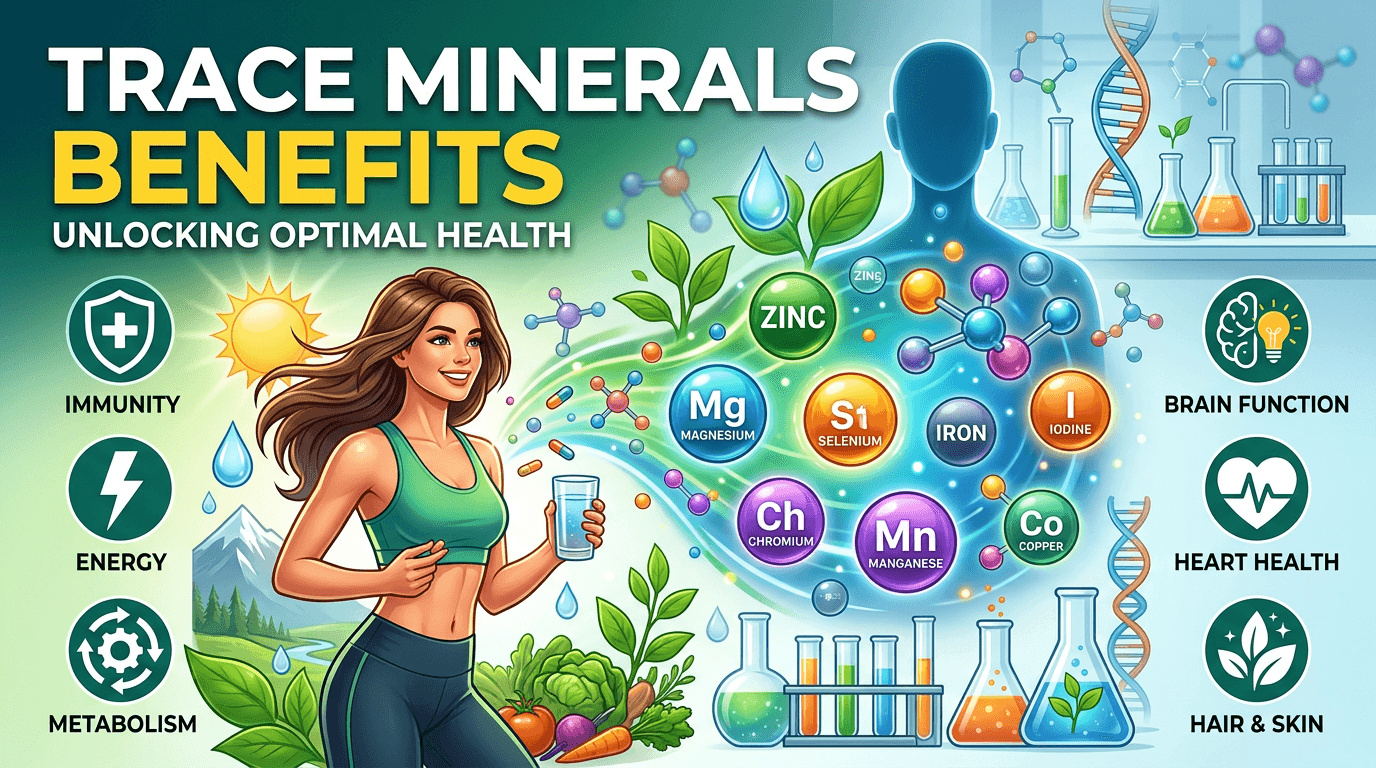
The benefits of trace minerals are foundational to your body's complex electrical and biochemical systems, supporting everything from metabolic energy to antioxidant defense. These essential nutrients, required in very small amounts, act as catalysts for countless physiological processes. When these minerals are in an ionic state—meaning they carry an electrical charge—they may be more readily absorbed and utilized by the body, making them available to perform their vital roles in maintaining overall health and well-being.
Understanding trace minerals can feel complex, but it's crucial for anyone interested in optimizing their nutritional intake. This article will provide a comprehensive exploration of trace minerals, beginning with the basics of what they are and why they matter. We will clarify the difference between major and trace minerals, demystify the term "ionic," and detail the specific benefits these micronutrients offer. You will also learn about the signs of insufficiency, dietary sources, and how to navigate the world of supplementation safely and effectively.
What Are Minerals and Why Do We Need Them?

Minerals are essential nutrients that the human body requires to develop and function properly. They are inorganic elements, meaning they originate from the earth, soil, and water, and cannot be produced by living organisms. We must obtain them through our diet by consuming plants that absorb them from the soil or animals that have eaten those plants. These elements are as vital to our health as vitamins, proteins, and fats, playing a part in nearly every process that keeps us alive.
The roles of minerals are incredibly diverse and widespread. They are fundamental components of bones, teeth, and tissues. They are critical for maintaining proper fluid balance, transmitting nerve impulses, and facilitating muscle contraction. Perhaps most importantly, many minerals act as "cofactors" or "helpers" for enzymes—proteins that speed up biochemical reactions. Without the correct mineral cofactor, hundreds of these essential enzymes could not function, bringing metabolism, energy production, and detoxification to a halt.
Think of minerals as the "spark plugs" of the body. While macronutrients like carbohydrates and fats provide the fuel, minerals are the catalysts that allow the body to convert that fuel into usable energy and carry out its intricate functions. From the iron in our red blood cells that carries oxygen to the calcium that fortifies our skeleton, minerals are the unsung heroes of human physiology, providing the structural and functional foundation for health.
Macrominerals vs. Trace Minerals: Understanding the Difference

While all essential minerals are important, they are classified into two main groups based on the quantity the body needs. This classification does not reflect their level of importance—a deficiency in a "trace" mineral can be just as impactful as a deficiency in a "major" one. The two categories are major minerals (macrominerals) and trace minerals (microminerals).
Major Minerals (Macrominerals)
Macrominerals are those that the body requires in relatively large amounts, typically defined as more than 100 milligrams (mg) per day. These minerals are present in the body in larger quantities and contribute significantly to its structure and fluid balance. They are the heavy lifters of the mineral world, providing the framework and electrochemical environment for life.
The seven major minerals include:
- Calcium: The most abundant mineral in the body, famous for its role in building and maintaining strong bones and teeth. It is also vital for muscle function, nerve signaling, and blood clotting.
- Phosphorus: Works closely with calcium in bone and teeth formation. It is also a key component of DNA, RNA, and ATP (the body's main energy molecule).
- Magnesium: A cofactor for over 300 enzyme systems, involved in everything from energy production and protein synthesis to blood pressure regulation and nerve function.
- Potassium: An electrolyte that is crucial for maintaining fluid balance, nerve transmission, and normal heart rhythm. It works in opposition to sodium.
- Sodium: Another key electrolyte that regulates fluid balance, blood pressure, and nerve impulses. While essential, modern diets often contain an excess.
- Chloride: Works with sodium and potassium to maintain fluid balance and is a component of stomach acid (hydrochloric acid), which is essential for digestion.
- Sulfur: A component of certain amino acids (methionine, cysteine) and vitamins (thiamin, biotin), making it important for protein structure and detoxification pathways.
Trace Minerals (Microminerals)
Trace minerals, or microminerals, are required in much smaller quantities—less than 100 milligrams per day, and in many cases, only in micrograms (mcg). The term "trace" simply refers to the amount needed, not their biological significance. These minerals are powerful catalysts and perform highly specific, critical functions. The body stores them in very small amounts, making a consistent dietary intake important.
Some of the most well-studied trace minerals include:
- Iron: Essential for forming hemoglobin, the protein in red blood cells that transports oxygen throughout the body.
- Zinc: A cofactor for over 300 enzymes, crucial for immune function, wound healing, DNA synthesis, and sense of taste and smell.
- Iodine: A primary component of thyroid hormones, which regulate metabolism, growth, and development.
- Selenium: A key component of powerful antioxidant enzymes (like glutathione peroxidase) that protect cells from damage. It is also important for thyroid function and immunity.
- Copper: Involved in iron metabolism, energy production, and the formation of connective tissue, collagen, and neurotransmitters.
- Manganese: Plays a role in bone formation, metabolism of amino acids and carbohydrates, and functions as part of the antioxidant enzyme superoxide dismutase (SOD).
- Chromium: Thought to enhance the action of insulin, helping the body regulate blood sugar levels.
- Molybdenum: Acts as a cofactor for enzymes involved in metabolizing sulfur-containing amino acids and detoxifying certain compounds.
- Fluoride: Known for its role in strengthening tooth enamel and preventing cavities.
In addition to these, there are other minerals sometimes called "ultra-trace" minerals, such as boron, silicon, nickel, and vanadium, whose essential roles in human health are still being actively researched. Their importance underscores the complexity of mineral nutrition.
Understanding "Ionic" Minerals: The Key to Absorption
The term "ionic" is frequently used in the context of mineral supplements, particularly liquid ones, but what it means is fundamental to how your body uses minerals. An ion is simply an atom or molecule that has gained or lost one or more electrons, giving it a net positive or negative electrical charge. This charged state is the key to its chemical reactivity and, crucially, its ability to be absorbed and used by the body.
When you consume minerals from whole foods—like spinach, nuts, or meat—they are already present in various chemical forms, many of which are broken down into their ionic state during digestion. For a mineral to be absorbed from the small intestine into the bloodstream, it must typically be in a water-soluble, ionic form. The positive or negative charge allows the mineral to bind with specialized transport proteins in the intestinal wall, which then shuttle it across the cell membrane and into circulation.
Ionic mineral supplements are designed to provide minerals in this pre-charged, water-soluble state. The theory is that this may bypass some of the digestive steps required to break down more complex mineral compounds, potentially enhancing bioavailability—the proportion of the nutrient that is absorbed and utilized. For example, a liquid supplement containing dissolved zinc chloride provides zinc as a positively charged zinc ion (Zn2+) and chloride as a negatively charged chloride ion (Cl-), both of which are ready for absorption.
The Core Benefits of Trace Minerals for Overall Health
The collective benefits of trace minerals are extensive, touching almost every aspect of human physiology. Because they are required for so many fundamental processes, maintaining adequate levels is essential for long-term health. The small amounts needed belie their powerful impact on the body's internal machinery.
Supporting Enzyme Function and Metabolism
Perhaps the most critical role of trace minerals is acting as cofactors for enzymes. An enzyme is a protein that acts as a biological catalyst, speeding up chemical reactions that would otherwise happen too slowly to sustain life. Many enzymes require a non-protein "helper"—a cofactor—to become active. Trace minerals are among the most common and important cofactors.
- Zinc: Is a cofactor for hundreds of enzymes involved in metabolism, protein synthesis, and cell division.
- Copper: Is essential for cytochrome c oxidase, a key enzyme in the final step of cellular energy production (ATP synthesis).
- Manganese: Activates enzymes involved in the metabolism of carbohydrates, amino acids, and cholesterol.
- Molybdenum: Is a required cofactor for enzymes like sulfite oxidase, which is crucial for detoxifying sulfites from foods and metabolic processes.
Without adequate trace minerals, this enzymatic machinery slows down, which can impact energy levels, metabolic rate, and the body's ability to build and repair tissues.
Maintaining Healthy Nerve and Muscle Function
The nervous system operates on precise electrical impulses. Minerals, as charged ions, are central to this process. While macrominerals like sodium and potassium are the primary drivers of nerve impulses, trace minerals play vital supporting roles in maintaining the health and function of nerve cells and facilitating communication between them.
- Copper: Is involved in the synthesis of neurotransmitters, the chemical messengers that transmit signals between nerve cells.
- Iron: Is necessary for the production of myelin, the protective sheath that covers nerve fibers and ensures rapid signal transmission.
- Manganese: Plays a part in neurotransmitter synthesis and activity within the brain.
Supporting Antioxidant Defenses
Metabolism, immune responses, and exposure to environmental toxins all generate unstable molecules called free radicals. In excess, free radicals cause oxidative stress, which damages cells, DNA, and proteins, and is linked to aging and various chronic health issues. The body has its own powerful antioxidant defense system, and several trace minerals are at its core.
- Selenium: Is a crucial component of the enzyme glutathione peroxidase, one of the most important antioxidants in the body, which neutralizes harmful free radicals and recycles other antioxidants like vitamin C.
- Manganese: Forms the active center of manganese superoxide dismutase (Mn-SOD), an antioxidant enzyme that protects mitochondria—the cell's energy factories—from oxidative damage.
- Zinc and Copper: Are structural components of copper-zinc superoxide dismutase (Cu/Zn-SOD), another critical antioxidant enzyme that functions in the cytoplasm of cells.
By supporting these endogenous antioxidant enzymes, trace minerals help protect the body from the inside out.
Aiding Hormone Production and Regulation
Hormones are the body's chemical messengers, regulating everything from metabolism and growth to mood and reproductive health. Several trace minerals are indispensable for the synthesis and function of key hormones.
- Iodine: Is the most well-known in this regard. It is an essential component of thyroid hormones (thyroxine/T4 and triiodothyronine/T3), which control the body's metabolic rate.
- Zinc: Is involved in the production, storage, and secretion of insulin, the hormone that regulates blood sugar. It also plays a role in the function of testosterone and other sex hormones.
- Selenium: Is necessary for the conversion of the less active thyroid hormone T4 into the more active T3, making it a crucial partner to iodine in thyroid health.
Contributing to Bone and Connective Tissue Health
While calcium gets most of the attention for bone health, a scaffold of trace minerals is required for building a strong and resilient skeletal matrix. They are also vital for forming healthy connective tissues like cartilage, tendons, and skin.
- Copper: Is required for the enzyme lysyl oxidase, which cross-links collagen and elastin, providing strength and flexibility to blood vessels, skin, and bones.
- Manganese: Is a cofactor for enzymes that produce proteoglycans, molecules that form the cartilage and bone matrix.
- Boron: This ultra-trace mineral appears to influence the metabolism of calcium and magnesium and is found in high concentrations in bone and tooth enamel.
- Silicon: Is thought to play a role in the early stages of bone formation and is important for collagen synthesis, contributing to the health of skin, hair, and nails.
Common Trace Minerals and Their Specific Roles
To better appreciate the importance of these micronutrients, it helps to examine the specific functions of several key players. Each trace mineral has a unique job description, yet they often work in synergy. The following table provides a snapshot of some of the most important trace minerals, their functions, and common dietary sources.
| Trace Mineral | Primary Roles in the Body | Common Food Sources |
|---|---|---|
| Iron | Oxygen transport (part of hemoglobin); energy production; DNA synthesis; neurotransmitter production. | Red meat, poultry, fish (heme iron); lentils, beans, spinach, tofu, fortified cereals (non-heme iron). |
| Zinc | Cofactor for 300+ enzymes; immune function; wound healing; protein and DNA synthesis; taste and smell; hormone regulation. | Oysters, beef, crab, pork, chicken (dark meat), cashews, chickpeas, pumpkin seeds. |
| Iodine | Essential component of thyroid hormones (T3 and T4), which regulate metabolism, growth, and development. | Seaweed (kelp, nori), cod, yogurt, eggs, iodized salt. |
| Selenium | Component of antioxidant enzymes (glutathione peroxidase); thyroid hormone metabolism; immune support; reproductive health. | Brazil nuts (very high), tuna, sardines, shrimp, beef, turkey, eggs. |
| Copper | Iron metabolism; energy production; formation of collagen and elastin; antioxidant function; neurotransmitter synthesis. | Beef liver, oysters, shiitake mushrooms, cashews, sesame seeds, dark chocolate, potatoes. |
| Manganese | Bone formation; amino acid, cholesterol, and carbohydrate metabolism; part of antioxidant enzyme Mn-SOD. | Mussels, brown rice, pecans, pineapple, spinach, whole wheat bread. |
| Chromium | May enhance the action of insulin, aiding in glucose metabolism and blood sugar regulation. | Broccoli, grape juice, beef, turkey, whole wheat products, nutritional yeast. |
| Molybdenum | Cofactor for enzymes involved in metabolizing sulfites, aldehydes, and various other compounds. | Legumes (beans, lentils, peas), nuts, grains, leafy green vegetables. |
Signs and Symptoms of Trace Mineral Insufficiency
Because trace minerals are involved in such a vast array of bodily functions, a suboptimal intake can lead to a wide variety of vague and non-specific symptoms. It is critical to understand that these symptoms can be caused by countless other health issues, and self-diagnosing a mineral deficiency based on symptoms alone is unreliable and potentially unsafe. A true deficiency requires diagnosis by a healthcare professional, often involving specific lab tests.
However, being aware of potential signs can be the first step in starting a conversation with your doctor. An insufficiency, which is a level that is not low enough to be a clinical deficiency but still not optimal for health, can manifest in subtle ways. Some general symptoms that are sometimes associated with low levels of various trace minerals include:
- Persistent Fatigue or Low Energy: Could be linked to low iron (affecting oxygen transport), copper (affecting energy production), or poor thyroid function (related to iodine and selenium).
- Weakened Immune System: Frequent colds or infections may suggest suboptimal levels of zinc or selenium, both of which are crucial for immune cell function.
- Changes in Hair, Skin, or Nails: Brittle nails, hair loss, or slow wound healing can sometimes be related to low zinc, selenium, or copper.
- Cognitive Issues: "Brain fog," poor concentration, or memory issues have been linked to insufficiencies in iron, iodine, and zinc.
- Muscle Cramps or Weakness: While often linked to macrominerals like magnesium and potassium, imbalances in trace minerals can also contribute to neuromuscular irritability.
- Changes in Taste or Smell: A reduced sense of taste or smell is a classic sign associated with zinc deficiency.
Why Might Trace Mineral Intake Be Low?
In a world of apparent food abundance, it may seem counterintuitive that obtaining adequate trace minerals could be a challenge. However, several factors related to modern agriculture, food processing, and lifestyle choices can contribute to a lower-than-optimal intake or increased need for these vital nutrients.
Depleted Soils and Modern Agriculture
Plants are the primary source of minerals for humans and animals, but they can only provide what is available in the soil they grow in. Decades of intensive farming practices, focused on yield rather than nutrient density, have led to a measurable decline in the mineral content of soils in many parts of the world. When crops are repeatedly grown on the same land without adequate replenishment of the full spectrum of minerals, the resulting produce—fruits, vegetables, and grains—can be less nutrient-rich than it was generations ago. While major minerals like nitrogen, phosphorus, and potassium (NPK) are often replaced by fertilizers, the dozens of essential trace minerals are frequently overlooked.
Food Processing and Refining
A significant portion of the modern diet consists of processed and refined foods. The refining process often strips minerals away. For example, when whole wheat is milled into white flour to make white bread or pasta, the bran and germ—the most nutrient-dense parts of the grain—are removed. This process removes a large percentage of the grain's original zinc, copper, manganese, and iron. Similarly, refining sugar beets or cane into white sugar removes virtually all of their mineral content. A diet high in such foods can be rich in calories but poor in micronutrients.
Restrictive Diets and Food Choices
While a well-planned vegetarian or vegan diet can be perfectly healthy, it requires careful attention to certain trace minerals. Plant-based sources of minerals like iron and zinc (non-heme iron) are generally less bioavailable than their animal-based counterparts (heme iron) due to the presence of compounds like phytates and oxalates, which can inhibit absorption. Individuals on such diets need to be diligent about consuming a wide variety of mineral-rich plant foods and may need to employ strategies like soaking, sprouting, or fermenting to enhance mineral bioavailability.
Increased Physiological Needs
Certain life stages and conditions increase the body's demand for trace minerals, making it harder to meet needs through diet alone. These include:
- Pregnancy and Lactation: The growing fetus and infant have high demands for minerals like iron, zinc, and iodine, drawing from the mother's stores.
- Athletes: Intense physical activity increases mineral loss through sweat and urine and raises the metabolic demand for minerals involved in energy production and tissue repair.
- Periods of Rapid Growth: Children and adolescents have elevated needs to support the development of new tissues, including bone and muscle.
Digestive Health and Absorption Issues
Even if you consume a mineral-rich diet, your body has to be able to absorb those nutrients. Various factors can impair mineral absorption in the gut. Low stomach acid (hypochlorhydria), which becomes more common with age and with the use of acid-blocking medications, can reduce the breakdown and absorption of minerals. Chronic digestive conditions like Crohn's disease, celiac disease, or ulcerative colitis can cause inflammation and damage to the intestinal lining, severely compromising nutrient absorption.
Choosing and Using Ionic Trace Mineral Supplements
If you and your healthcare provider have determined that a trace mineral supplement is appropriate for you, navigating the options can be confusing. Ionic trace minerals are a popular choice, often available as liquid concentrates. Understanding the different forms and how to use them can help you make an informed decision.
Types of Ionic Mineral Supplements
Ionic trace mineral supplements are most commonly found in liquid form, but they also come in capsules and powders. Each has its advantages:
- Liquid Concentrates: These are the most common form, often sourced from concentrated seawater or inland sea deposits like the Great Salt Lake. The primary advantage is flexible and customizable dosing. You can start with a single drop and gradually increase as needed, which is ideal for assessing tolerance. The main drawback is their taste, which is typically very strong, salty, and metallic.
- Capsules and Tablets: These offer convenience and bypass the taste issue entirely. The dosage is fixed, which is less flexible but simpler to manage. They may contain minerals in ionic forms (like zinc sulfate) or other forms like chelates, combined into a single pill.
- Powders: Similar to liquids, powders can offer more dosing flexibility than capsules. They are meant to be mixed into water, smoothies, or other beverages, which can help mask the taste to some degree.
How to Read a Supplement Label
When selecting a supplement, it's crucial to be a savvy consumer. Look for the following information on the label:
- Supplement Facts Panel: This will list each mineral and the amount per serving. Pay attention to the "% Daily Value" (%DV), but remember this is based on a general 2,000-calorie diet and may not reflect your individual needs.
- Elemental Amount: The amount listed should be the "elemental" weight of the mineral, which is the actual amount of the pure mineral you are getting, not the total weight of the compound (e.g., 50mg of Zinc Sulfate provides about 11mg of elemental zinc).
- Source of Minerals: The label might state the origin, such as "from concentrated inland seawater."
- Other Ingredients: Check for fillers, binders, or allergens. Liquid supplements should have a simple ingredient list, often just the mineral concentrate and purified water.
- Third-Party Certifications: Look for seals from independent organizations like NSF International, USP (U.S. Pharmacopeia), or ConsumerLab.com. These certifications do not guarantee effectiveness but verify that the product contains what the label claims, is free from harmful contaminants, and has been manufactured according to good manufacturing practices (GMPs).
Starting with a Low Dose
With any new supplement, especially potent liquid mineral concentrates, the "low and slow" approach is wisest. The strong taste and high concentration can cause digestive upset if you take too much too soon. Start with a much smaller dose than recommended on the bottle—perhaps just 1-2 drops—and see how your body responds. You can gradually increase the dose over several days or weeks as tolerated.
Timing and Administration
For liquid trace mineral drops, proper administration is key to a positive experience. Due to their intense taste, it is not recommended to take them directly in your mouth. The best method is to dilute the drops thoroughly in a large glass of water, juice, or a smoothie. The flavor of the beverage will help mask the mineral taste. Some people find that citrus juices or other strong-flavored drinks work best.
Taking mineral supplements with food can often help prevent potential stomach upset, particularly for minerals like iron and zinc. The food acts as a buffer and can improve tolerance. However, be aware of food-mineral interactions—for example, the calcium in dairy can inhibit iron absorption. Always follow the specific instructions on the product label or from your healthcare provider.
Safety, Side Effects, and Potential Interactions
While trace minerals are essential, it is critically important to approach supplementation with caution. The gap between an effective dose and a toxic one can be narrow for certain minerals. More is definitely not better, and indiscriminate supplementation can lead to imbalances and adverse effects.
The Risk of Over-Supplementation
Trace minerals can become toxic when consumed in excessive amounts. The body has mechanisms to regulate mineral levels, but high-dose supplements can overwhelm these systems. This can lead to acute toxicity (from a single large dose) or chronic toxicity (from smaller high doses taken over time). For this reason, broad-spectrum, low-dose trace mineral formulas are often considered a more cautious approach than taking high doses of single minerals, unless a specific deficiency has been diagnosed by a doctor.
Tolerable Upper Intake Levels (ULs)
The Food and Nutrition Board of the Institute of Medicine has established Tolerable Upper Intake Levels (ULs) for many nutrients. The UL is the maximum daily intake unlikely to cause adverse health effects in the general population. It is not a recommended level of intake but a ceiling to avoid. It is crucial to be aware of the ULs for any mineral you supplement with and to account for intake from both food and all supplements combined.
| Trace Mineral | Tolerable Upper Intake Level (UL) for Adults | Notes on Toxicity |
|---|---|---|
| Iron | 45 mg/day | Can cause significant GI distress and is a leading cause of poisoning in children. Excess can lead to organ damage. |
| Zinc | 40 mg/day | High long-term intake can induce a copper deficiency and may cause nausea and immune suppression. |
| Iodine | 1,100 mcg/day | Excess can disrupt thyroid function, causing either hypothyroidism or hyperthyroidism in susceptible individuals. |
| Selenium | 400 mcg/day | Chronic excess (selenosis) can cause hair loss, brittle nails, garlic breath, fatigue, and nerve damage. |
| Copper | 10,000 mcg (10 mg)/day | Excess can lead to liver damage, nausea, and vomiting. Interferes with zinc and molybdenum. |
Common Side Effects
The most common side effects of trace mineral supplements, especially when taken on an empty stomach or in high doses, are gastrointestinal. These can include:
- Nausea or stomach cramps
- Metallic taste in the mouth
- Diarrhea or constipation
These effects often diminish by taking the supplement with food or by reducing the dose. If side effects persist, discontinue use and consult your healthcare provider.
Mineral-Mineral Interactions
Minerals often compete for the same absorption pathways in the intestine. Taking a high dose of one mineral can interfere with the absorption and utilization of another, leading to an imbalance. The most classic example is the relationship between zinc and copper. High-dose zinc supplementation (typically over 50 mg/day for extended periods) can block copper absorption and lead to a copper deficiency, which can cause anemia and neurological problems. Similarly, high iron intake can reduce zinc absorption. This is why a balanced, multi-mineral approach is often preferred over high-dose single-mineral supplementation unless specifically warranted.
Medication Interactions
Minerals can interact with various prescription and over-the-counter medications, potentially reducing their effectiveness. Minerals can bind to certain drugs in the gut, a process called chelation, preventing both the mineral and the drug from being absorbed.
- Thyroid medications (e.g., levothyroxine)
- Certain antibiotics (tetracyclines like doxycycline, and fluoroquinolones like ciprofloxacin)
- Bisphosphonates (used for osteoporosis, e.g., alendronate)
Frequently Asked Questions
Are ionic trace minerals better than chelated minerals?
Neither form is universally "better"; they represent different strategies to enhance absorption. Ionic minerals are in a charged, water-soluble state that the body's transport systems can readily recognize. Chelated minerals are bound to amino acids, which can help shuttle the mineral through different absorption pathways in the gut, also improving bioavailability. The best form can depend on the specific mineral, the dose, and an individual's digestive health. Both are considered superior to simple inorganic forms like oxides or carbonates for many minerals.
Can I get all the trace minerals I need from food?
In an ideal world, a varied, nutrient-dense, whole-foods diet should provide all the trace minerals you need. However, factors like modern soil depletion, food processing, and individual health conditions can make this challenging. A focus on diverse food sources—including colorful vegetables, fruits, nuts, seeds, legumes, and high-quality animal products—is the best foundation. Supplements should be considered a support system, not a substitute for a healthy diet.
Do trace mineral drops taste bad?
Yes, liquid trace mineral concentrates typically have a very strong, salty, and metallic taste that most people find unpleasant. This is a normal characteristic of the highly concentrated minerals. It is essential to dilute them well in a full glass of water, juice, or a smoothie to make them palatable. Do not take them straight.
How long does it take to see benefits from trace minerals?
This varies greatly among individuals and depends on their baseline mineral status. Supplementing with trace minerals is not a quick fix for energy or health. It is about restoring foundational nutritional levels. Some people may notice subtle improvements in energy, mood, or other symptoms over several weeks or months, while others may not feel a difference at all, even though their cellular machinery is being better supported. The goal is long-term nutritional adequacy.
Are trace mineral supplements safe for children?
Supplementing with trace minerals for children requires strict medical supervision from a pediatrician or qualified healthcare professional. Children have different nutritional needs, lower body weights, and lower Tolerable Upper Intake Levels (ULs), making the risk of toxicity much higher. Never give adult supplements or dosages to children without professional guidance.
Can I take trace minerals if I'm pregnant?
The need for certain trace minerals, like iron and iodine, increases significantly during pregnancy. However, supplementation must be carefully managed, as both deficiency and excess can pose risks to the mother and developing fetus. All supplement use during pregnancy should be discussed with and guided by your OB-GYN or another qualified healthcare provider who can recommend appropriate prenatal vitamins and any additional, specific nutrients needed.
Do I need to take a separate supplement for each trace mineral?
Generally, no. For most people seeking general nutritional support, a balanced, broad-spectrum multi-mineral or trace mineral complex is a more prudent choice. This helps avoid the risk of creating imbalances caused by high-dose single-mineral supplementation. Single-mineral supplements are typically used under professional guidance to correct a diagnosed deficiency.
What's the difference between colloidal and ionic minerals?
The main difference is particle size and solubility. Ionic minerals consist of individual atoms or small molecules dissolved in a solution (like salt in water), carrying an electrical charge. Colloidal minerals consist of larger, non-dissolved particles that are suspended in a liquid. The human body primarily absorbs and transports minerals in their smaller, water-soluble, ionic state, so many believe ionic forms are more bioavailable.
Conclusion: A Balanced Approach to Mineral Nutrition
Trace minerals are undeniably essential for human health, acting as the microscopic cogs and catalysts that drive thousands of critical biological functions. From producing energy and building bones to defending against oxidative stress and regulating hormones, their impact is profound despite the small quantities required. Understanding that the ionic form is the body's preferred state for absorption helps clarify why many supplements are formulated this way, aiming to provide these nutrients in a ready-to-use format.
While modern life presents challenges to achieving optimal mineral status—through depleted soils, processed foods, and increased physiological stress—the foundation of good health remains a nutrient-dense, varied diet. Prioritizing whole foods like vegetables, fruits, nuts, seeds, and quality proteins is the most effective and safest way to obtain a balanced spectrum of trace minerals. Supplementation, particularly with ionic trace minerals, can be a useful tool to fill potential gaps, but it should be approached as a complement to, not a replacement for, a healthy diet.
Ultimately, the path to leveraging the benefits of trace minerals is one of balance, caution, and personalization. Recognize their importance, but also respect their potency. Before starting or changing any supplement regimen, especially if you have existing health conditions or take medications, the most responsible step is to consult with a licensed healthcare professional. They can help you assess your individual needs and guide you toward a safe and effective strategy for supporting your long-term health and well-being.