
vitamine -
How to Build a Powerful Immune System
Building a powerful immune system involves consistently providing your body with the essential nutrients required for its complex defense mechanisms to function properly. While the term "immune boost" is popular, a more accurate goal is to support and maintain a balanced immune r
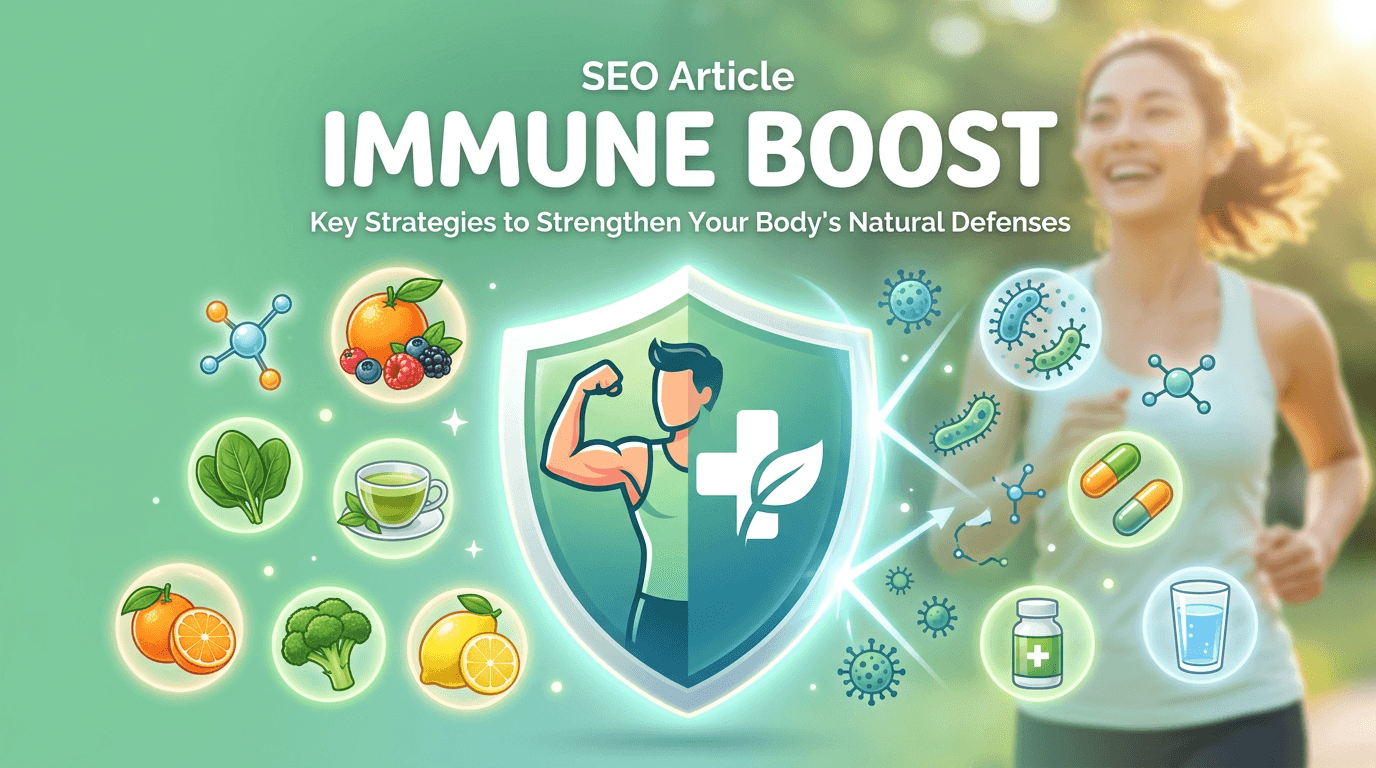
Building a powerful immune system involves consistently providing your body with the essential nutrients required for its complex defense mechanisms to function properly. While the term "immune boost" is popular, a more accurate goal is to support and maintain a balanced immune response through key vitamins and minerals like Vitamin C, Vitamin D, and Zinc, alongside a well-rounded diet and healthy lifestyle habits. Over-stimulating the immune system is not always desirable, so the focus should be on providing what it needs to work effectively and efficiently.
Your immune system is an intricate network of cells, tissues, and organs that work in concert to defend your body against pathogens like viruses, bacteria, and other harmful invaders. A well-functioning immune system is not one that is constantly "boosted" into high alert, but rather one that is balanced, responsive, and resilient. This article will provide a detailed, evidence-based guide on the key nutrients that underpin immune health, how to obtain them through diet and supplementation, and how to approach immune support safely and effectively.
Understanding the Immune System: Beyond the "Boost"
Before diving into specific nutrients, it's crucial to understand what the immune system is and why the concept of "boosting" it can be misleading. The immune system has two main parts: the innate system (the rapid, non-specific first line of defense) and the adaptive system (a slower, highly specific response that creates memory). A healthy immune response requires a delicate balance between these systems. An underactive system increases susceptibility to infections, while an overactive system can lead to allergies, inflammation, and autoimmune conditions. Therefore, the goal is not to arbitrarily "boost" its activity but to ensure it has all the resources it needs to function in a balanced and appropriate manner. This is more accurately described as immune support or nourishment.
Nutrients are the building blocks and fuel for this system. Immune cells have a very high metabolic rate and turnover, meaning they require a constant and adequate supply of vitamins and minerals to be produced, mature, and function correctly. A deficiency in even one micronutrient can impair the immune response. This article focuses on providing the body with these essential components to support its natural, built-in defenses, ensuring the system is prepared and robust without being overstimulated.
Vitamin C: The Classic Immune-Supporting Antioxidant
Vitamin C, or ascorbic acid, is perhaps the most well-known nutrient associated with immune function. It is a powerful antioxidant that supports various cellular functions of both the innate and adaptive immune systems. Your body cannot produce Vitamin C on its own, so it must be obtained daily through diet or supplements.
Vitamin C contributes to immune defense by supporting epithelial barrier function against pathogens and promoting the oxidant-scavenging activity of the skin, thereby potentially protecting against environmental oxidative stress. It accumulates in phagocytic cells, such as neutrophils, and can enhance chemotaxis, phagocytosis, and the generation of reactive oxygen species, all of which are involved in killing microbes. It is also needed for apoptosis (programmed cell death) and clearance of the spent neutrophils from sites of infection, thereby decreasing tissue damage. A deficiency in Vitamin C results in impaired immunity and higher susceptibility to infections.
Food Sources of Vitamin C
While citrus fruits are famous for their Vitamin C content, many other fruits and vegetables are even richer sources. Incorporating a variety of these foods into your diet is the best way to ensure adequate intake.
| Food Source | Serving Size | Approximate Vitamin C (mg) |
|---|---|---|
| Red Bell Pepper, raw | 1 cup, chopped | 190 mg |
| Orange | 1 medium | 70 mg |
| Strawberries, sliced | 1 cup | 98 mg |
| Broccoli, chopped | 1 cup | 81 mg |
| Kiwifruit | 1 medium | 64 mg |
| Kale, cooked | 1 cup | 53 mg |
Vitamin C is sensitive to heat and light, so consuming some sources raw or lightly cooked can help preserve its content. For example, steaming or stir-frying vegetables is better than boiling them for long periods.
Supplementing with Vitamin C
For most healthy adults, the Recommended Dietary Allowance (RDA) is 90 mg for men and 75 mg for women. Smokers require an additional 35 mg per day due to increased oxidative stress. During times of illness, the body's requirement for Vitamin C can increase. Supplementation may be considered by individuals who have difficulty meeting their needs through diet alone or have certain health conditions.
- Forms: The most common form in supplements is ascorbic acid, which has good bioavailability. Other forms include sodium ascorbate, calcium ascorbate (Ester-C®), and liposomal Vitamin C. Buffered forms like calcium ascorbate may be gentler on the stomach for individuals sensitive to the acidity of ascorbic acid.
- Dosage: While very high doses (mega-doses) are popular, the body's ability to absorb Vitamin C decreases as the dose increases. For example, absorption is around 70-90% at doses of 30-180 mg/day, but drops to about 50% at a single dose of 1,000 mg (1 gram). Splitting higher doses throughout the day (e.g., 250-500 mg twice a day) may improve absorption over a single large dose.
- Safety: The Tolerable Upper Intake Level (UL) for adults is 2,000 mg (2 grams) per day from all sources. Exceeding this amount can lead to gastrointestinal distress, such as diarrhea, nausea, and abdominal cramps. High doses can also increase the risk of kidney stones in susceptible individuals.
Vitamin D: The Sunshine Vitamin's Role in Immune Regulation
Vitamin D, a fat-soluble vitamin, has moved from being known primarily for bone health to being recognized as a critical modulator of the immune system. Many immune cells, including T-cells, B-cells, and antigen-presenting cells, have Vitamin D receptors (VDR). When Vitamin D binds to these receptors, it can trigger a host of effects that help regulate immune responses.
Vitamin D helps enhance the pathogen-fighting effects of monocytes and macrophages — our innate immune system's first line of defense. It also plays a role in tempering the adaptive immune response, which is important for preventing excessive inflammation and the development of autoimmunity. Low Vitamin D levels are associated with an increased susceptibility to infection, particularly respiratory tract infections, and have been linked to a higher risk of autoimmune diseases.
Sources of Vitamin D: Sunlight, Food, and Supplements
Unlike most other vitamins, the body can synthesize Vitamin D when the skin is exposed to UVB radiation from sunlight. However, many factors can limit this production, making deficiency common.
- Sunlight: Factors like geographic location (latitude), season, time of day, cloud cover, skin pigmentation, and sunscreen use all dramatically affect Vitamin D synthesis. In many parts of the U.S., adequate Vitamin D cannot be produced from sun exposure during the winter months.
- Food Sources: Very few foods naturally contain significant amounts of Vitamin D. The best sources are fatty fish like salmon, mackerel, and sardines. Some foods, such as milk, orange juice, and cereals, are fortified with Vitamin D in the U.S.
- Supplements: For many people, supplementation is the most reliable way to maintain adequate Vitamin D levels, especially for those with limited sun exposure or who live in northern latitudes.
Supplementing with Vitamin D
Because deficiency is widespread, many healthcare professionals recommend testing Vitamin D levels (via a 25-hydroxyvitamin D blood test) to determine if supplementation is needed and to guide dosing.
- Forms: There are two main forms: Vitamin D2 (ergocalciferol), derived from plants, and Vitamin D3 (cholecalciferol), derived from animal sources and synthesized by the skin. Most evidence suggests that Vitamin D3 is more effective at raising and maintaining blood levels of Vitamin D.
- Dosage: The RDA for adults is 600 IU (15 mcg) per day, and 800 IU (20 mcg) for adults over 70. However, many experts suggest that higher daily intakes, often in the range of 1,000-4,000 IU, may be needed to achieve and maintain optimal blood levels (typically defined as 30-50 ng/mL). Dosing should be guided by blood test results and a healthcare professional's recommendation.
- Safety: Vitamin D is fat-soluble, meaning excess amounts are stored in the body and can build up to toxic levels. The Tolerable Upper Intake Level (UL) for adults is 4,000 IU (100 mcg) per day. Taking excessively high doses for prolonged periods without medical supervision can lead to hypercalcemia (dangerously high blood calcium levels), which can damage the heart, blood vessels, and kidneys.
Zinc: A Critical Mineral for Immune Cell Development
Zinc is an essential trace mineral that is fundamentally important for the development and function of immune cells. A lack of zinc can severely hamper both innate and adaptive immunity, as it is a critical cofactor for hundreds of enzymes, including those involved in immune cell proliferation and communication.
Even a mild to moderate zinc deficiency can impair macrophage and neutrophil function, natural killer cell activity, and the number of T-cells and B-cells. Zinc is essential for maintaining the integrity of skin and mucosal membranes, which act as the body’s first barrier against pathogens. The elderly, vegetarians, people with gastrointestinal diseases, and those with alcohol use disorder are at higher risk of zinc deficiency.
Food Sources of Zinc
Animal products are the most bioavailable sources of zinc. While plant-based foods contain zinc, they also contain compounds called phytates, which can inhibit the mineral's absorption.
| Food Source | Serving Size | Approximate Zinc (mg) |
|---|---|---|
| Oysters, cooked | 3 ounces | 74 mg |
| Beef Chuck Roast, cooked | 3 ounces | 7 mg |
| Pumpkin Seeds, shelled | 1 ounce | 2.2 mg |
| Lentils, cooked | 1 cup | 2.5 mg |
| Yogurt, plain, low fat | 1 cup | 2.2 mg |
| Chickpeas, cooked | 1 cup | 2.5 mg |
Supplementing with Zinc
Zinc supplements are available in several forms and are often included in multivitamins and immune-support formulas. They are also sold as standalone supplements and in lozenges intended for short-term use during illness.
- Forms: Common forms include zinc gluconate, zinc picolinate, zinc citrate, and zinc sulfate. Zinc picolinate and citrate are often cited as being more bioavailable than gluconate or sulfate, though all can effectively raise zinc levels.
- Dosage for Maintenance: The RDA for adults is 11 mg for men and 8 mg for women. Most multivitamin supplements contain a dose in this range. Long-term supplementation should generally not exceed the upper limit without medical advice.
- Short-Term Use (Lozenges): Some studies suggest that taking zinc lozenges (providing around 13-25 mg of elemental zinc per lozenge) every 2-3 hours at the first sign of a cold may shorten its duration. This is a specific, short-term protocol and should not be confused with daily maintenance supplementation.
- Safety and Interactions: The Tolerable Upper Intake Level (UL) for adults is 40 mg of elemental zinc per day from all sources (food and supplements). Taking high doses of zinc long-term can interfere with copper absorption, leading to a copper deficiency and associated problems like anemia and neurological issues. For this reason, some long-term zinc supplements also contain a small amount of copper. Zinc supplements can also interact with certain antibiotics and diuretics, so consultation with a pharmacist or doctor is important.
Selenium: The Unsung Hero of Immune Health
Selenium is a trace element that is essential for human health and plays a critical role in immune function, thyroid hormone metabolism, and protecting the body from oxidative damage. It is a key component of selenoproteins, which have powerful antioxidant and anti-inflammatory properties that are vital for a balanced immune response.
Adequate selenium is necessary for the optimal functioning of neutrophils, macrophages, NK cells, and T-lymphocytes. Selenium deficiency can lead to a slower immune response and may increase the virulence of certain viruses. Conversely, adequate selenium status appears to support a stronger immune defense. The selenium content of plant-based foods depends heavily on the selenium content of the soil in which they were grown, which can vary significantly by region.
Best Food Sources and Supplementation
Brazil nuts are famously rich in selenium, but other foods also provide this important mineral.
- Food Sources: Brazil nuts, seafood (tuna, halibut, sardines), organ meats, and muscle meats are excellent sources. Grains and dairy products can also contribute to intake.
- Supplementation: The RDA for adults is 55 mcg per day. Most people in the U.S. get enough selenium from their diet. Supplementation is typically not necessary unless a deficiency is diagnosed or dietary intake is known to be low. Common forms in supplements are selenomethionine and selenite. Selenomethionine is generally considered more bioavailable.
- Safety: Selenium can be toxic in high amounts. The Tolerable Upper Intake Level (UL) for adults is 400 mcg per day. Chronic high intake can lead to a condition called selenosis, with symptoms like hair and nail loss, garlic breath odor, fatigue, and neurological damage. Just one or two Brazil nuts can provide more than the daily RDA, so it is easy to overconsume if eating them in large quantities.
B Vitamins: The Energy-Makers for Immune Cells
The B-complex vitamins are a group of eight water-soluble vitamins that play essential roles in cellular metabolism. Several of them—particularly B6, B9 (folate), and B12—are crucial for the immune system because of their role in the production, proliferation, and function of immune cells.
These vitamins are indispensable for the synthesis of DNA and new cells, and immune cells have one of the highest turnover rates in the body. A deficiency in B vitamins can lead to a decrease in the production of antibodies and a reduction in the number and activity of various T-cells and B-cells, weakening the overall immune defense.
- Vitamin B6 (Pyridoxine): Crucial for supporting biochemical reactions in the immune system. It helps produce T-cells and interleukins, which are signaling molecules that direct immune responses. Good sources include chickpeas, beef liver, tuna, salmon, and fortified cereals.
- Vitamin B9 (Folate/Folic Acid): Essential for the production and maintenance of new cells, including immune cells. A folate deficiency can lead to a compromised immune response. Rich sources include dark leafy greens (spinach, kale), beans, peanuts, and fortified grains. Folic acid is the synthetic form used in supplements and fortified foods.
- Vitamin B12 (Cobalamin): Plays a vital role in the function of the central nervous system and the formation of red blood cells and DNA. It also influences the number of lymphocytes. Vitamin B12 is found almost exclusively in animal products, so vegans and some vegetarians are at high risk of deficiency and often require supplementation. Fortified foods and supplements are reliable sources for these groups.
The Supporting Cast: Vitamin A, Vitamin E, Iron, and Copper
While Vitamin C, D, and Zinc often take the spotlight, a well-rounded immune response depends on a full symphony of nutrients. Deficiencies in any of the following can also impair immune function.
Vitamin A
Known as the "anti-infective" vitamin, Vitamin A plays a vital role in maintaining the integrity of mucosal surfaces in the respiratory tract, gut, and urinary tract, which are the body's first line of defense. It is also important for the function of T-cells, B-cells, and NK cells. Vitamin A can be found as preformed vitamin A (retinol) in animal products like liver and dairy, and as provitamin A carotenoids (like beta-carotene) in colorful fruits and vegetables like carrots, sweet potatoes, and spinach.
Vitamin E
Vitamin E is a fat-soluble antioxidant that primarily protects cell membranes from oxidative damage. This is particularly important for immune cells, which are exposed to high levels of free radicals during an active immune response. It appears to be especially important for enhancing T-cell function, which can decline with age. Good sources include nuts (almonds, hazelnuts), seeds (sunflower seeds), and vegetable oils.
Iron
Iron is critical for the proliferation and maturation of immune cells, particularly lymphocytes. However, iron balance is extremely delicate. Iron deficiency is a common cause of impaired immunity, but iron overload can be equally damaging, as many pathogenic bacteria use iron to multiply. For this reason, iron supplementation should only be undertaken after a diagnosed deficiency and under medical supervision. Good sources include red meat (heme iron, highly absorbable) and beans, lentils, and spinach (non-heme iron, less absorbable).
Copper
Copper is essential for the function of key immune cells like neutrophils, macrophages, and lymphocytes. As mentioned earlier, copper status is closely linked to zinc. High supplemental zinc intake can cause a copper deficiency. A balanced diet containing nuts, seeds, whole grains, and shellfish usually provides adequate copper.
Herbal Supplements and the Immune System: A Cautious Approach
Many people turn to herbal supplements like Echinacea, Elderberry, and Astragalus for an "immune boost." While some of these have a long history of traditional use and some promising preliminary research, the evidence is often mixed, inconsistent, or limited. It is crucial to approach these supplements with caution and awareness.
Unlike vitamins and minerals, which are essential for function, herbs are bioactive compounds that can have drug-like effects. Quality, purity, and concentration can vary dramatically between brands and even between batches of the same product. This makes it difficult to rely on them for a consistent effect.
- Echinacea: Some studies suggest that certain preparations of Echinacea may slightly reduce the risk of catching a common cold and may shorten its duration if taken at the first sign of symptoms. However, other studies have found no benefit. It is generally not recommended for people with autoimmune diseases.
- Elderberry (Sambucus nigra): Elderberry syrup has gained popularity for its potential antiviral properties. Some small studies suggest it may reduce the duration and severity of flu symptoms. However, more robust research is needed. Uncooked or unripe elderberries, as well as the leaves and stems, are toxic.
- Astragalus: A staple in traditional Chinese medicine, astragalus is believed to enhance immune function. Lab and animal studies suggest it may stimulate certain immune cells, but high-quality human trials are lacking.
Gut Health: The Foundation of Your Immune System
An often-overlooked component of immunity is the gut. A staggering 70-80% of your immune cells reside in your gut, in a system known as Gut-Associated Lymphoid Tissue (GALT). The trillions of bacteria and other microbes that live in your digestive tract—collectively known as the gut microbiome—are in constant communication with these immune cells, helping to train and regulate the immune system.
A diverse and balanced gut microbiome helps the immune system distinguish between friend (food, beneficial bacteria) and foe (pathogens). An imbalance in the gut microbiome, known as dysbiosis, is linked to increased inflammation and a higher risk of both infections and autoimmune conditions. Supporting gut health is therefore a foundational strategy for supporting immune health.
Probiotics and Prebiotics for Immune Support
You can support a healthy gut microbiome through diet and, in some cases, supplements.
- Probiotics: These are live beneficial bacteria found in fermented foods or supplements. Consuming them can help reinforce the population of good bacteria in your gut.
- Food sources: Yogurt with live active cultures, kefir, kimchi, sauerkraut, miso, and kombucha.
- Supplements: Probiotic supplements contain specific strains of bacteria, such as Lactobacillus and Bifidobacterium. Different strains have different effects, and research is ongoing to determine the best strains for immune support.
- Prebiotics: These are types of dietary fiber that your body can't digest but that serve as food for your beneficial gut bacteria. Consuming prebiotics helps the good microbes flourish.
- Food sources: Onions, garlic, leeks, asparagus, bananas (especially slightly green ones), and whole grains like oats and barley.
Focusing on a high-fiber diet rich in a wide variety of plant foods is the most effective long-term strategy for cultivating a diverse and resilient gut microbiome. While probiotic supplements may be helpful in specific situations, they are not a substitute for a healthy diet.
Common Mistakes When Trying to "Boost" Immunity
In the quest for a stronger immune system, it's easy to fall for myths or make counterproductive mistakes. Being aware of these common pitfalls can help you focus on strategies that are truly effective and safe.
- Relying on Mega-Doses: Taking extremely high doses of a single vitamin is not necessarily better. As seen with Vitamin C, absorption drops at high doses, and with fat-soluble vitamins like D and A, or minerals like Selenium, mega-doses can be toxic. Balance is key.
- Assuming Supplements Can Replace a Healthy Diet: No supplement can replicate the complex synergy of vitamins, minerals, fiber, and phytonutrients found in whole foods. A colorful, varied diet is the foundation of immune health. Supplements should be used to fill specific, identified gaps, not as a crutch for a poor diet.
- Ignoring Foundational Health Habits: No amount of Vitamin C can make up for chronic sleep deprivation. Sleep, stress management, and regular moderate exercise are profoundly impactful on immune function. During sleep, for example, the body produces and releases cytokines, a type of protein that targets infection and inflammation.
- Self-Diagnosing Deficiencies: Feeling tired or getting sick often can be due to numerous factors, not just a nutrient deficiency. Assuming you are deficient in a specific nutrient and supplementing with high doses without testing can be ineffective and potentially harmful.
- Forgetting About Nutrient Interactions: As discussed with zinc and copper, nutrients don't work in a vacuum. Taking a high dose of one can impact the absorption or function of another. This is another reason why a food-first approach is often superior.
When to Consult a Healthcare Professional
While nutritional support is a powerful tool, it is not a substitute for professional medical care. It is essential to know when to seek advice from a doctor, registered dietitian, or other licensed healthcare provider.
You should always consult a professional in the following situations:
- If you have frequent or severe infections: This could be a sign of an underlying medical condition or immunodeficiency that requires diagnosis and treatment.
- Before starting any new supplement regimen: A provider can assess your diet, health status, and medications to determine if a supplement is necessary, safe, and appropriate for you.
- If you are taking prescription medications: Many supplements, including vitamins, minerals, and especially herbs, can interact with medications, affecting their efficacy or increasing the risk of side effects.
- If you are pregnant, breastfeeding, or have a chronic health condition: These situations can change your nutrient needs and affect which supplements are safe to take. Medical supervision is crucial.
- If you suspect a nutrient deficiency: A doctor can order the appropriate blood tests to confirm a deficiency and recommend a targeted and safe repletion protocol.
Frequently Asked Questions About Supporting the Immune System
Can I "boost" my immune system quickly before a trip?
You cannot fundamentally change your immune system overnight. Building a resilient immune system is a long-term process based on consistent nutrient intake and healthy habits. While ensuring you are not deficient in key nutrients like Vitamin C, D, and Zinc is wise, a last-minute "boost" is not a scientifically supported concept. Focus on good hygiene, sleep, and hydration before and during travel.
Is it better to get nutrients from food or supplements?
A food-first approach is almost always superior. Whole foods provide a complex matrix of vitamins, minerals, fiber, and phytochemicals that work together synergistically. Supplements are best used to fill specific, identified gaps in your diet or to correct a diagnosed deficiency under the guidance of a healthcare professional.
Do I need to take a multivitamin for immune health?
A basic multivitamin can act as a nutritional safety net, helping to fill small gaps in a generally healthy diet. However, it is not a magic bullet for immune health and cannot compensate for a poor diet or unhealthy lifestyle. For most people with a balanced diet, it may not be necessary, while for others with dietary restrictions or increased needs, it can be a useful tool.
Will taking Vitamin C prevent me from getting a cold?
For the general population, studies show that routine Vitamin C supplementation does not prevent colds. However, it may slightly reduce the duration and severity of a cold if taken consistently. For individuals under extreme physical stress, such as marathon runners, some evidence suggests Vitamin C supplementation may cut the risk of getting a cold in half.
How do I know if I'm deficient in an immune-supporting nutrient?
The only way to know for sure is through laboratory testing ordered by a healthcare professional. Symptoms of deficiency, such as fatigue or frequent illness, are very general and can have many causes. Self-diagnosing based on symptoms is unreliable and can be misleading. If you are concerned, speak with your doctor about your diet, lifestyle, and the possibility of testing.
Are "immune-boosting" supplement blends better than single nutrients?
Combination formulas can be convenient, but they also have downsides. They may contain ingredients you don't need, doses that are too low to be effective or too high for your needs, or forms with poor bioavailability. Building your regimen with single-ingredient supplements based on your specific needs (as determined with a provider) often allows for more precise and effective dosing.
Can stress really weaken my immune system?
Yes, chronic psychological stress has a well-documented negative impact on the immune system. It can elevate levels of the hormone cortisol, which, over time, can suppress the function of certain immune cells, increase inflammation, and make you more susceptible to infections. Managing stress through practices like mindfulness, exercise, and adequate sleep is a critical part of supporting immune resilience.
What is the most important nutrient for immune function?
There is no single "most important" nutrient. The immune system is incredibly complex and relies on a wide array of vitamins and minerals working together. A severe deficiency in any one key nutrient—such as Vitamin D, Zinc, or Vitamin A—can significantly impair immune function. The focus should be on overall nutritional adequacy rather than prioritizing one nutrient over all others.
Conclusion: A Holistic Approach to Immune Resilience
Building a powerful immune system is not about chasing a quick "immune boost" with mega-doses or exotic supplements. Instead, it is about a consistent, long-term commitment to providing your body with the fundamental building blocks it needs to maintain a balanced, resilient, and effective defense system. The most impactful strategy is to focus on a nutrient-dense diet rich in a variety of fruits, vegetables, lean proteins, and healthy fats. This provides the essential vitamins, minerals, and antioxidants—like Vitamin C, D, Zinc, and Selenium—that fuel your immune cells.
Supplements can play a valuable role in filling specific nutritional gaps, particularly for nutrients like Vitamin D where dietary sources are scarce, or for individuals with diagnosed deficiencies or dietary restrictions. However, they should be used wisely, safely, and ideally, under the guidance of a healthcare professional. Foundational health habits, including adequate sleep, stress management, and regular physical activity, are non-negotiable partners to good nutrition in creating a truly robust immune system. By adopting this holistic and balanced approach, you can best support your body's natural ability to stay healthy and resilient.