
vitamine -
Why 80% of People are Magnesium Deficient
The widely cited claim that up to 80% of people are deficient in magnesium often refers to suboptimal intake rather than a clinical deficiency. While true clinical magnesium deficiency, or hypomagnesemia, is less common in the general population, data from U.S. national health su
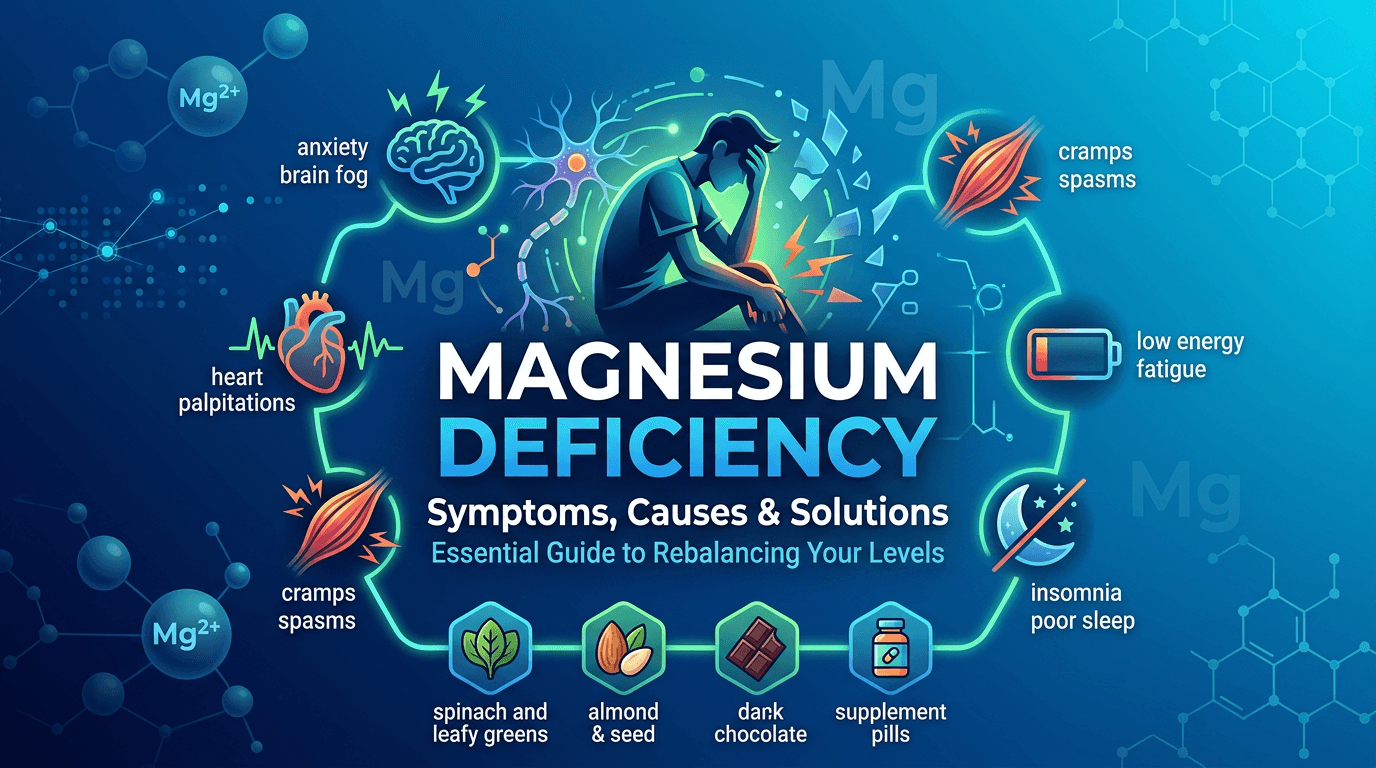
The widely cited claim that up to 80% of people are deficient in magnesium often refers to suboptimal intake rather than a clinical deficiency. While true clinical magnesium deficiency, or hypomagnesemia, is less common in the general population, data from U.S. national health surveys suggests that a significant percentage of Americans—in some reports, over half—do not consume the Recommended Dietary Allowance (RDA) for this vital mineral. This gap between recommended and actual intake is a major public health concern because chronic low magnesium consumption can increase the risk for numerous health issues over time.
Magnesium is an essential mineral that acts as a cofactor in more than 300 enzymatic systems that regulate diverse biochemical reactions in the body, including energy production, nerve function, muscle control, and blood pressure regulation. Understanding the difference between insufficient dietary intake and a true clinical deficiency is crucial. This article provides a comprehensive overview of magnesium's role in the body, the reasons behind low intake levels, the signs of inadequacy, risk factors, and how to safely optimize your magnesium status through diet and, when appropriate, supplementation under professional guidance.
The "80% Deficient" Claim: Deconstructing the Statistics

This section clarifies the popular statistic about widespread magnesium deficiency, explaining the critical distinction between not meeting the daily recommended intake and having a clinically diagnosed deficiency. Understanding this difference is key to accurately assessing the scope of the issue and your personal risk.
You may have encountered headlines or social media posts claiming that a vast majority of the population, sometimes cited as high as 80%, is deficient in magnesium. While this figure is attention-grabbing, it requires careful interpretation. The statistic often conflates two separate concepts: suboptimal dietary intake and clinical deficiency (hypomagnesemia). While they are related, they are not the same thing.
Suboptimal Intake vs. Clinical Deficiency
Suboptimal dietary intake means that a person consistently consumes less magnesium from their diet than the amount recommended by health authorities for their age and sex. In the United States, this benchmark is the Recommended Dietary Allowance (RDA), established by the Food and Nutrition Board at the National Academies of Sciences, Engineering, and Medicine. Data from the National Health and Nutrition Examination Survey (NHANES) has consistently shown that a large portion of the U.S. population fails to meet the RDA for magnesium from food alone. For example, some analyses suggest that about half of all Americans have inadequate intakes.
Clinical magnesium deficiency, or hypomagnesemia, is a medical diagnosis characterized by an abnormally low level of magnesium in the blood serum (typically below 0.75 mmol/L or 1.8 mg/dL). True hypomagnesemia is relatively uncommon in healthy individuals, with estimates often placing its prevalence at around 2% of the general population. However, it is much more common in hospitalized patients, individuals with alcohol use disorder, and those with certain medical conditions, where prevalence can be significantly higher.
What the Data Actually Shows
The "80%" figure likely originates from a combination of sources, potentially including studies on specific at-risk populations (like those with diabetes or in critical care) or an exaggeration of the data on suboptimal intake. The more evidence-based figure is that approximately 50% of Americans do not get enough magnesium from their diet. This chronic low intake does not necessarily mean they have a clinical deficiency today, but it puts them at a greater risk for developing one and may contribute to a range of long-term health problems.
The body is very effective at maintaining tight control over serum magnesium levels, often by pulling the mineral from stores in the bones. This means a blood test can appear normal even when total body magnesium is low. This is why many functional and integrative health practitioners argue that a focus solely on clinical hypomagnesemia misses the larger picture of widespread dietary insufficiency and its potential consequences.
What is Magnesium and Why Is It So Important?

Magnesium is an essential macromineral and electrolyte, playing a fundamental role in hundreds of critical bodily processes. Its importance cannot be overstated, as it is required for everything from generating energy to maintaining a steady heartbeat.
Often called the "master mineral" or the "helper molecule," magnesium participates in over 300 enzyme-driven reactions. These enzymes are catalysts for countless functions that are vital for day-to-day health and long-term wellness. Without sufficient magnesium, these fundamental processes cannot operate efficiently, leading to a cascade of potential dysfunctions throughout the body.
Key Biological Roles of Magnesium
Magnesium's functions are extensive and impact nearly every system in the body. Here are some of its most critical roles:
- Energy Production: Magnesium is essential for the creation of adenosine triphosphate (ATP), the primary energy currency of every cell. It binds to ATP to form Mg-ATP, the biologically active form of ATP, which is necessary to power all metabolic functions.
- Muscle Function: It plays a crucial role in muscle contraction and relaxation. Calcium is responsible for muscle contraction, while magnesium acts as a natural calcium blocker, helping muscle cells relax after contracting. An imbalance can lead to cramps, spasms, and twitches.
- Nervous System Regulation: Magnesium is vital for healthy nerve transmission and neuromuscular conduction. It helps regulate neurotransmitters, which send messages throughout your brain and nervous system, and it binds to GABA receptors, promoting a sense of calm and relaxation.
- Bone Health: While calcium gets most of the attention for bone health, magnesium is equally important. Approximately 60% of the body's magnesium is stored in the bones. It contributes to the structural development of bone and is required for the proper function of vitamin D, which in turn regulates calcium absorption.
- Heart and Cardiovascular Health: Magnesium is critical for maintaining a steady heartbeat and normal blood pressure. It helps transport other electrolytes, like potassium and calcium, across cell membranes, a process that is vital for normal heart rhythm. It also supports the relaxation of blood vessel walls.
- Blood Sugar Control: The mineral plays an important role in glucose metabolism and insulin sensitivity. It is a cofactor for enzymes involved in breaking down sugar, and adequate levels are associated with a reduced risk of insulin resistance.
- DNA and RNA Synthesis: Magnesium is required for the synthesis and repair of DNA and RNA, the building blocks of life, ensuring genetic stability.
Signs and Symptoms of Inadequate Magnesium
The signs of low magnesium can be subtle and non-specific, especially in the early stages, making them easy to overlook or attribute to other causes like stress or poor sleep. It is important to recognize these potential indicators while understanding that they are not definitive proof of a deficiency.
Because magnesium is used by so many systems, a lack of it can manifest in a wide variety of ways. The symptoms often depend on the severity and duration of the inadequacy. It's crucial to remember that self-diagnosing based on symptoms is unreliable. These signs should be seen as potential clues to discuss with a healthcare professional, who can order appropriate testing and provide a proper diagnosis.
Early or Mild Signs of Low Intake
When magnesium intake is consistently low but hasn't yet reached the level of a clinical deficiency, a person might experience vague, generalized symptoms. These can include:
- Fatigue and Weakness: Since magnesium is central to energy production, a lack of it can result in a feeling of being constantly tired, drained, or physically weak.
- Muscle Twitches, Tremors, and Cramps: As a key regulator of muscle relaxation, low magnesium can lead to involuntary muscle contractions, ranging from a minor eyelid twitch to painful leg cramps, particularly at night.
- Loss of Appetite: An early, non-specific sign of mineral imbalances can be a decreased desire to eat.
- Nausea and Vomiting: These gastrointestinal symptoms can also appear in the initial stages of magnesium depletion.
- Headaches or Migraines: Low magnesium levels have been linked to an increased prevalence of tension headaches and migraines in some individuals.
Symptoms of More Significant Clinical Deficiency (Hypomagnesemia)
As a deficiency becomes more severe and prolonged, the symptoms become more pronounced and serious. These signs indicate a significant medical issue that requires immediate attention from a healthcare provider.
- Numbness and Tingling (Neuropathy): A more advanced sign of magnesium deficiency can be sensations of numbness or tingling in the face, hands, and feet.
- Personality Changes: Severe deficiency can affect mental status, leading to apathy, confusion, memory problems, delirium, and in some cases, depression or anxiety.
- Abnormal Heart Rhythms (Arrhythmias): This is one of the most dangerous consequences. Severe magnesium deficiency can disrupt the heart's electrical signaling, leading to palpitations, an irregular heartbeat, or more serious arrhythmias like Torsades de Pointes.
- Seizures: In the most extreme cases, very low magnesium levels can provoke seizures or convulsions.
- Coronary Spasms: A lack of magnesium can cause the muscles in the walls of the coronary arteries to spasm, potentially leading to a heart attack.
Why Is Magnesium Intake So Low in the Modern Diet?
The widespread issue of suboptimal magnesium intake is not an accident; it's a direct result of significant changes in modern agriculture, food processing, and dietary habits over the last century. Several key factors contribute to the declining magnesium content in our food supply.
While our ancestors consumed diets rich in unprocessed, magnesium-dense foods, the typical modern Western diet has shifted dramatically. Understanding these root causes can help explain why even health-conscious individuals might struggle to meet their daily magnesium requirements without deliberate effort.
1. Soil Depletion and Modern Agriculture
A primary reason for lower magnesium levels in food starts in the ground. Research has suggested that decades of intensive farming practices have led to a depletion of essential minerals, including magnesium, in agricultural soil. The use of nitrogen-phosphorus-potassium (NPK) fertilizers focuses on maximizing crop yield rather than nutrient density. These fertilizers do not replenish magnesium in the soil, so with each harvest, the soil's mineral content can decline. As a result, the fruits and vegetables grown in this soil may contain less magnesium than they did 50 or 100 years ago.
2. Food Processing and Refining
This is arguably the single biggest contributor to low dietary magnesium intake. Magnesium is primarily found in the bran and germ of grains. The industrial process of refining whole grains to produce white flour, white bread, and white rice strips away these nutrient-rich outer layers. For example, refining whole wheat flour can remove over 80% of its magnesium content. Since refined carbohydrates form a substantial part of the modern American diet, a significant source of dietary magnesium has been eliminated for many people.
3. The Rise of Processed Foods
The modern diet is heavily reliant on processed, convenience, and fast foods. These products are typically high in calories, sugar, unhealthy fats, and sodium, but very low in micronutrients, including magnesium. The process of creating these foods often involves stripping out naturally occurring minerals and vitamins. A diet centered around packaged snacks, sugary drinks, and ready-made meals instead of whole foods like leafy greens, nuts, seeds, and legumes is inherently low in magnesium.
4. Water Treatment Practices
Historically, "hard" water (water with high mineral content) could be a significant source of dietary magnesium. However, most modern municipal water supplies are treated to "soften" the water, a process that removes minerals like calcium and magnesium to prevent pipe buildup. While this is good for plumbing, it eliminates a potential source of daily magnesium intake. Furthermore, the increasing popularity of bottled, filtered, and reverse osmosis water systems also means that many people are drinking water that is largely demineralized.
5. Lifestyle and Dietary Factors
Certain common dietary components can also negatively impact magnesium status. High consumption of sugar and caffeine can increase the excretion of magnesium through the urine. A diet high in phytic acid—an antinutrient found in the hulls of grains and legumes—can bind to magnesium in the gut and inhibit its absorption, although this is generally only a concern in diets that are already low in magnesium and high in unfermented, un-sprouted grains.
Who Is Most at Risk for Magnesium Deficiency?
While anyone with a poor diet is at risk for low magnesium intake, certain groups of people are particularly vulnerable to developing a true deficiency due to increased needs, decreased absorption, or increased losses of the mineral. Identifying these risk factors is crucial for prevention and early intervention.
Factors ranging from chronic health conditions and medication use to age and lifestyle can significantly impact a person's magnesium status. If you fall into one or more of the following categories, it is especially important to be mindful of your magnesium intake and discuss your risk with a healthcare provider.
Individuals with Gastrointestinal Diseases
Conditions that affect the digestive tract are a major cause of magnesium malabsorption. If the gut is inflamed or damaged, it cannot properly absorb nutrients from food. This includes:
- Crohn's Disease and Ulcerative Colitis: Chronic inflammation of the small or large intestine interferes with nutrient absorption.
- Celiac Disease: Damage to the small intestine lining caused by gluten consumption leads to broad nutrient malabsorption.
- Chronic Diarrhea: Frequent, prolonged diarrhea from any cause (such as irritable bowel syndrome or infections) can lead to significant losses of magnesium and other electrolytes.
People with Type 2 Diabetes and Insulin Resistance
There is a strong and well-documented link between low magnesium and type 2 diabetes. High blood glucose levels, characteristic of poorly controlled diabetes, can cause the kidneys to excrete more magnesium in the urine, leading to depletion. This creates a vicious cycle, as low magnesium itself can worsen insulin resistance, making it even harder to control blood sugar.
Older Adults
The elderly are at a heightened risk for several reasons. First, dietary intake of magnesium often decreases with age due to reduced appetite or difficulty preparing nutrient-rich meals. Second, magnesium absorption from the gut may become less efficient as people get older. Finally, older adults are more likely to have chronic diseases and take multiple medications (polypharmacy), many of which can interfere with magnesium status.
Individuals with Alcohol Use Disorder
Chronic excessive alcohol consumption is a leading cause of magnesium deficiency. Alcohol acts as a diuretic, increasing urinary magnesium excretion. Additionally, people with alcoholism often have poor nutritional status, gastrointestinal problems that impair absorption, and associated vitamin D deficiency, all of which contribute to dangerously low magnesium levels.
Individuals Taking Certain Medications
A number of common prescription and over-the-counter drugs can deplete the body's magnesium stores or interfere with its absorption. It is vital to be aware of these interactions.
| Medication Class | Examples | Mechanism of Interaction |
|---|---|---|
| Proton Pump Inhibitors (PPIs) | Omeprazole, Lansoprazole, Esomeprazole | Long-term use can significantly reduce the absorption of magnesium from the gut. |
| Diuretics ("Water Pills") | Furosemide (Loop), Hydrochlorothiazide (Thiazide) | Increase the excretion of magnesium and other electrolytes in the urine. |
| Certain Antibiotics | Tetracyclines, Fluoroquinolones | Can form insoluble complexes with magnesium in the gut, reducing absorption of both the drug and the mineral. |
| Bisphosphonates | Alendronate (Fosamax) | Magnesium can interfere with the absorption of these osteoporosis drugs. |
If you take any of these medications, especially long-term, discuss your magnesium status with your doctor. Do not stop taking prescribed medication without medical supervision.
How to Test for Magnesium Deficiency
If you suspect you have a magnesium deficiency based on symptoms and risk factors, the next step is to seek proper medical testing. However, accurately assessing the body's total magnesium status is more complex than it might seem, and standard tests have significant limitations.
A healthcare professional can order tests to evaluate your magnesium levels, but it's important to understand what these tests can and cannot tell you. They must be interpreted within the context of your overall health profile.
Serum Magnesium Test
The most common and widely available test is the serum magnesium test. This is a simple blood test that measures the concentration of magnesium in your blood serum. While it is the standard for diagnosing clinical hypomagnesemia, it has a major drawback: less than 1% of your body's total magnesium is found in the bloodstream. The vast majority is stored inside your cells and bones.
The body works very hard to keep blood magnesium levels within a narrow, stable range. If dietary intake is low, it will pull magnesium from your bones and tissues to maintain this stability. This means you could have a significant deficiency at the cellular or skeletal level, but your serum magnesium test could still come back within the "normal" range. A low serum result is a definitive indicator of a problem, but a normal result does not definitively rule one out.
Red Blood Cell (RBC) Magnesium Test
An alternative blood test that many practitioners consider more accurate is the RBC magnesium test. This test measures the amount of magnesium inside your red blood cells. Since it reflects the intracellular level of the mineral, it is thought to provide a better snapshot of the body's functional magnesium stores than a serum test.
While an RBC test is often a better indicator of magnesium status, it is not as commonly ordered in conventional medicine and may be more expensive. A low RBC magnesium level is a strong indicator of deficiency. If your serum level is normal but you have persistent symptoms, discussing an RBC test with your provider may be a reasonable step.
Other Assessment Methods
Less common tests include a 24-hour urine magnesium excretion test, which measures how much magnesium is being spilled by the kidneys, or a magnesium loading (or tolerance) test, where a dose of magnesium is given intravenously and the amount excreted in the urine is measured. A body that is deficient will "hold on" to more of the magnesium. These tests are typically reserved for complex cases and are not used for routine screening.
Increasing Your Magnesium Intake Through Food
The most effective and sustainable strategy for ensuring adequate magnesium levels is to adopt a "food-first" approach. Building a diet rich in whole, unprocessed, magnesium-dense foods provides not only magnesium but also a synergistic blend of other essential vitamins, minerals, and fiber.
Focusing on dietary sources should always be the primary goal before considering supplementation. Small, consistent changes to your daily meals and snacks can make a significant difference in your overall magnesium intake over time. Here are the best food sources of this crucial mineral.
| Food | Serving Size | Magnesium (mg) | % Daily Value (DV) |
|---|---|---|---|
| Pumpkin Seeds, roasted | 1 ounce | 156 mg | 37% |
| Chia Seeds | 1 ounce | 111 mg | 26% |
| Almonds, dry roasted | 1 ounce | 80 mg | 19% |
| Spinach, boiled | 1/2 cup | 78 mg | 19% |
| Cashews, dry roasted | 1 ounce | 74 mg | 18% |
| Black Beans, cooked | 1/2 cup | 60 mg | 14% |
| Edamame, shelled, cooked | 1/2 cup | 50 mg | 12% |
| Dark Chocolate (70-85% cacao) | 1 ounce | 64 mg | 15% |
| Avocado, cubed | 1 cup | 44 mg | 10% |
| Brown Rice, cooked | 1 cup | 84 mg | 20% |
Source: U.S. Department of Agriculture, Agricultural Research Service. FoodData Central. Daily Values are based on a 2,000 calorie diet and the FDA's reference value of 420 mg of magnesium.
Practical Tips to Boost Your Dietary Magnesium
- Start Your Day Strong: Add a tablespoon of pumpkin seeds or chia seeds to your morning oatmeal, yogurt, or smoothie.
- Snack on Nuts and Seeds: Keep a small portion of almonds, cashews, or brazil nuts on hand for a quick, magnesium-rich snack instead of reaching for chips or cookies.
- Go Green: Make an effort to include a dark leafy green with at least one meal per day. Add spinach to your eggs, use kale as a base for your salad, or have a side of Swiss chard with dinner.
- Love Your Legumes: Incorporate beans and lentils into your weekly meal plan. Add black beans to tacos or salads, make a lentil soup, or enjoy a side of edamame.
- Choose Whole Grains: Swap white rice for brown rice, white bread for 100% whole wheat bread, and refined pasta for whole-grain or legume-based pasta.
- Indulge Wisely: If you enjoy chocolate, opt for a small square of high-quality dark chocolate (70% cacao or higher) for a dessert that also provides a dose of magnesium.
A Guide to Magnesium Supplements: Forms, Bioavailability, and Uses
For individuals who cannot meet their magnesium needs through diet alone, or who have a diagnosed deficiency or increased needs, supplementation can be a useful tool. However, the world of magnesium supplements can be confusing, with a dizzying array of different forms available, each with unique properties.
Magnesium is an unstable mineral on its own, so in supplement form, it must be bound to a "carrier" molecule. This can be an organic acid (like citric acid) or an amino acid (like glycine). This carrier affects the supplement's bioavailability (how well it's absorbed), its potential side effects (like laxative effects), and its potential targeted uses.
Common Forms of Magnesium Supplements
Here is a breakdown of the most common forms of magnesium supplements, their characteristics, and their common applications. Choosing the "best" one depends entirely on your individual goals, tolerance, and health status.
| Magnesium Form | Bioavailability & Characteristics | Commonly Used For |
|---|---|---|
| Magnesium Glycinate (or Bisglycinate) | High. Bound to the amino acid glycine. Very gentle on the digestive system and typically does not cause diarrhea. | General magnesium repletion, sleep support, anxiety, stress reduction. Excellent all-around choice. |
| Magnesium Citrate | Good. Bound to citric acid. Has a natural osmotic laxative effect, drawing water into the intestines. | Addressing constipation, general repletion. Cost-effective. Start with a low dose to assess bowel tolerance. |
| Magnesium Malate | Good. Bound to malic acid, which is involved in cellular energy production (Krebs cycle). | Energy support, muscle pain, fibromyalgia. May be more energizing, so often recommended for daytime use. |
| Magnesium L-Threonate | Good. A newer, patented form studied for its ability to cross the blood-brain barrier. More expensive. | Cognitive function, memory, brain health. Less effective for raising overall body stores due to lower elemental Mg. |
| Magnesium Oxide | Poor (often cited as ~4% absorbed). High elemental magnesium content per capsule but low bioavailability. Strong laxative effect. | Often found in inexpensive supplements and multivitamins. Primarily effective as a laxative, not for correcting deficiency. |
| Magnesium Chloride | Good. Can be taken orally or used topically in oils and sprays. Well absorbed. | Oral repletion. Topical application for localized muscle soreness (though evidence for significant systemic absorption is debated). |
| Magnesium Taurate | Good. Bound to the amino acid taurine. Both magnesium and taurine have roles in cardiovascular health and calming the nervous system. | Supporting cardiovascular health, blood pressure, and calming effects. Gentle on the stomach. |
Safe Supplementation: Dosage, Timing, and Potential Side Effects
If you and your healthcare provider decide that a magnesium supplement is right for you, it is essential to approach it safely and responsibly. This involves understanding appropriate dosages, potential side effects, and the Tolerable Upper Intake Level (UL) for supplemental magnesium.
Recommended Dietary Allowances (RDAs) for Magnesium
The RDA represents the average daily intake level sufficient to meet the nutrient requirements of nearly all (97%–98%) healthy individuals. It is important to note that this is the target for total intake from both food and supplements combined.
- Adult Men (19-30 years): 400 mg/day
- Adult Men (31+ years): 420 mg/day
- Adult Women (19-30 years): 310 mg/day
- Adult Women (31+ years): 320 mg/day
- Pregnancy: 350-360 mg/day
- Lactation: 310-320 mg/day
Tolerable Upper Intake Level (UL)
The Food and Nutrition Board has established a Tolerable Upper Intake Level (UL) for supplemental magnesium of 350 mg per day for adults. This UL applies only to magnesium from supplements and medications, not to magnesium naturally occurring in food and water.
The UL is not a recommended intake level. It is the maximum daily supplemental dose unlikely to cause adverse health effects in the general population. The primary adverse effect from exceeding this level is osmotic diarrhea, as the unabsorbed magnesium pulls water into the intestines. It is possible to take more than 350 mg/day under medical supervision for a diagnosed deficiency, but it should not be done without professional guidance.
General Dosing and Timing Guidance
- Start Low and Go Slow: When beginning a magnesium supplement, it is wise to start with a low dose, such as 100-200 mg of elemental magnesium per day, and assess your tolerance. You can gradually increase the dose if needed, as advised by your healthcare provider.
- Split Your Doses: The body can absorb smaller amounts of magnesium more efficiently than one large dose. Splitting your total daily amount into two or three smaller doses (e.g., 150 mg in the morning and 150 mg in the evening) can improve absorption and reduce the risk of digestive side effects.
- Take with Food: Taking magnesium supplements with a meal can help minimize the risk of stomach upset or diarrhea.
- Consider Timing: If you are using a form like magnesium glycinate for its calming effects, taking it an hour or two before bed may be beneficial. If using a form like magnesium malate for energy, taking it in the morning might be more appropriate.
Potential Side Effects and Contraindications
The most common side effects of magnesium supplementation are digestive:
- Diarrhea
- Nausea
- Abdominal cramping
These are most common with less bioavailable forms like oxide and high doses of citrate. Magnesium toxicity from supplements is rare in individuals with normal kidney function because the kidneys are very efficient at excreting any excess. However, there is one major contraindication:
Individuals with kidney disease or impaired renal function should not take magnesium supplements unless specifically prescribed and monitored by a nephrologist. Damaged kidneys cannot effectively filter out excess magnesium, which can lead to a dangerous buildup in the blood (hypermagnesemia), a potentially life-threatening condition.
Magnesium Interactions with Medications and Other Nutrients
Magnesium does not act in a vacuum; it interacts with numerous medications, vitamins, and other minerals. Understanding these interactions is crucial for safety and effectiveness, ensuring that your supplements help rather than hinder your health and treatments.
Always inform your doctor and pharmacist about all supplements you are taking, including magnesium, to screen for potential interactions. This is especially important if you are on any long-term prescription medications.
Interactions with Prescription Medications
Magnesium supplements can affect the absorption and efficacy of several classes of drugs. Proper timing is often key to preventing these interactions.
- Tetracycline and Fluoroquinolone Antibiotics: Magnesium can bind to these antibiotics (e.g., doxycycline, ciprofloxacin) in the gut, forming an insoluble complex that prevents the absorption of the drug. This can render the antibiotic ineffective. To avoid this, magnesium supplements should be taken at least 2 hours before or 4-6 hours after the antibiotic dose.
- Bisphosphonates: These drugs, used to treat osteoporosis (e.g., alendronate), can also have their absorption reduced by magnesium. It is recommended to take magnesium supplements at least 2 hours apart from these medications.
- Diuretics: Some diuretics (loop and thiazide types) increase the loss of magnesium through urine, potentially leading to depletion over time. Conversely, potassium-sparing diuretics can decrease magnesium excretion, raising the risk of high levels if supplements are also taken.
- Proton Pump Inhibitors (PPIs): As mentioned earlier, long-term use of PPIs for acid reflux is a known risk factor for developing hypomagnesemia by reducing gut absorption.
Synergistic Relationships with Other Nutrients
Magnesium works in concert with other key nutrients. An imbalance in one can affect the others.
- Vitamin D: This is a critical partnership. All of the enzymes that metabolize vitamin D, converting it from its storage form to its active form, require magnesium as a cofactor. If someone is deficient in magnesium, vitamin D supplementation may be ineffective or could even worsen the magnesium deficiency by using up the remaining stores. Conversely, having adequate magnesium helps the body utilize vitamin D properly.
- Calcium: Magnesium and calcium have a complex and delicate relationship. They compete for absorption in the gut and play opposing roles in muscle function (calcium contracts, magnesium relaxes). A common recommendation is to aim for a calcium-to-magnesium intake ratio of roughly 2:1. Taking high-dose calcium supplements without adequate magnesium can potentially worsen a magnesium deficiency.
- Potassium: Magnesium is required for the proper function of pumps that transport potassium into cells. Therefore, a severe magnesium deficiency can lead to a secondary potassium deficiency (hypokalemia) that is difficult to correct until the magnesium level is first restored.
- Vitamin B6 (Pyridoxine): Some evidence suggests that vitamin B6 can enhance the absorption of magnesium and its uptake into cells, which is why some supplements combine the two nutrients.
Frequently Asked Questions about Magnesium Deficiency
Can I get enough magnesium from a multivitamin?
Most standard multivitamins contain a relatively small amount of magnesium, often 50-100 mg, and typically in the poorly absorbed magnesium oxide form. While this contributes to your daily total, it is usually not enough to correct a significant dietary shortfall or a diagnosed deficiency. Standalone magnesium supplements are generally needed for therapeutic dosing.
How long does it take to correct a magnesium deficiency?
The time it takes to replenish magnesium stores depends on the severity of the deficiency, the dose and form of the supplement, and individual factors like absorption and kidney function. It can take anywhere from a few weeks to several months of consistent supplementation to restore cellular levels. It is important to follow up with your healthcare provider for re-testing and to adjust your plan as needed.
Which form of magnesium is best for sleep?
Magnesium glycinate is often recommended for sleep support. The magnesium itself helps calm the nervous system, and it is bound to glycine, an amino acid that also has relaxing properties and can improve sleep quality. Taking it an hour or two before bedtime may help promote relaxation and a more restful night.
Can topical magnesium (oils, lotions, Epsom salts) raise my levels?
Epsom salt baths (magnesium sulfate) and topical magnesium oils or lotions (magnesium chloride) are popular for relieving muscle soreness. While some magnesium may be absorbed through the skin, the scientific evidence that this significantly raises systemic blood or cellular magnesium levels is currently limited and debated. They are generally considered safe for local muscle relaxation but should not be relied upon to correct a true deficiency.
Does stress deplete magnesium?
Yes, there is a well-established link between stress and magnesium. Both physical and psychological stress can increase the body's demand for magnesium and cause it to be excreted more rapidly through urine. This can create a cycle where low magnesium makes the body more reactive to stress, and stress in turn depletes magnesium further.
Is it possible to take too much magnesium?
For individuals with healthy kidney function, it is virtually impossible to get too much magnesium from food. However, taking very high doses of magnesium supplements can lead to side effects like diarrhea, nausea, and cramping. Extremely high doses can lead to magnesium toxicity (hypermagnesemia), a serious condition, which is why it's important to respect the Tolerable Upper Intake Level (UL) of 350 mg/day from supplements unless otherwise directed by a doctor.
Why do I get diarrhea from magnesium supplements?
The laxative effect of some magnesium supplements is caused by an osmotic process. Poorly absorbed forms, like magnesium oxide and high doses of magnesium citrate, draw excess water into the intestines, leading to loose stools. To avoid this, you can switch to a more bioavailable form like magnesium glycinate, lower your dose, or split your dose throughout the day.
Is magnesium safe during pregnancy?
Magnesium is essential during pregnancy for both the mother and the developing fetus, and dietary needs increase. While meeting these needs through food is ideal, supplementation may sometimes be recommended by a healthcare provider. It is crucial for pregnant individuals to consult their obstetrician or a licensed healthcare professional before starting any new supplement, including magnesium, to ensure proper form and dosage.
Conclusion: Taking a Balanced Approach to Magnesium
While the claim that "80% of people are deficient" might be an oversimplification, the underlying truth is that a vast number of Americans are not consuming enough magnesium to support optimal health. The modern diet, characterized by processed foods and depleted soil, has made it challenging to meet our daily needs for this master mineral without conscious effort.
The journey to optimizing your magnesium status begins on your plate. Prioritizing a diet rich in whole foods like dark leafy greens, nuts, seeds, and legumes is the safest and most effective foundation. This food-first approach provides not only magnesium but also the full spectrum of nutrients your body needs to thrive.
For those with diagnosed deficiencies, malabsorption issues, or significantly increased needs, supplementation can be a powerful and necessary tool. However, it requires a thoughtful, educated approach. Choosing the right form for your specific needs, starting with a low dose, and understanding potential interactions are key to safe and effective use. The goal is not to chase a high dose but to find the right amount that supports your body's functions without causing adverse effects.
Ultimately, navigating the complexities of magnesium requires partnership with a knowledgeable healthcare professional. Whether you have concerning symptoms, belong to a high-risk group, or are simply considering a supplement, professional guidance is indispensable. By combining a nutrient-dense diet with personalized, responsible supplementation when needed, you can ensure your body has an adequate supply of this fundamentally important mineral for long-term health and well-being.