
vitamine -
Biotin for Hair Growth: Myth or Reality?
The primary biotin benefit for hair is its ability to help reverse hair thinning or loss caused by a true biotin deficiency. For individuals without a deficiency, who represent the vast majority of the U.S. population, the evidence that biotin supplementation can significantly im
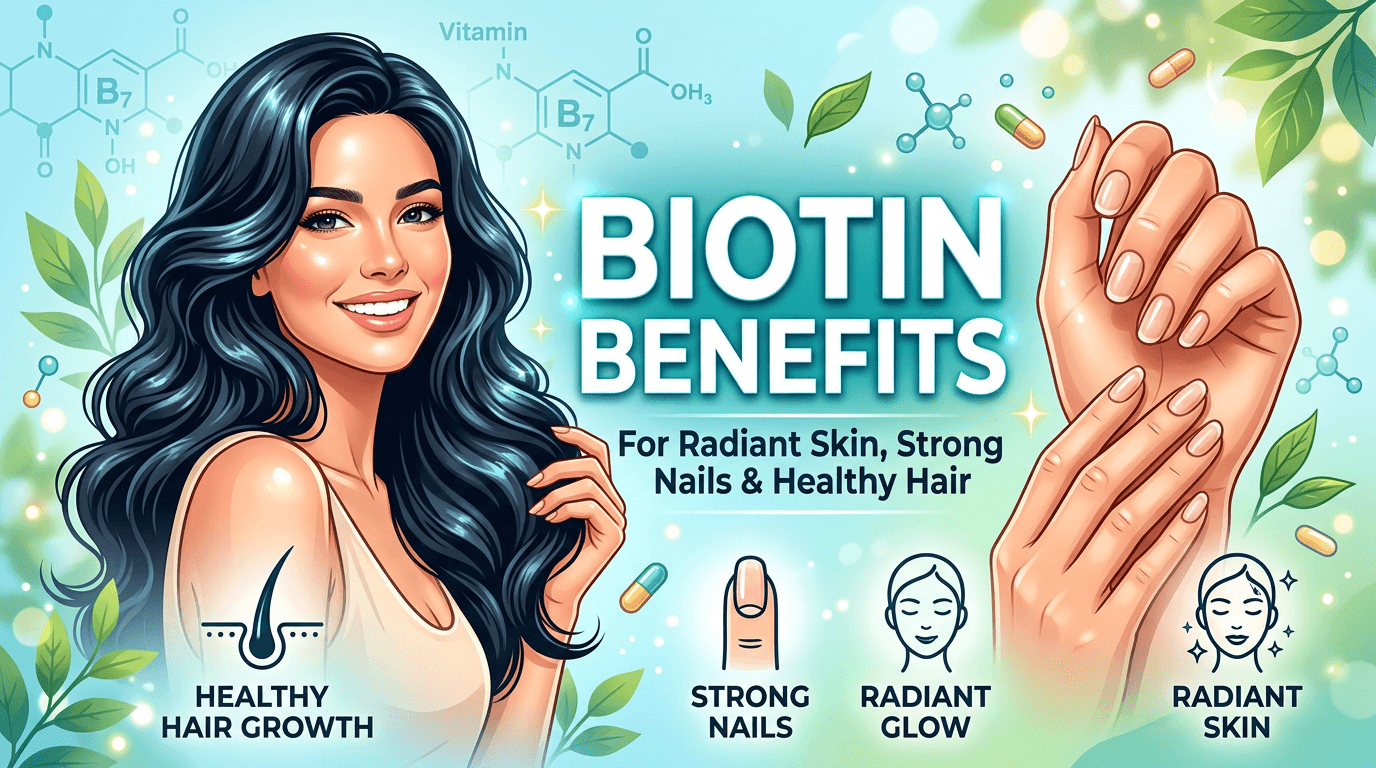
The primary biotin benefit for hair is its ability to help reverse hair thinning or loss caused by a true biotin deficiency. For individuals without a deficiency, who represent the vast majority of the U.S. population, the evidence that biotin supplementation can significantly improve hair growth, thickness, or strength is limited and largely anecdotal. While biotin is essential for producing keratin, the protein that makes up hair, most people get enough of this vitamin through a normal diet.
The widespread belief that high-dose biotin supplements are a universal solution for thicker, longer hair has propelled it to superstar status in the beauty and wellness industry. However, the science behind these claims is more complex than marketing suggests. This article will provide a detailed, evidence-based exploration of biotin, also known as vitamin B7. We will examine its real role in the body, the signs and rarity of deficiency, what scientific research says about its effect on hair in the general population, and crucial safety information, including its potential to interfere with important medical lab tests.
What Is Biotin (Vitamin B7)?

Biotin, also known as vitamin B7, is a water-soluble B-vitamin that plays a vital role in several metabolic processes in the body. It is an essential cofactor for five enzymes called carboxylases, which are involved in synthesizing fatty acids, breaking down amino acids for energy, and creating glucose (gluconeogenesis). Essentially, biotin helps the body convert the food you eat—fats, proteins, and carbohydrates—into energy your cells can use. Because it's water-soluble, the body does not store large reserves of biotin; any excess is typically excreted in the urine.
Beyond its core metabolic functions, biotin is often associated with the health of hair, skin, and nails, which is why it is frequently marketed as a "beauty vitamin." This reputation stems from its role in the production of keratin, the primary structural protein in these tissues. The body requires biotin to synthesize amino acids into this durable protein. A lack of biotin can impair keratin production, leading to characteristic symptoms like hair thinning and brittle nails. This clear connection in deficiency states is the foundation for its popularity as a supplement.
Biotin is obtained through two main sources: diet and synthesis by gut bacteria. Many common foods contain biotin, and the bacteria residing in the large intestine can also produce it, contributing to the body's overall supply. This dual availability is a key reason why outright biotin deficiency is very rare in healthy individuals consuming a varied diet. Understanding biotin's fundamental biological role is the first step in separating the established science from the marketing hype surrounding its use for hair growth.
The Scientific Link Between Biotin and Hair Health
The link between biotin and hair health is scientifically rooted in its function in protein synthesis, specifically the production of keratin. Keratin is a fibrous structural protein that is the key material making up your hair, skin, and nails. To build strong and healthy hair strands, your body needs an adequate supply of the necessary building blocks, including amino acids and the cofactors that help assemble them. Biotin acts as one of these essential cofactors.
Biotin-dependent carboxylase enzymes are crucial for various metabolic pathways. One of their roles involves the metabolism of amino acids, which are the fundamental units of all proteins, including keratin. Without sufficient biotin, the body's ability to process these amino acids and synthesize keratin efficiently can be compromised. This impairment in keratin infrastructure is most apparent in cases of biotin deficiency, where the resulting poor keratin quality can lead to weak, brittle hair and eventually hair thinning and loss (alopecia).
It is critical to understand that this mechanism is most relevant and pronounced when a deficiency is present. In a person with a biotin deficiency, reintroducing adequate levels of biotin restores the normal function of these enzymatic pathways. This allows keratin production to normalize, which in turn can resolve the hair loss and improve hair quality. The hair didn't grow because biotin was a "growth" stimulant; rather, the hair loss, which was a symptom of deficiency, was reversed. For individuals who already have sufficient biotin levels, the keratin production machinery is presumed to be functioning optimally. Therefore, adding more biotin may not provide any additional benefit, as it's not the limiting factor in the hair growth process.
Biotin Deficiency: Signs, Symptoms, and Risk Factors
True biotin deficiency is uncommon in the general population of the United States. When it does occur, it can lead to a distinct set of symptoms, although many are non-specific and can be attributed to other conditions. Recognizing the signs and understanding the risk factors is crucial for identifying individuals who might genuinely need medical evaluation and possible supplementation.
Signs and Symptoms of Biotin Deficiency
The clinical presentation of biotin deficiency often involves the skin, hair, and nervous system. Because biotin is critical for cell growth and fatty acid metabolism, its absence affects rapidly dividing cells, like those in hair follicles and skin. The progression of symptoms is typically gradual.
- Hair Loss (Alopecia): This is a hallmark sign. It usually presents as diffuse hair thinning across the scalp, and in some cases, can include the loss of eyelashes and eyebrows. The hair may also become brittle and lose its pigment.
- Skin Rashes: A scaly, red rash (erythematous dermatitis) is common, particularly around the body's openings: the eyes, nose, mouth, and genital area. This is sometimes referred to as "periorificial dermatitis."
- Nail Problems: Nails may become brittle, split easily, and grow slowly.
- Neurological Symptoms: In more advanced cases, deficiency can affect the nervous system. Symptoms may include lethargy, depression, hallucinations, and paresthesias (a sensation of numbness or tingling) in the extremities.
- Other Symptoms: Conjunctivitis (inflammation of the eye membrane) and hypotonia (decreased muscle tone) in infants are also potential signs.
It is essential to recognize that hair thinning can have numerous causes, including hormonal changes, thyroid disorders, iron deficiency, stress, and genetics. Self-diagnosing biotin deficiency based on hair loss alone is unreliable and can delay the diagnosis of a more serious underlying condition. A healthcare professional should always evaluate persistent or concerning symptoms.
Causes and Risk Groups for Deficiency
Since biotin is available from many foods and is also produced by gut bacteria, deficiency is rare. It typically arises from specific circumstances that interfere with biotin intake, absorption, or metabolism.
- Genetic Disorders: Biotinidase deficiency is a rare inherited metabolic disorder where the body cannot recycle biotin or release it from dietary proteins. In the U.S., newborns are routinely screened for this condition because early treatment with biotin supplements can prevent severe symptoms.
- Excessive Consumption of Raw Egg Whites: Raw egg whites contain a protein called avidin, which binds very tightly to biotin in the digestive tract, preventing its absorption. Consuming large quantities of raw eggs (e.g., several per day for many months) can induce a deficiency. Cooking the egg whites denatures the avidin, neutralizing this effect.
- Long-Term Parenteral Nutrition: Individuals receiving all of their nutrition intravenously (TPN) without biotin supplementation can develop a deficiency over time. Today, standard TPN solutions are fortified with biotin to prevent this.
- Conditions Affecting the Gastrointestinal Tract: Chronic conditions like Crohn's disease, celiac disease, or other inflammatory bowel diseases can impair nutrient absorption, including biotin. Surgical removal of parts of the stomach or intestine can also increase risk.
- Chronic Alcohol Use: Excessive alcohol consumption is known to interfere with the absorption of many B-vitamins, including biotin, and can increase the risk of deficiency.
- Certain Medications: Long-term use of some medications, particularly certain anticonvulsants (like carbamazepine and phenytoin) used to treat epilepsy, may interfere with biotin metabolism and increase the body's requirement for it.
- Pregnancy and Breastfeeding: These periods involve rapid cell growth and high metabolic demand. Some studies suggest that a significant number of pregnant women may develop marginal biotin deficiency, though the clinical significance of this is not fully understood.
Does Biotin Supplementation Actually Work for Hair Growth?
The effectiveness of biotin supplements for hair growth is highly dependent on an individual's underlying biotin status. The conversation must be split into two distinct scenarios: supplementation in those with a confirmed deficiency versus supplementation in those with normal biotin levels.
For Individuals with Biotin Deficiency
In cases of confirmed biotin deficiency, the answer is an unequivocal yes. Biotin supplementation is the standard and highly effective medical treatment. When hair loss is a direct symptom of the body's inability to produce keratin properly due to a lack of biotin, restoring biotin levels allows these metabolic processes to function correctly again. The treatment directly addresses the root cause of the hair problem.
Clinical evidence robustly supports this. Case studies and reports on individuals with genetic disorders like biotinidase deficiency or those with acquired deficiency (e.g., from TPN without biotin) show a dramatic improvement and often complete reversal of hair loss and skin rashes after starting biotin supplementation. The response is typically seen within a few weeks to months. In this context, biotin is not a cosmetic aid but a necessary medical intervention to correct a pathological state.
For Individuals Without Biotin Deficiency
This is where the topic becomes complex and where marketing often diverges from scientific consensus. For the vast majority of people in the U.S. who are not biotin-deficient, the evidence supporting high-dose biotin supplementation for hair growth is weak, limited, and largely anecdotal. While the internet is filled with testimonials and before-and-after photos, rigorous, large-scale, placebo-controlled clinical trials are lacking.
A few small studies have suggested some benefits, but they often have significant limitations. For example, many studies investigate multi-ingredient supplements, making it impossible to attribute any observed effects solely to biotin. The other ingredients, such as zinc, iron, or vitamin C, may have been responsible for the improvement, especially if the participant had a mild deficiency in one of those other nutrients. Other studies lack a placebo control group, making it difficult to rule out the powerful influence of the placebo effect—where a person experiences a real improvement simply because they believe the treatment is working.
The theoretical basis for a benefit in non-deficient individuals is also weak. If the body's keratin-producing machinery already has all the biotin it needs to function, adding a large surplus of that one cofactor is unlikely to make the process faster or more efficient. Hair growth is a complex process limited by many factors, including genetics, hormones, overall nutrition, and blood flow to the scalp. In a healthy person, biotin is rarely the bottleneck. Taking high-dose biotin supplements when you don't need them is often described as being like putting more gasoline in a car that already has a full tank—it won't make the car go faster and the excess is simply discarded.
Recommended Daily Intake and Dietary Sources of Biotin
Understanding the recommended daily intake for biotin and knowing which foods are good sources can help you ensure you are meeting your needs through diet. For most healthy people, a balanced and varied diet provides more than enough biotin, making supplementation unnecessary.
Adequate Intake (AI) Levels
The Food and Nutrition Board at the National Academies of Sciences, Engineering, and Medicine has not established a Recommended Dietary Allowance (RDA) for biotin because there is not enough scientific evidence to determine an average daily intake level sufficient for nearly all healthy people. Instead, they have set an Adequate Intake (AI), which is the level assumed to ensure nutritional adequacy.
The AI for biotin is based on the amount of biotin consumed by healthy, well-nourished populations. It is important to note that most people in the U.S. consume amounts of biotin that meet or exceed the AI.
| Age Group | Adequate Intake (AI) per Day (micrograms/mcg) |
|---|---|
| Birth to 6 months | 5 mcg |
| 7–12 months | 6 mcg |
| 1–3 years | 8 mcg |
| 4–8 years | 12 mcg |
| 9–13 years | 20 mcg |
| 14–18 years | 25 mcg |
| 19+ years | 30 mcg |
| Pregnancy | 30 mcg |
| Lactation | 35 mcg |
Excellent Food Sources of Biotin
Biotin is found in a wide variety of foods, making it relatively easy to consume through a normal diet. The biotin content in foods can vary depending on the season and processing methods. Here are some of the best dietary sources:
| Food | Serving Size | Approximate Biotin Content (mcg) |
|---|---|---|
| Beef liver, cooked | 3 ounces | 30.8 mcg |
| Egg, whole, cooked | 1 large | 10 mcg |
| Salmon, pink, canned | 3 ounces | 5 mcg |
| Pork chop, cooked | 3 ounces | 3.8 mcg |
| Sunflower seeds, roasted | 1/4 cup | 2.6 mcg |
| Sweet potato, cooked | 1/2 cup | 2.4 mcg |
| Almonds, roasted | 1/4 cup | 1.5 mcg |
| Spinach, boiled | 1/2 cup | 0.5 mcg |
| Broccoli, raw | 1/2 cup | 0.4 mcg |
As the table shows, a single meal can easily provide the entire day's Adequate Intake. For example, eating one cooked egg and a 3-ounce serving of salmon would provide 15 mcg, which is half the daily AI for an adult. Combining these with other biotin-containing foods like nuts, seeds, and vegetables throughout the day makes meeting the 30 mcg target highly achievable through diet alone.
A Guide to Understanding Biotin Supplements
For those considering biotin supplements, either under medical guidance for a deficiency or for other reasons, it's important to understand the different forms, common dosages, and how to interpret product labels. The supplement market can be confusing, and biotin is often sold in doses far exceeding the daily recommended intake.
Common Forms and Dosages
Biotin supplements are available as standalone products or as a component of B-complex vitamins or "hair, skin, and nails" formulas.
- Form: The most common form of biotin in supplements is D-biotin. This is the naturally occurring, biologically active form of the vitamin, and it is the form that the body can use. It is typically stable and well-absorbed.
- Dosage: This is where a significant discrepancy appears between dietary needs and supplement marketing. While the Adequate Intake for adults is 30 micrograms (mcg), biotin supplements are commonly sold in much higher doses, such as 1,000 mcg, 5,000 mcg, or even 10,000 mcg. A 10,000 mcg supplement provides over 333 times the daily AI. These are considered pharmacological doses, not nutritional ones.
There is no scientific consensus that these "mega-doses" provide superior benefits for hair in healthy individuals compared to the amount obtained from a healthy diet. The body's capacity to absorb and utilize biotin is not infinite, and as a water-soluble vitamin, excess amounts are generally filtered by the kidneys and excreted. The use of such high doses is a major factor in the potential for lab test interference.
"Hair, Skin, and Nails" Combination Formulas
Biotin is rarely the sole ingredient in supplements marketed for beauty. It is typically the star ingredient in comprehensive "hair, skin, and nails" formulas. These products combine biotin with a variety of other vitamins, minerals, and compounds believed to support the health of these tissues. Common co-ingredients include:
- Collagen: A major structural protein in skin and connective tissues.
- Keratin: The very protein that biotin helps to produce, supplied in a supplemental form.
- Zinc: A mineral essential for hair follicle health. Zinc deficiency can cause hair loss.
- Iron: Iron deficiency (anemia) is a well-known cause of hair shedding (telogen effluvium).
- Vitamin C: An antioxidant that is also crucial for collagen synthesis.
- Selenium: A trace mineral involved in hair production.
- Silica (from horsetail extract): A compound thought to improve hair strength and thickness, though evidence is limited.
While these formulas may seem beneficial by covering multiple nutritional bases, they can also make it difficult to determine what, if anything, is working. An improvement in hair health after taking such a supplement might be due to correcting a mild deficiency in zinc or iron, rather than the high dose of biotin. Furthermore, combining multiple supplements without medical guidance can increase the risk of consuming excessive amounts of certain nutrients, like selenium or vitamin A, which can be toxic in high doses.
Crucial Safety Warning: Biotin's Interference with Lab Tests
Perhaps the most significant and underappreciated risk of taking high-dose biotin supplements is their potential to cause clinically significant interference with a wide range of laboratory tests. This is not a side effect in the traditional sense but a chemical interaction that can lead to dangerously incorrect test results, potentially resulting in misdiagnosis, inappropriate treatment, or delayed proper care.
How Biotin Causes Interference
Many modern lab tests, known as immunoassays, use a technology that relies on biotin and streptavidin binding to each other to measure the amount of a specific substance in a patient's blood. This is often called the "streptavidin-biotin" method. When a patient is taking high-dose biotin supplements, the excess biotin in their blood sample can compete with the biotin used in the lab test, leading to faulty results.
This interference can cause test results to be either falsely high or falsely low, depending on the specific design of the assay. This variability makes the problem particularly insidious, as there is no single rule for predicting the direction of the error.
Which Lab Tests Can Be Affected?
The list of potentially affected tests is extensive and includes many common and critical diagnostic markers. It is essential for anyone taking biotin supplements to be aware of these potential interactions.
- Troponin Tests: This is the most critical interaction. Troponin is a protein released into the blood during a heart attack. Biotin interference can cause a falsely low troponin level, leading a doctor to mistakenly rule out a heart attack in a patient who is actively having one. This can lead to a delay in life-saving treatment and has been linked to fatal outcomes.
- Thyroid Hormone Tests: Biotin can interfere with tests for Thyroid-Stimulating Hormone (TSH), Thyroxine (T4), and Triiodothyronine (T3). Typically, it causes a falsely low TSH and falsely high T4 and T3. This pattern can lead to a misdiagnosis of Graves' disease or hyperthyroidism, potentially leading to incorrect prescription of anti-thyroid medications. Conversely, it could mask true hypothyroidism.
- Fertility and Reproductive Hormone Tests: Tests for hormones like follicle-stimulating hormone (FSH), luteinizing hormone (LH), estrogen, progesterone, and human chorionic gonadotropin (hCG, the pregnancy hormone) can all be affected. This could lead to incorrect assessments of fertility, menstrual cycle issues, or pregnancy status.
- Other Hormones: Tests for parathyroid hormone (PTH), which regulates calcium, and cortisol, the stress hormone, can also be skewed.
How to Prevent Lab Test Interference
Given the serious risks, it is vital to take precautions.
- Inform All Healthcare Providers: Always tell your doctor, and any healthcare professional ordering lab work, about all supplements you are taking, including over-the-counter biotin. Be specific about the dosage.
- Stop Taking Biotin Before Lab Work: The most effective way to prevent interference is to temporarily discontinue biotin supplements before a planned blood draw. There is no universal guideline, but most experts recommend stopping supplements for at least 72 hours (3 days) before the test. For those taking extremely high doses (e.g., for certain medical conditions), a longer washout period may be necessary. Always follow the specific advice of your healthcare provider.
- Be Aware of "Hidden" Biotin: Biotin is in many multivitamins and "hair, skin, and nails" formulas. Read labels carefully to know if you are consuming it, even if you are not taking a dedicated biotin supplement.
Other Potential Side Effects and Interactions
Aside from the critical issue of lab test interference, biotin is generally considered to have a low risk of side effects, especially when consumed from food sources. However, the high doses found in supplements can lead to some issues and may interact with certain medications.
General Side Effects
The body has a high tolerance for biotin, and because it is water-soluble, excess is typically flushed out. For this reason, a Tolerable Upper Intake Level (UL)—the maximum daily intake unlikely to cause adverse health effects—has not been established for biotin. However, this does not mean that mega-doses are entirely without effect.
Some individuals taking high-dose biotin supplements have reported:
- Digestive Upset: Nausea, cramping, or diarrhea can occur, particularly when starting a high-dose supplement.
- Skin Rashes or Acne: Anecdotally, some people report developing acne or skin rashes when taking high doses of biotin. The mechanism is unclear. One theory suggests that high doses of biotin may interfere with the absorption of pantothenic acid (vitamin B5), another B-vitamin that plays a role in skin health. A relative deficiency in B5 could theoretically contribute to acne, but this is not well-proven.
- Insulin Release: Extremely high doses of biotin have been studied for their potential effect on blood sugar, and some research suggests they could impact insulin release. This is an area of ongoing research, and individuals with diabetes should be particularly cautious and discuss biotin supplementation with their endocrinologist.
Interactions with Medications and Nutrients
Biotin can interact with other substances, which may affect its absorption or the effectiveness of a medication.
- Anticonvulsant Medications: Certain drugs used to treat epilepsy, such as carbamazepine, primidone, phenytoin, and phenobarbital, can accelerate the breakdown of biotin in the body. Long-term use of these medications can lower biotin levels and may increase the risk of deficiency.
- Antibiotics: Broad-spectrum antibiotics taken over a long period could theoretically affect biotin status by killing off the biotin-producing bacteria in the gut. However, the clinical significance of this is generally considered minimal for most people.
- Pantothenic Acid (Vitamin B5): Biotin and pantothenic acid share a common absorption pathway in the intestine. Taking very high doses of one may theoretically reduce the absorption of the other through competition. This is the basis for the theory linking high-dose biotin to acne.
- Alcohol: As previously mentioned, chronic, excessive alcohol consumption impairs the absorption of biotin and can lead to lower levels in the body.
Due to these potential interactions, it is crucial for anyone taking prescription medications, especially anticonvulsants, to consult their physician before starting any new supplement, including biotin.
Who Might Actually Benefit from a Biotin Supplement?
After reviewing the evidence, it becomes clear that biotin supplementation is not a one-size-fits-all solution for hair concerns. Instead, its benefits are targeted toward specific, medically identifiable groups. For most of the population, focusing on diet is the more prudent approach.
The primary candidates who stand to gain a clear, evidence-based benefit from taking biotin supplements are:
- Individuals with a Confirmed Biotin Deficiency: This is the most definite indication. Whether the deficiency is caused by a genetic disorder (like biotinidase deficiency), long-term TPN without supplementation, or chronic intake of raw egg whites, biotin supplementation is the direct medical treatment to reverse symptoms, including hair loss. This requires a formal diagnosis from a healthcare provider, often involving lab testing.
- People with Certain Medical Conditions: Individuals with malabsorptive syndromes like Crohn's disease, those who have had significant parts of their intestine removed, or those with chronic alcoholism may have difficulty absorbing or retaining biotin from their diet. Under medical supervision, supplementation might be warranted to prevent or treat a deficiency.
- Those on Long-Term Anticonvulsant Therapy: As some anti-seizure medications can deplete biotin, patients on these drugs may be advised by their neurologist to take a biotin supplement as a preventative measure. This should only be done in consultation with their doctor.
- Pregnant and Breastfeeding Women (with caution): While some research suggests marginal biotin depletion can occur during pregnancy, routine high-dose supplementation is not standard practice. The AI for biotin is only slightly elevated during lactation. Pregnant or breastfeeding women should always consult their OB/GYN before taking any supplements, including biotin, to ensure safety for both mother and child.
For the average healthy person experiencing hair thinning or who simply desires thicker, faster-growing hair, the evidence does not support routine high-dose biotin supplementation. The more effective first step is to see a healthcare provider or dermatologist to investigate other potential causes of hair changes, such as iron deficiency, thyroid problems, or hormonal imbalances.
Holistic Alternatives for Supporting Healthy Hair
Since biotin is rarely the single magic bullet for hair growth in healthy individuals, a more effective and holistic approach involves ensuring overall nutritional adequacy and practicing hair-healthy habits. Hair growth is a reflection of general health, and focusing on the bigger picture often yields better results than hyper-focusing on a single nutrient.
Focus on a Nutrient-Dense Diet
Hair follicles are among the most metabolically active cells in the body, and they require a steady supply of various nutrients to build strong, healthy hair. Deficiencies in several key nutrients are strongly linked to hair loss.
- Protein: Hair is made almost entirely of protein (keratin). Inadequate protein intake can cause hair to become brittle and can lead to shedding. Ensure you consume enough high-quality protein from sources like lean meat, poultry, fish, eggs, dairy, legumes, and tofu.
- Iron: Iron deficiency, with or without anemia, is a major cause of hair loss, particularly in premenopausal women. Good sources include red meat, poultry, fish, lentils, spinach, and fortified cereals. Consuming vitamin C with iron-rich foods enhances absorption.
- Zinc: Zinc plays a crucial role in hair tissue growth and repair. Its deficiency can lead to hair loss. Oysters, beef, pumpkin seeds, and lentils are rich in zinc.
- Vitamin D: Low levels of vitamin D have been linked to alopecia areata and other forms of hair loss. Your body produces it from sun exposure, and it's also found in fatty fish, fortified milk, and mushrooms.
- Vitamin C: As a powerful antioxidant and a key player in collagen synthesis, vitamin C helps protect hair follicles from damage and aids in iron absorption. It is abundant in citrus fruits, bell peppers, strawberries, and broccoli.
- Omega-3 Fatty Acids: Found in fatty fish like salmon and mackerel, as well as in walnuts and flaxseeds, these fats can support scalp health and may contribute to hair density and shine.
Gentle Hair Care and Lifestyle Practices
Beyond nutrition, how you treat your hair can significantly impact its health and appearance. Reducing physical stress on the hair shaft can prevent breakage and thinning that isn't related to a biological issue.
- Avoid harsh treatments: Frequent bleaching, chemical straightening, and high-heat styling can damage the hair's protein structure, leading to breakage.
- Be gentle: Avoid tight hairstyles like high ponytails or braids that pull on the hair follicles (traction alopecia). Use a wide-tooth comb on wet hair, which is more fragile.
- Manage stress: High levels of physical or emotional stress can trigger a type of hair shedding called telogen effluvium. Practices like meditation, exercise, and adequate sleep can help manage stress levels.
Adopting these strategies creates a supportive environment for hair growth from the inside out and the outside in, addressing the multifaceted nature of hair health far more effectively than relying on a single supplement.
Frequently Asked Questions About Biotin
How long does it take for biotin to work for hair?
In cases of a confirmed biotin deficiency, improvements in hair growth can take several months. Hair grows slowly, about half an inch per month, so it takes time for new, healthier hair to become noticeable. For individuals without a deficiency, there may be no noticeable effect at all.
Can you take too much biotin? What are the risks of overdose?
There is no established Tolerable Upper Intake Level (UL) for biotin, and it is not considered highly toxic because excess is excreted in the urine. However, the primary risk of taking too much biotin is its interference with lab tests, which can lead to misdiagnosis of serious conditions like heart attacks and thyroid disease.
Does biotin cause acne?
There is no strong scientific evidence to prove that biotin directly causes acne. However, there are many anecdotal reports of this. One unproven theory is that high doses of biotin may interfere with the absorption of vitamin B5 (pantothenic acid), which could potentially contribute to breakouts in some people. If you experience acne after starting biotin, consult your healthcare provider.
Will taking biotin make my hair grow thicker if I'm not deficient?
The scientific evidence to support this claim is very weak. For most people with normal biotin levels, taking extra biotin is unlikely to significantly change hair thickness, strength, or growth rate. Hair characteristics are largely determined by genetics, hormones, and overall health, not just one vitamin.
What is the best form of biotin to take?
The best source of biotin for most people is a balanced diet. If a supplement is needed under medical advice, the most common and effective form is D-biotin, which is the naturally occurring, biologically active version found in most commercial supplements.
Do I need to stop taking biotin before a blood test?
Yes, it is critically important. To avoid potentially dangerous interference with lab results, you should inform your doctor you take biotin and stop taking any supplements containing it for at least 72 hours (3 days) before having your blood drawn. Always follow the specific instructions from your healthcare provider.
Can biotin help with beard growth?
The same logic applies to beard hair as scalp hair. If a man has a true biotin deficiency, supplementation will help resolve the resulting poor hair growth. For men without a deficiency, there is no strong evidence that taking biotin will make their beard grow thicker or faster. Beard growth is primarily driven by genetics and hormones like testosterone.
Are topical biotin shampoos and serums effective?
It is highly unlikely that topical application of biotin provides any significant benefit. The biotin molecule is too large to be effectively absorbed through the skin into the hair follicle in meaningful amounts. The benefits of such products likely come from their cleansing and conditioning agents, not the biotin itself.
Conclusion: A Balanced Perspective on Biotin and Hair
The story of biotin and hair growth is a classic example of a scientific truth being stretched by marketing into a popular myth. The reality is that biotin is an essential B-vitamin, and its role in keratin production makes it fundamentally important for hair health. Correcting a deficiency with supplementation yields clear, positive results, reversing hair loss that was a symptom of that deficiency.
However, for the majority of people who already get sufficient biotin from their diet, the dream of achieving dramatically thicker, longer hair from a high-dose supplement is not supported by robust scientific evidence. The body's hair growth machinery is complex and relies on a symphony of nutrients, hormones, and genetic signals—not just a surplus of one vitamin.
Ultimately, the most prudent approach is to focus on a nutrient-rich diet, practice gentle hair care, and address any concerns about hair loss with a licensed healthcare professional. A doctor can properly investigate the underlying cause, which could range from an iron deficiency to a thyroid condition, ensuring you receive appropriate and effective treatment. While biotin supplements have their place as a targeted medical intervention, they are not a universal panacea for hair woes. Awareness of the very real and serious risk of lab test interference further underscores the importance of using these supplements wisely and only when truly necessary, under the guidance of a professional.