
vitamine -
Tocotrienols vs Tocopherols: The Real Vitamin E
The primary benefits of tocotrienols, a less common form of vitamin E, stem from their unique molecular structure which may allow for more potent antioxidant activity compared to their tocopherol cousins. Emerging research suggests tocotrienols offer specific advantages in suppor
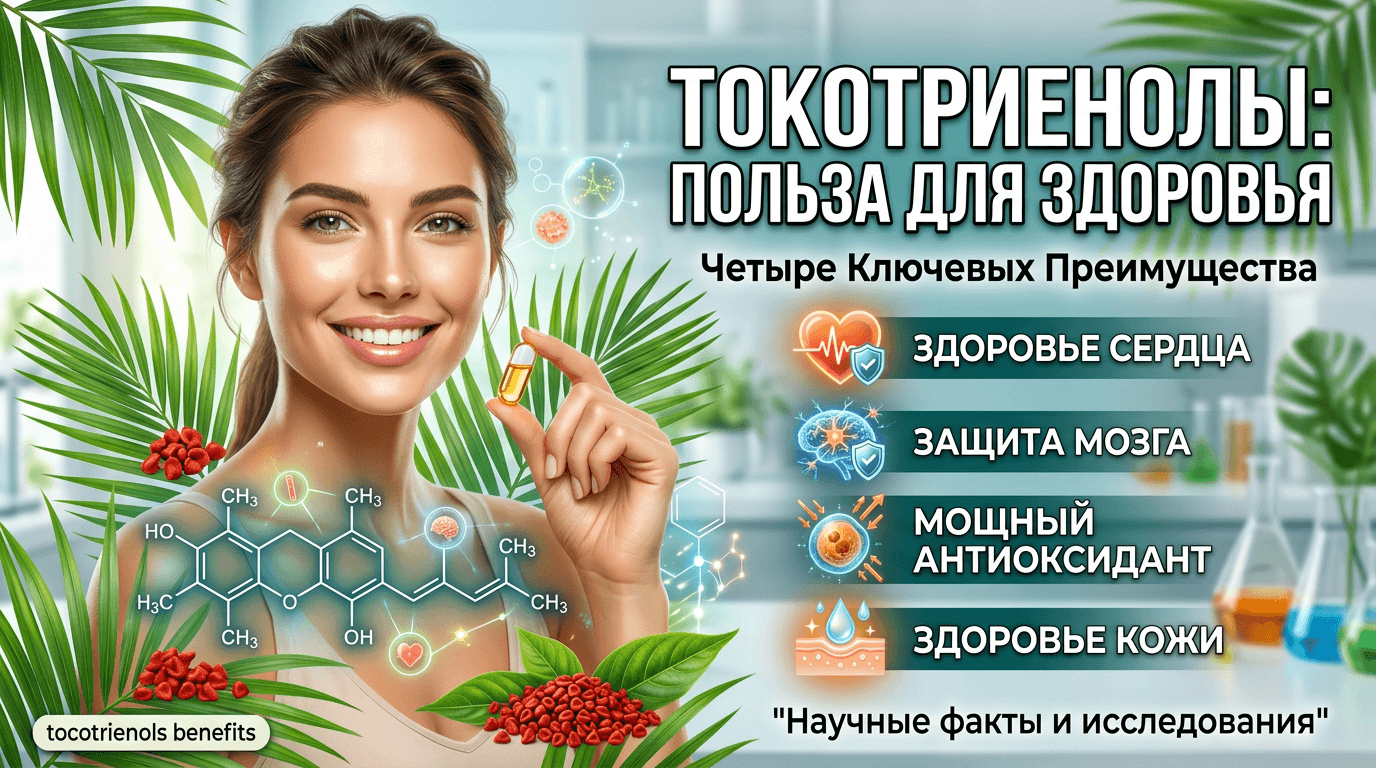
The primary benefits of tocotrienols, a less common form of vitamin E, stem from their unique molecular structure which may allow for more potent antioxidant activity compared to their tocopherol cousins. Emerging research suggests tocotrienols offer specific advantages in supporting cellular health, cardiovascular function, and neuroprotection. Unlike the more prevalent tocopherols found in most supplements and foods, tocotrienols possess an unsaturated side chain that enhances their ability to move within cell membranes and neutralize damaging free radicals.
For decades, when people spoke of "vitamin E," they were almost exclusively referring to alpha-tocopherol. It's the most abundant form in our bodies and the most studied. However, the vitamin E family is far more complex, comprising eight distinct compounds. This family is split into two subgroups: the tocopherols and the tocotrienols. While they share a common core, their subtle structural differences lead to significant variations in their biological functions. This article provides a comprehensive exploration of the entire vitamin E family, focusing on the distinct properties of tocotrienols, their potential health benefits, how they differ from tocopherols, and practical guidance for anyone considering supplementation.
What is Vitamin E? A Family of Eight Compounds
Vitamin E is a fat-soluble nutrient that functions as a powerful antioxidant, playing a critical role in protecting the body's cells from oxidative stress. Oxidative stress is a damaging process caused by an imbalance between free radicals (unstable molecules) and the body's ability to neutralize them. This process is implicated in cellular aging and a wide range of health concerns. Vitamin E helps to stop the chain reaction of free radical damage, particularly in lipids (fats), which are essential components of cell membranes.
Many people are surprised to learn that "vitamin E" is not a single chemical. It is the collective name for a group of eight related compounds, all of which have vitamin E activity. These eight compounds are divided into two main classes:
- Tocopherols: This group includes alpha-tocopherol, beta-tocopherol, gamma-tocopherol, and delta-tocopherol. Alpha-tocopherol is the most biologically active and well-retained form in the human body, and it's the form most commonly found in vitamin E supplements.
- Tocotrienols: This group also has four members: alpha-tocotrienol, beta-tocotrienol, gamma-tocotrienol, and delta-tocotrienol. While structurally similar to tocopherols, they are found in much lower concentrations in the typical American diet.
The human body has a specific transport protein, called the alpha-tocopherol transfer protein (α-TTP), located in the liver. This protein preferentially binds to alpha-tocopherol and incorporates it into lipoproteins that carry it throughout the bloodstream to various tissues. This is why alpha-tocopherol is the predominant form of vitamin E found in the blood and tissues. The other forms, including all the tocotrienols, are metabolized and excreted more rapidly, which historically led scientists to view them as less important. However, recent research is challenging this perspective, revealing that tocotrienols have unique functions that are independent of their retention time in the body.
Tocopherols vs. Tocotrienols: Understanding the Key Structural Differences

The primary difference between tocopherols and tocotrienols lies in the chemical structure of their side chain, often called a "tail." While both groups have a chromanol ring "head" which is responsible for their antioxidant activity, their tails distinguish their behavior within the body. Tocopherols possess a long, saturated phytyl tail, while tocotrienols have an unsaturated farnesyl tail containing three double bonds.
This seemingly minor variation has profound functional consequences. The saturated tail of a tocopherol is rigid and straight. In contrast, the unsaturated tail of a tocotrienol is more flexible and shorter. This structural flexibility allows tocotrienols to move more freely and rapidly within the tightly packed lipid layers of cell membranes. Scientific models suggest that tocotrienols can cover a larger surface area of the cell membrane and may be more efficient at distributing themselves and colliding with free radicals.
Think of it like trying to navigate a dense crowd. A tocopherol, with its rigid structure, might move more slowly and methodically. A tocotrienol, with its flexible tail, can weave through the crowd more nimbly. This increased mobility is believed to contribute to what some researchers describe as the superior antioxidant potency of tocotrienols in certain biological environments, particularly in preventing lipid peroxidation—the process where free radicals attack and damage fats in cell membranes.
The Unique Benefits of Tocotrienols: Beyond Basic Vitamin E
While alpha-tocopherol effectively fulfills the body's basic vitamin E requirement, tocotrienols are being investigated for a range of health-supportive actions that go beyond simple free radical scavenging. The research into these benefits is evolving, with many studies being preclinical or small-scale human trials, but the findings are compelling and point toward a unique role for this part of the vitamin E family.
Potent Antioxidant Activity
The core benefit of all vitamin E forms is antioxidant protection, but tocotrienols appear to excel in this role within specific cellular environments. As mentioned, their flexible structure allows them to be more efficient antioxidants within cell membranes. Some studies have suggested that tocotrienols, particularly delta- and gamma-tocotrienol, can be up to 40-60 times more potent than alpha-tocopherol in preventing lipid peroxidation in laboratory settings. This is crucial because the integrity of cell membranes is vital for every aspect of cellular function, from communication to energy production.
By protecting these delicate lipid structures, tocotrienols may help maintain cellular resilience and function. This enhanced protection against lipid damage is a foundational element that underpins many of the other potential benefits being studied, from cardiovascular health to neuroprotection. The ability to more effectively guard cellular fats from oxidative damage is what sets tocotrienols apart.
Supporting Cardiovascular Health
One of the most researched areas for tocotrienols is their role in supporting cardiovascular wellness. This research focuses on two main pathways: cholesterol metabolism and arterial health. It's important to approach this topic with caution, as supplements cannot treat or cure cardiovascular disease.
Several studies have investigated the effect of tocotrienols on an enzyme in the liver called HMG-CoA reductase. This is the same enzyme targeted by statin medications to lower cholesterol production. Some research suggests that gamma- and delta-tocotrienols may help modulate the activity of this enzyme, thereby supporting the body's ability to maintain healthy cholesterol levels already within the normal range. This mechanism is distinct from that of tocopherols, which do not appear to have this effect.
Furthermore, the antioxidant capacity of tocotrienols is relevant to vascular health. The oxidation of LDL ("bad") cholesterol is a key step in the development of atherosclerosis. By protecting LDL particles from oxidative damage, tocotrienols may help support the health and flexibility of blood vessels. Some human clinical trials using tocotrienol-rich supplements have noted positive trends in markers of arterial stiffness and overall cardiovascular function. However, larger and longer-term studies are needed to confirm these effects.
Neuroprotective Properties
The brain is particularly vulnerable to oxidative stress due to its high metabolic rate and rich lipid content. Protecting brain cells (neurons) from oxidative damage is a key strategy for supporting long-term cognitive health. Tocotrienols are of significant interest in this area because they can cross the blood-brain barrier and accumulate in brain tissue.
A landmark area of research focuses on alpha-tocotrienol. Preclinical and some human studies have explored its ability to protect neurons from damage induced by various toxins and stressors. One long-term observational study found that higher plasma levels of tocotrienols were associated with better protection of white matter integrity in the brain over time. White matter lesions are areas of damage that can affect cognitive function.
The proposed mechanism involves alpha-tocotrienol's ability to prevent neuronal cell death at very low concentrations. This is an area of intense and ongoing research. While it is far too early to claim that tocotrienols can prevent or treat neurodegenerative diseases, their potential to support brain cell resilience against oxidative stress is a promising frontier in nutritional science. Anyone with concerns about cognitive health should consult a neurologist or healthcare professional.
Bone Health Support
Emerging evidence from animal studies and a few human trials suggests that tocotrienols may play a role in maintaining healthy bone metabolism. Bone is a dynamic tissue that is constantly being broken down (resorption) and rebuilt (formation). A healthy balance between these two processes is essential for maintaining bone density and strength.
Oxidative stress is known to disrupt this balance by promoting the activity of osteoclasts, the cells responsible for breaking down bone tissue. As potent antioxidants, tocotrienols may help mitigate this effect. Some animal studies have shown that tocotrienol supplementation can improve bone mineral density and structural integrity, possibly by reducing oxidative stress and supporting the activity of osteoblasts, the cells that build bone.
A few small human studies in postmenopausal women have shown promising results, with tocotrienol supplementation appearing to improve markers of bone turnover, suggesting a shift toward a more favorable balance of bone formation over resorption. While this research is preliminary, it highlights another potential benefit of tocotrienols that is not typically associated with tocopherols.
Skin Health and UV Protection
The skin is constantly exposed to environmental aggressors, with ultraviolet (UV) radiation from the sun being a primary source of oxidative stress. This UV-induced damage contributes to premature skin aging, including wrinkles and loss of elasticity. When taken orally, fat-soluble antioxidants like vitamin E can accumulate in the skin's lipid-rich layers, forming a natural line of defense.
Studies have shown that tocotrienols accumulate in the skin and can help protect it from the inside out. Their potent ability to prevent lipid peroxidation is particularly valuable in the skin, where UV radiation can trigger a cascade of free radical damage. Some research indicates that tocotrienols are more effective than alpha-tocopherol at protecting skin cells from the harmful effects of UV exposure. While they are not a substitute for sunscreen, a diet or supplement regimen rich in tocotrienols may help bolster the skin's natural resilience against environmental damage.
The "Tocopherol Interference" Problem: Does Alpha-Tocopherol Block Tocotrienols?
One of the most critical concepts for anyone interested in tocotrienol benefits is the issue of "tocopherol interference." A growing body of scientific evidence suggests that taking high doses of alpha-tocopherol—the form found in most standard vitamin E supplements—can impair the absorption, distribution, and ultimately the unique functions of tocotrienols.
This interference occurs through several mechanisms. The most significant one involves the alpha-tocopherol transfer protein (α-TTP) in the liver. As its name implies, this protein has a high affinity for alpha-tocopherol. When both tocopherols and tocotrienols are consumed, the α-TTP preferentially selects alpha-tocopherol for packaging into VLDL particles, which are then released into the bloodstream to supply tissues. Tocotrienols and other forms of tocopherol (like gamma-tocopherol) are largely left behind to be metabolized and excreted.
Furthermore, high concentrations of alpha-tocopherol in the digestive tract can compete with tocotrienols for absorption. Studies have shown that co-administering alpha-tocopherol with a tocotrienol supplement can significantly reduce the peak plasma concentration of the tocotrienols. In essence, the alpha-tocopherol "crowds out" the tocotrienols, preventing them from being effectively absorbed and utilized by the body.
This interference phenomenon explains why many of the unique benefits of tocotrienols were not observed in earlier, large-scale vitamin E trials. Most of those trials used synthetic alpha-tocopherol exclusively, which would have suppressed any potential effect from dietary tocotrienols. Understanding this antagonism is key to making an informed choice about vitamin E supplementation.
Food Sources: Where to Find Tocotrienols and Tocopherols Naturally
A food-first approach is always a sound strategy for nutrition. However, when it comes to the two branches of the vitamin E family, their dietary sources are vastly different, which explains why most Western diets are rich in tocopherols but very low in tocotrienols.
Tocopherols are widespread in the food supply. Common vegetable oils, nuts, seeds, and green leafy vegetables are excellent sources. It is relatively easy for most people to meet their basic vitamin E requirements through a balanced diet containing these foods.
| Common Food Sources of Tocopherols | Predominant Form |
|---|---|
| Sunflower Seeds & Oil | Alpha-Tocopherol |
| Almonds & Almond Oil | Alpha-Tocopherol |
| Hazelnuts | Alpha-Tocopherol |
| Spinach & Broccoli | Alpha-Tocopherol |
| Soybean & Corn Oil | Gamma-Tocopherol |
| Walnuts & Pecans | Gamma-Tocopherol |
In stark contrast, tocotrienols are found in only a few specific, and often less common, food sources. Their presence in the average American diet is minimal. The richest natural sources are not typically staple foods in North America.
| Primary Food Sources of Tocotrienols | Key Characteristics |
|---|---|
| Annatto (from the Achiote tree) | The richest known source. Uniquely composed of nearly 100% tocotrienols (mostly delta and gamma) with virtually no tocopherols. |
| Red Palm Oil (crude) | A significant source, containing a mix of all four tocotrienols and some alpha-tocopherol. The red color comes from carotenoids. |
| Rice Bran Oil | Contains a mixture of tocotrienols and tocopherols. The concentration can vary depending on processing. |
| Barley and Oats | Contain small amounts of tocotrienols, primarily in the bran layer. |
This dietary disparity is the primary reason why achieving a therapeutic intake of tocotrienols through food alone is very difficult. For example, to get a 100 mg dose of tocotrienols, one would need to consume an impractical amount of rice bran or barley. This is why individuals seeking the specific benefits of tocotrienols often turn to concentrated supplements derived from sources like annatto or palm oil.
Supplementing with Tocotrienols: A Practical Guide
Given the difficulty of obtaining significant amounts of tocotrienols from diet, supplementation is the most practical approach for those looking to explore their benefits. However, not all vitamin E supplements are created equal. Choosing the right product requires careful reading of the label and an understanding of the different sources and formulations.
Forms of Tocotrienol Supplements
Tocotrienol supplements are typically derived from one of three primary sources, each with a unique composition:
- Annatto-Derived Tocotrienols: Sourced from the seeds of the Bixa orellana (achiote) tree, this is a highly popular choice because it is naturally 100% tocopherol-free. Annatto supplements typically consist of approximately 90% delta-tocotrienol and 10% gamma-tocotrienol. This composition is favored by researchers and consumers who want to maximize tocotrienol benefits without the risk of alpha-tocopherol interference.
- Palm Oil-Derived Tocotrienols: Sourced from the fruit of the palm tree (Elaeis guineensis), this was one of the first commercially available forms. Palm oil provides a "full-spectrum" blend of all four tocotrienols (alpha, beta, gamma, delta) but also contains a significant amount of alpha-tocopherol, typically around 25-30% of the total vitamin E content. While it provides a broader range of tocotrienols, the presence of alpha-tocopherol is a consideration due to the interference issue.
- Rice Bran Oil-Derived Tocotrienols: Extracted from the bran of rice, this source also provides a mix of tocotrienols and tocopherols. The exact ratio can vary, but it generally contains a higher percentage of tocopherols than palm-derived extracts.
A "full-spectrum" Vitamin E supplement might sound ideal, as it contains all eight forms. However, it's crucial to check the supplement facts panel. If the amount of alpha-tocopherol is high relative to the tocotrienols (e.g., more than 50 mg of alpha-tocopherol per 100 mg of tocotrienols), it may compromise the effectiveness of the tocotrienols.
Understanding Dosage and Formulation
There is no official Recommended Dietary Allowance (RDA) for tocotrienols. Dosages used in clinical studies vary widely depending on the health outcome being investigated, but they typically range from 50 mg to 600 mg per day, with many studies using doses between 100 mg and 300 mg daily. It is essential to understand that these are not prescriptive recommendations. The appropriate dosage for an individual depends on their health status, goals, and a healthcare provider's guidance.
Absorption is another key factor. As a fat-soluble nutrient, tocotrienols are best absorbed when taken with a meal that contains some fat. Many supplement manufacturers have also developed enhanced-bioavailability formulations. These may be labeled as "self-emulsifying delivery systems" (SEDS) or similar terms. These systems pre-emulsify the tocotrienol oil, which can increase its absorption in the digestive tract, especially if taken on an empty stomach or with a low-fat meal.
How to Choose a High-Quality Tocotrienol Supplement
Navigating the supplement aisle can be confusing. Here are key factors to consider when selecting a tocotrienol product:
- Check the Source and Composition: Decide if you want a tocopherol-free product (annatto) or a mixed spectrum (palm, rice bran). Read the "Supplement Facts" panel carefully. It should clearly list the amounts of delta-tocotrienol, gamma-tocotrienol, etc., as well as the amount of alpha-tocopherol, if any.
- Look for Purity and Potency: The label should state the total amount of tocotrienols per capsule (e.g., 125 mg). Be wary of labels that only list "Vitamin E" or a proprietary blend without breaking down the composition.
- Verify Third-Party Testing: Reputable brands will voluntarily submit their products for testing by independent organizations like NSF International, USP (United States Pharmacopeia), or ConsumerLab.com. These certifications verify that the product contains what the label claims and is free from contaminants.
- Evaluate the "Other Ingredients": Check for unnecessary fillers, artificial colors, or potential allergens. A cleaner formula is generally a better choice.
- Consider the Formulation: If you have absorption concerns or often take supplements without food, a product with an enhanced delivery system might be beneficial.
Safety, Side Effects, and Potential Interactions
For most healthy adults, tocotrienol supplements are generally considered safe and well-tolerated when used at appropriate dosages. However, like any bioactive compound, they are not without potential risks and interactions. It is crucial to be aware of these before starting supplementation, especially for individuals with pre-existing health conditions or those taking medication.
At standard supplemental doses (e.g., 100-300 mg/day), side effects are rare. At very high doses (well above 600 mg/day), some individuals may experience mild gastrointestinal discomfort, such as nausea or stomach upset. The Tolerable Upper Intake Level (UL) for vitamin E is set at 1,000 mg per day (or 1,500 IU of the synthetic form). This UL is based specifically on the risk of bleeding associated with high doses of alpha-tocopherol. While tocotrienols have not been shown to have the same potent effect on blood clotting, the UL is generally applied to all forms of vitamin E out of caution. Exceeding this limit without medical supervision is not advised.
Medication Interactions
This is the most critical area of safety to consider. Tocotrienols, like all forms of vitamin E, can interact with certain prescription medications. Consultation with a doctor or pharmacist is essential in these situations.
- Anticoagulants and Antiplatelet Drugs (Blood Thinners): This is the most significant interaction. Vitamin E can have a mild blood-thinning effect. When combined with medications like warfarin (Coumadin), clopidogrel (Plavix), apixaban (Eliquis), rivaroxaban (Xarelto), or even daily high-dose aspirin, it may increase the risk of bruising and bleeding. Anyone taking these medications must not start vitamin E or tocotrienol supplements without explicit approval and monitoring from their prescribing physician.
- Chemotherapy and Radiation Therapy: The use of antioxidants during cancer treatment is controversial. Some oncologists are concerned that high-dose antioxidants could potentially protect cancer cells from the oxidative damage that these therapies rely on to be effective. Other research suggests antioxidants might help protect healthy tissues from side effects. There is no consensus, and the decision must be made on an individual basis in close consultation with an oncologist. Do not take tocotrienols or any other antioxidant supplement during cancer treatment without your doctor's guidance.
- Statin Medications: The interaction here is complex. As mentioned, tocotrienols may affect the same HMG-CoA reductase pathway as statins. While some research suggests a complementary effect, combining them requires medical supervision to monitor liver function and cholesterol levels.
Contraindications and Populations Requiring Caution
Certain individuals should avoid or be extremely cautious with tocotrienol supplementation:
- Pregnancy and Breastfeeding: There is insufficient safety data on the use of high-dose tocotrienol supplements during pregnancy or lactation. It is best to avoid them and rely on dietary sources of vitamin E unless directed by a healthcare provider.
- Upcoming Surgery: Due to the potential effect on blood clotting, it is generally recommended to discontinue all forms of vitamin E supplements, including tocotrienols, at least two weeks before any scheduled surgery. Always inform your surgeon about all supplements you are taking.
- Vitamin K Deficiency: Individuals with a vitamin K deficiency are already at an increased risk of bleeding. High doses of vitamin E can exacerbate this risk.
The Current State of Tocotrienol Research: What We Know and What's Next
The field of tocotrienol research is dynamic and expanding rapidly. While the evidence for their unique biological activities is compelling, it's important to maintain a balanced perspective on the current state of the science. For many decades, nutrition research was almost exclusively focused on alpha-tocopherol, and our understanding of tocotrienols is comparatively new.
Much of the foundational knowledge about tocotrienols' mechanisms comes from in vitro (test tube) and animal studies. These are crucial for identifying potential benefits and understanding how these molecules work at a cellular level. They have been instrumental in showing that tocotrienols are more potent antioxidants in certain contexts, modulate cholesterol synthesis, and possess neuroprotective properties that alpha-tocopherol lacks.
Human clinical trials are the gold standard for confirming these benefits. While a growing number of human studies on tocotrienols exist, many are small in scale or short in duration. These trials have provided promising data in areas like cardiovascular health markers, non-alcoholic fatty liver disease (NAFLD), and neuroprotection. However, large, long-term, multi-center trials—the kind that lead to broad clinical guidelines—are still needed to solidify these findings and translate them into standard medical practice.
It is not accurate to say that tocotrienols are "better" than tocopherols in an absolute sense. Alpha-tocopherol remains the essential form of vitamin E that the body requires and actively retains to prevent deficiency. The emerging picture is one of complementarity. Tocopherols and tocotrienols are two distinct tools in the vitamin E toolkit, each with its own specialized function. The future of vitamin E research will likely focus less on which form is "best" and more on how specific forms, or specific ratios of forms, can be used to support different aspects of health.
Common Mistakes to Avoid When Considering Vitamin E Supplementation
Making an informed decision about vitamin E involves navigating a great deal of nuance. Avoiding a few common pitfalls can help ensure you are choosing a supplement that aligns with your health goals and using it safely and effectively.
- Mistake: Assuming All "Vitamin E" is the Same. The single biggest error is grabbing any bottle labeled "Vitamin E" and assuming it provides tocotrienol benefits. The vast majority of standard supplements contain only alpha-tocopherol (often the synthetic dl-alpha-tocopherol form). If your goal is to leverage the unique properties of tocotrienols, you must seek out a product specifically formulated with them.
- Mistake: Combining High-Dose Alpha-Tocopherol with Tocotrienols. As detailed earlier, taking a standard 400 IU alpha-tocopherol supplement alongside a tocotrienol supplement is likely counterproductive. The high level of alpha-tocopherol can interfere with the absorption and function of the tocotrienols, potentially negating the reason for taking them in the first place.
- Mistake: Ignoring the Importance of Food. Supplements should complement, not replace, a healthy diet. Before starting any supplement, assess your intake of tocopherol-rich foods like nuts, seeds, and leafy greens. While it's difficult to get enough tocotrienols from diet alone, a nutrient-dense diet provides the foundation for overall health.
- Mistake: Self-Diagnosing and Self-Treating. Reading about the potential benefits of tocotrienols for cholesterol or brain health can be exciting, but it is not a basis for self-treatment. These are complex health issues that require professional diagnosis and management. Tocotrienols should be considered a supportive nutrient, not a primary therapy.
- Mistake: Disregarding Safety and Interactions. It's easy to assume that vitamins are harmless. However, fat-soluble vitamins like E can have powerful biological effects and interact with medications. The warnings regarding blood thinners, surgery, and cancer treatment are not trivial. Always prioritize safety and have a discussion with your healthcare provider.
Frequently Asked Questions
What are the main benefits of tocotrienols?
The main tocotrienols benefits being researched include potent antioxidant protection for cell membranes, support for cardiovascular health by helping to maintain cholesterol levels already in the normal range, neuroprotective properties for brain cells, and potential roles in supporting bone and skin health. These benefits are attributed to their unique molecular structure.
Are tocotrienols better than regular vitamin E (tocopherol)?
It's more accurate to say they are different and have distinct functions. Alpha-tocopherol is essential for preventing vitamin E deficiency. Tocotrienols appear to offer unique benefits not provided by tocopherols, such as influencing cholesterol metabolism. The choice depends on your health goal; they are not interchangeable.
Can I get enough tocotrienols from my diet?
It is very difficult for someone eating a typical Western diet to consume significant quantities of tocotrienols. The richest sources—annatto, palm oil, and rice bran oil—are not common dietary staples. Therefore, supplementation is the most practical way to achieve the levels used in many clinical studies.
What is the best form of tocotrienol supplement?
Supplements derived from annatto are often preferred because they are naturally free of tocopherols, which avoids the "tocopherol interference" problem. This allows the delta- and gamma-tocotrienols to be absorbed and utilized without competition. Palm oil and rice bran sources contain a mix of tocotrienols and tocopherols.
When is the best time to take tocotrienols?
As a fat-soluble nutrient, tocotrienols are best absorbed when taken with a meal that contains dietary fat. Taking the supplement with breakfast, lunch, or dinner can significantly improve its bioavailability compared to taking it on an empty stomach.
Can tocotrienols cause side effects?
Tocotrienols are generally well-tolerated at standard doses. Very high doses may cause mild gastrointestinal upset. The main safety concern is the potential interaction with blood-thinning medications, which can increase bleeding risk. Always consult a doctor before starting if you take any prescription drugs.
How much alpha-tocopherol is too much when taking tocotrienols?
There isn't a precise cutoff, but research suggests that taking high-dose alpha-tocopherol supplements (e.g., 400 IU or 268 mg) can significantly reduce tocotrienol absorption. For this reason, it is generally recommended to choose a tocotrienol supplement with little to no alpha-tocopherol content for optimal effect.
Are tocotrienols safe for long-term use?
Based on current research, long-term use of tocotrienols at standard supplemental doses appears to be safe for most healthy individuals. However, as with any supplement, it is wise to have periodic check-ins with a licensed healthcare professional to ensure it remains appropriate for your individual health needs.
Who should not take tocotrienols?
Individuals taking anticoagulant (blood thinner) medications, those preparing for surgery, pregnant or breastfeeding women, and those undergoing active cancer treatment should not take tocotrienol supplements without explicit guidance and approval from their licensed healthcare professional.
Do tocotrienols help with wrinkles?
Tocotrienols, as potent antioxidants, can accumulate in the skin and may help protect it from oxidative damage caused by UV radiation, which is a major contributor to skin aging and wrinkles. While they can support skin health from within, they are not a direct treatment for wrinkles and should not replace sun protection measures like sunscreen.
Conclusion: A More Complete View of Vitamin E
The conversation around vitamin E is evolving. For years, it was a monologue about alpha-tocopherol. Today, it is becoming a richer dialogue that includes the entire eight-member family. Tocotrienols have emerged from the shadow of their more famous cousins, revealing a host of unique biological activities that are capturing the attention of researchers and health-conscious consumers alike. Their distinct structure gives them an advantage in certain cellular environments, leading to promising research in cardiovascular, neurological, and metabolic health.
Understanding the difference between tocopherols and tocotrienols is the first step toward making an informed choice. Recognizing the potential for alpha-tocopherol to interfere with tocotrienol function is crucial for effective supplementation. While the science is still developing and larger human trials are needed, tocotrienols represent a significant and exciting area of nutritional science.
Ultimately, the decision to supplement with tocotrienols should be a considered one. It requires an assessment of your diet, health goals, and current medications. This article serves as a comprehensive educational resource, but it cannot replace the personalized insight of a licensed healthcare professional. A conversation with your doctor or a registered dietitian can help you determine if adding this unique form of vitamin E to your wellness strategy is a safe and appropriate choice for you.