
vitamine -
Digestive Enzymes vs Probiotics: Which Do You Need?
Digestive enzymes and probiotics are both used to support digestive health, but they serve fundamentally different purposes. Digestive enzymes are non-living proteins that help break down the food you eat, while probiotics are living microorganisms that contribute to a healthy gu
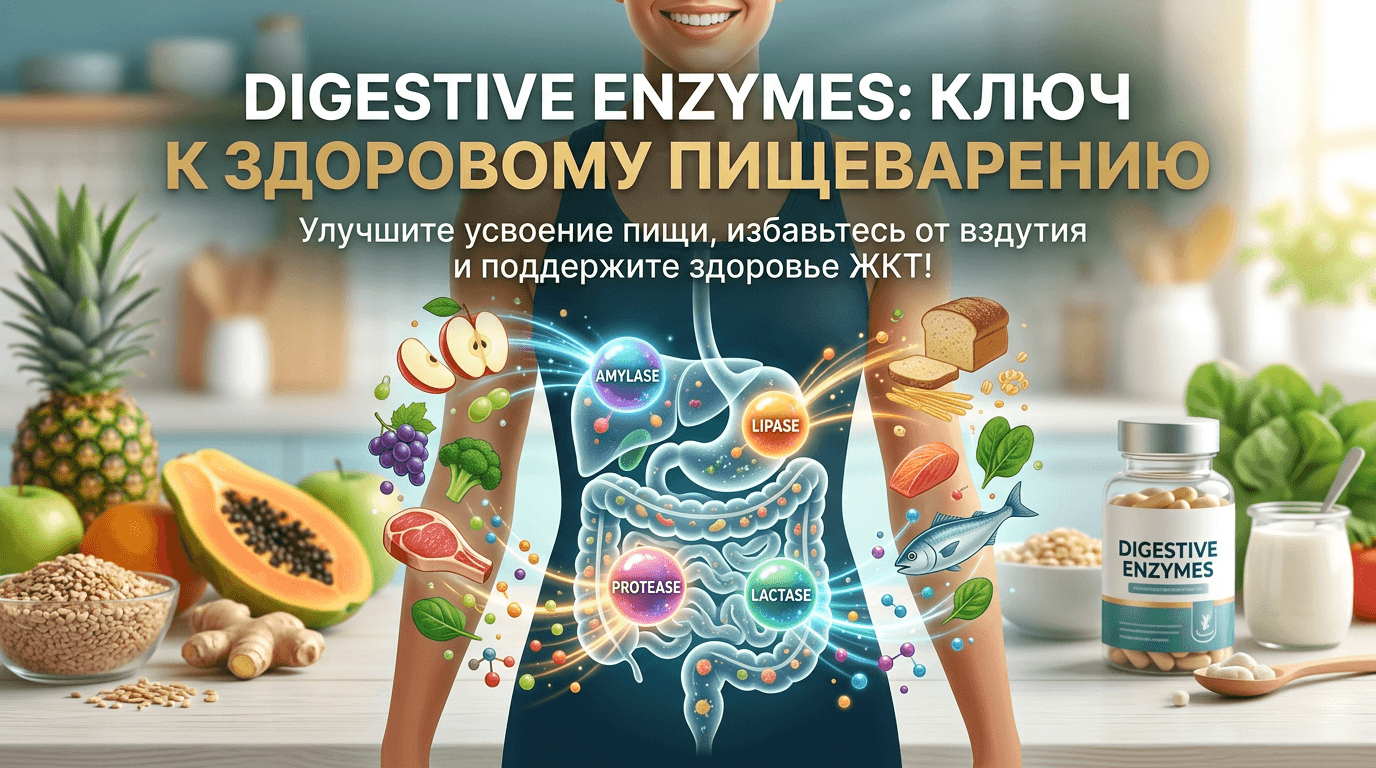
Digestive enzymes and probiotics are both used to support digestive health, but they serve fundamentally different purposes. Digestive enzymes are non-living proteins that help break down the food you eat, while probiotics are living microorganisms that contribute to a healthy gut microbiome. The right choice depends on your specific symptoms and underlying digestive issues, as enzymes address the chemical process of digestion and probiotics influence the gut's microbial environment.
Understanding the distinction between these two popular supplements is crucial for anyone seeking relief from digestive discomfort. Many people experience symptoms like bloating, gas, and indigestion, but the root cause can vary significantly. This article will provide a comprehensive guide to digestive enzymes and probiotics, explaining what they are, how they work, the key differences between them, and how to make an informed decision in consultation with your healthcare provider. We will explore their specific functions, potential benefits, and safety considerations to help you navigate your digestive health journey.
What Are Digestive Enzymes?
Digestive enzymes are specialized proteins that act as biological catalysts, meaning they speed up the chemical reactions involved in breaking down food. Your body naturally produces these enzymes to deconstruct large macronutrients—carbohydrates, proteins, and fats—into smaller, absorbable components that your cells can use for energy, growth, and repair. Without sufficient enzymes, proper digestion and nutrient absorption cannot occur.
The process of enzymatic digestion begins in the mouth and continues through the stomach and small intestine. Different enzymes are produced in different parts of the digestive tract and are specialized to act on specific types of food molecules. For example, your salivary glands, pancreas, and small intestine all contribute to the pool of enzymes needed for a complete digestive process. Their primary role is purely mechanical and chemical: to unlock the nutrients trapped inside the food you consume.
There are several major categories of digestive enzymes, each targeting a specific macronutrient:
- Amylases: These enzymes break down complex carbohydrates (starches) into simpler sugars like glucose. Amylase is produced in the salivary glands (starting carbohydrate digestion in the mouth) and the pancreas.
- Proteases: This group of enzymes is responsible for digesting proteins into smaller peptides and individual amino acids. Key proteases include pepsin (in the stomach) and trypsin and chymotrypsin (from the pancreas).
- Lipases: These enzymes break down dietary fats (triglycerides) into fatty acids and glycerol. Lingual lipase in the mouth and gastric lipase in the stomach begin the process, but the majority of fat digestion is handled by pancreatic lipase in the small intestine.
In addition to these three main groups, other specialized enzymes exist to handle specific food components. Lactase, for instance, is the enzyme that breaks down lactose, the sugar in milk. Cellulase helps break down cellulose, a type of fiber found in plant cell walls, though humans produce very little of it, which is why supplemental forms are popular.
Common Reasons for Taking Digestive Enzyme Supplements
People often turn to digestive enzyme supplements to manage common digestive complaints that occur after eating, such as bloating, gas, a feeling of excessive fullness, or indigestion. The underlying theory is that if the body's natural enzyme production is insufficient or overwhelmed, supplementing with external enzymes may help improve the breakdown of food, thereby reducing these uncomfortable symptoms.
In some cases, enzyme deficiency is a well-defined medical condition. The most significant is Exocrine Pancreatic Insufficiency (EPI), a condition where the pancreas fails to produce enough digestive enzymes to properly digest food. EPI is often associated with conditions like chronic pancreatitis, cystic fibrosis, pancreatic cancer, or Celiac disease. This condition requires a medical diagnosis and is typically managed with prescription-strength pancreatic enzyme replacement therapy (PERT).
For the general population, reasons for considering over-the-counter enzyme supplements are often related to less severe, functional digestive issues. These may include:
- Lactose Intolerance: This is a very common condition caused by a deficiency of the enzyme lactase, leading to difficulty digesting dairy products. Taking a lactase supplement before consuming dairy can help break down the lactose and prevent symptoms.
- Age-Related Decline: Natural enzyme production can decrease with age. Some older adults find that supplementing with enzymes helps them better tolerate meals that previously caused them no issues.
- Dietary Choices: Diets high in protein, fat, or specific hard-to-digest plant fibers (like those in beans and cruciferous vegetables) can sometimes challenge the digestive system. A targeted enzyme supplement, such as one containing alpha-galactosidase, may help break down the complex sugars in legumes that cause gas.
- General Digestive Discomfort: For individuals without a diagnosed condition, enzymes are often used on an "as-needed" basis to support digestion during large meals or when eating foods known to cause them personal discomfort. The goal is to provide an extra digestive "boost" to prevent post-meal sluggishness and bloating.
Understanding Different Types of Digestive Enzyme Supplements
Digestive enzyme supplements available on the market are derived from three primary sources: animals, plants, and microbes. Each type has distinct characteristics, potencies, and optimal working conditions, making them suitable for different needs and dietary preferences. Understanding these sources is key to selecting an appropriate product.
Animal-Derived Enzymes
Animal-derived enzymes, primarily pancreatin, are sourced from the pancreas of pigs (porcine) or cows (bovine). These preparations are potent and biologically similar to the enzymes produced by the human pancreas. They typically contain a combination of protease, amylase, and lipase. The most powerful forms, known as Pancreatic Enzyme Replacement Therapy (PERT), are available only by prescription and are the standard of care for medically diagnosed Exocrine Pancreatic Insufficiency (EPI).
Prescription versions like Creon, Zenpep, or Pancreaze are often enteric-coated. This special coating protects the enzymes from being destroyed by stomach acid, allowing them to be released and activated in the alkaline environment of the small intestine, where most digestion occurs. Over-the-counter animal-derived enzymes are also available but are generally less potent than their prescription counterparts. Due to their source, they are not suitable for vegetarians, vegans, or individuals with religious or dietary restrictions against pork or beef.
Plant-Based Enzymes
Plant-based enzymes are derived from fruits and are well-known for their protein-digesting abilities. The two most common plant-derived enzymes are:
- Bromelain: Sourced from the stem and juice of the pineapple, bromelain is a powerful protease that helps break down protein. It has the advantage of being active in a wide pH range, meaning it can function in both the acidic environment of the stomach and the more alkaline small intestine.
- Papain: Extracted from the latex of the raw papaya fruit, papain is another effective protease. Like bromelain, it helps digest proteins and is often included in enzyme formulas to support protein breakdown.
While effective for protein digestion, supplements containing only bromelain or papain do not offer broad-spectrum support for carbohydrates and fats. However, they are a popular component in many comprehensive enzyme formulas and are suitable for vegetarians and vegans.
Microbial Enzymes
Microbial enzymes are the most common type found in over-the-counter digestive supplements today. They are produced through the controlled fermentation of specific species of beneficial bacteria and fungi, such as *Aspergillus oryzae* (a fungus used to make soy sauce and miso) and *Bacillus subtilis* (a bacterium). This production method allows for the creation of a wide and consistent variety of enzymes that can be tailored into broad-spectrum formulas.
Microbial enzymes are highly valued for several reasons. They are exceptionally stable and, like plant enzymes, can function across a broad pH range, making them effective throughout the entire digestive tract. They can be engineered to include a comprehensive array of enzymes, including protease, amylase, lipase, lactase, cellulase, and alpha-galactosidase, all in a single supplement. This makes them a versatile and effective choice for general digestive support. Furthermore, since they are not derived from animals, microbial enzymes are suitable for vegetarians and vegans.
| Enzyme Source | Primary Source | Key Enzymes | Optimal pH Range | Common Use & Suitability |
|---|---|---|---|---|
| Animal-Derived | Porcine (pig) or bovine (cow) pancreas | Pancreatin (Protease, Amylase, Lipase) | Narrow (alkaline) | Prescription for EPI (e.g., PERT). Not suitable for vegetarians/vegans. |
| Plant-Based | Pineapple (Bromelain), Papaya (Papain) | Proteases | Broad (acidic to alkaline) | Protein digestion support. Suitable for vegetarians/vegans. |
| Microbial | Fungi (e.g., *Aspergillus*) and Bacteria | Broad spectrum (Protease, Amylase, Lipase, Cellulase, Lactase, etc.) | Broad (acidic to alkaline) | General digestive support, most common OTC type. Suitable for vegetarians/vegans. |
What Are Probiotics?
Probiotics are live microorganisms that, when administered in adequate amounts, confer a health benefit on the host. This official definition from the World Health Organization (WHO) highlights the key characteristics: they are living organisms, and they must be taken in sufficient quantities to provide a benefit. Often called "good" or "friendly" bacteria, probiotics are primarily known for their role in supporting the gut microbiome.
The gut microbiome is the complex and dynamic community of trillions of bacteria, viruses, fungi, and other microbes that reside in your digestive tract, particularly the large intestine. This ecosystem plays a critical role in human health, influencing not just digestion but also immune function, mood, and metabolism. Probiotics work by interacting with this existing ecosystem. Unlike digestive enzymes, their job is not to break down food directly. Instead, they contribute to a healthy gut environment in several ways.
Probiotics can influence health by:
- Supporting Microbial Balance: They can help restore or maintain a healthy balance of microorganisms in the gut, a state known as eubiosis. They compete with potentially harmful bacteria for space and nutrients, helping to prevent them from overgrowing.
- Strengthening the Gut Barrier: A healthy gut lining acts as a barrier to prevent harmful substances from leaking into the bloodstream. Some probiotic strains have been shown to enhance the integrity of this barrier.
- Modulating the Immune System: A significant portion of the body's immune system is located in the gut. Probiotics can interact with immune cells, helping to regulate immune responses.
- Producing Beneficial Compounds: As probiotics ferment non-digestible fibers in the colon, they produce short-chain fatty acids (SCFAs) like butyrate, which is a primary energy source for the cells lining the colon and has anti-inflammatory properties.
The most common probiotic bacteria belong to the genera *Lactobacillus* and *Bifidobacterium*. Another common probiotic is a beneficial yeast called *Saccharomyces boulardii*. It's important to recognize that the effects of probiotics are highly strain-specific, meaning that a benefit observed with one specific strain (e.g., *Lactobacillus rhamnosus* GG) does not necessarily apply to other strains, even within the same species.
Common Reasons for Taking Probiotic Supplements
Probiotics are typically taken with the goal of modulating the gut microbiome to improve digestive function and overall health. They are often used to address symptoms that are thought to be related to an imbalance in gut bacteria, known as dysbiosis, which can be caused by factors like antibiotic use, poor diet, stress, or illness.
The use of probiotics is highly individualized, and the evidence is strongest for specific strains in specific situations. Some of the most well-researched reasons for taking probiotic supplements include:
- Antibiotic-Associated Diarrhea (AAD): Antibiotics are very effective at killing harmful bacteria, but they can also wipe out beneficial bacteria in the gut, leading to diarrhea. Certain probiotic strains, such as *Lactobacillus rhamnosus* GG and *Saccharomyces boulardii*, have been shown in numerous studies to help reduce the risk of developing AAD when taken during and after antibiotic treatment.
- Supporting Digestive Regularity: For individuals struggling with constipation or diarrhea, some probiotics may help normalize bowel function. Specific strains of *Bifidobacterium* have been studied for their potential to improve stool frequency and consistency in people with constipation.
- Managing Symptoms of Irritable Bowel Syndrome (IBS): IBS is a complex functional gut disorder with symptoms like bloating, gas, abdominal pain, and altered bowel habits. While probiotics are not a cure, some evidence suggests that specific strains or combinations of strains may help alleviate some of these symptoms, particularly bloating and gas, in certain individuals.
- General Gut Health Maintenance: Many people take probiotics as a daily supplement to support a diverse and resilient gut microbiome, with the aim of promoting long-term digestive wellness and supporting immune function.
In addition to supplements, probiotics are naturally found in fermented foods. Including items like yogurt (with live and active cultures), kefir, sauerkraut, kimchi, miso, and kombucha in your diet is another way to introduce beneficial microbes to your gut. However, supplements typically offer a much higher and more targeted dose of specific, well-researched strains than what is found in most foods.
The Core Differences: Digestive Enzymes vs. Probiotics
While both digestive enzymes and probiotics are associated with gut health, they are fundamentally different in their nature and function. Enzymes are non-living tools for digestion, while probiotics are living organisms that influence the entire gut ecosystem. Confusing the two is like confusing the workers who deconstruct a building (enzymes) with the new residents who move in and create a community (probiotics).
The primary function of digestive enzymes is to facilitate the chemical breakdown of the food you consume. They act directly on carbohydrates, proteins, and fats in the stomach and small intestine, making nutrients available for absorption. Their job is specific, immediate, and directly related to the meal you've just eaten. If you have symptoms like bloating, gas, or a heavy feeling right after eating, it could suggest that your food is not being broken down efficiently, a problem that enzymes are designed to address.
In contrast, probiotics do not digest food themselves. Their primary site of action is the large intestine, where they become part of the gut microbiome. They work by influencing the gut environment, competing with harmful microbes, supporting the intestinal barrier, and interacting with your immune system. The benefits of probiotics are generally not immediate; they build up over time as they modulate the microbial community. Symptoms like chronic irregularity, persistent bloating unrelated to specific meals, or digestive issues following a course of antibiotics are more indicative of a problem that probiotics might help address.
The following table provides a clear, side-by-side comparison of these two distinct supplement categories:
| Feature | Digestive Enzymes | Probiotics |
|---|---|---|
| What they are | Non-living proteins (catalysts) | Living microorganisms (bacteria, yeast) |
| Primary Function | Break down food into absorbable nutrients | Support a healthy balance of gut bacteria |
| Primary Site of Action | Stomach and small intestine | Primarily the large intestine (colon) |
| Mechanism | Act directly on food molecules (carbs, proteins, fats) | Colonize the gut, compete with pathogens, produce beneficial compounds (e.g., SCFAs) |
| Typical Target Symptoms | Post-meal bloating, gas, fullness, indigestion, undigested food in stool | Chronic bloating, irregularity (constipation/diarrhea), antibiotic-associated issues |
| When to Take | Immediately before or with meals | Varies by product; often on an empty stomach or with food to buffer acid |
| Speed of Action | Immediate (acts on the current meal) | Gradual (takes days to weeks to see effects) |
Can You Take Digestive Enzymes and Probiotics Together?
Yes, taking digestive enzymes and probiotics together is generally considered safe and is a common approach for individuals seeking comprehensive digestive support. Because they perform distinct and complementary functions, they do not interfere with one another. In fact, using them in combination can be a synergistic strategy, addressing digestive health from two different angles.
Digestive enzymes work upstream in the stomach and small intestine to ensure food is properly broken down. This improved digestion can have a positive downstream effect. When food is more completely digested, there is less undigested food matter reaching the large intestine. This is significant because large amounts of undigested carbohydrates or proteins can feed the "wrong" kind of bacteria in the colon, leading to fermentation, gas, and bloating. By optimizing digestion first, enzymes can help create a better environment for the beneficial bacteria in the colon to thrive.
Probiotics, on the other hand, work further down in the large intestine to support a healthy microbial ecosystem. A well-balanced microbiome, supported by probiotics, can in turn contribute to better digestive function overall, including improved motility and gut barrier health. Some combination products on the market even include enzymes, probiotics, and prebiotics—a type of fiber that serves as food for probiotics. These all-in-one formulas, sometimes called synbiotics, aim to provide multifaceted support.
How to Choose the Right Digestive Enzyme Supplement
Selecting a digestive enzyme supplement can feel overwhelming due to the vast number of products available. To make an informed choice, it's important to look past the marketing claims and focus on the supplement facts panel, paying attention to the types of enzymes included and, most importantly, their activity levels.
Look for Broad-Spectrum Formulas
For general digestive support, a broad-spectrum formula is usually the best place to start. This means the supplement should contain enzymes to digest all three macronutrients. Look for a product that includes:
- Proteases for protein digestion.
- Amylases for carbohydrate digestion.
- Lipases for fat digestion.
Many high-quality formulas will also include other specialized enzymes. Cellulase can help break down plant fiber, lactase is essential for those with dairy sensitivity, and alpha-galactosidase is particularly effective for breaking down the complex carbohydrates in beans, legumes, and cruciferous vegetables that often cause gas.
Understand Activity Units, Not Milligrams
This is the single most important factor when comparing enzyme supplements. The potency of an enzyme is not measured by its weight (in milligrams or mg) but by its activity level. Activity units measure how much of a specific substrate an enzyme can break down in a given amount of time under specific conditions. Different enzymes have their own unique activity units.
When reading a label, ignore the milligram amount and look for these letters instead:
| Enzyme | Common Activity Units |
|---|---|
| Protease | HUT (Hemoglobin Unit on a Tyrosine basis) |
| Amylase | DU (Dextrinizing Unit) |
| Lipase | FIP (Fédération Internationale Pharmaceutique) |
| Lactase | ALU (Acid Lactase Unit) |
| Cellulase | CU (Cellulase Unit) |
| Alpha-galactosidase | GalU (Galactosidase Unit) |
A product with high activity units is more potent than one with low units, regardless of the milligram weight. When comparing two products, compare the HUT to HUT, DU to DU, etc.
Consider Your Specific Dietary Triggers and Quality
Tailor your choice to your personal needs. If you know that high-fat meals leave you feeling sluggish and bloated, prioritize a supplement with a high FIP count for lipase. If dairy is your main issue, a standalone lactase supplement or a blend with a high ALU count is essential. For vegans and vegetarians who consume a lot of beans and vegetables, formulas rich in alpha-galactosidase and cellulase can be particularly helpful.
Finally, choose supplements from reputable manufacturers that adhere to Current Good Manufacturing Practices (cGMP). Look for third-party certifications from organizations like NSF International, USP (United States Pharmacopeia), or ConsumerLab.com, which verify product purity and potency.
How to Choose the Right Probiotic Supplement
Choosing an effective probiotic supplement requires a different, but equally detailed, approach. Since probiotics are living organisms, the focus shifts from activity units to strains, CFU counts, and viability. The goal is to deliver the right types of living bacteria to your gut in sufficient numbers.
Focus on Strains, Not Just Species
The benefits of probiotics are strain-specific. This means you need to look beyond the genus and species name. A probiotic label should list the full name, for example: *Lactobacillus* (genus) *rhamnosus* (species) GG (strain). The strain designation (GG) is critical because the research supporting a particular health benefit is tied to that specific strain.
Before buying, it's wise to do some research or talk to a knowledgeable healthcare provider about which strains have been studied for your specific health concern. For example:
- For antibiotic-associated diarrhea: *Lactobacillus rhamnosus* GG and *Saccharomyces boulardii* are two of the most well-researched options.
- For IBS symptoms: *Bifidobacterium infantis* 35624 has been studied for its potential to help manage a range of IBS symptoms. A combination of *Lactobacillus* and *Bifidobacterium* strains may also be beneficial.
- For general gut health: A multi-strain formula containing a variety of well-documented *Lactobacillus* and *Bifidobacterium* strains is a common choice.
Check the CFU Count and Viability
CFU stands for Colony Forming Units, which is the measure of the number of viable, live bacteria in a serving. Doses in supplements can range from 1 billion to over 100 billion CFUs. "More" is not necessarily better; the effective dose depends on the strain and the health goal. Most general-purpose probiotics fall in the 5-25 billion CFU range.
More important than the CFU count at the time of manufacture is the guarantee of viability through the expiration date. Probiotics are fragile and can die off during storage. Look for products that explicitly state the CFU count is guaranteed "at time of expiration." Proper packaging, such as dark glass bottles or blister packs, also helps protect the organisms from light, moisture, and air.
Consider Delivery System and Prebiotics
For probiotics to be effective, they must survive the harsh, acidic environment of the stomach to reach the intestines. Some supplements use special technologies like delayed-release or enteric-coated capsules to protect the bacteria. Others use specific strains that are naturally more resistant to acid.
Also, consider products that include prebiotics. Prebiotics are types of dietary fiber (like inulin, FOS, or GOS) that your body cannot digest but serve as food for your gut bacteria. A supplement that contains both probiotics and prebiotics is called a synbiotic. This combination can help the probiotics to thrive once they reach your gut.
Potential Side Effects and Safety Considerations
While both digestive enzymes and probiotics are generally considered safe for the healthy adult population, they can cause side effects in some individuals, and certain groups should exercise caution. It is always best to start with a low dose of any new supplement to assess your tolerance.
Digestive Enzyme Side Effects and Interactions
The side effects of over-the-counter enzyme supplements are typically mild and digestive in nature. They may include nausea, abdominal cramps, or diarrhea. These effects are often dose-dependent and can sometimes be mitigated by taking a smaller dose or ensuring the supplement is taken with food. High doses of protease enzymes, in particular, could potentially cause irritation to the mouth or esophagus if capsules are opened or chewed.
Regarding interactions, some enzymes like bromelain and papain may have mild blood-thinning properties and could theoretically enhance the effects of anticoagulant and antiplatelet drugs (e.g., warfarin, aspirin). Individuals on these medications should consult their doctor before using supplements containing these plant-based proteases. Additionally, digestive enzymes could potentially interfere with the action of certain medications that rely on carbohydrates for absorption or timing, such as the diabetes drug acarbose.
Probiotic Side Effects and Precautions
The most common side effect of starting probiotics is a temporary increase in gas and bloating. This is often a sign that the probiotics are active and the gut microbiome is adjusting. These symptoms usually subside within a few days to a couple of weeks of consistent use. If they persist, you may want to try a different strain or a lower CFU count.
Probiotics are generally safe to take with most medications. However, since antibiotics kill bacteria, it is often recommended to take probiotics at least 2-3 hours apart from an antibiotic dose to ensure the probiotics survive.
When to See a Doctor
Supplementing with enzymes or probiotics is not a substitute for professional medical care. If you are experiencing persistent or severe digestive symptoms, it is crucial to consult a healthcare professional for an accurate diagnosis. Self-treating a serious underlying condition can be dangerous. Be sure to see a doctor if you experience any of the following "red flag" symptoms:
- Unintentional weight loss
- Severe or worsening abdominal pain
- Blood in your stool (red or black)
- Persistent vomiting or diarrhea
- Difficulty swallowing
- Symptoms that do not improve or worsen despite using supplements
Frequently Asked Questions About Digestive Enzymes and Probiotics
Which is better for bloating: enzymes or probiotics?
It depends on the cause of the bloating. If your bloating occurs immediately after meals and you feel overly full, digestive enzymes might be more helpful as they aid in breaking down food. If your bloating is more constant, or seems unrelated to specific meals, it could be related to a gut bacteria imbalance (dysbiosis), in which case probiotics might be a better choice to try.
Do I need to take digestive enzymes forever?
For individuals with a diagnosed medical condition like Exocrine Pancreatic Insufficiency (EPI), enzyme therapy is a lifelong necessity. For most people using over-the-counter enzymes for general digestive support, they can be taken on an "as-needed" basis, such as with particularly large, rich, or problematic meals, rather than every day.
Can I get enough digestive enzymes and probiotics from food?
Your body produces most of the digestive enzymes it needs. While some raw foods (like pineapple and papaya) contain enzymes, cooking destroys them. Probiotics are found in fermented foods like yogurt, kefir, and kimchi. While a healthy diet can provide some support, supplements offer higher, more concentrated, and specific doses of both enzymes and probiotic strains than can typically be obtained from food alone.
How long does it take for digestive enzymes to work?
Digestive enzymes work immediately. They act on the food in the meal you take them with. You should notice any potential benefits, such as reduced post-meal bloating or fullness, with that specific meal.
How long does it take for probiotics to work?
Probiotics work more gradually. Since they need to influence the complex gut ecosystem, it can take anywhere from a few days to several weeks of consistent daily use to notice a change in symptoms like regularity or general digestive comfort. It's generally recommended to try a probiotic for at least 4 weeks to assess its effects.
Are digestive enzymes the same as prebiotics?
No, they are completely different. Digestive enzymes are proteins that break down the food you eat. Prebiotics are specific types of indigestible fiber that act as food for the beneficial bacteria (probiotics) in your gut. Prebiotics help probiotics thrive.
Should I take digestive enzymes with every single meal?
Not necessarily. It's most beneficial to take them with larger, cooked meals containing significant amounts of protein, fat, and carbohydrates. Small snacks or raw fruit may not require supplemental enzyme support. The goal is to supplement your body's own enzyme production, not replace it entirely.
What is the difference between bromelain/papain and a full-spectrum enzyme?
Bromelain (from pineapple) and papain (from papaya) are specific types of protease enzymes that only digest protein. A full-spectrum or broad-spectrum enzyme formula is more comprehensive, containing enzymes to digest all three macronutrients: proteases (for protein), amylases (for carbs), and lipases (for fats).
Can children take digestive enzymes or probiotics?
Both digestive enzymes and probiotics are sometimes used in children, but this should only be done under the guidance of a pediatrician or qualified healthcare professional. Dosages, specific strains, and safety considerations are different for children, and professional advice is essential to ensure safe and appropriate use.
Do I need a prescription for digestive enzymes?
High-potency, pharmaceutical-grade pancreatic enzyme replacement therapy (PERT) for conditions like EPI requires a prescription. However, a wide variety of lower-potency, general digestive enzyme supplements are available over-the-counter for dietary support.
Digestive Enzymes vs. Probiotics: A Summary for Your Health Journey
Navigating the world of supplements can be complex, but understanding the fundamental roles of digestive enzymes and probiotics demystifies much of the confusion. The choice between them—or the decision to use both—comes down to their distinct functions. Remember the key takeaway: enzymes are for digestion, and probiotics are for the gut environment.
Digestive enzymes act as the "workhorses" of digestion, breaking down the food you eat to unlock its nutrients. They are most appropriate for addressing immediate, meal-related symptoms like bloating, gas, and a feeling of heaviness. Probiotics, in contrast, are the "gardeners" of your inner ecosystem, contributing to a balanced and healthy community of microorganisms in your gut. They are better suited for tackling issues related to microbial imbalance, such as irregularity, antibiotic-related disruption, and more generalized digestive discomfort.
While both can be valuable tools, they are not a cure-all and cannot replace a healthy diet and lifestyle. Most importantly, they are not a substitute for a proper medical diagnosis. If you are struggling with persistent digestive problems, the most crucial step is to consult with a licensed healthcare professional, such as a gastroenterologist or a registered dietitian. They can help you identify the root cause of your symptoms and develop a safe, personalized, and effective plan that is right for you.