
vitamine -
The Danger of Zinc-Induced Copper Deficiency
Maintaining the proper zinc copper balance is essential for overall health, as excessive zinc intake can lead to a clinically significant copper deficiency. This condition arises because high levels of zinc interfere with the body's ability to absorb copper, a vital trace mineral
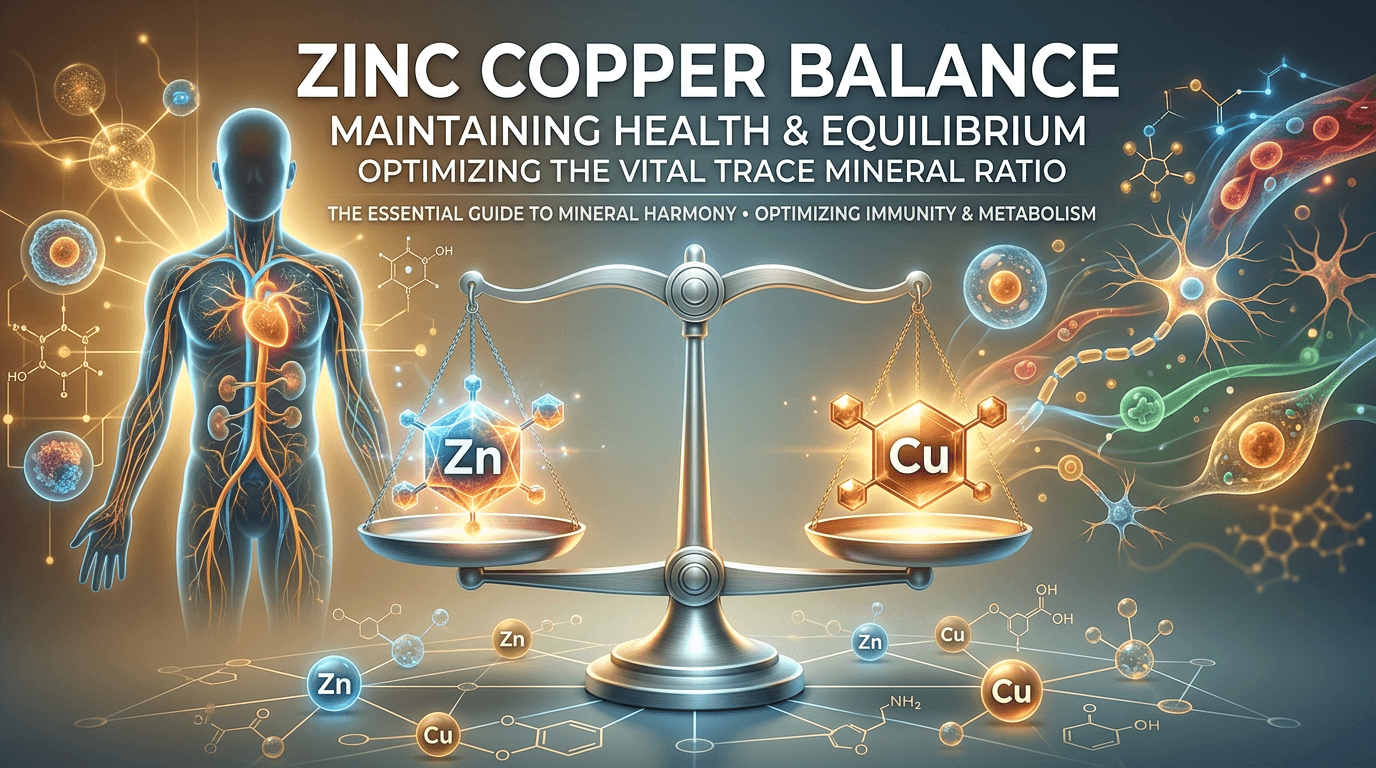
Maintaining the proper zinc copper balance is essential for overall health, as excessive zinc intake can lead to a clinically significant copper deficiency. This condition arises because high levels of zinc interfere with the body's ability to absorb copper, a vital trace mineral. Understanding this interaction is critical for anyone taking zinc supplements long-term, especially at high doses.
Zinc has gained immense popularity for its role in supporting immune function, skin health, and wound healing. While it is an indispensable nutrient, the concept of "more is better" does not apply. The relationship between zinc and copper is a delicate biological seesaw. When one side is overloaded, the other can drop to dangerously low levels. This article provides a comprehensive overview of zinc-induced copper deficiency, explaining the underlying mechanism, symptoms, risk factors, and—most importantly—how to approach zinc supplementation safely and prevent this serious nutritional imbalance.
What Are Zinc and Copper and Why Are They Important?

Zinc and copper are essential trace minerals, meaning the body needs them in small amounts to function correctly, but cannot produce them on its own. They must be obtained from diet or supplements. Both minerals act as cofactors for hundreds of enzymes, participating in countless biochemical reactions that support everything from energy production to DNA synthesis.
Despite their individual importance, their story is deeply intertwined. They share similar chemical properties, which leads to competition within the body for absorption and transport. This is why their balance is as critical as their absolute levels. Think of them as two key employees who need to work in concert; if one dominates the conversation, the work of the other is hindered.
The Essential Roles of Zinc
Zinc is a powerhouse mineral involved in over 300 enzymatic processes. Its functions are diverse and crucial for systemic health. Key roles of zinc include:
- Immune Function: Zinc is vital for the development and function of immune cells, including T-cells and natural killer cells. It helps regulate the body's inflammatory response and is essential for both the innate and adaptive immune systems.
- Wound Healing and Skin Health: The mineral plays a significant role in collagen synthesis, cell proliferation, and inflammation control, all of which are critical for repairing damaged tissue and maintaining skin integrity.
- DNA Synthesis and Cell Division: Zinc is necessary for the structure of proteins and cell membranes, and its role in cell growth makes it particularly important during periods of rapid development, such as pregnancy and childhood.
- Antioxidant Activity: Zinc is a component of the enzyme copper-zinc superoxide dismutase (Cu/Zn-SOD), a potent antioxidant that helps protect cells from damage caused by free radicals.
- Senses of Taste and Smell: A zinc-dependent protein, gustin, is critical for taste bud development and function. Deficiency can lead to a diminished sense of taste and smell.
The Essential Roles of Copper
Copper, while needed in smaller quantities than zinc, is no less important. Its unique ability to cycle between two oxidation states (Cu1+ and Cu2+) allows it to participate in a wide range of redox reactions. Key functions of copper include:
- Red Blood Cell Formation: Copper is essential for iron metabolism and the formation of hemoglobin, the protein in red blood cells that carries oxygen. A copper-dependent enzyme, ceruloplasmin, helps mobilize iron from storage sites.
- Nervous System Function: Copper is required for the synthesis and maintenance of myelin, the protective sheath that covers nerve fibers. It is also a cofactor for enzymes that produce neurotransmitters like norepinephrine.
- Energy Production: It is a key component of cytochrome c oxidase, an enzyme complex in the mitochondria that is essential for the final step of cellular energy production (ATP synthesis).
- Connective Tissue Formation: The copper-dependent enzyme lysyl oxidase is crucial for cross-linking collagen and elastin, providing strength and flexibility to bones, skin, and blood vessels.
- Antioxidant Defense: Like zinc, copper is a critical part of the copper-zinc superoxide dismutase (Cu/Zn-SOD) enzyme, helping to neutralize damaging superoxide radicals.
The Critical Zinc-Copper Balance: How They Interact
The relationship between zinc and copper is a classic example of nutritional antagonism. Because they are both positively charged divalent cations (Zn2+ and Cu2+) and have similar atomic sizes, they compete for the same absorption pathways in the small intestine. The body has a specific protein transport system to absorb these minerals from food, but this system does not always differentiate perfectly between them.
When one mineral is present in excessive amounts, it can saturate these transporters, effectively blocking the absorption of the other. This competitive absorption is the primary mechanism behind the zinc-copper imbalance. The ideal dietary zinc-to-copper ratio is often cited as being around 8:1 to 12:1. However, modern diets and, more significantly, high-dose supplementation can skew this ratio dramatically, often to 50:1 or higher, creating a physiological environment ripe for deficiency.
This balance isn't just about absorption. Once in the body, zinc and copper also interact at the level of binding proteins and enzymes. The most famous example is the antioxidant enzyme Cu/Zn-SOD, which, as its name implies, requires both minerals to function. An imbalance can impair the activity of this crucial enzyme, leaving cells more vulnerable to oxidative stress. Therefore, maintaining a healthy balance is not just about preventing overt deficiency but also about ensuring optimal physiological function.
How Excess Zinc Causes Copper Deficiency: The Metallothionein Mechanism
The specific biochemical process by which high zinc intake induces copper deficiency is well-understood and centers on a protein called metallothionein. This process provides a clear, scientific explanation for the "danger" of imbalanced zinc supplementation.
Here is a step-by-step breakdown of the mechanism:
- High Zinc Intake: An individual consumes high doses of zinc, typically from supplements, far exceeding the amounts found in a normal diet.
- Induction of Metallothionein: The cells lining the small intestine (enterocytes) respond to this high concentration of zinc by increasing their production of metallothionein. Metallothionein is a small, cysteine-rich protein whose primary role is to bind and detoxify heavy metals, including zinc, copper, and cadmium. Its production is directly stimulated by the presence of zinc.
- Preferential Binding of Copper: While metallothionein is induced by zinc, it has a much higher binding affinity for copper. This means that once produced, it will preferentially bind to any available copper that enters the intestinal cell, even if zinc levels are high.
- Copper Sequestration: The metallothionein effectively acts like a sponge, "trapping" dietary copper within the intestinal cells. This sequestered copper is now bound and cannot be transported into the bloodstream to be used by the rest of the body.
- Sloughing of Intestinal Cells: The cells of the intestinal lining have a very short lifespan, typically only 3 to 5 days. At the end of their life cycle, they are shed (sloughed off) into the intestinal lumen and excreted from the body in the stool.
- Excretion of Trapped Copper: When these copper-laden intestinal cells are shed, the copper they contain is lost from the body. This process effectively creates a mucosal block, preventing dietary copper from ever reaching systemic circulation.
The result of this continuous cycle is a net loss of copper, leading to a systemic copper deficiency. This can occur even if the person is consuming adequate or even high amounts of copper in their diet. The high-zinc environment simply prevents the copper from being absorbed. This is why zinc-induced copper deficiency is a problem of absorption, not necessarily of intake.
Symptoms of Zinc-Induced Copper Deficiency
The symptoms of copper deficiency caused by excess zinc can be serious and wide-ranging, often affecting the hematologic (blood) and neurologic (nervous) systems most profoundly. A significant challenge is that these symptoms are often non-specific and can mimic other conditions, leading to delayed diagnosis. It is crucial to consult a healthcare professional for proper evaluation if you experience these issues, especially if you are taking zinc supplements.
Common signs and symptoms can be grouped into two main categories:
Hematologic Symptoms
These symptoms relate to blood and blood cell formation and are often among the first to appear. They stem from copper's critical role in iron metabolism and red blood cell production.
- Anemia: A low red blood cell count, which can be either microcytic (small cells) or normocytic (normal-sized cells). A key feature is that this anemia is often unresponsive to iron supplementation because the problem isn't a lack of iron, but the inability to use it properly without adequate copper.
- Neutropenia: A low level of neutrophils, a type of white blood cell that is the body's first line of defense against bacterial infections. This can lead to an increased susceptibility to infections.
- Fatigue and Weakness: A direct consequence of anemia and impaired energy production in cells.
- Pale Skin (Pallor): Caused by the reduced number of red blood cells circulating near the skin's surface.
- Shortness of Breath: Occurs because the blood has a reduced capacity to carry oxygen to tissues.
Neurologic and Musculoskeletal Symptoms
These symptoms can be more severe and may become irreversible if the deficiency is not corrected promptly. They are linked to copper's role in maintaining the myelin sheath around nerves and in neurotransmitter synthesis.
- Numbness, Tingling, or Pain: Often starting in the hands and feet (peripheral neuropathy), this is a common and distressing symptom.
- Difficulty Walking (Gait Ataxia): A loss of coordination and balance, leading to a wide, unsteady gait. This is a sign of damage to the spinal cord.
- Muscle Weakness: Particularly in the legs.
- Spasticity: Increased muscle stiffness and tightness.
- Cognitive Changes: In severe cases, this can include memory problems, confusion, or mood changes like irritability and depression.
- Vision Loss: A less common but reported symptom related to optic nerve damage.
The neurological syndrome associated with copper deficiency is known as copper deficiency myelopathy, which can closely resemble the subacute combined degeneration seen in vitamin B12 deficiency. This overlap makes a thorough diagnostic workup by a physician absolutely essential.
Who Is at Risk for an Imbalanced Zinc-Copper Ratio?
While zinc-induced copper deficiency is not common in the general population, certain groups are at a significantly higher risk due to high zinc intake or other factors that disrupt mineral balance. Awareness of these risk factors is key to prevention.
The primary risk groups include:
- Users of High-Dose Zinc Supplements: This is the most common cause. Individuals taking high doses of zinc (typically over 50 mg of elemental zinc per day) for prolonged periods are at the highest risk. This includes people supplementing for immune support, acne, age-related macular degeneration (as in the AREDS/AREDS2 formulas, which are carefully balanced with copper), or perceived general wellness.
- Users of Zinc-Containing Denture Adhesives: In the past, some denture creams contained very high amounts of zinc. Chronic, excessive use could lead to the ingestion of hundreds of milligrams of zinc per day. While many manufacturers have reformulated their products, this remains a historical and potential cause. Individuals using older or imported denture products may still be at risk.
- Individuals with Certain Medical Conditions: Some conditions may lead to prescribed high-dose zinc therapy. For example, Wilson's disease, a genetic disorder of copper overload, is treated with high doses of zinc to block copper absorption. This is done under strict medical supervision to intentionally induce a controlled copper deficiency.
- People with Malabsorptive Syndromes: While malabsorption typically causes deficiency of both minerals, post-bariatric surgery patients or those with Crohn's disease may have altered absorption patterns that can disrupt the zinc-copper balance, especially if supplementation is not managed carefully.
It's important to recognize that risk is a combination of dose and duration. Taking a high dose of zinc for a few days to support the immune system during an illness is unlikely to cause a problem. The danger arises from chronic, long-term intake of high supplemental zinc without medical supervision and without considering copper status.
Diagnosing Zinc-Induced Copper Deficiency: Lab Tests and Clinical Evaluation
Diagnosing this condition requires a multi-faceted approach by a qualified healthcare professional. It cannot be self-diagnosed based on symptoms alone due to their non-specific nature. The diagnostic process typically involves a patient history, clinical examination, and specific laboratory tests.
A physician will begin by taking a detailed history, paying close attention to:
- All supplements being taken, including dose, form, and duration of use.
- Use of any denture adhesives.
- Dietary habits.
- The specific onset and progression of symptoms.
Key Laboratory Tests
If zinc-induced copper deficiency is suspected, a doctor will likely order a panel of blood tests to confirm the diagnosis and rule out other conditions. These tests must be interpreted together, as no single marker tells the whole story.
| Test | Expected Finding in Zinc-Induced Copper Deficiency | What It Indicates |
|---|---|---|
| Serum Copper | Low | Indicates depleted copper stores in the blood. This is a key diagnostic marker. |
| Serum Ceruloplasmin | Low | Ceruloplasmin is the main copper-carrying protein in the blood. Its synthesis requires copper, so its levels fall during deficiency. |
| Serum Zinc | High or High-Normal | Confirms excessive zinc exposure, which is the underlying cause. |
| Complete Blood Count (CBC) | Anemia (low hemoglobin/hematocrit), Neutropenia (low neutrophils) | Reveals the hematologic consequences of copper deficiency. |
| Vitamin B12 Level | Normal | Important for differential diagnosis, as B12 deficiency can cause similar neurological symptoms (subacute combined degeneration). |
The classic diagnostic triad is a high serum zinc level combined with low serum copper and low ceruloplasmin levels, in the context of relevant clinical symptoms. Finding this combination strongly points towards a diagnosis of zinc-induced copper deficiency. In some cases, imaging studies like an MRI of the spine may be ordered to assess the extent of any neurological changes.
How to Restore the Zinc-Copper Balance Safely
Correcting a zinc-induced copper deficiency is a two-pronged approach that must be managed by a healthcare professional to avoid further imbalances. Self-treating can be dangerous, as it's possible to over-correct and create new problems. The goal is to eliminate the source of excess zinc and carefully replete the body's copper stores.
Step 1: Eliminate the Source of Excess Zinc
The first and most critical step is to immediately stop all sources of supplemental zinc. This includes:
- Discontinuing all zinc-only supplements.
- Stopping any multivitamins or immune formulas that contain high doses of zinc.
- If applicable, switching to a zinc-free denture adhesive.
Simply stopping the excess zinc intake removes the block on copper absorption. The metallothionein levels in the intestinal cells will begin to normalize, allowing dietary copper to be absorbed once again. For mild cases without significant symptoms, this step alone may be sufficient over time, combined with a copper-rich diet.
Step 2: Medically Supervised Copper Repletion
For individuals with symptomatic or severe deficiency, stopping zinc is not enough; active repletion with copper supplements is necessary. This must be done under a doctor's care.
A physician will determine the appropriate form and dose of copper. Copper is typically prescribed as an oral supplement, often in the form of copper gluconate, sulfate, or citrate. The dose will depend on the severity of the deficiency, but a typical starting point might be 2 mg of elemental copper per day, taken away from meals. The doctor will monitor progress through follow-up blood tests (serum copper, ceruloplasmin, CBC) and adjust the dose as needed.
The hematologic abnormalities (anemia, neutropenia) usually begin to improve within weeks of starting treatment. Neurological symptoms, however, may improve more slowly, over months, and in some cases, the damage may be partially or fully irreversible, highlighting the importance of early diagnosis and treatment.
Preventing Imbalance: Safe Zinc Supplementation Guidelines
Prevention is the best strategy when it comes to the zinc-copper balance. While zinc is a valuable supplement in certain situations, it must be used responsibly. Following established guidelines and being mindful of the dose and duration of use can prevent the development of copper deficiency.
Respect the Tolerable Upper Intake Level (UL)
The National Institutes of Health (NIH) has established a Tolerable Upper Intake Level (UL) for zinc. The UL is the maximum daily intake unlikely to cause adverse health effects in almost all individuals in a group. It is not a recommended level of intake but a ceiling to avoid.
The UL for zinc for adults is 40 mg per day from all sources (food and supplements).
Long-term intake above this level significantly increases the risk of adverse effects, including copper deficiency. While short-term use of higher doses (e.g., for a week during a cold) is generally considered safe for most adults, chronic daily intake above 40 mg should only be done under the guidance of a healthcare professional who can monitor for side effects and assess copper status.
Consider the Zinc-to-Copper Ratio in Supplements
If long-term zinc supplementation is medically necessary, it is wise to consider the zinc-to-copper ratio. Many knowledgeable practitioners and supplement formulators aim for a ratio that reflects a healthy dietary intake.
- Look for Balanced Formulas: If you need to take zinc daily for an extended period, consider choosing a supplement that includes copper. A common ratio seen in well-formulated supplements is between 8:1 and 15:1 of zinc to copper (e.g., 15 mg of zinc with 1-2 mg of copper, or 30 mg of zinc with 2-3 mg of copper).
- The AREDS2 Example: The Age-Related Eye Disease Study 2 (AREDS2) formula, used for macular degeneration, contains 80 mg of zinc. Critically, the researchers included 2 mg of copper in the formula specifically to prevent copper deficiency, demonstrating the importance of this balance in high-dose, long-term therapy.
General Principles for Safe Supplementation
- "Food First" Approach: Aim to meet your nutrient needs through a balanced diet before turning to high-dose supplements.
- Question the Need: Before starting a supplement, ask yourself or your doctor why you are taking it and what specific goal you are trying to achieve.
- Use the Lowest Effective Dose: More is not better. Use the lowest dose that achieves your health objective.
- Short-Term Use for Acute Needs: Reserve higher-dose zinc supplements for short-term situations, such as the first few days of a cold, rather than as a daily preventative.
- Consult a Professional: Always discuss long-term supplement plans with a licensed healthcare professional, such as a doctor, registered dietitian, or pharmacist. They can assess your individual needs, check for potential interactions, and recommend appropriate monitoring.
Foods to Support a Healthy Zinc-Copper Ratio
A well-balanced diet is the foundation of good mineral status. By consuming a variety of whole foods, you can provide your body with both zinc and copper in ratios that are naturally regulated. Focusing on food sources can help maintain balance and may reduce the perceived need for high-dose supplementation.
Excellent Food Sources of Zinc
Animal products are generally the most bioavailable sources of zinc. Plant-based sources often contain phytates, which can slightly reduce zinc absorption.
| Food | Typical Zinc Content per Serving |
|---|---|
| Oysters, cooked | ~74 mg per 3 ounces |
| Beef, chuck roast | ~7 mg per 3 ounces |
| Crab, Alaska king | ~6.5 mg per 3 ounces |
| Pumpkin seeds | ~2.2 mg per 1 ounce |
| Chickpeas, cooked | ~1.3 mg per 1/2 cup |
| Yogurt, plain | ~1.7 mg per 8 ounces |
Excellent Food Sources of Copper
Copper is found in a wide variety of foods, with organ meats, shellfish, nuts, and seeds being particularly rich sources.
| Food | Typical Copper Content per Serving |
|---|---|
| Beef liver, cooked | ~14 mg per 3 ounces |
| Oysters, cooked | ~4.8 mg per 3 ounces |
| Cashews, raw | ~0.6 mg per 1 ounce |
| Sunflower seeds | ~0.5 mg per 1 ounce |
| Shiitake mushrooms, cooked | ~0.9 mg per 1/2 cup |
| Dark chocolate (70-85% cacao) | ~0.5 mg per 1 ounce |
Interestingly, some foods like oysters are exceptionally rich in both minerals, but with a zinc-dominant profile. A varied diet that includes beef, poultry, beans, nuts, seeds, and whole grains will generally provide a healthy balance of both minerals without the risk of overload from either.
Potential Complications and Long-Term Effects
The consequences of untreated zinc-induced copper deficiency can be severe and, in some cases, permanent. While the blood-related issues like anemia and neutropenia are typically reversible with treatment, the neurological damage is the most significant concern.
The nervous system relies on copper for several critical functions, including the maintenance of the myelin sheath that insulates nerve fibers. Prolonged copper deficiency can lead to demyelination, particularly in the spinal cord. This is analogous to the stripping of insulation from an electrical wire, causing signals to slow down, become distorted, or fail altogether.
If not caught early, this can lead to:
- Permanent Neuropathy: Chronic numbness, tingling, and pain in the extremities may not fully resolve even after copper levels are normalized.
- Irreversible Gait Disturbance: Damage to the sensory pathways in the spinal cord can lead to a permanent loss of balance and coordination, sometimes requiring the use of a cane or walker.
- Chronic Muscle Weakness or Spasticity: Long-term damage to motor neurons can result in persistent weakness or stiffness.
The potential for these life-altering complications underscores why the "danger" of imbalanced zinc supplementation is not an exaggeration. It highlights the absolute necessity of recognizing the symptoms, seeking prompt medical evaluation, and adhering to safe supplementation practices. Early diagnosis and intervention are the best defense against long-term disability from this preventable condition.
Frequently Asked Questions About Zinc-Copper Balance
How much zinc is too much and can cause copper deficiency?
Chronic daily intake above the Tolerable Upper Intake Level (UL) of 40 mg of elemental zinc for adults significantly increases the risk of copper deficiency. Doses of 50 mg per day or higher taken for several weeks to months are frequently cited in clinical reports of zinc-induced copper deficiency. Short-term use of higher doses is less likely to cause a problem, but long-term use requires caution and medical supervision.
How long does it take for excess zinc to cause a copper deficiency?
The timeframe can vary widely depending on the dose of zinc, an individual's baseline copper status, and their dietary copper intake. It can range from several months to several years of high-dose zinc supplementation. Symptoms may develop gradually, making it difficult to pinpoint the exact onset.
What is a good zinc-to-copper ratio in a supplement?
For long-term use, many experts suggest a ratio of zinc to copper between 8:1 and 15:1. For example, a supplement containing 15 mg of zinc might include 1-2 mg of copper. This helps prevent the zinc from overwhelming copper absorption. If you are taking a higher dose of zinc (e.g., 30-50 mg) under medical guidance, ensuring it contains 2-3 mg of copper is a common strategy to maintain balance.
Can I get zinc-induced copper deficiency from food?
It is virtually impossible to induce copper deficiency from dietary zinc alone. The body has robust regulatory systems to handle zinc from food. The only food that contains exceptionally high zinc is oysters, but even regular consumption is not reported to cause this issue. The problem arises almost exclusively from high-dose supplemental zinc or, historically, from zinc-laden denture creams.
What are the first signs of a zinc-copper imbalance?
The initial signs are often subtle and non-specific. Unexplained fatigue, getting sick more often, or noticing unusual paleness can be early hematologic signs. Neurological symptoms like tingling or numbness in the fingers or toes can also be an early warning. Because these symptoms can have many causes, it's essential to consult a doctor for diagnosis, especially if you are taking zinc supplements.
If I stop taking zinc, will my copper levels go back to normal?
Stopping the excess zinc is the most important step and will allow your body to start absorbing copper from your diet again. For a mild, asymptomatic imbalance, this and a copper-rich diet may be enough to restore normal levels over time. However, for a clinically significant, symptomatic deficiency, medical intervention with copper supplementation is usually necessary for a faster and more complete recovery.
Is it safe to take zinc and copper supplements at the same time of day?
Yes, if they are in a balanced formula, it is safe and intended for them to be taken together. However, if you are taking high-dose zinc and a separate copper supplement to correct a deficiency, your doctor may advise you to take them at different times (e.g., several hours apart) to maximize the absorption of the copper without immediate competition from the zinc. Follow your healthcare provider's specific instructions.
Conclusion: Prioritizing Balance for Optimal Health
Zinc is an undeniably essential mineral with a wide array of benefits for human health. Its popularity as a supplement is well-earned, but its use requires knowledge and respect for its powerful biological effects. The critical interaction between zinc and copper serves as a potent reminder that in nutrition, balance is often more important than quantity.
Excessive, long-term zinc supplementation poses a real and serious risk of inducing a copper deficiency, a condition with potentially severe hematologic and neurologic consequences. The key to prevention lies in responsible supplementation: adhering to the Tolerable Upper Intake Level of 40 mg per day for chronic use, choosing balanced formulas that include copper for long-term therapy, and reserving high doses for short-term, acute needs.
If you are experiencing symptoms like unexplained fatigue, anemia, or neurological issues such as numbness and tingling, and you have been taking zinc supplements, it is imperative to speak with a healthcare professional. A simple blood test can shed light on your mineral status and guide you toward a safe resolution. By approaching supplementation with an informed and cautious mindset, you can harness the benefits of zinc without falling victim to the dangers of imbalance.