
vitamine -
Best Supplements for Men’s Testosterone Health
The best vitamins and supplements for men's testosterone health are often those that address underlying nutritional deficiencies, with Vitamin D and Zinc being the most well-researched. For these nutrients, supplementation is most effective when correcting a pre-existing insuffic
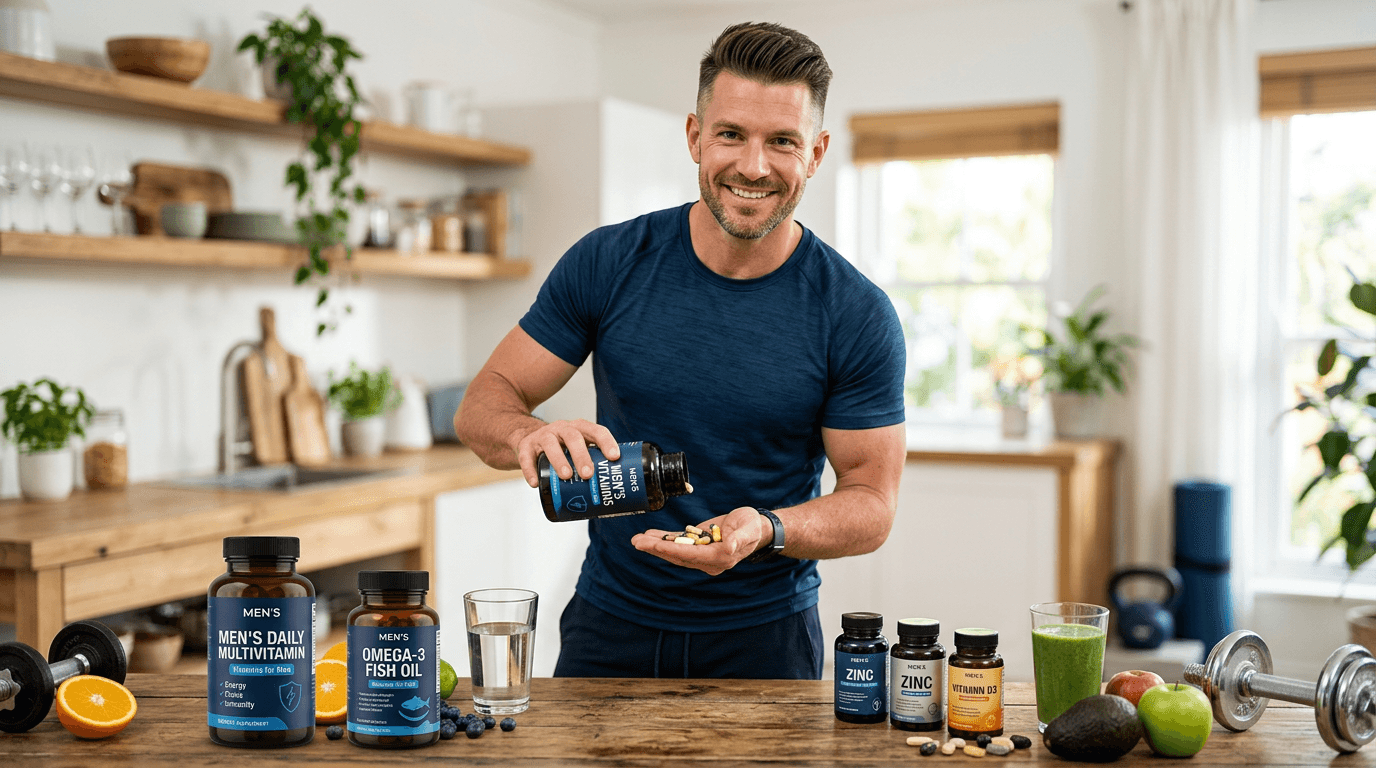
The best vitamins and supplements for men's testosterone health are often those that address underlying nutritional deficiencies, with Vitamin D and Zinc being the most well-researched. For these nutrients, supplementation is most effective when correcting a pre-existing insufficiency. Other compounds, such as the adaptogenic herb Ashwagandha, are also studied for their potential to support hormonal balance, primarily by helping the body manage stress.
Understanding the role of nutrition in hormonal health is a critical first step for any man looking to support his vitality and well-being. Testosterone levels naturally fluctuate throughout life and can be influenced by a wide range of factors, including diet, sleep, exercise, and stress. This article provides a detailed, evidence-based exploration of the vitamins, minerals, and herbal supplements that are commonly discussed in relation to men's testosterone. We will examine their proposed mechanisms, review the scientific evidence, and discuss practical considerations for safe and informed use.
Understanding Testosterone and Its Role in Men's Health
Testosterone is the primary male sex hormone (androgen) and plays a pivotal role in a man's physical and mental health from puberty through adulthood. While it is most famously associated with libido and sexual function, its influence extends to nearly every system in the body. Produced mainly in the testes (and in small amounts by the adrenal glands), testosterone is essential for maintaining a healthy and energetic life.
The functions of testosterone are extensive. It is responsible for the development of male primary and secondary sexual characteristics during puberty, such as deepening of the voice and growth of facial hair. Throughout adulthood, it continues to be a crucial regulator of numerous processes, including:
- Muscle Mass and Strength: Testosterone stimulates protein synthesis, which is the process of building and repairing muscle tissue.
- Bone Density: It plays a key part in bone mineralization, helping to keep bones strong and reducing the risk of osteoporosis later in life.
- Fat Distribution: Healthy testosterone levels help promote a leaner body composition by influencing where the body stores fat.
- Red Blood Cell Production: It stimulates the production of red blood cells in the bone marrow, which is vital for oxygen transport and energy.
- Mood and Cognitive Function: Testosterone can influence mood, confidence, motivation, and certain cognitive abilities like spatial awareness.
- Libido and Sexual Function: It is a primary driver of sex drive and is necessary for achieving and maintaining erections.
It is normal for testosterone levels to gradually decline with age, typically by about 1% per year after the age of 30 or 40. However, a significant drop or levels that fall below the normal range can lead to a condition known as hypogonadism. This is a medical diagnosis that requires evaluation by a healthcare professional and should not be self-diagnosed based on symptoms alone, as many symptoms of low testosterone can overlap with other health issues.
The Link Between Nutrition and Testosterone Production

Your body's ability to produce testosterone is not an isolated process; it is deeply intertwined with your overall nutritional status. The synthesis of this vital hormone is a complex biochemical process that relies on a steady supply of specific micronutrients (vitamins and minerals) and macronutrients (fats, proteins, and carbohydrates). Therefore, a well-balanced diet is the absolute foundation of healthy hormonal function.
Testosterone is synthesized from cholesterol. This process involves a series of enzymatic reactions that occur primarily within the Leydig cells of the testes. Many essential vitamins and minerals act as "cofactors" for these enzymes, meaning the enzymes cannot function properly without them. For example, if your body is deficient in a key mineral like zinc, the enzymes responsible for testosterone production may become less efficient, potentially leading to suboptimal hormone levels. This is why correcting a nutritional deficiency is often the most impactful first step in supporting hormone health.
Beyond providing raw materials, nutrition also influences testosterone through indirect pathways. Chronic inflammation, often exacerbated by a diet high in processed foods and sugar, can suppress testicular function. Similarly, being significantly overweight or obese can lower testosterone levels. Fat cells produce an enzyme called aromatase, which converts testosterone into estrogen. The more body fat a man carries, the more aromatase activity occurs, effectively reducing the amount of available testosterone. A nutrient-dense, anti-inflammatory diet helps manage body weight and reduces systemic inflammation, creating a more favorable environment for hormone production.
Key Vitamins for Supporting Healthy Testosterone Levels
Certain vitamins are more directly involved in the pathways that regulate male hormones than others. Research has primarily focused on Vitamin D and some B vitamins for their potential role in supporting testosterone, mainly by addressing and correcting deficiencies that can impair the body's natural production processes.
Vitamin D: The "Sunshine Vitamin"
Vitamin D functions more like a steroid hormone than a typical vitamin, and its importance for male endocrine health has become a major area of scientific interest. Receptors for Vitamin D are present not only in bones but also in tissues throughout the body, including the cells within the testes that are responsible for producing testosterone. This anatomical link suggests a direct role for Vitamin D in male reproductive function.
Observational studies have consistently shown a strong correlation between Vitamin D deficiency and lower testosterone levels in men. More importantly, several intervention trials have investigated whether supplementing with Vitamin D can help raise these levels. The consensus from this research suggests that in men who are clinically deficient in Vitamin D, supplementation that successfully raises their blood levels to a sufficient range may also lead to a statistically significant increase in total and free testosterone levels. It is critical to understand that this effect is most pronounced in deficient individuals; taking extra Vitamin D is unlikely to boost testosterone in men who already have adequate levels.
The primary source of Vitamin D is exposure of the skin to sunlight, which triggers its synthesis. However, due to indoor lifestyles, geographic location (especially in northern latitudes in the U.S.), and consistent sunscreen use, deficiency is widespread. Dietary sources are limited but include fatty fish (salmon, mackerel), cod liver oil, and foods fortified with Vitamin D, such as milk and some cereals. Given the difficulty of obtaining enough from food alone, supplementation is often considered. The most common form is Vitamin D3 (cholecalciferol), and a healthcare provider can recommend an appropriate dosage based on blood test results (25-hydroxyvitamin D).
B Vitamins (B6, B9, B12)
The B-vitamin complex plays a vast and interconnected role in overall health, particularly in energy metabolism, red blood cell formation, and neurological function. While no single B vitamin is considered a potent "testosterone booster," their collective function is essential for creating an internal environment where hormones can be produced efficiently. Deficiencies in certain B vitamins could theoretically disrupt hormonal regulation.
Vitamin B6 (pyridoxine) is involved in the synthesis and regulation of numerous neurotransmitters and hormones. Some animal studies have suggested it may influence androgen receptors, but direct evidence in humans for a testosterone-boosting effect is very limited. Folic acid (Vitamin B9) and Vitamin B12 are crucial for processes that manage homocysteine levels, an amino acid that, when elevated, is associated with inflammation and vascular issues. Since healthy blood flow is essential for erectile function, adequate levels of these B vitamins are part of the bigger picture of male sexual health.
Rather than targeting a single B vitamin, ensuring overall sufficiency is a more practical approach. B vitamins are found in a wide variety of foods, including meat, poultry, fish, eggs, dairy, leafy greens, and fortified grains. For those considering supplements, a B-complex formula provides a balanced spectrum of these nutrients. It is generally considered supportive of overall health rather than a direct strategy for increasing testosterone.
Essential Minerals for Testosterone Synthesis and Regulation
Minerals are the unsung heroes of hormone production. Zinc and Magnesium are two of the most critical minerals for male hormonal health, with strong scientific evidence linking their deficiency to compromised testosterone levels. Correcting an insufficiency in these minerals can be a highly effective nutritional strategy.
Zinc
Zinc is arguably the most important mineral for male reproductive function. It acts as a necessary cofactor for hundreds of enzymes in the body, including several that are directly involved in the synthesis of testosterone. A deficiency in zinc can directly impair the function of the testes and disrupt the entire hormonal cascade that begins in the brain. The relationship is so strong that severe zinc restriction has been shown to cause a significant drop in testosterone in healthy young men in a matter of weeks.
Conversely, studies have demonstrated that supplementing with zinc can have a profound effect on men who are zinc-deficient. In multiple trials involving men with low zinc status and correspondingly low testosterone, zinc supplementation over several months was shown to significantly increase serum testosterone levels, often bringing them back into the normal range. It is crucial to note that this benefit does not appear to extend to men who already have adequate zinc levels. For them, taking extra zinc is unlikely to provide any additional testosterone-boosting effect and can even be harmful.
Risk factors for zinc deficiency include vegetarian and vegan diets (as plant-based sources have lower bioavailability), gastrointestinal conditions that impair nutrient absorption, and high alcohol consumption. The best food sources are oysters (which are exceptionally high in zinc), red meat, and poultry. Plant-based sources include beans, nuts, and whole grains. When considering supplements, common forms include zinc picolinate, gluconate, and citrate. It is important to adhere to recommended dosages, as excessive zinc intake can interfere with copper absorption and lead to a new deficiency.
Magnesium
Magnesium is a powerhouse mineral involved in more than 300 biochemical reactions in the body. Its roles are incredibly diverse, from muscle and nerve function to blood sugar control and blood pressure regulation. In the context of testosterone, magnesium appears to have several indirect but important influences. It is an essential component of energy metabolism and protein synthesis, both of which are fundamental to the benefits associated with healthy testosterone levels, like muscle growth.
Research suggests a positive association between magnesium status and testosterone levels in men. One notable study found that magnesium supplementation increased both free and total testosterone levels in both sedentary individuals and athletes, with the effect being more pronounced in the active group. The proposed mechanisms are twofold. First, magnesium may help reduce oxidative stress and inflammation, both of which can suppress testicular function. Second, some evidence suggests that magnesium can decrease the binding of testosterone to Sex Hormone-Binding Globulin (SHBG), a protein that carries testosterone in the blood. When testosterone is bound to SHBG, it is not active. By reducing this binding, magnesium may increase the amount of "free" testosterone available for use by the body's tissues.
Dietary intake of magnesium is often below recommended levels in the U.S. population. Excellent food sources include leafy green vegetables (like spinach), nuts (almonds, cashews), seeds (pumpkin seeds), legumes, and whole grains. For supplementation, forms like magnesium glycinate and citrate are generally well-absorbed and less likely to cause the laxative effect associated with magnesium oxide.
Boron and Selenium
Beyond the major players, other trace minerals like Boron and Selenium are also investigated for their roles. Boron is a trace mineral that has gained attention from some emerging, though still preliminary, research. A few small human studies have suggested that daily supplementation with boron (in the range of 6-10 mg) may be able to increase free testosterone levels and decrease levels of SHBG and estrogen. The mechanism is not fully understood, but it appears to influence steroid hormone metabolism. More robust, larger-scale research is needed to confirm these effects and establish safety for long-term use.
Selenium is primarily known as a potent antioxidant and is essential for thyroid hormone metabolism and immune function. It is also highly concentrated in the testes and plays a role in spermatogenesis (sperm production) and motility. While a severe selenium deficiency can impair testicular function, the evidence that extra selenium supplementation can directly boost testosterone levels in sufficient men is weak. Its role is better understood as being essential for overall reproductive health and protecting the testes from oxidative damage.
| Nutrient | Primary Role in Testosterone Health | Best Food Sources |
|---|---|---|
| Vitamin D | Acts as a hormone precursor; deficiency is linked to low testosterone. Supplementation may help restore levels in deficient men. | Sunlight exposure, fatty fish (salmon, mackerel), fortified milk, cod liver oil. |
| Zinc | Essential cofactor for enzymes that produce testosterone. Correcting deficiency is strongly shown to increase testosterone. | Oysters, red meat, poultry, beans, nuts, fortified cereals. |
| Magnesium | May increase free testosterone by reducing SHBG binding; reduces inflammation and oxidative stress. | Leafy greens (spinach), nuts (almonds), seeds (pumpkin seeds), dark chocolate, avocado. |
| B Vitamins | Support overall energy metabolism and hormone regulation pathways. Not a direct booster, but foundational for health. | Meat, fish, eggs, dairy, leafy greens, legumes, fortified grains. |
Popular Herbal Supplements and Other Compounds
In addition to essential vitamins and minerals, a number of herbal supplements and other natural compounds are widely marketed for their potential to support male vitality and testosterone. The mechanisms and quality of evidence for these supplements vary significantly. Many work indirectly, for example by helping the body adapt to stress, rather than by directly stimulating hormone production.
Ashwagandha (Withania somnifera)
Ashwagandha is a prominent herb in traditional Ayurvedic medicine, classified as an adaptogen. Adaptogens are substances believed to help the body become more resilient to physical and psychological stress. Its primary proposed mechanism for influencing testosterone is through the reduction of cortisol. Cortisol is the body's main stress hormone, and when it is chronically elevated due to ongoing stress, it can have a catabolic (breaking down) effect on the body and suppress the production of anabolic (building up) hormones like testosterone.
Several clinical trials have investigated ashwagandha's effects. The most promising results have been seen in men experiencing high levels of stress or in those with fertility issues. In these specific populations, supplementation with standardized ashwagandha extracts (like KSM-66 or Sensoril) has been shown to significantly reduce cortisol levels and, in turn, lead to a notable increase in testosterone. The effect appears less pronounced in healthy, non-stressed men. This suggests that ashwagandha is not a universal testosterone booster, but rather a tool that may help restore normal hormonal balance in the face of stress.
Fenugreek (Trigonella foenum-graecum)
Fenugreek is an herb with seeds that are used both in cooking (particularly in Indian cuisine) and as a traditional remedy for various ailments. In the context of men's health, fenugreek supplements are promoted for supporting libido and testosterone. The active compounds are thought to be a group of steroid-like molecules called furostanolic saponins.
The proposed mechanism is that these compounds may inhibit the activity of two enzymes: aromatase (which converts testosterone to estrogen) and 5-alpha reductase (which converts testosterone to dihydrotestosterone, or DHT). By slowing these conversions, it is theorized that more testosterone remains in its active state. The scientific evidence for fenugreek is mixed. Some studies, often using specific patented extracts, have reported increases in free testosterone, strength, and libido in resistance-training men. However, other independent studies have found no significant effect on hormone levels. More research is needed to clarify its efficacy and ideal use cases.
D-Aspartic Acid (DAA)
D-Aspartic Acid is an amino acid that is found naturally in the neuroendocrine tissues of the body. It is believed to play a role in the central nervous system by stimulating the release of key hormones. The proposed mechanism is that DAA accumulating in the pituitary gland and testes signals an increase in the release of Gonadotropin-Releasing Hormone (GnRH) and Luteinizing Hormone (LH). LH is the direct messenger that travels from the pituitary to the testes, telling them to produce more testosterone.
The evidence for DAA is notably conflicting. An early, widely cited study showed a significant, rapid increase in testosterone in sedentary men after just 12 days of supplementation. However, this effect appeared to be temporary. Subsequent studies, particularly those conducted on men who regularly engage in resistance training, have failed to replicate these findings. Some research in trained men has even shown that DAA had no effect or, in one case, even resulted in a slight decrease in testosterone levels. The current consensus is that DAA might offer a short-term boost for sedentary or untrained men, but it does not appear to be an effective long-term strategy for active individuals.
Tongkat Ali (Eurycoma longifolia)
Tongkat Ali, also known as Longjack, is a medicinal plant native to Southeast Asia with a long history of use as a folk remedy for male vitality and sexual performance. Its rise in popularity in the West is backed by a growing body of research exploring its potential hormonal effects. Like magnesium, one of its primary proposed mechanisms is increasing the amount of "free" testosterone.
Tongkat Ali contains compounds called quassinoids, which are believed to help release testosterone from its binding protein, SHBG. By freeing up more testosterone, it becomes more biologically active. Additionally, similar to ashwagandha, Tongkat Ali has been shown in some studies to reduce cortisol levels and improve subjective measures of stress. Research has shown promising results, particularly in men with low baseline testosterone levels (late-onset hypogonadism). In these individuals, supplementation has been linked to significant increases in testosterone levels, as well as improvements in libido, erectile function, and overall well-being. More research is needed to understand its effects on healthy young men with normal testosterone levels.
What the Science Says: Evaluating the Evidence for "T-Boosters"
When navigating the world of supplements for men's health, it's essential to critically evaluate the evidence and understand the difference between foundational nutritional support and pharmacological enhancement. The claims made on product labels can often outpace the scientific reality, making it crucial for consumers to be discerning.
There is a clear distinction between two types of supplement strategies:
- Correcting a Deficiency: This is the most evidence-based and lowest-risk approach. The science is strong that correcting a documented deficiency in nutrients like Vitamin D or Zinc can restore the body's natural ability to produce testosterone. This is a restorative action, not an artificial boost. The goal is to bring the body back to its normal, healthy state of function.
- Seeking a Pharmacological Effect: This category includes many herbal supplements and compounds like DAA that aim to push testosterone levels higher, sometimes even within the normal range. The evidence here is generally weaker, more context-dependent, and often specific to certain populations (e.g., stressed men, infertile men, older men with low T).
When evaluating studies on these supplements, it's important to consider their quality. Many studies are small, of short duration, or funded by the manufacturer of the supplement being tested, which can introduce potential bias. Furthermore, results seen in one group (e.g., sedentary, deficient older men) cannot be automatically applied to another (e.g., young, healthy, athletic men). It is also vital to remember that supplements are not a substitute for medical treatment. A diagnosis of clinical hypogonadism requires a doctor's care, which may involve prescription therapies like Testosterone Replacement Therapy (TRT). Supplements should never be used in an attempt to self-treat a diagnosed medical condition.
How to Choose a Quality Supplement for Men's Health
If you and your healthcare provider decide that supplementation is an appropriate strategy, navigating the crowded market to find a high-quality product is the next challenge. The supplement industry in the United States is regulated post-market, meaning the FDA does not approve products for safety or effectiveness before they are sold. This places the burden of quality control on manufacturers and, ultimately, on the consumer.
Look for Third-Party Testing
The single most important factor in choosing a supplement is verification by an independent third party. Reputable third-party organizations test products to confirm that they contain the ingredients listed on the label in the correct amounts, are not contaminated with harmful substances (like heavy metals or bacteria), and are manufactured according to good manufacturing practices (GMPs). Look for seals on the label from organizations like:
- USP (U.S. Pharmacopeia)
- NSF International (including NSF Certified for Sport)
- ConsumerLab.com (publishes results online)
This verification does not guarantee the product will be effective, but it does provide assurance of its quality, purity, and potency.
Scrutinize Ingredient Forms and "Proprietary Blends"
Not all forms of a nutrient are created equal. Bioavailability—the amount of a nutrient that can be absorbed and used by the body—can vary dramatically. For example, magnesium citrate and glycinate are typically better absorbed than magnesium oxide. A quality product will use bioavailable forms of its ingredients. Furthermore, be wary of products that list their key ingredients under a "proprietary blend." This practice allows manufacturers to hide the exact dosage of each individual component, making it impossible to know if you are getting an effective amount or an unsafe one. Transparent labeling that lists the precise dose of every active ingredient is the mark of a trustworthy brand.
Avoid "Kitchen Sink" Formulas
Many "testosterone boosting" formulas on the market are packed with dozens of ingredients. This "kitchen sink" approach is often a red flag. Frequently, the individual dosages of these many ingredients are so small that they are unlikely to have any physiological effect (a practice known as "fairy dusting"). It is far more effective to identify a potential need—such as a likely Vitamin D or Zinc deficiency—and address it with a targeted, single-ingredient supplement at an evidence-based dose. This approach is more scientific, cost-effective, and safer.
Safety, Side Effects, and Potential Interactions
While many vitamins, minerals, and herbs are generally considered safe when used appropriately, they are not without risks. Any substance that has a physiological effect can also have potential side effects, interact with medications, or be harmful in excessive amounts. It is essential to approach supplementation with caution and respect for their biological activity.
Each supplement carries its own safety profile. For minerals like Zinc and Vitamin D, the primary risk comes from exceeding the Tolerable Upper Intake Level (UL), which can lead to toxicity or nutrient imbalances. Herbal supplements can be more complex, as they may contain dozens of active compounds that can interact with the body's systems in various ways.
For example, herbs that affect hormone levels can be inappropriate for individuals with hormone-sensitive conditions. Supplements that lower blood sugar (like Fenugreek) could be dangerous for someone taking diabetes medication. Adaptogens like Ashwagandha can interact with immunosuppressants, thyroid medication, and sedatives. The table below outlines some common considerations, but it is not exhaustive. Professional medical guidance is paramount.
| Supplement | Common Side Effects | Potential Interactions & Contraindications |
|---|---|---|
| Zinc | Nausea, stomach cramps, vomiting (especially on an empty stomach). | High doses can cause copper deficiency. May interfere with absorption of certain antibiotics (quinolones, tetracyclines). |
| Vitamin D | Generally none at normal doses. Toxicity from extreme doses can cause nausea, weakness, and kidney problems. | May interact with steroid medications (e.g., prednisone) and some diuretics. |
| Ashwagandha | Digestive upset, diarrhea, drowsiness. | Avoid with autoimmune diseases. May interact with thyroid meds, immunosuppressants, sedatives, and blood sugar medication. |
| Fenugreek | Digestive upset, gas, diarrhea. May impart a maple syrup-like odor to urine/sweat. | Can lower blood sugar; use with caution with diabetes meds. May have blood-thinning effects. May affect thyroid hormone levels. |
| Tongkat Ali | Insomnia, irritability, restlessness (especially at higher doses). | May interact with blood pressure and blood sugar medications. Should be avoided by men with hormone-sensitive cancers. |
Lifestyle Factors That Are More Powerful Than Supplements
While supplements can play a targeted, supportive role, they should never be seen as a primary strategy or a shortcut. The foundational pillars of health—diet, exercise, sleep, and stress management—have a far more profound and lasting impact on testosterone levels than any pill or powder. Before investing in supplements, it is essential to honestly assess and optimize these lifestyle factors.
- Exercise: Regular physical activity, especially resistance training (weightlifting) and High-Intensity Interval Training (HIIT), has been robustly shown to increase testosterone levels. Exercise helps build muscle, reduce body fat, and improve insulin sensitivity, all of which create a pro-testosterone environment.
- Diet: A balanced diet is non-negotiable. Ensure adequate intake of healthy fats (from sources like olive oil, avocados, nuts), lean proteins, and complex carbohydrates. Chronic low-calorie or low-fat diets can suppress hormone production.
- Sleep: Sleep is when the majority of your daily testosterone is produced. Consistently skimping on sleep is one of the fastest ways to lower your levels. Aiming for 7-9 hours of quality sleep per night is one of the most effective things you can do for your hormonal health. One week of sleep restriction has been shown to decrease testosterone levels by 10-15% in healthy young men.
- Stress Management: As discussed, chronic stress leads to chronically elevated cortisol, which is a direct antagonist to testosterone. Incorporating stress-reducing practices like mindfulness, meditation, deep breathing exercises, or spending time in nature can have a tangible, positive effect on your hormonal axis.
- Healthy Body Weight: Maintaining a healthy body composition is critical. Excess body fat, particularly around the abdomen, increases the activity of the aromatase enzyme, which converts testosterone into estrogen. Losing excess weight is one of the most powerful ways to naturally increase testosterone levels.
When to See a Doctor About Low Testosterone
If you are experiencing persistent symptoms that you believe may be related to low testosterone, it is crucial to seek a medical evaluation rather than attempting to self-diagnose and self-treat with supplements. The symptoms of low testosterone are non-specific and can be caused by a wide variety of other medical conditions, including thyroid problems, depression, anemia, or sleep apnea.
Common symptoms associated with low testosterone include:
- Low sex drive (libido)
- Erectile dysfunction
- Persistent fatigue and low energy
- Loss of muscle mass and strength
- Increase in body fat, particularly abdominal fat
- Mood swings, irritability, or symptoms of depression
- Difficulty concentrating or "brain fog"
- Loss of body or facial hair
A proper diagnosis of hypogonadism involves a thorough review of your symptoms, a physical exam, and at least two separate blood tests to measure your testosterone levels. These tests are typically done in the morning when testosterone is at its peak. The doctor will measure both your total testosterone and your free (or bioavailable) testosterone, as well as other hormones like LH to determine the source of the problem. If a diagnosis is confirmed, your doctor will discuss appropriate treatment options, which may include Testosterone Replacement Therapy (TRT). TRT is a prescription medical treatment and should only be undertaken under the supervision of a qualified healthcare professional.
Frequently Asked Questions
Can vitamins really boost my testosterone?
Vitamins can help support healthy testosterone levels, primarily by correcting a nutritional deficiency. For example, if you are deficient in Vitamin D or Zinc, supplementing to bring your levels into the normal range may help restore your body's natural testosterone production. However, for men who already have adequate nutrient levels, taking extra vitamins is unlikely to boost testosterone further.
How long does it take for supplements to affect testosterone levels?
The timeframe varies depending on the supplement and the individual's baseline status. Correcting a mineral deficiency with zinc might show changes in blood levels within several weeks to a few months. The effects of herbal supplements like ashwagandha or tongkat ali, if they occur, are also typically observed after at least 4-8 weeks of consistent use.
Are testosterone-boosting supplements safe?
Safety depends on the specific supplement, the dosage, your health status, and any medications you take. Basic vitamins and minerals are generally safe when taken at recommended doses, but can be toxic in excess. Herbal supplements can have side effects and interact with medications. It's crucial to choose third-party tested products and consult a healthcare professional before starting any new supplement.
Can I take multiple testosterone support supplements at once?
Combining multiple supplements, especially those found in "stack" products, can increase the risk of side effects and unforeseen interactions. It also makes it impossible to know which ingredient is responsible for any benefit or negative reaction. A more prudent approach is to start with one targeted supplement at a time under the guidance of a healthcare provider.
Will these supplements help me build muscle faster?
While healthy testosterone is essential for muscle growth, most of these supplements are not a shortcut to building muscle. The most powerful stimulus for muscle growth is progressive resistance training combined with adequate protein and calorie intake. If a supplement helps restore low testosterone to a normal range, it may support your body's ability to recover and build muscle, but it won't replace the need for hard work and proper nutrition.
What is the best single vitamin for men's testosterone?
Based on current evidence, Vitamin D is arguably the single most important vitamin to consider for testosterone support, because deficiency is very common and directly correlated with lower testosterone levels. However, its benefit is primarily for those who are deficient. Testing your Vitamin D level is the best way to know if you need to supplement.
Do I need to cycle testosterone support supplements?
For basic vitamins and minerals like Vitamin D and zinc, you generally do not need to cycle them; you take them consistently to maintain sufficiency. For some herbal supplements like D-Aspartic Acid, which may lose effectiveness over time, or Tongkat Ali, some users practice cycling (e.g., 5 days on, 2 days off, or 8 weeks on, 4 weeks off) to maintain sensitivity. There is no universal medical consensus on cycling protocols, and it's best to follow product guidance or a professional's advice.
Is it better to get these nutrients from food or supplements?
It is always best to prioritize getting nutrients from a well-balanced diet. Whole foods provide a complex matrix of vitamins, minerals, fiber, and phytochemicals that work together synergistically. Supplements should be used to "supplement" a healthy diet, not replace it. They are best used to fill specific, identified nutritional gaps that are difficult to close with food alone (like Vitamin D in winter).
Conclusion: A Holistic Approach to Men's Hormonal Health
Supporting healthy testosterone levels is a multifaceted endeavor that begins long before you open a supplement bottle. The most potent and reliable strategies for promoting male vitality are rooted in a healthy lifestyle. Consistent exercise, nutritious eating, restorative sleep, and effective stress management are the non-negotiable foundations upon which hormonal health is built. These factors have a greater and more sustainable impact than any single nutrient or herb.
When considering supplements, the most evidence-based approach is to address potential nutritional deficiencies. Ensuring you have adequate levels of key players like Vitamin D and Zinc can help your body function optimally. For these nutrients, testing is the best way to determine if a real need exists. The world of herbal supplements, while promising in some contexts, requires a more cautious and critical eye. The evidence is often mixed and context-dependent, and the potential for side effects and interactions is real.
Ultimately, supplements are a tool, not a solution. They cannot fix a poor diet, a sedentary lifestyle, or chronic sleep deprivation. For men experiencing persistent symptoms of low testosterone, the only responsible path forward is a consultation with a licensed healthcare professional. A proper diagnosis is key to safe and effective management, ensuring you are addressing the root cause of your symptoms and not just chasing a quick fix. By adopting a holistic view—prioritizing lifestyle first and using supplements wisely and judiciously—you can create a robust foundation for long-term health and vitality.