
vitamine -
How to Fix Iron Deficiency Without Constipation
To fix iron deficiency without constipation, the most effective strategies involve choosing a gentler, more bioavailable form of iron supplement, such as iron bisglycinate. Additionally, taking iron with vitamin C to enhance absorption, starting with a lower dose, considering alt
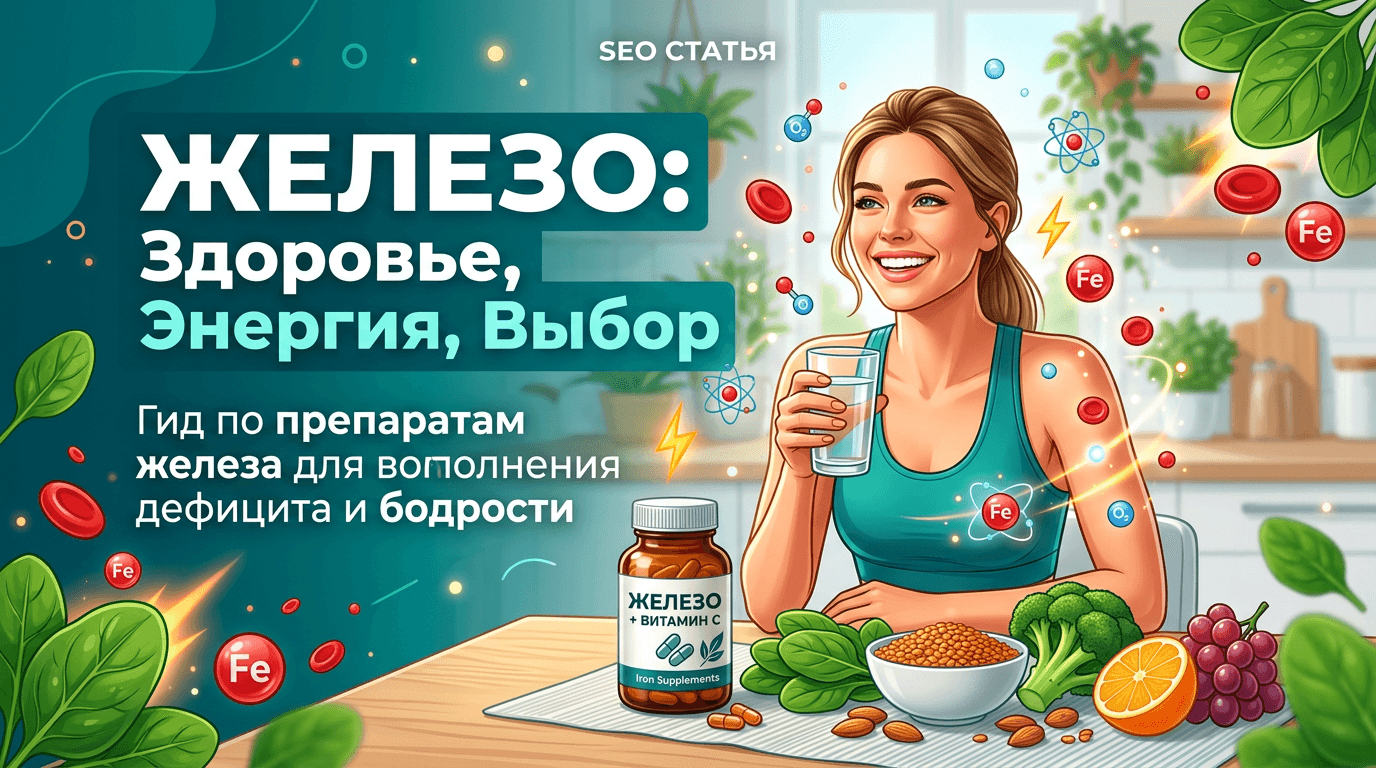
To fix iron deficiency without constipation, the most effective strategies involve choosing a gentler, more bioavailable form of iron supplement, such as iron bisglycinate. Additionally, taking iron with vitamin C to enhance absorption, starting with a lower dose, considering alternate-day dosing, and maintaining adequate hydration and fiber intake can significantly reduce digestive side effects. These approaches work by ensuring more iron is absorbed by the body and less unabsorbed iron is left in the colon to cause irritation.
Struggling with fatigue, weakness, or brain fog from iron deficiency is challenging enough without adding the discomfort of constipation from your supplement. This side effect is one of the most common reasons people stop taking their prescribed iron, potentially delaying their recovery. This article provides a comprehensive guide to understanding and managing iron supplementation effectively, focusing on practical, evidence-based strategies to minimize or eliminate constipation while successfully replenishing your iron stores. You will learn about the different types of iron, how to optimize absorption, and the dietary and lifestyle habits that support both your iron levels and your digestive health.
Understanding Iron and Its Role in the Body
Iron is an essential mineral that plays a central role in numerous bodily functions, most notably the production of hemoglobin. Before diving into the specifics of supplementation, it is helpful to understand why maintaining adequate iron levels is critical for your overall health and energy. Iron is not just a nutrient; it is a fundamental building block for life.
The primary function of iron is to be a key component of hemoglobin, a protein in your red blood cells responsible for transporting oxygen from your lungs to every other cell in your body. Without sufficient iron, your body cannot produce enough healthy red blood cells, leading to a condition where tissues and organs are starved of the oxygen they need to function. This is why fatigue is the hallmark symptom of iron deficiency. Beyond oxygen transport, iron is also vital for energy metabolism, DNA synthesis, immune function, and the production of certain neurotransmitters that regulate mood and cognitive function.
When your body's iron stores are depleted, it can lead to iron deficiency, and if it progresses, iron deficiency anemia. This is not just a matter of feeling tired; it can have widespread effects on physical performance, mental clarity, and immune resilience. A healthcare professional diagnoses iron deficiency through blood tests that measure markers like hemoglobin, hematocrit, and ferritin, which reflects your body’s stored iron. Replenishing these stores is the goal of supplementation, and doing it without disruptive side effects is the key to a successful outcome.
Why Do Iron Supplements Cause Constipation?
The primary reason iron supplements cause constipation is the presence of unabsorbed iron in the large intestine, or colon. Many traditional iron supplements, particularly at higher doses, have relatively low bioavailability, meaning only a fraction of the elemental iron is absorbed in the small intestine. The rest travels down the digestive tract, where it can wreak havoc on your system.
Once in the colon, this excess iron is not inert. It has several effects that collectively contribute to constipation. First, unabsorbed iron can have an astringent effect, pulling water out of the colon and leading to harder, drier stools that are more difficult to pass. This direct irritation of the gut lining can slow down colonic transit time, which is the speed at which waste moves through your intestines.
Second, free iron can alter the delicate balance of your gut microbiome. It can feed certain types of potentially harmful bacteria while inhibiting the growth of beneficial bacteria like Lactobacillus and Bifidobacterium. This shift in the microbial landscape, known as dysbiosis, can contribute to inflammation and further disrupt normal bowel function, leading to symptoms like bloating, gas, and constipation. The common dark or black color of stools when taking iron is also due to this unabsorbed iron, specifically ferric sulfide, which is generally harmless but indicates that not all the iron is being utilized by the body.
The likelihood of experiencing constipation is directly related to the dose and form of the iron supplement. Higher doses of elemental iron and traditional forms like ferrous sulfate are well-known for causing a higher incidence of gastrointestinal side effects because they leave more unabsorbed iron behind. This is precisely why choosing a different form or adjusting the dosage strategy can make a significant difference.
Choosing the Right Type of Iron Supplement
Not all iron supplements are created equal, and the form you choose is arguably the most important factor in preventing constipation. The key difference between forms lies in their chemical structure, which dictates how well they are absorbed and how much unabsorbed iron is left to irritate the gut. Understanding these differences can empower you to select a product that works with your body, not against it.
When looking at a supplement label, you will see the type of iron (e.g., ferrous sulfate, iron bisglycinate) and the amount of "elemental iron" it provides. Elemental iron is the actual amount of iron available for absorption. A healthcare professional will make a recommendation based on the amount of elemental iron you need to correct your deficiency. The goal is to meet that need using a form that maximizes absorption and minimizes gut exposure.
Traditional Iron Salts: Ferrous Sulfate, Fumarate, and Gluconate
Ferrous sulfate, ferrous fumarate, and ferrous gluconate are the most common, oldest, and most extensively studied forms of iron supplements. They are often recommended by doctors due to their low cost and long history of use in clinical practice. These are inorganic iron salts, and they are effective at raising iron levels for many people. However, they are also the most notorious for causing gastrointestinal side effects, including constipation, nausea, and stomach pain.
The issue with these iron salts is their mechanism of absorption. In the gut, they break apart, releasing free iron ions. These ions must then be converted into a form that can be absorbed by the intestinal cells. This process is relatively inefficient, and a significant portion of the iron remains unabsorbed. This free iron is highly reactive and is the primary culprit behind the oxidative stress and irritation in the gut that leads to side effects. For example, a standard 325 mg tablet of ferrous sulfate provides about 65 mg of elemental iron, but a substantial amount of it may pass into the colon, causing the problems described earlier.
Chelated Iron: Iron Bisglycinate ("Gentle Iron")
Chelated iron represents a major advancement in iron supplementation, specifically designed to overcome the side effects of traditional salts. In a chelated form, the iron mineral is chemically bonded to an amino acid. The most common and well-researched chelated form is iron bisglycinate (or ferrous bisglycinate), where iron is bound to two molecules of the amino acid glycine.
This structure is key to its gentle nature. The glycine "chaperones" protect the iron as it travels through the stomach and into the small intestine. Instead of breaking apart and releasing reactive iron ions, the entire iron-glycine molecule is absorbed intact through amino acid pathways, which are much more efficient. Because it is absorbed more completely, very little free iron is left to travel to the colon and cause constipation, nausea, or stomach upset. Clinical studies have consistently shown that iron bisglycinate is significantly better tolerated than ferrous sulfate, even at comparable doses, and is equally or more effective at raising ferritin levels. This form is often marketed as "gentle iron" or "non-constipating iron."
Other Forms of Iron to Consider
Beyond the most common forms, other options are available that may also offer better tolerability for sensitive individuals. These are worth knowing about as you explore different products with your healthcare provider.
- Polysaccharide-Iron Complex (PIC): This form encases the iron in a carbohydrate (starch) molecule. This coating helps shield the stomach and upper intestine from direct exposure to free iron, releasing it more gradually for absorption further down the digestive tract. It is generally considered to be well-tolerated and is another good alternative for those who cannot handle iron salts.
- Carbonyl Iron: This is a highly pure form of elemental iron (98% or more) made into micro-particles. It has a slow rate of dissolution in the stomach, which means it is absorbed more gradually over a longer period. This slow release reduces the concentration of free iron at any given time, which can decrease the risk of toxicity and side effects. It is often found in multivitamins.
- Heme Iron Polypeptide (HIP): Derived from animal sources (purified bovine hemoglobin), heme iron is absorbed through a different, highly efficient pathway in the gut than all other forms, which are non-heme. The human body is naturally very good at absorbing heme iron. Heme iron supplements are generally very well-tolerated with minimal gastrointestinal side effects, but they are more expensive and are not suitable for vegetarians or vegans.
| Iron Supplement Form | Typical Bioavailability | Common Side Effects | Key Characteristics |
|---|---|---|---|
| Ferrous Sulfate | Low to Moderate | High (Constipation, nausea, stomach pain) | Inexpensive, widely available, traditional form. Often causes significant GI upset. |
| Iron Bisglycinate | High | Very Low | Chelated form, excellent absorption, very gentle on the stomach. Often called "gentle iron." |
| Ferrous Fumarate | Low to Moderate | High | Similar to ferrous sulfate. Contains a higher percentage of elemental iron by weight but has similar side effect profile. |
| Polysaccharide-Iron Complex | Moderate | Low to Moderate | Carbohydrate-coated iron, designed for better tolerability than salts. Good alternative for sensitive stomachs. |
| Heme Iron Polypeptide | Very High | Very Low | Animal-derived, absorbed via a separate pathway. Excellent bioavailability and tolerability, but not for vegetarians. |
Strategic Dosing to Minimize Side Effects
Beyond choosing a gentle form of iron, how you dose your supplement can have a profound impact on side effects and absorption. The traditional advice of taking a high dose of iron every single day is being challenged by newer research that points toward more strategic, gut-friendly approaches. Always discuss any changes to your dosing regimen with your healthcare provider first.
Starting Low and Titrating Up
If you are new to iron supplementation or know you have a sensitive digestive system, a "start low, go slow" approach can be highly effective. Instead of beginning with the full target dose prescribed by your doctor, you can ask them if it is appropriate to start with a half-dose (or even a quarter-dose) for the first week. This gives your gastrointestinal system time to acclimate.
For example, if your recommended dose is 30 mg of elemental iron daily, you might start with 15 mg for a few days. If you tolerate this well, you can then increase to the full 30 mg. If you experience side effects, you can drop back down to the lower dose and try to increase it more slowly. This gradual titration can significantly reduce the initial shock to your system and prevent the onset of severe constipation.
The Power of Alternate-Day Dosing
One of the most significant recent findings in iron supplementation is the benefit of alternate-day dosing. This strategy involves taking your iron supplement every other day instead of daily. The rationale behind this is based on a hormone called hepcidin, which is the body's master regulator of iron absorption.
When you take a dose of iron, your body's hepcidin levels rise for approximately 24 hours, which effectively blocks further iron absorption during that period. If you take another dose the next day while hepcidin is still high, very little of that iron will be absorbed, and most of it will end up in your colon, causing side effects. By skipping a day, you allow hepcidin levels to fall back to baseline, making your gut more receptive to absorbing the next dose. Studies have shown that alternate-day dosing can result in greater total iron absorption over time and significantly fewer gastrointestinal complaints compared to daily dosing. This can be a game-changing strategy for many people.
Splitting Doses Throughout the Day
For those who need to take a higher total daily dose of elemental iron (e.g., over 60-65 mg), splitting the dose can be a useful tactic. Taking one very large dose can overwhelm the absorptive capacity of the small intestine at one time. A more manageable approach might be to take a smaller dose in the morning and another in the evening.
This helps to avoid a large bolus of unabsorbed iron entering the colon all at once. However, keep in mind the hepcidin response; the second dose of the day may be less well-absorbed than the first. For this reason, many find alternate-day dosing to be a simpler and more effective strategy. Experimenting under medical guidance can help you find the rhythm that works best for your body and your lifestyle.
Optimizing Iron Absorption for Better Results and Fewer Side Effects
Maximizing the amount of iron your body absorbs from each dose is a twofold victory: it helps replenish your stores faster and leaves less iron behind to cause constipation. Several factors in your diet and the timing of your supplement can either enhance or inhibit iron absorption. Paying attention to these details is a crucial part of a successful supplementation plan.
The Role of Vitamin C
Ascorbic acid, or vitamin C, is the most well-known enhancer of non-heme iron absorption (the type found in plant foods and most supplements). Vitamin C helps convert ferric iron (Fe3+), which is less soluble, into ferrous iron (Fe2+), the form that is more readily absorbed by the intestinal cells. It also helps to counteract the inhibitory effects of certain compounds like phytates and tannins.
The effect is significant. Taking your iron supplement with a source of vitamin C can increase its absorption severalfold. Practical ways to do this include:
- Taking your iron pill with a 4-6 ounce glass of 100% orange juice.
- Consuming it with other vitamin C-rich fruits like strawberries, kiwi, or cantaloupe.
- Taking it alongside a separate vitamin C supplement (typically 250-500 mg).
- Choosing an iron supplement that is pre-formulated with vitamin C included in the capsule.
Timing Your Supplement for Maximum Impact
Generally, non-heme iron is best absorbed on an empty stomach, which means either one hour before a meal or two hours after. This is because food can contain compounds that interfere with absorption. Taking your supplement first thing in the morning with a glass of orange juice, and then waiting an hour before eating breakfast, is often an effective routine.
However, for some individuals, taking iron on a completely empty stomach can cause nausea or stomach upset, even with gentle forms. If this is the case for you, it is better to take the supplement with a small snack than to stop taking it altogether. Just be mindful to choose a snack that is low in iron inhibitors, such as a piece of fruit. The small reduction in absorption is an acceptable trade-off for better tolerance.
Foods and Compounds That Inhibit Iron Absorption
Just as vitamin C can help, many common dietary components can significantly hinder iron absorption. It is critical to separate your iron supplement from these inhibitors by at least two to three hours to ensure you are getting the most benefit from your dose.
| Inhibitor | Sources | Mechanism |
|---|---|---|
| Calcium | Dairy (milk, cheese, yogurt), calcium-fortified foods, calcium supplements, antacids (Tums). | Calcium and iron compete for the same absorptive pathways in the gut. Even small amounts of calcium can significantly reduce iron absorption. |
| Phytates (Phytic Acid) | Whole grains (bread, cereal), legumes (beans, lentils), nuts, and seeds. | Phytates bind to iron in the digestive tract, forming an insoluble complex that the body cannot absorb. |
| Polyphenols (Tannins) | Coffee, black tea, green tea, herbal tea, red wine, and some fruits and vegetables. | These compounds also bind with iron, reducing its bioavailability. The effect of tea is particularly strong. |
| Certain Medications | Antacids, Proton Pump Inhibitors (PPIs) like omeprazole, H2 blockers like famotidine, and some antibiotics (e.g., tetracyclines). | Medications that reduce stomach acid can impair iron absorption, as acid helps convert iron into a more absorbable form. Others can bind directly to iron. |
The practical takeaway is to avoid taking your iron supplement with your morning coffee and cereal, with a glass of milk, or at the same time as your calcium supplement or antacid. Spacing them apart is essential.
Dietary and Lifestyle Support for Regularity
While adjusting your iron supplement is the most direct way to combat constipation, supporting your overall digestive health through diet and lifestyle can provide a strong foundation for regularity. These habits are beneficial for everyone but become especially important when your system is challenged by iron supplementation.
Increasing Fluid Intake
Hydration is paramount for preventing constipation. Water helps to soften stool, making it easier to pass. When you are taking iron, which has a tendency to dry out the colon, increasing your fluid intake is non-negotiable. Aim to drink plenty of water throughout the day. While individual needs vary, a common goal is around 8-10 glasses (64-80 ounces) of water daily. If you are physically active or live in a hot climate, you may need more. Other fluids like herbal tea (spaced away from your iron dose) and clear broths also contribute to your total fluid intake.
Boosting Dietary Fiber
Fiber is the structural part of plant foods that your body cannot digest. It adds bulk to your stool and helps it move through your digestive system. There are two types of fiber, and both are important:
- Soluble fiber: Dissolves in water to form a gel-like substance. It helps soften stool. Good sources include oats, barley, apples, citrus fruits, carrots, beans, and psyllium.
- Insoluble fiber: Does not dissolve in water. It adds bulk to the stool and can help promote the movement of material through your digestive system. Good sources include whole wheat, nuts, cauliflower, green beans, and potatoes.
Aim to gradually increase your intake of fiber-rich foods like fruits, vegetables, whole grains, and legumes. A sudden, large increase in fiber can cause gas and bloating, so it is best to add it to your diet slowly over a few weeks. It is also crucial to increase your water intake as you increase your fiber intake, as fiber without enough fluid can worsen constipation.
Incorporating Probiotics and Prebiotics
As mentioned, unabsorbed iron can disrupt the gut microbiome. Supporting a healthy gut environment may help mitigate some of iron's negative effects. You can do this by consuming probiotics and prebiotics.
- Probiotics are live beneficial bacteria found in fermented foods like yogurt (choose one low in sugar), kefir, kimchi, sauerkraut, and kombucha. They are also available as supplements.
- Prebiotics are types of fiber that feed your beneficial gut bacteria. Good sources include garlic, onions, leeks, asparagus, bananas, and whole grains.
Gentle Physical Activity
Movement can have a powerful effect on your digestive system. Regular physical activity helps stimulate the natural contractions of your intestinal muscles, which helps move stool through your colon more efficiently. You do not need to engage in intense workouts; even a daily 20-30 minute brisk walk can make a significant difference in promoting bowel regularity. Incorporating gentle movement into your daily routine is a simple and effective way to support your body while it adjusts to iron supplementation.
Foods Rich in Iron: A Complementary Approach
While supplements are often necessary to correct a clinical deficiency, a well-planned diet rich in iron is a vital part of both recovery and long-term maintenance. Food provides iron in two forms: heme iron from animal sources and non-heme iron from plant sources. Including a variety of these foods supports your overall nutritional status.
Heme Iron Sources (from animals)
Heme iron is the most bioavailable form of dietary iron, meaning the body absorbs it very efficiently. Its absorption is not significantly affected by the inhibitors that block non-heme iron. Excellent sources include:
- Lean red meat: Beef, lamb, and venison are particularly rich.
- Poultry: Dark meat from chicken and turkey contains more iron than white meat.
- Organ meats: Liver is extremely high in iron, though it should be consumed in moderation.
- Fish and seafood: Oysters, clams, mussels, and fatty fish like salmon and tuna are good sources.
Non-Heme Iron Sources (from plants)
Non-heme iron is found in a wide variety of plant foods. While it is less bioavailable than heme iron, its absorption can be significantly enhanced by consuming it with a source of vitamin C. Top plant-based sources include:
- Legumes: Lentils, chickpeas, black beans, kidney beans, and soybeans (including tofu and edamame).
- Vegetables: Spinach, kale, Swiss chard, and other dark leafy greens. (Note: These also contain oxalates, which can slightly inhibit absorption, but pairing with vitamin C helps).
- Nuts and seeds: Pumpkin seeds, sesame seeds, cashews, and almonds.
- Fortified foods: Many breakfast cereals, breads, and plant-based milks are fortified with iron. Check the nutrition label for amounts.
For individuals with a diagnosed iron deficiency, relying on food alone is typically not sufficient to replenish stores quickly. Supplements provide a concentrated, therapeutic dose that diet cannot match. However, a diet rich in these foods is the best strategy for preventing future deficiency once your levels are restored.
When to Consider Other Options: IV Iron
For some individuals, oral iron supplementation is not a viable option, either due to severe intolerance or underlying medical conditions. In these cases, a healthcare professional may recommend intravenous (IV) iron therapy. This involves administering iron directly into the bloodstream, bypassing the digestive system entirely.
IV iron is a medical procedure performed in a hospital or clinic setting. It is highly effective and can raise iron levels much more rapidly than oral supplements. A doctor might consider IV iron in several situations:
- Complete intolerance to oral iron: When a patient cannot tolerate any form of oral iron supplement, even gentle forms at low doses, without severe gastrointestinal side effects.
- Malabsorption disorders: In conditions like celiac disease, inflammatory bowel disease (Crohn's disease or ulcerative colitis), or after certain types of gastric surgery, the gut may be unable to absorb oral iron effectively.
- Severe iron deficiency anemia: When iron levels are critically low and need to be corrected quickly to avoid complications or before a major surgery.
- Chronic kidney disease: Patients on dialysis often have trouble with iron absorption and may receive IV iron as part of their routine care.
While highly effective, IV iron therapy is not a first-line treatment for most people due to its cost, the need for clinical administration, and a small risk of infusion reactions. However, for those who truly need it, it can be a life-changing intervention that resolves deficiency when all other methods have failed. If you have struggled extensively with oral supplements, discussing the possibility of IV iron with your doctor is a reasonable step.
Special Considerations: Pregnancy, Children, and Chronic Conditions
Iron needs and supplementation strategies can vary significantly depending on life stage and underlying health status. It is crucial that supplementation in these populations is managed by a healthcare professional.
Iron Supplementation During Pregnancy
Iron requirements increase dramatically during pregnancy to support the expansion of the mother's red blood cell volume and to provide iron for the growing fetus and placenta. Iron deficiency is common in pregnancy and can increase risks for both mother and baby. At the same time, constipation is already a frequent complaint during pregnancy due to hormonal changes. The combination makes choosing a gentle, non-constipating iron supplement particularly important. Many prenatal vitamins contain iron, but the form and dose may not be sufficient or well-tolerated. Pregnant women should work closely with their OB-GYN to monitor iron levels and select an appropriate supplemental strategy, often favoring chelated forms like iron bisglycinate.
Iron for Children and Infants
Iron is critical for the rapid growth and brain development of infants and children. However, iron supplementation in this group must be handled with extreme caution.
Doses for children are much smaller than for adults, and supplements often come in a liquid form for easier administration. The same principles of choosing a well-tolerated form apply, but medical supervision is absolutely mandatory.
Chronic Conditions (IBD, Celiac, Kidney Disease)
Individuals with chronic health conditions often have complex relationships with iron. For example, those with Inflammatory Bowel Disease (IBD) may have poor iron absorption due to gut inflammation and may also experience blood loss, increasing their risk for deficiency. At the same time, standard oral iron supplements can sometimes exacerbate their gut symptoms. People with celiac disease have damaged intestinal villi that impair nutrient absorption until the gut has healed on a gluten-free diet. Those with chronic kidney disease may not produce enough of the hormone erythropoietin, which stimulates red blood cell production, and also have issues with iron utilization. In all these cases, iron management is a specialized medical issue that requires a collaborative approach with a gastroenterologist, nephrologist, or other specialist.
When to See a Doctor
Self-diagnosing and self-treating iron deficiency is not recommended. The symptoms of iron deficiency—such as fatigue, weakness, and shortness of breath—are non-specific and can be caused by many other health conditions. A proper diagnosis through blood testing is the essential first step. It is crucial to work with a licensed healthcare professional throughout your journey to correct an iron deficiency.
You should consult a doctor in the following situations:
- If you suspect you have symptoms of iron deficiency. A doctor can order the appropriate blood tests (a complete blood count and an iron panel including ferritin) to confirm a diagnosis.
- Before starting any iron supplement. A professional can help you determine the correct form and dose for your specific needs and rule out other causes of your symptoms.
- To investigate the underlying cause of your deficiency. Iron deficiency is a symptom, not a final diagnosis. It can be caused by inadequate dietary intake, poor absorption, or blood loss (e.g., heavy menstrual periods, gastrointestinal bleeding). Identifying and addressing the root cause is critical.
- If constipation or other side effects are severe or do not improve after implementing the strategies in this guide.
- To monitor your progress. Your doctor will need to re-test your blood levels after a few months of supplementation to ensure the treatment is working and to determine when you can reduce the dose or stop supplementing.
- If you are taking any prescription medications. Iron can interact with several drugs, including thyroid medication and certain antibiotics, affecting their absorption.
Frequently Asked Questions
How long does constipation from iron supplements last?
Constipation from iron supplements typically begins within a few days of starting them and will persist as long as you are taking the supplement in the same way. If you switch to a gentler form, increase fluids and fiber, or change your dosing strategy, the constipation may resolve within a few days to a week as your body adjusts.
Can I take a stool softener with my iron supplement?
Yes, taking an over-the-counter stool softener (like docusate sodium) is a common short-term strategy to manage iron-induced constipation. However, it is best to view this as a temporary solution while you work on more fundamental strategies like choosing a better iron form or adjusting your diet. Always consult your doctor or pharmacist before starting a new medication, even an over-the-counter one.
Is "gentle iron" (iron bisglycinate) really as effective?
Yes. Clinical studies have shown that iron bisglycinate is as effective, and in some cases more effective, than traditional ferrous sulfate at raising hemoglobin and ferritin levels. Its superior absorption means that a lower dose of elemental iron can often achieve the same or better results with significantly fewer side effects.
What is the best time of day to take iron to avoid constipation?
The time of day you take iron does not directly affect constipation. Constipation is caused by unabsorbed iron in the colon, not the timing. However, taking it on an empty stomach with vitamin C (e.g., in the morning, one hour before breakfast) enhances absorption, which means less unabsorbed iron is left over to cause problems.
Why are my stools black when taking iron supplements?
Dark green, grey, or black stools are a very common and generally harmless side effect of iron supplementation. The color change is caused by unabsorbed iron reacting with sulfur compounds in your gut to form iron sulfide. While alarming, it is usually not a cause for concern unless accompanied by pain, or if the stool appears tarry and sticky, which could indicate bleeding and requires immediate medical attention.
How quickly will I feel better after starting iron supplements?
This varies greatly depending on the severity of your deficiency. Some people start to feel an improvement in their energy levels within one to two weeks, but for many, it can take a month or more. It takes several months of consistent supplementation to fully replenish the body's iron stores (ferritin), so it is important to be patient and continue with your prescribed regimen.
Do I need to take iron forever?
For most people, iron supplementation is temporary. The goal is to correct the deficiency and replenish stores, which can take anywhere from three months to a year. Once your iron levels are normalized, your doctor will likely recommend you stop supplementing and maintain your levels through diet. For individuals with chronic conditions causing ongoing iron loss or malabsorption, long-term supplementation may be necessary under medical supervision.
Can I get enough iron from a multivitamin?
A standard multivitamin with iron typically contains about 18 mg of elemental iron, which is the Recommended Daily Allowance (RDA) for some women. This dose is sufficient for maintenance but is generally not enough to correct a significant iron deficiency. Therapeutic doses prescribed by a doctor are much higher, often ranging from 30 mg to over 100 mg of elemental iron per day.
Conclusion: A Path to Comfortable Iron Restoration
Correcting an iron deficiency is a crucial step toward reclaiming your energy and vitality, but the journey should not be paved with the discomfort of constipation. By understanding the root cause of this common side effect—unabsorbed iron in the colon—you can take targeted steps to prevent it. The solution lies in a multi-faceted approach that prioritizes smart choices and works in harmony with your body.
The most impactful change you can make is to switch from traditional iron salts to a gentler, more bioavailable form like iron bisglycinate. Complement this by adopting strategic dosing, such as the alternate-day method, and optimizing absorption by pairing your supplement with vitamin C while avoiding inhibitors like calcium and coffee. Supporting your digestive system with ample fluids, dietary fiber, and regular movement provides a solid foundation for comfort and regularity.
Ultimately, navigating iron supplementation is a partnership between you and your healthcare provider. Armed with this knowledge, you can have a more informed conversation and collaborate on a personalized plan that effectively restores your iron levels without sacrificing your digestive well-being. This careful, intentional approach will help you stay consistent with your treatment and successfully get back to feeling your best.