
vitamine -
Natural Sources of Vitamin C Beyond Oranges
The best vitamin C foods extend far beyond the citrus aisle, with options like red bell peppers, kiwifruit, and broccoli offering significantly more of this essential nutrient per serving than an orange. While oranges are a well-known source, a diverse diet rich in various fruits
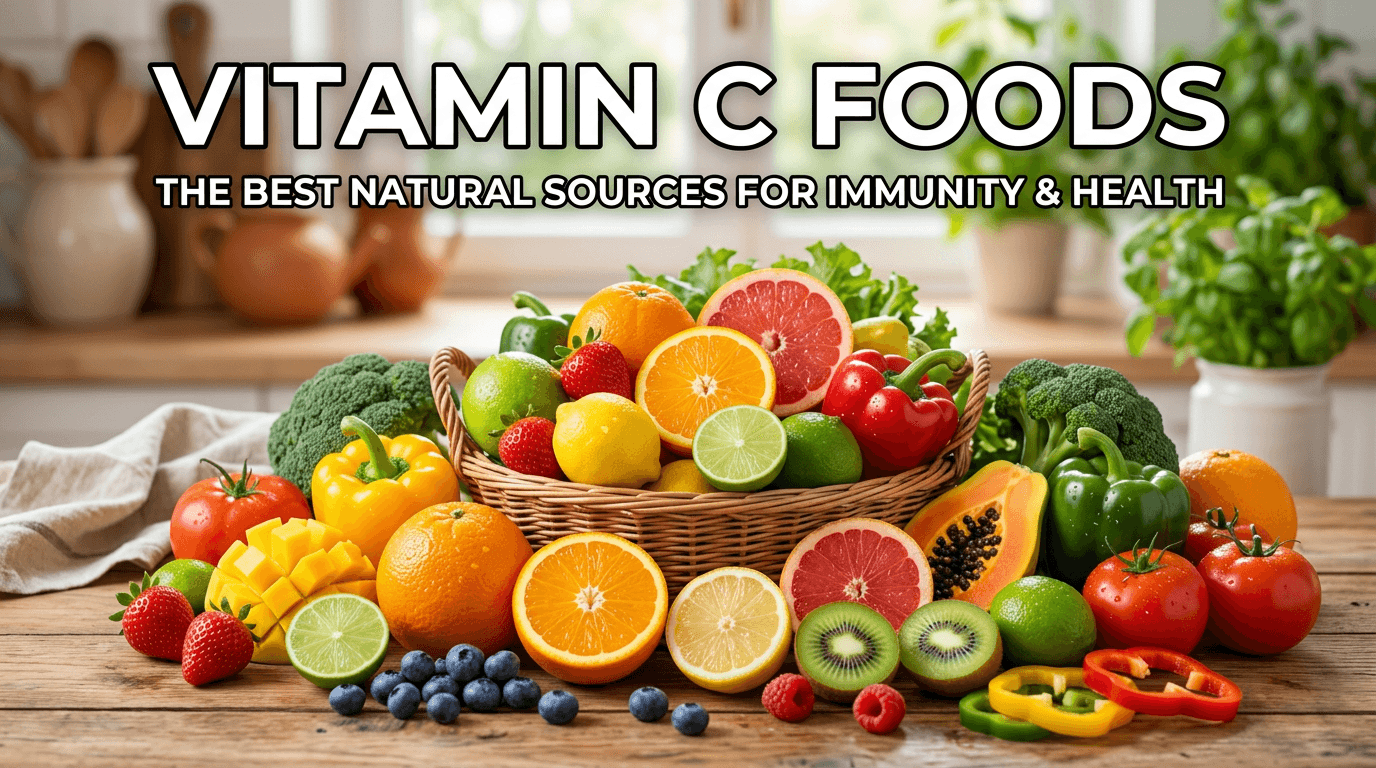
The best vitamin C foods extend far beyond the citrus aisle, with options like red bell peppers, kiwifruit, and broccoli offering significantly more of this essential nutrient per serving than an orange. While oranges are a well-known source, a diverse diet rich in various fruits and vegetables is the most effective way to ensure adequate vitamin C intake for immune support, skin health, and antioxidant protection.
This article provides a comprehensive guide to the wide world of vitamin C-rich foods. We will explore what vitamin C does, how much you need, and uncover the top-tier food sources you might be overlooking. You'll also learn how storage and cooking methods impact vitamin C levels and gain practical tips for maximizing the nutritional value of your meals, empowering you to build a diet that is naturally abundant in this vital nutrient.
What Is Vitamin C and Why Is It Essential?
Vitamin C, known scientifically as ascorbic acid, is a water-soluble vitamin that plays a multitude of critical roles in the human body. Unlike most animals, humans cannot synthesize their own vitamin C, making it an essential nutrient that must be obtained regularly through diet. Its functions are diverse and fundamental to maintaining overall health and well-being.
One of its most well-known functions is its role in supporting the immune system. Vitamin C encourages the production of white blood cells, which help protect the body against infection, and it acts as a powerful antioxidant, safeguarding these immune cells from harmful molecules. Beyond immunity, it is indispensable for the synthesis of collagen, a structural protein necessary for healthy skin, blood vessels, tendons, ligaments, and bones. This role in collagen production is why vitamin C is crucial for wound healing and tissue repair.
Furthermore, vitamin C contributes to the production of certain neurotransmitters, the chemical messengers in the brain, and is involved in energy metabolism through the synthesis of L-carnitine. It also enhances the absorption of non-heme iron—the type of iron found in plant-based foods. This synergy makes vitamin C a key dietary component for individuals following vegetarian or vegan diets who need to maximize iron absorption from plants.
How Much Vitamin C Do You Really Need?
Determining the optimal amount of vitamin C can be confusing, as needs vary based on age, sex, and certain lifestyle factors. The Recommended Dietary Allowances (RDAs) set by the Food and Nutrition Board at the Institute of Medicine provide a baseline for the average daily intake sufficient to meet the nutrient requirements of nearly all healthy individuals. These values are primarily aimed at preventing deficiency diseases like scurvy.
However, it's important to recognize that some individuals have higher requirements. For example, smokers need an additional 35 mg of vitamin C per day compared to non-smokers. This is because smoking increases oxidative stress in the body, leading to a faster depletion of vitamin C. People exposed to secondhand smoke, those with certain medical conditions like severe malabsorption or end-stage renal disease, and individuals under extreme physiological stress may also have increased needs. A healthcare provider can help determine personalized requirements.
The Food and Nutrition Board has also established a Tolerable Upper Intake Level (UL) for vitamin C. This is the maximum daily intake unlikely to cause adverse health effects. For adults, the UL is 2,000 mg per day from both food and supplements. While obtaining this amount from food alone is nearly impossible, high-dose supplements can easily exceed it, potentially causing digestive issues like diarrhea and nausea.
| Life Stage | Recommended Dietary Allowance (RDA) in Milligrams (mg) |
|---|---|
| Birth to 6 months* | 40 mg |
| Infants 7–12 months* | 50 mg |
| Children 1–3 years | 15 mg |
| Children 4–8 years | 25 mg |
| Children 9–13 years | 45 mg |
| Teens 14–18 years (boys) | 75 mg |
| Teens 14–18 years (girls) | 65 mg |
| Adults 19+ years (men) | 90 mg |
| Adults 19+ years (women) | 75 mg |
| Pregnancy | 85 mg |
| Breastfeeding | 120 mg |
Beyond Oranges: Top Vitamin C Foods You Might Not Expect
The orange has a strong marketing association with vitamin C, but it's far from the most potent source available in the produce aisle. Many common and exotic fruits and vegetables pack a much bigger nutritional punch, making it easy and delicious to meet and exceed your daily needs. Expanding your palate to include these foods not only boosts your vitamin C intake but also provides a wider array of other beneficial nutrients and antioxidants.
For example, a single half-cup of chopped red bell pepper provides more vitamin C than a medium orange. Tropical fruits like guava and papaya are also exceptional sources, as are familiar favorites like strawberries and kiwifruit. Even certain cruciferous vegetables and herbs contain surprisingly high amounts. The following table highlights just how much these alternative sources outshine the standard citrus choice, encouraging a more diverse and colorful approach to your diet.
| Food | Serving Size | Approx. Vitamin C (mg) | % Daily Value (for Adult Male) |
|---|---|---|---|
| Guava | 1 fruit (approx. 55g) | 125 mg | 139% |
| Red Bell Pepper (raw) | ½ cup, chopped | 95 mg | 106% |
| Kiwifruit | 1 medium fruit | 71 mg | 79% |
| Broccoli (cooked) | ½ cup, chopped | 51 mg | 57% |
| Strawberries | ½ cup, sliced | 49 mg | 54% |
| Orange | 1 medium fruit | 70 mg | 78% |
| Papaya | 1 cup, cubes | 88 mg | 98% |
| Brussels Sprouts (cooked) | ½ cup | 48 mg | 53% |
| Cantaloupe | 1 cup, cubes | 58 mg | 64% |
A Rainbow of Vitamin C: Exploring by Food Category
Thinking about vitamin C sources in terms of food categories can make grocery shopping and meal planning more intuitive and effective. By aiming to include a variety of colorful foods from different plant families in your daily diet, you naturally ensure a robust intake of vitamin C along with a spectrum of other essential nutrients and phytochemicals.
Tropical Fruits: Sunshine in a Rind
Tropical fruits are renowned for their vibrant flavors and are often nutritional powerhouses of vitamin C.
- Guava: Often hailed as a vitamin C superstar, a single guava can provide well over 100% of the daily recommended intake. This fruit is also rich in dietary fiber, antioxidants like lycopene, and potassium.
- Papaya: A large fruit that offers a substantial amount of vitamin C, along with vitamin A and folate. Papaya also contains an enzyme called papain, which can aid in protein digestion.
- Kiwi: This fuzzy fruit is an excellent source of vitamin C. Green kiwifruit contains a good amount, while the SunGold variety can contain even more. Kiwis also provide vitamin K, vitamin E, and fiber.
- Pineapple: In addition to a respectable amount of vitamin C, pineapple contains bromelain, a group of enzymes that may help reduce inflammation and support digestion.
- Mango: This sweet, popular fruit is a solid contributor of both vitamin C and vitamin A, another important antioxidant for immune and skin health.
Berries: Small Fruits, Big Impact
Berries are celebrated for their antioxidant content, and many are also excellent sources of vitamin C. Their bright colors are a tell-tale sign of the beneficial plant compounds they contain.
- Strawberries: A household favorite, strawberries offer a significant amount of vitamin C per serving. A cup of halved strawberries provides nearly 100% of the daily requirement for an adult male.
- Blackcurrants: Though less common in the U.S. than in Europe, these small, dark berries are exceptionally high in vitamin C, containing several times the amount found in oranges by weight. They have a tart flavor and are often used in juices, jams, and supplements.
- Acerola Cherry: Also known as the Barbados cherry, this fruit is one of the most concentrated natural sources of vitamin C on the planet. Due to its fragility, it is most often found in the U.S. as a powder, extract, or juice.
Cruciferous Vegetables: A Nutrient-Dense Family
The cruciferous vegetable family, which includes broccoli and its relatives, is known for its health-promoting properties, including a generous supply of vitamin C.
- Broccoli: A versatile and popular vegetable, broccoli is a fantastic source of vitamin C, especially when eaten raw or lightly steamed. Just a half-cup serving provides over half the daily value.
- Brussels Sprouts: These miniature cabbages are packed with nutrients. A half-cup serving of cooked Brussels sprouts is a good source of vitamin C, vitamin K, and fiber.
- Kale: This leafy green is a member of the cruciferous family and provides a solid dose of vitamin C. One cup of raw kale contains a significant amount, though cooking will reduce it slightly.
- Cauliflower: While paler in color, cauliflower still offers a good amount of vitamin C, along with fiber and other important compounds. It can be eaten raw, steamed, or roasted to preserve nutrients.
Other Notable Vegetables and Herbs
Don't overlook other common vegetables and even fresh herbs, which can contribute meaningfully to your daily vitamin C intake.
- Bell Peppers: The color of a bell pepper indicates its ripeness and nutrient content. Red bell peppers, which are the most mature, have the highest concentration of vitamin C, followed by yellow, orange, and then green. They are excellent eaten raw in salads or with dips.
- Tomatoes: While having a more moderate vitamin C content, their frequent consumption in salads, sauces, and sandwiches makes them a significant contributor to overall intake for many people. Sun-dried tomatoes are a particularly concentrated source.
- Potatoes: A medium baked potato with the skin on can provide a surprising amount of vitamin C—around 20% of the daily value. Because potatoes are a staple food for many, they can be a substantial, albeit less concentrated, source.
- Fresh Herbs: While eaten in smaller quantities, fresh herbs like parsley and thyme are remarkably dense in vitamin C. A quarter cup of fresh parsley can add over 20 mg of vitamin C to a dish, along with a burst of flavor.
How Cooking and Storage Affect Vitamin C Content
Vitamin C is a notoriously delicate nutrient, susceptible to degradation by heat, light, air, and water. How you store and prepare your produce can significantly impact the amount of vitamin C that actually makes it to your plate. Understanding these factors allows you to make simple choices that preserve the nutritional integrity of your food.
The moment a fruit or vegetable is harvested, its vitamin C content begins to decline. Exposure to oxygen (oxidation) is a primary culprit. This is why a whole fruit generally retains more vitamin C than one that has been pre-cut and packaged. Similarly, juicing exposes the vitamin to a large amount of oxygen, and its potency can degrade quickly, especially if the juice is not consumed immediately. Light, particularly UV light, also accelerates this degradation, which is why many juices are sold in opaque containers.
Heat is another major enemy of vitamin C. Cooking methods that involve high temperatures and long durations are the most destructive. Boiling is particularly problematic, as vitamin C is water-soluble and can leach out of the food and into the cooking water. If you discard the water, you discard the nutrients. To minimize loss, it's best to opt for quick cooking methods that use minimal water.
- Eat Fresh and Raw: When appropriate, consume fruits and vegetables raw to get their full vitamin C potential. Salads, smoothies, and raw veggie snacks are excellent choices.
- Choose Quick Cooking Methods: Steaming, microwaving, and stir-frying are superior to boiling. They use less water and shorter cooking times, preserving more of the vitamin.
- Don't Overcook: Cook vegetables until they are crisp-tender, not mushy. They will retain more nutrients and have a better texture.
- Cut Just Before Use: Chop or slice produce right before you plan to eat or cook it to minimize its exposure to oxygen.
- Store Properly: Keep most fruits and vegetables in the crisper drawer of your refrigerator to slow down nutrient loss. Avoid storing them in direct sunlight.
- Consider Frozen Produce: Fruits and vegetables are often flash-frozen shortly after harvesting, which locks in nutrients. In some cases, frozen produce may have a higher vitamin C content than "fresh" produce that has traveled a long distance and sat on a store shelf for days.
- Use the Cooking Liquid: If you do boil or blanch vegetables, use the nutrient-rich cooking water in a soup, sauce, or gravy to recapture the leached vitamins.
Maximizing Vitamin C Absorption and Utilization
Consuming vitamin C-rich foods is the first step, but ensuring your body can effectively absorb and use the nutrient is just as important. The bioavailability of vitamin C—the proportion that enters circulation and has an active effect—is generally very high, especially when it comes from whole foods. Several factors can influence this process.
One of the key advantages of getting vitamin C from food is the presence of cofactors, particularly a group of plant compounds called bioflavonoids. Often found alongside vitamin C in colorful fruits and vegetables, bioflavonoids (such as quercetin, hesperidin, and rutin) are believed to work synergistically with it. Research suggests they can enhance vitamin C's antioxidant capacity and may help stabilize it, protecting it from oxidation both in the food and within the body. This natural "nutrient team" is a primary reason why a food-first approach is so often recommended.
The body's absorption of vitamin C is also dose-dependent and highly regulated. At typical dietary intakes (30–180 mg/day), the body absorbs about 70–90% of the vitamin C consumed. However, as the dose increases, the absorption percentage drops significantly. At a single high dose of 1,000 mg (1 gram), absorption can fall to less than 50%. The unabsorbed vitamin C remains in the gastrointestinal tract, where it can draw water into the intestines and cause digestive discomfort. This physiological mechanism highlights the advantage of consuming smaller amounts of vitamin C throughout the day from meals, rather than taking one large supplemental dose.
Signs and Risks of Vitamin C Deficiency
Severe vitamin C deficiency leads to scurvy, a disease with a long and storied history, particularly among sailors on long sea voyages without access to fresh produce. While overt scurvy is now rare in the United States and other developed countries, suboptimal or insufficient vitamin C intake is more common and can lead to a range of non-specific health issues.
It's crucial to understand the difference between severe deficiency and insufficiency. The symptoms of scurvy are stark and include severe fatigue, widespread bruising, bleeding gums, tooth loss, poor wound healing, and joint pain. These are the results of the breakdown of collagen-containing tissues throughout the body. An intake of as little as 10 mg per day is generally sufficient to prevent scurvy, an amount easily obtained from even a very limited diet.
Subclinical Deficiency and Its Vague Signs
More relevant for the modern population is subclinical deficiency, or vitamin C insufficiency. This state occurs when intake is consistently below optimal levels but high enough to prevent full-blown scurvy. The signs are often subtle, develop slowly, and can be easily attributed to other causes, making self-diagnosis difficult and unreliable.
- Rough, Bumpy Skin: Vitamin C is essential for collagen production. A lack of it can lead to a condition called keratosis pilaris, where small, acne-like bumps form on the back of the upper arms, thighs, or buttocks.
- Easy Bruising: Weakened blood vessels due to poor collagen synthesis can rupture easily, leading to bruising from minor impacts.
- Slow-Healing Wounds: The rate of new collagen formation is slowed in a state of vitamin C insufficiency, impairing the body's ability to repair itself.
- Bleeding Gums: Gum tissue is rich in blood vessels and collagen, making it one of the first places to show signs of deficiency.
- Persistent Fatigue and Irritability: These are very general symptoms but can be early indicators of inadequate vitamin C levels, possibly related to its role in energy metabolism and neurotransmitter synthesis.
Groups at Higher Risk of Inadequacy
While a varied diet can protect most people, certain populations are at a greater risk for inadequate vitamin C intake.
- Smokers and Passive Smokers: Tobacco smoke introduces a high level of oxidative stress, increasing the body's demand for vitamin C.
- Individuals with Limited Food Variety: This can include older adults, people living in poverty, or those who follow highly restrictive diets that exclude fruits and vegetables.
- People with Malabsorption Conditions: Diseases like Crohn's disease, ulcerative colitis, or certain types of cancer can impair the absorption or increase the turnover of vitamin C.
- Infants Fed Boiled or Evaporated Milk: Cow's milk contains very little vitamin C, and the heat from boiling or processing can destroy what little is present. Infant formulas and breast milk are adequate sources.
Food vs. Supplements: Which Is Better for Vitamin C?
In the conversation about nutrient intake, the "food versus supplement" debate is common. For vitamin C, the scientific consensus strongly supports a food-first approach for the general population. While supplements have a legitimate place in correcting diagnosed deficiencies or for specific high-risk groups, obtaining vitamin C from whole foods offers benefits that an isolated supplement cannot replicate.
The Case for Whole Foods
The primary advantage of dietary vitamin C is the concept of nutrient synergy. A strawberry, a bell pepper, or a piece of broccoli is not just a vehicle for ascorbic acid. It is a complex package containing hundreds of other compounds, including fiber, other vitamins, minerals, and a vast array of phytochemicals like bioflavonoids and carotenoids. These compounds work together in ways that are not yet fully understood, potentially enhancing absorption, improving antioxidant activity, and providing broader health benefits. For example, the fiber in fruit helps regulate blood sugar, and the potassium supports healthy blood pressure—benefits you don't get from a pill.
Furthermore, it is virtually impossible to consume a harmful amount of vitamin C from food. The body's natural absorption regulation, combined with the volume and fiber content of whole foods, creates a natural safety barrier. Conversely, high-dose supplements can easily bypass these regulations and exceed the Tolerable Upper Intake Level (UL) of 2,000 mg/day, leading to gastrointestinal distress and other potential issues for some individuals.
When Supplements May Be Appropriate
Despite the clear advantages of food, vitamin C supplements can be a useful tool when used judiciously and under professional guidance.
- Treating a Diagnosed Deficiency: For someone with scurvy or confirmed severe deficiency, high-dose supplementation under a doctor's care is the standard and necessary treatment.
- High-Risk Individuals: A healthcare provider might recommend a supplement for a smoker who is unable to quit, a person on dialysis, or someone with a severe malabsorption disorder who cannot meet their elevated needs through diet alone.
- Periods of Limited Access: In situations where access to fresh produce is severely restricted for a prolonged period, a basic multivitamin or a low-dose vitamin C supplement might be considered as a temporary stopgap.
If a supplement is deemed necessary, several forms are available. Standard ascorbic acid is the most common and affordable form and is chemically identical to the vitamin C found in food. Other forms include mineral ascorbates (e.g., calcium ascorbate, sodium ascorbate), which are buffered and may be gentler on the stomach for some people. Vitamin C with added bioflavonoids is also popular, though clinical evidence showing significantly enhanced bioavailability in humans is limited but a subject of ongoing research.
Frequently Asked Questions About Vitamin C Foods
Does vitamin C from juice count?
Yes, vitamin C from 100% fruit juice does count toward your daily intake. However, juice lacks the beneficial dietary fiber found in whole fruit, which helps regulate blood sugar absorption. Whole fruit is generally considered a healthier choice due to its fiber content and higher satiety.
Can you get too much vitamin C from food?
It is nearly impossible to get too much vitamin C from food alone. To reach the Tolerable Upper Intake Level (UL) of 2,000 mg for adults, you would need to eat about 29 oranges or 13 cups of chopped broccoli in one day. The body's ability to absorb vitamin C decreases as intake increases, providing a natural safeguard against toxicity from food sources.
Are organic fruits and vegetables higher in vitamin C?
Some studies suggest that organic produce may have higher concentrations of certain antioxidants, including vitamin C, but the evidence is not definitive and results vary widely. Factors like crop variety, ripeness at harvest, and storage conditions have a much larger and more consistent impact on vitamin C levels than organic versus conventional farming methods.
Is frozen produce as good as fresh for vitamin C?
Yes, frozen produce is an excellent source of vitamin C. Fruits and vegetables are typically flash-frozen at peak ripeness, which locks in their nutrients. "Fresh" produce that has traveled long distances and sat in storage may have lost more vitamin C than its frozen counterpart. Both are great options.
Which cooking method preserves the most vitamin C?
Quick cooking methods that use minimal water and heat are best for preserving vitamin C. Steaming, microwaving, and stir-frying are generally superior to boiling, which can cause the water-soluble vitamin to leach out into the cooking water.
Do lemons and limes have more vitamin C than oranges?
No, oranges contain significantly more vitamin C than lemons or limes. A medium orange has about 70 mg of vitamin C, while a medium lemon has around 30-40 mg and a lime has about 20 mg. While all are good sources, oranges provide more per fruit.
How can I tell if I'm low on vitamin C?
The signs of low vitamin C can be vague, such as fatigue, easy bruising, and slow wound healing. Because these symptoms can have many causes, it's impossible to self-diagnose. If you are concerned about your vitamin C status or have symptoms, you should consult a licensed healthcare professional who can perform a proper assessment, which may include a blood test.
Does vitamin C help with iron absorption?
Yes, vitamin C significantly enhances the absorption of non-heme iron, the type of iron found in plant-based foods like beans, lentils, spinach, and fortified grains. Consuming a vitamin C-rich food (like bell peppers or strawberries) at the same meal as a plant-based iron source can greatly improve how much iron your body absorbs.
Conclusion: Embracing a Diverse, Vitamin C-Rich Diet
While the orange has long been the poster child for vitamin C, it is clear that a vast and varied world of nutrient-dense foods is available to help you meet your daily needs. From the surprising potency of a red bell pepper to the tropical richness of a guava, incorporating a wide array of colorful fruits and vegetables into your diet is the most effective and enjoyable strategy for ensuring optimal vitamin C status.
Focusing on a food-first approach provides not just ascorbic acid, but a complex matrix of fiber, flavonoids, and other essential nutrients that work together to support your health. By understanding how to store and prepare these foods to preserve their delicate vitamin content, you can take full advantage of their natural benefits. Rather than fixating on specific milligram targets, aim for a diet that is naturally vibrant and diverse. This holistic approach is the foundation of good nutrition and long-term well-being.
Ultimately, building a vitamin C-rich diet is about exploration and variety. Challenge yourself to try a new fruit or vegetable from the list, add fresh herbs to your meals, and fill your plate with a rainbow of colors. As always, if you have specific health concerns or questions about your individual nutrient needs, consulting with a registered dietitian or other qualified healthcare professional can provide you with personalized and reliable guidance.