
vitamine -
Iodine and the Thyroid: How to Supplement Safely
The primary iodine benefits stem from its essential role in producing thyroid hormones, which are critical for regulating metabolism, supporting brain development, and maintaining overall energy levels. This trace mineral is a fundamental building block that the thyroid gland req
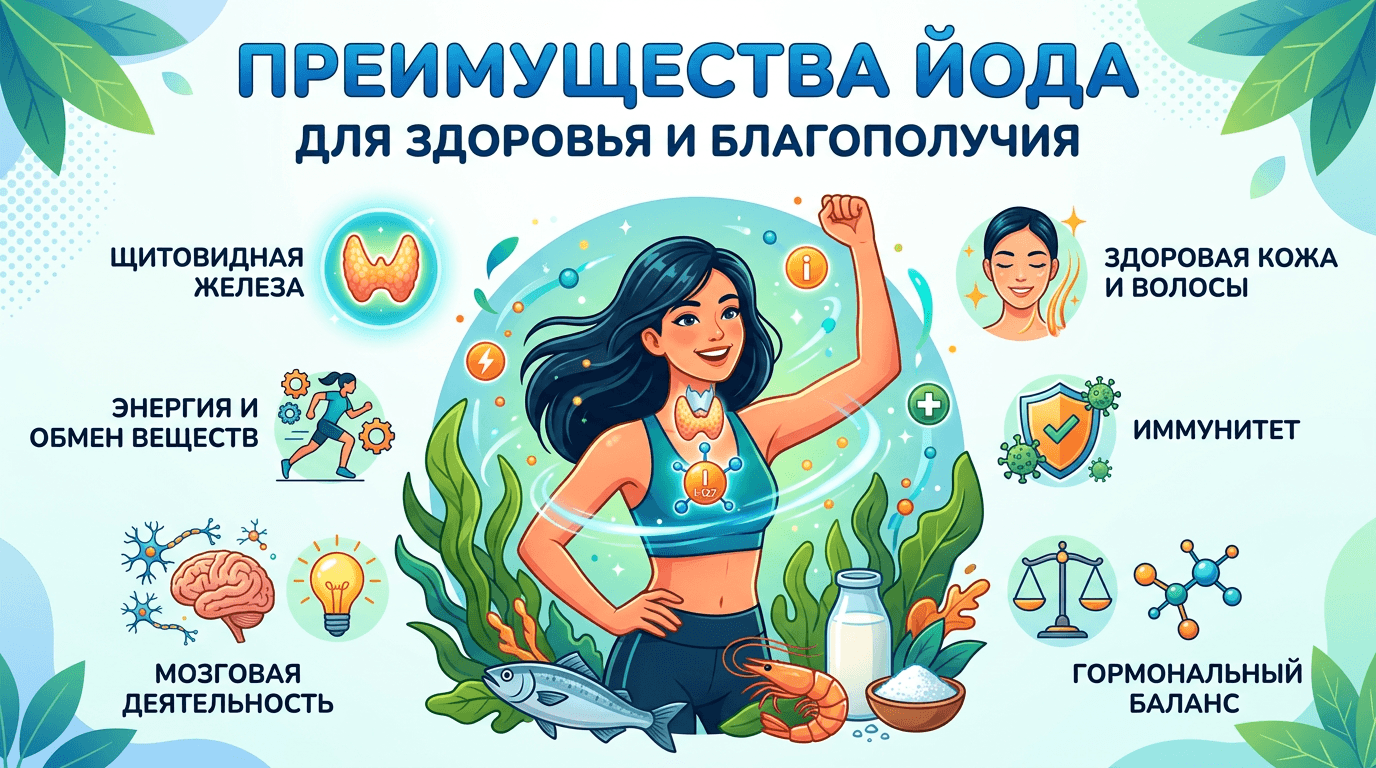
The primary iodine benefits stem from its essential role in producing thyroid hormones, which are critical for regulating metabolism, supporting brain development, and maintaining overall energy levels. This trace mineral is a fundamental building block that the thyroid gland requires to function correctly, influencing nearly every cell in the body.
While often overlooked, iodine is a nutrient of profound importance. Its status in the body is a delicate balancing act—both too little and too much can have significant consequences for health, particularly for the thyroid gland. Understanding this balance is key to ensuring you are supporting your body effectively without introducing risk. This article provides a detailed, evidence-based guide to the role of iodine in the body, its connection to the thyroid, signs of deficiency and excess, and how to approach supplementation safely and responsibly.
What Is Iodine and Why Does It Matter for Health?

Iodine is a trace element that is essential for human health, meaning the body cannot produce it and must obtain it from dietary sources. While required in very small amounts, its impact is immense. Found naturally in some foods and soil, its primary and most well-understood function is as a crucial component of thyroid hormones. Without sufficient iodine, the thyroid gland cannot produce the hormones that act as the body's master metabolic regulators.
The thyroid gland, a small butterfly-shaped organ in the neck, actively captures iodine from the bloodstream. It then incorporates the iodine into two key hormones: thyroxine (T4) and triiodothyronine (T3). The numbers "4" and "3" refer to the number of iodine atoms attached to each hormone molecule. These hormones are then released into the circulation, where they travel throughout the body to control metabolic rate, protein synthesis, and enzymatic activity.
This regulation affects a vast array of bodily processes, including heart rate, body temperature, digestion, brain function, and muscle control. During pregnancy and infancy, thyroid hormones are indispensable for the proper development of the brain and nervous system. Because of this far-reaching influence, maintaining adequate iodine status is a cornerstone of overall health and well-being.
The Critical Link: Iodine and Thyroid Function

The relationship between iodine and the thyroid is a precise and tightly regulated biological process. Understanding this mechanism helps clarify why both deficiency and excess can disrupt thyroid function. The entire process is orchestrated by a feedback loop involving the brain and the thyroid gland, ensuring the body has just the right amount of thyroid hormone at any given time.
The process begins in the brain. The hypothalamus releases Thyrotropin-Releasing Hormone (TRH), which signals the pituitary gland to secrete Thyroid-Stimulating Hormone (TSH). As its name suggests, TSH travels through the bloodstream to the thyroid gland and stimulates it to perform its duties. Upon receiving the TSH signal, the thyroid gland becomes highly active in trapping iodide (the form of iodine found in the body) from the blood.
Inside the thyroid's follicular cells, iodide is converted into its active iodine form and attached to a protein called thyroglobulin. This process, known as iodination, creates the precursors to the thyroid hormones. These precursors are then coupled together to form T4 (thyroxine), which contains four iodine atoms, and T3 (triiodothyronine), which contains three. The thyroid produces much more T4 than T3, but T3 is the more biologically active form. Most T4 is converted into T3 in peripheral tissues like the liver and kidneys, allowing for fine-tuned hormonal control throughout the body.
When the levels of thyroid hormones in the blood are sufficient, they signal back to the pituitary and hypothalamus to reduce the production of TSH and TRH, thus slowing down thyroid hormone synthesis. If iodine levels are too low, the thyroid cannot produce enough T4 and T3. The pituitary gland senses this and releases more TSH in an attempt to stimulate the thyroid, which can lead to an enlargement of the gland, known as a goiter.
Potential Iodine Benefits for Overall Health
The benefits of iodine are almost entirely channeled through its role in producing adequate levels of thyroid hormones. By ensuring the thyroid has the raw material it needs, sufficient iodine intake supports numerous physiological functions. It's important to frame these benefits not as a result of "super-loading" iodine, but as the result of maintaining sufficiency and avoiding deficiency.
Supporting Cognitive Function and Brain Development
One of the most critical roles of iodine is in neurodevelopment. During pregnancy and early infancy, thyroid hormones are essential for the maturation of the brain. An adequate supply of iodine to the mother and fetus ensures the proper formation of the central nervous system. Iodine deficiency during this critical window is a leading cause of preventable intellectual disability worldwide.
Even mild to moderate deficiency in childhood can be associated with lower IQ scores and impaired cognitive function. In adults, while the brain is fully formed, thyroid hormones continue to play a role in concentration, memory, and mental clarity. The fatigue and "brain fog" often reported by individuals with an underactive thyroid (hypothyroidism) underscore the connection between thyroid function and cognition.
Regulating Metabolism and Energy Levels
Thyroid hormones are the primary regulators of the body's basal metabolic rate (BMR), which is the number of calories burned at rest. By influencing BMR, these hormones affect how the body uses energy, converts food into fuel, and maintains body temperature. When thyroid hormone levels are optimal, metabolism functions efficiently.
If iodine intake is insufficient to produce enough thyroid hormone, the metabolic rate can slow down. This can lead to symptoms like fatigue, unexplained weight gain, and feeling cold when others are not. Conversely, ensuring adequate iodine intake allows the thyroid to produce the hormones needed to maintain energy levels and a healthy metabolic pace. This is a foundational benefit that affects nearly every aspect of daily vitality.
Role in Pregnancy and Fetal Health
Iodine needs increase significantly during pregnancy and lactation. The developing fetus is entirely dependent on the mother's iodine intake for its own thyroid hormone production. As mentioned, these hormones are vital for the baby's brain and nervous system development. The American Thyroid Association and other health organizations recognize the heightened importance of iodine during this period.
Adequate iodine status before and during pregnancy helps support a healthy pregnancy outcome and contributes to the long-term cognitive health of the child. Due to increased needs and potential dietary gaps, healthcare providers often discuss iodine supplementation with pregnant and breastfeeding women, typically as part of a prenatal vitamin regimen.
Other Discussed Areas of Health
Beyond its established role in thyroid health, iodine has been researched in other contexts, though the evidence is less definitive. One such area is fibrocystic breast changes, a benign condition characterized by breast pain and lumpiness. Some older studies explored the use of very high doses of molecular iodine for this condition, with mixed results. However, this is not a standard treatment, and self-administering high-dose iodine for this or any other purpose is not recommended due to significant risks. Any such use should only be considered under the strict guidance of a knowledgeable healthcare professional.
Understanding Iodine Deficiency
Iodine deficiency occurs when dietary intake is too low to meet the body's needs for thyroid hormone production. While universal salt iodization has made severe deficiency rare in the United States, mild to moderate insufficiency can still occur in certain populations. The consequences of deficiency can range from subtle to severe, depending on the degree and duration of the shortfall.
Signs and Symptoms of Iodine Deficiency
The signs of iodine deficiency are often nonspecific and can overlap with many other health conditions, making self-diagnosis impossible and unreliable. A medical evaluation is always necessary. The symptoms are primarily those of hypothyroidism (underactive thyroid), as the gland cannot produce enough hormones.
- Goiter: This is the classic sign of iodine deficiency. In an effort to capture more iodine from the blood, the thyroid gland enlarges. A goiter may appear as a visible swelling at the base of the neck.
- Unexplained Weight Gain: A slowed metabolic rate can cause the body to store more energy as fat, leading to weight gain even without changes in diet or activity level.
- Fatigue and Weakness: With less energy being produced at the cellular level, a pervasive sense of tiredness and lack of stamina is common.
- Feeling Cold: Thyroid hormones help regulate body temperature. A deficiency can lead to increased sensitivity to cold.
- Dry Skin and Hair Loss: Thyroid hormones are involved in the regeneration of skin cells and hair follicles. Low levels can lead to dry, flaky skin and thinning hair.
- Cognitive Issues: Difficulty concentrating, memory problems, and general "brain fog" can be symptoms.
- Changes in Heart Rate: Hypothyroidism can cause the heart to beat more slowly.
How Iodine Deficiency Is Diagnosed
Diagnosing iodine deficiency in an individual is not straightforward. The most common method used in public health research is measuring urinary iodine concentration (UIC). Because most dietary iodine is excreted in the urine, UIC provides a good snapshot of recent iodine intake. However, for an individual, a single urine test can be misleading due to day-to-day variations in diet.
Therefore, a clinician will more likely assess thyroid function itself. This typically involves blood tests to measure:
- Thyroid-Stimulating Hormone (TSH): An elevated TSH level is often the first and most sensitive indicator of failing thyroid hormone production.
- Free Thyroxine (Free T4): This measures the amount of unbound, active T4 hormone available to the body's tissues. A low level can indicate hypothyroidism.
- Free or Total Triiodothyronine (T3): This may also be measured to get a complete picture of thyroid hormone status.
Who Is Most at Risk for Iodine Deficiency?
While the general U.S. population is considered iodine-sufficient, certain groups have a higher risk of inadequate intake. This can be due to dietary choices, physiological needs, or geographic location. Identifying these groups is important for public health and for individuals to make informed decisions with their healthcare providers.
The following populations may be more susceptible to iodine insufficiency:
- Pregnant and Breastfeeding Women: Their iodine requirements are about 50% higher than those of non-pregnant women to support their own thyroid health and the neurodevelopment of the fetus or infant.
- Individuals Who Do Not Use Iodized Salt: With the rise in popularity of specialty salts like sea salt and Himalayan pink salt (which are typically not iodized), and a general public health push to reduce sodium, many people have cut out the most common source of iodine in the American diet.
- Vegans and Vegetarians: Many of the richest natural sources of iodine are animal-based, such as seafood and dairy. Those following plant-based diets may have lower intake unless they consciously include sources like iodized salt or certain seaweeds.
- People Living in Iodine-Deficient Regions: Although less of a concern in the U.S. due to a diverse food supply, some regions of the world have soil with very low iodine content, impacting the entire local food chain.
- Individuals Who Consume High Amounts of Goitrogens: Goitrogens are substances found in certain foods that can interfere with the thyroid's ability to use iodine. They are present in raw cruciferous vegetables (e.g., broccoli, cabbage, kale), soy, and millet. While the effect is generally minor in the context of an iodine-sufficient diet, it can become significant if iodine intake is already marginal.
- Smokers: Tobacco smoke contains compounds like thiocyanate, which can inhibit the thyroid's iodine uptake, increasing the risk of deficiency-related problems.
How Much Iodine Do You Need? Daily Intake Recommendations
The Food and Nutrition Board at the U.S. National Academies of Sciences, Engineering, and Medicine has established Recommended Dietary Allowances (RDAs) for iodine. These values represent the average daily intake sufficient to meet the nutrient requirements of nearly all (97%-98%) healthy individuals in a particular life stage and gender group. The amounts are given in micrograms (mcg).
| Age Group / Life Stage | Recommended Dietary Allowance (RDA) in mcg |
|---|---|
| Birth to 6 months | 110 mcg (Adequate Intake) |
| 7–12 months | 130 mcg (Adequate Intake) |
| 1–3 years | 90 mcg |
| 4–8 years | 90 mcg |
| 9–13 years | 120 mcg |
| 14–18 years | 150 mcg |
| Adults (19+ years) | 150 mcg |
| Pregnancy | 220 mcg |
| Lactation | 290 mcg |
It is important to remember that these recommendations refer to total iodine intake from all sources, including food, beverages, and any supplements. For most adults in the U.S., the RDA of 150 mcg can be reasonably achieved through diet, especially if iodized salt is used. The significantly higher recommendations for pregnancy and lactation highlight the critical need for iodine during these life stages.
Dietary Sources of Iodine
The amount of iodine in food is highly variable and depends on the iodine content of the soil and water where the food was grown or raised. In general, foods from the sea are the richest natural sources. Processed foods can also contribute to iodine intake if manufacturers use iodized salt or iodine-containing food additives.
Iodized Salt
Since the 1920s, salt iodization has been the primary public health strategy in the U.S. to prevent iodine deficiency. Iodized salt is regular table salt with potassium iodide added. A quarter teaspoon of iodized salt contains approximately 71 mcg of iodine. However, it's crucial to check the label. Many popular gourmet salts, such as sea salt, Himalayan pink salt, and kosher salt, are not iodized unless the packaging explicitly states that they are. Also, salt used in most processed and restaurant foods is typically not iodized.
Seafood and Seaweed
Marine life concentrates iodine from seawater, making seafood an excellent source.
- Fish: Cod is particularly rich in iodine, with a 3-ounce serving providing around 99 mcg. Tuna and other fish also contribute.
- Shellfish: Shrimp and other shellfish are good sources.
- Seaweed: This is the most concentrated natural source of iodine, but its content is extremely variable. Kelp, kombu, wakame, and nori can contain anywhere from moderate to excessively high amounts. A single sheet of nori is generally safe, but kelp and kombu can contain thousands of micrograms per gram, far exceeding the daily safe upper limit in a single serving.
Dairy Products and Eggs
Dairy products like milk, yogurt, and cheese are significant contributors to iodine intake in the American diet. This is partly because cattle feed is often supplemented with iodine and because iodine-containing sanitizing agents (iodophors) are used in the dairy industry. A cup of plain, low-fat yogurt can provide about 75 mcg, and a cup of milk can provide 56 mcg. Eggs are also a good source, with one large egg containing about 24 mcg, mostly in the yolk.
| Food Source | Serving Size | Approximate Iodine Content (mcg) |
|---|---|---|
| Seaweed (Kelp, raw) | 1 gram | Can be up to 2,984 mcg (highly variable) |
| Cod (baked) | 3 ounces | 99 mcg |
| Yogurt (plain, low-fat) | 1 cup | 75 mcg |
| Iodized Salt | 1/4 teaspoon | 71 mcg |
| Milk (reduced fat) | 1 cup | 56 mcg |
| Shrimp | 3 ounces | 35 mcg |
| Tuna (canned in oil) | 3 ounces | 17 mcg |
| Egg (large) | 1 whole | 24 mcg |
Iodine Supplements: Forms, Selection, and Considerations
For most healthy adults in the U.S. who consume a varied diet that includes iodized salt, dairy, or seafood, an iodine supplement is often unnecessary. However, for individuals in at-risk groups or those with diagnosed insufficiency, a supplement may be recommended by a healthcare professional. Approaching supplementation requires caution and knowledge of the different forms and dosages available.
Common Forms of Iodine Supplements
Iodine supplements are available in several forms, each with its own characteristics. The dose listed on a supplement label is a critical piece of information.
- Potassium Iodide (KI): This is the most common form of iodine found in dietary supplements and is the same form used to iodize salt. It is a stable, well-absorbed, and reliable source of iodine. Most standard multivitamin/mineral supplements that contain iodine use KI in a dose around the RDA (150 mcg).
- Kelp and Seaweed-Based Supplements: These are marketed as "natural" sources of iodine. They come in tablet or capsule form and are made from dried seaweed. While they do provide iodine, their main drawback is a lack of standardization. The iodine content can vary significantly from batch to batch and may be much higher than what is stated on the label, posing a risk of excessive intake.
- Liquid Iodine (Lugol's Solution, SSKI): High-concentration liquid iodine preparations like Lugol's Iodine (a mix of iodine and potassium iodide) and Saturated Solution of Potassium Iodide (SSKI) are not dietary supplements for general use. These are powerful pharmacological agents that deliver massive doses of iodine (milligrams, not micrograms). They are used in specific, short-term medical situations, such as preparing for thyroid surgery or in a nuclear radiation emergency, and must only be used under strict medical supervision.
How to Choose a Supplement (If Recommended)
If a healthcare provider has recommended an iodine supplement, making an informed choice is important.
- Consult Your Doctor: This is the most crucial step. Discuss the appropriate dose and form for your specific needs. Do not start taking an iodine supplement without medical guidance.
- Check the Dose: For general supplementation, the dose should typically be around the RDA, which is 150 mcg for most adults. Be wary of supplements that provide doses in milligrams (mg), as 1 mg = 1,000 mcg, which is a very high dose.
- Prefer Potassium Iodide: For consistency and dose accuracy, a supplement containing potassium iodide is generally a more reliable choice than a kelp-based product.
- Look for Third-Party Certification: Choose products that have been tested by an independent third party, such as USP (United States Pharmacopeia) or NSF International. This provides some assurance of product quality, purity, and dose accuracy.
The Dangers of Too Much Iodine: Toxicity and Side Effects
Just as iodine deficiency is harmful, so is iodine excess. The thyroid gland is sensitive to high levels of iodine, and chronic overconsumption can lead to significant health problems. The body has mechanisms to protect itself from occasional high intake, but these can be overwhelmed by consistent, high-dose supplementation.
The Food and Nutrition Board has established Tolerable Upper Intake Levels (ULs) for iodine, which is the maximum daily intake unlikely to cause adverse health effects. Consuming amounts above the UL on a regular basis increases the risk of side effects.
| Age Group | Tolerable Upper Intake Level (UL) in mcg/day |
|---|---|
| Birth to 6 months | Not established |
| 7–12 months | Not established |
| 1–3 years | 200 mcg |
| 4–8 years | 300 mcg |
| 9–13 years | 600 mcg |
| 14–18 years | 900 mcg |
| Adults (19+ years) | 1,100 mcg (1.1 mg) |
Potential Side Effects of Excess Iodine
Acute iodine poisoning is rare but can occur from taking massive doses, causing symptoms like burning in the mouth, throat, and stomach, as well as fever, nausea, vomiting, and diarrhea. More common are the effects of chronic high intake, which primarily affect the thyroid.
Iodine-Induced Thyroid Dysfunction
Paradoxically, too much iodine can cause the same symptoms as too little. This is especially true for individuals with pre-existing thyroid conditions.
- Iodine-Induced Hypothyroidism: High levels of iodine can trigger a protective shutdown of thyroid hormone production, known as the Wolff-Chaikoff effect. In most healthy individuals, the thyroid "escapes" this effect within a few days. However, in susceptible individuals, this shutdown can persist, leading to hypothyroidism and goiter.
- Iodine-Induced Hyperthyroidism: In individuals who have an underlying autonomous thyroid nodule or who have lived in an iodine-deficient area, a sudden increase in iodine intake can cause the thyroid to become overactive and produce an excess of thyroid hormone. This is known as the Jod-Basedow phenomenon.
Iodine Interactions with Medications and Health Conditions
Iodine, especially in supplement form, can interact with certain medications and may be problematic for individuals with specific health conditions. It is essential to review all supplements with your doctor and pharmacist to screen for potential interactions.
Medication Interactions
The following medications may interact with iodine supplements. This is not an exhaustive list.
- Antithyroid Medications: Drugs like methimazole (Tapazole®) and propylthiouracil (PTU), used to treat hyperthyroidism, can have their effects altered by high iodine intake.
- Amiodarone: This heart rhythm medication (Cordarone®, Pacerone®) contains a large amount of iodine and can itself affect thyroid function. Taking additional iodine can exacerbate these effects.
- ACE Inhibitors and ARBs: Medications used for high blood pressure, such as lisinopril or losartan, can increase potassium levels. Since iodine supplements often come as potassium iodide, there is a potential risk of hyperkalemia (dangerously high potassium).
- Potassium-Sparing Diuretics: Similarly, diuretics like spironolactone (Aldactone®) increase potassium retention, and co-administration with potassium iodide could lead to hyperkalemia.
Health Condition Interactions
Individuals with certain health conditions need to be particularly cautious with iodine.
- Autoimmune Thyroid Disease (Hashimoto's, Graves'): This is a critical area of caution. In people with autoimmune thyroiditis, such as Hashimoto's disease (the most common cause of hypothyroidism in the U.S.) or Graves' disease (a common cause of hyperthyroidism), excess iodine can act as a trigger, worsening the autoimmune attack on the thyroid and exacerbating the condition. Many endocrinologists advise patients with active autoimmune thyroid disease to avoid iodine supplements and high-iodine foods like kelp.
- Kidney Disease: The kidneys are responsible for clearing excess iodine from the body. Individuals with impaired kidney function may not be able to excrete iodine efficiently, increasing their risk of toxicity.
Special Considerations: Pregnancy, Breastfeeding, and Thyroid Conditions
Specific life stages and health statuses require a nuanced approach to iodine. What is appropriate for a healthy adult may be insufficient or dangerously excessive for someone in a different context. Medical guidance is non-negotiable in these situations.
Pregnancy and Breastfeeding
As established, iodine needs are at their highest during pregnancy (220 mcg/day) and lactation (290 mcg/day). The American Thyroid Association (ATA) recommends that women in the U.S. who are planning pregnancy, are pregnant, or are lactating take a daily supplement containing 150 mcg of iodine. This is intended to bridge the gap between typical dietary intake and the elevated requirements of this period.
However, this is a general recommendation, and the decision should be made with an obstetrician or primary care provider. It is important that the supplement be a single-ingredient iodine tablet or part of a prenatal vitamin that provides a known, standard dose. Kelp supplements should be avoided due to their variable content. It's also important not to overdo it; the total intake should be monitored.
Hashimoto's Thyroiditis and Graves' Disease
For individuals with autoimmune thyroid conditions, iodine is a double-edged sword. While iodine is necessary for the thyroid to function, in the context of autoimmunity, excess iodine has been shown to increase the production of thyroid peroxidase antibodies (TPOAb), which are a marker of the autoimmune attack on the gland.
Many experts in the field recommend that patients with Hashimoto's or Graves' disease avoid iodine supplementation and concentrated iodine sources unless specifically directed by their endocrinologist. The focus should be on achieving a sufficient, but not excessive, dietary intake. Self-supplementing with iodine to "treat" a thyroid condition, especially an autoimmune one, can backfire and worsen the disease process. All management decisions must be made in close partnership with a specialist.
Common Myths and Misconceptions About Iodine
A great deal of misinformation about iodine circulates online, leading to confusion and potentially harmful practices. Let's clarify some of the most common myths.
Myth: Everyone is iodine deficient and needs to supplement.
Fact: This is untrue. While certain populations are at risk, large-scale studies show that the general U.S. population is iodine-sufficient. Widespread, indiscriminate supplementation is not only unnecessary but also carries the risk of iodine excess, which can be just as problematic as deficiency. Assessment of need should be individualized and guided by a healthcare professional.
Myth: High-dose iodine is a "cure-all" that can fix any thyroid problem.
Fact: This is a dangerous misconception promoted by non-medical sources. High-dose iodine protocols (often involving milligrams of iodine) can disrupt normal thyroid function, induce hypothyroidism or hyperthyroidism, and trigger or worsen autoimmune thyroid disease. These protocols are not based on sound scientific evidence for general use and should be avoided.
Myth: Sea salt and Himalayan salt are good sources of iodine.
Fact: Unlike standard table salt, most specialty salts are not fortified with iodine. While they may contain trace amounts of various minerals, they are not a reliable source of iodine. If you exclusively use non-iodized salt and do not consume other iodine-rich foods regularly, you may be at risk for insufficiency. Check the label—if it doesn't say "iodized," assume it is not a significant source of iodine.
Myth: The "iodine patch test" can determine deficiency.
Fact: The practice of painting a patch of iodine on the skin and seeing how fast it disappears is not a valid or accurate way to assess iodine status. The brown stain from the iodine fades primarily because the iodine is converted to colorless iodide and evaporates into the air. The rate of fading is influenced more by ambient temperature and skin hydration than the body's iodine needs.
Frequently Asked Questions About Iodine
What are the main iodine benefits?
The main benefit of iodine is its essential role in the production of thyroid hormones. These hormones regulate metabolism, energy levels, body temperature, and are critical for brain and nervous system development, especially in fetuses and infants. Ensuring adequate iodine intake supports overall thyroid health and function.
Can I get enough iodine from my diet alone?
Yes, most people in the U.S. can get enough iodine from their diet. The most reliable sources are iodized salt, dairy products, seafood (like cod and shrimp), and eggs. A varied diet that includes these foods typically provides the Recommended Dietary Allowance of 150 mcg for adults.
Is kelp a good way to get iodine?
While kelp is a very rich source of iodine, it is often not a good choice for supplementation. The iodine content in kelp and other seaweeds is highly variable and can be extremely high, often exceeding the safe upper daily limit in a small serving. This inconsistency poses a significant risk of iodine overdose and potential thyroid problems.
What are the first signs of iodine deficiency?
Early signs of iodine deficiency are often subtle and nonspecific, including fatigue, unexplained weight gain, and increased sensitivity to cold. A more classic and specific sign is a goiter, which is a visible swelling of the thyroid gland in the neck. These symptoms warrant a medical evaluation for proper diagnosis.
Can too much iodine harm my thyroid?
Yes, chronically consuming too much iodine can definitely harm your thyroid. It can paradoxically lead to both an underactive thyroid (hypothyroidism) or an overactive thyroid (hyperthyroidism). It is particularly risky for individuals with existing thyroid conditions, like Hashimoto's or Graves' disease.
Should I take an iodine supplement if I have Hashimoto's?
Generally, no. Iodine supplementation is not recommended for most people with Hashimoto's thyroiditis and should be avoided unless specifically prescribed by an endocrinologist. Excess iodine can worsen the autoimmune process in Hashimoto's, increasing the attack on the thyroid gland. Consult your specialist for personalized advice.
How do I know if my salt is iodized?
Check the product label. The packaging will clearly state "iodized" or "contains iodine" on the front or in the ingredient list. Do not assume any salt is iodized unless it is explicitly stated; most sea salts, Himalayan salts, and kosher salts are not.
Does cooking destroy iodine in food?
Some iodine can be lost during cooking, particularly with boiling, as it can leach into the water. However, the losses are generally not considered significant enough to pose a risk of deficiency in a person with an otherwise adequate diet. For iodized salt, it's best to add it at the end of cooking to minimize any potential loss.
What's the difference between iodine and iodide?
Iodine (I2) is the elemental form, while iodide (I-) is the ion form of iodine. In the context of nutrition and health, iodide is the form that is found in food and absorbed by the body. Supplements are typically provided as potassium iodide because it is a stable and readily usable form.
Conclusion: A Balanced Approach to Iodine
Iodine is a perfect illustration of the "Goldilocks principle" in nutrition: not too little, not too much, but just right. This essential trace mineral is fundamental to thyroid function, metabolism, and cognitive health. While deficiency can lead to serious health problems, the modern trend of aggressive, high-dose supplementation has revealed that excess is equally concerning, capable of disrupting the very gland it is meant to support.
For most people in the United States, the most sensible strategy is a food-first approach. Consuming a varied diet that includes natural sources like dairy and seafood, and using iodized salt in home cooking, is typically sufficient to meet the body's needs. This approach provides a safe and balanced intake without the risks associated with high-dose supplements.
Supplementation should not be a guessing game. If you belong to a high-risk group—such as being pregnant or vegan—or if you suspect you have symptoms of a thyroid issue, the path forward is not to a supplement aisle but to a healthcare provider's office. A thorough evaluation, including lab testing and a review of your diet and health history, is the only responsible way to determine if you need more iodine and how to get it safely. By embracing a balanced, informed, and cautious approach, you can ensure your body gets the iodine it needs to thrive without tipping the scales toward harm.