
vitamine -
Liver Detox: Best Supplements for Liver Health
While no single pill can perform a "liver detox," certain supplements may provide valuable **liver support** by protecting cells from damage, reducing inflammation, and aiding the organ's natural detoxification processes. The most evidence-backed options include milk thistle (sil
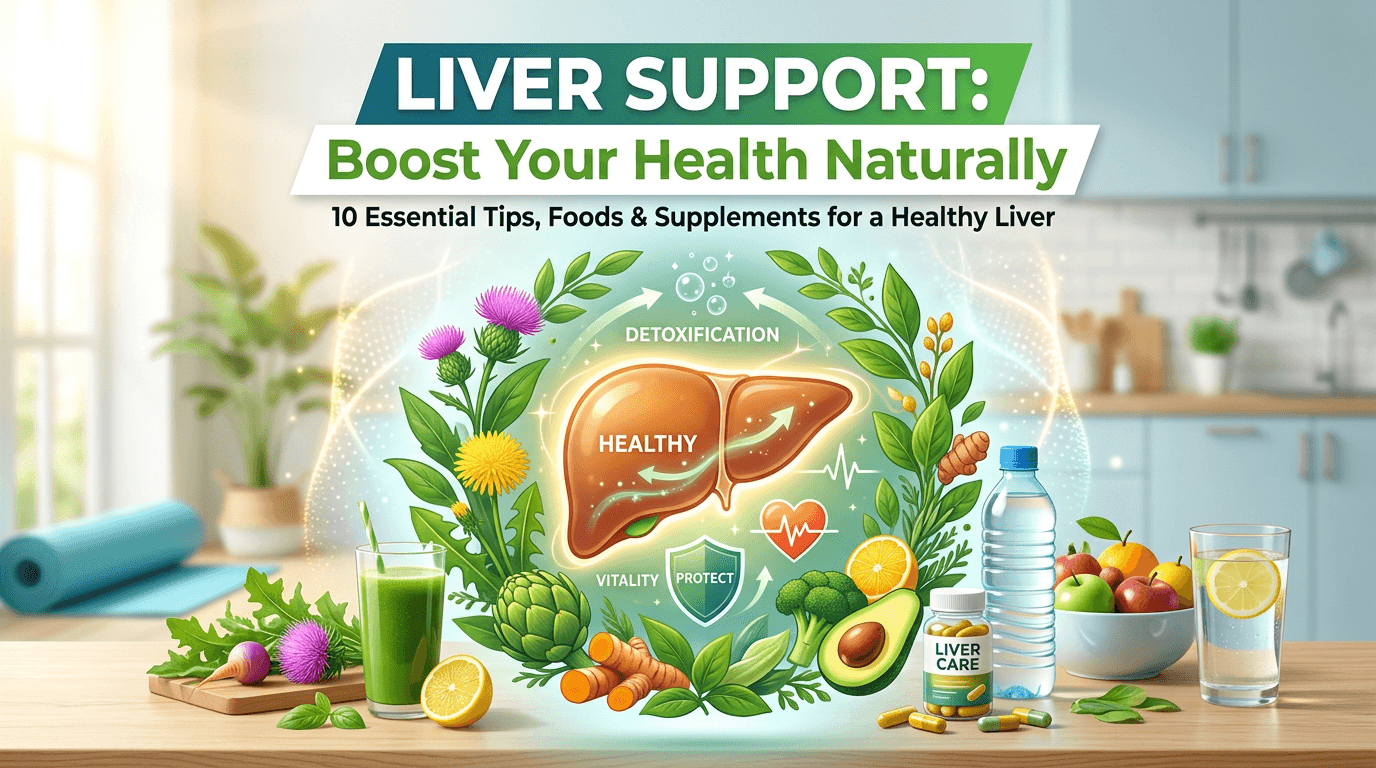
While no single pill can perform a "liver detox," certain supplements may provide valuable **liver support** by protecting cells from damage, reducing inflammation, and aiding the organ's natural detoxification processes. The most evidence-backed options include milk thistle (silymarin), N-acetylcysteine (NAC), and curcumin from turmeric, each working through distinct antioxidant and protective mechanisms. However, their effectiveness is secondary to foundational lifestyle choices like a balanced diet, maintaining a healthy weight, and limiting alcohol.
The concept of a "liver cleanse" or "detox" is often misunderstood. Your liver is a sophisticated, self-cleaning organ that works tirelessly to filter your blood, metabolize nutrients, and neutralize harmful substances. The most effective way to care for it isn't through short-term, aggressive cleanses, but through consistent, long-term support. This article will explore the science behind liver function, debunk common myths about detoxification, and provide a detailed, evidence-based look at supplements that may help maintain liver health. We will cover how these compounds work, what the research says, and how to choose high-quality products safely, always emphasizing that supplements should complement, not replace, professional medical care and a healthy lifestyle.
Understanding the Liver's Role and the Myth of "Detox"
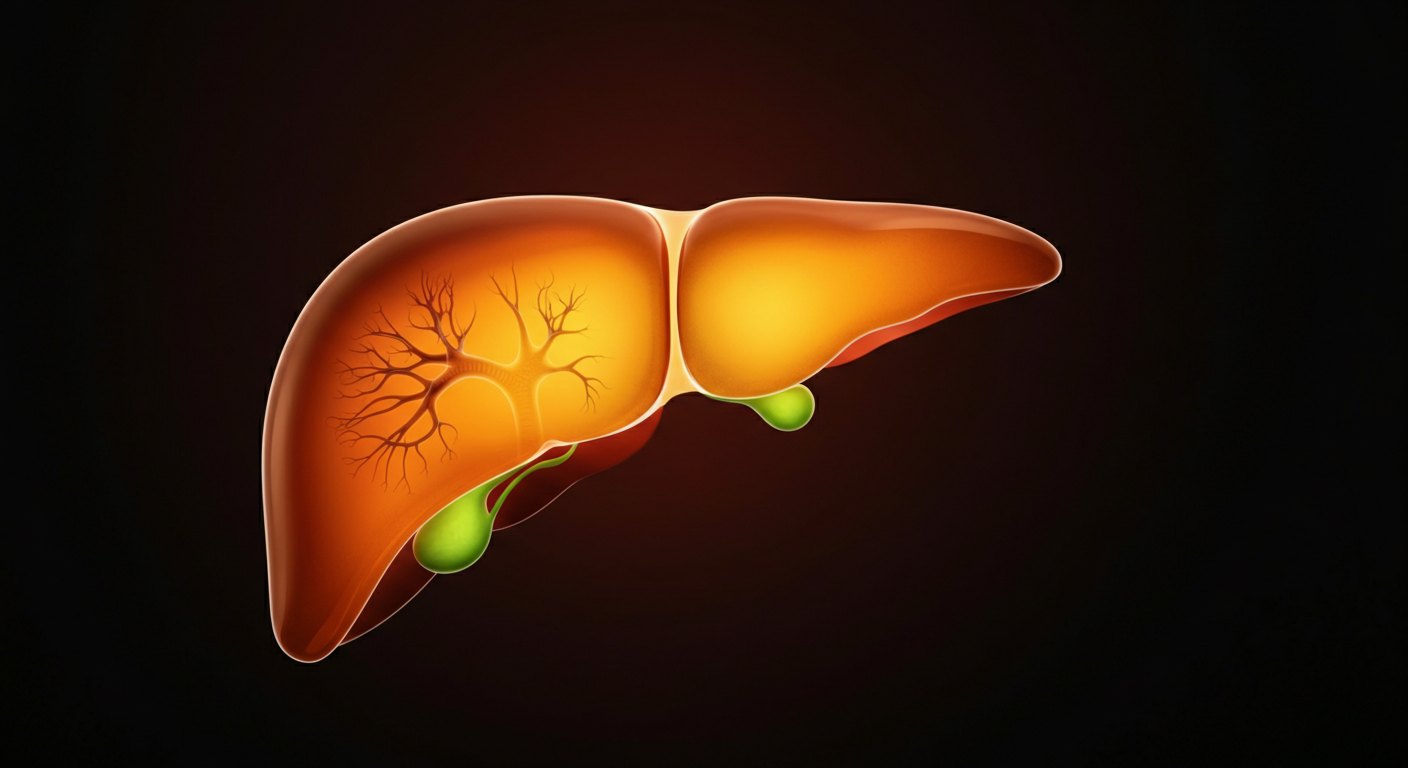
Your liver is not a simple filter; it is a complex metabolic powerhouse that performs over 500 vital functions. Understanding its role is the first step in learning how to support it properly. The popular notion of a "liver detox" is largely a marketing concept that oversimplifies the organ's sophisticated biological processes. True liver wellness involves protecting it from overload and damage so it can perform its inherent functions efficiently.
What Does the Liver Actually Do?
Located in the upper right quadrant of your abdomen, the liver is one of the body's largest and most crucial organs. It is central to digestion, energy storage, and detoxification. Its primary responsibilities are vast and interconnected, creating a hub of activity essential for overall health.
- Metabolism: The liver metabolizes carbohydrates, fats, and proteins into forms your body can use. It converts excess glucose into glycogen for storage and breaks down fats to produce energy. It also synthesizes essential proteins, such as albumin, which maintains blood volume, and clotting factors, which are necessary for blood coagulation.
- Detoxification and Filtration: This is the function most associated with "detox." The liver filters your entire blood supply, removing and neutralizing harmful substances. This includes metabolic byproducts like ammonia, as well as external substances like alcohol, drugs, and environmental toxins. This process occurs in two phases (Phase I and Phase II), which use a complex array of enzymes to convert fat-soluble toxins into water-soluble compounds that can be excreted through urine or bile.
- Production of Bile: The liver produces bile, a greenish-yellow fluid that is stored in the gallbladder. Bile is essential for digesting fats in the small intestine and for absorbing fat-soluble vitamins like A, D, E, and K.
- Storage: Beyond glycogen, the liver is a key storage site for many essential nutrients, including iron, copper, and several vitamins, such as vitamin B12 and the fat-soluble vitamins A, D, E, and K. It releases these nutrients into the bloodstream as needed.
Deconstructing the "Liver Detox" Concept
The commercial "detox" and "cleanse" industry is built on the idea that our bodies accumulate toxins that require a special product or protocol for removal. However, a healthy liver is already expertly designed to perform this function 24/7. There is no scientific evidence to support the claim that commercially available detox teas, juices, or kits can "cleanse" your liver or enhance this process in a meaningful way. In some cases, these products can even be harmful, containing undisclosed ingredients, potent laxatives, or herbs that may stress the liver.
The more accurate and scientifically grounded approach is not to "detox" the liver but to support its health and protect it from injury. This involves two key strategies: reducing the load of toxins the liver has to process (e.g., limiting alcohol and unnecessary medications) and providing it with the nutrients it needs to function optimally and defend itself against oxidative stress. Supplements discussed in this article fall into the second category—they are not "detoxifiers" but rather "hepatoprotectants" (liver-protectors) and supporters of the liver's own antioxidant systems.
When to Seek Professional Medical Advice for Liver Health
Before considering any supplement for liver support, it is absolutely essential to consult a licensed healthcare professional. Symptoms that may indicate liver problems can be non-specific and overlap with many other conditions. Self-diagnosing and attempting to self-treat with supplements can delay proper diagnosis and treatment, potentially allowing an underlying condition to worsen.
Certain signs and symptoms warrant immediate medical attention, as they could point to significant liver dysfunction. These include:
- Jaundice: A yellowing of the skin and the whites of the eyes, caused by a buildup of bilirubin in the blood.
- Abdominal Pain and Swelling: Discomfort or tenderness in the upper right abdomen, or noticeable swelling (ascites).
- Dark Urine Color: Urine that appears dark yellow, brown, or orange.
- Pale Stool Color: Stool that is pale, clay-colored, or gray.
- Chronic Fatigue: Persistent and profound tiredness that is not relieved by rest.
- Nausea or Vomiting: Unexplained and persistent feelings of sickness.
- Loss of Appetite: A significant decrease in hunger over time.
- Easy Bruising or Bleeding: Due to the liver's reduced ability to produce clotting factors.
A healthcare provider can order blood tests known as a liver function panel (or liver function tests, LFTs) to assess your liver's health. These tests measure the levels of specific enzymes and proteins in your blood, including Alanine Aminotransferase (ALT), Aspartate Aminotransferase (AST), Alkaline Phosphatase (ALP), and bilirubin. Elevated levels can indicate liver inflammation or damage. If your results are abnormal, your doctor will guide you through further investigation to determine the cause and appropriate management plan. People with known liver conditions, such as Non-Alcoholic Fatty Liver Disease (NAFLD), alcoholic liver disease, viral hepatitis, or cirrhosis, should never start a new supplement without explicit approval from their specialist.
Foundational Lifestyle Strategies for Liver Support
Supplements can only be a small part of a comprehensive liver health strategy. The most powerful tools for supporting your liver are integrated into your daily life. A healthy diet, regular exercise, weight management, and avoiding known liver toxins are far more impactful than any pill. These lifestyle factors reduce the burden on your liver and provide it with the environment it needs to thrive.
Diet and Nutrition for a Healthy Liver
The food you eat has a direct impact on your liver's workload and health. A diet that supports the liver is one rich in nutrients, fiber, and antioxidants, and low in processed ingredients, sugar, and unhealthy fats.
- Embrace a Plant-Forward Diet: Fill your plate with a variety of fruits and vegetables. Cruciferous vegetables like broccoli, cauliflower, Brussels sprouts, and kale are particularly beneficial as they contain compounds that support the liver's detoxification enzymes. Berries, citrus fruits, and leafy greens are rich in antioxidants that protect liver cells from oxidative stress.
- Choose Healthy Fats: Replace saturated and trans fats with unsaturated fats found in foods like olive oil, avocados, nuts, and seeds. These fats help reduce inflammation and are linked to better liver health markers.
- Incorporate Lean Protein: Opt for fish, poultry, beans, and lentils to provide the amino acids your liver needs to repair itself and synthesize essential proteins.
- Drink Coffee: Numerous studies have suggested a link between regular coffee consumption (both caffeinated and decaffeinated) and a lower risk of developing liver disease, including fibrosis and cirrhosis. The compounds in coffee appear to have protective effects on liver cells.
- Limit Sugar and Refined Carbohydrates: High intake of sugar, especially high-fructose corn syrup, can lead to fat buildup in the liver, contributing to NAFLD. Minimize consumption of sugary drinks, pastries, white bread, and other processed foods.
Alcohol and Toxin Avoidance
Alcohol is a direct hepatotoxin, meaning it is poisonous to liver cells. When you drink, your liver must work overtime to metabolize the alcohol, a process that generates harmful byproducts and can lead to inflammation and cellular damage. Chronic, excessive alcohol use is a leading cause of fatty liver disease, alcoholic hepatitis, and ultimately, cirrhosis (irreversible scarring).
For optimal liver health, it is best to limit alcohol intake according to U.S. dietary guidelines—up to one drink per day for women and up to two drinks per day for men—or to abstain completely, especially if you have any existing liver concerns. Beyond alcohol, be mindful of other potential liver toxins. This includes the overuse or incorrect use of certain medications, particularly acetaminophen (Tylenol), which can cause severe liver damage in high doses. Always follow dosage instructions and discuss long-term medication use with your doctor.
Maintaining a Healthy Weight
Being overweight or obese is a primary risk factor for Non-Alcoholic Fatty Liver Disease (NAFLD), a condition where excess fat accumulates in the liver. NAFLD is now the most common liver disease in the United States and can progress to a more serious form called non-alcoholic steatohepatitis (NASH), which involves inflammation and liver cell damage. NASH can lead to cirrhosis and liver failure.
Achieving and maintaining a healthy weight through a combination of a balanced diet and regular physical activity is one of the most effective ways to prevent or even reverse NAFLD in its early stages. Even a modest weight loss of 5-10% of your body weight can significantly reduce liver fat and inflammation.
In-Depth Look at Milk Thistle (Silybum marianum)
Milk thistle is perhaps the most well-known and extensively studied herbal supplement for liver support. Its active complex, known as silymarin, has been used for centuries to address liver and gallbladder issues. Modern research focuses on its powerful antioxidant and anti-inflammatory properties, which may help protect liver cells from damage.
What is Silymarin and How Does It Work?
Silymarin is not a single compound but a group of flavonoid compounds extracted from milk thistle seeds. The most biologically active component of silymarin is called silybin (or silibinin). The protective effects of silymarin are attributed to several key mechanisms:
- Antioxidant Activity: Silymarin is a potent antioxidant. It directly scavenges harmful free radicals and inhibits the enzymes that produce them. By neutralizing these reactive molecules, it helps prevent oxidative stress, a key driver of damage to liver cells.
- Membrane Stabilization: It is thought to stabilize the outer membranes of liver cells (hepatocytes), making them more resistant to injury from toxins. It may help prevent toxins from binding to and entering the cells.
- Anti-Inflammatory Effects: Silymarin can inhibit inflammatory pathways in the body, reducing the production of cytokines that promote liver inflammation.
- Stimulation of Regeneration: Some evidence suggests that silymarin may stimulate an enzyme called RNA polymerase I, which can lead to increased protein synthesis and potentially promote the regeneration of damaged liver cells.
Evidence for Liver Support
Research on milk thistle has explored its effects on various liver conditions, though results are often mixed and further high-quality trials are needed. It is important to view milk thistle as a supportive agent, not a cure.
In the context of Non-Alcoholic Fatty Liver Disease (NAFLD), some clinical trials have shown that supplementation with silymarin, often in combination with vitamin E or other compounds, may lead to improvements in liver enzyme levels (ALT and AST) and reductions in markers of inflammation and oxidative stress. For alcoholic liver disease, studies have yielded inconsistent results, with some showing modest benefits and others showing no significant effect. Milk thistle's most dramatic application is in emergency medicine, where intravenous silybin is used in Europe as a potential antidote for poisoning from the death cap mushroom (Amanita phalloides), which causes catastrophic liver failure.
Forms, Dosage, and Safety
When choosing a milk thistle supplement, quality and formulation matter. Crude, non-standardized powders are less reliable.
- Forms: Look for a standardized extract, typically containing 70-80% silymarin. As silymarin is not very water-soluble, its absorption can be poor. To enhance bioavailability, some products bind silymarin to phosphatidylcholine (a type of fat), creating a phytosome complex (e.g., silybin-phosphatidylcholine). These formulations have demonstrated superior absorption and may be more effective.
- Dosage: There is no official recommended dosage. In clinical studies, dosages for liver support typically range from 200 to 600 milligrams of silymarin per day, often taken in two or three divided doses. It is crucial to follow the product's instructions and consult a healthcare professional for personalized guidance.
- Safety and Side Effects: Milk thistle is generally considered safe and well-tolerated. The most common side effect is mild gastrointestinal distress, such as bloating, gas, or diarrhea. Allergic reactions are possible, especially in individuals with allergies to plants in the same family, such as ragweed, daisies, marigolds, and chrysanthemums.
N-Acetylcysteine (NAC) and Its Role in Glutathione Production
N-acetylcysteine (NAC) is a supplement form of the amino acid cysteine. Its primary benefit for liver health stems from its role as a direct precursor to glutathione, the most powerful antioxidant produced by the human body. By boosting glutathione levels, NAC helps fortify the liver's primary defense and detoxification systems.
The Power of Glutathione
Glutathione is often called the "master antioxidant." It is present in every cell of the body but is found in particularly high concentrations in the liver, where it plays a central role in Phase II detoxification. Its job is to bind to toxins, drug metabolites, and free radicals, neutralizing them and making them water-soluble so they can be excreted from the body.
Conditions that place a high burden on the liver—such as chronic alcohol consumption, a poor diet, medication overload, or exposure to environmental toxins—can deplete glutathione levels faster than the body can replenish them. When glutathione is low, the liver becomes more vulnerable to oxidative stress and damage. Supplementing with NAC provides the raw material (cysteine) needed to synthesize more glutathione, thereby helping to restore the liver's protective capacity.
NAC for Liver Protection
The most well-established use of NAC is in a hospital setting as the standard antidote for acetaminophen (Tylenol) overdose. Acetaminophen toxicity rapidly depletes the liver's glutathione stores, leading to severe, often fatal, liver damage. Intravenous NAC works by quickly replenishing glutathione, which then neutralizes the toxic byproduct of acetaminophen metabolism, saving the liver from destruction.
Beyond this emergency use, researchers are exploring NAC's potential for supporting other liver conditions. In studies on NAFLD, oral NAC supplementation has been associated with improvements in liver enzyme levels and a reduction in oxidative stress markers. The theory is that by boosting glutathione and fighting oxidative damage, NAC may help quell the inflammation and cellular injury that drive the progression of fatty liver disease. However, it's important to note that NAC is not currently a standard, first-line treatment for NAFLD, and its use should be guided by a healthcare provider.
Forms, Dosage, and Safety
NAC is widely available as an oral supplement and has a good safety profile when used appropriately.
- Forms: NAC is most commonly sold in capsule or tablet form. It is also available as an effervescent tablet or a powder that can be dissolved in water. Be aware that NAC has a distinct and strong sulfurous odor, which is normal.
- Dosage: For general antioxidant and liver support, doses used in clinical studies typically range from 600 to 1,800 milligrams per day, often split into two or three doses. Higher doses are used in clinical settings for specific conditions under medical supervision. Starting with a lower dose can help assess tolerance.
- Safety and Side Effects: When taken orally at recommended doses, NAC is generally safe. The most common side effects are gastrointestinal, including nausea, vomiting, stomach upset, and diarrhea. Taking NAC with food can help minimize these effects. In very high doses, more severe reactions can occur.
Turmeric and Curcumin: The Anti-Inflammatory Powerhouse
Turmeric, the golden spice that gives curry its vibrant color, has been a staple of Ayurvedic medicine for thousands of years. Its medicinal properties are primarily due to its active compounds, called curcuminoids, of which curcumin is the most abundant and well-researched. Curcumin is a potent anti-inflammatory and antioxidant agent that may offer significant benefits for liver support.
Mechanisms of Action
Curcumin's potential to support liver health is rooted in its ability to combat two of the main drivers of liver damage: inflammation and oxidative stress. It works on a molecular level to modulate multiple cellular pathways.
- Potent Anti-Inflammatory: Chronic inflammation is a key factor in the progression of most liver diseases, from NAFLD to hepatitis. Curcumin has been shown to block NF-κB (nuclear factor-kappa B), a molecule that travels into the nuclei of cells and activates genes related to inflammation. By inhibiting this master switch, curcumin helps to quell the inflammatory response.
- Powerful Antioxidant: Curcumin can directly neutralize free radicals due to its chemical structure. Perhaps more importantly, it also boosts the activity of the body's own antioxidant enzymes, including glutathione S-transferase. This dual action provides robust protection against oxidative damage to liver cells.
- Supports Bile Flow: Some evidence suggests curcumin can stimulate the production and flow of bile (a choleretic effect). Healthy bile flow is important for digestion and for eliminating waste products processed by the liver.
Research on Curcumin and Liver Health
A growing body of research, primarily focused on NAFLD, suggests that curcumin may be a valuable supportive nutrient. Several systematic reviews and meta-analyses of clinical trials have found that supplementation with curcumin or turmeric can lead to significant reductions in liver enzymes (ALT and AST), which are key markers of liver inflammation. Some studies also report a decrease in the amount of fat in the liver, as measured by ultrasound.
By reducing inflammation and oxidative stress, curcumin may help to slow the progression of fatty liver disease and prevent it from advancing to more severe stages like NASH. While the evidence is promising, it is crucial to remember that curcumin is a supportive supplement, not a standalone treatment. It should be used as part of a comprehensive plan that includes diet and lifestyle changes.
Bioavailability, Forms, and Safety
A major challenge with curcumin is its poor bioavailability. When consumed on its own, very little is absorbed into the bloodstream. To overcome this, supplement manufacturers have developed various enhanced formulations.
- Enhanced Forms: The most common way to boost absorption is to combine curcumin with piperine, the active compound in black pepper, which can increase bioavailability by up to 2,000%. Other advanced delivery systems include binding curcumin to phospholipids (phytosomes), micronizing it into smaller particles, or formulating it with other natural compounds that enhance absorption. When choosing a supplement, look for one that specifies its bioavailability-enhancing technology.
- Dosage: Dosages vary widely depending on the formulation. For a standard extract combined with piperine, daily doses of 500 to 2,000 mg are often used in studies. For highly bioavailable phytosome or micellar forms, the required dose may be lower. Follow the manufacturer's recommendations and consult a professional.
- Safety and Side Effects: Curcumin is generally considered very safe, even at high doses. Some individuals may experience mild digestive side effects like upset stomach or diarrhea. Due to its potential to stimulate bile flow, it should be used with caution by individuals with gallstones or a bile duct obstruction.
Other Promising Nutrients for Liver Support
Beyond the well-known trio of milk thistle, NAC, and curcumin, several other vitamins, minerals, and compounds play important roles in liver function and are being explored for their supportive potential. These should generally be considered only after discussing with a healthcare provider, sometimes based on specific deficiencies or conditions.
Vitamin E
Vitamin E is a fat-soluble antioxidant that protects cell membranes from damage caused by free radicals. Its role in liver health is particularly relevant for NAFLD and its more severe form, NASH. The American Association for the Study of Liver Diseases (AASLD) has practice guidelines that suggest high-dose vitamin E (specifically the RRR-α-tocopherol form, often labeled as natural vitamin E) may be considered for non-diabetic adults with biopsy-proven NASH. Studies have shown it can help improve liver histology by reducing inflammation and cell damage. However, this is not a casual recommendation. High-dose vitamin E supplementation carries potential risks, including an increased risk of hemorrhagic stroke, and must only be undertaken under the strict supervision of a doctor who is managing the liver condition.
Choline
Choline is an essential nutrient that plays a critical role in transporting fat out of the liver. A deficiency in choline can lead to the accumulation of fat and cholesterol in the liver, directly contributing to the development of NAFLD. While severe deficiency is rare, suboptimal intake is common. The body can produce some choline, but not enough to meet its needs, so it must be obtained from the diet. Excellent food sources include egg yolks, beef liver, soybeans, and chicken. For those who may not get enough from their diet, choline supplements are available, often in forms like phosphatidylcholine or citicoline. Ensuring adequate choline intake is a fundamental aspect of supporting liver fat metabolism.
Zinc
Zinc is a vital trace mineral that acts as a cofactor for hundreds of enzymes in the body, including several that are part of the liver's antioxidant defense system (like superoxide dismutase). Research has shown that individuals with chronic liver disease, especially cirrhosis, are often deficient in zinc. This deficiency can worsen oxidative stress and inflammation. In specific clinical situations, and guided by blood tests, zinc supplementation may be recommended to correct a deficiency, which may in turn help reduce liver damage and support overall function. It is not a supplement to be taken speculatively for general liver health, as excess zinc can interfere with copper absorption and cause other side effects.
TUDCA (Tauroursodeoxycholic Acid)
TUDCA is a water-soluble bile acid that naturally occurs in small amounts in the human body. It has gained attention for its unique cytoprotective (cell-protecting) properties, particularly for liver cells. TUDCA helps alleviate stress on the endoplasmic reticulum (ER), a part of the cell involved in protein folding. ER stress is a key factor in liver cell death in various liver diseases. TUDCA may also improve bile flow and reduce the toxicity of other bile acids. While its prescription counterpart, UDCA, is a standard treatment for certain cholestatic liver diseases (like primary biliary cholangitis), TUDCA is available as a supplement. Its use is more specialized and should be discussed with a knowledgeable healthcare provider, particularly for conditions involving impaired bile flow.
Artichoke Leaf Extract
Traditionally used for digestive complaints, artichoke leaf extract contains compounds like cynarin and silymarin that may benefit the liver. It is thought to increase the production of bile, which helps with the digestion of fats and the removal of toxins. Some small studies suggest that artichoke leaf extract may help protect liver cells from damage and support the liver's regenerative capacity. It has also been shown to have a modest effect on lowering cholesterol levels. While the evidence is not as robust as for milk thistle or curcumin, it is considered a gentle supportive herb for overall liver and digestive health.
How to Choose a High-Quality Liver Support Supplement
The U.S. supplement market is not tightly regulated by the Food and Drug Administration (FDA) for pre-market approval. This means the responsibility for choosing a safe, pure, and potent product falls largely on the consumer. Navigating the crowded shelves requires a discerning eye and an understanding of what to look for.
Look for Third-Party Testing
Since the FDA does not verify the contents of supplements, independent, third-party organizations play a crucial role in quality control. A seal from one of these organizations on a product label indicates that it has been tested to confirm that it contains what the label says it contains, is free of harmful contaminants (like heavy metals or microbes), and will break down properly in the body. Look for seals from:
- NSF International (NSF): Certifies that the product meets strict standards for public health protection.
- U.S. Pharmacopeia (USP): A scientific nonprofit organization that sets standards for the identity, strength, quality, and purity of medicines, food ingredients, and dietary supplements.
- ConsumerLab.com: An independent testing company that periodically tests a wide range of supplements and publishes the results for its subscribers.
Read the Supplement Facts Panel Carefully
The label is your primary source of information. Scrutinize it for key details:
- Standardized Extracts: For herbal supplements, standardization is key to ensuring consistent potency. For milk thistle, look for an extract standardized to 70-80% silymarin. For turmeric, it should specify the amount of curcuminoids.
- Bioavailability-Enhanced Forms: For poorly absorbed compounds like curcumin, the label should indicate the use of a technology to improve absorption (e.g., "with BioPerine®," "phytosome," "micellar," or "liposomal").
- Clear Dosages: Avoid "proprietary blends." These are mixtures that list the total amount of the blend but not the specific amount of each individual ingredient. This makes it impossible to know if you are getting an effective dose of the key compounds.
- Minimal "Other Ingredients": The list of fillers, binders, and artificial colors should be short. A quality product focuses on the active ingredients.
Avoid Red Flags and Misleading Claims
Reputable supplement companies use careful, science-backed language. Be wary of products that:
- Make explicit "detox" or "cleanse" claims.
- Promise to "cure," "treat," or "reverse" liver disease.
- Use sensational language like "miracle cure" or "guaranteed results."
- Contain a huge list of dozens of ingredients in what are likely to be tiny, ineffective ("fairy dust") amounts.
Potential Risks, Side Effects, and Drug Interactions
The term "natural" is not synonymous with "safe." Any substance that has a physiological effect on the body also has the potential to cause side effects and interact with medications. It is critical to approach supplement use with the same caution as you would a prescription drug and to have an open conversation with your healthcare team.
Many supplements, particularly herbs, are metabolized by the same cytochrome P450 enzyme system in the liver that processes the majority of prescription medications. This creates the potential for interactions that can either decrease a drug's effectiveness or increase its levels in the blood to a toxic point. The table below outlines some of the common considerations, but it is not exhaustive.
| Supplement | Common Side Effects | Potential Drug Interactions | Cautions & Contraindications |
|---|---|---|---|
| Milk Thistle (Silymarin) | Mild GI upset (gas, bloating, diarrhea). | May affect metabolism of drugs using CYP450 enzymes (e.g., some statins, anxiety meds). May lower blood sugar, use caution with diabetes medications. | Allergy to ragweed family. Caution in hormone-sensitive conditions. Pregnancy/breastfeeding. |
| N-Acetylcysteine (NAC) | Nausea, vomiting, GI upset (strong sulfur smell). | Nitroglycerin (can cause severe drop in blood pressure). Activated charcoal (reduces NAC absorption). Potential anti-platelet effects (caution with blood thinners). | Asthma (inhaled form can cause bronchospasm). Bleeding disorders. Pregnancy/breastfeeding. |
| Turmeric (Curcumin) | GI upset or diarrhea at high doses. | Anticoagulants/anti-platelets (e.g., warfarin, aspirin) - increases bleeding risk. Drugs that reduce stomach acid (may be less effective). Diabetes medications (may enhance effect). | Gallstones or bile duct obstruction. Bleeding disorders. Iron deficiency (can bind iron). Pregnancy. |
| Vitamin E | Generally none at normal doses. High doses can cause nausea, fatigue. | Anticoagulants/anti-platelets (high doses increase bleeding risk). Chemotherapy and radiation (may interfere with treatment). | High-dose use should be medically supervised due to risk of hemorrhagic stroke and other issues. |
| Choline | Fishy body odor, sweating, vomiting at very high doses. | Methotrexate (may increase need for choline). | Individuals with trimethylaminuria (TMAU). |
Most of these supplements have not been rigorously studied for safety in pregnant or breastfeeding women. The default recommendation is to avoid them during these periods unless they are specifically prescribed by a healthcare provider who has determined that the potential benefits outweigh the potential risks.
Frequently Asked Questions
Can I "detox" my liver in 3 days?
No, the idea of a rapid 3-day "liver detox" is a myth unsupported by science. Your liver is constantly detoxifying your body. True liver support involves long-term healthy habits like a balanced diet, limiting alcohol, and maintaining a healthy weight, not a short-term, unproven cleanse.
What is the single best supplement for liver support?
There is no single "best" supplement for everyone, as the ideal choice depends on an individual's specific health status and needs. Milk thistle (silymarin) is the most extensively studied for general liver protection. Curcumin is excellent for targeting inflammation, and NAC is key for boosting glutathione, the body's master antioxidant.
Are liver support supplements safe to take every day?
Whether daily, long-term use is safe and appropriate depends on the specific supplement, the dosage, and your individual health profile. While many are well-tolerated for daily use, it is always best to discuss long-term supplementation plans with a healthcare professional who can monitor your health and ensure it remains beneficial.
Can supplements reverse liver damage like cirrhosis?
No. Supplements cannot reverse advanced liver damage like cirrhosis, which is extensive and largely irreversible scarring of the liver tissue. While some supplements may help support the function of remaining healthy liver cells and reduce inflammation, they are not a cure for established, severe liver disease.
Do I need a supplement if my liver enzymes are high?
Elevated liver enzymes are a sign of liver inflammation or injury that requires a thorough medical evaluation to determine the underlying cause. You should not self-treat with supplements. Work with your doctor to diagnose the issue and create a comprehensive treatment plan, which may or may not include specific supplements as a supportive measure.
Can I drink alcohol while taking liver support supplements?
Drinking alcohol while taking supplements intended to support your liver is counterproductive. Alcohol is a direct toxin to the liver, and its consumption will negate many of the potential protective benefits of the supplements. The most effective step for liver health is to reduce or eliminate alcohol intake.
What's the difference between TUDCA and UDCA?
UDCA (ursodeoxycholic acid) is a prescription medication approved by the FDA for treating certain liver diseases, like primary biliary cholangitis. TUDCA (tauroursodeoxycholic acid) is a related bile acid compound that is available over-the-counter as a dietary supplement. While they have similar mechanisms, their legal status, regulation, and clinical applications differ.
How long does it take for liver support supplements to work?
The effects of liver support supplements, if any, are not immediate. They are not a "quick fix." Any potential benefits, such as improvements in liver enzyme levels or reductions in inflammation, would typically occur over weeks or months of consistent use as part of a broader health strategy. Their role is protective and supportive over the long term.
Conclusion: A Holistic Approach to Liver Wellness
The journey to optimal liver health is not found in a bottle of "detox" pills but in a consistent, holistic approach to wellness. Your liver is an incredibly resilient and capable organ, and the best way to care for it is to create an environment where it can perform its hundreds of vital functions without being overburdened. This begins with the non-negotiable foundations: a nutrient-dense diet rich in fruits and vegetables, maintaining a healthy weight through regular activity, and minimizing exposure to liver toxins, especially alcohol.
Within this framework, certain supplements can play a valuable supportive role. Evidence suggests that compounds like milk thistle's silymarin, the glutathione-precursor NAC, and turmeric's anti-inflammatory curcumin may help protect liver cells from oxidative stress and inflammation, which are the root causes of many liver issues. These supplements are not magic bullets; they are tools that can help fortify your liver's natural defenses, particularly when it's under stress.
Ultimately, navigating the world of supplements requires diligence, skepticism, and professional guidance. Always prioritize products with third-party verification and be wary of exaggerated claims. Most importantly, partner with a licensed healthcare professional who can help you understand your unique health needs, interpret any symptoms or lab results correctly, and create a safe and effective plan. By empowering your liver with a healthy lifestyle and targeted, evidence-based support, you invest in the long-term health of one of your body's most essential organs.