
vitamine -
Vitamin B6 for Mood and Hormonal Balance
Among the B6 benefits often discussed, its role in supporting mood and hormonal balance is significant, primarily because it functions as a crucial cofactor in the synthesis of key neurotransmitters like serotonin and dopamine. As an essential water-soluble vitamin, Vitamin B6 is
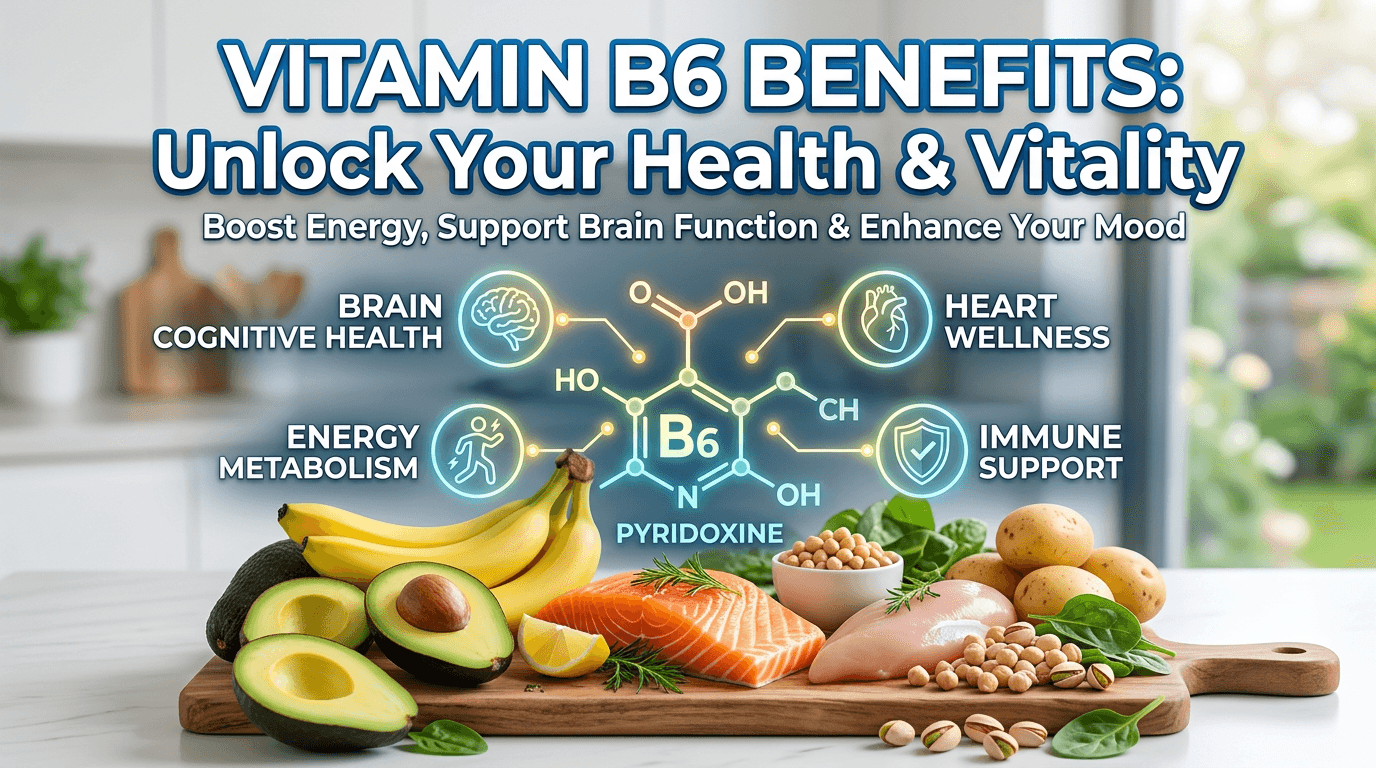
Among the B6 benefits often discussed, its role in supporting mood and hormonal balance is significant, primarily because it functions as a crucial cofactor in the synthesis of key neurotransmitters like serotonin and dopamine. As an essential water-soluble vitamin, Vitamin B6 is involved in over 100 enzymatic reactions, making its adequate intake vital for numerous physiological processes, including brain function and hormone regulation.
This article provides a comprehensive overview of Vitamin B6, exploring its fundamental role in the body, particularly its influence on mood and hormonal systems. We will delve into the science behind how B6 works, examine the signs of deficiency, identify food sources, and provide a detailed guide on safe and effective supplementation, including dosage considerations, potential side effects, and interactions. Understanding these aspects can empower you to make informed decisions about your health in consultation with a healthcare professional.
What Is Vitamin B6 and Why Is It Important?

Vitamin B6 is not a single compound but a group of three related chemical forms: pyridoxine, pyridoxal, and pyridoxamine, along with their phosphorylated derivatives. As a water-soluble vitamin, it is not stored in the body in large amounts, meaning a consistent dietary intake is necessary. Its most important function is as a coenzyme, primarily in the form of pyridoxal 5'-phosphate (PLP), which is the active form of Vitamin B6 in the body.
PLP acts as a catalyst in more than 100 different enzyme reactions, most of which are related to protein metabolism. It plays a critical role in the synthesis of amino acids, the building blocks of proteins, and is essential for producing neurotransmitters, which are chemical messengers in the brain. Furthermore, Vitamin B6 is involved in gluconeogenesis and glycogenolysis (the processes of creating and breaking down glucose for energy), immune function (by supporting lymphocyte production), and the formation of hemoglobin, the protein in red blood cells that carries oxygen.
The widespread involvement of Vitamin B6 in fundamental metabolic processes underscores its importance for overall health. From cognitive function and mood to immune response and energy production, nearly every system in the body relies on an adequate supply of this vital nutrient. Without sufficient B6, many critical biochemical pathways would be impaired, leading to a cascade of potential health issues.
The Role of Vitamin B6 in Mood Regulation

Vitamin B6 is fundamentally linked to mood because it is an essential cofactor in the creation of several key neurotransmitters that govern our emotions and mental state. Its involvement in the synthesis of serotonin, dopamine, and GABA places it at the center of the brain's chemical balancing act. A shortfall of B6 can potentially disrupt this delicate balance, contributing to changes in mood.
Serotonin Synthesis
Serotonin is often called the "feel-good" neurotransmitter, as it contributes to feelings of well-being, happiness, and calm. It also plays a role in regulating sleep, appetite, and digestion. The production of serotonin in the brain is a multi-step process that starts with the amino acid tryptophan. Vitamin B6, in its active form PLP, is a required cofactor for the final step of this conversion pathway: turning 5-hydroxytryptophan (5-HTP) into serotonin. An inadequate supply of B6 can hinder this conversion, potentially leading to lower serotonin levels. Research has associated low levels of serotonin with mood disturbances, including feelings of sadness and anxiety.
Dopamine Production
Dopamine is another critical neurotransmitter, associated with the brain's reward system, motivation, focus, and pleasure. It is integral to how we experience enjoyment and strive for goals. Similar to serotonin synthesis, the production of dopamine relies on Vitamin B6. The vitamin acts as a cofactor for the enzyme aromatic L-amino acid decarboxylase, which converts the precursor L-DOPA into dopamine. Disrupted dopamine signaling is implicated in issues with motivation, focus, and mood regulation. By supporting dopamine production, Vitamin B6 contributes to a healthy and balanced neurological state.
GABA Formation
Gamma-aminobutyric acid (GABA) is the primary inhibitory neurotransmitter in the central nervous system. Its main role is to calm nerve activity, reducing feelings of stress, fear, and anxiety. GABA essentially acts as the brain's "brake pedal," preventing over-excitation. The synthesis of GABA from the amino acid glutamate is another process that depends on a B6-dependent enzyme. Without enough Vitamin B6, GABA production may be compromised, potentially leading to a state of heightened neuronal activity, which can manifest as restlessness, irritability, and anxiety.
Managing Homocysteine Levels
Beyond direct neurotransmitter synthesis, Vitamin B6 plays a crucial role in managing levels of an amino acid called homocysteine. Along with Vitamin B12 and folate (Vitamin B9), B6 helps convert homocysteine into other beneficial substances. When levels of these B vitamins are low, homocysteine can accumulate in the blood. Elevated homocysteine is considered a risk factor for various health conditions, and some research suggests a link between high homocysteine and mood disorders and cognitive decline. By helping to keep homocysteine levels in check, Vitamin B6 supports both cardiovascular and neurological health.
Vitamin B6 and Hormonal Balance: A Closer Look
Vitamin B6 exerts a significant influence on the endocrine system, contributing to the regulation and metabolism of various hormones. Its effects are complex, involving direct participation in hormone synthesis and modulating the way cells respond to hormonal signals. This makes B6 a key nutrient in conversations around hormonal balance, particularly concerning female reproductive health and the body's stress response.
Estrogen and Progesterone Regulation
One of the most well-known discussions surrounding B6 and hormones relates to its potential role in managing symptoms of premenstrual syndrome (PMS). The mechanisms are thought to be twofold. First, by supporting the production of neurotransmitters like serotonin and GABA, B6 may help alleviate the mood-related symptoms of PMS, such as irritability, anxiety, and low mood. Second, Vitamin B6 appears to play a role in hormone metabolism in the liver, helping to process and clear excess hormones like estrogen. It is also thought to influence the effects of steroid hormones by modulating their receptors. Some research suggests that B6 supplementation may help support a healthier balance between estrogen and progesterone, which can be beneficial for cyclical symptoms.
Prolactin and Pituitary Function
Prolactin is a hormone produced by the pituitary gland that is primarily known for its role in lactation. However, elevated prolactin levels (hyperprolactinemia) outside of pregnancy and breastfeeding can interfere with the normal menstrual cycle and cause other health issues. Some evidence, primarily from older studies, suggests that Vitamin B6 may have a mild inhibitory effect on prolactin secretion. By helping to regulate pituitary function, B6 might contribute to a more stable hormonal environment. This is another proposed mechanism through which it may help with certain premenstrual symptoms.
Cortisol and the Stress Response
Vitamin B6 is essential for the health of the adrenal glands, which are central to the body's stress response system. These glands produce cortisol and other stress hormones. B6 is involved in the synthesis of these hormones and also appears to help regulate their action at the cellular level. An adequate B6 status is necessary for a robust and balanced response to stress. Chronic stress can deplete B vitamins, creating a vicious cycle. Supporting the body with adequate B6 may help maintain a healthier adrenal function and a more resilient response to daily stressors.
Signs and Symptoms of Vitamin B6 Deficiency
While severe Vitamin B6 deficiency is uncommon in the United States, marginal or subclinical inadequacy can occur and may present with a variety of nonspecific symptoms. These signs can easily be mistaken for other health issues or nutrient deficiencies, making professional evaluation essential for an accurate diagnosis. The symptoms often reflect the vitamin's wide-ranging roles in the body.
Common signs and symptoms associated with Vitamin B6 deficiency can include:
- Mood and Cognitive Changes: Due to its role in neurotransmitter synthesis, a deficiency can manifest as increased irritability, anxiety, depression, and confusion.
- Skin Issues: A scaly, oily rash, known as seborrheic dermatitis, can appear on the face, scalp, neck, and upper chest.
- Oral Symptoms: The lips can become cracked and sore, particularly at the corners of the mouth (a condition called cheilosis). The tongue may become swollen, sore, and glossy (glossitis).
- Weakened Immune Function: B6 is vital for a healthy immune system. Deficiency can lead to decreased production of antibodies and immune cells, making a person more susceptible to infections.
- Fatigue and Low Energy: B6 is needed for hemoglobin production. A deficiency can lead to a specific type of anemia (microcytic anemia), causing tiredness, weakness, and low energy levels.
- Peripheral Neuropathy: Numbness, tingling, burning, or pain in the hands and feet can be a sign of B6 deficiency. It is crucial to note that this symptom is also a hallmark of B6 toxicity from high-dose supplements, creating a diagnostic challenge that requires medical expertise.
Who Is at Risk for Vitamin B6 Deficiency?
While a well-balanced diet typically provides enough Vitamin B6 for most healthy individuals, certain health conditions, lifestyle factors, and life stages can increase the risk of developing a deficiency. These groups may have higher requirements, impaired absorption, or increased loss of the vitamin.
Individuals with a higher risk for Vitamin B6 inadequacy include:
- Individuals with Alcohol Dependence: Alcohol and its metabolic byproduct, acetaldehyde, interfere with the body's ability to convert B6 into its active form, PLP. It also increases the destruction of PLP, leading to significantly lower levels of the vitamin in the body.
- Older Adults: The elderly are at higher risk due to a combination of factors, including potentially lower dietary intake, age-related decreases in absorption, and a higher prevalence of chronic conditions that can affect nutrient status.
- People with Malabsorptive Conditions: Diseases that affect the gut's ability to absorb nutrients, such as celiac disease, Crohn's disease, and ulcerative colitis, can lead to poor B6 absorption and deficiency.
- Individuals with Impaired Kidney Function: People with end-stage renal disease or those undergoing dialysis often have very low plasma levels of B6 due to increased metabolic clearance.
- People with Autoimmune Disorders: Conditions like rheumatoid arthritis are associated with chronic inflammation, which appears to increase the breakdown of Vitamin B6, leading to lower levels and potentially higher requirements.
- Users of Certain Medications: Some prescription drugs can interfere with Vitamin B6 metabolism. This includes certain anti-epileptic drugs, the tuberculosis drug isoniazid, the blood pressure medication hydralazine, and others.
If you fall into one of these risk categories, it is particularly important to discuss your Vitamin B6 status with your healthcare provider. They can assess your individual needs and determine if monitoring or supplementation is appropriate.
How Much Vitamin B6 Do You Need? (RDAs)
The amount of Vitamin B6 your body needs depends on your age, sex, and life stage. The Food and Nutrition Board at the National Academies of Sciences, Engineering, and Medicine has established Recommended Dietary Allowances (RDAs) for Vitamin B6. The RDA is the average daily intake level sufficient to meet the nutrient requirements of nearly all (97%–98%) healthy individuals in a particular group.
It's important to understand that these RDAs are set for maintaining basic health and preventing deficiency in the general population. The doses used in some clinical studies for specific therapeutic purposes, such as for mood or PMS symptoms, are often significantly higher. Such doses should only be considered under the guidance of a qualified healthcare professional due to the risk of side effects.
| Recommended Dietary Allowances (RDAs) for Vitamin B6 | ||
|---|---|---|
| Age Group | Male | Female |
| Infants (AI*) | ||
| 0–6 months | 0.1 mg | 0.1 mg |
| 7–12 months | 0.3 mg | 0.3 mg |
| Children | ||
| 1–3 years | 0.5 mg | 0.5 mg |
| 4–8 years | 0.6 mg | 0.6 mg |
| Adolescents | ||
| 9–13 years | 1.0 mg | 1.0 mg |
| 14–18 years | 1.3 mg | 1.2 mg |
| Adults | ||
| 19–50 years | 1.3 mg | 1.3 mg |
| 51+ years | 1.7 mg | 1.5 mg |
| Pregnancy and Lactation | ||
| Pregnancy | 1.9 mg | |
| Lactation | 2.0 mg | |
| *AI = Adequate Intake, used when an RDA cannot be determined. Source: National Institutes of Health, Office of Dietary Supplements. |
Best Food Sources of Vitamin B6
The most effective and safest way to get adequate Vitamin B6 is through a balanced and varied diet. This nutrient is found in a wide range of foods, making it accessible to most people. Including a mix of these sources can help ensure you meet your daily needs. It's also worth noting that heat and food processing can reduce the B6 content of foods, so a diet with minimally processed, fresh foods is beneficial.
The bioavailability of Vitamin B6 from animal sources tends to be higher than from most plant sources. However, a well-planned vegetarian or vegan diet can still provide sufficient amounts. Fortified foods, such as breakfast cereals, also contribute significantly to B6 intake for many people in the U.S.
| Food Source | Serving Size | Vitamin B6 (mg) | % Daily Value (DV) |
|---|---|---|---|
| Chickpeas, canned | 1 cup | 1.1 mg | 65% |
| Beef liver, pan-fried | 3 ounces | 0.9 mg | 53% |
| Tuna, yellowfin, cooked | 3 ounces | 0.9 mg | 53% |
| Salmon, sockeye, cooked | 3 ounces | 0.6 mg | 35% |
| Chicken breast, roasted | 3 ounces | 0.5 mg | 29% |
| Potato, baked, with skin | 1 medium | 0.4 mg | 24% |
| Banana | 1 medium | 0.4 mg | 24% |
| Fortified breakfast cereal | 1 serving | 0.4 mg | 25% |
| Marinara (spaghetti) sauce | 1 cup | 0.4 mg | 24% |
| Cottage cheese, 2% milk fat | 1 cup | 0.3 mg | 18% |
| Source: U.S. Department of Agriculture, Agricultural Research Service. FoodData Central. The %DV is based on a 1.7 mg reference value. |
Choosing a Vitamin B6 Supplement: Forms and Considerations
If dietary intake is insufficient or if a healthcare provider recommends supplementation for a specific reason, it is important to understand the different forms of Vitamin B6 available. The two most common forms found in supplements are pyridoxine hydrochloride (HCl) and pyridoxal-5'-phosphate (P-5-P).
Pyridoxine Hydrochloride (HCl)
This is the most common, most studied, and typically least expensive form of Vitamin B6 found in dietary supplements. Pyridoxine HCl is a stable compound that the body must convert into the active form, PLP (or P-5-P), primarily in the liver. For the vast majority of healthy people, this conversion process is efficient and effective. Most of the scientific research on Vitamin B6, including studies on toxicity, has been conducted using this form.
Pyridoxal-5'-Phosphate (P-5-P)
P-5-P is the "active" or "coenzyme" form of Vitamin B6. Because it is already in the form that the body uses for enzymatic reactions, it does not require conversion by the liver. For this reason, it is often marketed as being more bioavailable or superior. Some practitioners suggest that P-5-P may be a better choice for individuals with compromised liver function or certain genetic variations that could impair the conversion of pyridoxine to PLP. However, P-5-P is generally more expensive than pyridoxine HCl, and the scientific evidence confirming its superior clinical benefit for the general population is still developing.
Which Form is Better?
For most individuals, pyridoxine HCl is a perfectly adequate and cost-effective option for supplementation. The body is well-equipped to convert it to the active form. The decision to use P-5-P instead is more nuanced. It might be considered in specific clinical situations, such as known liver impairment or a suspected conversion issue, but this is a determination best made in consultation with a knowledgeable healthcare provider. It is also worth noting that some studies suggest P-5-P may have a different safety profile regarding neuropathy, but more research is needed. Many B-complex supplements will contain a mix of B vitamins, often using pyridoxine HCl for the B6 component.
Safe Supplementation: Dosage, Side Effects, and Toxicity
While Vitamin B6 is an essential nutrient, it is a clear example of how "more is not always better." Unlike many other water-soluble vitamins, high-dose Vitamin B6 supplementation can lead to serious and potentially irreversible side effects. Understanding the principles of safe supplementation is critical to avoid harm.
General Dosage Framing
Supplement dosages vary widely. A typical multivitamin or B-complex might contain 2-10 mg of Vitamin B6, which is generally considered safe. Stand-alone supplements are available in much higher doses, often ranging from 25 mg to 100 mg or more. Doses in the 50-100 mg per day range have been used in studies for conditions like PMS. However, it is crucial to recognize that these are therapeutic doses, far exceeding the RDA, and should not be taken long-term without medical supervision. Self-prescribing high doses is strongly discouraged.
The Tolerable Upper Intake Level (UL)
To prevent adverse effects, the Food and Nutrition Board has established a Tolerable Upper Intake Level (UL) for Vitamin B6. The UL is the maximum daily intake unlikely to cause adverse health effects in almost all individuals in the general population. For adults 19 years and older, the UL for Vitamin B6 is 100 mg per day. This limit applies to intake from supplements and fortified foods combined. It is virtually impossible to reach toxic levels from food sources alone.
Vitamin B6 Toxicity and Neuropathy
The primary and most severe side effect of chronic high-dose Vitamin B6 supplementation is sensory neuropathy. This condition involves damage to the peripheral nerves, which carry signals from the spinal cord to the rest of the body.
Symptoms of B6-induced neuropathy include:
- Numbness, tingling, or burning sensations, often starting in the feet and hands.
- Loss of sensation or sensitivity to touch, temperature, and vibration.
- Poor coordination and an unsteady gait (ataxia).
- Muscle weakness.
This condition has been most clearly documented with long-term intake of pyridoxine in doses exceeding 1,000 mg per day, but there are numerous case reports of neuropathy occurring at much lower doses, sometimes as low as 50-200 mg per day, when taken for many months or years. The risk is dose- and duration-dependent. In most cases, symptoms improve or resolve completely after discontinuing the supplement, but the recovery can be slow, and in some instances, the damage may be permanent. This highlights the paradox where both deficiency and toxicity of Vitamin B6 can cause similar neurological symptoms, underscoring the need for careful medical diagnosis.
Potential Interactions with Medications and Nutrients
Vitamin B6 does not act in isolation. Its effectiveness and safety can be influenced by prescription medications, and it can, in turn, affect how other drugs and nutrients work in the body. It is essential to be aware of these potential interactions, especially if you are taking any medications or other supplements.
Always inform your doctor and pharmacist about all supplements you are taking to screen for potential interactions.
| Potential Vitamin B6 Drug Interactions | |
|---|---|
| Drug Class or Name | Nature of the Interaction |
| Anticonvulsants (e.g., Phenobarbital, Phenytoin) | High doses of Vitamin B6 might decrease the blood levels and effectiveness of these anti-seizure medications. |
| Levodopa (for Parkinson's disease) | Pyridoxine can increase the breakdown of levodopa in the periphery before it reaches the brain, reducing its effectiveness. This is less of a concern with modern formulations that combine levodopa with carbidopa (e.g., Sinemet®), as carbidopa inhibits this effect. |
| Isoniazid (for Tuberculosis) | This drug acts as a B6 antagonist and can cause a significant deficiency, often leading to neuropathy. B6 supplements are routinely prescribed alongside isoniazid to prevent this. |
| Theophylline (for Asthma/COPD) | This medication may reduce plasma levels of Vitamin B6, potentially increasing requirements. |
| Hydralazine, Penicillamine, Cycloserine | These medications can bind to Vitamin B6 and increase its excretion, leading to a potential deficiency over time. |
Interactions with Other Nutrients
Vitamin B6 also has synergistic and interdependent relationships with other micronutrients, particularly other B vitamins and minerals.
- Magnesium: B6 and magnesium work closely together. Vitamin B6 is required for the active transport of magnesium into cells. For this reason, they are often supplemented together, as a deficiency in one can impact the function of the other.
- Zinc: Adequate levels of Vitamin B6 are necessary for the proper absorption and utilization of zinc. Both nutrients are critical for immune function and hundreds of enzymatic processes.
- Vitamin B12 and Folate (B9): These three B vitamins form a critical team in the metabolism of homocysteine. A high intake of one (like B6) without adequate levels of the others can disrupt this delicate balance. Furthermore, taking a high dose of one B vitamin can sometimes mask the symptoms of a deficiency in another, which is one reason why B-complex supplements are often recommended over high-dose single B vitamins without specific medical reasoning.
When to See a Doctor About Your Mood or Hormonal Health
While learning about the benefits of nutrients like Vitamin B6 is empowering, it is not a substitute for professional medical care. Attempting to self-diagnose and self-treat mood or hormonal health issues with supplements can be ineffective and potentially risky. A licensed healthcare professional can provide a comprehensive evaluation, an accurate diagnosis, and a safe, effective treatment plan tailored to your needs.
It is important to schedule an appointment with a doctor if you are experiencing:
- Persistent or worsening feelings of sadness, anxiety, hopelessness, or irritability that interfere with your daily life.
- Severe premenstrual symptoms (PMS) or suspected Premenstrual Dysphoric Disorder (PMDD) that cause significant distress or impairment.
- Irregular menstrual cycles, unexplained changes in your period, or other signs of hormonal imbalance.
- Symptoms of a potential nutrient deficiency, such as persistent fatigue, skin rashes, or numbness and tingling.
- Any concerns about your mental or hormonal health, no matter how small they seem.
When you see your doctor, be prepared to discuss your symptoms, medical history, and any medications or supplements you are currently taking. Your doctor may recommend a physical exam, blood tests (which can check hormone levels, nutrient status like PLP, and screen for other conditions), and will discuss a range of treatment options. These may include dietary and lifestyle changes, therapy, medication, or targeted, medically supervised supplementation.
Frequently Asked Questions
Can Vitamin B6 help with anxiety?
Vitamin B6 may help support a calm mood by contributing to the production of GABA, the brain's primary calming neurotransmitter, and serotonin. Some studies suggest a link between low B6 levels and increased anxiety. However, B6 is not a treatment for anxiety disorders, which require a comprehensive approach guided by a healthcare professional.
How long does it take for Vitamin B6 to work for mood?
The timeframe for noticing any effects from Vitamin B6 supplementation can vary widely. If a person has a deficiency, improvements in some symptoms might be noticed within a few weeks. For mood or PMS-related support, studies often last for 2-3 menstrual cycles to assess effectiveness. Results are not guaranteed and depend on the individual's baseline B6 status and other factors.
Can I get enough Vitamin B6 from a vegan diet?
Yes, it is possible to get enough Vitamin B6 from a well-planned vegan diet. Excellent plant-based sources include chickpeas, potatoes, bananas, fortified cereals, and some vegetables. However, because the bioavailability from plant sources can be slightly lower than from animal sources, vegans should be diligent about including a variety of B6-rich foods in their diet.
Is it better to take B6 alone or in a B-complex?
For general nutritional support, a B-complex is often a good choice because B vitamins work together synergistically. Taking a high dose of a single B vitamin can sometimes create an imbalance or mask a deficiency in another. High-dose single B6 supplements should generally only be used for a specific reason under the guidance of a healthcare provider.
Does Vitamin B6 help with sleep?
Vitamin B6 plays a role in producing serotonin, which is a precursor to melatonin, the hormone that regulates sleep-wake cycles. By supporting serotonin production, adequate B6 levels may contribute to a healthy sleep pattern. However, its direct effect as a sleep aid is not as well-established as other interventions.
Can taking Vitamin B6 cause vivid dreams?
Yes, this is a commonly reported anecdotal side effect of B6 supplementation, particularly at higher doses or when taken close to bedtime. The exact mechanism is not fully understood but may relate to B6's role in neurotransmitter synthesis and its influence on REM sleep. If this occurs and is bothersome, taking the supplement earlier in the day may help.
What's the difference between pyridoxine and P-5-P?
Pyridoxine is the most common form of B6 in supplements and must be converted by the liver into the active form, P-5-P. P-5-P is the "active" form and does not need conversion. While P-5-P may be useful for people with impaired liver function, pyridoxine is effective for most people and is the form used in most research.
Is 50 mg of B6 a day safe to take?
A daily dose of 50 mg is below the Tolerable Upper Intake Level (UL) of 100 mg for adults. While many people may tolerate this dose without issue, especially short-term, there are reports of neuropathy occurring at doses of 50 mg/day with long-term use. It is best to consult a healthcare professional before taking any dose substantially above the RDA on a regular basis.
Can Vitamin B6 help with morning sickness during pregnancy?
Pyridoxine is a first-line recommendation by the American College of Obstetricians and Gynecologists (ACOG) for the management of nausea and vomiting in pregnancy. However, pregnant individuals must not self-treat. The specific dose and form (sometimes combined with doxylamine) must be determined and prescribed by a healthcare provider to ensure safety for both mother and baby.
How is Vitamin B6 deficiency tested?
The most common and reliable way to test for Vitamin B6 status is a blood test that measures the level of pyridoxal 5'-phosphate (PLP), the active form of the vitamin. Your doctor may order this test if they suspect a deficiency based on your symptoms, diet, or medical history.
Conclusion: A Balanced Approach to Vitamin B6
Vitamin B6 is an undeniably critical nutrient, a versatile workhorse involved in everything from energy metabolism to brain health. Its roles in synthesizing mood-regulating neurotransmitters and modulating hormonal activity make it a key player in our overall sense of well-being. From supporting serotonin production to helping manage the body's stress response, the benefits of adequate B6 are woven into the fabric of our daily physiological function.
For the majority of people, the best and safest path to securing these benefits is a "food-first" approach. A varied, nutrient-dense diet rich in foods like chickpeas, poultry, fish, potatoes, and bananas can provide all the B6 needed for optimal health. Supplements have their place—primarily for correcting a diagnosed deficiency, addressing increased needs due to a medical condition, or in specific therapeutic applications under professional care.
However, the potential for serious nerve damage from high-dose supplementation serves as a powerful reminder that nutrients, even essential ones, must be respected. Vitamin B6 is not a panacea for mood or hormonal issues, and its use requires a careful, informed, and balanced approach. Before turning to a high-dose supplement, always prioritize a conversation with a licensed healthcare professional who can help you navigate your health concerns safely and effectively.