
vitamine -
Berberine: The Natural Alternative to Metformin
Berberine is a bioactive compound extracted from several plants, and its benefits are often discussed in relation to metabolic health, particularly blood sugar and cholesterol management. It is frequently compared to the prescription drug metformin because both substances can act
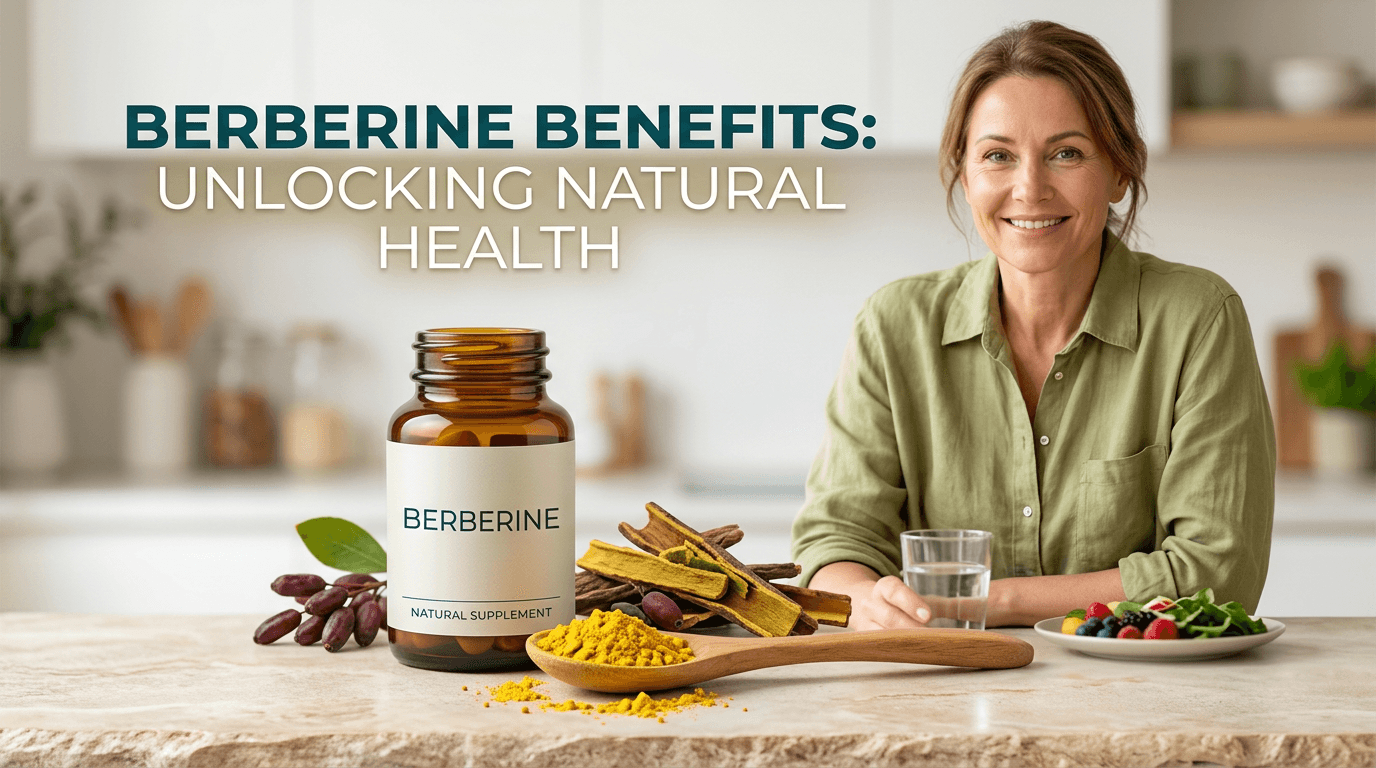
Berberine is a bioactive compound extracted from several plants, and its benefits are often discussed in relation to metabolic health, particularly blood sugar and cholesterol management. It is frequently compared to the prescription drug metformin because both substances can activate a key metabolic enzyme known as AMP-activated protein kinase (AMPK). However, despite this shared mechanism, they are not interchangeable, and berberine should not be used as a replacement for any prescribed medication without a doctor's supervision.
The growing interest in berberine stems from a large body of scientific research exploring its potential effects on the body's core metabolic processes. This article provides a detailed, evidence-based overview of berberine, explaining what it is, how it works, and the research behind its purported benefits. We will delve into its relationship with blood sugar control, heart health, and weight management, and offer a crucial comparison with metformin. You will also find practical information on supplement forms, dosage considerations from clinical studies, potential side effects, and critical drug interactions to help you have an informed conversation with your healthcare provider.
What Is Berberine and Where Does It Come From?
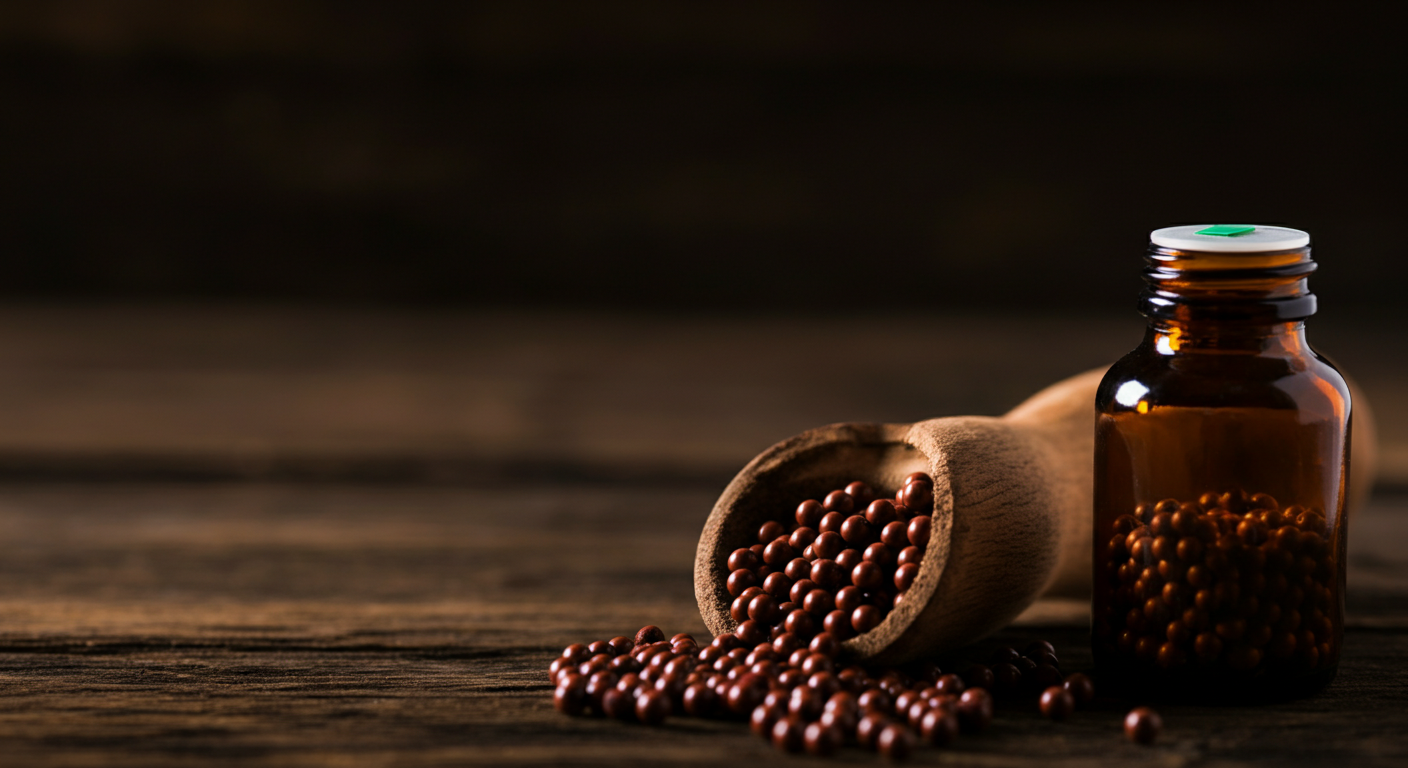
Berberine is a naturally occurring chemical compound known as an isoquinoline alkaloid. It is characterized by its bright yellow color and bitter taste. This compound is not found in isolation but is extracted from the roots, rhizomes, stems, and bark of various plants. For centuries, these plants have been staples in Traditional Chinese Medicine (TCM), Ayurvedic practices, and other indigenous healing systems around the world, long before the specific compound was identified and studied.
The primary botanical sources of berberine include:
- Barberry (Berberis vulgaris): A shrub native to Europe, North Africa, and the Middle East, its berries are edible, but the berberine is concentrated in the roots and stem bark.
- Goldenseal (Hydrastis canadensis): A perennial herb native to eastern North America, prized in traditional herbalism. Due to overharvesting, it is now considered endangered in the wild, and cultivated sources are preferred.
- Oregon Grape (Mahonia aquifolium): A flowering plant native to the Pacific Northwest of North America, its roots are a rich source of berberine and it is often used as a more sustainable alternative to Goldenseal.
- Chinese Goldthread (Coptis chinensis): A key herb in TCM, its rhizome is valued for its high concentration of berberine and other related alkaloids.
- Tree Turmeric (Berberis aristata): Also known as Indian Barberry, it is widely used in Ayurvedic medicine and is a common source for commercial berberine supplements.
In a supplement context, the product you find on the shelf is not the whole herb itself, but a concentrated extract. This extract is standardized to contain a specific percentage of berberine, typically in the form of berberine hydrochloride (HCl), to ensure a consistent and potent dose. This distinction is important, as the effects observed in clinical studies are based on these concentrated doses, which are difficult to achieve by simply consuming the raw plant material.
How Does Berberine Work in the Body? The AMPK Connection
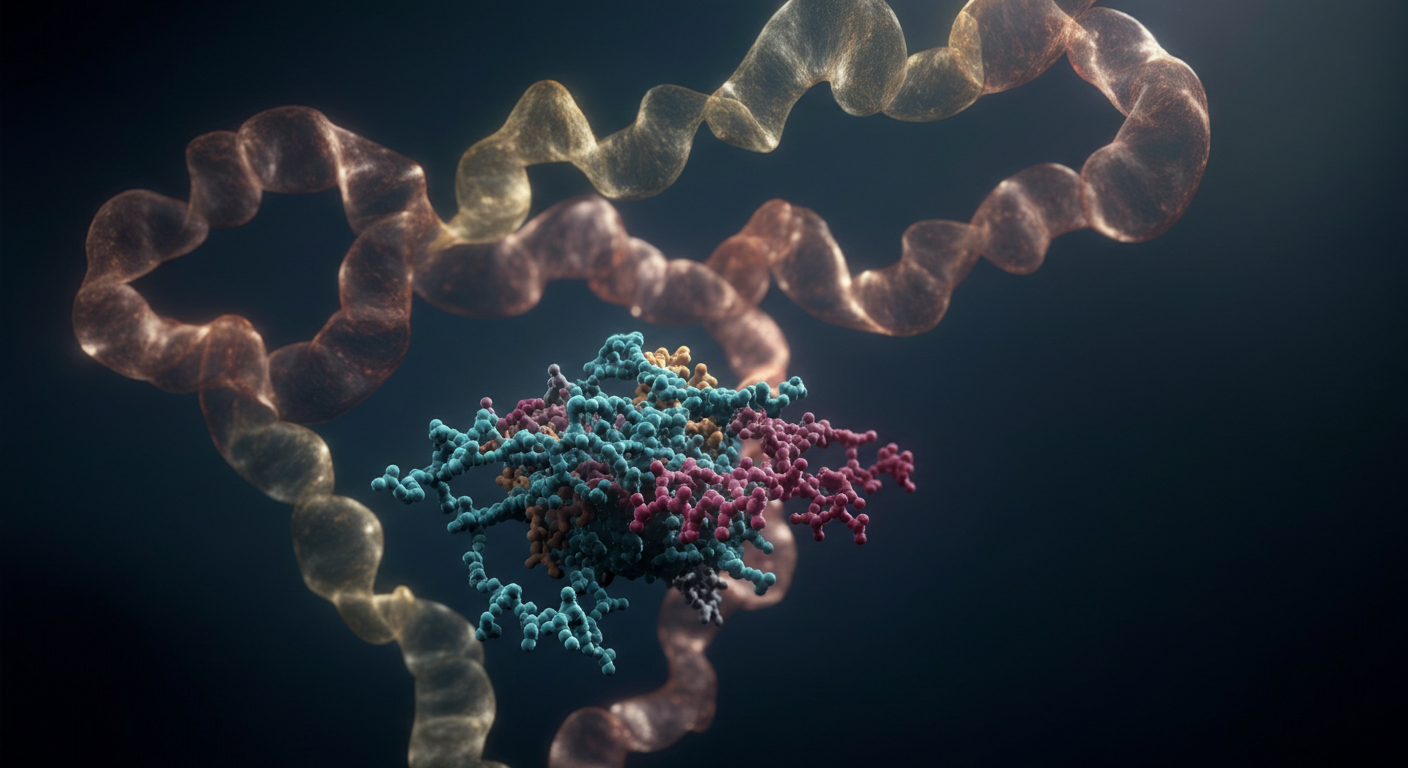
Berberine's effects on human health are not due to a single action but a multitude of complex interactions at a cellular level. The most significant and well-studied of these is its ability to activate an enzyme called AMP-activated protein kinase, or AMPK. This enzyme is often referred to as the body's "metabolic master switch" because it plays a crucial role in regulating energy balance within every cell.
AMPK is activated when a cell is low on energy (i.e., when levels of ATP, the cellular energy currency, are low and levels of AMP are high). Once activated, AMPK initiates a cascade of processes designed to restore energy balance. It does this by:
- Increasing Glucose Uptake: It signals cells, particularly muscle cells, to take up more glucose from the bloodstream to be used for energy.
- Boosting Fat Burning: It promotes the breakdown of fats (fatty acid oxidation) to generate energy.
- Slowing Down Energy Storage: It simultaneously inhibits processes that consume energy, such as the synthesis of cholesterol, triglycerides (fats), and proteins.
This activation of AMPK is the primary reason berberine is so frequently compared to metformin. Metformin, a cornerstone prescription medication for type 2 diabetes, also exerts its main effects by activating the AMPK pathway. By triggering this master switch, both substances can influence blood sugar and lipid metabolism in similar ways. However, this is where the direct comparison should be approached with caution. While the target is the same, their chemical structures, origins, and full range of effects on the body differ.
Beyond AMPK, research suggests berberine has other mechanisms of action that contribute to its metabolic effects. It may influence the composition of the gut microbiome, slow the digestion of carbohydrates in the intestine, improve the function of insulin-producing beta cells in the pancreas, and even upregulate the LDL receptors on the liver, which helps clear "bad" cholesterol from the blood. This multi-targeted approach makes berberine a subject of intense scientific interest.
Berberine and Blood Sugar Management
One of the most researched potential benefits of berberine is its influence on blood sugar regulation. A substantial number of clinical trials and meta-analyses have investigated its effects, often showing outcomes comparable to those of some conventional therapies in specific populations. It's crucial to understand that berberine is a supplement and not an FDA-approved treatment for diabetes or any other condition. However, the scientific evidence suggests it supports healthy blood sugar levels through several key mechanisms.
First, by activating AMPK, berberine helps move glucose out of the bloodstream and into the cells where it can be used for energy. This process happens independently of insulin, which is particularly relevant in situations of insulin resistance, a condition where the body's cells don't respond efficiently to insulin's signals. By providing an alternative pathway for glucose disposal, berberine may help lessen the body's reliance on high levels of insulin.
Second, berberine appears to enhance insulin sensitivity. It may improve the function and increase the number of insulin receptors on the cell surface, making the cells more responsive to the insulin that is present. This means the body needs to produce less insulin to do the same job of managing blood glucose, which can reduce the strain on the pancreas over time.
Third, berberine may reduce the amount of glucose produced by the liver, a process called gluconeogenesis. In individuals with metabolic dysregulation, the liver often produces excess glucose, even when blood sugar levels are already high. By inhibiting certain enzymes involved in this process, berberine may help lower fasting and post-meal blood sugar levels. Finally, it acts within the gut to slow down the breakdown of complex carbohydrates into simple sugars, leading to a slower, more gradual rise in blood sugar after a meal.
Potential Effects on Cholesterol and Heart Health
Beyond its effects on blood sugar, berberine has garnered significant attention for its potential role in supporting cardiovascular health, primarily through its impact on blood lipids. Many studies have shown that berberine supplementation may lead to notable improvements in key cholesterol markers, which are critical factors in assessing heart disease risk.
The primary effect observed is on low-density lipoprotein (LDL) cholesterol, often referred to as "bad" cholesterol. High levels of LDL can lead to the buildup of plaque in arteries (atherosclerosis). Berberine appears to lower LDL cholesterol through a unique mechanism. It works by increasing the expression of LDL receptors on the surface of liver cells. These receptors are responsible for pulling LDL particles out of the bloodstream for processing. More receptors mean more efficient clearance of LDL, resulting in lower circulating levels. This mechanism is distinct from that of statin drugs, which primarily work by inhibiting cholesterol production within the liver.
In addition to lowering LDL, berberine has also been shown in many studies to effectively lower blood triglycerides. Triglycerides are a type of fat found in the blood, and high levels are a known risk factor for heart disease and are often associated with metabolic syndrome and type 2 diabetes. The activation of AMPK by berberine promotes the burning of fatty acids for energy, which directly helps reduce the pool of fats available to form triglycerides.
The effects of berberine on high-density lipoprotein (HDL) cholesterol, or "good" cholesterol, are less consistent in the research. Some studies show a modest increase in HDL, while others show no significant change. However, the combined effect of significantly lowering LDL and triglycerides often leads to a much-improved overall lipid profile. These lipid-modifying properties, combined with its blood sugar benefits and potential for modest blood pressure reduction, make berberine a compound of great interest for comprehensive metabolic and cardiovascular support.
| Lipid Marker | Potential Effect of Berberine (Based on Clinical Research) | Primary Mechanism |
|---|---|---|
| Total Cholesterol | May help lower levels | Primarily driven by the reduction in LDL cholesterol. |
| LDL Cholesterol ("Bad") | May help significantly lower levels | Upregulates LDL receptors on the liver, enhancing clearance from the blood. |
| Triglycerides | May help significantly lower levels | AMPK activation promotes fatty acid oxidation (burning fat for energy). |
| HDL Cholesterol ("Good") | Variable; some studies show a modest increase, others show no change. | The mechanism is not as well-defined as for LDL and triglycerides. |
Berberine vs. Metformin: A Scientific Comparison
The comparison between berberine and metformin is the source of much online discussion, but it requires a nuanced and careful scientific perspective. While some clinical studies have found berberine to have similar efficacy to metformin for improving glycemic control and lipid profiles in certain individuals, declaring them interchangeable is inaccurate and potentially dangerous. They are fundamentally different entities in the eyes of medicine and regulation.
Metformin is a synthetic prescription drug, approved by the U.S. Food and Drug Administration (FDA) as a first-line treatment for type 2 diabetes. Its approval means it has undergone rigorous, large-scale, long-term clinical trials to establish its safety and efficacy. Decades of use have provided an enormous amount of data on its benefits, risks, and side effect profile. Doctors prescribe it with a full understanding of its pharmacokinetics and place in established treatment guidelines.
Berberine, on the other hand, is a natural compound sold as a dietary supplement. The supplement industry in the United States is not regulated with the same stringency as pharmaceuticals. While many studies on berberine exist and are promising, they are generally smaller, of shorter duration, and less numerous than the mountain of evidence supporting metformin. As a supplement, berberine is not intended to "treat, diagnose, cure, or prevent any disease." The primary reason for the comparison is their shared ability to activate AMPK, leading to similar downstream metabolic effects. Yet, it's crucial to understand their distinct profiles.
| Feature | Berberine | Metformin |
|---|---|---|
| Origin | Natural plant-derived alkaloid | Synthetic compound (biguanide class) |
| Regulatory Status (U.S.) | Dietary Supplement | FDA-Approved Prescription Drug |
| Primary Mechanism | AMPK activation | AMPK activation |
| Common Side Effects | GI distress (diarrhea, constipation, cramping) | GI distress (diarrhea, nausea), potential for Vitamin B12 depletion with long-term use |
| Drug Interactions | High potential; inhibits CYP enzymes (CYP3A4, CYP2D6), affecting many drugs | Moderate potential; primarily with drugs affecting kidney function |
| Research Body | Growing but less extensive; many small to medium-sized trials | Vast and extensive; decades of large-scale, long-term studies |
| Cost & Accessibility | Over-the-counter, variable cost, not covered by insurance | Requires prescription, often low-cost generic, covered by insurance |
Other Potential Berberine Benefits Being Investigated
While blood sugar and cholesterol are the headline topics for berberine, ongoing research is exploring its potential influence on other areas of health. The evidence for these applications is generally more preliminary, but they are rooted in berberine's known mechanisms of action. It's important to view these as areas of scientific inquiry rather than established benefits.
Weight Management Support
Berberine is not a "magic" weight loss pill, but it may support weight management efforts as part of a comprehensive plan that includes diet and exercise. Its potential role is thought to be a secondary effect of its primary metabolic actions. By improving insulin sensitivity and promoting the efficient use of glucose and fats for energy, berberine may help regulate factors that contribute to weight gain.
The activation of AMPK not only boosts fat burning but also appears to inhibit the growth of fat cells (adipocytes). Some human studies have shown that individuals taking berberine experienced modest weight loss, particularly a reduction in waist circumference, compared to placebo groups. This effect is likely most pronounced in individuals with existing metabolic dysfunction and insulin resistance.
Gut Microbiome Modulation
The gut microbiome—the vast ecosystem of bacteria and other microorganisms in our intestines—is increasingly recognized as a key player in overall health. Berberine has poor oral bioavailability, meaning not much of it is absorbed into the bloodstream. A significant portion remains in the gut, where it can exert powerful effects on the microbiome.
Berberine possesses antimicrobial properties and can selectively alter the gut bacterial composition. Some research suggests it may help reduce the population of certain "unfriendly" bacteria while promoting the growth of beneficial species like Akkermansia muciniphila, which is associated with improved metabolic health. However, this antimicrobial action is a double-edged sword; it also means berberine has the potential to disrupt the delicate balance of the gut, which is why GI side effects are common and why cycling or taking breaks from supplementation is sometimes discussed.
Polycystic Ovary Syndrome (PCOS)
Polycystic Ovary Syndrome (PCOS) is a complex hormonal disorder common among women of reproductive age. A primary feature of many PCOS cases is insulin resistance, which drives many of the condition's metabolic and hormonal imbalances. Given berberine's well-documented effects on insulin sensitivity and glucose metabolism, it has become a subject of great interest for supporting women with PCOS.
Several clinical trials have compared berberine to metformin in women with PCOS. These studies have investigated its effects on insulin resistance, hormone levels (like testosterone), ovulation rates, and lipid profiles. The results have often been positive, suggesting berberine may be a useful supportive agent in managing the metabolic aspects of PCOS. As with diabetes, this is a medical condition that requires a formal diagnosis and management by a healthcare professional, and supplements should only be used as part of a comprehensive, physician-guided plan.
How to Use Berberine: Dosage, Forms, and Absorption
If you and your healthcare provider decide that berberine is an appropriate option for you, understanding the nuances of its forms, dosage, and absorption is crucial for safety and potential efficacy. Berberine is a powerful compound with low natural bioavailability, meaning specific strategies are needed to ensure the body can actually use it.
Common Forms of Berberine Supplements
When you look at supplement labels, you will encounter berberine in a few different forms.
- Berberine HCl (Hydrochloride): This is by far the most common and most studied form of berberine. The berberine molecule is bound to a hydrochloride salt to increase its stability and water solubility. Nearly all major clinical trials have used Berberine HCl, so its effects are the best understood.
- Berberine Sulfate: Less common than HCl, this form binds the berberine to a sulfate molecule. There is less research comparing its efficacy directly to the HCl form.
- Enhanced Bioavailability Forms: Due to berberine's poor absorption, manufacturers have developed formulations to overcome this limitation. A common approach is to combine berberine with an extract from milk thistle called silybin (or silymarin), which can inhibit pumps in the gut that eject berberine. Another method is creating a phytosome complex, where berberine is bound to phospholipids (fats) to facilitate its absorption through the intestinal wall. These forms may allow for lower dosages but are often more expensive.
General Dosage Information from Studies
It is critical to state that there is no one-size-fits-all dose for berberine. The appropriate amount depends on the individual, the intended purpose, and the specific product being used. However, we can look at the dosages commonly used in scientific research to understand the therapeutic range.
- Standard Dosage Range: Most clinical studies that have demonstrated positive effects on blood sugar and cholesterol have used a total daily dose of 900 mg to 1500 mg of Berberine HCl.
- Divided Doses are Key: This total daily amount is almost always divided into two or three smaller doses taken throughout the day (e.g., 500 mg taken three times daily). There are two main reasons for this:
- Berberine has a short half-life in the body, meaning it is cleared relatively quickly. Splitting the dose helps maintain more stable levels in the bloodstream.
- Taking a large single dose (e.g., 1500 mg at once) is highly likely to cause significant gastrointestinal distress. Dividing the dose minimizes this risk.
Maximizing Absorption and Timing
To improve both tolerance and absorption, the timing of berberine supplementation is important. The consensus from most studies and clinical experience is to take berberine with or immediately after a meal, particularly a meal that contains carbohydrates and fats. The presence of food helps buffer the stomach, reducing the likelihood of irritation. Additionally, the fats in the meal can help with the absorption of this fat-soluble compound. Taking berberine on an empty stomach is more likely to cause GI side effects and is generally not recommended.
Safety, Side Effects, and Drug Interactions
While berberine is a natural compound, "natural" does not automatically mean "safe for everyone." It is a potent bioactive substance that can cause side effects and, most importantly, has a high potential for interacting with prescription medications. This section is arguably the most critical for anyone considering this supplement.
Common Side Effects
The vast majority of side effects associated with berberine are gastrointestinal. They are often dose-dependent, meaning they are more likely to occur or be more severe at higher doses. These include:
- Diarrhea
- Constipation (less common than diarrhea, but possible)
- Stomach cramping and pain
- Gas and bloating
- Nausea
Potential Drug Interactions
Berberine's most significant safety concern is its ability to inhibit key enzymes in the liver responsible for drug metabolism, particularly cytochrome P450 enzymes like CYP3A4, CYP2D6, and CYP2C9. These enzymes are responsible for breaking down approximately 50% of all prescription drugs. By inhibiting them, berberine can cause the levels of other drugs to increase in the bloodstream, raising the risk of toxicity and side effects. This makes it extremely important to consult a doctor or pharmacist before taking berberine if you are on ANY prescription medication. Some critical interactions include:
- Diabetes Medications (e.g., Metformin, Sulfonylureas, Insulin): Combining berberine with these drugs can increase the risk of hypoglycemia (dangerously low blood sugar). Doses may need to be adjusted under strict medical supervision.
- Cyclosporine: This is an immunosuppressant used for organ transplant recipients and autoimmune conditions. Berberine can dramatically increase cyclosporine levels, leading to kidney damage. This combination should be avoided.
- Blood Thinners (e.g., Warfarin, Clopidogrel): Berberine may have mild anti-platelet effects, which could theoretically increase the risk of bleeding when combined with these drugs.
- Many Other Drugs: The list of potential interactions is extensive due to the CYP enzyme inhibition. It includes certain statins, blood pressure medications (calcium channel blockers), antidepressants (SSRIs), anti-anxiety drugs, and more.
Who Should Avoid Berberine?
Certain populations should avoid berberine altogether due to safety concerns:
- Pregnant Women: Berberine can cross the placenta and may harm the developing fetus.
- Breastfeeding Women: Berberine can pass into breast milk. There is a risk it could increase bilirubin levels in the infant, leading to jaundice and a dangerous condition called kernicterus.
- Infants and Children: Its safety in these age groups has not been established.
- Individuals with Severe Liver or Kidney Disease: These conditions can affect how berberine is processed and eliminated, increasing risk.
Choosing a Quality Berberine Supplement
The dietary supplement market in the U.S. is not regulated by the FDA for pre-market approval of safety and efficacy. This means the onus is on the consumer to choose a high-quality product from a reputable manufacturer. When selecting a berberine supplement, there are several factors to consider to ensure you are getting a safe and effective product.
- Look for Third-Party Testing: This is the most important indicator of quality. Reputable brands will voluntarily send their products to independent third-party labs for testing. Look for seals from organizations like NSF International, U.S. Pharmacopeia (USP), or ConsumerLab.com. These certifications verify that the product contains what the label says it contains, is free from harmful contaminants like heavy metals or microbes, and will break down properly in the body.
- Check the Form and Dosage: The label should clearly state the form of berberine (e.g., Berberine HCl) and the amount per capsule (e.g., 500 mg). This allows you to follow the dosing regimens used in clinical studies and recommended by your healthcare provider. Be wary of "proprietary blends" that don't disclose the exact amount of berberine.
- Examine the Source: The label might specify the plant source, such as Berberis aristata (Tree Turmeric) or Coptis chinensis (Chinese Goldthread). While different sources are used, the key is that the final product is standardized to a high percentage of berberine.
- Avoid Unrealistic Claims: Be skeptical of any supplement that makes dramatic, drug-like claims, such as "cures diabetes" or "melts fat away." These are illegal claims for a supplement to make and are a major red flag for a disreputable company. Reputable brands use careful, compliant language focused on "supporting" health.
- Read Reviews with a Critical Eye: Customer reviews can be helpful for gauging common experiences, especially regarding side effects like GI upset. However, be aware that individual results are highly subjective and reviews can be easily manipulated. Focus on patterns rather than single dramatic testimonials.
Frequently Asked Questions about Berberine
How long does it take for berberine to work?
The effects of berberine are not immediate. For metabolic markers like blood sugar and cholesterol, most clinical studies last for at least 3 months. It may take several weeks to a few months of consistent use to see measurable changes in lab results. Initial effects on post-meal blood sugar may be noticeable sooner.
Can I take berberine and metformin together?
This should only be done under the strict supervision of a qualified healthcare professional. Because both compounds lower blood sugar, taking them together significantly increases the risk of hypoglycemia (dangerously low blood sugar). A doctor must monitor your levels closely and may need to adjust the dosage of one or both substances.
Is berberine safe for long-term use?
Most clinical studies on berberine last for 3 to 6 months, with some extending to a year or two. While it appears to be reasonably safe for this duration, robust data on its safety for multi-year or decade-long continuous use is still lacking. Some practitioners recommend cycling berberine (e.g., 8 weeks on, 2-4 weeks off) to give the gut microbiome a break, but this should be discussed with your healthcare provider.
Does berberine cause liver damage?
In the vast majority of studies and clinical use, berberine has not been associated with liver damage and in some cases has been shown to improve liver enzymes in people with non-alcoholic fatty liver disease (NAFLD). However, there are very rare case reports of idiosyncratic liver injury. Anyone with pre-existing liver disease should use berberine only under medical supervision.
What is the best form of berberine to take?
Berberine HCl is the most studied and most common form available, making it a reliable choice. Enhanced bioavailability forms (e.g., combined with silybin or as a phytosome) are designed to improve absorption and may be effective at lower doses, but they are often more expensive and have less research behind them compared to Berberine HCl.
Why does berberine cause stomach upset?
Berberine can cause stomach upset for a few reasons. It has antimicrobial properties that can disrupt the gut bacteria balance, and it can also slow down gut motility in some individuals. Taking it in divided doses, with food, and starting with a lower dose can help minimize these common GI side effects.
Can berberine help with weight loss?
Berberine may support modest weight loss, but it is not a primary weight loss supplement. Its effects on weight are considered a secondary benefit of its primary role in improving insulin sensitivity and metabolic function. Any weight loss is typically minimal and occurs in conjunction with diet and lifestyle changes.
Is berberine from Goldenseal better?
No, the effectiveness of berberine comes from the compound itself, not the plant source. Berberine extracted from Goldenseal, Barberry, or Oregon Grape is chemically identical. Due to sustainability concerns with wild Goldenseal, it is often better to choose supplements derived from more sustainable sources like Barberry (Berberis) species.
Should I take berberine on an empty stomach?
No, it is generally recommended to take berberine with or just after a meal. This helps to reduce the likelihood of gastrointestinal side effects like stomach pain and diarrhea. Taking it with food, especially a meal containing some fat, may also help with its absorption.
Who should not take berberine?
Berberine should be avoided by pregnant and breastfeeding women, infants, and children. People taking multiple medications, especially those for diabetes, immunosuppressants, or blood thinners, must consult a doctor due to the high risk of drug interactions. Individuals with severe liver or kidney disease should also avoid it unless cleared by their physician.
Conclusion: A Balanced Perspective on Berberine
Berberine stands out in the world of dietary supplements as a compound with a robust and growing body of scientific evidence supporting its profound effects on human metabolism. The comparison to metformin is not without merit; their shared mechanism of activating the AMPK master switch is a fascinating example of how a natural plant alkaloid can mirror the action of a leading pharmaceutical drug. This connection underscores why berberine is so frequently discussed for its potential to support healthy blood sugar and cholesterol levels.
However, this comparison must be framed with caution and respect for medical science. Berberine is not a regulated drug, its long-term safety profile is not as established as metformin's, and its potential for drug interactions is significant. It is not a do-it-yourself replacement for prescribed medication or professional medical care. To view it as such would be to ignore the complexities of human health and the critical importance of a proper diagnosis and supervised treatment plan.
Ultimately, berberine is best viewed as a powerful bioactive agent that warrants serious consideration and respect. For the right person, under the guidance of a knowledgeable healthcare professional who can assess risks, manage potential interactions, and monitor progress, it may be a valuable tool in a comprehensive strategy for metabolic health. The key is to approach it not as a simple "natural alternative," but as a potent supplement whose use demands an informed, responsible, and collaborative approach between patient and provider.