
vitamine -
Thiamine Deficiency: Symptoms and Solutions
The primary thiamine benefits relate to its essential role in energy metabolism, nervous system function, and heart health. As vitamin B1, thiamine is a critical cofactor for enzymes that convert carbohydrates and fats into usable energy, supports the integrity of nerve cells, an
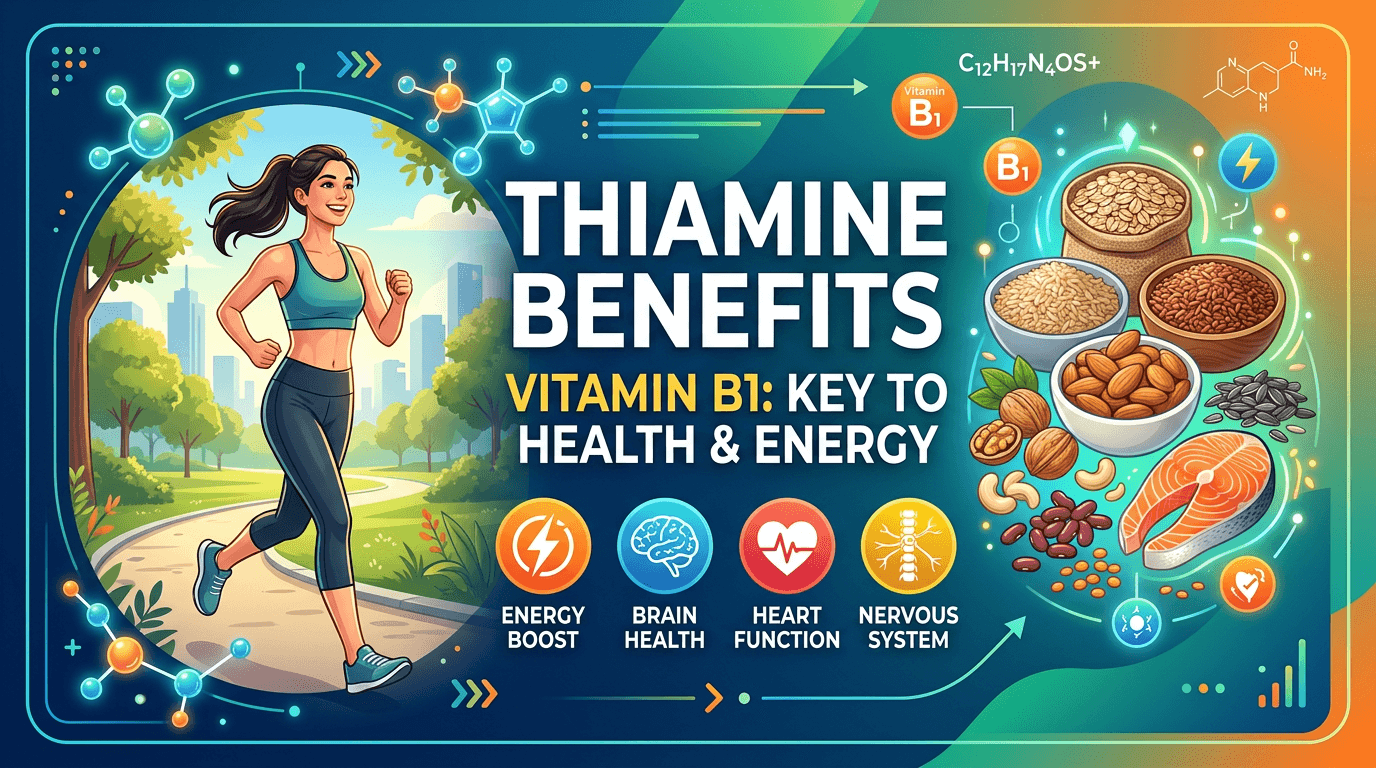
The primary thiamine benefits relate to its essential role in energy metabolism, nervous system function, and heart health. As vitamin B1, thiamine is a critical cofactor for enzymes that convert carbohydrates and fats into usable energy, supports the integrity of nerve cells, and is vital for proper muscle contraction, including that of the heart muscle. Without adequate thiamine, these fundamental bodily processes can become impaired, leading to a wide range of health issues.
Thiamine, the first B vitamin to be discovered, is a water-soluble nutrient that the body cannot produce on its own and can only store in small amounts. This means it must be consumed regularly through diet or supplementation to prevent insufficiency and deficiency. While severe deficiency, known as beriberi, is uncommon in the United States due to food fortification, suboptimal levels are more prevalent than often realized, particularly in specific risk groups. This comprehensive article explores the critical functions of thiamine, the signs of both mild and severe deficiency, who is most at risk, and how to ensure adequate intake through food and, when necessary, guided supplementation.
What Is Thiamine (Vitamin B1)?
Thiamine, also known as vitamin B1, is an essential micronutrient that plays a central role in human health. As a member of the B-complex family of vitamins, it is water-soluble, meaning the body does not store it in large quantities and excretes any excess through urine. This characteristic necessitates a consistent daily intake to maintain adequate levels. Thiamine's primary function is as a coenzyme, a "helper molecule," for several key enzymatic reactions crucial for life.
The active form of thiamine in the body is thiamine pyrophosphate (TPP), also called thiamine diphosphate. TPP is indispensable for carbohydrate, fat, and protein metabolism. It is required for the processes that break down glucose (from carbohydrates) to generate adenosine triphosphate (ATP), the primary energy currency of all cells. Without sufficient thiamine, this fundamental energy production line breaks down, affecting tissues with high energy demands most severely, such as the brain, nerves, and heart.
Beyond energy production, thiamine is also involved in the synthesis of DNA and RNA, the genetic building blocks of cells. It contributes to the production of neurotransmitters, the chemical messengers that allow nerve cells to communicate, and the maintenance of the myelin sheath, a protective layer that insulates nerve fibers and ensures rapid signal transmission. Its multifaceted roles underscore why maintaining adequate thiamine status is fundamental for overall physiological and neurological function.
Key Thiamine Benefits for the Body
The benefits of thiamine are directly tied to its essential biochemical functions. Adequate thiamine levels are necessary for the body to operate efficiently, from the cellular level to complex organ systems. Its most significant contributions are to energy production and nervous system health.
Energy Production and Metabolism
Thiamine's most well-known role is in energy metabolism. The active form, TPP, is a required cofactor for at least five critical enzymes involved in converting food into fuel. One of the most important is the pyruvate dehydrogenase complex, which links the breakdown of glucose (glycolysis) to the citric acid cycle (or Krebs cycle), the main engine of cellular energy production. Without enough TPP, pyruvate—a byproduct of glucose breakdown—cannot be efficiently converted into acetyl-CoA to enter the citric acid cycle. This bottleneck leads to a buildup of pyruvate and lactate, impairing ATP production and causing cellular energy starvation. This is why fatigue and weakness are among the earliest signs of thiamine insufficiency.
Nervous System and Brain Function
The brain and nervous system are highly dependent on a constant supply of energy, primarily from glucose. Because thiamine is essential for glucose metabolism, a deficiency can profoundly impact neurological health. Thiamine supports several aspects of nervous system function:
- Neurotransmitter Synthesis: Thiamine is involved in the production of key neurotransmitters like acetylcholine, which is crucial for memory, learning, and muscle control.
- Myelin Sheath Maintenance: It contributes to the health of the myelin sheath that surrounds nerve fibers. Damage to this sheath can slow or block nerve signals, leading to the neuropathy (nerve pain, tingling, numbness) seen in severe deficiency.
- Cognitive Support: By ensuring the brain has enough energy and supporting neurotransmitter function, adequate thiamine is vital for concentration, memory, and mood regulation. Low levels are associated with confusion, irritability, and poor memory.
Cardiovascular Health Support
The heart is a muscle with extremely high energy demands, beating continuously throughout life. It relies heavily on the efficient energy production pathways that depend on thiamine. In cases of severe thiamine deficiency, the heart muscle can weaken and become inefficient at pumping blood. This can lead to a condition known as "wet beriberi," characterized by cardiac symptoms. Adequate thiamine supports normal heart function by ensuring the muscle cells have the ATP needed for contraction and by helping to regulate the autonomic nervous system, which controls heart rate and rhythm.
Muscle Function and Digestion
Thiamine is necessary for proper muscle tone and function throughout the body, including the smooth muscles of the digestive tract. It helps maintain the muscle tone of the stomach and intestines, which is necessary for proper digestion and peristalsis (the wave-like contractions that move food along). Some gastrointestinal issues, like poor appetite or indigestion, can sometimes be associated with low thiamine status. By supporting the energy needs of muscle cells everywhere, thiamine contributes to overall physical strength and coordination.
Understanding Thiamine Deficiency (Beriberi)
Severe thiamine deficiency leads to a disease called beriberi, a term derived from a Sinhalese phrase meaning "I cannot, I cannot," reflecting the profound weakness it causes. While rare in developed countries today thanks to food fortification programs, it remains a serious health issue in regions where diets are based on polished white rice (which has the thiamine-rich bran removed) and among specific high-risk populations globally.
Beriberi is a medical emergency that requires prompt diagnosis and treatment to prevent irreversible damage or death. It is traditionally classified into three main types, based on the body systems most affected.
- Dry Beriberi (Nervous System): This form primarily affects the peripheral and central nervous systems. It is characterized by neurological symptoms that often begin in the extremities and progress inward. These include tingling and numbness in the hands and feet (peripheral neuropathy), difficulty walking, muscle wasting in the lower legs, pain, and confusion.
- Wet Beriberi (Cardiovascular System): This form predominantly affects the heart and circulatory system. Symptoms are related to cardiac insufficiency and include a rapid heart rate (tachycardia), shortness of breath with physical activity or when lying down, swelling in the lower legs (peripheral edema), and an enlarged heart. Wet beriberi can progress rapidly to circulatory collapse and heart failure.
- Infantile Beriberi: This occurs in infants who are breastfed by thiamine-deficient mothers. It can be acute and life-threatening, often presenting with heart failure, loss of voice (aphonia), and nervous system abnormalities. It requires immediate medical intervention.
It is important to understand that the symptoms of wet and dry beriberi can overlap, and a person may present with a mixed picture. These conditions represent the extreme end of the thiamine deficiency spectrum and underscore the critical importance of this vitamin for basic human physiology.
Subtle and Early Signs of Thiamine Insufficiency
Long before severe deficiency and beriberi develop, the body can experience a state of thiamine insufficiency or suboptimal status. The signs of this condition are often subtle, non-specific, and can easily be attributed to stress, lack of sleep, or other health issues. Recognizing these early indicators is important, as they may signal a need to evaluate diet and risk factors, ideally with the guidance of a healthcare professional.
Because thiamine is so crucial for energy production and nervous system communication, the earliest signs often manifest as a general decline in well-being. These can develop gradually over weeks or months and may fluctuate in intensity. It is crucial to remember that these symptoms are not exclusive to low thiamine and require a comprehensive medical evaluation to determine the underlying cause.
Common early signs of thiamine insufficiency may include:
- Fatigue and Low Energy: A persistent feeling of tiredness or lethargy that is not relieved by rest. This is a direct consequence of impaired cellular energy production.
- Irritability and Mood Changes: The brain's high energy demand makes it sensitive to thiamine levels. Low status can manifest as increased irritability, mood swings, or a general feeling of being on edge.
- Poor Memory and Concentration: Difficulty focusing, brain fog, and short-term memory lapses can occur as thiamine-dependent pathways in the brain become less efficient.
- Reduced Appetite and Unintentional Weight Loss: Thiamine plays a role in regulating the appetite control centers in the brain. A decline in appetite is a common early symptom.
- Muscle Weakness or Soreness: Vague muscle aches, weakness, or a feeling of heaviness in the limbs can be an early indicator of impaired energy metabolism in muscle tissue.
- Sleep Disturbances: Difficulty falling asleep or staying asleep may be linked to the neurological effects of low thiamine.
- Gastrointestinal Discomfort: Some individuals may experience indigestion, constipation, or a feeling of fullness due to thiamine's role in maintaining digestive muscle tone.
If you experience a combination of these symptoms persistently, it is worthwhile to discuss them with your doctor. They can assess your overall health, diet, lifestyle, and risk factors to determine if testing for nutrient deficiencies, including thiamine, is appropriate.
Wernicke-Korsakoff Syndrome: A Serious Complication
Wernicke-Korsakoff syndrome (WKS) is a severe brain disorder resulting from thiamine deficiency and is considered a neurological emergency. It is most commonly associated with chronic alcohol use disorder but can also occur in other conditions that lead to severe malnutrition, such as eating disorders, hyperemesis gravidarum (severe morning sickness), or after bariatric surgery. WKS is actually two separate but related conditions: Wernicke's encephalopathy (WE), which is the acute phase, and Korsakoff syndrome, which is the chronic and often permanent phase that can follow.
Wernicke's encephalopathy is characterized by a classic triad of symptoms, although not all three are always present:
- Ophthalmoplegia: Paralysis or weakness of the eye muscles, leading to abnormal eye movements like nystagmus (involuntary jerking), double vision, or drooping eyelids.
- Ataxia: Lack of voluntary coordination of muscle movements, resulting in an unsteady, staggering gait and difficulty with balance.
- Global Confusion: A state of profound disorientation, apathy, inattentiveness, and an inability to form new memories.
Wernicke's encephalopathy is life-threatening and requires immediate treatment with high-dose intravenous thiamine. If treated promptly and adequately, the eye-related symptoms and confusion can improve significantly. However, if treatment is delayed or inadequate, WE can progress to coma, death, or the chronic neurological condition known as Korsakoff syndrome.
Korsakoff syndrome, also called Korsakoff's psychosis, is characterized by severe and often irreversible memory problems. Individuals with this condition have a profound inability to form new memories (anterograde amnesia) and may also have significant gaps in their long-term memory (retrograde amnesia). A hallmark symptom is confabulation, where the person invents events to fill in the gaps in their memory, not with the intent to deceive but as an unconscious attempt to make sense of their world. While other cognitive functions may remain relatively intact, the memory impairment is debilitating. The neurological damage in Korsakoff syndrome is often permanent.
Who Is at Risk for Thiamine Deficiency?
While a balanced diet provides sufficient thiamine for most healthy individuals in the U.S., several specific populations and medical conditions significantly increase the risk of developing a deficiency. This increased risk is typically due to a combination of poor intake, reduced absorption, increased metabolic demand, or increased excretion of the vitamin.
A healthcare provider can help assess your individual risk based on your health history, diet, and lifestyle. The following groups are considered to have a higher risk for thiamine insufficiency or deficiency:
- People with Alcohol Use Disorder: This is the most common cause of thiamine deficiency in Western countries. Alcohol directly interferes with thiamine absorption from the gut, impairs its storage in the liver, and often replaces nutrient-dense foods in the diet.
- Older Adults: The elderly may be at higher risk due to a combination of factors, including reduced food intake, age-related decline in nutrient absorption, chronic diseases, and use of multiple medications (like diuretics).
- Individuals with Gastrointestinal Conditions: Diseases like Crohn's disease, ulcerative colitis, celiac disease, and chronic diarrhea can impair the absorption of thiamine and other nutrients from the small intestine.
- Patients Who Have Had Bariatric Surgery: Weight-loss surgeries, particularly gastric bypass, alter the digestive tract and can significantly reduce the absorption of thiamine. Post-surgical nausea and vomiting can further exacerbate the issue.
- People with Eating Disorders: Conditions like anorexia nervosa and bulimia nervosa lead to severe malnutrition and can cause critical deficiencies of thiamine and other essential nutrients.
- Individuals on Long-Term Diuretic Therapy: Diuretics, often prescribed for high blood pressure or heart failure, increase urine output, which can lead to increased excretion and depletion of water-soluble vitamins like thiamine. Furosemide (Lasix) is particularly noted for this effect.
- Patients with Cancer or HIV/AIDS: These conditions can increase the body's metabolic demand for thiamine while also causing decreased appetite and malabsorption, creating a perfect storm for deficiency.
- Individuals on Kidney Dialysis: The dialysis process can filter out water-soluble vitamins, including thiamine, from the blood, putting patients at risk.
- Pregnant Women with Hyperemesis Gravidarum: Severe and persistent vomiting during pregnancy can lead to dehydration and profound nutritional deficiencies, including thiamine.
- Diets High in Refined Carbohydrates or Raw Fish: A diet heavily reliant on polished rice or refined flour, which are stripped of thiamine, can lead to deficiency. Additionally, certain compounds in raw fish and shellfish (thiaminases) can destroy thiamine in the gut.
How Thiamine Levels Are Diagnosed
Diagnosing thiamine deficiency requires a combination of clinical suspicion, patient history, and laboratory testing, all conducted by a qualified healthcare professional. Because early symptoms are non-specific, a doctor will first conduct a thorough evaluation to rule out other potential causes. This includes discussing symptoms, diet, alcohol consumption, medical history, and medication use.
If thiamine deficiency is suspected, several laboratory tests can help confirm the diagnosis. No single test is perfect, and results are interpreted in the context of the patient's clinical picture.
| Diagnostic Method | Description | Considerations |
|---|---|---|
| Clinical Evaluation | Assessment of symptoms (neurological, cardiovascular), diet, and risk factors. A physical exam may check for signs like ataxia, edema, or muscle weakness. | The first and most important step. Often, treatment is initiated based on strong clinical suspicion alone, especially in emergency situations like suspected Wernicke's encephalopathy. |
| Erythrocyte Transketolase Activity (ETKA) Assay | This is a functional test that measures the activity of transketolase, a thiamine-dependent enzyme in red blood cells. The test is run with and without added thiamine pyrophosphate (TPP). A large increase in activity with added TPP (the "TPP effect") indicates a deficiency. | Considered a reliable indicator of thiamine status in body tissues. An effect greater than 25% is indicative of deficiency, while 15-25% suggests insufficiency. |
| Direct Measurement (Blood or Urine) | Methods like high-performance liquid chromatography (HPLC) can directly measure the concentration of thiamine and its esters (like TPP) in whole blood, red blood cells, or urine. | Blood levels reflect more recent intake and may not accurately represent long-term tissue stores. Urinary thiamine excretion drops quickly with low intake and is a sensitive indicator of recent diet. |
| Therapeutic Trial | In some cases, a doctor may administer thiamine supplements and observe for symptom improvement. A positive response helps confirm the diagnosis. | Often used when lab tests are not readily available or in urgent clinical scenarios. The response to treatment can be both diagnostic and therapeutic. |
The choice of test depends on the clinical setting, urgency, and available laboratory resources. In an acute setting, such as a patient presenting with confusion and ataxia, a doctor will not wait for lab results before starting intravenous thiamine. The potential benefit of immediate treatment far outweighs any risk.
Dietary Sources: Getting Thiamine from Food
For most people, a well-balanced and varied diet is the best way to ensure adequate thiamine intake. The Recommended Dietary Allowance (RDA) for adults is 1.2 mg/day for men and 1.1 mg/day for women. Requirements may be higher during pregnancy and lactation. Fortification of staple foods, particularly refined grains like white flour and white rice, has been a highly successful public health measure in the U.S. to prevent widespread deficiency.
Thiamine is found in a wide variety of foods from both plant and animal sources. Some of the richest sources include:
- Pork: Pork is one of the most concentrated dietary sources of thiamine. A single serving of pork chop or tenderloin can provide a significant portion of the daily requirement.
- Fish: Certain types of fish, such as salmon and trout, are good sources of thiamine.
- Legumes: Black beans, lentils, pinto beans, and green peas are excellent plant-based sources of thiamine.
- Whole and Fortified Grains: Whole grains naturally contain thiamine in their bran and germ. In the U.S., refined grains like white bread, pasta, and breakfast cereals are required by law to be enriched with thiamine and other B vitamins.
- Seeds and Nuts: Sunflower seeds, macadamia nuts, and flaxseeds are particularly rich in thiamine.
- Nutritional Yeast: Often used as a cheese substitute in vegan cooking, fortified nutritional yeast is an exceptionally potent source of thiamine and other B vitamins.
| Food Source | Serving Size | Approximate Thiamine (mg) | % Daily Value (DV) |
|---|---|---|---|
| Pork Chop, lean, cooked | 3 ounces | 0.9 mg | 75% |
| Fortified Breakfast Cereal | 1 serving | ~1.2 mg | ~100% |
| Trout, cooked | 3 ounces | 0.4 mg | 33% |
| Black Beans, cooked | 1 cup | 0.4 mg | 33% |
| Sunflower Seed Kernels, roasted | 1 ounce | 0.3 mg | 25% |
| Whole Wheat Bread | 1 slice | 0.1 mg | 8% |
| Asparagus, cooked | 1 cup | 0.2 mg | 17% |
Thiamine Supplementation: Forms, Dosage, and Selection
While diet should always be the primary source of nutrients, thiamine supplements can be necessary for correcting a diagnosed deficiency or for individuals in high-risk groups under the guidance of a healthcare professional. Therapeutic use of thiamine to treat deficiency involves doses far higher than the RDA and must be medically supervised. For general wellness, over-the-counter thiamine is available alone or as part of a B-complex supplement.
Forms of Thiamine Supplements
Thiamine supplements are available in several different chemical forms, with the most common being thiamine hydrochloride and thiamine mononitrate. A third, less common form called benfotiamine is also gaining attention.
- Thiamine Hydrochloride (HCL): This is the most common and widely studied form of supplemental thiamine. It is a synthetic salt that is water-soluble. The body readily absorbs and utilizes it, although absorption can become saturated at higher single doses. It is the standard form used in most multivitamins and B-complex formulas.
- Thiamine Mononitrate: Also a synthetic salt, this form is slightly more stable than HCL, particularly in the fortification of flour and cereals, as it is less sensitive to moisture. In the body, it is converted to thiamine and is considered bioequivalent to thiamine HCL.
- Benfotiamine: This is a synthetic, fat-soluble derivative of thiamine. Its fat-solubility is thought to allow it to pass through cell membranes more easily, potentially leading to higher thiamine concentrations in certain tissues, such as nerve cells, compared to water-soluble forms. Some research suggests it may be particularly useful for neurological support, but it's important to discuss its use with a healthcare provider.
- Allithiamine (TTFD): A natural, fat-soluble thiamine derivative found in garlic. Similar to benfotiamine, it is proposed to have enhanced bioavailability. It is less common in supplements than the other forms.
Dosage Framing: RDA vs. Therapeutic Doses
It is critical to distinguish between the dietary intake recommendations for healthy people and the therapeutic doses used to treat deficiency. This is not an area for self-prescription.
- Recommended Dietary Allowance (RDA): As mentioned, this is 1.2 mg/day for men and 1.1 mg/day for women. This amount is sufficient to prevent deficiency in the vast majority of healthy individuals. Most multivitamins contain at least this amount.
- General Supplementation: Over-the-counter thiamine or B-complex supplements often contain doses ranging from 25 mg to 100 mg. These amounts are far above the RDA and are intended for individuals who may have higher needs or want to ensure adequate status.
- Therapeutic Dosing for Deficiency: The treatment of diagnosed thiamine deficiency is a medical protocol. It often begins with very high doses of intravenous (IV) or intramuscular (IM) thiamine, especially in severe cases like Wernicke-Korsakoff syndrome, to rapidly replete tissue stores. This is followed by high-dose oral supplementation, which can be 100 mg or more, taken multiple times a day. These dosages must only be taken under the direct supervision of a licensed healthcare professional.
How to Select a Quality Supplement
If you and your healthcare provider decide that a thiamine supplement is appropriate, consider the following when making a selection:
- Third-Party Testing: The FDA does not regulate supplements for safety and efficacy in the same way as prescription drugs. Look for products that have been voluntarily tested by a third-party organization, such as USP (U.S. Pharmacopeia), NSF International, or ConsumerLab.com. Their seals provide assurance that the product contains what is listed on the label and is not contaminated with harmful substances.
- Dosage and Form: Choose the form and dosage recommended by your healthcare provider. For general purposes, a B-complex vitamin can be a good choice as B vitamins often work together synergistically.
- Avoid Unnecessary Fillers: Read the "other ingredients" list. High-quality supplements typically have minimal fillers, artificial colors, or allergens.
Safe Supplementation: Side Effects, Interactions, and Upper Limits
Thiamine is generally considered very safe, even at high doses, because it is a water-soluble vitamin. The body typically excretes any amount it doesn't need via the urine. However, as with any supplement, it is important to be aware of potential side effects, interactions, and safety considerations, especially when taking therapeutic doses or if you have underlying health conditions.
Side Effects and Tolerable Upper Intake Level (UL)
The Food and Nutrition Board of the National Academies of Sciences, Engineering, and Medicine has not established a Tolerable Upper Intake Level (UL) for thiamine. This is because there is no well-established evidence of toxicity from high intakes of thiamine from food or supplements. The body's ability to absorb oral thiamine is limited, and it is rapidly cleared by the kidneys.
Despite its high safety profile, oral doses in the range of hundreds of milligrams may occasionally cause mild gastrointestinal upset, such as nausea or indigestion, in some individuals. Allergic reactions, while very rare, have been reported, primarily with intravenous (IV) administration rather than oral supplements. Symptoms of an allergic reaction could include rash, itching, or swelling. If you experience any unusual symptoms after starting a thiamine supplement, discontinue use and consult your healthcare provider.
Potential Interactions with Medications and Other Nutrients
Thiamine can interact with certain medications and substances, which can affect its absorption or increase its excretion from the body. It is essential to discuss all your medications and supplements with your doctor or pharmacist.
- Diuretics: Loop diuretics, such as furosemide (Lasix), can significantly increase the urinary excretion of thiamine, potentially leading to deficiency with long-term use. Individuals on these medications should have their thiamine status monitored by their doctor.
- Fluorouracil (5-FU): This chemotherapy agent may interfere with thiamine metabolism, increasing the risk of deficiency in cancer patients undergoing treatment.
- Alcohol: As previously discussed, chronic alcohol consumption is a major cause of thiamine deficiency because it impairs absorption and cellular utilization of the vitamin.
- Other B Vitamins: B vitamins work together in many metabolic pathways. Thiamine supplementation is often most effective as part of a balanced B-complex, as a high dose of a single B vitamin can sometimes create an imbalance or increase the need for others. Magnesium is also a crucial cofactor for thiamine-dependent enzymes, and a deficiency in magnesium can impair thiamine's function.
Pregnancy and Breastfeeding Considerations
The need for thiamine increases during pregnancy and lactation to support fetal development and milk production. The RDA is 1.4 mg/day for both pregnant and breastfeeding women. Most prenatal vitamins contain sufficient thiamine to meet this increased need. Severe morning sickness (hyperemesis gravidarum) can increase the risk of deficiency, requiring medical attention. Supplementation beyond the amount in a standard prenatal vitamin during pregnancy or breastfeeding should only be done under the direction of a healthcare professional.
Frequently Asked Questions
What are the first signs of low thiamine?
The earliest signs of low thiamine are often non-specific and can include persistent fatigue, irritability, poor memory, reduced appetite, and muscle weakness. Because these symptoms can have many causes, it is important to consult a healthcare professional for an accurate diagnosis rather than self-treating.
How long does it take to correct a thiamine deficiency?
The time it takes to correct a thiamine deficiency depends on its severity and the treatment method. In acute cases like Wernicke's encephalopathy, symptoms can begin to improve within hours or days of high-dose intravenous thiamine. For milder deficiencies treated with oral supplements, it may take several weeks to months to fully replete tissue stores and resolve symptoms.
Can I get too much thiamine from food?
It is virtually impossible to get a toxic amount of thiamine from food sources alone. Thiamine is water-soluble, and your body will excrete any excess amount that it cannot use or store. There have been no reports of adverse effects from consuming high amounts of thiamine naturally present in food.
Is benfotiamine better than regular thiamine?
Benfotiamine is a fat-soluble form of thiamine that may be absorbed more efficiently and reach higher concentrations in certain tissues, like nerve cells, compared to the standard water-soluble thiamine (HCL). Some studies suggest it may be beneficial for neurological health, but whether it is "better" depends on the individual and the specific health goal. It is best to discuss which form is right for you with a knowledgeable healthcare provider.
Does coffee or tea destroy thiamine?
Coffee and tea contain compounds called tannins, which can interfere with the absorption of thiamine from plant-based foods when consumed at the same time. This effect is generally not significant in people with a varied diet but could be a factor for those with marginal thiamine intake. Consuming coffee or tea at least an hour apart from meals can help mitigate this interaction.
Should I take thiamine by itself or in a B-complex?
For general health maintenance, taking thiamine as part of a balanced B-complex supplement is often recommended because B vitamins work together synergistically. However, for treating a specific, diagnosed thiamine deficiency, a doctor will prescribe a high-dose, standalone thiamine supplement. Always follow the guidance of your healthcare professional.
Can thiamine deficiency cause anxiety?
Yes, thiamine deficiency can contribute to neurological and psychological symptoms, including anxiety, irritability, and depression. This is due to its critical role in brain energy metabolism and neurotransmitter synthesis. However, anxiety is a complex condition with many potential causes, and a thiamine deficiency is just one possibility that a doctor might investigate.
Conclusion: The Foundational Importance of Thiamine
Thiamine, or vitamin B1, is a cornerstone of human health, quietly fueling our cells, powering our nervous system, and supporting our heart. While the severe consequences of deficiency, like beriberi and Wernicke-Korsakoff syndrome, highlight its absolute necessity, even suboptimal levels can detract from our well-being, leading to fatigue, poor concentration, and irritability. The key thiamine benefits are not about achieving superhuman health but about maintaining the body's most fundamental operations.
In the United States, a varied and balanced diet rich in whole grains, legumes, pork, and fortified foods provides a solid foundation for adequate thiamine status. However, awareness of the risk factors—such as alcohol use, certain medical conditions, and medications—is crucial for identifying those who may need additional support. The journey to addressing a potential deficiency begins not with a supplement bottle, but with a conversation with a healthcare professional who can provide an accurate diagnosis and a safe, effective plan.
Ultimately, understanding thiamine's role empowers us to make informed choices about our diet and health. By ensuring our bodies have a steady supply of this essential vitamin, we support our energy levels, mental clarity, and overall physiological resilience, allowing every cell, nerve, and muscle to function as it should.