
vitamine -
Lutein and Zeaxanthin: Protecting Your Eyes
Lutein and zeaxanthin are two essential carotenoids that function as powerful eye vitamins, concentrating in the retina's macula to help filter harmful blue light and neutralize damaging free radicals. These antioxidants are crucial for supporting macular health, visual performan
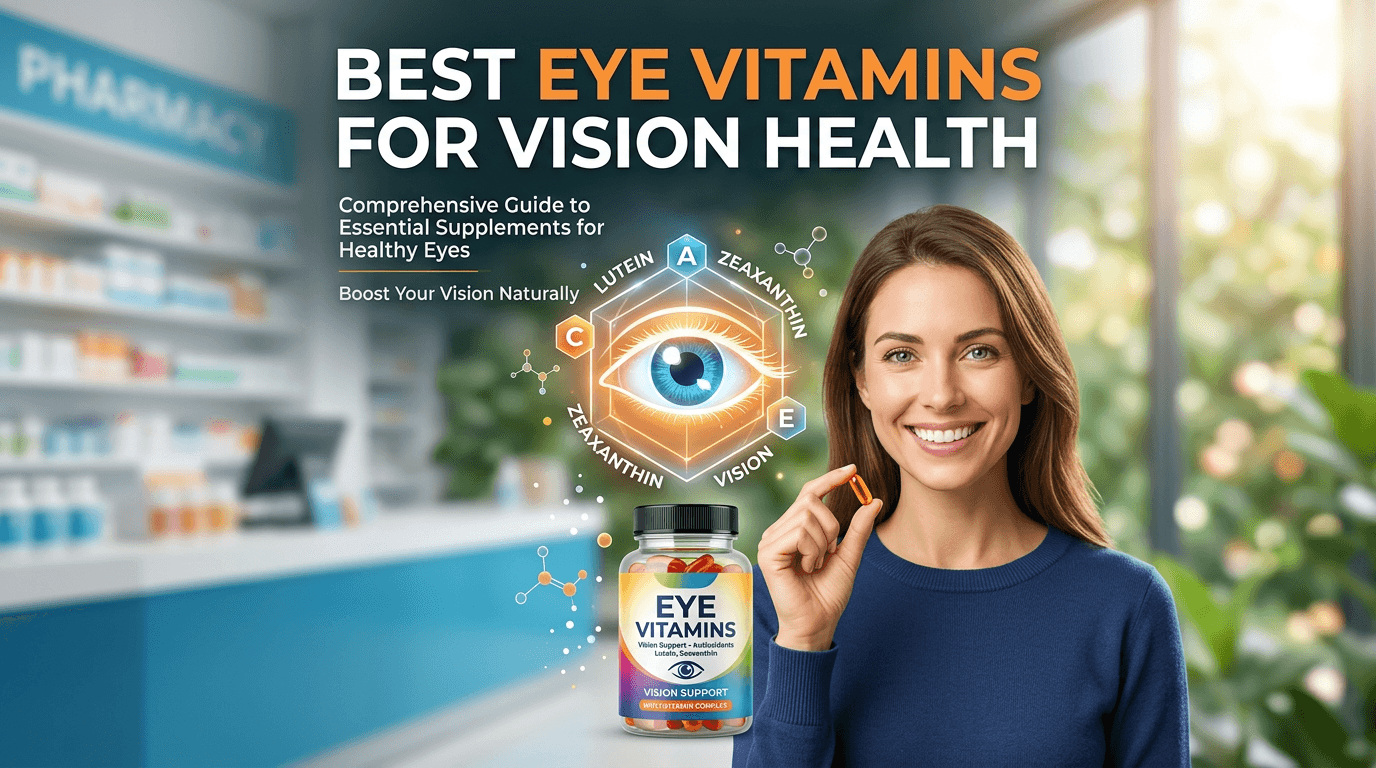
Lutein and zeaxanthin are two essential carotenoids that function as powerful eye vitamins, concentrating in the retina's macula to help filter harmful blue light and neutralize damaging free radicals. These antioxidants are crucial for supporting macular health, visual performance, and may play a role in reducing the risk associated with certain age-related eye conditions. A diet rich in leafy greens and colorful vegetables is the primary source, but supplements are also widely available.
Understanding the role of these two nutrients is becoming increasingly important in an era dominated by digital screens and an aging population. This article provides a comprehensive overview of lutein and zeaxanthin, explaining what they are, how they function within the eye, and what scientific research suggests about their benefits for vision. We will explore food sources, supplementation guidelines, safety considerations, and how to make informed choices for your long-term eye health.
What Are Lutein and Zeaxanthin?
Lutein and zeaxanthin are naturally occurring pigments called carotenoids, which are responsible for the vibrant yellow, orange, and red colors in many fruits and vegetables. They belong to a class of over 600 plant pigments, but what makes these two unique is their selective accumulation in the human eye, particularly in the macula, a small area in the center of the retina responsible for sharp, detailed central vision.
In the body, lutein and zeaxanthin are not produced internally, meaning they must be obtained through diet or supplementation. Once consumed, they are transported to various tissues, but they have a special affinity for the eyes. Here, they form the macular pigment, a yellow-pigmented layer that acts as a natural pair of sunglasses, protecting the delicate photoreceptor cells of the retina from oxidative stress and high-energy light waves.
These two carotenoids are isomers, which means they have the same chemical formula but a slightly different arrangement of atoms. This structural difference affects their specific placement and function within the retina. Lutein is more dominant in the peripheral areas of the macula, while zeaxanthin is concentrated in its very center. This strategic distribution allows them to provide comprehensive protection across this critical region of the eye.
How Lutein and Zeaxanthin Support Eye Health
The protective functions of lutein and zeaxanthin in the eye are primarily attributed to two key mechanisms: filtering high-energy blue light and providing powerful antioxidant activity. These actions work together to shield the retina from the cumulative damage that can lead to visual decline over a lifetime.
Filtering Harmful Blue Light
The macular pigment, composed of lutein and zeaxanthin, acts as an internal filter for high-energy visible (HEV) light, commonly known as blue light. This type of light is present in sunlight and is also emitted by digital screens, fluorescent bulbs, and LED lights. While some blue light is necessary for regulating our sleep-wake cycles, chronic overexposure can be damaging to the light-sensitive cells in the retina.
By absorbing a significant portion of this blue light before it reaches the underlying photoreceptors, lutein and zeaxanthin reduce the potential for photo-oxidative damage. This filtering action helps to preserve the integrity of the retinal cells and supports visual clarity. A denser macular pigment, which is associated with higher lutein and zeaxanthin levels, is thought to provide greater protection and may help reduce symptoms of glare and improve contrast sensitivity.
Antioxidant Activity
The eye is one of the most metabolically active organs in the body, consuming a disproportionately high amount of oxygen. This high metabolic rate, combined with constant exposure to light, generates a large number of reactive oxygen species (ROS), also known as free radicals. Free radicals are unstable molecules that can damage cells, proteins, and DNA through a process called oxidative stress.
Lutein and zeaxanthin are potent antioxidants that are uniquely positioned to neutralize these free radicals directly within the retinal tissue. By quenching ROS, they help to prevent oxidative damage to the delicate lipids and proteins that make up the photoreceptor cell membranes. This antioxidant protection is vital for maintaining the long-term health and function of the retina and may help mitigate the cellular aging processes that contribute to vision problems.
Potential Vision Benefits of Lutein and Zeaxanthin
Decades of research have explored the link between lutein and zeaxanthin intake and various aspects of eye health. While they are not a cure for eye diseases, a consistent body of evidence suggests they play a supportive role in maintaining visual function and may reduce the risk associated with certain age-related conditions.
Age-Related Macular Degeneration (AMD)
Age-Related Macular Degeneration (AMD) is a leading cause of vision loss in older Americans. It affects the macula, leading to a gradual loss of central vision needed for reading, driving, and recognizing faces. Oxidative stress and light damage are believed to be key contributing factors to its development and progression.
The most significant research in this area comes from the National Eye Institute's Age-Related Eye Disease Studies (AREDS and AREDS2). The original AREDS trial found that a combination of antioxidants and zinc could slow the progression of intermediate AMD to the advanced stage. The follow-up AREDS2 trial tested a modified formula, replacing beta-carotene (which was linked to increased lung cancer risk in smokers) with 10 mg of lutein and 2 mg of zeaxanthin.
The AREDS2 results showed that the lutein and zeaxanthin formula was safer and more effective at reducing the risk of progression to advanced AMD than the original beta-carotene formula, particularly for individuals with low dietary intake of these carotenoids. It is important to note that these formulas were studied for people with intermediate or advanced AMD in one eye, not for prevention in the general population.
Cataracts
A cataract is a clouding of the eye's natural lens, which can lead to blurry vision, increased sensitivity to glare, and difficulty seeing at night. Oxidative damage to the proteins within the lens is a primary cause of cataract formation. Because lutein and zeaxanthin are also present in the lens, researchers have investigated their potential to protect against this damage.
Observational studies have found correlations between higher dietary intake and higher blood levels of lutein and zeaxanthin and a reduced risk of developing cataracts. Some clinical trials have also suggested that supplementation may slow the progression of existing cataracts. However, the evidence is not as robust as it is for AMD. The AREDS2 study did not find a significant effect of the lutein/zeaxanthin supplement on the need for cataract surgery, although some subgroup analyses hinted at a potential benefit for those with the lowest dietary intake.
Digital Eye Strain and Visual Performance
With the rise of remote work and screen-based entertainment, "digital eye strain" or "computer vision syndrome" has become a common complaint. Symptoms include eye fatigue, headaches, blurred vision, and dryness, often exacerbated by prolonged exposure to blue light from screens.
Emerging research suggests that increasing macular pigment density through lutein and zeaxanthin supplementation may help improve visual performance and alleviate some of these symptoms. Potential benefits being studied include:
- Improved Glare Tolerance: A denser macular pigment may help reduce discomfort from bright lights, both indoors and outdoors.
- Enhanced Contrast Sensitivity: Some studies indicate that supplementation can improve the ability to distinguish objects from their background, which is important for vision in low-light conditions.
- Faster Photostress Recovery: This refers to the time it takes for vision to return to normal after being exposed to a bright flash of light. Lutein and zeaxanthin may help the eye recover more quickly.
- Reduced Eye Fatigue: By filtering blue light, these carotenoids may lessen the strain on the visual system during prolonged screen use.
While promising, research in this area is still developing. More large-scale, long-term studies are needed to fully confirm these effects and establish optimal dosages for improving visual performance in healthy individuals.
Understanding Meso-Zeaxanthin: The Third Macular Carotenoid
While lutein and zeaxanthin are the most well-known macular carotenoids obtained from the diet, a third one, meso-zeaxanthin, plays a critical role. Meso-zeaxanthin is not typically found in significant amounts in the human diet. Instead, it is believed to be created within the retina itself through an enzymatic conversion of lutein.
Meso-zeaxanthin is concentrated at the very epicenter of the macula, alongside zeaxanthin. Its presence is crucial for creating the most robust blue light-filtering and antioxidant shield in the area responsible for our most detailed vision. Some individuals may have a lower capacity to convert lutein into meso-zeaxanthin, which has led to interest in supplementing with it directly.
Some eye health supplements now include meso-zeaxanthin in their formulas, often in a 10:10:2 ratio (meso-zeaxanthin:lutein:zeaxanthin) or a 10:2:X ratio (lutein:zeaxanthin:meso-zeaxanthin). The theory is that providing all three macular carotenoids directly may offer a more complete or effective way to build macular pigment density. Research comparing formulas with and without meso-zeaxanthin is ongoing, with some studies suggesting that its inclusion may provide superior benefits for contrast sensitivity and visual function, but the overall scientific consensus is still evolving.
How Much Lutein and Zeaxanthin Do You Need?
There is currently no official Recommended Dietary Allowance (RDA) for lutein and zeaxanthin in the United States. However, research suggests that a daily intake of around 10 mg of lutein and 2 mg of zeaxanthin may be associated with eye health benefits. The average American diet, unfortunately, often falls short of this, providing only about 1-2 mg of these carotenoids per day.
| Intake Level | Typical Daily Amount | Context and Source |
|---|---|---|
| Average U.S. Dietary Intake | 1–3 mg (combined) | Represents the typical daily consumption from food for many Americans, which is considered low. |
| Intake Associated with Benefits | ~6–12 mg (combined) | Observational studies suggest this level of dietary intake is linked to better eye health outcomes. |
| AREDS2 Study Dose | 10 mg Lutein + 2 mg Zeaxanthin | A specific therapeutic supplement dose studied for slowing progression of intermediate to advanced AMD. Not a general recommendation. |
| Digital Eye Strain Study Doses | 6 mg to 24 mg (combined) | Various dosages have been used in studies on visual performance and eye strain, with benefits seen across this range. |
For most healthy individuals, the primary goal should be to increase intake through diet. Consuming a variety of carotenoid-rich foods is the foundation of good nutrition for the eyes. For individuals with specific risk factors, such as a strong family history of AMD, poor diet, or those already diagnosed with AMD, a healthcare professional might discuss the possibility of supplementation.
The dosage used in the pivotal AREDS2 study (10 mg lutein and 2 mg zeaxanthin) is often seen as a benchmark for therapeutic supplementation for at-risk populations. Many over-the-counter eye vitamins are formulated around this 5:1 ratio. However, it's crucial to remember that this dose was studied in a specific clinical context and is not a one-size-fits-all recommendation. Your individual needs may differ based on your diet, health status, and genetic predispositions.
Top Food Sources of Lutein and Zeaxanthin
The best way for most people to get lutein and zeaxanthin is by eating a diet rich in fruits and vegetables. Dark leafy greens are by far the most concentrated sources. While yellow and orange foods are also good sources, the green chlorophyll in leafy vegetables masks the yellow pigments of lutein and zeaxanthin.
Since these carotenoids are fat-soluble, consuming them with a source of healthy fat—like olive oil, avocado, or nuts—can significantly enhance their absorption. For example, a spinach salad with an olive oil-based dressing is an excellent way to maximize your intake.
| Food Source | Serving Size | Approximate Lutein + Zeaxanthin (mg) |
|---|---|---|
| Kale (cooked) | 1 cup | 26.0 mg |
| Spinach (cooked) | 1 cup | 20.4 mg |
| Collard Greens (cooked) | 1 cup | 14.6 mg |
| Turnip Greens (cooked) | 1 cup | 12.2 mg |
| Peas (cooked) | 1 cup | 4.1 mg |
| Broccoli (cooked) | 1 cup | 3.3 mg |
| Corn (cooked) | 1 cup | 2.2 mg |
| Egg Yolks | 2 large yolks | ~0.5 mg |
| Pistachio Nuts | 1 ounce | 0.4 mg |
| Orange Bell Pepper | 1 medium | 0.3 mg |
An interesting note about egg yolks: while they contain a lower absolute amount of lutein and zeaxanthin compared to leafy greens, the presence of fats in the yolk makes these carotenoids highly bioavailable. This means the body can absorb and utilize them very efficiently. Therefore, eggs are considered an excellent source despite their lower content.
Lutein and Zeaxanthin Supplements: A Detailed Guide
While a food-first approach is always recommended, lutein and zeaxanthin supplements may be appropriate for certain individuals. This includes those who have difficulty consuming enough carotenoid-rich foods, have known risk factors for eye conditions, or have been advised by an eye care professional to supplement based on a clinical diagnosis like AMD.
Who Might Consider Supplementation?
Supplementation should always be a conversation with a qualified healthcare provider. Groups that might discuss this option include:
- Individuals with AMD: People with a diagnosis of intermediate AMD are the primary group for whom high-dose supplementation (like the AREDS2 formula) has been studied and recommended by ophthalmologists.
- Those with Low Dietary Intake: Individuals with restrictive diets, picky eaters, or those who simply do not consume many fruits and vegetables may struggle to get adequate amounts of these carotenoids from food alone.
- People with High Visual Demands: Individuals who spend many hours in front of digital screens or are frequently exposed to bright light and glare may explore supplementation for improved visual performance and comfort.
- Older Adults: As the risk for age-related eye conditions increases with age, some older adults may consider a supplement to help maintain macular pigment density, especially if their diet is suboptimal.
- Individuals with Malabsorption Issues: Conditions that affect fat absorption, such as celiac disease or cystic fibrosis, can impair the absorption of fat-soluble carotenoids, potentially necessitating supplementation.
Types of Lutein and Zeaxanthin in Supplements
When you look at a supplement label, you may notice that lutein and zeaxanthin can come in two primary forms: "free" form or "ester" form. This distinction relates to the molecule's chemical structure and can affect its absorption.
- Free Lutein/Zeaxanthin: This is the form that is naturally found in most fruits and vegetables and is also the form that is present in the human retina. The body does not need to convert it before it can be absorbed. Most scientific studies, including AREDS2, have used the free form.
- Lutein/Zeaxanthin Esters: In this form, the carotenoid is attached to one or two fatty acid molecules. This is the form commonly found in marigold flowers, a primary commercial source for supplements. For the body to use it, digestive enzymes must first cleave off the fatty acids to "free" the lutein or zeaxanthin.
While the body can absorb and utilize both forms, the ester form is not as directly bioavailable. On a weight-for-weight basis, you need more lutein ester to provide the same amount of free lutein. For example, 20 mg of lutein esters would provide approximately 10 mg of free lutein. Most supplement labels now clarify this, often listing the amount of free lutein provided from the ester source. For simplicity and to match the form used in most research, many experts suggest choosing supplements that contain the free form.
How to Choose a High-Quality Lutein and Zeaxanthin Supplement
The dietary supplement market in the U.S. is vast and can be confusing. Since the FDA does not approve supplements for safety and efficacy before they are sold, the responsibility falls on the consumer to choose wisely. Here are several factors to consider when selecting a lutein and zeaxanthin supplement.
Check for Third-Party Testing
Look for seals from independent, third-party organizations on the label. These seals indicate that the product has been tested for quality, purity, and potency. They verify that the supplement contains what the label claims, is free from harmful contaminants like heavy metals or bacteria, and is manufactured according to good manufacturing practices (GMPs).
Key third-party certifications to look for include:
- U.S. Pharmacopeia (USP) Verified Mark
- NSF International
- ConsumerLab.com (CL) Seal of Approval
Examine the Dosage and Ratio
Review the "Supplement Facts" panel to see the exact amounts of lutein and zeaxanthin per serving. Many products are formulated to reflect the 5:1 ratio used in the AREDS2 study, providing 10 mg of lutein and 2 mg of zeaxanthin. Some may include meso-zeaxanthin as well. Choose a product that aligns with the dosage discussed with your healthcare provider. Be wary of products that list only a "proprietary blend" without specifying the amount of each key ingredient.
Consider the Source and Form
Most commercial lutein and zeaxanthin are extracted from marigold flowers (Tagetes erecta). Look for well-known, branded ingredients like FloraGLO® Lutein or Lutemax® 2020. These ingredients have been extensively studied in clinical trials and are known for their quality and stability. The label should also clarify whether the carotenoids are in their free or ester form. As mentioned, the free form is generally preferred as it is identical to what's found in the retina and used in most major studies.
Look at Other Ingredients
Eye health supplements often contain a combination of ingredients. The full AREDS2 formula, for example, also includes Vitamin C, Vitamin E, zinc, and copper. Other common additions include omega-3 fatty acids (DHA and EPA), astaxanthin, or bilberry extract. Consider whether you need these additional nutrients. If you already take a multivitamin or other supplements, check for potential overlaps to avoid excessive intake of certain vitamins or minerals, particularly fat-soluble vitamins and minerals like zinc.
Also, check the "Other Ingredients" list for unnecessary fillers, artificial colors, or potential allergens like soy, gluten, or dairy if you have sensitivities.
Safety, Side Effects, and Interactions
Lutein and zeaxanthin from both food and supplements are generally regarded as safe for most people when consumed in appropriate amounts. No serious adverse effects have been consistently reported in clinical trials, even at relatively high doses.
Tolerable Upper Intake Level (UL) and Side Effects
There is no established Tolerable Upper Intake Level (UL) for lutein and zeaxanthin from the U.S. National Academy of Medicine. This is because no toxic effects have been observed that would allow for the calculation of a UL. Studies have used doses up to 20 mg of lutein per day for several years without significant safety concerns.
The most commonly noted "side effect" of very high, long-term intake of carotenoids is a harmless condition called carotenodermia. This is a yellowish-orange discoloration of the skin, most noticeable on the palms of the hands and soles of the feet. It occurs when excess carotenoids are deposited in the skin. The condition is reversible and fades once the intake is reduced.
Potential Medication Interactions
Lutein and zeaxanthin have very few known interactions with prescription medications. However, some substances can interfere with their absorption from the gut.
- Fat Absorption Blockers: Medications designed to block fat absorption, such as the weight-loss drug orlistat (Xenical, Alli), can also reduce the absorption of fat-soluble vitamins and carotenoids. It is generally recommended to take carotenoid supplements at least two hours before or after these medications.
- Bile Acid Sequestrants: Medications used to lower cholesterol, such as cholestyramine and colestipol, work by binding bile acids in the intestine. This process can also inadvertently bind to and reduce the absorption of fat-soluble nutrients like lutein.
- Other Carotenoids: High doses of other carotenoids, particularly beta-carotene, may compete with lutein and zeaxanthin for absorption. This is one reason why the AREDS2 trial replaced beta-carotene in its formula.
As a rule, if you take any prescription medications, it is essential to discuss any new supplement use with your doctor or pharmacist to screen for potential interactions.
Lutein and Zeaxanthin for Different Life Stages and Conditions
The need for and safety of lutein and zeaxanthin can vary depending on age, life stage, and specific health factors. While most research focuses on older adults, these nutrients are important throughout the lifespan.
Pregnancy and Breastfeeding
Lutein and zeaxanthin are transferred from mother to fetus during pregnancy and are present in breast milk. They accumulate in the developing infant's brain and eyes, suggesting they play a role in neural and visual development. Pregnant and breastfeeding women are encouraged to consume a diet rich in these carotenoids.
While dietary intake is considered safe and beneficial, the safety of high-dose supplementation during pregnancy and lactation has not been as thoroughly studied. As with any supplement, pregnant or breastfeeding women should consult their obstetrician or healthcare provider before taking lutein and zeaxanthin supplements.
Children
The eyes and brains of children are still developing, and lutein and zeaxanthin are important for this process. The macula is not fully mature at birth, and macular pigment density continues to increase throughout childhood. Encouraging children to eat a diet rich in colorful fruits and vegetables is the best approach. High-dose supplementation is generally not recommended for children unless specifically advised by a pediatrician or ophthalmologist for a particular medical reason.
Smokers and Former Smokers
The AREDS2 study provided a critical insight for smokers. The original AREDS formula contained beta-carotene, which was later found to increase the risk of lung cancer in smokers. The AREDS2 trial confirmed that replacing beta-carotene with lutein and zeaxanthin eliminated this risk. Therefore, any smoker or former smoker who is considering an eye health supplement based on the AREDS research should ensure they choose a beta-carotene-free formula, such as the one developed in AREDS2.
Frequently Asked Questions about Lutein and Zeaxanthin
How long does it take for lutein and zeaxanthin to work?
Lutein and zeaxanthin accumulate in the body over time. It can take several months (at least 2-3 months) of consistent intake from diet or supplements to see a measurable increase in macular pigment optical density (MPOD). The perceived benefits, such as improved glare tolerance or reduced eye strain, may not be noticeable immediately.
Can I get enough lutein and zeaxanthin from a multivitamin?
Most standard multivitamins contain little to no lutein or zeaxanthin, or only a very small amount (less than 1 mg). These amounts are generally insufficient to achieve the levels associated with eye health benefits in major studies. You must check the label of your specific multivitamin, but typically a separate, targeted eye health supplement is needed to reach doses like 10 mg of lutein and 2 mg of zeaxanthin.
What is the difference between lutein and astaxanthin?
Both are carotenoid antioxidants, but they have different structures and functions. Lutein and zeaxanthin specifically accumulate in the macula of the eye. Astaxanthin, found in salmon and krill, is a potent antioxidant that distributes more broadly throughout the body and does not accumulate in the macula in the same way. While astaxanthin is also studied for eye health, its primary role and location of action are different from lutein and zeaxanthin.
Will taking lutein and zeaxanthin improve my vision prescription?
No, lutein and zeaxanthin will not correct refractive errors like nearsightedness (myopia), farsightedness (hyperopia), or astigmatism. These conditions are related to the shape of the eye and require glasses, contact lenses, or refractive surgery. Lutein and zeaxanthin support the health of the retinal cells and may improve aspects of visual performance like contrast and glare, but they do not change the eye's physical focusing power.
Is it better to take lutein and zeaxanthin in the morning or at night?
There is no evidence to suggest that the time of day affects the efficacy of lutein and zeaxanthin. The most important factor is consistency and taking them with a meal containing some fat to maximize absorption. Choose a time that is easy for you to remember each day, whether it's with breakfast or dinner.
Can I take too much lutein and zeaxanthin?
Lutein and zeaxanthin are considered very safe, and there is no known toxicity level. The only known cosmetic side effect of very high, long-term intake is carotenodermia, a harmless yellowing of the skin that is reversible. However, it is always best to stick to the dosages recommended by your healthcare provider or those found on the product label.
Are there any signs of lutein and zeaxanthin deficiency?
There are no specific, overt symptoms of lutein and zeaxanthin deficiency in the way one might see with a vitamin C deficiency (scurvy). Low levels are a risk factor for long-term eye health issues rather than a cause of immediate symptoms. Low macular pigment density, which can be measured by an eye care professional, is the primary indicator of insufficient status.
Do I need to take supplements if I eat a healthy diet?
For most healthy individuals, a diet rich in leafy greens and colorful vegetables can provide sufficient lutein and zeaxanthin. Supplements are generally considered for those who have a diagnosed condition like AMD, have significant risk factors, or have a consistently poor dietary intake. Consulting with an eye care professional can help you determine if your dietary intake is adequate for your individual needs.
Conclusion: Key Takeaways on Lutein and Zeaxanthin
Lutein and zeaxanthin are undeniably crucial for maintaining the health and integrity of our eyes. These powerful carotenoids serve as our internal defense system, forming the macular pigment that filters damaging blue light and neutralizes oxidative stress in the retina. While our bodies cannot make them, we can easily obtain them through a well-balanced diet or, when necessary, through targeted supplementation.
For most people, the path to healthy eyes starts on the plate. Prioritizing foods like kale, spinach, corn, and eggs is the most effective and holistic way to ensure an adequate intake. For those with diagnosed eye conditions like AMD or significant risk factors, supplementation with specific formulas, such as the one studied in AREDS2, may be a valuable tool to support long-term vision, but only under the guidance of a healthcare professional.
Ultimately, protecting your vision is a lifelong endeavor. Understanding the role of key nutrients like lutein and zeaxanthin empowers you to make informed dietary and lifestyle choices. Regular comprehensive eye exams, a nutrient-rich diet, and a collaborative relationship with your eye doctor are the cornerstones of preserving the precious gift of sight for years to come.