
vitamine -
Curcumin and Turmeric: Nature’s Anti-Inflammatory
The primary curcumin benefits are linked to its potent anti-inflammatory and antioxidant properties, which may help support joint health, cognitive function, cardiovascular wellness, and the body's natural defense systems. Curcumin is the most active compound found in turmeric, t
The primary curcumin benefits are linked to its potent anti-inflammatory and antioxidant properties, which may help support joint health, cognitive function, cardiovascular wellness, and the body's natural defense systems. Curcumin is the most active compound found in turmeric, the golden-hued spice, but its effectiveness depends heavily on using a supplement form designed for enhanced absorption, as standard curcumin is poorly utilized by the body.
For centuries, turmeric root has been a cornerstone of both culinary traditions and ancient healing systems like Ayurveda. Modern science has zoomed in on what makes this vibrant spice so special: a group of compounds called curcuminoids, with curcumin being the most researched and powerful among them. This article provides a detailed exploration of curcumin, distinguishing it from the turmeric spice you cook with, explaining its mechanisms of action, and navigating the critical topic of bioavailability. You will learn about the different types of curcumin supplements, how to choose a quality product, and the safe, responsible way to incorporate this compound into your wellness routine.
What is Turmeric and What is Curcumin?
Understanding the difference between turmeric and curcumin is the first step to appreciating why supplement formulation is so important. While often used interchangeably in conversation, they are distinct. Turmeric is the spice, while curcumin is the powerful active compound within it.
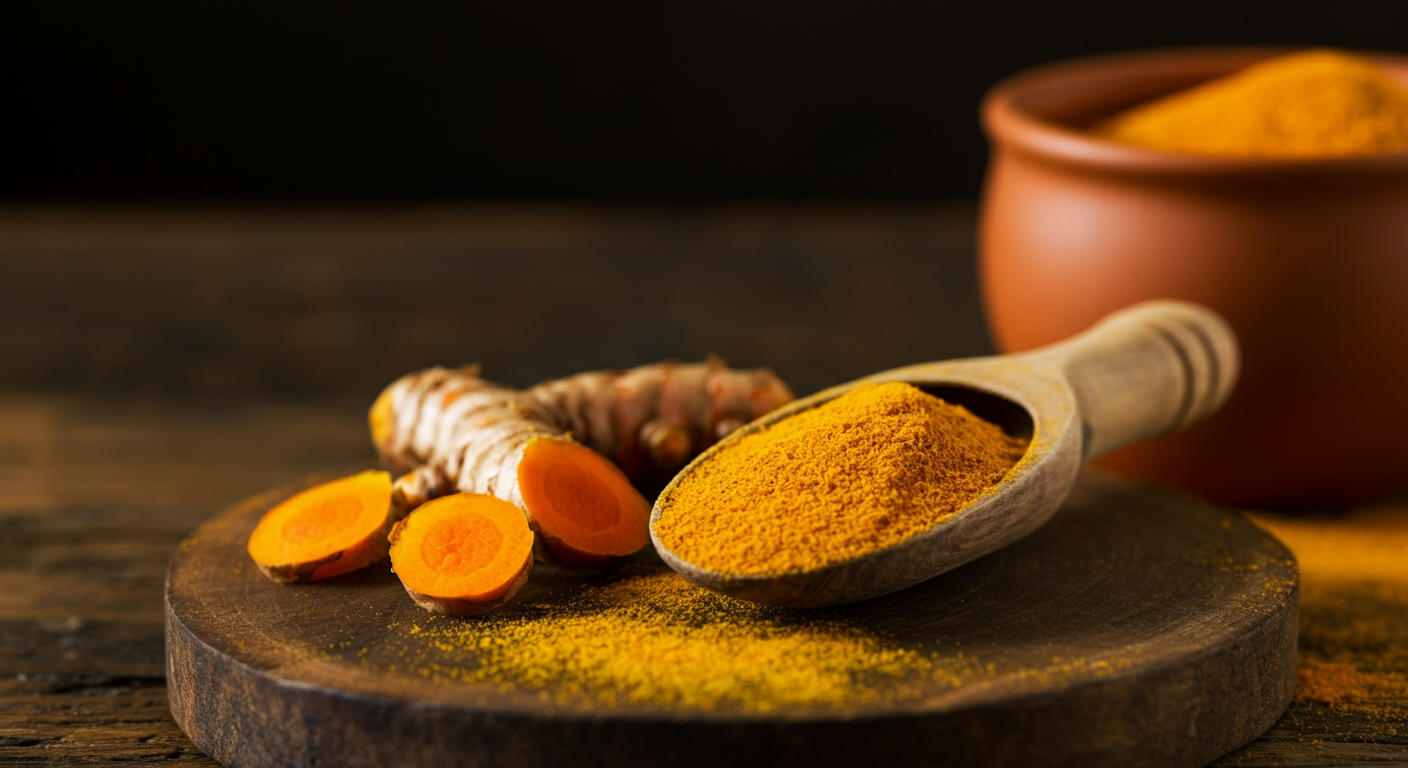
Turmeric comes from the root of the *Curcuma longa* plant, a perennial in the ginger family. The root, or rhizome, is harvested, boiled, dried, and ground into the familiar bright yellow powder used in curries, mustards, and golden milk. It has a warm, slightly bitter taste and has been used for thousands of years not only for flavor and color but also for its perceived health-supporting properties.
Curcumin is the main bioactive compound that gives turmeric its medicinal qualities and its distinctive color. It belongs to a class of compounds known as curcuminoids. However, standard dried turmeric powder contains a surprisingly small amount of these active ingredients—typically only about 2% to 5% by weight. This means that in one teaspoon (about 2-3 grams) of turmeric spice, you are getting only about 40 to 150 milligrams of curcuminoids, a fraction of the amount used in most clinical studies. This distinction is crucial; relying solely on dietary turmeric is unlikely to provide the concentrated levels of curcumin needed to achieve many of the benefits observed in research.
How Curcumin Works in the Body: The Science of Anti-Inflammation
Curcumin's reputation is built on its ability to interact with the body's inflammatory processes at a molecular level. Inflammation is a natural and essential bodily function—it’s the immune system's response to injury or infection. However, when this response becomes chronic and low-grade, it can contribute to a wide range of health concerns. Curcumin appears to influence the molecules that control this inflammatory cascade.
The primary mechanism through which curcumin exerts its effects is by modulating key signaling pathways. One of the most studied targets is a molecule called nuclear factor-kappa B (NF-κB). NF-κB is like a master switch for inflammation; when activated, it turns on genes that produce inflammatory proteins. Research suggests that curcumin can help inhibit the activation of NF-κB, thereby helping to maintain a balanced inflammatory response. It also appears to influence other inflammatory mediators, including cytokines, prostaglandins, and enzymes like COX-1 and COX-2.
Beyond its influence on inflammation, curcumin is also a potent antioxidant. It works in two ways: it can directly neutralize unstable molecules called free radicals, which cause oxidative stress and cellular damage, and it may also enhance the activity of the body's own antioxidant enzymes, such as glutathione and superoxide dismutase. This dual-action antioxidant capacity helps protect cells and tissues from the cumulative damage that contributes to cellular aging and various health issues. By addressing both inflammation and oxidative stress, curcumin offers a multi-pronged approach to supporting cellular health.
The Major Challenge: Curcumin's Poor Bioavailability
The single greatest obstacle to unlocking curcumin's full potential is its extremely low bioavailability. Bioavailability refers to the proportion of a substance that enters the bloodstream after ingestion and is therefore able to have an active effect on the body. For standard, unformulated curcumin, this figure is remarkably low.
When you consume curcumin, it faces several hurdles that prevent it from reaching systemic circulation in meaningful amounts. First, it has very poor solubility in water, making it difficult to absorb in the aqueous environment of the gut. Second, the curcumin that does get absorbed is subject to rapid metabolism in the intestinal wall and the liver. The body quickly converts it into inactive metabolites through a process called glucuronidation and sulfation before it has a chance to circulate.
Finally, what little unmodified curcumin makes it past the liver is rapidly eliminated from the body. The result of this poor absorption, rapid metabolism, and quick elimination is that very low levels of active curcumin reach the bloodstream and target tissues. This is why simply taking large amounts of standard turmeric powder or a basic 95% curcuminoid extract is often inefficient. To overcome this, modern supplements have been developed using specific technologies designed to protect curcumin and enhance its journey into the body.
Enhancing Absorption: Common Curcumin Supplement Formulations
To solve the bioavailability problem, supplement manufacturers have developed several innovative delivery systems. These technologies are designed to shield curcumin from rapid metabolism and improve its absorption into the bloodstream, making the compound far more effective. Understanding these different forms is key to selecting a product that delivers real value.
Curcumin with Piperine (Black Pepper Extract)
One of the earliest and most common methods for enhancing curcumin absorption is to combine it with piperine, the active compound in black pepper. Piperine works primarily by inhibiting the glucuronidation process in the liver and intestinal wall. By slowing down this key metabolic pathway, piperine allows more active curcumin to pass into the bloodstream before it can be broken down and eliminated. Studies have shown that combining curcumin with piperine (often sold under the trademark BioPerine®) can increase bioavailability by up to 2,000% (20-fold) compared to curcumin alone. While effective and well-studied, some individuals may experience mild digestive discomfort from piperine.
Lipid-Based and Phytosome Formulations
A more advanced approach involves binding curcumin to lipids (fats). Since curcumin is fat-soluble, this strategy uses fats as a "Trojan horse" to shuttle curcumin through the gut wall and into the lymphatic system, bypassing the initial metabolic processes in the liver. This leads to significantly higher levels of curcuminoids in the blood.
- Phytosomes (e.g., Meriva®): In this technology, curcumin extract is bound to phosphatidylcholine, a component of cell membranes derived from soy or sunflower lecithin. This creates a phytosome complex that is more easily absorbed by the body. Research on Meriva®, for instance, has shown absorption rates up to 29 times greater than standard curcumin.
- Liposomes: Liposomal technology encapsulates curcumin within a microscopic sphere made of phospholipids. This protective bubble shields the curcumin from the harsh environment of the gut and facilitates its absorption into the cells.
- Solid Lipid Curcumin Particles (SLCP) (e.g., Longvida®): This formulation encases curcumin in a solid lipid particle, which helps it survive digestion, cross into the bloodstream, and notably, pass the blood-brain barrier. This makes it a popular choice for supplements targeting cognitive health.
Water-Dispersible and Micronized Formulations
Other modern technologies focus on improving curcumin's poor solubility in water. By reducing the particle size of curcumin (micronization) or using specialized emulsifiers, manufacturers can create formulations that disperse more easily in the gut. This increased surface area allows for better interaction with the intestinal lining and improved absorption. Brands like CurcuWIN® and NovaSOL® use these types of technologies, reporting significantly enhanced bioavailability—in some cases over 100 times that of standard curcumin.
| Formulation Type | Mechanism of Action | Reported Bioavailability Increase (Compared to Standard Curcumin) | Common Use Cases |
|---|---|---|---|
| Standard 95% Curcuminoid Extract | No enhancement; subject to poor absorption and rapid metabolism. | Baseline (1x) | Often found in inexpensive supplements; less effective on its own. |
| Curcumin with Piperine (e.g., BioPerine®) | Inhibits liver enzymes that break down curcumin. | Up to 20x | General anti-inflammatory support; joint health. |
| Phytosome Complex (e.g., Meriva®) | Binds curcumin to phospholipids for lipid-based absorption, bypassing initial liver metabolism. | Up to 29x | Joint comfort, exercise recovery, long-term support. |
| Solid Lipid Curcumin Particle (e.g., Longvida®) | Encapsulates curcumin in a lipid particle to cross the blood-brain barrier. | Up to 65-100x (free curcumin) | Cognitive health, mood support, brain aging. |
| Water-Dispersible / Micronized (e.g., CurcuWIN®, NovaSOL®) | Reduces particle size and uses emulsifiers to improve solubility in the gut. | Up to 136x - 185x | Fast-acting support for exercise recovery, joint discomfort. |
Potential Health Benefits of Curcumin
Thanks to its anti-inflammatory and antioxidant activities, curcumin has been studied for a wide range of potential health applications. It's important to approach these benefits with the understanding that supplements are intended to support the body's natural functions, not to treat or cure diseases. Always consult a healthcare professional for diagnosis and treatment of any medical condition.
Supporting Joint Health and Comfort
One of the most popular uses for curcumin is to support joint health. Exercise-induced inflammation and age-related wear and tear can lead to stiffness and discomfort. Curcumin's ability to modulate inflammatory pathways, including those involving COX-2, may help maintain joint comfort and mobility. Several studies have shown that individuals taking bioavailable curcumin supplements reported improvements in joint function and a reduction in discomfort, allowing them to maintain an active lifestyle. It is often used by athletes for post-exercise recovery to manage temporary inflammation related to strenuous activity.
Brain Health and Cognitive Function
Chronic low-grade inflammation and oxidative stress are recognized as contributing factors to age-related changes in brain function. Curcumin's antioxidant properties may help protect delicate brain cells from oxidative damage. Furthermore, certain formulations, particularly those designed to cross the blood-brain barrier like SLCP (Longvida®), have shown promise in supporting cognitive health. Research has explored curcumin's role in supporting memory, attention, and mood. Some studies suggest it may influence levels of brain-derived neurotrophic factor (BDNF), a protein that plays a crucial role in the survival and growth of neurons.
Cardiovascular System Support
Maintaining a healthy cardiovascular system is vital for overall longevity, and curcumin may offer support in several ways. One key area of research is its effect on endothelial function. The endothelium is the thin lining of your blood vessels, and its proper function is critical for regulating blood pressure and blood clotting. Oxidative stress and inflammation can impair endothelial function. Studies suggest that curcumin's antioxidant and anti-inflammatory properties may support the health of this lining, comparable in some cases to the effects of exercise. It may also help support healthy cholesterol levels already within the normal range and manage oxidative stress in the cardiovascular system.
Antioxidant Defense System
Curcumin's role as an antioxidant is a cornerstone of its benefits. Free radicals are highly reactive molecules generated by normal metabolic processes and exposure to environmental toxins. An overabundance of free radicals leads to oxidative stress, which can damage cells, proteins, and DNA. Curcumin provides a powerful one-two punch against this threat. It can directly scavenge and neutralize various types of free radicals, and it also appears to boost the body's own endogenous antioxidant defenses by upregulating enzymes like glutathione and superoxide dismutase. This comprehensive antioxidant support helps protect the body at a cellular level.
Gut and Digestive Health
In traditional medicine, turmeric was often used to address digestive complaints. Modern research is beginning to explore the mechanisms behind this use. Curcumin's anti-inflammatory effects may help support a healthy inflammatory response within the gut lining. A healthy gut barrier is essential for preventing unwanted substances from leaking into the bloodstream. Some preliminary research also suggests that curcumin may positively influence the gut microbiome, the community of beneficial bacteria living in your digestive tract, though more studies are needed in this area.
How to Choose a High-Quality Curcumin Supplement
With a saturated market, selecting an effective and safe curcumin supplement can be confusing. Focusing on a few key quality markers can help you make an informed decision and avoid wasting money on ineffective products. The goal is to choose a supplement that is potent, pure, and bioavailable.
Read the Supplement Facts Panel Carefully
The label is your most important tool. Don't be swayed by the milligrams listed on the front of the bottle. Turn it over and analyze the Supplement Facts panel.
- Standardization: Look for an extract that is standardized to contain 95% curcuminoids. This ensures a consistent and potent dose of the active compounds.
- Identify the Formulation: The most critical piece of information is the delivery system. The label should clearly state if it includes piperine (e.g., BioPerine®), a phytosome (e.g., Meriva®), or another branded, bioavailable form (e.g., Longvida®, CurcuWIN®). If the label only lists "Turmeric Powder" or "Curcumin Extract" with no mention of an absorption enhancer, its effectiveness will likely be very low.
- Other Ingredients: Check the "Other Ingredients" list for unnecessary fillers, artificial colors, or potential allergens like soy, gluten, or dairy if you are sensitive.
Look for Evidence of Third-Party Testing
Dietary supplements are not regulated by the FDA in the same way as prescription drugs. To ensure you are getting what the label claims, look for verification from an independent third-party organization. These organizations test supplements for potency (does it contain the amount of curcumin it claims?), purity (is it free from heavy metals, pesticides, and microbes?), and proper manufacturing practices. Look for seals from reputable certifiers such as:
- NSF International
- U.S. Pharmacopeia (USP)
- ConsumerLab.com
Consider the Source and Potential Contaminants
Turmeric is a root that grows in the soil, which means it can absorb heavy metals like lead, cadmium, and arsenic if grown in contaminated areas. Low-quality, untested turmeric sources have been found to contain unacceptably high levels of these toxins. Choosing a reputable brand that performs rigorous testing for heavy metals is essential for long-term safety. Some reports have also surfaced about turmeric spice being adulterated with lead chromate to enhance its yellow color, further underscoring the importance of sourcing from trusted supplement brands rather than relying on bulk culinary spices for supplementation.
Dosage, Timing, and Safe Supplementation Guidelines
Determining the right approach to curcumin supplementation involves understanding general dosage ranges, optimal timing, and long-term safety considerations. The following guidelines are for informational purposes; your personal needs should be discussed with a healthcare professional, especially as dosage can vary widely based on the product's bioavailability.
General Dosage Framing
The effective dose of curcumin depends entirely on the formulation.
- For a standardized 95% curcuminoid extract combined with piperine, dosages commonly seen in studies range from 500 mg to 2,000 mg per day, often divided into two doses.
- For highly bioavailable formulations like phytosomes (Meriva®) or water-dispersible forms (CurcuWIN®), the required dosage is often lower. For example, studies on Meriva® have used doses of 500 mg twice daily, while formulations like Longvida® have been studied at doses as low as 400 mg once daily.
How to Take Curcumin for Best Results
For optimal absorption, it is almost always recommended to take curcumin supplements with a meal, particularly one that contains some fat. Since curcumin is lipophilic (fat-soluble), consuming it with fats can further enhance its passage into the lymphatic system. This advice holds true even for lipid-based formulations, as the meal can help stimulate bile production, which aids in fat digestion and absorption. Taking curcumin on an empty stomach may increase the likelihood of gastric discomfort for some individuals.
Is More Always Better? Upper Limits and Safety
Curcumin is generally well-tolerated, even at relatively high doses. There is no official Tolerable Upper Intake Level (UL) established by regulatory bodies. However, that does not mean that unlimited amounts are safe. Extremely high doses are more likely to cause side effects, primarily digestive in nature. Most research has found curcumin to be safe at dosages up to 8,000 mg (8 grams) per day of a standard extract, but this is far beyond what is typically needed or recommended for general wellness support. Sticking to the evidence-based dosages for the specific formulation you are using is the most prudent and effective approach.
Potential Side Effects and Contraindications
While curcumin is widely regarded as safe for most people when used appropriately, it can cause side effects and is not suitable for everyone. Understanding the potential risks and contraindications is essential for responsible supplementation.
The most commonly reported side effects of curcumin are mild and tend to occur at higher doses. They are typically related to the digestive system and may include:
- Nausea
- Diarrhea
- Bloating or stomach upset
- Headache or dizziness (less common)
- Gallbladder Issues: Curcumin can promote gallbladder contraction, which may cause problems for individuals with gallstones or bile duct obstruction.
- Bleeding Disorders: Curcumin may have a mild antiplatelet effect, meaning it can slow blood clotting. This could increase the risk of bleeding in people with bleeding disorders or those taking anticoagulant medications.
- Upcoming Surgery: Due to its potential effect on blood clotting, it is generally recommended to stop taking curcumin supplements at least two weeks before a scheduled surgery.
- Iron Deficiency: Curcumin is a known iron chelator, meaning it can bind to iron and may interfere with its absorption. Individuals with or at risk for iron-deficiency anemia should discuss curcumin use with their doctor.
- Hormone-Sensitive Conditions: At very high doses, curcumin may exert weak estrogen-like effects. Those with hormone-sensitive conditions should seek medical guidance.
Curcumin and Medication Interactions
Curcumin and its absorption-enhancing partner, piperine, can interact with a number of common prescription and over-the-counter medications. These interactions can either increase or decrease the effects of a drug, potentially leading to adverse events or reduced efficacy. It is absolutely essential to consult your doctor or pharmacist before taking curcumin if you are on any medication.
The primary mechanism for many of these interactions involves the Cytochrome P450 family of enzymes in the liver. These enzymes are responsible for metabolizing a vast number of drugs. Both curcumin and piperine can inhibit some of these enzymes, causing drugs to be broken down more slowly. This can lead to higher-than-expected levels of the drug in the bloodstream, increasing the risk of side effects or toxicity.
| Medication Class | Examples | Potential Interaction |
|---|---|---|
| Anticoagulants / Antiplatelets (Blood Thinners) | Warfarin (Coumadin®), Clopidogrel (Plavix®), Aspirin, Heparin | Curcumin has mild antiplatelet effects and may increase the risk of bruising and bleeding when combined with these drugs. |
| Antidiabetes Drugs | Metformin, Glyburide, Insulin | Curcumin may lower blood sugar levels, potentially increasing the risk of hypoglycemia (dangerously low blood sugar) when taken with these medications. |
| Drugs Metabolized by Cytochrome P450 Enzymes | Many drugs, including some statins, calcium channel blockers, antidepressants, and immunosuppressants. | Curcumin and especially piperine can inhibit these enzymes, potentially increasing blood levels and side effects of these medications. |
| Stomach Acid Reducers | Omeprazole (Prilosec®), Ranitidine (Zantac®), Famotidine (Pepcid®) | High doses of curcumin may interfere with the action of these drugs, potentially increasing stomach acid production. |
This table is not exhaustive. Many other potential interactions exist. The complexity of these interactions underscores the importance of professional medical guidance before combining supplements with medications.
Curcumin Use During Pregnancy and Breastfeeding
The safety of curcumin supplements during pregnancy and breastfeeding has not been established, and caution is strongly advised. A clear distinction must be made between consuming turmeric as a spice in food and taking high-dose, concentrated curcumin supplements.
Using turmeric in normal culinary amounts is generally considered safe during pregnancy. However, concentrated curcumin supplements deliver a dose that is many times higher than what would be consumed in food. Historically, high doses of turmeric have been thought to have uterine-stimulating properties, which could theoretically pose a risk during pregnancy. Due to a lack of rigorous safety studies in pregnant or breastfeeding women, the potential effects on a developing fetus or a nursing infant are unknown.
Given these uncertainties, the consensus among healthcare professionals is to avoid curcumin supplements during pregnancy and lactation. If you are pregnant, planning to become pregnant, or breastfeeding, do not start taking curcumin without explicit approval and supervision from your obstetrician or primary care provider.
Common Myths and Mistakes When Using Curcumin
Despite its popularity, several myths and common mistakes surround curcumin, leading to wasted money and unmet expectations. Addressing these misconceptions can help you use curcumin more effectively and safely.
- Myth: "Eating a lot of turmeric curry is enough to get the benefits."
Reality: As discussed, turmeric spice contains only 2-5% curcuminoids, and this curcumin is very poorly absorbed. While dietary turmeric is a healthy addition to your food, it cannot provide the therapeutic blood levels of curcumin achieved with a bioavailable supplement. - Myth: "All curcumin supplements are created equal."
Reality: This is perhaps the most critical myth to debunk. The effectiveness of a curcumin supplement is almost entirely dependent on its formulation. A 1,000 mg dose of a standard, unenhanced curcumin extract may result in negligible levels in the blood, whereas a 400 mg dose of a highly bioavailable formulation can deliver significant, active levels of curcumin to your tissues. - Mistake: Ignoring potential medication interactions.
Reality: Many people view supplements as "natural" and therefore harmless. However, curcumin's powerful biological activity means it can interact significantly with prescription medications, especially blood thinners and diabetes drugs. Failing to consult a doctor or pharmacist before starting is a serious safety risk. - Mistake: Expecting immediate or dramatic results.
Reality: Curcumin is not a pharmaceutical painkiller. Its effects on inflammation and oxidative stress are cumulative and build over time. For chronic issues like joint support, it may take several weeks or even a couple of months of consistent daily use to notice a significant difference. Patience and consistency are key. - Mistake: Using curcumin as a replacement for medical treatment.
Reality: Curcumin is a supplement, not a cure. It should be used to support the body's health and function, not as a standalone treatment for a diagnosed medical condition. Always follow your doctor's advice and use supplements as a complementary part of a comprehensive health plan.
Frequently Asked Questions About Curcumin and Turmeric
What is the difference between turmeric and curcumin?
Turmeric is the yellow spice derived from the root of the *Curcuma longa* plant. Curcumin is the most abundant and biologically active compound within turmeric. Standard turmeric powder contains only a small amount (2-5%) of curcumin, which is why concentrated curcumin supplements are used for therapeutic purposes.
How long does it take for curcumin to work?
The time it takes to notice benefits from curcumin can vary based on the individual, the dosage, the bioavailability of the supplement, and the reason for taking it. For acute support, such as post-exercise recovery, effects may be felt sooner. For chronic support, like joint health, it may take 4 to 8 weeks of consistent daily use to observe noticeable improvements.
Is it better to take curcumin in the morning or at night?
There is no definitive best time to take curcumin. The most important factor is consistency. Many people prefer to take it with their largest meals to enhance absorption and minimize potential stomach upset. You can take it in a single dose or split it into two doses (e.g., morning and evening) with meals.
Can I get enough curcumin from food?
While including turmeric in your diet is healthy, it is virtually impossible to get the therapeutic levels of curcumin used in clinical research from food alone. The low concentration of curcumin in the spice combined with its poor natural absorption means that supplements are necessary to achieve significant blood levels of the compound.
Why is black pepper added to curcumin supplements?
Black pepper contains an active compound called piperine. Piperine significantly enhances the bioavailability of curcumin by inhibiting key enzymes in the liver that would otherwise rapidly break down and eliminate curcumin from the body. This allows more active curcumin to enter the bloodstream, with some studies showing an increase in absorption by up to 2,000%.
Is curcumin safe to take every day?
For most healthy adults, taking a high-quality curcumin supplement daily at the recommended dosage is considered safe for long-term use. However, individuals with certain medical conditions (like gallbladder issues or bleeding disorders) or those taking specific medications should consult a healthcare professional before starting daily supplementation.
Who should not take curcumin?
People with gallstones or bile duct obstruction, those with bleeding disorders, individuals scheduled for surgery, and those with a known iron deficiency should avoid or be very cautious with curcumin supplements. Pregnant and breastfeeding women are also advised to avoid curcumin supplements due to a lack of safety data. Always consult a doctor if you have an underlying health condition.
Does curcumin help with weight loss?
Curcumin is not a direct weight-loss supplement. However, chronic inflammation is linked to obesity and metabolic syndrome. By helping to support a healthy inflammatory response and antioxidant status, curcumin may play a supportive role in a comprehensive weight management plan that includes a healthy diet and regular exercise. It does not, however, cause weight loss on its own.
Can curcumin cause liver damage?
High-quality, pure curcumin supplements have an excellent safety profile and are not associated with liver damage in healthy individuals at standard doses. Rare case reports of liver injury have typically been linked to complex supplement products containing multiple ingredients or contaminants, not to curcumin itself. People with pre-existing liver disease should consult their doctor before using any supplement.
What is the best form of curcumin to take?
The "best" form depends on your health goals and budget. The key is to choose any form with enhanced bioavailability over a standard, unformulated extract. Formulations with piperine are a cost-effective and well-studied option. Lipid-based and phytosome forms (like Meriva®) are excellent for general and joint support, while specific forms like SLCP (Longvida®) are designed to better support brain health.
Conclusion: A Balanced Perspective on Curcumin's Role
Curcumin stands out as one of the most researched and promising botanical compounds available today. Its powerful ability to modulate inflammatory pathways and combat oxidative stress gives it a broad range of potential applications for supporting overall health, from joint comfort and mobility to cognitive and cardiovascular function. The rich history of its source, turmeric, combined with modern scientific validation, makes it a compelling option for those seeking to be proactive about their wellness.
However, the key takeaway is that not all curcumin is created equal. The profound challenge of its poor bioavailability means that the effectiveness of any curcumin product hinges on its delivery system. Choosing a supplement with a proven absorption-enhancing technology—whether it's piperine, a phytosome, or another advanced formulation—is not just recommended; it is essential for achieving the benefits seen in clinical research. Simply consuming more turmeric in your diet or taking an inexpensive, unformulated extract is unlikely to yield significant results.
Finally, responsible supplementation requires a partnership with your healthcare provider. While generally safe, curcumin has specific contraindications and can interact with common medications. A conversation with a doctor or pharmacist is the best way to ensure curcumin is a safe and appropriate choice for your unique health profile, allowing you to confidently and effectively integrate this remarkable compound into your health regimen.