
vitamine -
How to Trigger Autophagy Naturally
If you are searching for autophagy benefits , you are likely trying to understand how the body’s cellular cleanup and recycling process works, and what habits may help support it naturally. Autophagy is a normal biological process, and certain lifestyle patterns such as fasting i
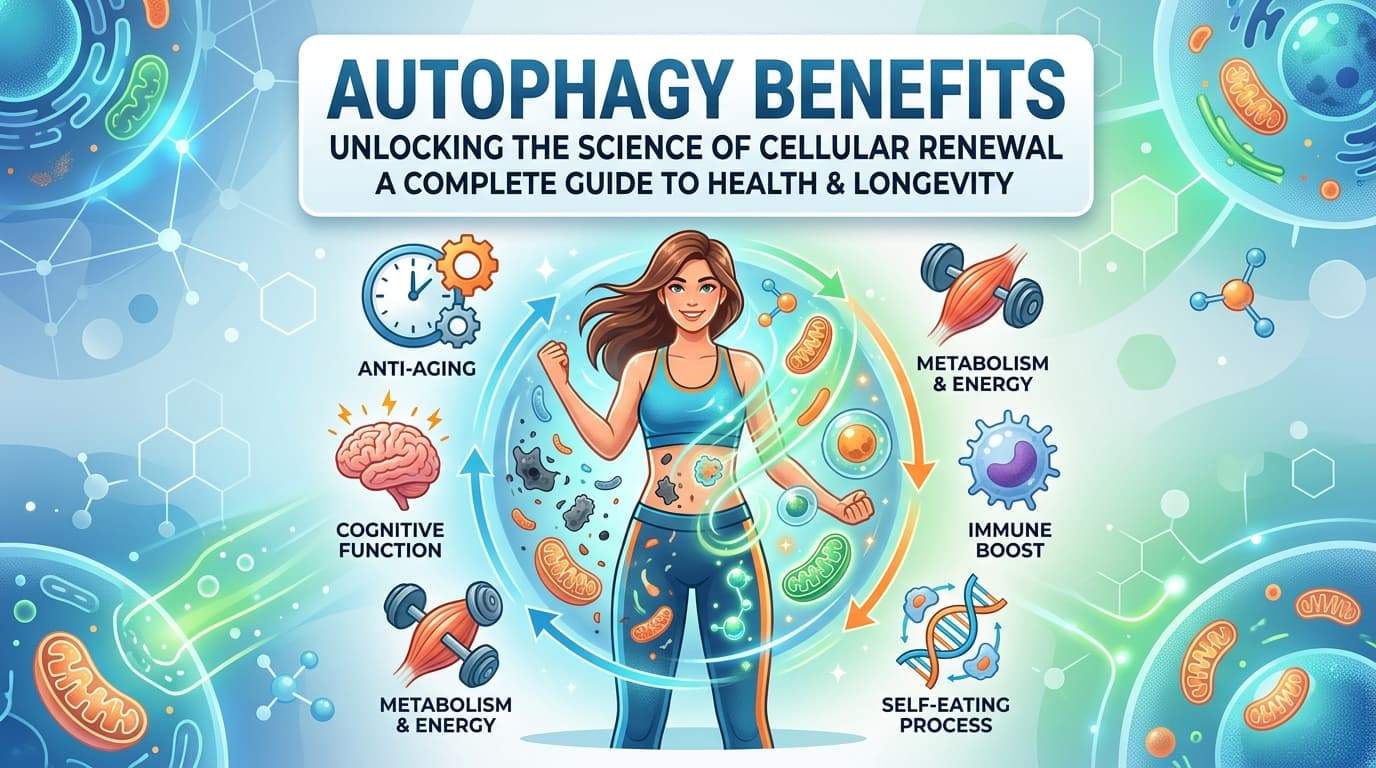
If you are searching for autophagy benefits, you are likely trying to understand how the body’s cellular cleanup and recycling process works, and what habits may help support it naturally. Autophagy is a normal biological process, and certain lifestyle patterns such as fasting intervals, exercise, and sleep regularity may influence it, but the details depend on the person and the context.
This article explains what autophagy is, why people pay attention to it, what is known about possible autophagy benefits, and which natural strategies are commonly discussed in relation to supporting the process. It also covers limitations, safety considerations, and when it is important to speak with a licensed healthcare professional before trying fasting or supplement changes.
What Autophagy Is and Why People Try to Support It
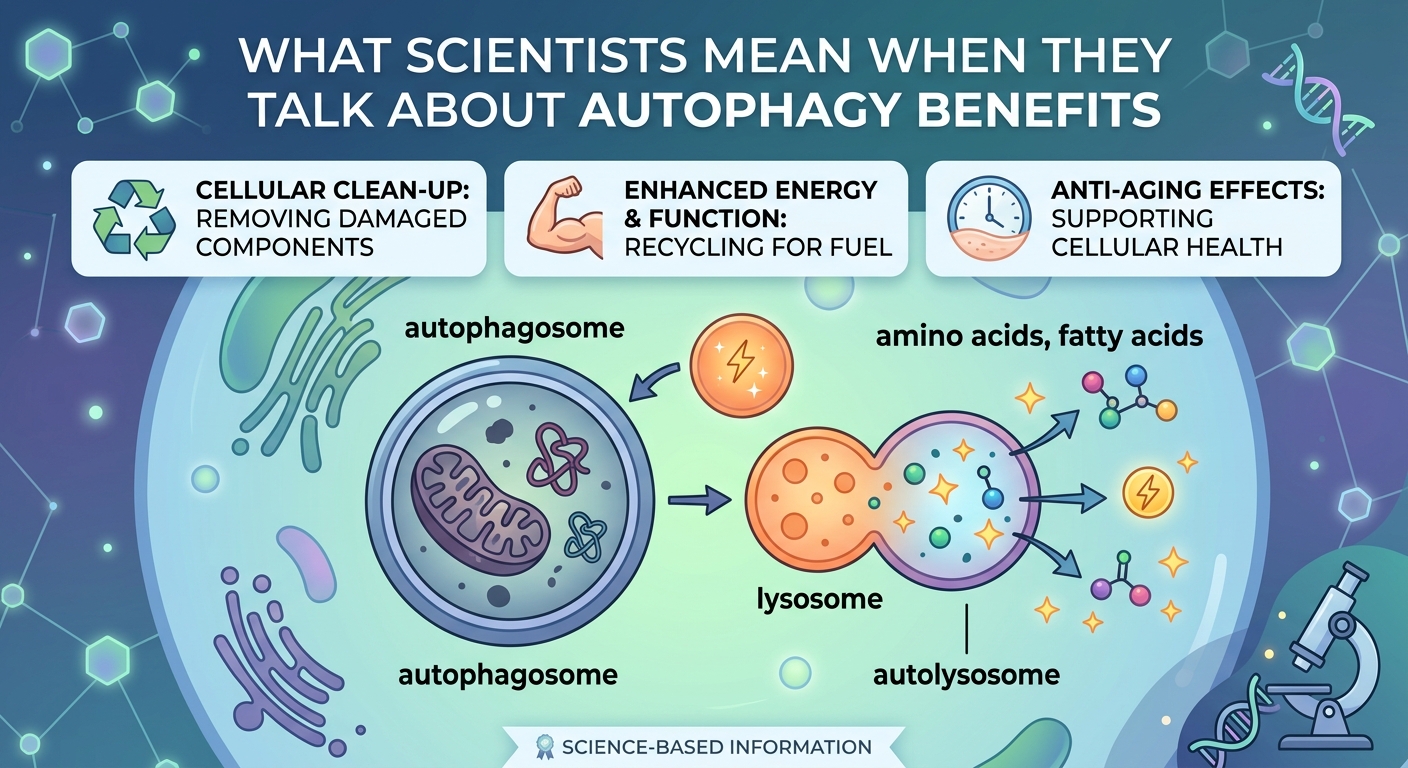
Autophagy is the body’s process of breaking down and recycling damaged or unnecessary cellular components. The word comes from Greek roots that roughly mean “self-eating,” but the process is not harmful in the usual sense; it is a normal part of how cells maintain internal balance. Researchers study autophagy because it appears to play a role in cellular maintenance, stress responses, and adaptation to changing energy demands.
People often search for autophagy benefits because they want to know whether supporting this process may help promote healthy aging, metabolic balance, or overall cellular health. It is understandable to be interested, but it is equally important to keep expectations realistic. Autophagy is a complex biological mechanism, and while it is active in the body all the time, the degree to which any one habit changes it in humans is not always easy to measure.
In practical terms, discussions about autophagy usually center on patterns that shift the body away from constant nutrient availability and toward cellular cleanup and recycling. That is why fasting windows, exercise, calorie balance, and sleep patterns come up so often. These approaches do not “turn on” autophagy like a switch; rather, they may influence the conditions in which the process becomes more active.
Why autophagy gets so much attention
Autophagy is closely associated with how cells respond to stress, repair damage, and conserve resources. That makes it a natural topic for people interested in healthy aging and metabolic wellness. It is also frequently mentioned in discussions of intermittent fasting, low-carbohydrate eating patterns, and exercise recovery.
At the same time, a lot of online content oversimplifies the subject. Autophagy is not a magic reset button, and more is not always better. Too much emphasis on fasting or restriction can lead to fatigue, nutrient shortfalls, or unsafe behavior in people who are not good candidates for these approaches.
What Scientists Mean When They Talk About Autophagy Benefits
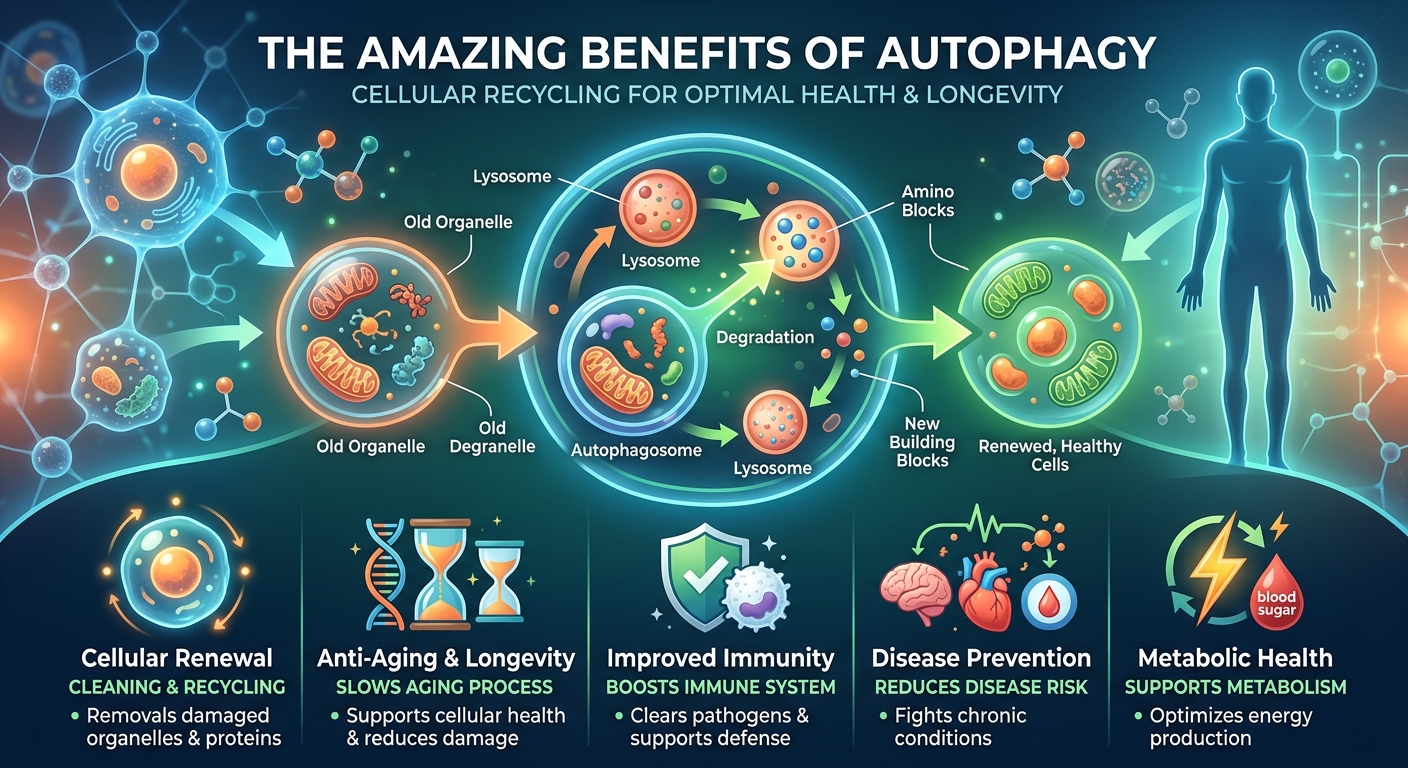
The phrase autophagy benefits is often used broadly, but in scientific and clinical settings the conversation is more nuanced. Researchers are interested in how autophagy may support cell maintenance, help remove worn-out cellular parts, and adapt cells to stress. These are biologic functions, not direct promises of a specific health outcome.
Some studies suggest that autophagy may be involved in healthy metabolic responses, tissue maintenance, and the way cells respond to periods of limited nutrient intake. That does not mean a person should pursue aggressive fasting or assume that more autophagy will always produce better results. In biology, balance matters more than maximizing one pathway at all costs.
It is also worth separating scientific interest from marketing language. Products and programs sometimes imply that autophagy can lead to dramatic detoxification, rapid fat loss, or disease reversal. Those claims are not appropriate to rely on. For most readers, the useful takeaway is that certain lifestyle habits may support normal cellular housekeeping, which is one piece of a larger picture of health.
Possible areas of interest in research
Researchers continue to study autophagy in relation to aging biology, insulin signaling, exercise adaptation, and cellular stress responses. That research is interesting, but it is still an evolving area. The presence of a biological mechanism does not automatically translate into a proven consumer recommendation.
For that reason, a cautious and practical approach is best. Instead of trying to “force” autophagy, it is usually wiser to support overall metabolic health through sustainable habits, adequate nutrition, regular movement, and good sleep.
| Topic | What it usually means | Practical takeaway |
|---|---|---|
| Cellular cleanup | Removal and recycling of worn or damaged cellular parts | Part of normal cell maintenance |
| Nutrient stress | Lower availability of energy or nutrients for a period of time | May influence autophagy-related pathways |
| Exercise stress | Temporary demand placed on muscles and metabolism | Can support healthy cellular adaptation |
| Sleep and recovery | Time for repair processes and metabolic regulation | Supports the body’s overall balance |
How to Trigger Autophagy Naturally: The Main Approaches
There is no guaranteed way to “trigger” autophagy on demand, but several natural strategies are commonly discussed because they may influence the pathways involved. The most talked-about methods include fasting intervals, exercise, sleep consistency, and avoiding constant overfeeding. Each of these may affect the body differently, and none should be approached as a one-size-fits-all protocol.
The best way to think about these strategies is as supportive inputs rather than direct commands to the body. They may create a physiologic environment in which autophagy-related activity becomes more prominent. However, the effect depends on age, energy intake, training status, sleep quality, medication use, and other health factors.
1. Time-restricted eating and fasting intervals
One of the most common natural approaches is time-restricted eating, sometimes called intermittent fasting. This usually means eating within a daily window and fasting for a longer overnight period. The idea is that extending the time between meals may reduce continuous nutrient signaling and give the body a chance to shift into maintenance modes.
That said, the amount of fasting needed to meaningfully affect autophagy in humans is not well defined in a way that can be personalized for everyone. Online advice often treats fasting as universally beneficial, but that is not accurate. Some people tolerate fasting well, while others experience headaches, irritability, low energy, sleep disruption, or overeating later in the day.
2. Regular exercise
Exercise is another natural habit often linked with autophagy research. Physical activity creates temporary metabolic stress, and the body adapts by improving its capacity to handle future demand. Both endurance and resistance exercise may influence pathways related to cellular repair and adaptation, although the exact effect varies by type, intensity, and duration.
A practical point is that you do not need extreme training to support overall health. Moderate, consistent movement is often more sustainable and less risky than dramatic exercise spikes. If you are new to exercise, have joint issues, heart disease, or blood sugar concerns, it is wise to get medical guidance before making large changes.
3. Sleep regularity and recovery
Sleep is often overlooked in conversations about autophagy, but it matters because repair and maintenance processes are coordinated across the day-night cycle. Poor sleep can affect appetite hormones, stress responses, and energy regulation, all of which may indirectly influence the environment in which autophagy-related pathways operate.
Prioritizing a consistent sleep schedule is not a fast track to measurable autophagy changes, but it is a sensible foundation. If someone is fasting aggressively while sleeping poorly, the overall stress on the body may outweigh any theoretical benefits of trying to extend the fasting window.
4. Avoiding constant grazing
Constant snacking may keep nutrient-sensing pathways active throughout the day. Some people find that eating at structured times helps them feel more stable and satisfied, while others do better with more flexible patterns. The point is not to avoid food for its own sake, but to recognize that the body responds differently when meals are spaced out.
This is one reason meal timing gets linked to autophagy benefits. It may allow longer low-nutrient intervals between meals. Still, this should be done in a way that preserves adequate nutrition and supports normal daily functioning.
| Natural strategy | Why people use it | Key caution |
|---|---|---|
| Time-restricted eating | May create longer fasting intervals | Not appropriate for everyone |
| Exercise | Creates healthy metabolic stress | Overtraining can be counterproductive |
| Adequate sleep | Supports recovery and regulation | Sleep loss can increase stress and appetite |
| Structured meal timing | Reduces constant eating | Needs to fit nutrition needs and lifestyle |
Foods, Nutrients, and Dietary Patterns That May Support Autophagy-Related Pathways
There is no single food that reliably “activates” autophagy in a guaranteed way. Instead, the broader diet pattern matters because nutrient balance, calorie intake, and meal timing all influence how the body senses energy availability. Certain dietary patterns are often discussed because they may support metabolic health and reduce constant nutrient signaling.
For most people, the safest and most useful approach is not extreme restriction, but a consistent pattern of whole foods, adequate protein, and enough micronutrients to avoid deficiency. The body cannot maintain normal cellular processes well if it is chronically underfed or lacking key nutrients.
Foods commonly associated with supportive patterns
People often focus on foods that fit into lower-glycemic, minimally processed eating patterns. These may include vegetables, legumes, nuts, seeds, eggs, fish, yogurt, lean meats, and whole grains depending on the individual’s dietary preferences and medical needs. The benefit here is not that one food forces autophagy, but that overall dietary quality supports stable metabolism.
Some compounds found in foods, such as polyphenols, are also discussed in research on cellular stress responses. However, it would be misleading to claim that a particular tea, berry, or spice “triggers” autophagy in a clinically proven way. It is better to view these foods as part of an overall nutrient-rich pattern.
Why adequate protein still matters
People sometimes assume that maximizing fasting and minimizing protein will automatically be better for autophagy. That thinking can be risky if it leads to chronic undernutrition. Protein is essential for tissue maintenance, immune function, and muscle preservation, especially as people age or become less active.
A balanced approach usually works better than extremes. If you are trying to support long-term health, it is important to eat enough protein for your stage of life, activity level, and health goals. If you are unsure how much is appropriate, a registered dietitian or physician can help interpret your needs.
| Dietary factor | How it may relate | Practical note |
|---|---|---|
| Whole-food pattern | Supports metabolic health and nutrient adequacy | Usually more sustainable than extremes |
| Meal timing | May influence fasting intervals | Should not compromise nutrition |
| Protein adequacy | Supports maintenance and recovery | Important for older adults and active people |
| Micronutrient sufficiency | Supports normal cell function | Food first is usually the best foundation |
Who May Be More Interested in Autophagy and Who Should Be Cautious
Interest in autophagy often comes from people focused on healthy aging, metabolic wellness, or structured eating patterns. That curiosity is understandable. But the same habits that may appeal to one person can be inappropriate for another, especially if there is a history of disordered eating, low body weight, diabetes, pregnancy, or a medical condition that changes nutritional needs.
Before trying fasting or a restrictive eating pattern to support autophagy benefits, it helps to think about whether the approach fits your current health situation. A habit that is mild and manageable for one adult may be too stressful for someone else. Personal context matters more than trends.
People who may need extra caution
Extra caution is especially important for pregnant or breastfeeding people, adolescents, older adults with frailty risk, people with a history of eating disorders, and anyone with diabetes or blood sugar instability. Fasting can also be tricky for people who take insulin, sulfonylureas, blood pressure medications, or other prescription drugs that can interact with meal timing.
If you have a chronic condition, abnormal lab results, or symptoms that are not explained, it is better to ask a clinician before attempting to influence autophagy through fasting. This is not because the topic is forbidden; it is because the safest approach depends on your overall health picture.
People who may want a more conservative approach
Some readers simply do better with a gentle, non-restrictive plan. That might mean avoiding late-night heavy eating, keeping meals consistent, walking regularly, sleeping enough, and focusing on food quality instead of fasting length. You do not need an aggressive strategy to support overall health.
For many people, consistency beats intensity. A sustainable routine is usually more valuable than a short-lived protocol that causes fatigue, irritability, or social disruption.
Practical Ways to Support Autophagy Without Going to Extremes
If your goal is to encourage the body’s natural maintenance processes, the most practical approach is a steady routine that supports metabolic health. That generally means allowing periods without eating, moving the body regularly, and avoiding chronic overnutrition. The key is to do this in a way that still meets your nutritional needs and preserves your energy.
Below are supportive habits that are commonly discussed in relation to autophagy benefits, but should be viewed as part of a bigger picture. No single habit is sufficient on its own. The goal is balance, not obsession.
- Keep meals structured enough to avoid constant grazing, while still eating enough to meet your needs.
- Choose a fasting window that feels manageable rather than extreme.
- Include regular physical activity, such as walking, resistance training, or another tolerated form of exercise.
- Prioritize sleep consistency and recovery rather than pushing through chronic fatigue.
- Avoid long periods of under-eating if you are losing weight unintentionally or feeling weak.
What “natural” should and should not mean
In this context, “natural” should mean reasonable, sustainable habits that support the body’s own regulation systems. It should not mean ignoring medical advice, skipping necessary medications, or using severe fasting as a shortcut. Natural approaches can still be risky if they are too restrictive or poorly matched to your health status.
If you are using a supplement stack, detox protocol, or online fasting plan, it is worth asking whether it is evidence-informed and nutritionally sound. A cautious plan is more likely to be helpful than a dramatic one.
Supplements Commonly Associated With Autophagy Discussions
Some supplements are marketed as if they can support autophagy directly, but the evidence is usually limited, indirect, or preclinical. It is important not to assume that a supplement with a “cellular health” label has proven human benefits. In many cases, the supplement is being discussed because it may affect metabolism, stress response pathways, or nutrient status, not because it has been shown to create reliable autophagy benefits in everyday use.
For U.S. readers, the safest perspective is to treat supplements as optional tools rather than necessary solutions. Food, sleep, movement, and medical supervision matter more. If you are considering a supplement, discuss it with a pharmacist or licensed clinician, especially if you take medication or have an underlying condition.
| Supplement | Why it comes up | Safety note |
|---|---|---|
| NAD+ precursors | Discussed in aging and cellular energy contexts | Evidence is still evolving; check medication and condition fit |
| Polyphenol supplements | Linked to antioxidant and stress-response pathways | Can interact with medications or cause GI upset |
| Magnesium | Supports sleep and general physiology | Not an autophagy trigger; excessive intake can cause diarrhea |
| Electrolytes | Used during fasting by some people | Not appropriate in all cases, especially with kidney or heart issues |
Why supplements are not the main strategy
Supplements cannot replace the foundational factors that influence autophagy-related pathways, such as nutrition timing, exercise, and sleep. They also vary in quality and may have different ingredient forms, dosages, and excipients. In the U.S., supplements are regulated differently from prescription drugs, so label claims should be read carefully.
If a product sounds like a shortcut to cellular renewal, be skeptical. A supplement may support general wellness, but that is not the same as proving it meaningfully changes autophagy in a way that matters for health outcomes.
General Dosage Framing, Timing, and Absorption Considerations
Because this article is about natural ways to support autophagy, there is no single dose to recommend. The most relevant “dosage” concept is the duration of the eating and fasting window, along with the consistency of your movement and sleep habits. For supplements, dosing should be individualized by a licensed healthcare professional or per the product label when appropriate.
Timing matters because the body responds differently when nutrients are coming in constantly versus when there are longer gaps between meals. That said, more fasting is not automatically better. If fasting disrupts sleep, concentration, mood, or medication schedules, it may not be the right strategy.
Absorption and timing basics
If you do take supplements, some are better absorbed with food and some without. Fat-soluble nutrients generally require dietary fat for absorption, while certain minerals can compete with one another if taken at the same time. The label may provide general guidance, but individual circumstances matter.
For people trying to preserve a fasting window, even small exposures such as flavored drinks, calorie-containing beverages, or certain gummies may break the intended fast. Whether that matters depends on the goal. If the goal is simply appetite control or meal structure, the rules may be different than if the goal is a stricter fasting pattern.
General guidance for timing decisions
- Choose a meal schedule you can maintain consistently.
- Avoid starting with the longest fasting window you can imagine.
- Take supplements according to label instructions or professional advice.
- Be cautious with supplements that can affect blood sugar, blood pressure, sleep, or bleeding risk.
Side Effects, Contraindications, and Medication Interactions
Any strategy aimed at supporting autophagy should be judged not only by its theory, but also by how well it fits your safety profile. Fasting and supplement use can both have side effects or interactions. Even if the approach is common online, it may still be inappropriate for certain people.
This is especially important if you take prescription medication. Meal timing changes can alter how a person feels on medication, and some supplements can affect absorption, blood pressure, blood sugar, liver enzymes, or bleeding risk. A pharmacist is often a helpful resource for interaction screening.
Possible side effects of fasting-based approaches
Common issues include headaches, irritability, lightheadedness, constipation, low energy, and rebound overeating. Some people also notice poor sleep or difficulty concentrating. If a fasting window regularly causes symptoms that interfere with daily life, it is a sign to shorten the window, modify the plan, or stop altogether.
People with a history of hypoglycemia, migraines, gallbladder issues, or eating disorders may be especially vulnerable to problems. Fasting is not a neutral intervention for everyone, and the risks can outweigh the theoretical benefits.
Medication interactions to consider
Fasting may be problematic for people using insulin or other glucose-lowering drugs because meals help match medication action to blood sugar needs. Blood pressure medications, diuretics, anticoagulants, and certain psychiatric medications may also require more careful planning. Some supplements discussed in autophagy circles can interact with medications as well.
For example, magnesium, fiber, herbal extracts, and certain polyphenol supplements can affect absorption or cause gastrointestinal side effects. The details depend on the product, the dose, and the medication involved. Never assume a supplement is interaction-free just because it is sold over the counter.
Common Mistakes People Make When Trying to Support Autophagy
Many of the mistakes around autophagy come from overconfidence and oversimplification. Because the topic sounds biologically sophisticated, it is easy to assume that more restriction or more supplements will produce better results. In reality, the body needs balance and consistency, not constant stress.
One of the most common errors is focusing on a fasting protocol while ignoring basic nutrition. Another is using the concept of autophagy to justify skipping meals despite fatigue, illness, or a poor relationship with food. A third is relying on supplement marketing instead of asking whether the approach is actually needed.
- Treating autophagy like a switch that can be turned on instantly.
- Assuming longer fasting is always better.
- Ignoring hydration, sleep, and exercise while focusing only on meal timing.
- Using supplements as a substitute for a balanced diet.
- Continuing a fasting plan despite dizziness, weakness, or mood changes.
- Copying someone else’s protocol without considering medications or medical history.
Why “more” is not automatically better
Autophagy is a normal maintenance process, but the body also needs energy, protein, micronutrients, and recovery time. A plan that creates too much stress can undermine the very goals it claims to support. In many cases, moderate habits are more effective and sustainable than aggressive ones.
If you want a practical rule, aim for a plan you can repeat without feeling unwell. Sustainability is a real health variable, not a compromise.
Myths and Misconceptions About Autophagy
Autophagy has become a popular term online, and that popularity has produced a lot of misinformation. Some of the claims are exaggerated, while others are based on real science that has been stretched far beyond what the evidence supports. Being able to separate the two is essential if you want to make sensible decisions.
The biggest myth is that autophagy is a cure-all. Another is that a special supplement or fasting window will produce the same result in every person. These ideas are not supported by how biology works.
| Myth | Reality |
|---|---|
| “Autophagy can be switched on instantly.” | It is a dynamic process that varies with context and cannot be precisely controlled by one habit. |
| “Longer fasting is always healthier.” | Excessive fasting can create risks and may be inappropriate for some people. |
| “A supplement can reliably trigger autophagy.” | Most supplement claims are indirect, preliminary, or not proven in everyday human use. |
| “If a little fasting is good, a lot is better.” | More stress is not always beneficial; balance matters. |
When to Talk With a Healthcare Professional
It is sensible to speak with a licensed healthcare professional before making major changes if you have a medical condition, take medications, or are unsure whether fasting is appropriate. This is especially true if your goal is to support autophagy benefits but you also have symptoms such as unexplained weight loss, fatigue, dizziness, digestive changes, or blood sugar swings. Those symptoms may need evaluation rather than a fasting experiment.
A clinician can help determine whether your eating pattern is reasonable, whether a supplement might interact with a medication, and whether any lab work or nutrition assessment is appropriate. In many cases, the safest advice is not to chase autophagy directly, but to improve the health foundations that support it indirectly.
Situations that warrant extra caution
- Pregnancy or breastfeeding
- Diabetes or prediabetes with medication use
- History of eating disorders
- Kidney, liver, heart, or gallbladder disease
- Older age with frailty or unintentional weight loss
- Use of multiple prescription medications or supplements
- Abnormal lab values or unexplained symptoms
Frequently Asked Questions
How do you trigger autophagy naturally?
The most commonly discussed natural approaches are time-restricted eating, regular exercise, adequate sleep, and avoiding constant overfeeding. These may support the conditions in which autophagy-related pathways are active, but they do not guarantee a specific result. The safest approach is to focus on sustainable habits rather than aggressive fasting.
What are the real autophagy benefits?
Autophagy is a normal cellular maintenance process that helps cells recycle damaged or unnecessary components. Researchers study it for possible roles in healthy aging, metabolic balance, and cellular stress responses. However, it should not be viewed as a guaranteed way to improve health outcomes.
Does fasting always increase autophagy?
Fasting is commonly associated with autophagy research, but the degree of effect in humans is not precisely defined for everyone. Factors such as age, activity level, medication use, sleep, and overall nutrition all matter. Fasting may not be appropriate if it causes symptoms or conflicts with your medical needs.
Can supplements trigger autophagy?
Most supplements discussed in this context have indirect or preliminary evidence at best. They may support general health, nutrient status, or cellular pathways, but they are not proven to reliably trigger autophagy in everyday human use. Always check for medication interactions and speak with a healthcare professional before starting anything new.
How long do you need to fast for autophagy?
There is no universally established fasting length that works for everyone. Online advice often gives exact numbers, but human biology is more variable than that. If you are considering fasting, start conservatively and ask a clinician whether it is suitable for your situation.
Is autophagy good for everyone?
No single strategy is good for everyone. People with diabetes, eating disorder history, pregnancy, breastfeeding, frailty, or certain medications may need to avoid fasting or use only carefully supervised approaches. The safest plan depends on your health status and nutrition needs.
What should I eat after fasting?
A balanced meal with protein, fiber, and fluids is often a sensible way to break a fast. Large, very heavy meals can feel uncomfortable for some people. If you have blood sugar issues or a medical condition, ask a healthcare professional for individualized guidance.
Can autophagy help with weight loss?
Autophagy is not a weight-loss program, and it should not be framed that way. Some fasting patterns may change calorie intake, which can affect weight, but that is different from proving a direct autophagy benefit. Weight-related goals are best discussed with a qualified professional.
Conclusion
If you are interested in autophagy benefits, the most reasonable takeaway is that autophagy is a normal, essential cellular process, and certain natural habits may support the conditions in which it functions. Time-restricted eating, exercise, sleep, and overall dietary quality are the main lifestyle strategies commonly discussed, but none of them should be treated as a universal prescription.
The safest and most effective approach is usually to build a sustainable routine that supports metabolic health without creating unnecessary stress. Avoid extreme fasting, be cautious with supplements, and pay attention to medications, symptoms, and medical history. If you are considering a fasting plan or supplement use, especially with a chronic condition or prescription medication, a licensed healthcare professional can help you decide what is appropriate for you.