
vitamine -
Methylcobalamin vs Cyanocobalamin
The best B12 supplement for you depends on individual factors like genetics, health status, and cost, with no single form being universally superior. Methylcobalamin is a naturally occurring, active form of B12, while cyanocobalamin is a stable, synthetic version that the body mu
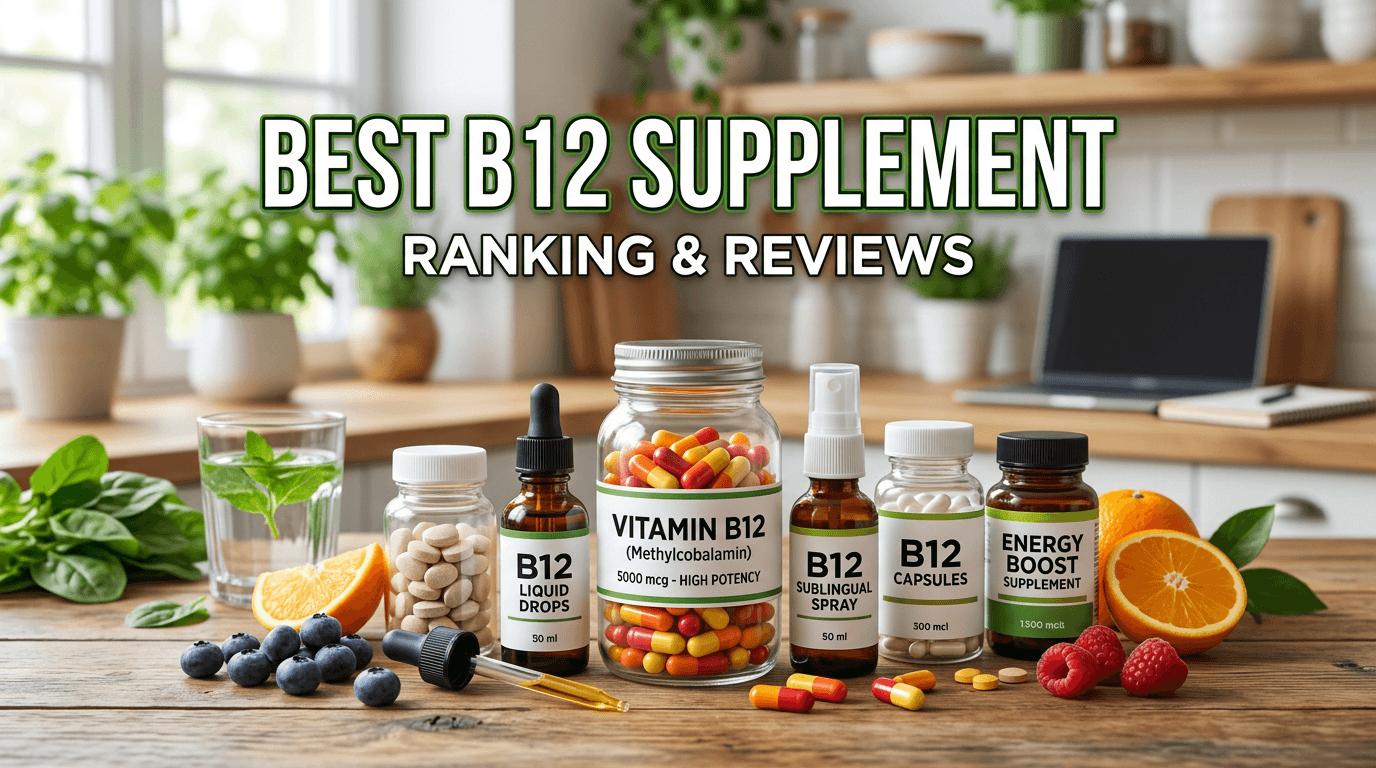
The best B12 supplement for you depends on individual factors like genetics, health status, and cost, with no single form being universally superior. Methylcobalamin is a naturally occurring, active form of B12, while cyanocobalamin is a stable, synthetic version that the body must convert to become active. While cyanocobalamin is effective and well-researched for correcting general deficiency, methylcobalamin may offer advantages for individuals with specific metabolic needs or genetic variations.
Understanding the nuances between these two popular forms of vitamin B12 is crucial for making an informed decision about supplementation. Vitamin B12 is not a single molecule but a family of related compounds, and the type you choose can influence how your body uses it. This article provides a detailed, evidence-based comparison of methylcobalamin and cyanocobalamin, exploring their chemical structures, how they are absorbed and utilized, their specific roles in the body, and potential benefits for different individuals. We will also cover other important B12 forms, dosage considerations, safety, and a practical framework for choosing the right supplement in consultation with your healthcare provider.
What Is Vitamin B12 and Why Is It Essential?

Vitamin B12, also known as cobalamin, is a water-soluble vitamin that plays a vital and indispensable role in human health. Unlike many other vitamins, B12 is not produced by plants or animals; it is synthesized by certain bacteria and archaea. The body requires it for several fundamental processes, including the proper functioning of the nervous system, the formation of healthy red blood cells, and the synthesis of DNA, the genetic material in all cells.
One of B12's most critical functions is its role in maintaining the health of nerve cells. It is a key component in the synthesis and maintenance of the myelin sheath, a protective fatty layer that insulates nerves and allows for rapid and efficient transmission of electrical signals. Without adequate B12, this sheath can degrade, leading to a range of neurological symptoms. Furthermore, B12 is a necessary cofactor for the enzyme methionine synthase, which converts the amino acid homocysteine into methionine. This process is not only crucial for producing proteins and other essential compounds but also for regulating homocysteine levels. Elevated homocysteine is a recognized risk factor for cardiovascular issues.
In the bone marrow, vitamin B12 works in close partnership with folate (vitamin B9) to support the production of red blood cells. A deficiency in B12 can disrupt this process, leading to the production of large, immature, and ineffective red blood cells, a condition known as megaloblastic anemia. This can result in fatigue, weakness, and shortness of breath due to the blood's reduced oxygen-carrying capacity. B12 is also involved in cellular energy metabolism, though it is not an "energy booster" in the way caffeine is. Instead, it helps convert the food we eat into usable cellular energy, and correcting a deficiency can restore normal energy levels.
Understanding the B12 Family: The Cobalamins
The term "vitamin B12" is often used as a catch-all, but it actually refers to a class of compounds called "cobalamins." All cobalamins share a complex structure centered around a cobalt ion. What distinguishes one type of B12 from another is the small molecule, or ligand, attached to this cobalt ion. This seemingly minor difference has significant implications for the compound's stability, source, and how the body processes it. The four main forms relevant to human health are cyanocobalamin, methylcobalamin, adenosylcobalamin, and hydroxocobalamin.
Methylcobalamin and adenosylcobalamin are the two "active" coenzyme forms of B12. This means the body can use them directly in specific enzymatic reactions without needing to modify them first. Hydroxocobalamin is a natural form produced by bacteria, often found in food sources and widely used for B12 injections. It is considered a precursor form, as the body can readily convert it into both methylcobalamin and adenosylcobalamin. Cyanocobalamin, on the other hand, is a synthetic form that does not occur in nature. It is the most common form used in oral supplements and fortified foods due to its exceptional stability and low cost. However, the body cannot use it directly; it must first be converted into an active form.
| Cobalamin Form | Source | Key Feature | Primary Role / Use |
|---|---|---|---|
| Cyanocobalamin | Synthetic | Highly stable, cost-effective | Most common in oral supplements and fortified foods; requires conversion. |
| Methylcobalamin | Natural, Active | Coenzyme form, no conversion needed for its specific role | Used in homocysteine metabolism and nervous system functions. |
| Adenosylcobalamin | Natural, Active | Coenzyme form, no conversion needed for its specific role | Used in mitochondrial energy metabolism. |
| Hydroxocobalamin | Natural, Precursor | Easily converts to active forms | Commonly used in B12 injections. |
Cyanocobalamin: The Stable, Synthetic Option
Cyanocobalamin is the most widely available and extensively studied form of vitamin B12. It is a man-made form of the vitamin, created in a laboratory setting. Its defining feature is a cyanide molecule attached to the cobalt ion, which makes it remarkably stable and resistant to degradation from heat and light. This stability makes it the ideal choice for food fortification and inclusion in multivitamin tablets, where it needs to coexist with many other ingredients over a long shelf life. However, because it is not a biologically active form, the body must undertake a multi-step process to make it usable.
How Cyanocobalamin is Converted in the Body
When you ingest cyanocobalamin, your body must first remove the cyanide group, a process called decyanation. This step requires specific enzymes and cellular machinery. The released cyanide is present in a minuscule amount, which the body's detoxification systems can typically handle without issue by converting it to thiocyanate and excreting it in urine. For the vast majority of healthy individuals, this is not a concern.
After the cyanide group is removed, the remaining cobalamin molecule is then converted into one of the two active forms: methylcobalamin or adenosylcobalamin. This conversion involves attaching either a methyl group or an adenosyl group. This entire process requires metabolic energy and the presence of other nutrients. While this system works effectively for most people, there is a theoretical concern that individuals with certain health conditions or metabolic inefficiencies may not perform this conversion as effectively, potentially reducing the benefit they receive from cyanocobalamin supplementation.
Pros and Cons of Cyanocobalamin
The choice to use cyanocobalamin in supplements is primarily driven by practical and economic factors. Its long history of use means it has been the subject of thousands of studies demonstrating its effectiveness in correcting B12 deficiency in the general population. Understanding its advantages and disadvantages is key to determining if it's the right choice for you.
- Pros:
- Highly Stable: It has an excellent shelf life and is resistant to degradation, making it reliable in multivitamins and fortified foods.
- Cost-Effective: It is significantly cheaper to produce than other forms of B12, making supplements more affordable and accessible.
- Extensively Studied: A vast body of clinical research supports its efficacy for preventing and treating B12 deficiency in most people.
- Cons:
- Requires Metabolic Conversion: The body must expend energy and resources to convert it into an active form, which may be less efficient for some individuals.
- Not a Natural Form: It is synthetic and not found in nature, which is a concern for consumers seeking natural-source supplements.
- Contains a Cyanide Moiety: Although the amount is generally considered safe, it may be a theoretical concern for people with kidney problems or heavy smokers who have a higher cyanide load to process.
Methylcobalamin: The Active, Natural Form
Methylcobalamin is one of the two naturally occurring, bioactive coenzyme forms of vitamin B12. Unlike cyanocobalamin, it comes ready to work in the body without needing to undergo a conversion process for its specific jobs. Its defining feature is a methyl group (one carbon atom bonded to three hydrogen atoms) attached to the cobalt ion. This form is particularly crucial for the methylation cycle, a fundamental biochemical process that occurs billions of time per second in every cell of the body.
The Role of Methylcobalamin in the Body
Methylcobalamin's primary role is as a cofactor for the enzyme methionine synthase. This enzyme is responsible for converting homocysteine, a potentially harmful amino acid, back into methionine. This reaction is vital for several reasons. First, it helps keep homocysteine levels in a healthy range. Second, methionine is a precursor to S-adenosylmethionine (SAMe), the body's universal methyl donor. SAMe is essential for hundreds of methylation reactions.
Methylation is critical for:
- DNA Synthesis and Repair: Turning genes on and off appropriately.
- Neurotransmitter Production: Synthesizing brain chemicals like serotonin, dopamine, and norepinephrine, which regulate mood, sleep, and focus.
- Detoxification: Processing and eliminating toxins from the body.
- Nervous System Health: Building and maintaining the myelin sheath that protects nerve cells.
Because methylcobalamin directly provides the methyl group needed for this cycle, it is often favored by those looking to support neurological health and healthy homocysteine metabolism.
Absorption and Bioavailability
The term "bioavailability" can be confusing. When it comes to B12, initial absorption from the digestive tract into the bloodstream is similar for both methylcobalamin and cyanocobalamin, provided there are no underlying absorption issues. The key difference appears to be in cellular uptake and retention. Some research suggests that after absorption, the body may retain methylcobalamin for longer periods and in greater amounts compared to cyanocobalamin. Because it is already in an active form, it can be immediately utilized by cells for the methionine synthase reaction, potentially making it a more efficient option for supporting methylation pathways.
Pros and Cons of Methylcobalamin
Methylcobalamin has gained popularity as a premium form of B12, particularly in standalone B12 supplements and B-complex formulas targeted at specific health needs. Its benefits are directly linked to its bioactive nature.
- Pros:
- Bioactive Form: It is ready for the body to use in the methylation cycle without conversion, saving metabolic energy.
- Supports Methylation: Directly donates a methyl group, which is critical for numerous bodily functions, including neurological health.
- Potentially Better Retention: Some studies suggest it may be retained in the body more effectively than cyanocobalamin.
- Cyanide-Free: It is a natural form and does not contain a cyanide molecule, alleviating concerns for certain individuals.
- Cons:
- Less Stable: It is more sensitive to light and heat, which can make it more challenging to formulate and reduce its shelf life.
- More Expensive: The manufacturing process is more costly, which is reflected in the higher price of supplements.
- Less Research for General Deficiency: While its mechanisms are well-understood, there are fewer large-scale clinical trials using methylcobalamin to correct general B12 deficiency compared to the vast body of research on cyanocobalamin.
Head-to-Head Comparison: Methylcobalamin vs. Cyanocobalamin
Choosing between methylcobalamin and cyanocobalamin involves weighing factors like cost, stability, how your body processes them, and your specific health goals. This direct comparison highlights the key distinctions to help you understand the practical differences when looking at a supplement label.
| Factor | Cyanocobalamin | Methylcobalamin |
|---|---|---|
| Source | Synthetic (man-made) | Natural (found in food, active in the body) |
| Stability & Shelf Life | Very high; resistant to heat and light | Lower; sensitive to light |
| Cost | Low | High |
| Conversion Required? | Yes, multi-step process to become active | No, it is already an active coenzyme form |
| Attached Group | A cyano (cyanide) group | A methyl group |
| Primary Body of Research | Extensive clinical trials for correcting general deficiency | Mechanistic studies, research on methylation and neurological support |
| Commonly Used In | Multivitamins, fortified foods, affordable B12 supplements | Standalone B12, B-complexes, sublingual formulas, practitioner-recommended products |
The presence of cyanide in cyanocobalamin is a frequent point of discussion. It is essential to put this into perspective. The amount of cyanide released from a typical supplement dose (e.g., 1000 mcg) of cyanocobalamin is extremely small, estimated to be around 20 micrograms. This is far below the amount considered toxic and is easily managed by the body's detoxification pathways. For context, many common foods, such as almonds, flaxseeds, and spinach, also contain naturally occurring cyanide compounds in small amounts. For the vast majority of healthy people, this is not a health risk. However, for individuals with pre-existing kidney disease who have a reduced ability to clear substances from the body, or for heavy smokers who are already exposed to significant amounts of cyanide, a non-cyano form like methylcobalamin or hydroxocobalamin may be a more prudent choice to discuss with a healthcare provider.
Special Considerations: Who Might Benefit from a Specific Form?
While cyanocobalamin is effective for most people, the "best" B12 supplement is not a one-size-fits-all answer. Certain genetic predispositions, health conditions, and lifestyle factors may make one form of B12 more suitable than another. This is where personalized nutrition, guided by a healthcare professional, becomes important.
Genetic Factors (MTHFR Gene Variations)
The MTHFR gene provides instructions for making an enzyme called methylenetetrahydrofolate reductase. This enzyme is a key player in processing folate, which is intricately linked to the B12 methylation cycle. Some individuals have common genetic variations, or polymorphisms, in the MTHFR gene that can reduce the enzyme's efficiency. This can lead to impairments in the overall methylation process.
For people with certain MTHFR variants, providing a pre-methylated form of B12, like methylcobalamin, is often suggested by functional and integrative medicine practitioners. The logic is that by supplying a B vitamin that is already in its active, methylated state, you are helping to bypass a potential bottleneck in the metabolic pathway. This may provide more direct support for processes like homocysteine regulation and neurotransmitter synthesis. It is crucial to note that having an MTHFR variation does not automatically mean you need a specific supplement. This is a complex area, and any decisions should be based on lab testing (such as homocysteine levels) and discussion with a knowledgeable provider.
Smokers and Individuals with Kidney Impairment
As mentioned earlier, two groups may want to be more cautious with cyanocobalamin. Smokers are exposed to cyanide through tobacco smoke, which places an extra burden on their detoxification systems. Using cyanocobalamin adds a small but additional amount of cyanide that the body needs to process. For this reason, some experts suggest that smokers may benefit more from methylcobalamin or hydroxocobalamin.
Similarly, individuals with impaired kidney function may have a decreased ability to excrete the thiocyanate produced during the detoxification of the cyanide molecule from cyanocobalamin. While the risk from standard supplement doses is likely low, using a non-cyanide form of B12 is a reasonable precaution to avoid any potential accumulation. In clinical settings, hydroxocobalamin is often the preferred injectable form for patients with kidney disease.
General B12 Deficiency Correction
For a healthy individual with a straightforward vitamin B12 deficiency due to dietary insufficiency (such as in vegan or vegetarian diets) or mild age-related decline in absorption, cyanocobalamin is a reliable and well-established choice. Its effectiveness in raising serum B12 levels and correcting the hematological signs of deficiency (like anemia) is supported by decades of research. Its affordability also makes it an accessible option for long-term supplementation.
Targeted Neurological Support
Given methylcobalamin's direct role in synthesizing and maintaining the myelin sheath and its involvement in producing neurotransmitters, it is often the focus of research into neurological health. Some studies have investigated the use of high-dose methylcobalamin for specific peripheral neuropathies and other neurological conditions. While the evidence is still evolving and it is not considered a standalone treatment, its specific mechanism of action makes it a form of interest for those looking to provide targeted support to the nervous system. This approach should always be supervised by a healthcare professional.
What About Adenosylcobalamin and Hydroxocobalamin?
While the market is dominated by cyanocobalamin and methylcobalamin, the other two forms, adenosylcobalamin and hydroxocobalamin, are also important pieces of the B12 puzzle. Understanding their roles provides a more complete picture of B12 metabolism.
Adenosylcobalamin: The Mitochondrial B12
Adenosylcobalamin is the second active coenzyme form of B12 in the body. If methylcobalamin's primary domain is the cell's cytoplasm where methylation occurs, adenosylcobalamin's home is in the mitochondria—the cell's energy factories. Here, it acts as a crucial cofactor for the enzyme methylmalonyl-CoA mutase. This enzyme plays a vital part in the metabolism of certain fats and proteins, helping to convert them into succinyl-CoA, a molecule that can enter the citric acid cycle (Krebs cycle) to generate ATP, the body's main energy currency.
A deficiency in adenosylcobalamin leads to a backup in this pathway, causing a buildup of a substance called methylmalonic acid (MMA). An elevated MMA level in the blood or urine is a highly specific and sensitive marker for vitamin B12 deficiency, sometimes more so than serum B12 levels alone. Since both active forms are necessary, some advanced B12 supplements now offer a combination of both methylcobalamin and adenosylcobalamin to support both the methylation cycle and mitochondrial energy production.
Hydroxocobalamin: The Versatile Precursor
Hydroxocobalamin is a natural form of B12 produced by microorganisms and is the primary form found in many animal-based foods. It is most commonly used in the United States and Europe for B12 injections prescribed by physicians. Its major advantage is that it serves as a direct precursor to both methylcobalamin and adenosylcobalamin, allowing the body to convert it to whichever form is needed.
Studies have shown that after an injection, hydroxocobalamin may remain in the bloodstream for longer than cyanocobalamin, potentially providing a more sustained supply of B12 to the body's tissues. It also has a high affinity for cyanide, which is why very high intravenous doses of hydroxocobalamin are used as an effective antidote for acute cyanide poisoning. While less common in oral supplements than the other forms, its versatility and safety profile make it a preferred choice in many clinical applications.
Dosage, Forms, and How to Take B12 Supplements
Choosing the right form of B12 is only half the battle. Understanding the appropriate dosage, the best delivery method for your needs, and factors that influence absorption is equally important for effective supplementation.
General Dosage Guidelines (RDA vs. Supplemental Doses)
The Recommended Dietary Allowance (RDA) for vitamin B12 for adults in the U.S. is 2.4 micrograms (mcg) per day. This is the amount estimated to meet the needs of most healthy individuals through diet. However, when you look at supplement labels, you'll see doses that are hundreds or even thousands of times higher, such as 500 mcg, 1000 mcg, or even 5000 mcg.
This discrepancy is due to the unique and inefficient way B12 is absorbed. The body has two mechanisms:
- Active Absorption: This relies on a protein called intrinsic factor, which is produced in the stomach. This system can only absorb about 1.5-2 mcg of B12 at a time.
- Passive Diffusion: When large doses of B12 are consumed, a small percentage (about 1%) can be absorbed across the intestinal wall without intrinsic factor.
High-dose supplements rely on this passive diffusion. For example, from a 1000 mcg oral dose, your body might absorb around 10 mcg via passive diffusion, in addition to what it absorbs via intrinsic factor. This is why large doses are necessary to effectively correct a deficiency via oral supplementation.
Different Supplement Formulations
Vitamin B12 is available in several delivery forms, each with its own pros and cons:
- Oral Tablets/Capsules: This is the most common and convenient form. High-dose oral tablets have been shown to be as effective as injections for correcting deficiency in many people, as they leverage the passive diffusion pathway.
- Sublingual Tablets, Lozenges, and Sprays: These are designed to be dissolved under the tongue or sprayed inside the cheek, allowing the B12 to be absorbed directly into the rich network of capillaries there and enter the bloodstream, bypassing the digestive system. This may be beneficial for individuals with severe gastrointestinal absorption issues (e.g., lack of intrinsic factor, Crohn's disease, or post-bariatric surgery). However, for many people, studies have found that high-dose oral tablets are equally effective.
- Injections: Administered by a healthcare professional, B12 injections (intramuscular) deliver the vitamin directly into the muscle tissue. This is the gold standard for treating severe deficiency, pernicious anemia, or significant malabsorption disorders, as it completely bypasses any potential digestive hurdles.
- Nasal Sprays: A prescription option that also bypasses the gut, a nasal spray delivers B12 through the nasal mucosa. It can be an alternative for those who cannot tolerate or self-administer injections.
Safety, Side Effects, and Potential Interactions
Vitamin B12 is widely regarded as one of the safest vitamins to supplement, primarily because it is water-soluble. This means that your body does not store large amounts of it; any excess is typically filtered by the kidneys and excreted in the urine. However, it's still important to be aware of potential side effects and interactions with medications.
Is There an Upper Limit for B12?
The Institute of Medicine (now the National Academy of Medicine) has not established a Tolerable Upper Intake Level (UL) for vitamin B12. A UL is the maximum daily intake unlikely to cause adverse health effects. The lack of a UL for B12 is due to its extremely low potential for toxicity. Even at very high doses, serious adverse effects have not been reported in healthy individuals. That said, this does not mean that "more is always better." Taking unnecessarily high mega-doses is generally not beneficial and may, in rare cases, lead to minor side effects.
Potential Side Effects
Side effects from B12 supplementation are uncommon. When they do occur, they are typically mild and may include:
- Feelings of anxiety or jitteriness
- Headache
- Nausea or mild digestive upset
- Acne-like skin breakouts (this is a rare reaction sometimes reported with very high doses)
True allergic reactions, particularly to injections, are possible but very rare. They can be caused by the B12 molecule itself or by preservatives in the injection solution.
Medication and Nutrient Interactions
Certain medications can interfere with the absorption or metabolism of vitamin B12, potentially increasing the risk of deficiency over time. It's crucial to discuss your medications with your doctor or pharmacist.
Medications that can lower B12 levels include:
- Metformin: A common medication for type 2 diabetes, long-term use is strongly associated with reduced B12 absorption.
- Proton Pump Inhibitors (PPIs) and H2 Blockers: Medications like omeprazole, lansoprazole, and famotidine reduce stomach acid, which is necessary to release B12 from food.
- Certain Antibiotics and Anticonvulsants: Long-term use of some of these drugs can affect B12 levels.
Nutrient Interactions to be aware of:
- Folate (Vitamin B9): B12 and folate work together closely. A high intake of folic acid (the synthetic form of folate) can mask a B12 deficiency. It can correct the megaloblastic anemia but will not stop the progressive, and potentially irreversible, neurological damage caused by B12 deficiency. This is why it's critical not to take high-dose folic acid without knowing your B12 status.
- Vitamin C: Taking very large doses of vitamin C at the exact same time as a B12 supplement might slightly reduce the amount of B12 that is available for absorption. To be safe, it is often recommended to separate intake of these two supplements by at least two hours.
How to Choose the Best B12 Supplement for You
Navigating the supplement aisle can be overwhelming. By combining the information in this article with guidance from a healthcare professional, you can create a logical approach to selecting the right B12 supplement for your unique needs.
Here is a step-by-step framework to guide your decision-making process:
- Step 1: Assess Your Need and Consult a Professional. Before starting any supplement, talk to your doctor. Do you fall into a high-risk group for deficiency? (e.g., vegan/vegetarian, over 50, digestive conditions, taking interfering medications). Do you have symptoms like persistent fatigue, tingling in your hands or feet, or cognitive fogginess? This initial consultation is the most important step.
- Step 2: Get Tested. If a deficiency is suspected, your doctor can order blood tests. A standard panel may include serum B12, but for a more accurate picture, they might also test for methylmalonic acid (MMA) and homocysteine. These tests will confirm if a deficiency exists and help determine its severity, which will guide the treatment plan.
-
Step 3: Consider Your Individual Health Profile.
Based on your lab results and health history, you and your provider can select the most appropriate form:
- For general deficiency prevention or correction in an otherwise healthy person, cyanocobalamin is a scientifically-backed, effective, and economical choice.
- If you have known methylation concerns (like MTHFR variants), a personal or family history of high homocysteine, or are seeking targeted neurological support, methylcobalamin is a logical form to discuss with your provider.
- If your provider suspects issues with both methylation and energy pathways, a combination supplement with both methylcobalamin and adenosylcobalamin might be considered.
- For severe deficiency, pernicious anemia, or significant malabsorption issues, your doctor will almost certainly prescribe B12 injections (usually hydroxocobalamin or cyanocobalamin).
- Step 4: Choose a Formulation and Check for Quality. Decide between an oral tablet, sublingual, or other form based on your absorptive capacity and your doctor's recommendation. Once you've chosen a form, select a product from a reputable brand that follows Good Manufacturing Practices (GMP). Look for evidence of third-party testing from organizations like NSF International, USP, or ConsumerLab.com, which verifies that the product contains what the label says and is free from contaminants.
Frequently Asked Questions
Which B12 form is best for vegans?
Both cyanocobalamin and methylcobalamin are effective for vegans, as they are not derived from animal sources. Cyanocobalamin is a reliable and affordable choice for preventing deficiency. Some vegans prefer methylcobalamin as it is a "natural" and active form, but either will work effectively to maintain healthy B12 levels.
Can I get too much B12 from a supplement?
It is very difficult to get too much vitamin B12. There is no established Tolerable Upper Intake Level (UL) because of its low toxicity. Your body excretes any excess B12 in the urine. However, extremely high doses are unnecessary and may cause minor side effects like anxiety or skin issues in rare cases.
Is cyanocobalamin toxic because of the cyanide?
No, the amount of cyanide in a standard dose of cyanocobalamin is minuscule and not considered toxic for healthy individuals. The body's natural detoxification systems easily process and excrete it. The only potential concern is for those with severe kidney impairment or heavy smokers, who might consider a different form.
What's better, sublingual B12 or a pill?
For many people, high-dose oral pills are just as effective as sublingual forms for raising B12 levels. Sublinguals, which are absorbed under the tongue, may offer an advantage for individuals with gastrointestinal conditions that impair B12 absorption from the gut, but research shows both are viable options for most.
Does B12 give you energy?
Vitamin B12 does not provide a direct jolt of energy like caffeine. Instead, it is essential for the cellular processes that convert food into usable energy. If you are deficient in B12, correcting that deficiency can restore normal energy levels and alleviate fatigue, making it feel like an energy boost.
Why does my multivitamin use cyanocobalamin?
Multivitamins almost always use cyanocobalamin because of its exceptional stability and lower cost. A multivitamin contains dozens of ingredients that can interact, and cyanocobalamin's resilience ensures the B12 remains potent throughout the product's shelf life. Methylcobalamin is less stable and more likely to degrade in such a complex formula.
How long does it take for a B12 supplement to work?
The time it takes to feel the effects of B12 supplementation depends on the severity of the deficiency and the form used. Some people with mild deficiency may notice improvements in energy and mood within a few weeks. For those with severe deficiency and neurological symptoms, it can take several months to replenish stores and for symptoms to improve.
Can I take methylcobalamin and adenosylcobalamin together?
Yes, you can take them together. In fact, some supplements are formulated with a combination of both methylcobalamin and adenosylcobalamin. This approach provides the body with both active coenzyme forms to support methylation and mitochondrial energy production simultaneously.
Conclusion: Making an Informed Choice
The debate between methylcobalamin and cyanocobalamin does not have a single, universal winner. The "best" vitamin B12 supplement is the one that aligns with your specific biology, health needs, and budget. For many people, the time-tested, affordable, and highly stable cyanocobalamin is a perfectly effective option for preventing and correcting a simple dietary deficiency. Its efficacy is backed by decades of solid scientific research.
Methylcobalamin, along with its counterpart adenosylcobalamin, offers a more targeted, bioactive approach. It provides a direct-acting form that bypasses the body's conversion steps, making it a theoretically superior choice for individuals with known methylation issues, certain genetic variations, or specific neurological health goals. While more expensive and less stable, its role as a direct methyl donor is a compelling advantage in specific contexts.
Ultimately, navigating your nutritional health should not be a solo journey. The most responsible and effective path forward begins with a conversation with a licensed healthcare professional. Through proper testing and a thorough understanding of your health history, you can work together to determine not only if you need a B12 supplement, but also which form, dose, and delivery method will serve your body best. An informed choice is always the best choice.