
vitamine -
Calcium Without Supplements: Best Food Sources
The best calcium-rich foods for building a strong, healthy body include dairy products like milk, yogurt, and cheese, as well as a wide array of non-dairy options such as fortified plant milks, leafy greens like kale and collard greens, calcium-set tofu, and canned fish with edib
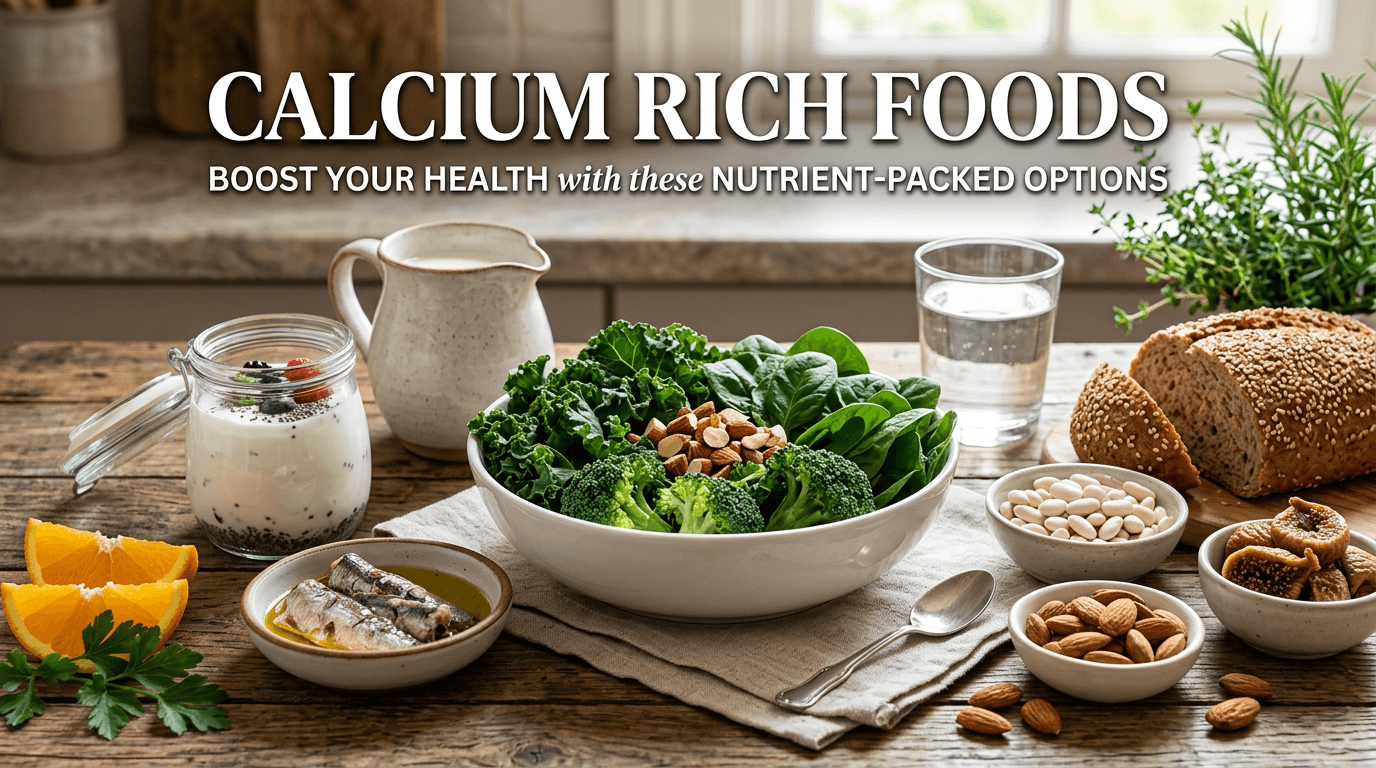
The best calcium-rich foods for building a strong, healthy body include dairy products like milk, yogurt, and cheese, as well as a wide array of non-dairy options such as fortified plant milks, leafy greens like kale and collard greens, calcium-set tofu, and canned fish with edible bones. Relying on a varied diet is often considered the ideal strategy for meeting your daily calcium needs without resorting to supplements, as whole foods provide a complex package of nutrients that work together synergistically.
Calcium is a vital mineral, famous for its role in building and maintaining strong bones and teeth. However, its importance extends far beyond the skeletal system, playing a critical part in muscle function, nerve signaling, and cardiovascular health. While supplements are a popular option, many people prefer a "food-first" approach. This comprehensive guide will explore the best dietary sources of calcium, explain how your body absorbs it, and provide practical tips for planning a diet rich in this essential nutrient. We will delve into both dairy and plant-based options, discuss factors that can enhance or hinder absorption, and clarify when it might be necessary to speak with a healthcare professional about your intake.
What Is Calcium and Why Do We Need It?
Calcium is the most abundant mineral in the human body, with about 99% of it stored in our bones and teeth, providing them with structure and hardness. While its role in skeletal health is widely recognized, the remaining 1% is indispensable for a variety of critical metabolic functions. Understanding these roles helps clarify why a consistent dietary intake is crucial throughout all stages of life, not just during childhood.
Every day, our bodies lose small amounts of calcium through skin, nails, hair, sweat, and urine. Since the body cannot produce its own calcium, it must be obtained from external sources. If dietary intake is insufficient to replace what is lost, the body will draw calcium from the reserves in our bones. Over time, this can lead to weakened, porous bones and an increased risk of fractures. Therefore, consuming enough calcium-rich foods is a daily requirement for maintaining this delicate balance.
Calcium's Role in Bone Health
Bones are not static; they are active, living tissues that are constantly being broken down and rebuilt in a process called remodeling. Calcium acts as the primary building block for this process. During childhood and adolescence, the body builds new bone faster than it breaks down old bone, leading to an increase in bone mass. This process continues until an individual reaches their "peak bone mass," typically in their late 20s or early 30s.
Achieving a high peak bone mass is like making a large deposit into a "bone bank." The more bone mass you have at this peak, the more you can afford to lose as you age without developing conditions like osteopenia (low bone mass) or osteoporosis. After reaching peak bone mass, the balance shifts, and bone breakdown gradually begins to outpace bone formation. A diet consistently rich in calcium, along with adequate vitamin D and regular weight-bearing exercise, is essential for maximizing peak bone mass and slowing the rate of bone loss later in life.
Beyond the Bones: Other Functions of Calcium
The 1% of calcium not found in the skeleton is dissolved in the blood, muscles, and other tissues, where it performs several life-sustaining jobs. These functions are so critical that the body will demineralize bone to maintain stable blood calcium levels if dietary intake is poor.
- Muscle Contraction: Calcium ions are required for the contraction and relaxation of all muscles, including the heart muscle. When a nerve stimulates a muscle, it triggers the release of calcium, which allows muscle fibers to slide past each other and contract.
- Nerve Transmission: Calcium is essential for transmitting signals between nerve cells. It plays a key role in the release of neurotransmitters, the chemical messengers that carry information across the synapse (the gap between neurons).
- Blood Clotting: The process of blood coagulation is a complex cascade of events that relies on several clotting factors, many of which require calcium to function properly. Without sufficient calcium, blood would not clot effectively after an injury.
- Hormone Secretion: Many hormones in the body, such as insulin, cannot be released from their respective glands without the help of calcium-dependent signaling pathways.
- Maintaining a Regular Heartbeat: Calcium helps regulate the heart's rhythm by controlling the electrical signals in the cardiac muscle, ensuring it pumps blood efficiently and steadily.
How Much Calcium Do You Actually Need? Daily Recommendations
The amount of calcium you need each day depends on your age, sex, and life stage. The Food and Nutrition Board at the National Academies of Sciences, Engineering, and Medicine has established Recommended Dietary Allowances (RDAs) for calcium. The RDA is the average daily level of intake sufficient to meet the nutrient requirements of nearly all (97%–98%) healthy individuals.
These recommendations are designed to help individuals maintain good bone health and appropriate calcium balance. It is important to note that these are general guidelines for healthy populations. A healthcare provider might recommend a different intake level for individuals with certain health conditions, absorption issues, or diagnosed deficiencies. The table below outlines the current RDAs for calcium for different groups in the United States.
| Age Group | Recommended Dietary Allowance (RDA) in Milligrams (mg) per Day |
|---|---|
| 0–6 months | 200 mg |
| 7–12 months | 260 mg |
| 1–3 years | 700 mg |
| 4–8 years | 1,000 mg |
| 9–18 years | 1,300 mg |
| 19–50 years (males and females) | 1,000 mg |
| 51–70 years (males) | 1,000 mg |
| 51–70 years (females) | 1,200 mg |
| 71+ years | 1,200 mg |
| Pregnant and breastfeeding (14-18 years) | 1,300 mg |
| Pregnant and breastfeeding (19-50 years) | 1,000 mg |
The Best Dairy Sources of Calcium
Dairy products are among the most well-known and potent sources of dietary calcium. The calcium in dairy is also highly bioavailable, meaning the body can easily absorb and use it. This is partly due to the presence of lactose (milk sugar) and vitamin D (in fortified milk), which both enhance calcium absorption. For individuals who tolerate dairy, it can be a simple and effective way to meet daily calcium requirements.
Milk
Cow's milk is often considered the quintessential calcium food. An 8-ounce glass provides a substantial portion of the daily recommended intake. The calcium content remains consistent regardless of the fat content, so you can choose whole, 2%, 1%, or skim milk based on your dietary preferences and caloric needs without sacrificing calcium.
- Plain Milk (all fat levels): Approximately 300 mg of calcium per 8-ounce cup.
- Fortification: In the U.S., most cow's milk is fortified with vitamin D, which is crucial for calcium absorption, making it a particularly effective package for bone health.
Yogurt
Yogurt is another excellent dairy source, created by fermenting milk with beneficial bacteria. Plain, unflavored yogurt generally contains more calcium than flavored varieties, which often have added sugars that can dilute the nutrient density. The form of yogurt also matters.
- Plain Yogurt: An 8-ounce serving of plain, low-fat yogurt can contain over 400 mg of calcium, which is even more than the same amount of milk.
- Greek Yogurt: While higher in protein, Greek yogurt is strained to remove some of the whey (the watery part of milk). Since much of the calcium is in the whey, Greek yogurt typically has less calcium than regular yogurt, usually around 200-250 mg per 7-ounce serving. Always check the label, as amounts vary by brand.
- Kefir: This fermented milk drink is similar to a thin yogurt and is also a great source, providing around 300 mg of calcium per cup. It is also rich in probiotics.
Cheese
Cheese is a concentrated form of milk and, as a result, is often very high in calcium. However, it can also be high in sodium and saturated fat, so moderation is key. Hard, aged cheeses tend to have the highest calcium content because they have less water content.
- High-Calcium Cheeses: Parmesan (about 330 mg per ounce), Romano (about 300 mg per ounce), and Gruyère and Swiss (about 270 mg per ounce) are at the top of the list.
- Common Cheeses: More common cheeses like cheddar and mozzarella are also good sources, providing approximately 200 mg of calcium per ounce.
- Softer Cheeses: Softer cheeses like cottage cheese have significantly less calcium (around 130 mg per cup), although they are a great source of protein.
| Dairy Product | Serving Size | Approximate Calcium (mg) |
|---|---|---|
| Yogurt, plain, low-fat | 8 oz (1 cup) | 415 mg |
| Milk (skim, 1%, 2%, whole) | 8 oz (1 cup) | 305 mg |
| Parmesan cheese, hard | 1 oz | 331 mg |
| Mozzarella, part-skim | 1 oz | 222 mg |
| Cheddar cheese | 1 oz | 204 mg |
| Greek yogurt, plain, nonfat | 7 oz (200g) | 250 mg |
| Cottage cheese, 2% fat | 1 cup | 138 mg |
Note: Calcium content can vary by brand and preparation method. Always check the nutrition label for the most accurate information.
Top Plant-Based and Vegan Calcium Rich Foods
For those following a vegan diet, or for individuals with lactose intolerance or a milk allergy, there is a vast and varied world of plant-based calcium rich foods. While the bioavailability of calcium from some plant sources can be lower than that from dairy due to compounds called oxalates and phytates, a well-planned plant-based diet can absolutely provide adequate calcium. The key is to focus on low-oxalate greens and fortified products.
Leafy Green Vegetables
Dark leafy greens are nutritional powerhouses, and many are excellent sources of calcium. However, it's crucial to distinguish between low-oxalate and high-oxalate greens, as oxalates can bind with calcium and prevent its absorption.
- Excellent Sources (Low-Oxalate): Collard greens (about 268 mg per cooked cup), turnip greens (about 197 mg per cooked cup), bok choy (about 158 mg per cooked cup), and kale (about 177 mg per cooked cup) are fantastic choices because their calcium is well-absorbed.
- Poor Source (High-Oxalate): Spinach, while very healthy in other ways and containing a high amount of calcium on paper (about 245 mg per cooked cup), is a poor source for absorption. The high concentration of oxalates binds the calcium, making very little of it available to the body.
Fortified Foods
Food fortification is a modern and highly effective way to increase calcium intake, especially on a plant-based diet. Manufacturers add calcium (and often vitamins D and B12) to products that wouldn't normally contain them in high amounts. It is essential to check labels, as fortification levels vary widely between brands, and some products (especially organic versions) may not be fortified at all.
- Fortified Plant Milks: Soy, almond, oat, rice, and cashew milks are often fortified to contain as much, or even more, calcium than cow's milk. A typical 8-ounce serving can provide 300-450 mg of calcium.
- Fortified Orange Juice: Some brands of orange juice are fortified with calcium, typically offering around 350 mg per cup.
- Fortified Cereals: Many ready-to-eat breakfast cereals are fortified with a range of vitamins and minerals, including calcium. Some can provide 100 mg to over 1,000 mg per serving, but be mindful of added sugars.
Soy Products
Soybeans and soy-based foods can be a cornerstone of a calcium-rich vegan diet. The key is to look for tofu that has been prepared with a calcium-based coagulant.
- Calcium-Set Tofu: Tofu is made by coagulating soy milk, and the agent used for this process matters. When calcium sulfate is used, the resulting tofu becomes an exceptional source of calcium. A half-cup serving of firm, calcium-set tofu can contain over 400 mg of highly absorbable calcium. Check the ingredients list for "calcium sulfate." Tofu made with magnesium chloride (nigari) will have much less.
- Edamame and Tempeh: Edamame (young soybeans) provides about 98 mg of calcium per cooked cup. Tempeh, a fermented soybean cake, offers around 184 mg per cup.
Beans, Lentils, and Legumes
While not as concentrated as dairy or fortified foods, beans and legumes contribute a meaningful amount of calcium to the diet, and their intake adds up throughout the day. White beans are a standout, with a one-cup serving of cooked cannellini beans providing about 161 mg of calcium. Black-eyed peas, chickpeas, and kidney beans are also good contributors.
Nuts and Seeds
Nuts and seeds are small but mighty sources of calcium. They make great snacks or additions to meals.
- Seeds: Poppy, sesame, celery, and chia seeds are particularly rich. Just one tablespoon of poppy seeds has 127 mg of calcium, and a tablespoon of sesame seeds has 88 mg. Tahini, a paste made from sesame seeds, is a great source, with two tablespoons providing about 128 mg.
- Almonds: Among nuts, almonds are a top source, offering about 97 mg of calcium per quarter-cup (about 23 nuts).
| Plant-Based Food | Serving Size | Approximate Calcium (mg) |
|---|---|---|
| Tofu, firm, made with calcium sulfate | ½ cup | 434 mg |
| Fortified Soy Milk | 1 cup | 300-450 mg |
| Collard Greens, cooked | 1 cup | 268 mg |
| Tempeh, cooked | 1 cup | 184 mg |
| Kale, cooked | 1 cup | 177 mg |
| White Beans (Cannellini), cooked | 1 cup | 161 mg |
| Tahini (sesame paste) | 2 tbsp | 128 mg |
| Almonds | ¼ cup (approx. 1 oz) | 97 mg |
Seafood Sources of Calcium
Certain types of seafood are surprisingly excellent sources of calcium, but there's a catch: you have to eat the bones. The soft, edible bones found in canned fish are where the vast majority of the calcium is stored. These fish not only provide calcium but are also rich in high-quality protein, omega-3 fatty acids, and vitamin D, making them a nutritional powerhouse.
The canning process softens the bones to the point where they are easily mashed and unnoticeable when eaten, integrating seamlessly into dishes like salmon patties, salads, or sandwiches. Choosing bone-in varieties is the key to unlocking this benefit.
- Canned Sardines: Sardines are a champion of calcium. A single 3.75-ounce can of sardines with bones packed in oil contains about 351 mg of calcium.
- Canned Salmon: Pink salmon, when canned with the bones, is another fantastic option. A 3-ounce serving provides approximately 181 mg of calcium. Boneless, skinless varieties will contain significantly less.
- Other Fish: While less common in the typical American diet, small fish that are eaten whole, such as anchovies, also contribute a good amount of calcium.
Understanding Calcium Absorption: Making the Most of Your Intake
Consuming calcium-rich foods is only half the battle; ensuring your body can effectively absorb and utilize that calcium is just as important. The percentage of calcium your body absorbs from food, known as bioavailability, can vary significantly. Several dietary and lifestyle factors can either enhance or inhibit this process. Understanding these factors can help you structure your diet to maximize the benefits of the calcium you consume.
Factors That Enhance Calcium Absorption
Certain nutrients work in partnership with calcium, creating a synergistic effect that boosts its absorption and utilization in the body.
- Vitamin D: This is arguably the most important partner for calcium. Vitamin D is required for the synthesis of the hormone calcitriol, which regulates calcium levels in the blood. Without enough vitamin D, your body cannot effectively absorb calcium from your intestines, no matter how much you eat. Your body produces vitamin D from sun exposure, but it's also found in fatty fish (like salmon and mackerel), egg yolks, and fortified foods like milk, plant milks, and cereals.
- Magnesium: Magnesium plays a key role in converting vitamin D into its active form. Therefore, adequate magnesium status is necessary to reap the full benefits of vitamin D for calcium absorption. Good sources of magnesium include leafy greens, nuts, seeds, and whole grains.
- Spreading Intake Throughout the Day: The body absorbs calcium most efficiently in smaller doses. Absorption is highest from doses of 500 mg or less at one time. Instead of trying to get all your calcium in one large meal, it's more effective to spread your intake across several meals and snacks throughout the day.
Factors That Hinder Calcium Absorption (Anti-Nutrients)
Some natural compounds found in plant foods, called "anti-nutrients," can bind to calcium in the gut and form insoluble complexes that the body cannot absorb. This reduces the amount of calcium available from that food.
- Oxalates (Oxalic Acid): Found in high concentrations in spinach, rhubarb, beet greens, and Swiss chard. While these foods are rich in many nutrients, their high oxalate content makes them poor sources of bioavailable calcium. For example, the body absorbs about 5% of the calcium from spinach, compared to over 50% from bok choy.
- Phytates (Phytic Acid): Found in the hulls of nuts, seeds, legumes, and unprocessed whole grains. Phytates can reduce the absorption of calcium, as well as zinc, iron, and magnesium. However, their effect is generally less potent than that of oxalates. Food preparation methods like soaking, sprouting, and fermenting (as in sourdough bread) can significantly reduce the phytic acid content of these foods.
- Excessive Sodium: A diet very high in sodium can increase the amount of calcium your body excretes through urine. For every 2,300 mg of sodium (one teaspoon of salt) consumed, the body loses about 40-60 mg of calcium. This is primarily a concern for those with very high salt intakes.
- Excessive Caffeine and Alcohol: High intakes of caffeine (more than 4 cups of coffee per day) and alcohol can have a modest negative impact on calcium balance, slightly increasing calcium loss and reducing absorption. Moderate consumption is generally not considered a significant risk factor for healthy individuals.
Planning a Calcium-Rich Diet: Sample Meal Ideas
Achieving your daily calcium goal of 1,000–1,200 mg through food alone is entirely feasible with some thoughtful planning. The key is to incorporate calcium-rich foods into every meal and snack. By combining various sources, you not only meet your calcium needs but also benefit from a wide array of other essential nutrients. Below are some sample meal ideas to illustrate how you can build a calcium-rich eating plan, for both dairy-inclusive and dairy-free diets.
Remember that these are just examples. You can mix and match foods based on your personal preferences and dietary needs. The goal is to develop a sustainable pattern of eating that consistently includes high-calcium choices.
- Calcium-Rich Breakfast Ideas:
- Plain low-fat yogurt (415 mg) topped with 1/4 cup of almonds (97 mg) and 1 tablespoon of chia seeds (80 mg). Total: ~592 mg
- Oatmeal made with 1 cup of fortified soy milk (300 mg) and topped with 2 tablespoons of tahini (128 mg). Total: ~428 mg
- A smoothie made with 1 cup of kefir (300 mg), 1/2 cup of kale (50 mg), and an orange. Total: ~350 mg
- Two scrambled eggs with 1 oz of shredded cheddar cheese (204 mg) and a side of one cup of fortified orange juice (350 mg). Total: ~554 mg
- Calcium-Rich Lunch Ideas:
- A large salad made with 2 cups of chopped kale (100 mg), 1/2 cup of chickpeas (40 mg), and topped with a creamy tahini-based dressing (128 mg). Total: ~268 mg
- A salmon salad sandwich made with 3 oz of canned pink salmon with bones (181 mg) mixed with plain Greek yogurt (instead of mayo) on whole-wheat bread. Total: ~200+ mg
- A "tofu scramble" made with 1/2 cup of crumbled calcium-set tofu (434 mg) sautéed with onions, peppers, and turmeric. Total: ~434 mg
- A bowl of lentil soup with a side of collard greens sautéed in garlic (1 cup cooked = 268 mg). Total: ~300+ mg
- Calcium-Rich Dinner Ideas:
- A stir-fry with 1 cup of bok choy (158 mg) and 1/2 cup of firm tofu (434 mg), served with brown rice. Total: ~592 mg
- Pasta with a white bean sauce (1 cup cannellini beans = 161 mg) and topped with 1 oz of grated Parmesan cheese (331 mg). Total: ~492 mg
- Homemade pizza on a whole-wheat crust topped with tomato sauce, vegetables, and 2 oz of shredded part-skim mozzarella (444 mg). Total: ~444 mg
- Black bean burgers on a fortified bun, served with a side salad containing almonds and seeds.
| Meal | Sample Food Choices (Mixed Dairy/Plant-Based) | Approximate Calcium (mg) |
|---|---|---|
| Breakfast | 1 cup plain low-fat yogurt topped with 1 tbsp chia seeds | ~495 mg |
| Lunch | Large salad with 2 cups raw kale, 1/2 cup white beans, and a side of 1 oz Swiss cheese | ~450 mg (100+80+270) |
| Dinner | 3 oz canned salmon with bones made into patties | ~181 mg |
| Snack | 1/4 cup of almonds | ~97 mg |
| Daily Total | ~1,223 mg |
Who Is at Risk for Calcium Inadequacy?
While anyone can fall short on their calcium intake, certain groups of people are at a higher risk of calcium inadequacy due to physiological needs, dietary restrictions, or underlying health conditions. Identifying whether you belong to one of these groups can help you pay closer attention to your dietary choices and decide if a conversation with a healthcare professional is warranted.
Postmenopausal Women
This is one of the most well-known risk groups. The hormone estrogen plays a protective role in maintaining bone density. After menopause, estrogen levels drop sharply, which accelerates bone loss. To help counteract this, the RDA for calcium increases from 1,000 mg to 1,200 mg per day for women over the age of 50. This group must be particularly diligent about consuming calcium-rich foods to help slow the rate of bone mineral density decline.
Individuals with Lactose Intolerance or Milk Allergy
Lactose intolerance is the inability to digest lactose, the sugar in milk, leading to digestive symptoms like gas, bloating, and diarrhea. A milk allergy is an immune reaction to milk proteins. Individuals in both groups often avoid dairy products entirely. Since dairy is a primary source of calcium in the standard American diet, these individuals are at high risk for inadequate intake unless they make a conscious effort to consume other calcium-rich foods, such as fortified plant milks, leafy greens, and canned fish.
Vegans and Some Vegetarians
Vegans consume no animal products, including dairy. While a well-planned vegan diet can provide sufficient calcium, it requires careful selection of fortified foods, calcium-set tofu, and low-oxalate leafy greens. Some ovo-lacto vegetarians may also have low intake if their consumption of dairy is limited. The bioavailability of calcium from plant sources can also be a factor, making careful food pairing and preparation important.
People with Certain Medical Conditions
Certain diseases and conditions can interfere with calcium absorption or increase calcium needs, putting individuals at risk for deficiency.
- Gastrointestinal Disorders: Conditions like celiac disease, inflammatory bowel disease (Crohn's disease and ulcerative colitis), and short bowel syndrome can damage the intestinal lining, reducing the surface area available for nutrient absorption, including calcium.
- Kidney Disease: Chronic kidney disease can impair the conversion of vitamin D to its active form, which in turn hinders calcium absorption. It also disrupts the balance of calcium and phosphorus in the body.
- Use of Certain Medications: Long-term use of corticosteroids (like prednisone), which are used to treat inflammatory conditions, can have a significant negative impact on bone density. Other medications, like some anticonvulsants, can also interfere with calcium metabolism.
Older Adults
In addition to postmenopausal women, older men and women in general (age 71+) are at increased risk. As people age, calcium absorption in the gut becomes less efficient. Many older adults also experience a decrease in appetite, which can lead to a lower overall food intake. Mobility issues can also reduce sun exposure, potentially leading to lower vitamin D levels and further impairing calcium utilization. The RDA for all adults over 70 is 1,200 mg per day.
When Food Isn't Enough: Considering Calcium Supplements
A "food-first" approach is the gold standard for obtaining nutrients, as whole foods offer a complete package of vitamins, minerals, fiber, and other beneficial compounds that work together. However, there are specific situations where diet alone may not be sufficient to meet calcium needs, and a supplement might be recommended by a healthcare provider. It is crucial that the decision to start a calcium supplement is not taken lightly or made independently.
Self-prescribing supplements can be risky. Taking too much calcium can lead to adverse effects, and supplements can interact with certain medications. A doctor or registered dietitian can assess your diet, review your medical history and lab results, and determine if a supplement is appropriate for you, as well as the correct form and dosage.
Situations where a healthcare provider might suggest a calcium supplement include:
- Diagnosed Osteoporosis or High Fracture Risk: For individuals already diagnosed with osteoporosis, a supplement may be part of a comprehensive treatment plan that also includes medication and exercise.
- Severe Dietary Restrictions: Individuals who cannot meet their needs due to multiple food allergies, severe lactose intolerance, or highly restrictive diets (e.g., a vegan diet without adequate fortified foods).
- Documented Malabsorption Syndromes: People with conditions like celiac or Crohn's disease who have clinically documented difficulty absorbing nutrients from food.
- Long-Term Corticosteroid Use: Patients on long-term steroid therapy may be advised to take calcium and vitamin D to mitigate bone loss.
If a supplement is recommended, your doctor will likely discuss the two main forms: calcium carbonate and calcium citrate. Calcium carbonate is the most common and least expensive; it is best absorbed when taken with food. Calcium citrate is absorbed well on an empty or full stomach and may be a better choice for older adults with lower stomach acid levels or for those taking acid-reducing medications.
Common Myths About Calcium and Food
Misinformation about nutrition is common, and calcium is no exception. Clearing up these myths can help you make more informed and effective choices for your bone health and overall wellness. Let's debunk some of the most persistent myths surrounding calcium and food.
Myth 1: "You can only get enough calcium from dairy."
Fact: This is one of the most pervasive myths. While dairy is an excellent and convenient source, it is far from the only one. As detailed extensively in this article, a well-planned diet including fortified foods (plant milks, juices, tofu), low-oxalate leafy greens (collards, kale), beans, nuts, and seeds can provide all the calcium the body needs. The key is knowledge and variety.
Myth 2: "Drinking lots of milk guarantees strong bones."
Fact: Milk is helpful, but it's not a silver bullet. Bone health is a complex, multifactorial issue. Strong bones depend on a team of nutrients and lifestyle factors, including vitamin D (for absorption), vitamin K, magnesium, protein, and regular weight-bearing exercise (like walking, running, and strength training). Simply consuming high amounts of calcium without addressing these other factors will not guarantee protection against bone loss or fractures.
Myth 3: "All leafy greens are great sources of calcium."
Fact: This is a nuanced issue. While many leafy greens contain calcium, not all of it is available to your body. Greens high in oxalates, such as spinach and Swiss chard, bind to calcium and significantly inhibit its absorption. Low-oxalate greens like kale, collard greens, and bok choy are far superior choices when you're specifically seeking bioavailable calcium.
Myth 4: "More calcium is always better."
Fact: As with most nutrients, there is a "sweet spot" for calcium intake. Consuming amounts far beyond the RDA does not provide extra bone-building benefits and can even be harmful. Exceeding the Tolerable Upper Intake Level (UL) of 2,000–2,500 mg per day, usually through high-dose supplements, is associated with an increased risk of kidney stones, constipation, and may interfere with the absorption of other essential minerals like iron and zinc. The goal is adequacy, not excess.
Frequently Asked Questions About Calcium Rich Foods
How can I get 1000 mg of calcium a day without dairy?
You can reach 1000 mg of calcium without dairy by focusing on fortified foods and specific plant sources. For example: one cup of fortified soy milk (300-450 mg), a half-cup of calcium-set tofu (434 mg), and one cup of cooked collard greens (268 mg) can easily get you to or over your goal. Incorporating nuts, seeds, and beans will further boost your daily total.
Is spinach a good source of calcium?
No, spinach is not considered a good source of bioavailable calcium. Although it contains a high amount of calcium on paper, it is also very high in compounds called oxalates, which bind to the calcium and prevent your body from absorbing it effectively. Low-oxalate greens like kale and collard greens are much better choices for dietary calcium.
Does cooking destroy the calcium in vegetables?
No, calcium is a mineral and is stable under heat, so cooking does not destroy it. In fact, cooking can sometimes be beneficial. For some vegetables, cooking can increase the bioavailability of calcium by helping to break down oxalates or phytic acid. It also reduces the volume of greens, making it easier to eat a larger, more calcium-dense portion.
Do I need to worry about oxalates and phytates in my diet?
For most people eating a varied and balanced diet, oxalates and phytates are not a major concern. Their impact is most significant when a few high-oxalate or high-phytate foods make up the bulk of your diet and your primary calcium source. The best strategy is to eat a wide variety of plant foods to minimize the inhibitory effects of any single compound.
Is fortified orange juice as good as milk for calcium?
Calcium-fortified orange juice can provide a similar amount of calcium as milk per serving, and studies show the calcium is well-absorbed. However, milk offers a broader nutritional profile with protein and, in some cases, vitamin K2 and other nutrients. Fortified juice can be a good option, especially for those with milk allergies, but be mindful of the sugar content.
Can I get too much calcium from food alone?
It is very difficult and rare for a healthy person to get too much calcium from food alone. The body has regulatory mechanisms to control absorption from the gut when intake is high. The risk of exceeding the Tolerable Upper Intake Level (UL) is almost exclusively associated with the use of high-dose calcium supplements, not with diet.
What's the difference between calcium in food and calcium in supplements?
Calcium from food comes packaged with other essential nutrients like magnesium, phosphorus, and vitamin K, which work together for optimal bone health. Supplements provide an isolated dose of the mineral. While supplements can be necessary for some, the consensus among health experts is to prioritize getting calcium from a balanced diet whenever possible.
How does coffee affect calcium absorption?
High caffeine intake can slightly increase calcium excretion in the urine and modestly decrease its absorption. However, the effect is small. Research suggests that for every cup of coffee consumed, you lose about 2-3 mg of calcium. This minor loss can easily be offset by adding just one or two tablespoons of milk to your coffee.
Conclusion: Building a Strong Foundation with a Food-First Approach
Meeting your daily calcium needs is a fundamental pillar of lifelong health, crucial for building a strong skeleton and supporting the intricate functions of your muscles, nerves, and heart. While the conversation around calcium often defaults to dairy or supplements, the truth is that a well-constructed, varied diet offers a wealth of powerful and delicious options. From the rich bioavailability of yogurt and cheese to the impressive content in fortified plant milks, calcium-set tofu, and unassuming canned sardines, your choices are abundant.
Successfully nourishing your body with calcium from food hinges on three key principles: variety, awareness, and planning. By diversifying your sources, you not only ensure adequate intake but also benefit from a synergistic blend of nutrients. By being aware of factors that enhance or inhibit absorption—like the crucial role of vitamin D and the impact of oxalates—you can make smarter choices. Finally, by planning your meals to intentionally include these foods, you transform good intentions into a consistent, health-promoting reality.
Embracing a food-first philosophy for calcium empowers you to take charge of your health in a holistic way. However, it's also important to recognize when you might need additional support. If you belong to a high-risk group or have concerns about your intake, a discussion with a licensed healthcare professional can provide the personalized guidance you need. Ultimately, building a strong foundation for your health begins on your plate, one calcium-rich food at a time.