
vitamine -
Mitochondrial Health: The Key to Energy
Mitochondrial support refers to nutrition and lifestyle strategies that may help support the mitochondria, the structures in your cells that help convert food into usable energy. When people search for mitochondrial support, they are often trying to understand why they feel tired
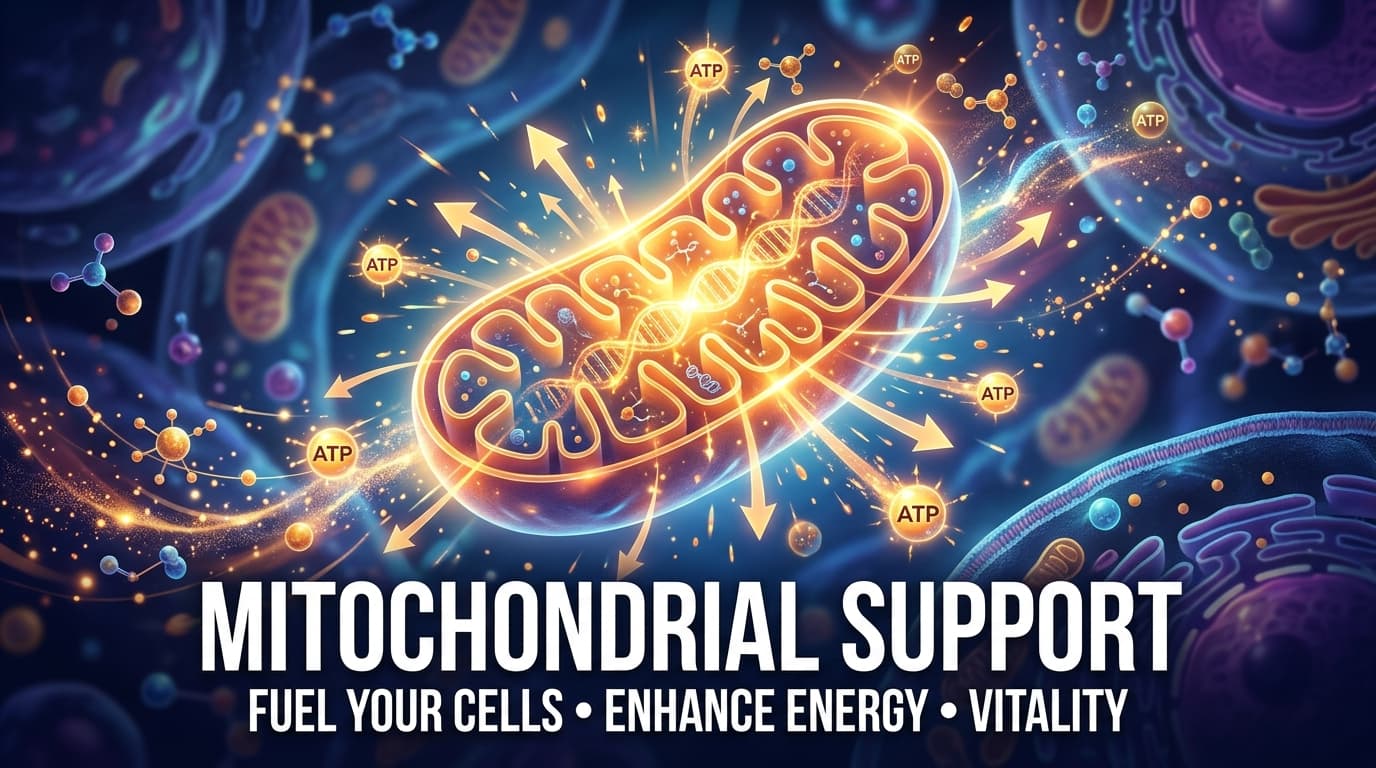
Mitochondrial support refers to nutrition and lifestyle strategies that may help support the mitochondria, the structures in your cells that help convert food into usable energy. When people search for mitochondrial support, they are often trying to understand why they feel tired, what nutrients matter most, and which supplements may be worth discussing with a healthcare professional.
This article explains what mitochondria do, what can affect them, how low nutrient intake may show up, and how supplement forms, timing, absorption, interactions, and safety fit into the picture. It also covers common mistakes, who may be at higher risk for low energy-related nutrients, and when it makes sense to seek medical guidance rather than trying to self-manage with supplements alone.
What Mitochondria Do and Why “Mitochondrial Support” Matters
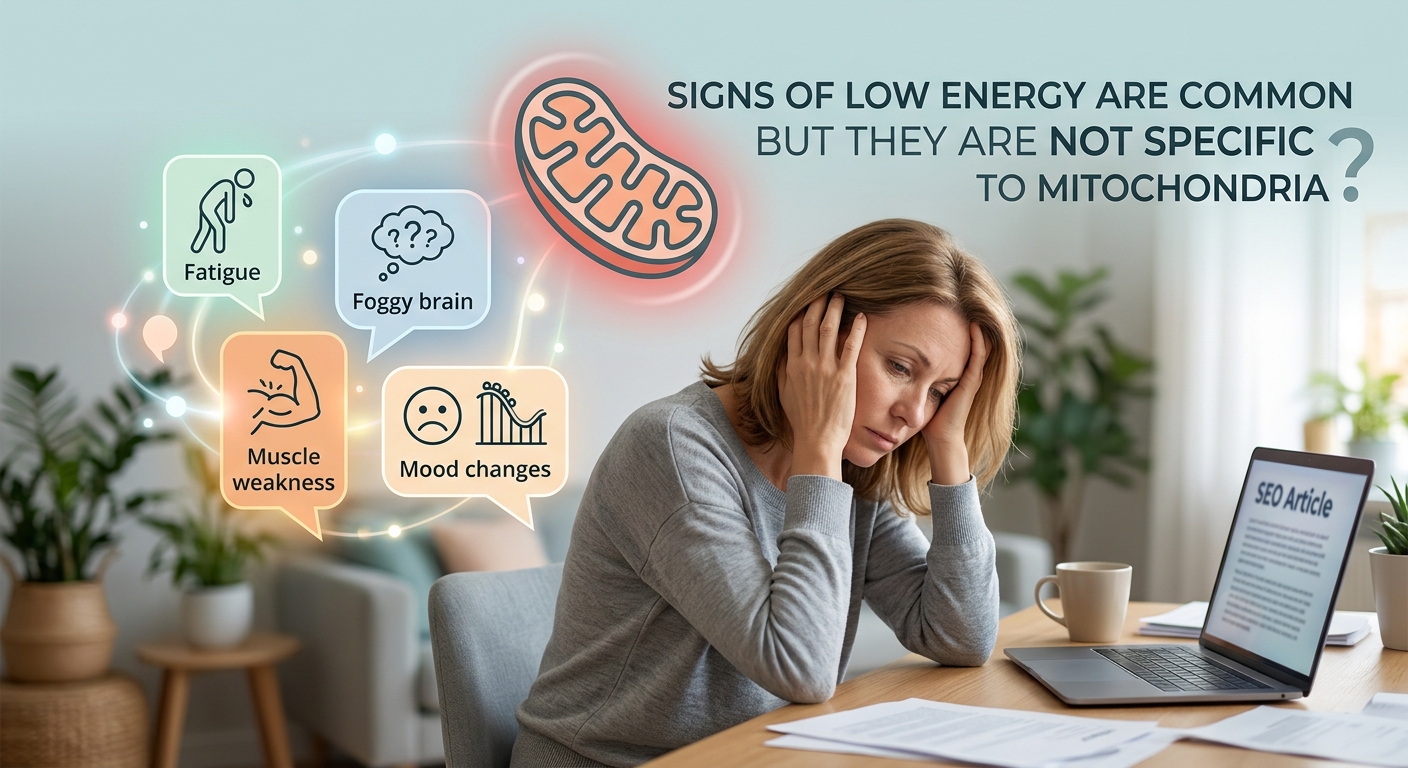
Mitochondria are often described as the “powerhouses” of the cell, but that phrase is an oversimplification. Their job is broader than making energy alone. They help cells convert nutrients from food into adenosine triphosphate, or ATP, which is the body’s main usable energy currency. They also participate in other cell processes, including signaling, metabolism, and the handling of oxidative stress.
When people talk about mitochondrial support, they usually mean nutritional and lifestyle factors that may help mitochondria function normally. That can include getting enough protein, iron, B vitamins, magnesium, and other nutrients, as well as avoiding repeated stressors that may interfere with cellular energy production. It is a practical concept, but not a diagnosis and not a promise of instant energy.
Understanding mitochondria matters because fatigue has many possible causes. Sleep loss, stress, low calorie intake, anemia, thyroid issues, medication effects, chronic illness, dehydration, and nutrient deficiencies can all contribute. A supplement marketed for “energy” may not help if the real issue is unrelated to nutrient status, which is why context matters so much.
The basic energy pathway in plain English
After you eat, the body breaks down carbohydrates, fats, and protein into smaller components. Mitochondria use those components through a series of biochemical steps to generate ATP. This process depends on enzymes, which in turn rely on certain vitamins and minerals to work properly. If key inputs are missing, energy production may not operate as efficiently as it should.
That does not mean every tired person has “bad mitochondria.” It means the body’s energy system is sensitive to nutrition, sleep, inflammation, medication effects, and overall health. Supportive strategies should be chosen carefully and realistically, with the understanding that supplements can only address one piece of a much larger picture.
Why the phrase is so common in supplement discussions
“Mitochondrial support” appears frequently in supplement marketing because it sounds broad and science-based. In practice, it usually refers to ingredients such as B vitamins, coenzyme Q10, riboflavin, carnitine, magnesium, alpha-lipoic acid, and antioxidants. Some of these nutrients have established roles in metabolism, while others are studied more for specific contexts than for everyday energy support.
The term can be useful if it helps people think about root causes instead of chasing stimulant-style products. Still, it can also be misleading if it is used to suggest that one pill will fix all fatigue. A more responsible approach is to look at diet, medication use, symptoms, and lab work when needed, then choose supplements only when they fit the situation.
| Concept | What it means | Why it matters for energy |
|---|---|---|
| ATP | The cell’s main usable energy molecule | Mitochondria help produce it from food |
| Cofactors | Nutrients that enzymes need to function | Without them, energy-related reactions may slow down |
| Oxidative stress | Cell stress related to reactive molecules | Mitochondria can be affected by ongoing stress |
| Nutrient insufficiency | Not getting enough of a vitamin or mineral | Can reduce the efficiency of energy pathways |
Signs of Low Energy Are Common, but They Are Not Specific to Mitochondria
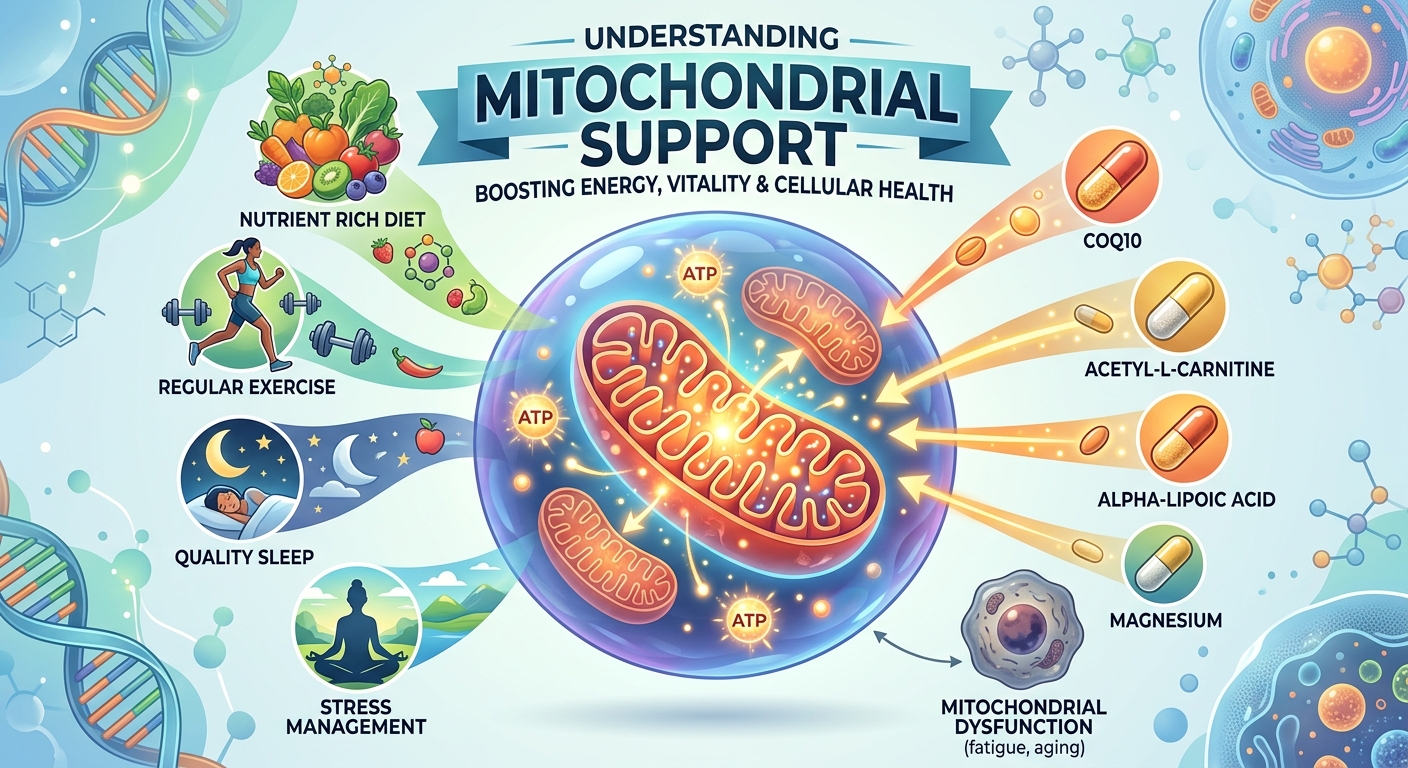
People often assume fatigue means a mitochondrial problem, but that is rarely the only explanation. Low energy can stem from dozens of causes, and symptoms overlap heavily. Tiredness, brain fog, poor exercise tolerance, and muscle weakness can occur with sleep issues, anemia, depression, low calorie intake, inflammation, medication side effects, or hormone changes, among others.
This is why symptom-based self-diagnosis can be risky. A supplement may be reasonable if there is a likely nutrient gap, but it should not replace medical evaluation when symptoms are persistent, severe, or new. It is especially important to get help if fatigue is accompanied by shortness of breath, chest pain, fainting, rapid heart rate, unexplained weight loss, or other warning signs.
Common symptoms people associate with “poor mitochondrial function”
Some symptoms are commonly mentioned in discussions about mitochondrial health, but none of them are unique to it. They may include feeling unusually tired, needing more recovery time after exertion, difficulty concentrating, low stamina, or a general sense of being “run down.” These symptoms may improve with better sleep, adequate nutrition, and treatment of an underlying condition, depending on the cause.
Because the symptoms are nonspecific, a careful approach is best. A healthcare professional may consider diet history, medications, lifestyle factors, and sometimes lab testing before suggesting supplements. That is more reliable than taking multiple products at random and hoping for the best.
When fatigue may point to something beyond nutrition
Persistent fatigue may deserve medical attention if it lasts more than a short period, worsens over time, or affects daily functioning. It may also be more concerning when it occurs with pale skin, hair changes, constipation, dizziness, insomnia, heavy menstrual bleeding, numbness, tingling, or unexplained pain. Those patterns can suggest iron deficiency, thyroid imbalance, sleep disorders, or other issues that require professional care.
If a supplement company implies that “mitochondrial support” alone solves these symptoms, that should be treated cautiously. Some nutrients can help if intake is low, but supplements are not substitutes for evaluation when symptoms suggest a medical condition.
| Possible symptom | Why it is not specific | Why medical review may matter |
|---|---|---|
| Fatigue | Can come from sleep, stress, illness, or low intake | May require lab work or medication review |
| Brain fog | Can reflect poor sleep, low blood sugar, or other issues | Persistent cognitive changes should be assessed |
| Muscle weakness | May involve exercise, diet, or neurologic causes | Can signal conditions that should not be ignored |
| Poor stamina | Often influenced by sleep, conditioning, and health status | Needs context before assuming a nutrient issue |
Nutrients Commonly Discussed for Mitochondrial Support
Several nutrients come up repeatedly in mitochondrial support discussions because they are involved in energy metabolism. Some are vitamins or minerals that the body needs in small amounts, while others are compounds that play supporting roles in cell metabolism. The key point is that “more” is not always better, and not every ingredient is necessary for every person.
A reasonable starting point is to think in categories: nutrients that help convert food to energy, nutrients that protect cells from excessive stress, and nutrients that may be used in specialized situations. The best choice depends on diet, health status, age, medications, and whether a specific deficiency or intake gap exists.
B vitamins and energy metabolism
B vitamins are central in discussions about mitochondrial support because they help enzymes process carbohydrates, fats, and protein. Riboflavin, niacin, pantothenic acid, vitamin B6, folate, and vitamin B12 all participate in different steps of metabolism. If intake is inadequate, energy production may not function optimally.
That said, B vitamin supplements are most useful when someone has low intake, increased needs, or a condition affecting absorption. Taking large amounts of B vitamins does not necessarily translate into better energy. In some cases, excess intake may cause side effects or mask a deeper issue that needs attention.
Minerals that support enzyme function
Magnesium, iron, copper, and selenium are among the minerals often discussed in relation to mitochondrial function. Magnesium helps many enzymatic reactions, iron is involved in oxygen transport and cellular energy pathways, and selenium contributes to antioxidant systems. These nutrients are important, but they also have meaningful safety limits and interaction concerns.
Iron is a good example of why professional guidance matters. Low iron can contribute to fatigue, but iron should not be taken casually because excess iron can be harmful. It is often better to confirm deficiency with a clinician rather than guessing based on symptoms alone.
Compounds often marketed for “cellular energy”
Coenzyme Q10, alpha-lipoic acid, acetyl-L-carnitine, and creatine are often included in mitochondrial support products. Some of these are involved in energy metabolism or antioxidant activity, and some have a stronger research base in specific settings than others. However, the context matters, and not every product with these ingredients is high quality or appropriate for every reader.
When evaluating such supplements, it helps to ask three questions: Is there a plausible reason to use it? Is there any concern about interactions or side effects? And is there evidence that the form and dose are appropriate for the intended use? Those questions are often more useful than the marketing claims on the label.
| Nutrient or compound | Common role discussed | Important caution |
|---|---|---|
| B vitamins | Help enzymes use food for energy | High-dose use is not always helpful and may have risks |
| Magnesium | Supports many enzymatic reactions | Can cause GI side effects; caution with kidney disease |
| Iron | Needed for oxygen transport and energy pathways | Should not be supplemented without reason or guidance |
| CoQ10 | Supports cellular energy and antioxidant activity | May interact with some medications |
| Carnitine | Helps transport fatty acids into mitochondria | Not ideal for everyone; may cause digestive side effects |
Food Sources That Support Mitochondrial Function
Food is the foundation of mitochondrial support because nutrients from food provide the raw materials for energy production. A supplement can help fill a gap, but it generally should not replace a varied diet unless a clinician recommends a different approach. Many people can support their nutrient status by improving the quality and consistency of their meals first.
Different foods provide different pieces of the energy puzzle. Animal proteins may provide B12, iron, and high-quality protein; legumes and whole grains provide B vitamins and magnesium; nuts and seeds contribute magnesium and healthy fats; and fruits and vegetables help supply micronutrients and antioxidant compounds. The goal is not a perfect diet but a nutritionally adequate one.
Examples of nutrient-rich food groups
Iron-rich foods include meats, poultry, seafood, beans, lentils, tofu, and fortified grains. Riboflavin and B12 are found in dairy products, eggs, and animal foods, while folate appears in leafy greens, beans, and fortified grains. Magnesium is found in nuts, seeds, legumes, whole grains, and leafy vegetables.
Healthy fats also matter because mitochondria use fats as part of normal metabolism. That does not mean high-fat eating is required, but it does mean that extreme restriction of dietary fat may not be ideal for everyone. The best pattern is one that is balanced, sustainable, and appropriate for the individual’s health needs.
Why food absorption matters as much as food choice
Eating nutrient-rich foods is only part of the story. Absorption can be affected by digestive conditions, certain medications, alcohol use, meal timing, and nutrient interactions. For example, vitamin C can improve non-heme iron absorption, while calcium can interfere with iron absorption when taken together in some situations.
If a person eats well but still seems to have low nutrient status, that may point to absorption issues rather than poor diet alone. In those cases, the right next step may be medical evaluation rather than adding more supplements without clarity.
| Nutrient | Food sources | Notes on absorption or use |
|---|---|---|
| Iron | Meat, beans, lentils, fortified grains | Vitamin C may help; tea, coffee, and calcium can interfere in some cases |
| Magnesium | Nuts, seeds, legumes, whole grains | Supplement forms differ in tolerance and absorption |
| B12 | Animal foods, fortified products | Absorption may be reduced in some digestive or medication-related situations |
| Folate | Leafy greens, beans, citrus, fortified foods | Important in pregnancy and for cell division |
| CoQ10 from food | Meat, fish, nuts | Dietary amounts are usually modest compared with supplements |
Who May Be at Higher Risk for Low Intake or Increased Needs
Not everyone has the same likelihood of low nutrient intake or increased nutritional needs. Mitochondrial support becomes more relevant when someone’s diet is restricted, absorption is impaired, or demands are higher than usual. Identifying risk groups helps people avoid random supplement use and focus on what is more likely to matter.
Risk does not mean deficiency is present, and it does not mean supplements are automatically needed. It means the chance of a problem may be higher, so individualized guidance and, in some cases, lab testing are more appropriate.
People with dietary restrictions
Vegetarians and vegans may need special attention to vitamin B12, iron, and sometimes other nutrients, depending on their food choices. People who eat very little, follow highly restrictive diets, or skip major food groups may also be more likely to fall short on certain nutrients. That can affect energy metabolism and overall well-being.
However, dietary restriction alone does not tell the whole story. A well-planned plant-based diet can still be nutrient adequate, while an omnivorous diet can still be low in key nutrients if food variety is poor. The quality of the overall pattern matters more than labels.
Older adults
Older adults may have reduced stomach acid, changes in appetite, dental issues, medication use, and other factors that affect intake and absorption. B12, vitamin D, magnesium, and protein status are common areas of attention, although the specific needs vary. Energy complaints in older adults should not be assumed to be “just aging.”
If someone older is fatigued, weak, or losing weight, a healthcare professional may want to look beyond supplements. Nutrient gaps, medication effects, anemia, and chronic disease all deserve consideration.
Pregnant and breastfeeding people
Pregnancy and breastfeeding increase nutritional demands in important ways. Folate, iron, iodine, choline, and other nutrients often deserve careful attention, though the exact needs depend on the individual. Supplement use in these stages should be reviewed with a clinician because safety and dosing matter more than ever.
Pregnant or breastfeeding readers should avoid assuming that a general “energy” supplement is appropriate. Some ingredients are not well suited to pregnancy, and some may interact with prenatal vitamins or medications.
People with certain health conditions or medication use
Digestive disorders, kidney disease, bariatric surgery history, heavy menstrual bleeding, and chronic inflammatory conditions can influence nutrient status. Some medications can also affect absorption or nutrient handling, including acid-suppressing drugs, metformin, and certain anticonvulsants. The interaction between medications and nutrients is one reason supplement decisions should be made carefully.
People in these groups may benefit from targeted evaluation rather than broad supplement stacks. A single deficiency, if present, may be more meaningful than a long list of products with overlapping ingredients.
Supplement Forms Used for Mitochondrial Support and How They Differ
Supplements related to mitochondrial support come in many forms, and the form can matter just as much as the ingredient name. Different products vary in absorption, convenience, dose, side effects, and interaction risk. A product that sounds advanced may not actually be better for everyone.
When comparing forms, consider whether the ingredient is intended to address a known gap, how it is absorbed, whether it can be taken with food, and how it fits with existing medications or conditions. Simplicity is often an advantage in supplement selection.
Common forms and what to know about them
B vitamins may appear individually or in a B-complex. Individual forms can be useful if a specific nutrient is being targeted, while a B-complex may be more convenient when multiple B vitamin intakes are low. Still, “more B vitamins” is not always better, especially if the formula contains doses far above typical daily needs without a clear reason.
Magnesium comes in many forms, including citrate, glycinate, oxide, and others. Some forms are better tolerated than others, and some may be more likely to cause loose stools. Iron also comes in multiple forms, and tolerability and absorption can differ significantly by product. CoQ10 is often found as ubiquinone or ubiquinol, while carnitine may appear in different salt forms.
Why “bioavailable” does not mean universally superior
The word bioavailable means the body can absorb or use the nutrient to some extent, but that does not make one form the best choice for everyone. For example, a form that absorbs well may also be more expensive or more likely to cause side effects. Some people prioritize tolerance, while others prioritize convenience or cost.
Choosing the right form often depends on why the supplement is being considered in the first place. If the goal is correcting a documented deficiency, a clinician may recommend a specific form and dose. If the goal is general nutritional support, a modest, well-tolerated option may be more appropriate than a highly concentrated formula.
| Supplement form | Potential advantage | Potential drawback |
|---|---|---|
| B-complex | Convenient when several B vitamins are needed | May contain unnecessary high doses for some people |
| Magnesium glycinate | Often well tolerated | May still cause side effects in sensitive individuals |
| Magnesium citrate | Common and reasonably absorbed | Can loosen stools in some people |
| Iron salts | Used when iron deficiency is confirmed | GI side effects and interaction concerns are common |
| CoQ10 | Commonly used in energy-support products | Absorption can vary; may be expensive |
Dosage Framing, Timing, and Absorption: What Readers Should Know
Supplement dosing is one of the most misunderstood parts of mitochondrial support. A label may list a daily amount, but the “right” amount depends on the ingredient, the reason it is being used, the person’s health status, and whether a deficiency is actually present. General educational information can help readers understand the landscape, but it cannot replace individualized guidance.
Timing can also affect whether a supplement is tolerated or absorbed well. Some nutrients are better taken with food, some are better separated from other minerals or medications, and some should be used only with clinician input. In practice, consistency often matters more than chasing the perfect time of day.
General framing for common ingredients
B vitamins are often taken in the morning because some people find them energizing or simply prefer not to take them late in the day. Magnesium is sometimes taken in the evening because it can be more relaxing for some individuals, though that experience varies. Iron is frequently separated from calcium, coffee, tea, and certain medications because those can reduce absorption in some cases.
CoQ10 is usually discussed as a supplement taken with food that contains fat, because that may improve absorption. Carnitine and alpha-lipoic acid also have practical timing considerations, and some people experience digestive upset if they take certain supplements on an empty stomach. The label directions and clinician guidance should always be followed when available.
Absorption factors that can matter
Absorption depends on stomach acidity, digestive health, other nutrients, and the form of the supplement. For example, iron absorption can be improved by vitamin C in some contexts, while excessive calcium, tea, coffee, or fiber taken at the same time may interfere. Magnesium absorption may differ across forms, and some forms are chosen for better tolerance rather than maximum absorption.
It is also worth remembering that more absorption is not always better. Nutrients that are absorbed too aggressively can create side effects or interact with medications. The safest approach is often to choose a form and amount that matches the actual need rather than assuming a stronger product is a better one.
Possible Benefits of Mitochondrial Support, and Where the Evidence Is Limited
People often look for mitochondrial support because they want more energy, better stamina, or less fatigue. Nutrient repletion can be helpful when low intake or deficiency is part of the problem. However, supplements do not work like a universal energy switch, and evidence varies by ingredient, population, and context.
It is more accurate to think in terms of “may support normal function” rather than “will increase energy.” That wording may sound less exciting, but it is more consistent with how nutritional support works in real life. The aim is to improve adequacy and reduce barriers to normal physiology, not to force the body beyond its natural limits.
Where support may be most plausible
If someone has low dietary intake of B vitamins, magnesium, iron, or protein, correcting that gap may support normal energy metabolism. Likewise, if a medication or digestive issue is affecting nutrient status, targeted supplementation may be useful under supervision. In some cases, people also use specific compounds like CoQ10 because they want to discuss whether they fit their situation.
The most plausible benefit is often modest and gradual, not dramatic. Energy improvement from correcting a deficiency can take time, and the effect may be easy to miss if sleep, stress, or illness are still affecting how a person feels day to day. That is one reason to set realistic expectations.
Why benefits may be inconsistent
People with no nutrient deficiency may not notice much difference from adding more supplements. That does not mean the supplement is “bad”; it may simply mean the body already had what it needed. On the other hand, some people report feeling better because of improved routine, attention to sleep, or placebo effects, which can be real experiences even when the direct nutrient effect is uncertain.
Another reason results vary is that fatigue is multifactorial. If a person is taking a supplement while continuing to sleep poorly, undereat, or take a medication that causes sedation, the supplement may have limited impact. The more accurately the underlying issue is identified, the more useful the intervention is likely to be.
Safety, Side Effects, Contraindications, and Medication Interactions
Safety is one of the most important parts of mitochondrial support, especially because many readers assume vitamins and supplements are harmless. That assumption can lead to overuse, stacking multiple products with overlapping ingredients, or ignoring important interactions. Even nutrients the body needs can cause problems when taken in excess or used in the wrong context.
Side effects are usually dose-related, but not always. Some people are sensitive to certain ingredients, and some products contain added herbs, stimulants, or proprietary blends that complicate safety. Reading labels carefully and discussing the full supplement list with a clinician is one of the best risk-reduction steps available.
Common side effects by ingredient category
B vitamins may cause nausea or flushing in some cases, especially when doses are much higher than typical dietary intakes. Magnesium supplements can cause diarrhea, cramping, or loose stools depending on the form and amount. Iron commonly causes constipation, nausea, dark stools, or abdominal discomfort, which is one reason it should be used thoughtfully.
CoQ10 is often well tolerated but can still cause digestive upset in some people. Carnitine may also cause GI side effects. Alpha-lipoic acid can be an issue for some individuals because it may affect blood sugar or cause stomach upset, depending on the person and the product.
Important medication interactions to keep in mind
Iron can interfere with the absorption of some medications, including certain antibiotics and thyroid medication, if taken too close together. Magnesium can also interfere with the absorption of some prescription drugs, including certain antibiotics and thyroid medication, depending on timing. CoQ10 may interact with blood-thinning medication in some situations, so a clinician should review that use carefully.
People taking diabetes medication, blood pressure medicine, thyroid replacement, anticoagulants, or anticonvulsants should not assume a supplement is automatically safe to combine. Timing, dose, and the specific ingredients all matter. When in doubt, the safest plan is to ask a pharmacist or clinician before starting anything new.
Who should be extra cautious
People with kidney disease should be especially careful with magnesium and other minerals, since the body may not clear them normally. People with hemochromatosis or iron overload disorders should not take iron without medical direction. Pregnant and breastfeeding individuals need extra caution because some ingredients are not appropriate during these periods, and others should be dosed more carefully.
Anyone with unexplained symptoms, abnormal labs, or chronic disease should use supplements only with professional guidance. A supplement that looks simple on paper can still have meaningful effects in the body, especially when combined with medications or underlying health conditions.
| Ingredient | Possible side effect | Safety note |
|---|---|---|
| B vitamins | Nausea, flushing, discomfort | High-dose products may be unnecessary for many people |
| Magnesium | Loose stools, cramping | Use caution in kidney disease |
| Iron | Constipation, nausea, dark stools | Avoid self-supplementing without a reason |
| CoQ10 | GI upset | Review use if taking anticoagulants |
| Carnitine | Digestive upset, odor changes in some cases | Not ideal to use casually without a clear reason |
Common Mistakes People Make When Trying to Support Mitochondria
Many supplement mistakes happen because people are trying to solve a vague problem with a broad solution. Fatigue is frustrating, and the promise of a single “cellular energy” product can be appealing. Unfortunately, that approach often leads to wasted money, duplicated ingredients, or missed medical issues.
Learning the common mistakes can help readers make more informed choices. The goal is not to avoid supplements entirely, but to use them more intelligently and only when they fit the situation.
- Taking multiple products with the same nutrients, which can accidentally push intake too high.
- Assuming fatigue must mean a vitamin deficiency without checking for sleep, medication, or medical causes.
- Using iron without confirming a need, which can create more risk than benefit.
- Expecting a supplement to work quickly or dramatically when the real issue may take time to address.
- Ignoring medication interactions, especially with prescription blood thinners, thyroid medication, and some antibiotics.
- Choosing a highly marketed formula with many ingredients instead of a simpler, more targeted product.
Why “more ingredients” is not always better
Complex blends may look impressive, but they can make it harder to know what is helping or causing side effects. They may also include ingredients that are not needed, or doses that are lower than what would be meaningful. If the goal is correcting a known deficiency or supporting a specific pathway, targeted options are often easier to evaluate.
A simple formula can also make it easier to follow professional guidance. If a clinician recommends changing a dose or stopping a nutrient, that is much simpler to do when the user knows exactly what is in each product.
Why symptom-chasing can backfire
It is understandable to look for a supplement when energy is low. The problem is that symptoms alone can be misleading, and a temporary improvement may not reveal the root cause. If the underlying issue is anemia, sleep apnea, thyroid dysfunction, depression, medication effects, or another medical condition, the wrong approach can delay care.
That is why supplements should be viewed as one tool among many, not a catch-all solution. A responsible plan starts with the most likely causes and uses supplements only when they are clearly relevant.
How to Choose a Mitochondrial Support Supplement More Safely
If a healthcare professional suggests supplementing, or if you are considering a nutrient because your diet may be insufficient, a careful selection process can reduce risk. Labels can be confusing, and supplement quality varies. The most practical approach is to match the product to the need and keep the plan as simple as possible.
Looking beyond the front label is essential. Ingredient form, dose, third-party testing, allergens, and the presence of unnecessary extras all matter. A product that is appropriate for one person may not be appropriate for another.
Practical label-checking steps
First, identify the exact ingredient and the amount per serving. Second, check whether the label includes other active ingredients, especially if you are already taking a multivitamin or prescription medication. Third, look for the form of the nutrient, because that can affect tolerance and absorption.
If you are choosing a supplement for a specific reason, consider whether the ingredient list matches that goal. For example, a broad energy blend may not be the best choice if you are actually trying to address a known magnesium shortfall or B12 issue. Simplicity often reduces confusion and interaction risk.
What to ask before buying
Ask whether the product is necessary, whether food changes could help first, and whether a clinician has already identified a deficiency or risk factor. Ask whether the product could overlap with another supplement you already take. And ask whether the ingredient may be inappropriate if you are pregnant, breastfeeding, have kidney disease, or use prescription medicine.
These questions help shift the conversation from marketing to medical relevance. That is especially important in the U.S. market, where supplement claims can be broad even when the evidence is modest or context-specific.
| Checklist item | Why it matters | Safer approach |
|---|---|---|
| Exact ingredient form | Forms can differ in tolerance and absorption | Choose the form that fits the intended use |
| Total daily dose | High doses can increase side effects | Use the lowest reasonable amount with guidance |
| Overlap with other supplements | Duplicate ingredients can add up | Review all products together |
| Medication interactions | Some nutrients affect drug absorption or effect | Ask a pharmacist or clinician if unsure |
| Health conditions | Kidney, liver, blood, and digestive issues can change safety | Use professional guidance for chronic conditions |
When to See a Doctor Instead of Relying on Supplements Alone
Supplements can be helpful in the right context, but they are not the right answer for every energy complaint. Some symptoms require evaluation because they may reflect a condition that needs medical treatment, not nutritional support alone. Knowing when to seek care is part of responsible supplement use.
It is especially important to get medical advice when symptoms are persistent, unexplained, or accompanied by other concerning changes. A clinician can help distinguish likely nutrient issues from conditions that need testing, treatment, or referral.
Situations that deserve prompt attention
Seek medical care sooner if fatigue comes with chest pain, shortness of breath, fainting, palpitations, severe weakness, black or bloody stools, or sudden changes in mental status. Also seek care if you have unexplained weight loss, night sweats, persistent fever, or major changes in appetite. These are not symptoms to manage with supplements alone.
If a person is pregnant, breastfeeding, older, or has a chronic illness, persistent low energy deserves a lower threshold for medical review. The same is true if there are abnormal lab results or if symptoms started after a medication change.
Why lab testing can be useful
Depending on the symptoms, a clinician may consider tests such as iron studies, B12, folate, complete blood count, thyroid markers, or other evaluations. Testing helps determine whether supplementation is needed and, if so, which nutrient is most relevant. It also helps avoid taking the wrong product for the wrong reason.
Lab testing should be interpreted in context, not in isolation. A number that is borderline or normal does not always explain a person’s symptoms, and a low result does not always mean supplementation should be done without supervision. Professional interpretation matters.
Myths and Misconceptions About Mitochondrial Support
Because the phrase “mitochondrial support” sounds technical, it can attract exaggerated claims. Some are harmless but unhelpful, while others can lead people away from appropriate care. A clearer understanding of what is known and what is not helps readers make safer choices.
Separating myth from reality is especially important in the supplement world, where broad claims are common and evidence is often more nuanced than marketing suggests.
Myth: More mitochondria support always means more energy
Energy is not simply a matter of “more” anything. The body needs balanced nutrient intake, adequate sleep, appropriate activity, and good overall health to produce and use energy well. Taking large amounts of multiple supplements does not automatically improve energy and may backfire if it causes side effects or interactions.
What helps most is usually identifying and correcting a specific problem, not overloading the system with many products. A targeted, measured approach is more consistent with nutritional science and safer in practice.
Myth: If a supplement is natural, it must be harmless
Natural does not mean risk-free. Iron, magnesium, and concentrated vitamin products can cause side effects or interact with medication. Even common nutrients can be inappropriate in certain conditions, especially when taken in high amounts or without a clear reason.
Responsible use means treating supplements like active ingredients, not candy. That mindset protects readers from avoidable harm.
Myth: Feeling better after a supplement proves it fixed the root cause
Short-term improvement does not always reveal why someone felt better. It may reflect placebo effects, improved routine, better hydration, or an actual nutrient correction. Conversely, not feeling immediate improvement does not necessarily mean a supplement has no value if the underlying issue takes time to address.
This is another reason professional guidance can be useful. A clinician can help determine whether the observed effect makes sense and whether the plan should continue, change, or stop.
Frequently Asked Questions
What is mitochondrial support?
Mitochondrial support refers to nutritional and lifestyle strategies that may help support normal energy production inside cells. It often includes adequate intake of B vitamins, minerals, protein, and other nutrients involved in metabolism. It is not a diagnosis or a guaranteed fix for fatigue.
Which supplements are most often discussed for mitochondrial support?
Commonly discussed ingredients include B vitamins, magnesium, iron, CoQ10, carnitine, and alpha-lipoic acid. Which one is appropriate depends on diet, symptoms, medication use, and whether there is a confirmed deficiency or clinical reason. A clinician can help narrow the options.
Can mitochondrial supplements help with fatigue?
They may help if fatigue is related to low intake or deficiency of a nutrient involved in energy metabolism. They are less likely to help if the real cause is sleep loss, medication effects, anemia, thyroid issues, or another medical condition. Persistent fatigue should be evaluated by a healthcare professional.
Is it safe to take multiple energy supplements together?
Not always. Many energy products overlap in ingredients, which can raise the risk of side effects or excessive intake. It is wise to review the full ingredient list with a pharmacist or clinician, especially if you also take prescription medicine.
Should I take CoQ10 or magnesium for mitochondrial support?
That depends on your goal and health status. Magnesium is commonly used when intake is low or diet is limited, while CoQ10 is often discussed for cellular energy support and may be more relevant in certain situations. Neither should be assumed to be right for everyone.
Do I need a blood test before taking supplements for energy?
A blood test is not always required, but it can be very helpful when symptoms are persistent or suggest a deficiency. Tests may clarify whether iron, B12, folate, thyroid markers, or other factors should be addressed. This is especially important if you have a chronic condition or take medication.
Can I get mitochondrial support from food alone?
Often, yes, especially if the issue is mild or related to dietary gaps. A balanced diet with adequate protein, B vitamins, minerals, and overall calories supports normal energy metabolism. If absorption is impaired or a deficiency is confirmed, supplements may still be needed under professional guidance.
Are mitochondrial support supplements safe during pregnancy?
Not all of them. Pregnancy changes nutritional needs and also changes what is appropriate for supplement use. Anyone who is pregnant or breastfeeding should review all supplements with a licensed healthcare professional before starting or changing anything.
What is the biggest mistake people make when trying to boost energy?
The biggest mistake is assuming every energy problem is a nutrient problem. Fatigue has many possible causes, and supplements are only useful when they match the underlying issue. If symptoms are ongoing, a medical evaluation is often the safer and more effective next step.
Conclusion
Mitochondrial support is a useful way to think about energy because it points readers toward the nutrients and habits that help cells do their work. The most important takeaway is that mitochondria depend on adequate nutrition, but fatigue is not proof of a mitochondrial problem. Food quality, absorption, medications, sleep, and medical conditions all matter.
For many people, the smartest first step is to review diet and consider whether a specific nutrient gap may exist. For others, the right next step is medical evaluation rather than supplement use. Supplements can be useful tools when chosen carefully, but they work best when they are targeted, safe, and guided by a real need rather than broad marketing claims.
If you are thinking about mitochondrial support because of ongoing fatigue or low stamina, consider speaking with a licensed healthcare professional before starting supplements or changing your routine. That is especially important if you are pregnant or breastfeeding, have a chronic condition, take prescription drugs, or suspect a deficiency. Careful guidance helps protect both safety and effectiveness.