
vitamine -
The Truth About Fat-Soluble Vitamins (A, D, E, K)
The fat-soluble vitamins are a group of four essential nutrients—vitamins A, D, E, and K—that play critical roles throughout the body. Unlike their water-soluble counterparts, these vitamins are absorbed alongside fats in the diet and can be stored in the body's fatty tissues and
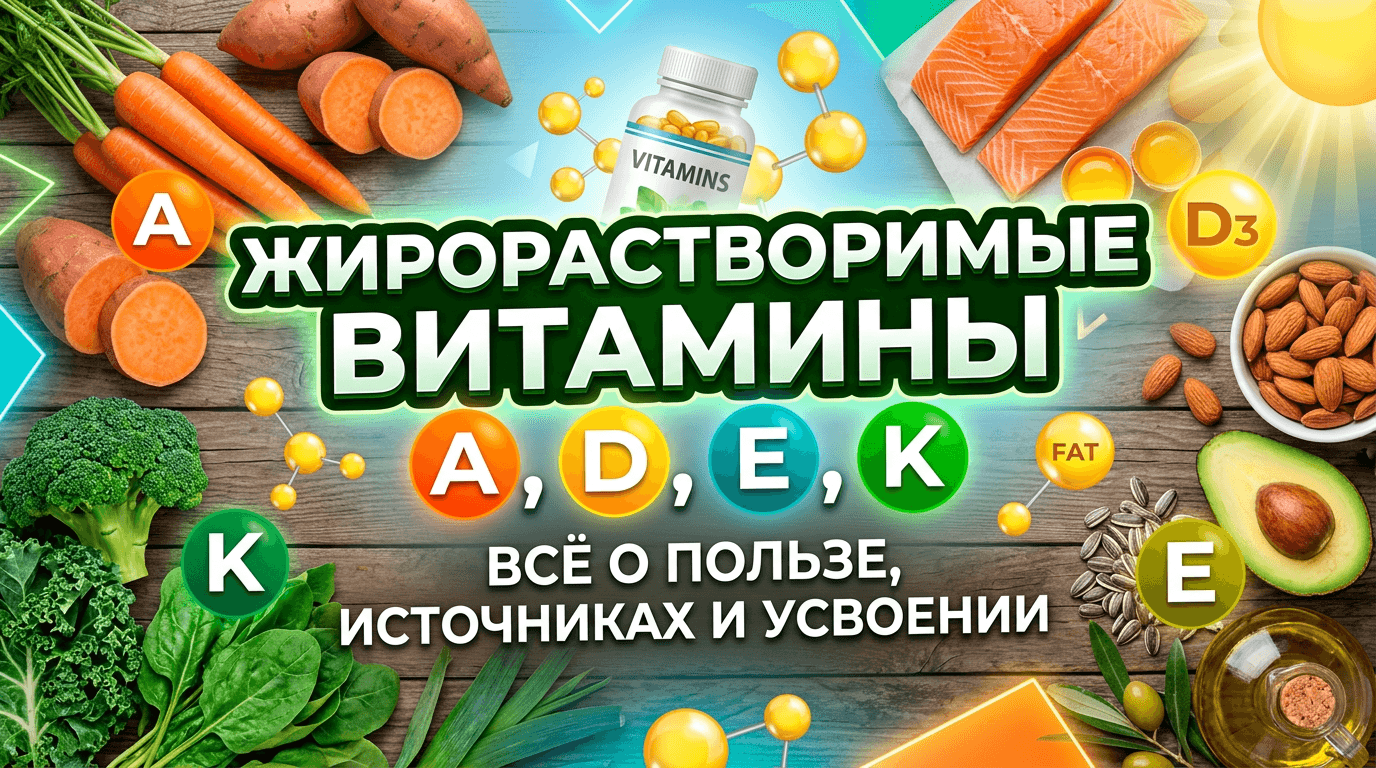
The fat-soluble vitamins are a group of four essential nutrients—vitamins A, D, E, and K—that play critical roles throughout the body. Unlike their water-soluble counterparts, these vitamins are absorbed alongside fats in the diet and can be stored in the body's fatty tissues and liver for long periods, a key characteristic that profoundly influences how they should be consumed and supplemented.
Understanding this fundamental difference is crucial for anyone interested in nutrition and wellness. Because they are stored, fat-soluble vitamins do not need to be consumed every single day. However, this storage capacity also means that excessive intake, particularly from supplements, can lead to accumulation and potential toxicity. This article provides a comprehensive guide to vitamins A, D, E, and K, exploring their functions, food sources, deficiency risks, and safe supplementation practices to help you make informed decisions about your health.
What Are Fat-Soluble Vitamins and How Do They Work?

Fat-soluble vitamins are organic compounds that dissolve in fat and oils rather than water. This simple chemical property dictates their entire journey through the human body, from how they are absorbed to how they are stored and used. The four vitamins in this category—A, D, E, and K—are essential for a vast array of physiological processes, including vision, bone health, immune function, and blood clotting.
The absorption of these vitamins begins in the small intestine. For your body to absorb them effectively, dietary fat must be present. When you eat a meal containing fats, your liver releases bile, which emulsifies the fats into smaller droplets. Digestive enzymes then break down these fats, and the fat-soluble vitamins are packaged into tiny particles called chylomicrons. These chylomicrons travel through the lymphatic system before entering the bloodstream, which then transports the vitamins to various tissues or to the liver for storage.
This storage mechanism is the primary distinction between fat-soluble and water-soluble vitamins (like the B vitamins and vitamin C). Water-soluble vitamins are not stored in significant amounts; any excess is typically filtered by the kidneys and excreted in the urine. In contrast, the body holds onto fat-soluble vitamins, primarily in the liver and adipose (fat) tissue. This means a continuous daily supply is less critical, but it also creates a higher risk of toxicity if consumed in excessive amounts over time, a condition known as hypervitaminosis.
A Deep Dive into Vitamin A (Retinoids and Carotenoids)
Vitamin A is not a single compound but a group of related nutrients vital for vision, immune response, reproduction, and cellular communication. It exists in two main forms in the diet: preformed vitamin A (retinoids), found in animal products, and provitamin A (carotenoids), found in plants. The body can convert certain carotenoids, like beta-carotene, into the active form of vitamin A.
Functions of Vitamin A in the Body
Vitamin A's most famous role is in vision. It is a crucial component of rhodopsin, a protein in the eye's retina that absorbs light and enables vision in low-light conditions. Beyond the eyes, vitamin A is fundamental for maintaining the integrity of surface tissues, such as the skin, lungs, gut, and bladder, which act as the body's first line of defense against pathogens. It supports both the innate and adaptive immune systems by influencing the development and function of key immune cells like T-cells and B-cells.
Furthermore, vitamin A plays a regulatory role in cell growth and differentiation, a process by which cells specialize to perform specific functions. This is essential for normal embryonic development, organ formation, and the ongoing maintenance of healthy tissues throughout life. Its involvement in skin health is well-documented, as it helps regulate the growth of keratinocytes, the primary cells of the epidermis.
Deficiency Signs, Symptoms, and Risk Factors
A deficiency in vitamin A is a major public health issue in many developing countries but is less common in the United States. The earliest and most specific sign is often nyctalopia, or night blindness. If the deficiency progresses, it can lead to a more severe condition called xerophthalmia, characterized by extreme dryness of the conjunctiva and cornea, which can result in permanent blindness.
Other symptoms can be less specific and may include an increased susceptibility to infections (especially respiratory and diarrheal diseases), follicular hyperkeratosis (dry, bumpy skin), and impaired growth in children. Individuals at a higher risk of deficiency include those with medical conditions that impair fat absorption, such as celiac disease, Crohn's disease, cystic fibrosis, chronic pancreatitis, or liver disease. People on extremely low-fat diets or with limited access to a variety of fresh produce and animal products are also at risk.
Food Sources: Retinoids vs. Carotenoids
To ensure adequate intake, it's important to consume a mix of both preformed vitamin A and provitamin A carotenoids. The body can use preformed vitamin A directly, while carotenoids must be converted, a process that can vary in efficiency from person to person.
| Vitamin A Form | Description | Primary Food Sources |
|---|---|---|
| Preformed Vitamin A (Retinoids) | The active form of vitamin A, found in animal-based foods. It is readily absorbed and utilized by the body. | Beef liver, fish liver oils, salmon, eggs, whole milk, cheese, and fortified cereals. |
| Provitamin A (Carotenoids) | Plant-based precursors that the body converts into active vitamin A. Beta-carotene is the most common type. | Carrots, sweet potatoes, pumpkin, spinach, kale, collard greens, cantaloupe, mangoes, and red bell peppers. |
Supplementation, Forms, and Safety
Vitamin A supplements typically contain retinyl palmitate, retinyl acetate, or beta-carotene. The Recommended Dietary Allowance (RDA) is expressed in micrograms (mcg) of Retinol Activity Equivalents (RAE) to account for the different bioactivities of retinoids and carotenoids. The RDA for adult men is 900 mcg RAE and for adult women is 700 mcg RAE.
Because vitamin A is fat-soluble, toxicity (hypervitaminosis A) is a significant concern, particularly with high-dose supplements of preformed vitamin A (retinoids). Acute toxicity can occur from a single very large dose, causing nausea, dizziness, headaches, and blurred vision. Chronic toxicity results from long-term intake above the Tolerable Upper Intake Level (UL) of 3,000 mcg RAE per day for adults. Symptoms can include dry skin, hair loss, joint pain, liver damage, and increased pressure in the brain.
Furthermore, some large-scale studies have linked high-dose beta-carotene supplementation to an increased risk of lung cancer in smokers and former asbestos workers. For this reason, these individuals are generally advised to avoid beta-carotene supplements and focus on obtaining carotenoids from whole foods.
Unpacking Vitamin D (The "Sunshine Vitamin")
Vitamin D is unique among vitamins because it functions as a prohormone and can be synthesized in the skin upon exposure to sunlight. Its primary and most well-understood role is to regulate calcium and phosphorus levels in the blood, making it indispensable for building and maintaining strong bones. However, emerging research continues to uncover its broader impact on immune function, mood regulation, and more.
The Critical Roles of Vitamin D
The hallmark function of vitamin D is promoting calcium absorption in the gut. Without sufficient vitamin D, the body can only absorb about 10-15% of dietary calcium. This makes vitamin D essential for bone mineralization—the process of depositing calcium and phosphate into the bone matrix to make it strong and rigid. A severe deficiency in children can lead to rickets, a condition causing soft, weak, and deformed bones. In adults, it can cause osteomalacia (soft bones) and contribute to osteoporosis, a condition of low bone density that increases fracture risk.
Beyond bone health, vitamin D receptors are found on cells throughout the body, including immune cells like T-cells and macrophages. This suggests a significant role in modulating the immune system. Some studies suggest adequate vitamin D levels may help support a balanced immune response. It also plays a part in muscle function, and low levels have been associated with muscle weakness and pain.
The Widespread Issue of Vitamin D Deficiency
Vitamin D insufficiency is a global health concern, affecting a large percentage of the population, even in developed countries like the U.S. The symptoms are often subtle or nonexistent, which is why it can go undiagnosed. When present, symptoms might include fatigue, bone pain, muscle aches or weakness, and mood changes. A definitive diagnosis requires a blood test that measures the level of 25-hydroxyvitamin D [25(OH)D].
Several factors increase the risk of deficiency:
- Limited Sun Exposure: Living in northern latitudes, spending most time indoors, wearing clothing that covers most of the skin, and consistent use of sunscreen all limit vitamin D synthesis.
- Darker Skin Tone: Melanin, the pigment that gives skin its color, acts as a natural sunblock, reducing the skin's ability to produce vitamin D from sunlight.
- Older Age: The skin becomes less efficient at producing vitamin D with age, and older adults may also spend more time indoors.
- Obesity: Vitamin D is sequestered in fat tissue, making it less available in the bloodstream. Individuals with obesity often require higher doses to achieve and maintain adequate blood levels.
- Medical Conditions: Kidney and liver diseases can impair the conversion of vitamin D to its active form. Fat malabsorption disorders also hinder its absorption from food.
Sources: Sun, Food, and Supplements
The three primary sources of vitamin D are sunlight, a limited number of foods, and supplements. UVB radiation from the sun is the most significant source for most people. However, the amount produced depends on season, time of day, latitude, skin pigmentation, and sunscreen use. Natural food sources are scarce but important.
| Source of Vitamin D | Examples and Notes |
|---|---|
| Natural Food Sources | Fatty fish (salmon, mackerel, tuna, sardines), cod liver oil, and to a lesser extent, egg yolks and beef liver. |
| Fortified Foods | Cow's milk, plant-based milks (soy, almond, oat), orange juice, breakfast cereals, and some yogurts. Check labels for fortification. |
| Sunlight | UVB-induced synthesis in the skin. Highly variable and unreliable for many individuals, especially during winter months in northern climates. |
Vitamin D Supplementation: D2 vs. D3
Vitamin D supplements are available in two forms: D2 (ergocalciferol), which is derived from plant sources like yeast or mushrooms, and D3 (cholecalciferol), which is typically derived from lanolin (from sheep's wool) or lichen and is the form made in human skin. Most research suggests that vitamin D3 is more effective than D2 at raising and maintaining blood levels of 25(OH)D, making it the preferred form for supplementation.
Dosage is measured in International Units (IU) or micrograms (1 mcg = 40 IU). The RDA for adults up to age 70 is 600 IU (15 mcg) per day, and for adults over 70, it is 800 IU (20 mcg). However, many experts believe these amounts are insufficient for many people to reach optimal blood levels, and higher doses are often recommended, especially for those with deficiency. Supplementation should ideally be guided by blood test results and a healthcare professional's recommendation.
Vitamin D toxicity is rare and almost always caused by megadosing with supplements, not by sun exposure or diet. The Tolerable Upper Intake Level (UL) for adults is 4,000 IU (100 mcg) per day. Excessive intake leads to hypercalcemia (dangerously high blood calcium), which can cause nausea, vomiting, weakness, frequent urination, and progress to bone pain and kidney problems like the formation of calcium stones.
Examining Vitamin E (A Key Antioxidant)
Vitamin E refers to a group of eight fat-soluble compounds, with alpha-tocopherol being the most biologically active form in humans. Its primary function is to act as a powerful antioxidant, protecting the body's cells from the damaging effects of free radicals and oxidative stress.
The Antioxidant Power of Vitamin E
Free radicals are unstable molecules that can damage cell structures, including DNA, proteins, and lipids. This damage, known as oxidative stress, is implicated in the aging process and a variety of health conditions. Vitamin E is particularly adept at protecting cell membranes, which are rich in polyunsaturated fatty acids that are highly susceptible to oxidation. By neutralizing free radicals, vitamin E helps maintain the integrity and function of every cell in the body.
In addition to its antioxidant activity, vitamin E is involved in immune function, cellular signaling, and gene expression. It also helps widen blood vessels and keep blood from clotting inside them, an effect that becomes clinically significant at high supplemental doses.
Vitamin E Deficiency: Rare but Serious
Overt vitamin E deficiency is very rare in healthy individuals in the U.S. because it is widely available in the food supply, especially in common vegetable oils, nuts, and seeds. When it does occur, it is almost always linked to specific medical conditions that severely impair the digestion and absorption of fat.
These conditions include genetic disorders like ataxia with vitamin E deficiency (AVED) and abetalipoproteinemia, as well as severe malabsorption from conditions like cystic fibrosis or short bowel syndrome. Symptoms of a significant deficiency are primarily neurological and can include peripheral neuropathy (numbness and tingling in the hands and feet), ataxia (loss of control of body movements), skeletal myopathy (muscle weakness), and retinopathy (damage to the retina of the eye). A weakened immune response is also common.
Natural vs. Synthetic Vitamin E in Foods and Supplements
Vitamin E is abundant in many plant-based foods. The best sources include:
- Nuts and Seeds: Almonds, sunflower seeds, hazelnuts, and peanuts are excellent sources.
- Vegetable Oils: Sunflower oil, safflower oil, wheat germ oil, and to a lesser extent, corn and soybean oils.
- Green Leafy Vegetables: Spinach, broccoli, and Swiss chard contain smaller but significant amounts.
When it comes to supplements, it is important to distinguish between natural and synthetic forms. Natural vitamin E is listed as d-alpha-tocopherol on supplement labels. The synthetic form is listed as dl-alpha-tocopherol. The human body preferentially absorbs and utilizes the natural "d" form, which is considered to be roughly twice as bioactive as the synthetic "dl" form. Some supplements also provide a mix of other tocopherols (gamma, delta, beta) and tocotrienols, which may offer additional benefits.
Dosage, Interactions, and Safety Concerns
The RDA for vitamin E for adults is 15 mg of alpha-tocopherol (or 22.4 IU of the natural form). Most people in the U.S. get sufficient amounts from their diet. While vitamin E is less toxic than vitamins A and D, high-dose supplementation is not without risks. The primary concern is an increased risk of bleeding.
High doses of vitamin E can interfere with vitamin K's role in the blood clotting cascade, leading to an anticoagulant effect. This is particularly dangerous for individuals taking blood-thinning medications like warfarin (Coumadin) or antiplatelet drugs like aspirin, as it can potentiate their effects and increase the risk of hemorrhage. The Tolerable Upper Intake Level (UL) for adults is set at 1,000 mg (or approximately 1,500 IU of natural vitamin E) per day from supplements.
The Essential Guide to Vitamin K (K1 and K2)
Vitamin K is a group of compounds, most notably vitamin K1 (phylloquinone) and vitamin K2 (menaquinones), that are essential for two main processes: blood coagulation and calcium metabolism. While K1 is primarily involved in clotting, K2 plays a more significant role in directing calcium to the right places in the body.
Vitamin K's Dual Functions: Clotting and Calcium
The "K" in vitamin K comes from the German word "koagulation." Its most well-established function is to activate several proteins (clotting factors) in the liver that are necessary for blood to clot properly. Without sufficient vitamin K, even minor injuries could lead to uncontrolled bleeding.
The role of vitamin K2, however, extends to bone and cardiovascular health. It activates two key proteins: osteocalcin and matrix Gla-protein (MGP). Osteocalcin helps bind calcium to the bone matrix, contributing to bone density and strength. MGP is found in the soft tissues, like the walls of arteries, and when activated by vitamin K2, it helps prevent calcium from depositing in these areas—a process known as arterial calcification, which is a risk factor for cardiovascular disease. In essence, vitamin K2 helps ensure calcium ends up in the bones and teeth, not in the arteries and blood vessels.
Understanding Vitamin K Deficiency
Clinically significant vitamin K deficiency in adults is uncommon, but it can lead to serious consequences. The primary symptom is a bleeding diathesis, which can manifest as easy bruising, nosebleeds, bleeding gums, blood in the urine or stool, or excessively heavy menstrual bleeding. In severe cases, it can cause life-threatening internal hemorrhage.
Certain groups are at higher risk:
- Newborn Infants: Babies are born with very low vitamin K stores and have a sterile gut, so they cannot produce K2. They are routinely given a prophylactic vitamin K shot at birth to prevent a dangerous bleeding disorder called Vitamin K Deficiency Bleeding (VKDB).
- Individuals with Malabsorption Syndromes: Celiac disease, Crohn's disease, and other conditions that impair fat absorption can lead to vitamin K deficiency.
- Long-Term Antibiotic Use: Broad-spectrum antibiotics can wipe out the beneficial gut bacteria that synthesize a portion of our vitamin K2 supply.
- Severe Liver Disease: The liver produces the clotting factors that vitamin K activates, so severe liver dysfunction can mimic vitamin K deficiency.
Decoding Vitamin K1 vs. Vitamin K2
While both are forms of vitamin K, K1 and K2 have different sources, structures, and to some extent, functions. The body can convert some K1 into K2, but the process may be inefficient.
| Characteristic | Vitamin K1 (Phylloquinone) | Vitamin K2 (Menaquinones) |
|---|---|---|
| Primary Role | Blood coagulation (activating clotting factors in the liver). | Calcium metabolism (bone and cardiovascular health). |
| Food Sources | Leafy green vegetables like kale, collard greens, spinach, turnip greens, and broccoli. | Fermented foods (especially natto), hard cheeses, egg yolks, butter, and organ meats (liver). Also produced by gut bacteria. |
| Absorption & Half-Life | Poorly absorbed from plant sources. Has a short half-life in the blood. | Better absorbed, especially longer-chain forms like MK-7, which have a very long half-life, allowing it to circulate and reach tissues beyond the liver. |
Supplementation, Dosage, and Crucial Interactions
Vitamin K supplements are available as K1 (phylloquinone) and K2 (menaquinone-4 or MK-4, and menaquinone-7 or MK-7). MK-7, often derived from natto, is a popular choice for supplementation due to its superior bioavailability and longer duration of action in the body. The Adequate Intake (AI) for adults is 120 mcg for men and 90 mcg for women.
The most critical interaction involving vitamin K is with the anticoagulant drug warfarin (Coumadin). Warfarin works by inhibiting the action of vitamin K, thereby preventing blood clots. A sudden increase in vitamin K intake from food or supplements can decrease the effectiveness of warfarin, increasing the risk of clotting. Conversely, a sudden decrease can increase the drug's effect, raising the risk of bleeding. People taking warfarin must maintain a very consistent daily intake of vitamin K and should never take a vitamin K supplement unless specifically instructed and monitored by their prescribing physician.
No Tolerable Upper Intake Level (UL) has been set for vitamin K1 or K2, as they have a very low potential for toxicity. However, a synthetic form called menadione (vitamin K3) has been shown to cause liver damage and is no longer used for human supplementation in the U.S.
The Interplay Between Fat-Soluble Vitamins
The fat-soluble vitamins do not operate in isolation; they exist in a complex and interconnected network. The balance between them is just as important as the absolute amount of each one. An excess of one vitamin can interfere with the absorption or function of another, highlighting the importance of a holistic approach to nutrition rather than focusing on single nutrients.
- Vitamin D and Vitamin K: This is a classic synergistic pair. Vitamin D enhances the absorption of calcium from the diet, while vitamin K2 helps to direct that calcium into the bones and teeth and prevent it from depositing in soft tissues like arteries. Taking high doses of vitamin D without adequate vitamin K could theoretically lead to issues related to calcium misplacement.
- Vitamin A and Vitamin D: These two vitamins compete for some of the same receptors and absorption pathways. Very high intake of vitamin A can interfere with vitamin D's signaling and may negatively impact bone health. Maintaining a proper balance is key.
- Vitamin E and Vitamin K: As previously mentioned, high supplemental doses of vitamin E can antagonize the blood-clotting function of vitamin K, increasing the risk of bleeding.
- Vitamin A and Vitamin E: Vitamin E, as an antioxidant, can help protect vitamin A from oxidation in the body, preserving its availability and function.
This intricate web of interactions reinforces the "food first" philosophy. A balanced diet naturally provides these nutrients in harmonious ratios. When considering supplements, it is wise to be mindful of these relationships and avoid megadosing single vitamins without a clear, medically-guided reason.
Optimizing Absorption of Fat-Soluble Vitamins
Simply consuming fat-soluble vitamins is not enough; your body must be able to absorb them effectively. Absorption is a multi-step process that relies heavily on dietary fat and a healthy digestive system. Fortunately, several practical steps can help optimize this process.
The most important factor is consuming these vitamins with a source of fat. Since they dissolve in fat, their absorption is significantly enhanced when eaten as part of a meal or snack that contains oils, nuts, seeds, avocado, eggs, or other fatty foods. For example, adding a drizzle of olive oil to a spinach salad enhances the absorption of both vitamin K1 and beta-carotene. Taking a vitamin D supplement with a meal containing healthy fats is far more effective than taking it on an empty stomach.
Proper digestive function is also paramount. This includes adequate production of stomach acid, pancreatic enzymes, and especially bile from the liver and gallbladder. Conditions that compromise any of these elements, such as chronic pancreatitis, cholestatic liver disease, or having the gallbladder removed, can impair fat digestion and thus the absorption of vitamins A, D, E, and K. Managing underlying digestive health issues with the help of a healthcare professional is a critical step toward ensuring proper nutrient status.
Common Mistakes and Misconceptions
Navigating the world of fat-soluble vitamins can be confusing, and several common mistakes and misconceptions can lead to ineffective supplementation or potential harm. Being aware of these pitfalls is the first step toward using these essential nutrients wisely.
- The "More is Better" Fallacy: This is the most dangerous mistake. Because they are stored, excessive intake of vitamins A and D, in particular, can build up to toxic levels over time. Adhering to recommended doses and Tolerable Upper Intake Levels (ULs) is essential.
- Ignoring Dietary Fat: Taking a fat-soluble vitamin supplement with a glass of water on an empty stomach or with a fat-free meal (like a plain rice cake) significantly reduces its absorption, rendering it largely ineffective.
- Self-Diagnosing Deficiency from Vague Symptoms: Attributing non-specific symptoms like fatigue or moodiness to a vitamin deficiency without proper testing can be misleading. While these can be symptoms, they have many other potential causes. Blood tests are necessary for an accurate diagnosis, especially for vitamin D.
- Forgetting About Medication Interactions: Overlooking the powerful interaction between vitamin K and warfarin, or vitamin E and other blood thinners, can have serious consequences. Always disclose all supplement use to your healthcare provider and pharmacist.
- Choosing the Wrong Supplement Form: Not all supplement forms are created equal. For example, vitamin D3 is generally more effective than D2, and natural vitamin E (d-alpha-tocopherol) is more potent than its synthetic counterpart (dl-alpha-tocopherol).
When to Consult a Healthcare Professional
While this article provides extensive educational information, it is not a substitute for personalized medical advice. There are specific situations where consulting a licensed healthcare professional, such as a physician or registered dietitian, is not just recommended, but essential for your safety and well-being.
You should seek professional guidance if you:
- Suspect a Deficiency: If you are experiencing specific symptoms mentioned in this article, such as night blindness, bone pain, unexplained bruising, or neurological symptoms.
- Belong to a High-Risk Group: This includes individuals with medical conditions affecting fat absorption (celiac, Crohn's, cystic fibrosis), liver or kidney disease, or those who have had bariatric surgery.
- Are Pregnant, Planning Pregnancy, or Breastfeeding: Nutrient needs and safety limits change during these critical life stages. Self-prescribing supplements, especially vitamin A, can be dangerous.
- Take Prescription Medications: The potential for interactions is significant. A professional can help you navigate these complexities safely, especially if you are on blood thinners like warfarin.
- Are Considering High-Dose Supplementation: Never take doses exceeding the Tolerable Upper Intake Level (UL) without direct medical supervision.
- Need Blood Work: A doctor can order the appropriate tests (e.g., a 25-hydroxyvitamin D test) and help you interpret the results to determine an appropriate and personalized supplementation plan.
Frequently Asked Questions
Can I get all fat-soluble vitamins from a multivitamin?
Most standard multivitamins contain all four fat-soluble vitamins, often at or near the Recommended Dietary Allowance (RDA). However, the amounts, especially of vitamin D, may not be sufficient to correct a deficiency. Also, the form and quality can vary, so it's important to read the label.
Is it better to get fat-soluble vitamins from food or supplements?
A "food first" approach is always recommended. Whole foods provide a complex matrix of nutrients that work synergistically and are less likely to cause toxicity. Supplements can be useful and necessary to correct a diagnosed deficiency or for individuals in high-risk groups who cannot meet their needs through diet and lifestyle alone.
How do I know if I have a fat-soluble vitamin deficiency?
The only definitive way to diagnose a deficiency is through a combination of clinical assessment by a healthcare professional and laboratory blood testing. Symptoms can be vague and overlap with other conditions, so self-diagnosis is unreliable and not recommended.
What time of day should I take fat-soluble vitamin supplements?
The most important factor is to take them with a meal that contains fat to ensure proper absorption. The specific time of day is less critical, although some people find taking vitamin D earlier in the day is preferable, as it has been anecdotally reported to interfere with sleep in sensitive individuals, though research is limited.
Can you take all fat-soluble vitamins together?
Yes, you can generally take them together, such as in a multivitamin or with the same meal. Since they all require fat for absorption, taking them with a meal containing healthy fats is efficient. However, be mindful of total dosage to avoid exceeding the Upper Intake Level for any single vitamin.
Do I need to take vitamin D with K2?
While not strictly mandatory, there is growing scientific rationale for taking them together. Vitamin D increases calcium absorption, and vitamin K2 helps direct that calcium to your bones and away from your arteries. Many supplements now combine D3 and K2 to leverage this synergistic relationship, particularly for bone and cardiovascular health support.
Can I take fat-soluble vitamins on an empty stomach?
You can, but it is not recommended as your body will not be able to absorb them effectively. Taking these vitamins without dietary fat present means a significant portion will pass through your digestive system unabsorbed, wasting the supplement and providing little to no benefit.
Are fat-soluble vitamins safe during pregnancy?
They are essential during pregnancy, but dosage is critical. For instance, excessively high intake of preformed vitamin A can cause serious birth defects. All supplement use during pregnancy, including prenatal vitamins, should be done under the direct supervision of a healthcare provider to ensure safety for both mother and baby.
Why are smokers advised to be cautious with beta-carotene supplements?
Large clinical trials (like the ATBC and CARET studies) found that high-dose beta-carotene supplements unexpectedly increased the risk of lung cancer in smokers and asbestos-exposed workers. The exact mechanism isn't fully understood, but it's believed that in the pro-oxidant environment of a smoker's lung, beta-carotene may act as a pro-oxidant rather than an antioxidant. Therefore, these groups should avoid beta-carotene supplements.
What does RAE mean for vitamin A?
RAE stands for Retinol Activity Equivalents. It is the standard unit for measuring vitamin A intake because it accounts for the fact that preformed vitamin A (retinol) from animal sources is more potent than provitamin A carotenoids from plant sources, which the body must convert. Using RAE provides a more accurate measure of a food's or supplement's true vitamin A value.
Conclusion: A Balanced Approach to Fat-Soluble Vitamins
The fat-soluble vitamins A, D, E, and K are indispensable nutrients with far-reaching effects on our health. Their unique ability to be stored in the body is a double-edged sword: it offers a reserve for days of low intake but also poses a real risk of toxicity if consumed in excess. A foundational understanding of their functions, sources, and interactions is key to harnessing their benefits while respecting their potential for harm.
The most reliable path to obtaining these nutrients is through a varied and balanced diet rich in colorful produce, healthy fats, and quality protein. When supplementation is necessary—whether due to deficiency, lifestyle factors, or medical conditions—it should be approached with caution, mindfulness, and ideally, the guidance of a qualified healthcare professional. By prioritizing informed choices over guesswork, you can ensure that these powerful vitamins work for your health, not against it.