
vitamine -
Hormesis: Why Stress Can Make You Live Longer
Hormesis examples help explain a counterintuitive idea: small, controlled amounts of stress may trigger adaptive responses that help the body become more resilient. In biology, hormesis refers to a pattern where a low-level stressor can produce a beneficial response, while a high
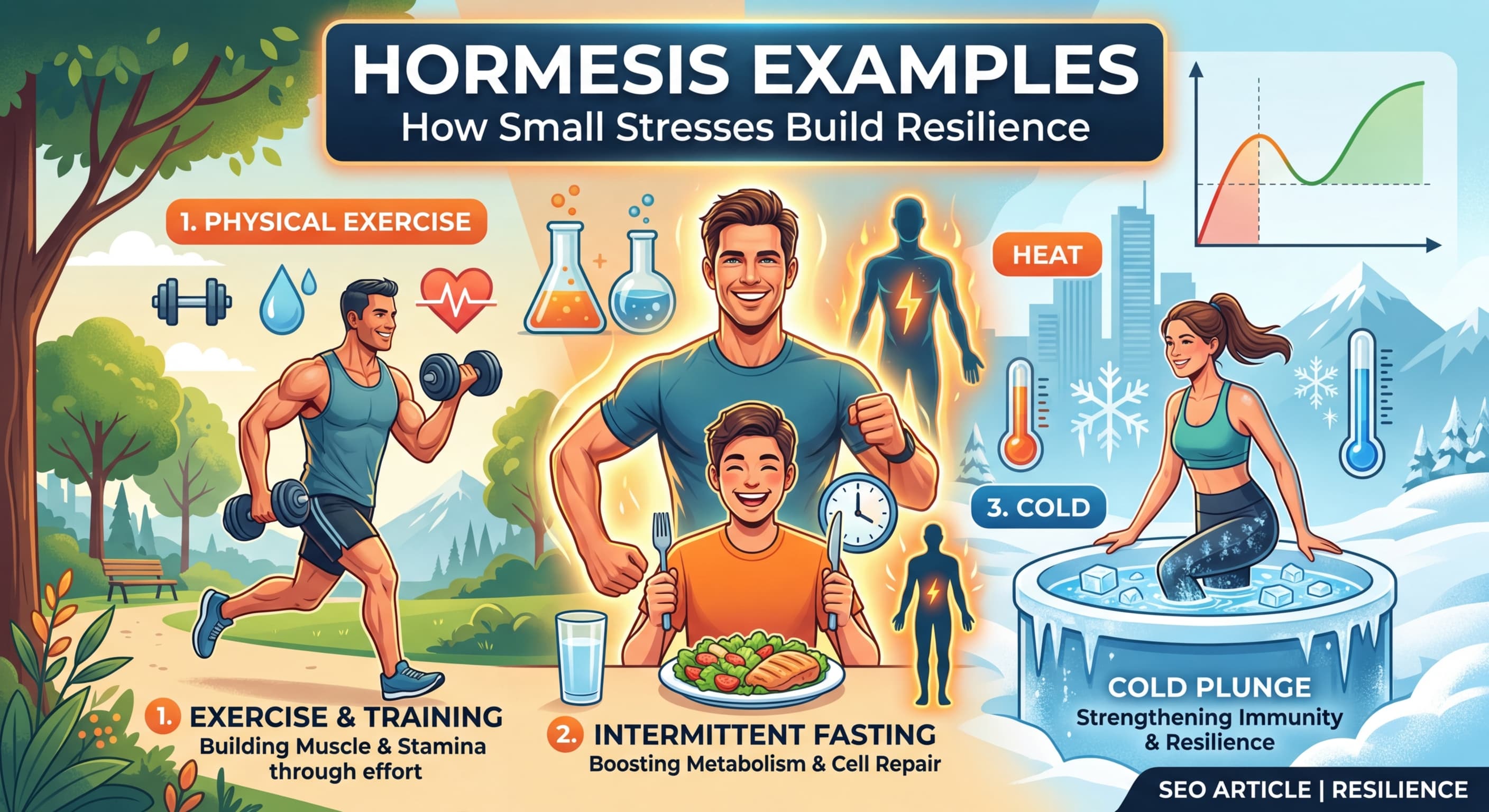
Hormesis examples help explain a counterintuitive idea: small, controlled amounts of stress may trigger adaptive responses that help the body become more resilient. In biology, hormesis refers to a pattern where a low-level stressor can produce a beneficial response, while a higher level of the same stressor becomes harmful.
This topic matters because hormesis shows up in many areas of health, including exercise, heat exposure, calorie restriction, plant compounds, and some supplement discussions. Understanding where the concept is useful—and where it is overstated—can help readers make safer, more informed choices about lifestyle, supplements, and risk.
What Hormesis Means and Why It Matters
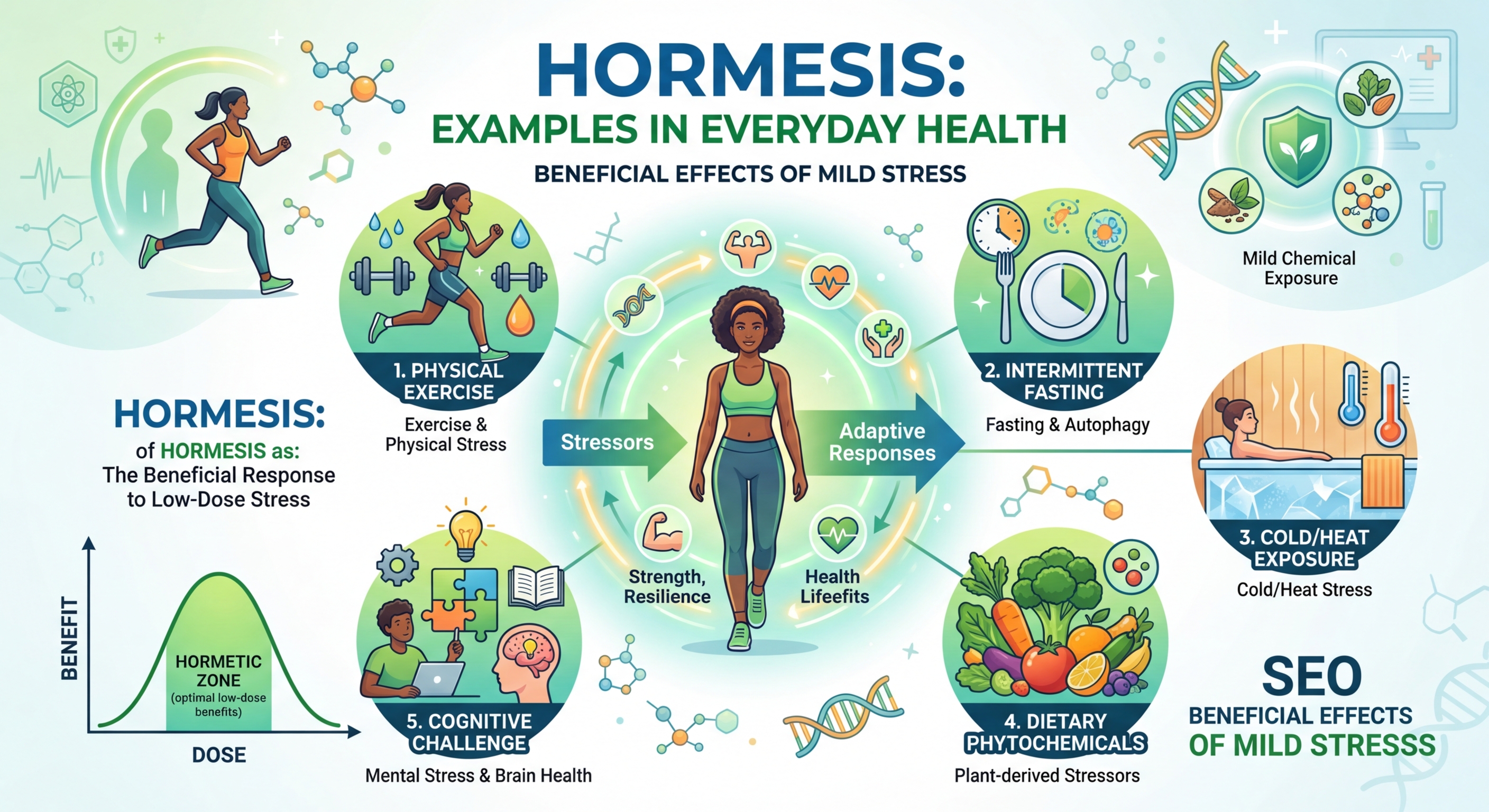
Hormesis describes a dose-dependent response in which a low dose of a stressor may stimulate a protective or adaptive reaction, while a larger dose causes damage. That “beneficial stress” idea is often used to explain why certain challenging exposures can improve resilience when they are brief, moderate, and recoverable.
In practical terms, hormesis is not a promise that “stress is good.” Instead, it is a biological pattern seen in some systems under some conditions. The same stressor can be useful at one level and harmful at another, which is why context, dose, frequency, and individual health status all matter.
People search for hormesis examples because the concept appears in discussions of longevity, exercise, fasting, sauna use, cold exposure, plant compounds, and supplement timing. It is also common in wellness marketing, where the idea can be stretched beyond what the evidence supports. A careful, evidence-aware explanation helps separate real biology from overconfident claims.
The basic hormesis pattern
The simplest way to understand hormesis is to picture a U-shaped or inverted U-shaped response. Too little stimulus may do nothing, a moderate amount may trigger adaptation, and too much may overwhelm the body’s repair systems. The outcome depends on the specific stressor and the tissue or pathway involved.
This pattern is observed in many biological settings, but it does not mean every stressor is helpful in small doses. Some exposures are clearly harmful even at relatively low levels, especially if they are repeated, prolonged, or applied to a person with limited physiological reserve.
Why the concept is popular in longevity discussions
Hormesis is often linked to longevity because adaptive stress responses may support cellular maintenance, stress resistance, and metabolic flexibility. Researchers are interested in whether some forms of mild stress can activate pathways involved in repair, detoxification, and energy balance.
That said, longevity is not determined by one mechanism. Genetics, sleep, diet quality, physical activity, smoking status, medical care, and many other factors play major roles. Hormesis is best viewed as one scientific framework among many, not a standalone strategy for living longer.
| Core concept | What it means | Why it matters |
|---|---|---|
| Low-dose stress | A mild challenge that the body can recover from | May stimulate adaptive repair pathways |
| High-dose stress | A stronger or prolonged challenge | Can cause injury, fatigue, or worsening health |
| Recovery | The time the body needs to respond and adapt | Recovery determines whether the stress is helpful or harmful |
| Individual variation | Different people respond differently to the same stimulus | Age, medications, illness, and fitness all matter |
Hormesis Examples in Everyday Health
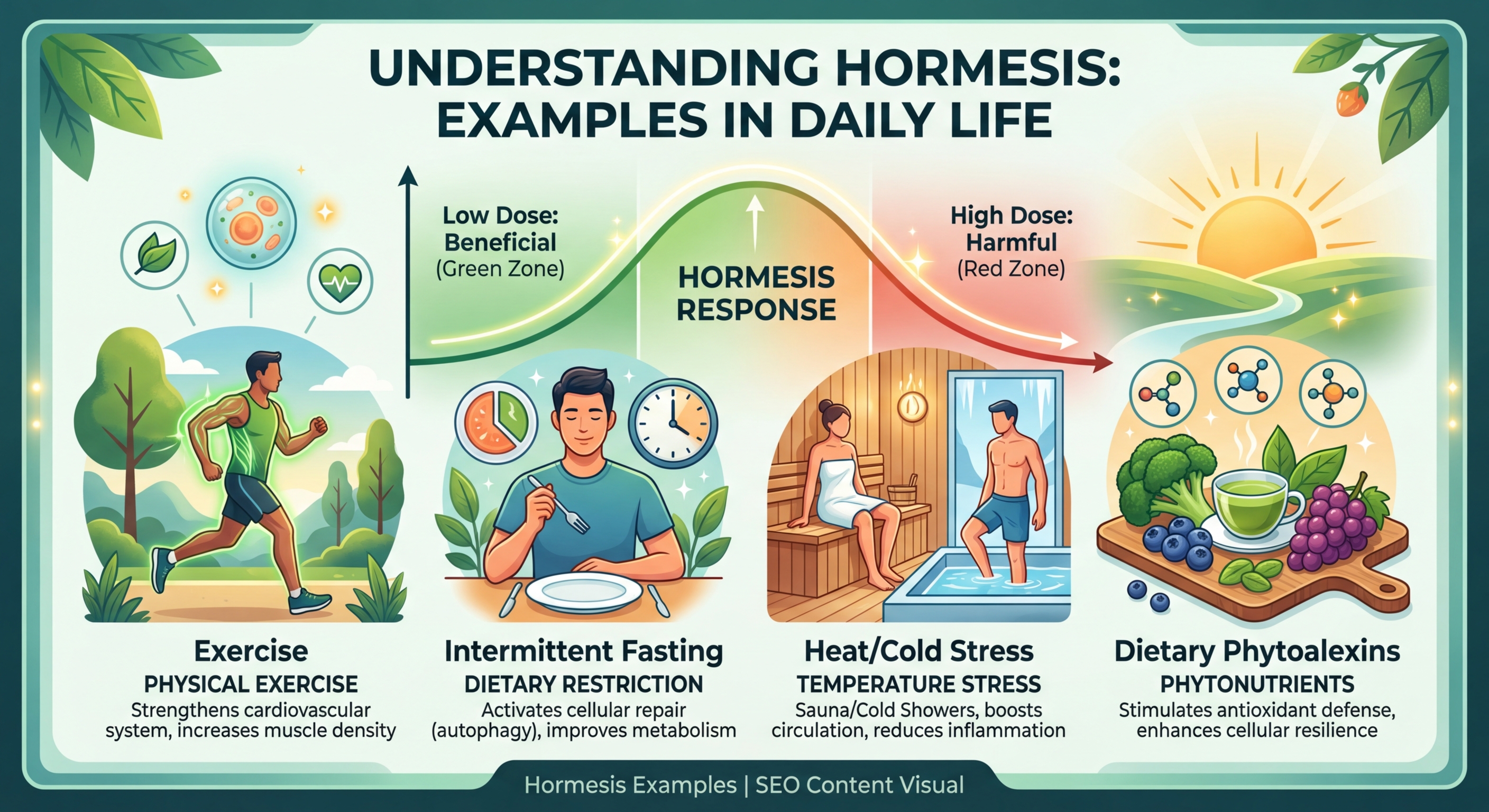
Some of the clearest hormesis examples come from ordinary health behaviors rather than exotic interventions. Exercise is the most familiar one, but heat exposure, fasting patterns, and certain plant compounds are also commonly discussed. These examples are useful because they show how a mild challenge can prompt the body to adapt.
At the same time, not every item on a “hormesis list” is equally well supported. Some examples are backed by a broader scientific understanding, while others are still speculative or derived mainly from laboratory studies. Knowing the difference helps readers avoid oversimplified claims.
Exercise as a hormetic stressor
Physical activity is one of the best-known examples of hormesis. When you exercise, muscles, cardiovascular tissue, and energy systems experience a temporary stress that can lead to stronger performance, improved endurance, and better metabolic efficiency over time. The challenge is modestly damaging at the moment, but the recovery process is part of the adaptation.
This does not mean “more is always better.” Very high training loads without enough recovery can lead to overuse injuries, fatigue, sleep disruption, and performance decline. The hormesis framework helps explain why a balanced dose of exercise is beneficial while excessive training can backfire.
Heat exposure and sauna use
Heat exposure is often discussed as a hormetic stressor because the body responds by improving heat tolerance, circulation responses, and certain cellular defense pathways. Sauna use is one common form of deliberate heat exposure, though the intensity and safety profile depend on the person, duration, hydration status, and medical history.
People with cardiovascular disease, low blood pressure, dehydration risk, or pregnancy should be especially cautious and should speak with a licensed healthcare professional before using heat exposure as a wellness practice. Heat can place real strain on the body, and the line between “manageable stress” and unsafe exposure can be thin.
Cold exposure
Short cold exposure is another example often linked to hormesis. Some people use cold showers, ice baths, or outdoor cold exposure in hopes of triggering adaptive responses related to alertness, circulation, or stress tolerance. The evidence is mixed and depends heavily on how the exposure is done.
Cold stress is not harmless simply because it is brief. People with cardiovascular conditions, Raynaud’s phenomenon, neuropathy, certain respiratory issues, or a history of fainting may face added risks. A mild stimulus for one person can be an unsafe stressor for another.
Fasting and meal timing
Periods of reduced food intake are sometimes discussed as hormetic because they may activate stress-response pathways involved in energy sensing and cellular maintenance. However, fasting is not appropriate for everyone, and the word itself can cover a wide range of behaviors, from overnight fasting to much more restrictive patterns.
For some people, especially those with diabetes, a history of eating disorders, pregnancy, breastfeeding, or certain medication regimens, fasting can be risky. It is important not to assume that a fasting approach is beneficial simply because it sounds biologically “natural” or is associated with longevity conversations.
Plant compounds and “phytonutrient stress”
Some plant compounds can act as mild stress signals in laboratory models, which is why they are sometimes discussed as hormetic agents. Examples include certain compounds in cruciferous vegetables, tea, coffee, cocoa, and spices. These foods may support health as part of a balanced diet, but that does not mean they should be treated as medicine in supplement-like doses.
The key distinction is between eating a food and taking an isolated extract. Concentrated supplements may deliver far more of a compound than the body typically encounters from food, which can change both benefits and risks. More is not automatically better, even when the compound comes from a plant.
| Hormesis example | Possible adaptive response | Main caution |
|---|---|---|
| Exercise | Stronger muscles, improved endurance, better metabolic function | Overtraining, injury, insufficient recovery |
| Sauna/heat | Improved heat tolerance, circulation responses | Dehydration, dizziness, cardiovascular strain |
| Cold exposure | Stress tolerance, alertness | Blood pressure changes, nerve and heart concerns |
| Fasting patterns | Energy-sensing adaptation, possible metabolic changes | Not suitable for everyone; medication and nutrition risks |
| Plant compounds | Cellular stress-response signaling in some models | Extracts may not behave like foods |
How Hormesis Works in the Body
Hormesis is usually explained through the body’s repair and adaptation systems. A mild stressor can prompt cells to increase antioxidant defenses, improve protein repair, adjust inflammation signaling, or enhance energy management. These responses are part of how the body maintains balance in changing conditions.
Although this sounds straightforward, the biology is complex. Different tissues can respond differently, and the same exposure can be helpful in one setting and harmful in another. That complexity is one reason it is risky to turn hormesis into a one-size-fits-all wellness rule.
Stress-response pathways
When the body senses stress, it may activate pathways that help manage damage and restore balance. These pathways are involved in detoxification, repair, autophagy, antioxidant regulation, and cellular quality control. Researchers are still studying how these systems work together across different exposures and populations.
In everyday language, the body “learns” to handle a challenge better after exposure to a manageable version of it. But that learning only happens when the stress is not too intense and the recovery window is sufficient. Without recovery, the same challenge may simply become cumulative damage.
Why dose matters more than the label
One of the most important ideas in hormesis is that dose determines the effect. A stressor is not automatically good or bad by category alone. Water, oxygen, exercise, sunlight, plant compounds, and even vitamins can be helpful or harmful depending on amount and context.
This is especially relevant to supplements. A nutrient or botanical that supports the body at normal dietary or supplemental levels may become problematic at high doses. That is why labels, upper limits, medication interactions, and personal health factors deserve careful attention.
The role of recovery
Recovery is the part of hormesis that is often forgotten. A stimulus can only lead to adaptation if the body has time and resources to respond. Sleep, hydration, adequate nutrition, and spacing of challenging activities all influence whether the stress is productive.
If someone keeps adding stressors without recovery, the outcome shifts away from hormesis and toward strain. This is true for training, fasting, heat, cold, and even some supplement practices that are piled on too aggressively. More challenge is not the same as more benefit.
| Factor | Why it matters for hormesis |
|---|---|
| Intensity | Too little may not trigger adaptation; too much may cause injury |
| Duration | Longer exposure may change a helpful signal into a harmful one |
| Frequency | Repeated stress without recovery reduces resilience |
| Health status | Age, illness, medications, and frailty affect tolerance |
| Recovery resources | Sleep, food intake, and hydration change the response |
Hormesis Examples in Supplements and Nutrients
Hormesis comes up frequently in supplement discussions because many plant compounds and nutrients affect cellular stress pathways. However, that does not mean supplements should be used to “stress the body on purpose” without a clear reason. In the U.S. market, supplement claims can become exaggerated quickly, so it helps to keep the distinction between food, nutrient support, and pharmacologic-style effects clear.
For vitamins and minerals, the goal is usually adequacy rather than hormetic stress. For certain plant compounds, researchers sometimes study whether low-dose exposure activates adaptive pathways, but that is not the same as proving a supplement will improve longevity in real-world use. The evidence is often preliminary.
Plant polyphenols and phytochemicals
Polyphenols in tea, cocoa, berries, grapes, and some spices are frequently cited as hormetic compounds. In lab settings, these substances may trigger antioxidant response pathways or influence cell signaling. In diet patterns, they are best understood as part of an overall food matrix, not as isolated miracle ingredients.
Concentrated supplements may behave differently from foods. A capsule or extract can deliver a much higher dose than a normal serving of food, which may alter tolerability and effects. If a product is marketed as “cellular stress support,” that language should be viewed cautiously unless the evidence is clear and the claim is appropriately framed.
Curcumin, resveratrol, and green tea extract
Some popular supplements are often linked to hormesis because they have been studied for their effects on cellular signaling. Curcumin, resveratrol, and green tea extract are commonly discussed examples. The public conversation around these ingredients is much larger than the clinical evidence supporting broad longevity claims.
These ingredients may interact with medications or cause side effects, especially at high doses or in concentrated extracts. Green tea extract, for example, is not the same as drinking tea, and some concentrated products have been associated with liver concerns. This is why supplement form matters as much as ingredient name.
Antioxidants: a cautionary example
Antioxidants are often marketed as universally beneficial, but the hormesis concept shows why that view can be too simplistic. The body uses reactive signals as part of normal adaptation, and excessive antioxidant supplementation may theoretically blunt some training adaptations or signaling processes in certain contexts. That does not mean antioxidants are bad; it means balance matters.
For most readers, the practical takeaway is to prioritize food sources and use supplements only for a specific need. A supplement should have a clear purpose, a reasonable dose, and a safety profile that fits the person’s health status and medication list.
| Supplement-related example | Why it is discussed in hormesis | Safety note |
|---|---|---|
| Polyphenol-rich foods | May influence stress-response signaling | Usually best approached as part of the diet |
| Curcumin extracts | Studied for cell-signaling effects | May interact with blood thinners and other medications |
| Resveratrol products | Often marketed for longevity | Evidence for long-term outcomes remains limited |
| Green tea extract | Contains concentrated catechins | Higher-dose extracts may carry liver risk |
When Stress Helps and When It Hurts
The biggest mistake people make with hormesis is assuming any stress is good if some stress is good. That is not how the model works. A helpful hormetic stressor is usually brief, controlled, and followed by recovery; harmful stress is prolonged, excessive, repeated, or applied to someone who cannot safely tolerate it.
This distinction matters in real life because people often face multiple stressors at once. Someone may be exercising intensely, sleeping poorly, restricting calories, taking supplements, and dealing with work stress all at the same time. Even if each factor seems modest on its own, the combined burden may be too much.
Signs a stressor may be too much
There is no single universal signal that a hormetic practice has crossed into harmful territory, but common warning signs include prolonged exhaustion, dizziness, sleep disruption, irritability, poor workout recovery, persistent headaches, or a general feeling of depletion. These symptoms are not specific to hormesis, so they should not be self-diagnosed.
If symptoms persist, worsen, or interfere with daily function, the person should speak with a licensed healthcare professional. This is especially important when symptoms could reflect anemia, thyroid problems, blood sugar issues, medication side effects, dehydration, or another medical issue.
Who may need a more cautious approach
People who are older, frail, underweight, recovering from illness, living with a chronic condition, pregnant, breastfeeding, or taking multiple medications may have less tolerance for intentional stress. A practice that is mild for one person may be too demanding for another. That is one reason generalized advice can be misleading.
Even among healthy adults, tolerance varies. Fitness level, hydration, sleep, and current life stress all influence how a person handles exercise, heat, fasting, or supplement changes. The appropriate response to a stressor is highly individual.
Food, Lifestyle, and Supplement Choices Through a Hormesis Lens
Hormesis can be a helpful framework for thinking about health choices because it reminds us that the body adapts to challenge. Still, the safest, most useful applications usually come from lifestyle behaviors and food patterns rather than from trying to “hack” biology with high-dose supplements. That distinction is especially important for U.S. readers navigating aggressive marketing claims.
When the goal is resilience, the best questions are practical: Is the stress dose reasonable? Is recovery built in? Does the person’s health status support this choice? Those questions matter more than whether a product or practice is labeled “biohacking” or “longevity support.”
Food-based hormesis versus supplement-based hormesis
Food-based exposures usually occur at lower, more natural doses and come packaged with fiber, protein, fat, and other compounds that shape absorption and effect. Supplements isolate one or a few compounds, which can be useful in some circumstances but can also increase the risk of overdoing it. For most people, food patterns are the more conservative starting point.
This does not mean supplements have no role. They can be useful when there is a true deficiency, a restricted diet, a documented need, or a specific situation identified by a healthcare professional. But using supplements simply because hormesis sounds appealing is not a substitute for a clear nutritional rationale.
General principles for safer use
If a reader is considering a supplement associated with hormesis, the safest approach is to start with the smallest reasonable amount consistent with the product label and professional guidance, then reassess tolerability and need. That still does not replace personalized medical advice. It is merely a conservative way to reduce risk.
It is also smart to use one change at a time. Starting several supplements, a fasting protocol, a sauna routine, and a new training plan at once makes it impossible to know what helps or harms. Simpler changes are easier to monitor and less likely to create confusion.
- Choose food sources first when possible, especially for plant compounds and nutrients that are widely available in foods.
- Avoid stacking multiple stressors aggressively, such as intense exercise plus heavy caloric restriction plus sleep loss.
- Check medication interactions before using concentrated extracts or high-dose supplements.
- Stop and seek medical guidance if a practice causes dizziness, palpitations, fainting, or persistent symptoms.
Common Mistakes and Misconceptions About Hormesis
Hormesis is an elegant scientific idea, but it is easy to misuse. Many people hear that “stress is good” and then apply that idea too broadly, ignoring dose, timing, and personal risk. Others use the term to promote supplements or extreme routines that have little real-world evidence.
Understanding the common mistakes can help readers use the concept more responsibly. The goal is not to avoid all stress, but to recognize that controlled challenge and uncontrolled strain are very different things.
Myth 1: Any stress is beneficial
This is the most common misunderstanding. Hormesis does not mean anxiety, sleep deprivation, dehydration, or under-eating are good for you. It means some stressors, at certain levels, can stimulate adaptation if the body can recover.
Chronic stress is not the same as hormetic stress. Persistent psychological strain, financial stress, and physical overload are associated with negative health effects, not a reliable adaptive benefit.
Myth 2: More is always better
More exercise, more fasting, more heat, more cold, or more supplements do not automatically lead to better outcomes. In fact, pushing too hard often causes diminishing returns or harm. The hormesis curve is dose dependent, which is exactly why moderation matters.
Many people confuse discomfort with effectiveness. But feeling challenged is not proof that a practice is beneficial, and feeling exhausted is not proof that a practice is “working.”
Myth 3: Hormesis proves supplement longevity claims
Some supplement marketing suggests that a compound can mimic the effects of exercise or extend lifespan through hormesis alone. That claim is far stronger than the evidence usually allows. Laboratory findings do not automatically translate into meaningful human outcomes.
When evaluating these claims, look for cautious language, clear dosing context, and safety discussion. If a product promises dramatic anti-aging results, readers should be skeptical and seek more reliable sources.
Myth 4: Natural means harmless
Natural substances can still cause side effects, interact with medications, or be unsafe at high doses. This applies to herbs, extracts, and nutrients alike. In supplement discussions, “natural” is a marketing word, not a safety guarantee.
The same is true for natural stressors like heat or fasting. Just because something occurs in nature does not mean it is appropriate for everyone or at every dose.
Safety, Side Effects, and Interaction Concerns
Safety is central to any discussion of hormesis because the line between mild stress and harmful exposure can be narrow. This is especially true for supplements, concentrated extracts, fasting, and practices that alter hydration, circulation, or energy intake. A cautious approach is more appropriate than a maximalist one.
Readers should also remember that side effects are not always immediate. Some interactions or adverse effects build gradually, and some may appear only when multiple factors overlap, such as medication use, poor hydration, and high-dose supplementation.
Possible side effects by category
Exercise-related hormetic stress can cause soreness, fatigue, or injury if overdone. Heat exposure can lead to dizziness, dehydration, headaches, or fainting, especially in sensitive individuals. Cold exposure can be uncomfortable at best and risky at worst for people with cardiovascular or circulation concerns.
Supplement-related side effects depend on the ingredient. Some polyphenol extracts cause gastrointestinal upset. Others may affect sleep, liver enzymes, blood clotting, blood pressure, or blood sugar, depending on the compound and dose. The label alone does not fully capture risk.
Medication interactions to consider
Concentrated supplements may interact with prescription medications in ways that are not obvious. This is one reason to review any new supplement with a pharmacist or physician, especially if the person takes blood thinners, blood pressure medication, diabetes medication, sedatives, or drugs with narrow therapeutic windows.
Interactions can also occur with over-the-counter products. Multiple supplements may share similar effects, which can stack risks unintentionally. For example, several products might influence bleeding tendency, blood pressure, or stimulant load without the user realizing it.
| Area | Potential concern | Why it matters |
|---|---|---|
| Exercise | Overtraining, injury | Recovery is necessary for adaptation |
| Heat exposure | Dehydration, fainting | Can stress the cardiovascular system |
| Cold exposure | Blood pressure or circulation issues | Not appropriate for everyone |
| Fasting | Hypoglycemia, disordered eating triggers | Especially relevant with diabetes or eating disorder history |
| Supplements | Drug interactions, high-dose toxicity | Label claims do not replace medical review |
How to Think About Hormesis Examples in Real Life
The most practical way to use hormesis is as a decision-making lens, not a goal in itself. Ask whether a proposed stressor is reasonable, whether the body can recover, and whether there is a safer alternative that achieves the same purpose. In many cases, the best answer is a familiar one: a balanced diet, regular exercise, adequate sleep, and targeted medical guidance when needed.
For readers interested in supplements, the key question is not whether a product can trigger a cellular pathway in a lab. It is whether the product is appropriate, safe, and useful for a real person with a real diet, real medications, and real health conditions. That standard is harder to meet than a marketing claim.
A simple framework for evaluating a hormetic practice
First, identify the stressor. Is it exercise, heat, cold, fasting, or a concentrated supplement? Then consider the dose, because a low-dose exposure may behave very differently from a high-dose one. Next, consider recovery, since adaptation depends on the body having time and resources to respond.
Finally, review risk factors. Age, pregnancy, breastfeeding, medication use, chronic disease, low body weight, and a history of fainting, disordered eating, or cardiovascular issues can all change the safety profile. If any of those apply, personalized medical guidance becomes much more important.
When a professional opinion is especially useful
A licensed healthcare professional can help distinguish between a trend and a legitimate concern. This is particularly valuable if a person has symptoms that could signal deficiency, dehydration, anemia, thyroid disease, infection, medication side effects, or another condition. Hormesis should never be used to explain away symptoms that warrant evaluation.
Professional guidance is also useful when combining supplements, because interactions are easy to miss. A pharmacist can often help review the risk of overlap, especially if someone uses multiple over-the-counter products or sees several different clinicians.
Frequently Asked Questions
What are the best hormesis examples?
Exercise is the clearest and most established example. Heat exposure, cold exposure, and some fasting patterns are also commonly discussed, but their suitability depends on the person and the context. Plant compounds in foods and some supplements are sometimes included as well, though the evidence varies.
Is hormesis the same as stressing your body on purpose?
Not exactly. Hormesis refers to a specific pattern where a low, manageable stress may trigger a beneficial response. It does not mean all stress is good or that pushing harder always leads to better health outcomes.
Can supplements create hormesis?
Some supplements may influence stress-response pathways in lab studies, but that does not prove they improve health or longevity in real life. Supplements should be chosen for a clear reason, with attention to dose, interactions, and side effects. Food-based sources are often the safer starting point.
Are fasting and hormesis the same thing?
No. Some fasting patterns are discussed as hormetic, but fasting is not automatically beneficial and is not appropriate for everyone. People with diabetes, a history of eating disorders, pregnancy, or certain medication regimens should be especially cautious and seek professional guidance.
Can too much hormetic stress be harmful?
Yes. Too much of any stressor can lead to fatigue, injury, dehydration, sleep disruption, or other problems. The benefit depends on the dose, recovery, and the individual’s health status.
Is sauna use a safe hormesis example for everyone?
No. Sauna use may be appropriate for some people, but it can be risky for others, especially those with cardiovascular concerns, dehydration risk, low blood pressure, or pregnancy. A healthcare professional can help determine whether it is reasonable in a specific case.
Do plant compounds like curcumin or resveratrol prove the hormesis theory?
No. They are often discussed in relation to hormesis, but laboratory findings do not automatically translate into proven longevity benefits for people. Claims should be viewed cautiously, especially when they come from supplement marketing.
When should I talk to a doctor about a hormetic practice?
Talk to a licensed healthcare professional if you have symptoms, a chronic condition, abnormal lab results, take prescription medications, are pregnant or breastfeeding, or plan to start a supplement or fasting routine. Professional guidance is also wise if a practice causes dizziness, fainting, palpitations, or persistent fatigue.
Conclusion
Hormesis helps explain why small, controlled challenges can sometimes support adaptation, resilience, and healthy function. The strongest everyday hormesis examples are exercise, recovery-based physical training, and carefully managed exposure to heat or cold, while fasting and certain plant compounds are more conditional and less universally appropriate.
For readers interested in supplements, the main lesson is caution. A compound that seems intriguing in a lab does not automatically become a safe or effective longevity tool in real life. The safest approach is to prioritize adequate nutrition, use supplements only for a clear need, and discuss questions about dosage, timing, interactions, or symptoms with a licensed healthcare professional.
Hormesis is a useful framework when it helps people think more carefully about dose, recovery, and individual variation. It is not a license to seek extremes. The healthiest interpretation is often the simplest: challenge the body enough to adapt, but not so much that recovery is compromised.