
vitamine -
The Link Between Gut Microbiome and Aging
Longevity gut health is an area of growing interest because the gut microbiome appears to influence digestion, nutrient metabolism, immune signaling, and other processes that tend to change with age. Research suggests that a more diverse and resilient microbiome may support healt
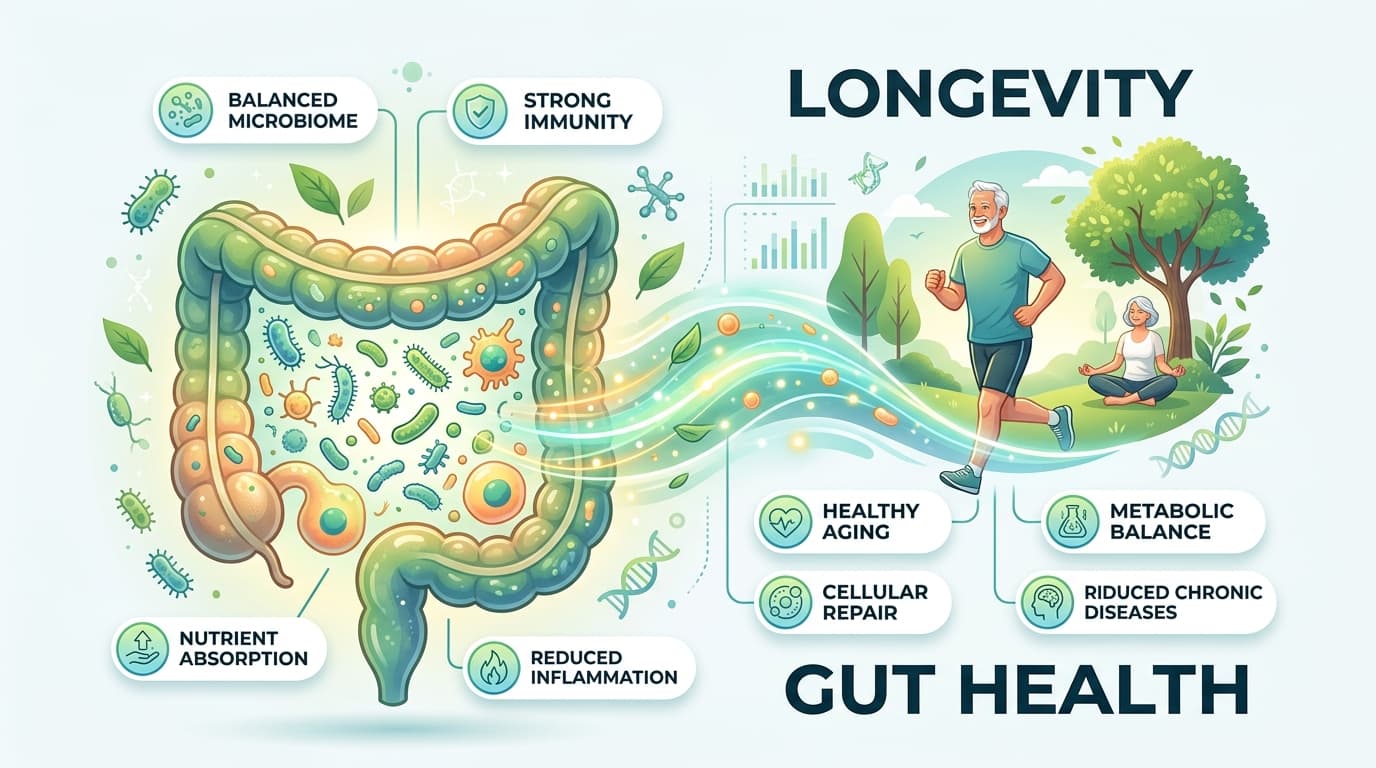
Longevity gut health is an area of growing interest because the gut microbiome appears to influence digestion, nutrient metabolism, immune signaling, and other processes that tend to change with age. Research suggests that a more diverse and resilient microbiome may support healthier aging, but the relationship is complex and not fully understood.
For U.S. readers, the most useful question is not whether one supplement or food can “fix” the microbiome, but how diet, medications, age-related changes, and overall health can affect gut balance over time. This article explains what the microbiome is, how it changes with aging, what factors may support a healthier gut environment, and what to consider before using supplements or making major changes.
What the Gut Microbiome Is and Why It Matters for Aging
The gut microbiome is the community of bacteria, archaea, fungi, and other microbes living in the digestive tract, especially the large intestine. These organisms interact with the foods you eat, the medications you take, and the environment inside the gut, helping produce compounds that may influence digestion and metabolism. In aging research, the microbiome matters because it may shape inflammation, nutrient use, gut barrier function, and how the body responds to stress over time.
Scientists often discuss the microbiome as an ecosystem rather than a single “good” or “bad” organism. A resilient ecosystem tends to be diverse and adaptable, meaning it can handle changes in diet, illness, or medications without becoming overly disrupted. That idea is one reason longevity gut health is a popular topic: people want practical ways to support a gut environment that may age more gracefully.
It helps to be careful with expectations. The microbiome is not a simple anti-aging switch, and there is no single test, probiotic, or food plan that guarantees healthier aging. Still, there is enough evidence to show that diet quality, physical activity, medication exposure, and general health status can all influence the gut microbiome in meaningful ways.
Why researchers pay attention to the gut during aging
As the body ages, changes in appetite, digestion, muscle mass, immune function, and medication use can all affect gut ecology. The gut microbiome may in turn influence some of these systems, creating a feedback loop that can either support resilience or contribute to fragility. This is one reason the microbiome is discussed in relation to overall functional health rather than just digestive comfort.
In practical terms, the microbiome is relevant because it interacts with fiber, fermented foods, bile acids, vitamins, and other compounds that affect how the body processes nutrients. If the gut environment shifts, nutrient handling and digestive tolerance can shift as well. That does not mean every age-related change is microbiome-related, but it does mean the gut deserves attention as part of the broader aging picture.
Key functions of the microbiome in plain language
Many people first hear about the microbiome through probiotic ads, but the real picture is more nuanced. The gut microbes help break down certain fibers, produce short-chain fatty acids, interact with the immune system, and compete with less helpful organisms for space and resources. They also appear to communicate with the gut lining and may affect how permeable or stable that barrier is under different conditions.
From a longevity perspective, these functions matter because they may influence chronic low-grade inflammation, insulin sensitivity, bowel regularity, and recovery from disruptions such as illness or antibiotics. None of these roles should be overstated, but they help explain why gut health is seen as part of healthy aging rather than a separate topic.
| Microbiome function | Why it matters as people age | What may support it |
|---|---|---|
| Fiber fermentation | May support beneficial microbial byproducts | Fiber-rich foods, gradual fiber increase, adequate fluids |
| Gut barrier support | May help maintain digestive and immune balance | Diet quality, sleep, medication review, overall health care |
| Microbial diversity | Often discussed as a sign of ecosystem resilience | Plant variety, fermented foods, less dietary monotony |
| Interaction with immune system | Immune patterns shift with age | Balanced diet, medical management of chronic conditions |
How the Gut Microbiome Changes With Age

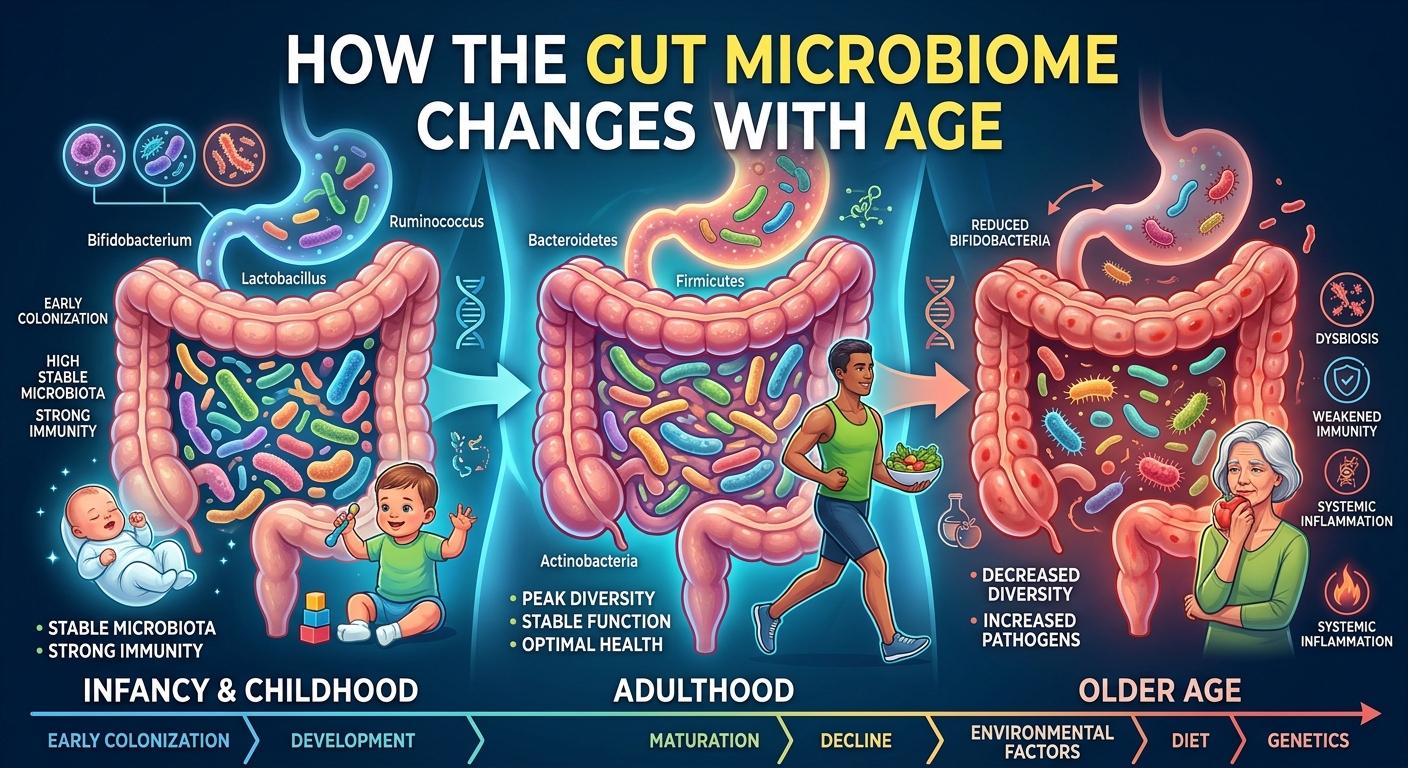
Aging does not affect every person in the same way, but research suggests the gut microbiome often becomes less stable over time. Some older adults show lower diversity, fewer beneficial fiber-fermenting microbes, and more variation from day to day than younger adults. These changes may be influenced by diet, medications, reduced physical activity, dental health, and health conditions, not age alone.
It is also important to recognize that older adults are not all alike. Some maintain a relatively diverse microbiome and healthy digestion well into later life, while others experience more noticeable changes much earlier because of illness, repeated antibiotic use, restricted diets, or reduced intake of fiber-rich foods. This variability is one reason personalized medical guidance matters.
The most useful way to think about aging and the microbiome is as a gradual shift in resilience. The gut may become more vulnerable to disruption, recovery from stressors may take longer, and feeding patterns may become more important to microbial stability. Those changes do not automatically signal a problem, but they can help explain why gut-focused habits may matter more with age.
Common drivers of age-related microbiome changes
Dietary changes are a major factor. If a person eats fewer plant foods, less variety, or less total food because of appetite changes, dental issues, or financial constraints, the microbiome may receive less of the substrate it needs to remain diverse. Likewise, higher intake of highly processed foods may reduce the amount of fermentable fiber available to the microbes that rely on it.
Medications are another important factor, especially antibiotics, proton pump inhibitors, laxatives, metformin, and other common drugs that can alter digestive conditions or microbial balance. This does not mean these medications should be avoided when medically needed, but it does mean their effects on the gut are worth discussing with a clinician. In many cases, the benefit of the medication outweighs the microbiome disruption, yet the disruption can still be relevant.
Physical inactivity, chronic disease burden, and changes in sleep or stress patterns may also shape the microbiome indirectly. The gut is responsive to the whole person, not just to supplements. That is one reason longevity gut health is best approached with broad, practical habits rather than a single-product mindset.
What aging-related changes may feel like
People sometimes wonder whether they can “feel” microbiome changes directly, but symptoms are usually nonspecific. Bloating, irregular bowel habits, changes in food tolerance, or altered appetite can have many causes, including medications, stress, gallbladder issues, lactose intolerance, thyroid problems, or other medical conditions. Symptoms alone cannot identify a microbiome imbalance.
That ambiguity matters because it can be tempting to self-diagnose after reading about the microbiome online. A thoughtful approach is to look at patterns, such as recent antibiotic use, changes in diet, or new digestive symptoms, and then speak with a healthcare professional if something persists or worsens. This is especially important for older adults who may have multiple medications or chronic conditions.
How the Microbiome May Influence Healthy Aging
Researchers study the microbiome because it may interact with several systems associated with aging, including immune function, inflammation, metabolism, and the gut barrier. These are not isolated processes; they overlap and influence one another. A healthier microbial environment may help support balance in these systems, but evidence is still evolving, and many findings are observational rather than definitive.
It is more accurate to say the microbiome may be one contributor to healthier aging rather than the master controller of longevity. Even so, because it is responsive to diet and lifestyle, it presents an attractive area for prevention-oriented habits. For many readers, that is what makes longevity gut health so compelling: it offers a practical angle on a broad and complex topic.
Inflammation and immune signaling
The gut and immune system are closely connected. Microbial products can influence immune signaling, and the gut lining helps determine how much of that activity stays local versus affecting the broader body. As people age, immune patterns shift, and researchers are interested in whether microbiome changes contribute to that shift.
Inflammation is a particularly common topic in aging discussions, but it should be understood carefully. Some inflammation is normal and necessary, while chronic low-grade inflammation is associated with less favorable health patterns. A balanced microbiome may help support healthy immune communication, but it cannot be viewed as a stand-alone fix for inflammatory conditions.
Metabolism and nutrient handling
The microbiome may affect how certain carbohydrates and fibers are broken down, how bile acids are processed, and how some nutrients are absorbed or used. These interactions can matter more when appetite is lower, digestion is slower, or nutrient intake becomes less consistent with age. In other words, a healthy gut environment may help make the most of the food a person actually eats.
That does not mean microbiome support replaces good nutrition. Rather, the microbiome may be one of the reasons plant-rich diets are often associated with favorable health patterns. It may also help explain why changes in gut bacteria can sometimes occur alongside changes in weight, glucose metabolism, or general resilience, although the direction of causality is not always clear.
Gut barrier function and microbial metabolites
The gut barrier is sometimes described as a selective interface that helps the body absorb useful substances while limiting unwanted exposure. Microbial metabolites, including short-chain fatty acids produced from fiber fermentation, are of interest because they may support the gut lining and broader metabolic balance. This is one reason fiber is so central to microbiome discussions.
Still, the language around gut barrier health can become exaggerated online. It is more accurate to think in terms of supporting normal digestive and microbial function rather than promising that one food or supplement will “repair” the gut. A balanced pattern over time is typically more relevant than any single ingredient.
| Aging-related area | How the microbiome may be involved | Practical takeaway |
|---|---|---|
| Immune function | Gut microbes help shape immune signaling | Diet quality and overall health matter |
| Inflammation | Microbial balance may influence inflammatory patterns | Support microbial diversity with fiber and variety |
| Digestion | Microbes help break down certain food components | Gradual changes help tolerance |
| Metabolism | Microbes interact with bile acids and nutrient processing | Balanced meals and medical review remain important |
Diet Patterns That May Support Longevity Gut Health
Food is the most important everyday lever for microbiome support. The best evidence generally favors dietary patterns that provide fiber, plant variety, and enough overall nutrition to feed both the person and the microbes living in the gut. For many U.S. readers, the challenge is less about choosing a perfect “microbiome diet” and more about making a sustainable pattern that fits daily life.
When people ask about longevity gut health, they often want to know which foods are most worth prioritizing. The answer usually includes fiber-rich plant foods, fermented foods if tolerated, and a pattern that limits extreme restriction. The microbiome tends to respond to consistency and diversity over time, not short-term perfection.
It is also worth noting that older adults may have special considerations such as chewing difficulty, reduced appetite, swallowing issues, or budget limits. In those situations, softer foods, blended options, and simpler meal planning may be more realistic than highly specialized diets. Practicality matters because a diet that cannot be maintained will not support the gut for long.
Fiber: the most important microbiome nutrient
Fiber is one of the main fuels for beneficial gut microbes. Different types of fiber are found in beans, lentils, oats, barley, vegetables, fruits, nuts, seeds, and whole grains. Because microbes ferment many fibers into useful compounds, increasing fiber intake gradually may support a more favorable gut environment.
That said, increasing fiber too quickly can lead to gas, bloating, or discomfort, especially in people who are not used to high-fiber eating. A slow, measured approach is usually better tolerated. People with certain digestive conditions, swallowing issues, or bowel narrowing should not increase fiber aggressively without medical guidance.
Fermented foods and cultured dairy
Fermented foods such as yogurt with live cultures, kefir, sauerkraut, kimchi, miso, and some fermented soy products are often discussed in microbiome conversations. These foods can contribute live microbes or microbial byproducts, though the effect depends on the specific food, processing method, and the person eating it. They are not required for gut health, but they may be a useful addition for some people.
Not everyone tolerates fermented foods well. Some products are high in sodium, histamine, or acidity, and some people with reflux, sensitivity, or certain food intolerances may need to be cautious. As with any dietary change, it helps to introduce these foods gradually and observe tolerance rather than assuming they are universally beneficial.
Diet variety and plant diversity
Microbiome research often emphasizes variety because different microbes use different substrates. A broad mix of plant foods may expose the gut to different fibers, polyphenols, and carbohydrates that support a wider microbial ecosystem. In practical terms, rotating vegetables, fruits, legumes, whole grains, nuts, and seeds may be more useful than relying on just one “superfood.”
This does not require an expensive specialty plan. Canned beans, frozen vegetables, oats, apples, berries, peanut butter, and whole grain bread can all contribute to variety. The goal is not exotic ingredients; it is regular, repeated exposure to a range of plant-based nutrients that the microbiome can use.
| Food group | Why it may matter for gut health | Examples |
|---|---|---|
| Legumes | High in fermentable fiber | Beans, lentils, chickpeas, split peas |
| Whole grains | Support microbial fermentation | Oats, barley, brown rice, whole wheat |
| Fruits and vegetables | Provide fiber and plant compounds | Berries, apples, leafy greens, carrots |
| Fermented foods | May add beneficial microbes or metabolites | Yogurt, kefir, kimchi, sauerkraut, miso |
| Nuts and seeds | Offer fiber and diverse nutrients | Walnuts, chia, flax, almonds, pumpkin seeds |
Foods and habits that may work against gut diversity
A diet that is consistently low in fiber and plant variety may not provide enough substrate for many beneficial microbes. Highly repetitive meals, frequent reliance on refined grains, and low intake of fruits and vegetables may all reduce microbial diversity over time. This is especially relevant when appetite is reduced or meals become simplified with age.
Frequent alcohol use, excessive ultra-processed foods, and chronic low fluid intake can also complicate digestion and may indirectly influence the microbiome. These factors do not automatically “damage” the gut in a simple way, but they may make the environment less supportive of a robust microbial community. Again, the focus should be on patterns rather than isolated meals.
Supplement Options Often Discussed for Gut Health and Aging
Supplements are popular because they seem like a faster route to microbiome support than changing an entire diet. In reality, supplements may have a role in some cases, but they are usually more limited than marketing suggests. Their usefulness depends on diet, symptoms, medications, age, and whether there is a specific deficiency or clinical reason to consider them.
For longevity gut health, the most commonly discussed supplements include probiotics, prebiotic fibers, synbiotics, and certain nutrients that support digestion or overall nutritional status. These products are not interchangeable, and they are not all suitable for every adult. People with medical conditions or complex medication lists should be especially cautious.
It is also worth remembering that supplements are not regulated like prescription drugs in the U.S. That means quality, strain identity, potency, and ingredient accuracy can vary. If someone is considering a supplement for gut health, it is sensible to choose products carefully and discuss the choice with a licensed healthcare professional when appropriate.
Probiotics
Probiotics are live microorganisms intended to confer a health benefit when consumed in adequate amounts. Different probiotic products contain different strains, and strain matters because not all probiotics do the same thing. A product that is marketed for “gut support” may not be useful for a specific concern, and the evidence can vary widely by strain and use case.
Some people use probiotics after antibiotics, during periods of digestive disruption, or as part of a broader strategy to support gut comfort. However, benefits are not guaranteed, and some people experience gas, bloating, or no noticeable effect at all. Those with weakened immune systems, central lines, severe illness, or significant medical complexity should ask a clinician before using probiotics.
Prebiotics
Prebiotics are ingredients, often fibers, that feed beneficial gut microbes. They are commonly found in foods but also sold as supplements, such as inulin, fructooligosaccharides, galactooligosaccharides, and partially hydrolyzed guar gum. These can be useful when diet alone does not provide enough fermentable fiber, but they can also cause gas or discomfort if introduced too quickly.
Prebiotic supplements may be worth discussing when a person has low fiber intake and wants a targeted way to increase microbial fuel. Still, food sources are usually a better starting point because they provide additional nutrients and are often easier to tolerate. Supplements can be a backup, not a requirement.
Synbiotics and other combinations
Synbiotics combine probiotics and prebiotics in one product. The idea is to provide both the microbes and the food they use, though the real-world effectiveness depends on the product design and the person taking it. Some products may be thoughtfully formulated, while others may simply combine ingredients without a clear reason.
Other supplements often mentioned in gut health conversations include magnesium, digestive enzymes, omega-3s, and vitamin D, but the relevance of each depends on the individual context. None of these should be treated as automatic microbiome treatments. They may have specific uses, yet they also carry their own safety and interaction considerations.
| Supplement type | What it is | Main caution |
|---|---|---|
| Probiotic | Live microorganisms in specific strains | Effects are strain-specific; not ideal for everyone |
| Prebiotic | Fiber that feeds gut microbes | Can cause bloating or gas if increased too rapidly |
| Synbiotic | Combination of probiotic and prebiotic | Quality and rationale vary by product |
| Digestive enzyme product | Enzymes intended to help break down food components | Useful only in certain situations; may not affect microbiome |
How to Choose a Gut Health Supplement More Safely
Choosing a supplement is less about finding the most heavily advertised product and more about matching the product to the actual need. For many adults, the best first step is to clarify whether the goal is to increase fiber intake, support bowel regularity, address a temporary disruption, or simply improve diet quality. The more specific the goal, the easier it is to evaluate whether a supplement makes sense.
In the U.S. market, label quality and third-party testing can matter because supplements are not all produced to the same standard. Looking for transparent labeling, strain identification for probiotics, dose information, and reputable manufacturing practices is sensible. Even then, a supplement should be viewed as one part of a broader plan, not as a substitute for medical evaluation.
Older adults, people with chronic disease, and those using prescription medications may need extra caution. What seems like a mild gut-health product can still interact with medications, affect absorption, or cause unexpected side effects. This is especially true when someone is already managing multiple health concerns.
What to look for on the label
For probiotics, look for the full genus, species, and strain when possible, along with the amount of live organisms through the expiration date or at least at time of manufacture, depending on the labeling style. For prebiotic fibers, check the ingredient amount and source so you can compare products accurately. Avoid being swayed by vague claims such as “supports detox” or “balances the microbiome” without any specific rationale.
It also helps to check for allergen statements, added sugars, artificial sweeteners, and unnecessary blends. Some products combine many ingredients in one capsule, which can make it hard to identify what is actually helping or causing side effects. Simpler is often better when testing a new supplement.
When a food-first approach may be more appropriate
If the main issue is low fiber intake, a food-first approach usually makes sense before reaching for supplements. Whole foods provide a package of fiber, minerals, vitamins, and plant compounds that supplements cannot fully replicate. For many people, gradually adding more beans, oats, vegetables, fruits, nuts, and seeds is more effective and less expensive than buying multiple gut products.
A food-first approach is also preferable when symptoms are mild, nonspecific, or likely related to inconsistent eating habits. Supplements may be reasonable later if food changes are not enough or if a healthcare professional recommends one for a specific purpose. The key is to avoid jumping straight to capsules when the underlying issue may be diet variety or medication-related digestive change.
Absorption, Timing, and Practical Use
People often ask when to take gut-health supplements, but there is no universal answer. The best timing depends on the specific product, whether it is taken with food, and how well the person tolerates it. Some probiotics are taken with meals, some prebiotic fibers are taken with plenty of fluid, and some products have label-specific directions that should be followed closely.
Timing matters less than consistency for many general wellness supplements, but consistency is still not the same as indiscriminate use. A product that causes discomfort every day is not a good fit even if it is taken “correctly.” The practical goal is to find an approach that is tolerated and reasonable enough to continue.
Absorption also matters when gut health overlaps with nutrient status. Some age-related digestive changes can influence how well nutrients are absorbed, especially if there are gastrointestinal conditions, reduced stomach acid, medication effects, or limited dietary variety. That is one reason gut health and nutrient status should be considered together rather than separately.
General timing guidance by supplement type
Probiotics are often labeled to be taken with or without food, depending on the strain and product design. Prebiotic fibers are often better tolerated when introduced gradually and taken with adequate water, sometimes with meals. Any label instructions should be followed first because products differ.
If a supplement causes gas, nausea, or abdominal discomfort, taking it with food or lowering the amount may improve tolerance, but that should be discussed with a healthcare professional if symptoms persist. It is not wise to keep pushing through ongoing side effects in the hope that the body will “adjust” if the symptoms are significant or worsening.
How food and medications affect the gut environment
Food changes the gut environment daily, which is one reason diet tends to have more lasting influence than a supplement taken occasionally. Medications can also alter stomach acid, intestinal motility, bile flow, and microbial composition, creating ripple effects that may matter more than people realize. This is especially relevant in older adults taking multiple long-term medications.
Because of these interactions, a supplement taken at the “right” time may still be a poor fit if the overall gut environment is not considered. In practice, the bigger question is whether the supplement complements the person’s existing routine, diet, and medication schedule. If not, adherence and tolerance often suffer.
Side Effects, Interactions, and Who Should Be Careful
Even products that are marketed as gentle can have side effects or interactions. Probiotics may cause gas or bloating, prebiotic fibers may increase intestinal discomfort, and some combination products may contain ingredients that interact with medications or worsen symptoms. A cautious approach is especially important for older adults, people with chronic illness, and anyone with a complex medication list.
It is a mistake to assume that “natural” means risk-free. Supplements can affect the digestive system, and in some cases they can affect blood sugar, blood clotting, immune function, or medication absorption. The possibility of side effects does not mean these products should never be used, but it does mean they should be used thoughtfully.
If someone has new or worsening digestive symptoms after starting a supplement, it is reasonable to stop the product and consult a clinician or pharmacist, especially if the symptoms are persistent. Monitoring how the body responds is part of safe supplement use.
Potential side effects to know about
- Gas, bloating, or abdominal cramping, especially when starting prebiotic fibers or probiotic products.
- Loose stools or constipation, depending on the product and the person’s baseline digestion.
- Nausea or reflux-like discomfort with some capsules, powders, or fermented products.
- Allergic reactions or ingredient intolerance, particularly when products contain multiple additives.
Medication interactions and clinical caution groups
People taking immunosuppressive medications or living with significant immune compromise should discuss probiotics with a clinician before use. Individuals with severe illness, indwelling catheters, recent surgery, or significant underlying disease may also need more caution than the average consumer. These situations do not automatically rule out all gut-support strategies, but they do call for individualized guidance.
Prebiotic fibers can also complicate medication routines if they affect gastrointestinal tolerance or are taken in ways that interfere with comfort and adherence. While many fibers are not direct drug interactions, they can still affect how a person feels and eats, which can indirectly influence medication consistency. If a supplement schedule is difficult to maintain, that is a practical safety issue as well as a convenience issue.
| Situation | Why caution matters | Best next step |
|---|---|---|
| Multiple prescription medications | Potential interaction or timing issues | Ask a pharmacist or clinician |
| Weakened immune system | Higher concern with live microbes | Get individualized medical advice |
| Frequent GI symptoms | Supplement may worsen underlying issue | Medical evaluation before self-treating |
| Pregnancy or breastfeeding | Safety and need depend on product and context | Discuss with obstetric or primary care professional |
Signs of Possible Gut Problems Are Often Nonspecific
People interested in longevity gut health often hope to interpret digestive symptoms as clues about their microbiome. The problem is that common gut symptoms are not specific enough to identify a microbiome issue on their own. Bloating, gas, constipation, diarrhea, cramping, and food intolerance can arise from many causes, including infection, medications, stress, structural problems, and chronic digestive disorders.
That uncertainty is important because self-directed supplement use can delay proper evaluation. A person might try probiotics for months when the true issue is lactose intolerance, celiac disease, gallbladder disease, medication side effects, or another condition that needs different management. Good care starts with a careful look at the whole picture.
This is especially relevant when symptoms are new, severe, persistent, or associated with red flags. The microbiome may be part of the story, but it should not be assumed to be the entire story.
Common but ambiguous symptoms
Some symptoms people often associate with gut imbalance include abdominal bloating, excess gas, irregular bowel movements, stomach discomfort after meals, and changes in appetite. These symptoms can certainly justify attention, but they do not point to one specific cause. Even when symptoms improve after a supplement, that improvement does not prove the supplement corrected a microbiome problem.
That is why a careful symptom history matters. What changed recently? Was there an antibiotic course, a medication dose change, travel, a new diet trend, or a new medical diagnosis? Those details often matter more than the label on a probiotic bottle.
When medical evaluation is more urgent
Some symptoms should prompt timely medical evaluation rather than a supplement trial. These include blood in the stool, black stools, persistent vomiting, unexplained weight loss, ongoing fever, severe abdominal pain, dehydration, or bowel symptoms that are rapidly worsening. New symptoms in an older adult also deserve attention because the range of possible causes is broader and sometimes more serious.
In general, if gut symptoms are affecting eating, hydration, sleep, medication adherence, or daily functioning, it is a good idea to get professional guidance. Supplements should not be used to delay care when medical review is appropriate.
Common Mistakes People Make With Microbiome and Aging Strategies
Because the microbiome has become a popular topic, it is easy to make decisions based on hype rather than evidence. The most common mistakes usually involve oversimplifying the gut, expecting fast results, or assuming all products with “microbiome” on the label are helpful. A more measured approach is usually more effective and safer.
Another common mistake is changing too many things at once. If someone starts a probiotic, a fiber powder, a fermented-food challenge, and a new diet all in the same week, it becomes difficult to tell what is helping or causing side effects. Simplicity makes gut support easier to understand and stick with.
Mistake 1: treating the microbiome like a single lab value
There is no one-size-fits-all microbiome score that can fully capture gut health or predict aging outcomes. Even when people have microbiome tests, the interpretation is limited and often not actionable without clinical context. Consumers should be cautious about companies that present microbiome results as if they are definitive diagnoses.
Gut health is better viewed as part of an integrated health picture that includes diet, medications, bowel habits, symptoms, and overall function. That perspective is more realistic and less likely to lead to unnecessary supplement spending.
Mistake 2: expecting immediate results
Changes in diet and gut function often take time. A fiber-rich eating pattern may need weeks of gradual adaptation, and a probiotic may or may not produce noticeable effects. The idea that one product should create dramatic changes in a few days is usually unrealistic.
Patience matters, but not blind patience. If a supplement causes side effects, if symptoms worsen, or if the person is not noticing benefit after a reasonable trial, it may be time to reassess with a professional rather than simply continuing indefinitely.
Mistake 3: using supplements instead of addressing root issues
Sometimes the gut problem is not really a microbiome problem at all. Low intake, medication side effects, chewing or swallowing difficulty, dehydration, constipation from reduced mobility, or underlying GI disease may be the real drivers. Supplements can be adjuncts, but they do not replace diagnosis or treatment of underlying causes.
This is one of the biggest reasons the article keeps returning to professional guidance. For many adults, especially older adults, the most useful next step is not choosing a better probiotic but clarifying what is actually going on.
Special Considerations for Older Adults, Pregnancy, and Breastfeeding
Age-related gut support is not identical for every life stage. Older adults, pregnant people, and breastfeeding people have different nutritional needs, different safety considerations, and different reasons to be cautious with supplements. What may be reasonable for one group may not be appropriate for another.
Because the article focuses on aging, older adults are the primary audience, but many readers also want to know whether gut-health products are appropriate during pregnancy or breastfeeding. In these situations, the best approach is to involve a licensed healthcare professional rather than relying on general internet guidance.
Older adults
Older adults may experience reduced appetite, lower stomach acid, more medications, and greater vulnerability to dehydration or constipation. These factors can influence both diet and supplement tolerance. A gentle approach that prioritizes food variety, adequate fluids, and medication review is often more useful than aggressive supplementation.
Older adults are also more likely to have multiple chronic conditions, which increases the importance of checking for drug-supplement interactions. Even products that seem simple can complicate care if they are added without review. A pharmacist can often help identify practical concerns quickly.
Pregnancy and breastfeeding
Pregnancy and breastfeeding change nutritional needs and can affect which supplements are appropriate. Some probiotics and fiber products may be used in these periods, but that does not mean every product is well-studied or suitable. Ingredient quality, product type, and personal health history all matter.
Because the safety and appropriateness of a product can vary, pregnant or breastfeeding readers should ask their obstetric clinician, midwife, or primary care professional before starting any gut-health supplement. That is the safest way to balance potential benefits with maternal and infant considerations.
People with chronic conditions or complex medical histories
People with inflammatory bowel disease, diabetes, liver disease, kidney disease, immune compromise, or a history of gastrointestinal surgery may need a more individualized approach. The microbiome may still be relevant, but it should be addressed within the context of the person’s actual diagnosis and treatment plan. Self-experimentation can be risky when the baseline situation is already medically complex.
If symptoms are severe or if there are abnormal lab results, a licensed healthcare professional can help determine whether a microbiome-supportive approach is sensible and how to do it safely. That discussion may also reveal whether additional tests or medication adjustments are more appropriate than supplements.
Frequently Asked Questions
The questions below reflect common searches from readers who are trying to understand longevity gut health without getting lost in marketing claims. Answers are intentionally concise and practical. If your situation is medically complex, use these as starting points rather than substitutes for individualized care.
Can improving gut health help with aging?
Improving gut health may support aspects of healthy aging such as digestion, nutrient handling, and immune balance, but it is not a guarantee of better aging outcomes. The microbiome is only one part of the picture. Diet, medications, physical activity, sleep, and overall medical care also matter.
What is the best food for longevity gut health?
There is no single best food. A mix of fiber-rich plant foods such as beans, oats, vegetables, fruits, nuts, and seeds is usually more useful than relying on one item. Variety and consistency tend to matter more than a “superfood.”
Are probiotics worth taking for older adults?
Sometimes, but not always. Probiotics are strain-specific, and benefits depend on the product and the reason for use. Older adults should check with a clinician or pharmacist first, especially if they have complex medical conditions or take multiple medications.
Can I improve my microbiome without supplements?
Yes. For many people, the biggest changes come from eating more fiber and plant variety, staying hydrated, and reviewing medications that may affect digestion. Supplements can be optional additions, not a requirement.
How long does it take to notice changes in gut health?
It varies widely. Some people notice digestive changes within days or weeks, while more stable diet-related changes may take longer. If symptoms persist or worsen, medical evaluation is more appropriate than waiting indefinitely.
Can too much fiber be a problem?
Yes. Increasing fiber too quickly can cause gas, bloating, cramping, or constipation in some people. It is usually better to increase fiber gradually and drink enough fluids, especially if you are not used to high-fiber foods.
Who should avoid probiotics unless a clinician says otherwise?
People with weakened immune systems, severe illness, central lines, or significant medical complexity should be cautious. Those situations can raise safety concerns with live microorganisms. A clinician can help determine whether a probiotic is appropriate.
Do microbiome tests tell me how to age better?
Not reliably. Consumer microbiome tests may provide interesting information, but they usually do not offer a complete or clinically decisive picture of health or aging. Results should be interpreted cautiously and ideally with professional guidance.
When should I talk to a doctor about gut symptoms?
Talk to a doctor if you have persistent or worsening digestive symptoms, blood in the stool, unexplained weight loss, severe pain, vomiting, dehydration, or a major change in bowel habits. You should also seek guidance if symptoms interfere with eating, medication use, or daily activities.
Conclusion
The link between the gut microbiome and aging is promising, but it should be understood in a cautious, evidence-based way. The microbiome may influence digestion, nutrient use, immune communication, and other processes that matter for healthy aging, yet it is only one part of a much larger picture. For most people, the most practical way to support longevity gut health is through a fiber-rich, varied diet, attention to medications, and thoughtful use of supplements only when appropriate.
If you are considering probiotics, prebiotics, or other gut-health products, choose carefully, start slowly, and pay attention to side effects and interactions. If you have symptoms, a chronic condition, abnormal labs, or complex medications, speak with a licensed healthcare professional before making changes. That approach is more likely to support long-term gut health than chasing quick fixes or one-size-fits-all claims.