
vitamine -
Recovery Supplements for High-Performance Athletes
For high-performance athletes, recovery supplements are strategic tools within a broader sports nutrition plan designed to accelerate muscle repair, replenish energy stores, and manage inflammation after intense training. These supplements, ranging from protein powders to special

For high-performance athletes, recovery supplements are strategic tools within a broader sports nutrition plan designed to accelerate muscle repair, replenish energy stores, and manage inflammation after intense training. These supplements, ranging from protein powders to specialized micronutrients, can help bridge nutritional gaps and optimize the body's natural recovery processes, which is crucial for consistent performance gains. While not a replacement for a solid foundation of diet, sleep, and hydration, the right supplements can provide a significant edge in a competitive environment.
Understanding how to effectively use recovery supplements is a cornerstone of modern sports nutrition. Intense physical exertion creates a state of physiological stress, including microscopic muscle damage, depleted fuel reserves, and an inflammatory response. Proper recovery is not just about rest; it's an active process of providing the body with the specific resources it needs to repair, rebuild, and adapt, ultimately becoming stronger and more resilient. This article provides a detailed, evidence-based guide to the most effective recovery supplements for serious athletes, explaining their mechanisms, appropriate use, and safety considerations to help you build an intelligent and personalized recovery strategy.
The Science of Post-Exercise Recovery: Why It Matters for Athletes
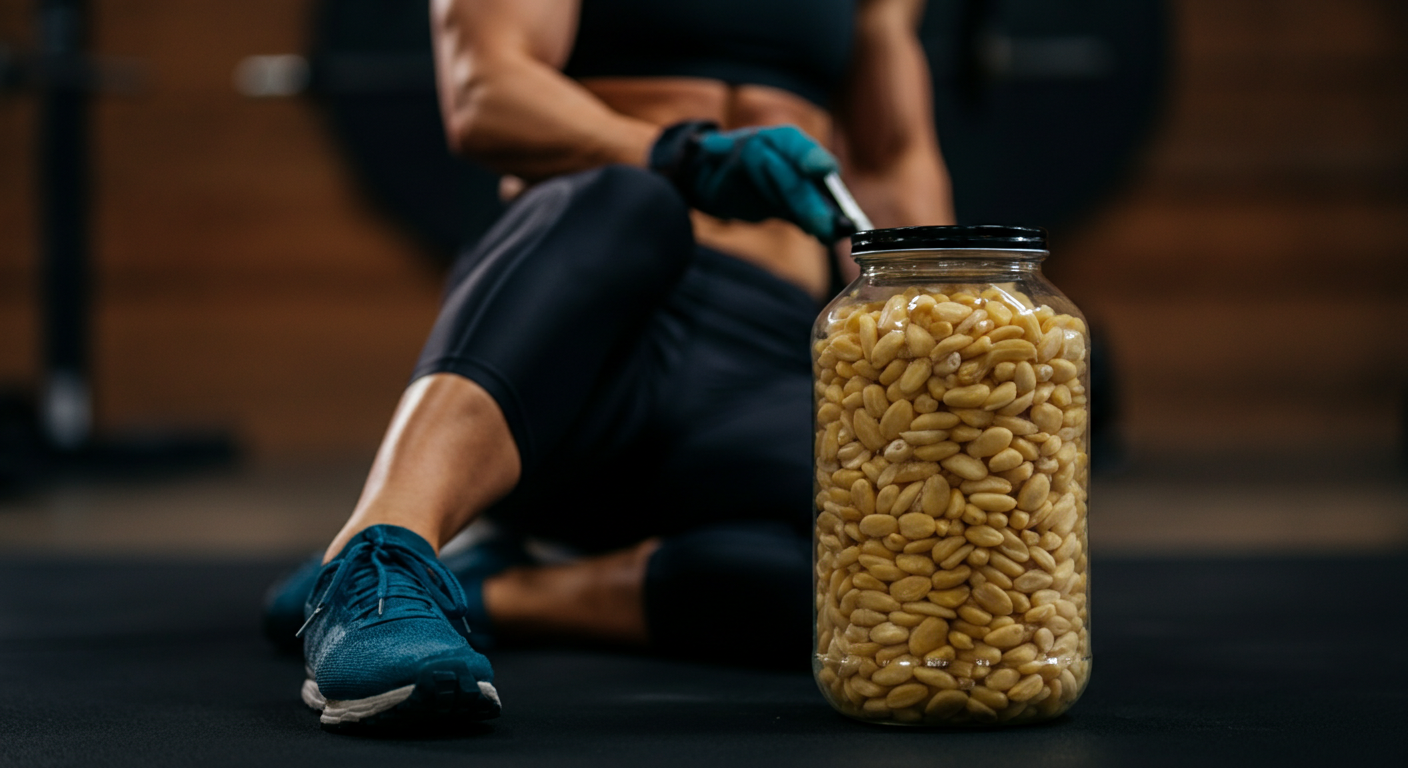
Post-exercise recovery is a complex biological process that is fundamental to athletic adaptation and performance improvement. Far from being a passive state of rest, recovery involves a cascade of physiological events aimed at repairing tissue damage, replenishing energy, and preparing the body for the next training stimulus. For a high-performance athlete, mastering recovery is just as important as the training itself, as it is during the recovery period that the actual gains in strength, endurance, and skill are solidified.
When you engage in strenuous exercise, you are essentially creating controlled damage. The primary events that necessitate recovery include:
- Exercise-Induced Muscle Damage (EIMD): Intense training, especially eccentric movements (like the lowering phase of a squat), causes micro-tears in muscle fibers. This damage triggers an inflammatory response and is the primary cause of delayed onset muscle soreness (DOMS). While it sounds negative, this damage is the necessary signal that initiates the repair and rebuilding process.
- Glycogen Depletion: Glycogen, the stored form of carbohydrates in your muscles and liver, is the body's primary fuel source for high-intensity activity. A demanding workout can significantly or even completely deplete these stores, leading to fatigue and a drop in performance capacity.
- Dehydration and Electrolyte Loss: Sweating is the body's cooling mechanism, but it results in the loss of both fluid and critical electrolytes like sodium, potassium, and magnesium. Even mild dehydration can impair cognitive function, muscle contractility, and cardiovascular efficiency, hampering recovery and subsequent performance.
The goal of a structured recovery protocol is to address these three areas efficiently. This is often summarized as the "Three R's" of recovery: Repair (with protein), Refuel (with carbohydrates), and Rehydrate (with fluids and electrolytes). By providing the right nutrients at the right time, an athlete can accelerate these processes, reduce soreness, restore function more quickly, and take advantage of the principle of supercompensation—the body's ability to adapt to a training stress by rebuilding to a level higher than before.
Foundational Nutrition: The Non-Negotiable Base for Recovery

Before considering any supplement, it is critical to recognize that supplements are supplemental—they are meant to augment, not replace, a well-structured, whole-foods-based diet. No amount of powder or pills can compensate for inadequate calorie intake, poor macronutrient balance, chronic dehydration, or insufficient sleep. For the high-performance athlete, foundational nutrition is the bedrock upon which all performance and recovery are built.
A diet optimized for recovery is built around several key components. First and foremost is ensuring adequate energy availability, which means consuming enough calories to support not only intense training demands but also all basal metabolic functions. A chronic energy deficit will compromise hormone levels, immune function, and the body's ability to repair tissue, effectively halting progress. Within this caloric budget, the balance of macronutrients is paramount.
Protein provides the amino acids necessary for muscle protein synthesis (MPS), the process of repairing and building new muscle tissue. Carbohydrates are essential for replenishing muscle and liver glycogen, the primary fuel source for the next training session. Healthy fats play a crucial role in hormone production and modulating inflammation. Beyond macros, micronutrients (vitamins and minerals) obtained from a variety of fruits, vegetables, and whole grains act as co-factors in thousands of metabolic reactions essential for energy production and tissue repair. Finally, consistent and adequate hydration is a simple but profoundly important factor that underpins every physiological process. Only once this foundation is firmly in place should an athlete begin to strategize about using supplements to further optimize recovery.
Protein Supplements: The Building Blocks of Muscle Repair
Protein supplements are arguably the most popular and well-researched category in sports nutrition, and for good reason. Their primary role in recovery is to provide a concentrated, convenient, and rapidly digestible source of amino acids—the building blocks that drive muscle protein synthesis (MPS). Following intense exercise, the body is in a state where the rate of muscle protein breakdown can exceed the rate of synthesis. Consuming a high-quality protein source shifts this balance in favor of synthesis, facilitating the repair of damaged muscle fibers and the growth of new tissue.
The effectiveness of a protein supplement is largely determined by its amino acid profile, particularly its content of the nine essential amino acids (EAAs), which the body cannot produce on its own. Among these, the branched-chain amino acid (BCAA) Leucine is considered the primary trigger for initiating the MPS process. Different protein sources vary in their digestion speed and amino acid composition, making them suitable for different scenarios. Understanding these differences allows an athlete to make an informed choice based on their specific needs, dietary preferences, and timing.
Whey Protein: The Gold Standard for Fast Absorption
Whey protein is a high-quality, complete protein derived from milk during the cheesemaking process. It is renowned for its rapid digestion and absorption, leading to a quick spike in blood amino acid levels, which potently stimulates MPS. This makes it an ideal choice for the post-exercise period when the goal is to kick-start the recovery process as quickly as possible. Whey is also exceptionally rich in EAAs and contains the highest concentration of Leucine among all protein sources. There are three main forms of whey protein:
- Whey Concentrate (WPC): This is the least processed form, typically containing 70-80% protein by weight. The remainder consists of lactose (milk sugar), fat, and beneficial compounds like immunoglobulins. It is often the most cost-effective option and has a good taste and texture.
- Whey Isolate (WPI): This form undergoes further processing to remove most of the lactose and fat, resulting in a higher protein concentration (90% or more). This makes it a better choice for athletes with lactose intolerance or those on a very strict low-fat or low-carb diet. It is absorbed slightly faster than concentrate.
- Whey Hydrolysate (WPH): This is a "pre-digested" form of whey where the protein chains have been broken down into smaller peptides. This allows for the most rapid absorption of all. However, it is also the most expensive and often has a more bitter taste. Its marginal benefits in absorption speed over isolate may not be necessary for most athletes.
| Whey Protein Type | Protein Content (%) | Lactose/Fat Content | Best For |
|---|---|---|---|
| Concentrate (WPC) | ~70-80% | Low to Moderate | General post-workout use, cost-effectiveness. |
| Isolate (WPI) | ~90%+ | Very Low | Athletes with lactose sensitivity, strict diets. |
| Hydrolysate (WPH) | Variable (~80-90%+) | Very Low | Maximizing absorption speed (elite level, potential gut sensitivity). |
Casein Protein: The Slow-Release Option
Casein is the other protein found in milk, making up about 80% of the total protein content. Unlike whey, casein is digested very slowly. When it interacts with stomach acid, it forms a gel-like substance, leading to a slow and sustained release of amino acids into the bloodstream over several hours. This property makes casein an excellent "anti-catabolic" protein, meaning it helps prevent muscle protein breakdown over long periods without food, such as overnight.
Because of its slow-release nature, casein is not the optimal choice for immediate post-workout consumption when a rapid spike in amino acids is desired. However, it is an extremely valuable tool for overall recovery when taken before bed or during other extended fasting periods. A pre-sleep casein shake can provide a steady supply of amino acids throughout the night, supporting recovery and mitigating muscle breakdown while the body is in its primary repair state.
Plant-Based Proteins for Vegan and Vegetarian Athletes
For athletes following a vegan, vegetarian, or dairy-free diet, plant-based protein supplements offer a viable and effective alternative. Historically, a concern with single-source plant proteins was that they might be "incomplete," meaning they are low in one or more of the nine essential amino acids. However, modern sports nutrition has largely overcome this through intelligent formulation and sourcing.
Common plant-based protein sources include:
- Soy Protein Isolate: One of the few complete plant proteins, with an amino acid profile very similar to whey. It's well-researched and has been shown to be effective at supporting MPS.
- Pea Protein: Rich in BCAAs, particularly Leucine. It is typically low in the EAA methionine.
- Rice Protein: A good source of protein that is low in the EAA lysine but higher in methionine.
- Hemp Protein: Contains all EAAs, plus healthy fats and fiber, but is generally lower in total protein concentration and Leucine compared to other options.
The most effective plant-based protein supplements on the market today are typically blends. By combining different sources, such as pea and rice protein, manufacturers create a final product with a complete and robust amino acid profile that is comparable to whey in its ability to stimulate muscle growth and repair. When choosing a plant-based protein, athletes should look for a blend that explicitly states it provides a complete amino acid profile or has been fortified with additional BCAAs, especially Leucine.
Protein Timing and Dosage Considerations
The concept of the "anabolic window"—a brief 30-60 minute period post-exercise where protein consumption is critical—has been a long-standing tenet of sports nutrition. While there is some truth to it, modern research suggests this window is much wider than previously thought, likely several hours. Consuming protein reasonably soon after a workout is still a good strategy, as the muscle is sensitized to amino acid uptake, but there is no need to panic if you can't have a shake immediately.
What is more important is meeting your total daily protein target and distributing that intake evenly throughout the day. For high-performance athletes, a general recommendation is 1.6-2.2 grams of protein per kilogram of body weight (or about 0.7-1.0 grams per pound). To maximize the anabolic response, this total intake should be spread across 4-5 meals or snacks, each containing a bolus of 20-40 grams of high-quality protein. This amount is generally sufficient to maximally stimulate MPS. Consuming more than 40 grams in a single sitting is not harmful but appears to offer no additional benefit for muscle synthesis, as the excess amino acids are typically oxidized for energy.
Carbohydrate Supplements for Glycogen Replenishment
Carbohydrate supplementation is a critical component of recovery for any athlete involved in prolonged or high-intensity training. As the body's preferred fuel source, muscle glycogen gets significantly depleted during strenuous workouts. Failing to adequately replenish these stores leads to impaired performance in subsequent sessions, feelings of lethargy, and a compromised ability to train at the required intensity. Carbohydrate supplements offer a fast, efficient, and easily digestible way to kick-start this crucial refueling process.
The period immediately following exercise is when muscles are most receptive to glucose uptake and glycogen synthesis, a phenomenon known as insulin-independent glucose transport. Consuming fast-digesting, high-glycemic index (GI) carbohydrates during this time can significantly accelerate the rate of glycogen replenishment compared to waiting or consuming slower-digesting carbs. This is particularly important for athletes with multiple training sessions in a day or on consecutive days.
Common carbohydrate supplements used for recovery include:
- Dextrose: Chemically identical to glucose, it is the simplest form of sugar and requires no digestion. It is absorbed extremely rapidly, causing a sharp spike in blood sugar and a potent insulin response, which helps drive glucose into muscle cells.
- Maltodextrin: A complex carbohydrate made from corn, rice, or potato starch, but it behaves like a simple sugar. It consists of short chains of glucose molecules that are broken down and absorbed very quickly, giving it a high GI similar to dextrose. It is less sweet, which many athletes prefer in their recovery drinks.
- Waxy Maize Starch: A unique complex carbohydrate with a high molecular weight and low osmolality, which is proposed to allow it to pass through the stomach faster than other carbs. While often marketed as superior, research has not consistently shown it to be more effective at replenishing glycogen than dextrose or maltodextrin.
For optimal recovery, the co-ingestion of carbohydrates and protein is highly recommended. The insulin spike from the carbohydrates not only enhances glycogen storage but may also potentiate the effect of amino acids on muscle protein synthesis and reduce muscle protein breakdown. A common and effective ratio is 3:1 or 4:1 (carbohydrates to protein). For dosage, a general guideline for rapid replenishment is to consume 1.0-1.2 grams of carbohydrates per kilogram of body weight per hour for the first 4 hours post-exercise.
Creatine Monohydrate: More Than Just a Strength Supplement
Creatine monohydrate is one of the most extensively studied and consistently effective supplements in sports nutrition. While it is most famous for its ability to increase strength, power output, and muscle mass, its benefits extend significantly into the realm of recovery. By enhancing the body's ability to regenerate its primary energy currency, adenosine triphosphate (ATP), creatine allows athletes to perform more work during training sessions. However, its role in the post-exercise period is becoming increasingly appreciated.
Research suggests that creatine supplementation can enhance recovery in several ways. One key mechanism is its ability to augment post-exercise glycogen replenishment. When co-ingested with carbohydrates, creatine has been shown to increase the amount of glycogen stored in the muscles compared to consuming carbohydrates alone. This leads to a faster and more complete refueling process, which is vital for athletes training daily.
Furthermore, some studies indicate that creatine may help mitigate markers of muscle damage and inflammation following intense, damaging exercise. Athletes supplementing with creatine have reported less muscle soreness (DOMS) and have shown lower levels of certain enzymes in the blood that indicate muscle breakdown. The proposed mechanism is related to creatine's role in maintaining cell membrane stability and its potential antioxidant properties. By reducing the overall damage from a workout, creatine helps lessen the recovery burden on the body. For dosage, the most common and proven protocol is a maintenance dose of 3-5 grams per day. A "loading phase" of 20 grams per day for 5-7 days can saturate muscles more quickly but is not strictly necessary for long-term benefits.
Essential Amino Acids (EAAs) and Branched-Chain Amino Acids (BCAAs)
Amino acids are the individual components of protein, and for years, supplements containing specific amino acids have been popular for recovery. The two most common categories are Branched-Chain Amino Acids (BCAAs) and Essential Amino Acids (EAAs). Understanding the distinction between them is crucial for making an informed choice, as the scientific consensus on their utility has evolved.
BCAAs consist of three specific essential amino acids: Leucine, Isoleucine, and Valine. They are unique because they can be metabolized directly in the muscle for energy and play a key role in regulating protein synthesis. Leucine, in particular, acts as a powerful signaling molecule that "turns on" the machinery for muscle growth (MPS). For this reason, BCAA supplements were long promoted as a shortcut to stimulating recovery without the calories of a full protein shake.
EAAs, on the other hand, include all nine essential amino acids that the body cannot produce: the three BCAAs plus Phenylalanine, Threonine, Tryptophan, Methionine, Lysine, and Histidine. These are the fundamental building blocks required to construct new muscle tissue.
BCAAs vs. EAAs: The Current Scientific Consensus
While BCAAs, and especially Leucine, can initiate the signal for muscle protein synthesis, they cannot sustain the process on their own. Think of Leucine as the ignition key for a car, but the other eight EAAs are the fuel in the tank. You need both to actually drive anywhere. Research has shown that while BCAA supplementation can decrease muscle soreness and reduce feelings of fatigue during exercise, they are not effective at stimulating net muscle growth when taken in isolation. In fact, without the other EAAs present, the body may break down existing muscle tissue to source the missing amino acids.
For this reason, the current scientific consensus strongly favors the use of a complete EAA supplement or, even better, a whole protein source (like whey, casein, or a complete plant blend) for post-workout recovery. A whole protein source naturally contains all the EAAs needed for repair and growth, along with other beneficial peptides. EAA supplements can be a useful tool for athletes who want a very low-calorie option to sip on during a workout (intra-workout) to mitigate muscle breakdown, or for those who have difficulty digesting whole protein shakes. However, for the primary goal of post-exercise muscle repair, a complete protein source remains the superior choice.
Supplements to Help Manage Inflammation and Oxidative Stress
Intense exercise naturally generates inflammation and oxidative stress. This is a normal and necessary part of the adaptation process, signaling the body to repair and strengthen itself. However, excessive or chronic inflammation can impede recovery, increase muscle soreness, and compromise long-term health and performance. Certain supplements contain compounds that can help modulate this inflammatory response, potentially accelerating recovery without completely blunting the beneficial adaptive signals.
Omega-3 Fatty Acids (EPA & DHA)
Omega-3 fatty acids, particularly Eicosapentaenoic Acid (EPA) and Docosahexaenoic Acid (DHA), are potent modulators of inflammation. Found abundantly in fatty fish like salmon and sardines, these fatty acids are incorporated into cell membranes and serve as precursors to signaling molecules called resolvins and protectins, which actively help to resolve the inflammatory process. For athletes, consistent intake of Omega-3s has been linked to reduced muscle soreness (DOMS), decreased markers of inflammation, and improved neuromuscular function. As many Western diets are low in Omega-3s and high in pro-inflammatory Omega-6s, supplementation with a high-quality fish oil or algae oil (for vegans) can be a valuable strategy for managing recovery and overall health.
Tart Cherry Juice/Extract
Tart cherries are a rich source of a class of polyphenols called anthocyanins, which possess both antioxidant and anti-inflammatory properties. A growing body of research has demonstrated that supplementation with tart cherry juice or concentrate can be an effective recovery aid for athletes. Studies have shown that athletes consuming tart cherry leading up to and following a strenuous exercise bout experience significantly less muscle soreness, a faster recovery of strength, and lower levels of inflammatory markers compared to a placebo. This makes it a popular and evidence-based natural option for mitigating the effects of EIMD, particularly after demanding events like a marathon or a heavy lifting session.
Curcumin (from Turmeric)
Curcumin is the primary active compound in the spice turmeric, and it is a powerful anti-inflammatory agent that works by interacting with multiple molecular targets involved in the inflammatory cascade. It has been studied for its potential to reduce the pain and soreness associated with EIMD. A significant challenge with curcumin is its very poor bioavailability, meaning the body has a hard time absorbing and utilizing it in its natural form. For this reason, effective curcumin supplements are formulated to enhance absorption, most commonly by combining it with piperine (an extract from black pepper) or by using specialized lipid-based delivery systems. When considering a curcumin supplement, checking for an enhanced bioavailability formulation is critical for it to be effective.
Micronutrients Critical for Athletic Recovery
While macronutrients get most of the attention, certain micronutrients (vitamins and minerals) play indispensable roles in recovery. Intense physical activity increases the demand for these nutrients, and sweat losses can further deplete bodily stores. Deficiencies or insufficiencies in key micronutrients can create a bottleneck in recovery pathways, impairing everything from energy production to immune function. While a diverse, nutrient-dense diet should be the primary source, supplementation may be warranted for certain athletes at high risk of deficiency.
Magnesium
Magnesium is a vital mineral involved in over 300 enzymatic reactions in the body, including those essential for energy production (ATP metabolism), muscle contraction and relaxation, protein synthesis, and nervous system function. It also plays a role in regulating sleep quality, which is paramount for recovery. Athletes can lose significant amounts of magnesium through sweat, increasing their risk of inadequacy. Symptoms of low magnesium status can include muscle cramps, fatigue, and poor sleep. Supplementing with a highly bioavailable form like magnesium glycinate or citrate, particularly in the evening, may support muscle relaxation and improve sleep quality.
Zinc
Zinc is another crucial mineral for athletes, as it is integral to protein synthesis, wound healing, and immune system function. The stress of heavy training can depress the immune system, making athletes more susceptible to illness, which can derail a training schedule. Zinc plays a key role in the proper function of immune cells. It is also a co-factor for enzymes involved in repairing damaged tissues and supports healthy hormone levels, including testosterone. Like magnesium, zinc is also lost in sweat. Supplementation (often as zinc picolinate or gluconate) may be beneficial, but it's important to stick to recommended doses as very high intake can interfere with copper absorption.
Vitamin D
Often called the "sunshine vitamin," Vitamin D is technically a pro-hormone that is essential for bone health (by regulating calcium absorption), immune function, and muscle function. Many athletes, particularly those who train indoors or live in northern latitudes, have been found to have suboptimal or deficient Vitamin D levels. Low levels are associated with an increased risk of stress fractures, impaired muscle function, and a less robust immune response. Because it is difficult to obtain sufficient Vitamin D from food alone, many healthcare professionals recommend testing and, if necessary, supplementation with Vitamin D3 to maintain healthy blood levels (typically 25-hydroxyvitamin D).
Iron
Iron is a critical component of hemoglobin, the protein in red blood cells that transports oxygen to working muscles. Without adequate iron, oxygen delivery is compromised, leading directly to a decline in aerobic capacity and endurance performance. Athletes, especially female athletes, endurance athletes, and those on vegetarian/vegan diets, are at a higher risk for iron deficiency. Symptoms include persistent fatigue, shortness of breath during exercise, and pale skin. However, iron is toxic in excess, so it is absolutely critical to not supplement with iron unless a deficiency has been confirmed via a blood test administered by a healthcare professional.
Building a Personalized Recovery Supplement Stack
There is no one-size-fits-all supplement protocol for athletes. The optimal strategy is highly individual and depends on numerous factors, including the type of sport (endurance vs. strength vs. mixed), training volume and intensity, dietary habits, budget, and individual response. A strategic approach involves building a stack in tiers, starting with the most proven and foundational supplements and only adding more specific ones if a clear need is identified.
A sensible, tiered approach to building a recovery stack might look like this:
| Tier | Supplements | Rationale |
|---|---|---|
| Tier 1: Foundational | Protein Powder, Carbohydrate Supplement (if needed), Creatine Monohydrate | Highest level of scientific evidence for efficacy and safety. Directly address the core needs of muscle repair, refueling, and energy system support for nearly all high-performance athletes. |
| Tier 2: Targeted Support | Omega-3s (EPA/DHA), Tart Cherry Extract, Magnesium, Vitamin D | Strong evidence for specific goals like managing inflammation, reducing soreness, or correcting common deficiencies that impact recovery (e.g., Vitamin D, Magnesium). Use based on individual needs, diet, and training demands. |
| Tier 3: Situational/Consider with Caution | Curcumin, EAA/BCAA, Zinc, Iron | May be beneficial in specific contexts but require more careful consideration. Curcumin needs a bioavailable form. EAAs are useful if whole protein isn't an option. Zinc and Iron should only be used if there is a diagnosed need or high risk of deficiency. |
When starting a new supplement, it's wise to introduce only one at a time and use it consistently for several weeks. This allows you to objectively and subjectively assess its impact on your recovery, soreness, and performance. Are you feeling less sore? Is your energy better for the next day's workout? Keeping a training log can help track these changes. Always start with the lowest effective dose and only increase if necessary and within safe guidelines. The goal is to create the leanest, most effective stack that supports your specific goals, not to take every supplement available.
Safety, Purity, and Third-Party Testing
For any athlete, but especially for those subject to anti-doping rules, the safety and purity of supplements are of paramount importance. In the United States, the dietary supplement industry is regulated by the FDA under the Dietary Supplement Health and Education Act of 1994 (DSHEA). This framework places the responsibility on manufacturers to ensure their products are safe and that their label claims are truthful. Unlike pharmaceuticals, supplements do not require pre-market approval from the FDA.
This regulatory environment means that the quality of supplements can vary dramatically. Of greatest concern to competitive athletes is the risk of a product being contaminated with a substance that is banned by organizations like the World Anti-Doping Agency (WADA) or the U.S. Anti-Doping Agency (USADA). Even trace amounts of a banned steroid, stimulant, or diuretic—present due to cross-contamination in a manufacturing facility—can lead to a positive drug test and a career-ending sanction.
To mitigate this risk, athletes should exclusively use products that have been verified by a reputable third-party certification program. These independent organizations test supplements on a lot-by-lot basis to confirm several things:
- Purity: The product is free from a wide range of banned substances.
- Potency: The product contains the ingredients listed on the label in the amounts claimed.
- Quality: The product is free from unsafe levels of contaminants like heavy metals, microbes, or pesticides.
The most recognized and trusted third-party certifications for athletes in the U.S. are:
- NSF Certified for Sport®: This is considered the gold standard. It involves annual facility audits, label claim verification, and testing for over 280 banned substances.
- Informed-Sport: Another highly respected global program that tests every single batch of a product before it is released to the market for a wide range of banned substances.
Looking for these logos on a supplement label is the single most important step an athlete can take to protect their health and their eligibility to compete. Choosing uncertified products is a significant and unnecessary risk.
Common Mistakes Athletes Make with Recovery Supplements
Navigating the world of sports nutrition can be complex, and it's easy to make mistakes that can render supplements ineffective or even counterproductive. Awareness of these common pitfalls can help athletes use supplements more intelligently and safely.
- Neglecting Foundational Nutrition: The most common error is believing supplements can fix a poor diet. If daily calorie, protein, and carbohydrate intake are insufficient, no recovery shake will be able to bridge that gap. Food always comes first.
- The "More is Better" Mentality: Taking excessive doses of supplements rarely leads to better results and can increase the risk of side effects. For example, mega-dosing protein doesn't lead to more muscle growth, and excessive zinc can cause a copper deficiency. Stick to evidence-based dosages.
- Relying on Supplements to Compensate for Poor Lifestyle Choices: Recovery supplements are meant to support the body's response to training, not to act as a substitute for adequate sleep or smart programming. If you are chronically sleep-deprived or consistently overtraining, supplements are merely a band-aid on a much larger problem.
- Ignoring Third-Party Testing: Many athletes, especially at the collegiate or amateur level, purchase supplements based on marketing or peer recommendations without checking for NSF Certified for Sport or Informed-Sport certification. This exposes them to the risk of ingesting banned substances.
- Inconsistent Use: For many supplements, like creatine or Omega-3s, benefits are cumulative and depend on consistent daily intake to build up levels in the body. Using them sporadically will not yield the desired effects.
- "Stacking" Too Many Products: Combining numerous supplements without understanding their individual effects or potential interactions can be a waste of money and may lead to unforeseen side effects. A targeted, minimalist approach is almost always better.
Avoiding these mistakes requires a shift in mindset: view supplements as precise tools to be used for specific purposes within a larger, well-managed athletic system, not as magic bullets for performance.
Frequently Asked Questions About Recovery Supplements
How soon after a workout should I take my recovery shake?
While the "anabolic window" is wider than the once-thought 30-60 minutes, consuming a recovery shake with protein and carbohydrates within 1-2 hours post-exercise is a good practice. This is when your muscles are primed for nutrient uptake, helping to kick-start the repair and glycogen replenishment processes efficiently.
Can I get all my recovery needs from food alone?
Yes, it is entirely possible to meet all recovery needs through a well-planned whole-foods diet. Supplements offer convenience, speed of absorption, and a concentrated source of specific nutrients that can be difficult or impractical to consume from food immediately after a workout (e.g., 40g of protein). For many athletes, they are a practical tool, not a necessity.
Are recovery supplements safe for teenage athletes?
This requires significant caution. While basic supplements like a whey protein shake are generally considered safe, the focus for teenage athletes should be overwhelmingly on establishing healthy whole-food eating habits. Any supplement use should be discussed with a pediatrician or a registered dietitian, and products should always be third-party tested for safety and purity.
Do I need to take recovery supplements on my rest days?
It depends on the supplement. For cumulative supplements like creatine, magnesium, or Vitamin D, you should continue taking them daily, including on rest days, to maintain optimal levels. For immediate recovery products like a post-workout protein/carb shake, they are generally only necessary on training days.
What's the difference between a pre-workout and a recovery supplement?
Pre-workout supplements are designed to be taken before exercise to enhance performance, typically containing stimulants like caffeine and compounds that improve blood flow like citrulline. Recovery supplements are taken after exercise and are focused on repair and replenishment, containing ingredients like protein, carbohydrates, and anti-inflammatory compounds.
How do I know if a recovery supplement is actually working for me?
The best way is to track subjective and objective markers. Subjectively, you might notice less muscle soreness (DOMS), better energy levels the day after a hard workout, and improved sleep quality. Objectively, you might see an improved ability to maintain performance and intensity in subsequent training sessions. Introduce one new supplement at a time to accurately gauge its specific effect.
Can women use the same recovery supplements as men?
Yes, the fundamental recovery needs for muscle repair and glycogen replenishment are the same for all athletes. Women can use the same supplements like protein, creatine, and tart cherry effectively. Dosage for protein and carbohydrates should be scaled to body weight, and female athletes should be particularly mindful of their iron status due to higher risk of deficiency.
Are there any supplements I should avoid for recovery?
It is wise to be cautious with high-dose antioxidant supplements (like isolated Vitamin C or E) taken immediately around a workout, as some evidence suggests they may blunt the beneficial signaling for adaptation. Also, avoid any product that is not third-party tested for banned substances, or that makes claims that sound too good to be true.
Conclusion: A Strategic Approach to Supplementation
In the demanding world of high-performance athletics, recovery is not a luxury; it is a critical component of the training cycle that dictates adaptation and progress. While a robust diet, adequate sleep, and smart programming form the non-negotiable foundation of any successful recovery strategy, supplements can serve as powerful and precise tools to enhance this process. From providing the essential amino acids for muscle repair to accelerating glycogen replenishment and helping to manage inflammation, the right supplements can help an athlete bounce back faster and train more consistently.
The key to effective supplementation lies in a personalized, evidence-based, and strategic approach. By prioritizing foundational supplements with extensive scientific backing—like protein, creatine, and carbohydrates—and then layering in more targeted options based on specific needs, athletes can build an intelligent and efficient recovery protocol. It is essential to remember that supplements are meant to fill gaps and optimize an already solid plan, not to compensate for its deficiencies.
Ultimately, safety and purity must be the top priority. Exclusively choosing products certified by reputable third-party organizations like NSF Certified for Sport or Informed-Sport is the only way to minimize the risk of contaminants and banned substances. Before beginning or altering any supplement regimen, it is always recommended to consult with a registered dietitian specializing in sports nutrition or a qualified healthcare professional who can provide personalized guidance based on your health status, sport, and individual goals.