
vitamine -
Niacin Flush: Is it Dangerous or Beneficial?
The niacin flush is a common and generally harmless side effect of taking high-dose nicotinic acid, a specific form of vitamin B3, and is not inherently dangerous for most healthy individuals. While the experience can be uncomfortable, the flushing reaction itself is not consider
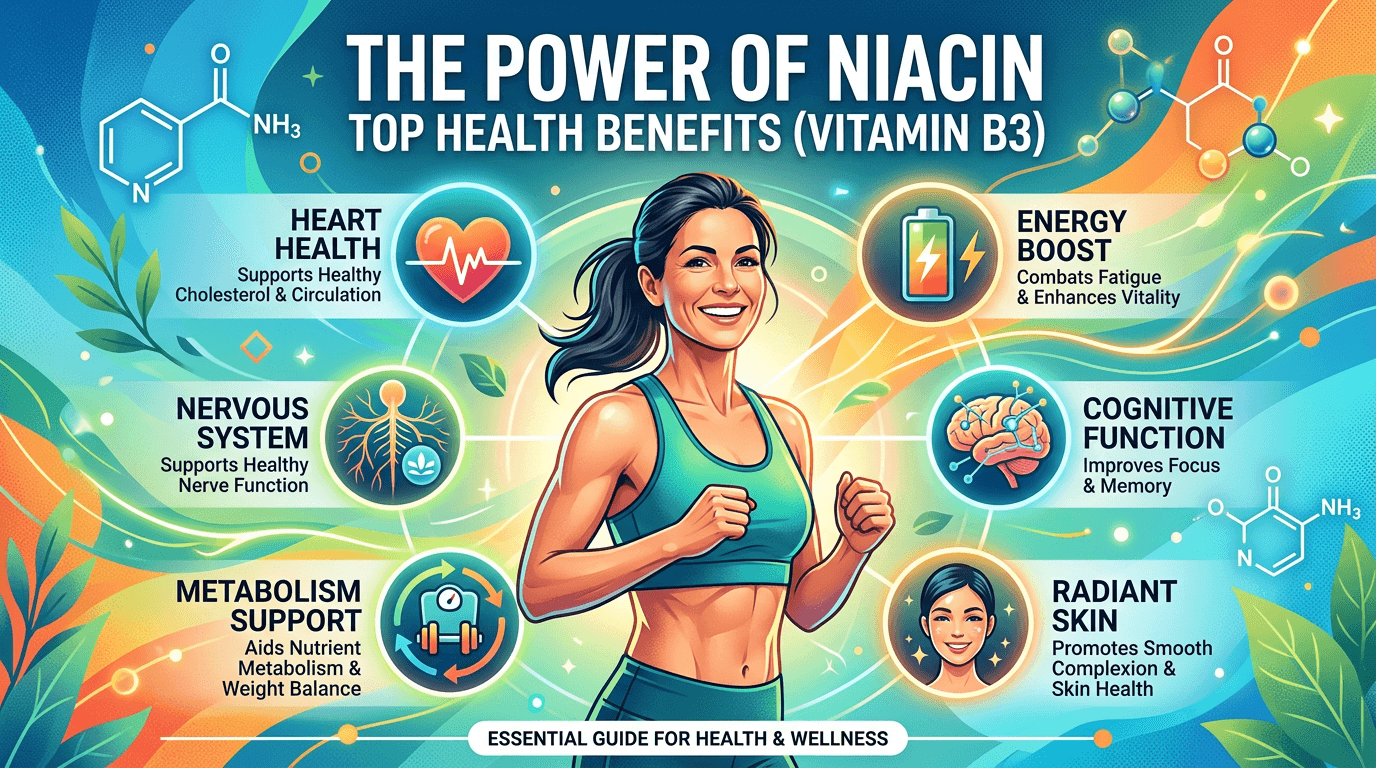
The niacin flush is a common and generally harmless side effect of taking high-dose nicotinic acid, a specific form of vitamin B3, and is not inherently dangerous for most healthy individuals. While the experience can be uncomfortable, the flushing reaction itself is not considered beneficial; rather, the potential health effects are associated with the niacin circulating in the body. The flush is simply a visible sign that a pharmacologically active dose of nicotinic acid has been absorbed rapidly.
Understanding the niacin flush is essential for anyone considering supplementing with this form of vitamin B3. This article provides a detailed exploration of what niacin is, why the flush occurs, and what it feels like. We will differentiate between the various forms of niacin, analyze the research behind niacin's benefits, and distinguish the uncomfortable but typically benign flush from the more serious risks of niacin toxicity. You will also learn practical strategies to manage the flush and understand when it is crucial to consult a healthcare professional before using niacin supplements.
What is Niacin (Vitamin B3) and Why is it Important?
Niacin, also known as vitamin B3, is a water-soluble vitamin that is essential for human health, playing a fundamental role in hundreds of metabolic processes. The body uses niacin to form two critical coenzymes: nicotinamide adenine dinucleotide (NAD) and nicotinamide adenine dinucleotide phosphate (NADP). These coenzymes are indispensable for cellular function, acting as catalysts in more than 400 enzymatic reactions—more than any other vitamin-derived coenzyme.
The primary function of these niacin-dependent coenzymes is in catabolism, the process of converting carbohydrates, fats, and proteins from food into usable energy. Every cell in your body relies on NAD to fuel its energy-generating pathways. Beyond energy metabolism, niacin is vital for maintaining the integrity of our DNA, supporting antioxidant defense systems that protect cells from damage, and participating in cell signaling processes that regulate everything from immune function to cellular life cycles. It also contributes to the health of the skin, digestive system, and nervous system.
A severe deficiency of niacin leads to a condition called pellagra, characterized by the "four Ds": dermatitis, diarrhea, dementia, and, if left untreated, death. While clinical pellagra is rare in the United States and other developed nations due to food fortification and a varied diet, suboptimal niacin levels can still occur in certain populations, impacting overall health and metabolic efficiency. The body can synthesize a small amount of niacin from the amino acid tryptophan, but dietary intake remains the primary source for most people.
Understanding the Different Forms of Niacin
The form of niacin you take is the single most important factor determining whether you will experience a flush. The term "niacin" is often used generically, but it encompasses several distinct compounds with different properties and effects. Understanding the differences between nicotinic acid, niacinamide, and so-called "flush-free" varieties is key to safe and effective supplementation.
Nicotinic Acid: The "Flushing" Form
Nicotinic acid is the form of vitamin B3 most directly associated with the niacin flush. When taken in supplemental doses significantly higher than the daily requirement, it produces a distinct set of physiological effects, including the characteristic skin flushing. This is the form that has been most extensively studied for its impact on blood lipids, particularly its ability to raise HDL ("good") cholesterol and lower LDL ("bad") cholesterol and triglycerides.
Due to these potent pharmacological effects, high-dose nicotinic acid has historically been used as a therapeutic agent for managing dyslipidemia (abnormal cholesterol levels). However, its use for this purpose is complex and requires strict medical supervision due to the potential for side effects beyond the flush. When you see "niacin" on a supplement label and it does not specify another form, it is often immediate-release nicotinic acid, the type most likely to cause a flush.
Niacinamide (Nicotinamide): The "Non-Flushing" Form
Niacinamide, also called nicotinamide, is another active form of vitamin B3. Chemically, it is an amide of nicotinic acid. This structural difference is crucial, as niacinamide does not bind to the receptors in the skin that trigger the flushing reaction. As a result, it can be taken in higher doses without causing the redness, warmth, and itching associated with nicotinic acid. This makes it a preferred form for addressing a simple vitamin B3 deficiency or for general nutritional support.
While niacinamide serves as an excellent source of vitamin B3 for its fundamental roles in energy production and DNA repair, it does not share the same lipid-modifying effects as nicotinic acid. It does not significantly raise HDL cholesterol or lower LDL and triglycerides in the same way. Therefore, niacinamide is not an interchangeable substitute for nicotinic acid when the goal is cholesterol management. Its primary uses in supplementation are for B3 repletion and, particularly in topical and oral forms, for supporting skin health, where it is studied for conditions like acne and rosacea.
Inositol Hexanicotinate: "Flush-Free" Niacin
Inositol hexanicotinate, often marketed as "flush-free" or "no-flush" niacin, is a compound consisting of six molecules of nicotinic acid chemically bonded to a single molecule of inositol (another B-vitamin-like substance). The theory behind this formulation is that the body slowly hydrolyzes or breaks down the compound, gradually releasing free nicotinic acid over several hours. This slow release is intended to keep the concentration of nicotinic acid in the bloodstream below the threshold that triggers the flush.
However, the effectiveness and mechanism of inositol hexanicotinate are subjects of considerable debate. Some research suggests that the human body is very inefficient at breaking it down into free nicotinic acid. Consequently, while it successfully avoids the flush, it may not deliver a therapeutically meaningful amount of nicotinic acid to the bloodstream to produce the desired lipid-modifying effects. For this reason, many clinicians do not consider it an effective alternative to nicotinic acid for cholesterol management. It may serve as a source of niacin, but its benefits beyond that are not well-established.
| Niacin Form | Causes Flush? | Primary Uses | Key Characteristics |
|---|---|---|---|
| Nicotinic Acid | Yes, at high doses | Lipid management (under medical care), B3 repletion | Potent effect on cholesterol and triglycerides. The "flushing" form. |
| Niacinamide (Nicotinamide) | No | General B3 repletion, skin health support | Does not cause a flush. Does not have the same lipid-modifying effects as nicotinic acid. |
| Inositol Hexanicotinate | No ("Flush-Free") | Marketed for lipid support without a flush | Effectiveness is debated; may not release significant free nicotinic acid. |
What is the Niacin Flush? The Science Behind the Reaction
The niacin flush is a well-defined pharmacological reaction, not an allergic one. It is caused by nicotinic acid binding to specific receptors on immune cells in the skin, which initiates a cascade of events leading to the rapid dilation of small blood vessels near the skin's surface. This vasodilation is what produces the characteristic redness and feeling of warmth.
The Prostaglandin Cascade
The science behind the flush is fascinatingly specific. The key player is a receptor protein called GPR109A (G protein-coupled receptor 109A), which is found in abundance on the surface of immune cells in the skin, particularly Langerhans cells and keratinocytes. Nicotinic acid has a high affinity for this receptor.
When you take a dose of nicotinic acid, it is absorbed into the bloodstream and circulates throughout the body. As it reaches the skin, it binds to the GPR109A receptors. This binding event acts like a key turning a lock, activating the cells and triggering them to rapidly synthesize and release signaling molecules called prostaglandins. The two main prostaglandins involved are Prostaglandin D2 (PGD2) and Prostaglandin E2 (PGE2). These prostaglandins then act on the smooth muscle cells in the walls of the tiny capillaries in the upper layers of the skin, causing them to relax and widen. This sudden increase in blood flow to the skin is the direct cause of the niacin flush.
Signs and Symptoms of a Niacin Flush
The experience of a niacin flush is distinct and can be alarming for those who are not expecting it. The symptoms typically appear suddenly and can vary in intensity from mild to quite severe.
- Redness (Erythema): The most visible sign is a deep, often blotchy, red flush that resembles a sunburn. It typically starts on the face and ears and can spread down to the neck, upper chest, back, and arms.
- Sensation of Heat: The increased blood flow brings warmth to the skin's surface, creating a powerful sensation of heat in the affected areas.
- Itching (Pruritus) and Tingling: The release of prostaglandins and other mediators like histamine can also stimulate nerve endings in the skin, leading to intense itching, tingling, or a "pins and needles" sensation.
While less common, some individuals may also experience a mild headache, dizziness, or a slight, temporary drop in blood pressure due to the widespread vasodilation. The intensity of these symptoms depends on the dose of niacin, individual sensitivity, and whether it was taken on an empty stomach.
How Long Does the Niacin Flush Last?
A typical niacin flush follows a predictable, albeit uncomfortable, timeline, usually beginning within 15 to 30 minutes of taking an immediate-release nicotinic acid supplement and resolving within one to two hours. The duration and intensity can be influenced by several factors, including the dosage taken and an individual's unique physiology.
The progression generally looks like this:
- Onset (0-30 minutes): The first signs—often a tingling or warmth around the ears and face—begin as the nicotinic acid is absorbed and reaches a sufficient concentration in the blood to activate the skin's receptors.
- Peak Intensity (30-60 minutes): The redness, heat, and itching become most intense during this period as prostaglandin release and vasodilation reach their maximum effect.
- Resolution (60-120 minutes): The body begins to metabolize the prostaglandins, and the blood vessels gradually return to their normal size. The redness, warmth, and itching slowly fade until they disappear completely.
Several variables can alter this timeline. A higher dose of niacin will generally produce a more intense and potentially longer-lasting flush. Taking niacin on an empty stomach leads to faster absorption and a more abrupt, powerful flush. Conversely, taking it with food slows absorption and can dampen the reaction. Importantly, with consistent daily use, many people develop a tolerance. The body appears to adapt to the presence of nicotinic acid, and the flushing reaction often becomes significantly milder or may even cease altogether over a period of weeks.
Is the Niacin Flush Dangerous? Separating Myth from Fact
For the vast majority of healthy individuals, the niacin flush is an uncomfortable and inconvenient side effect, but it is not dangerous. However, it's crucial to distinguish between the harmless flush and the potential risks that high-dose niacin can pose for individuals with certain medical conditions, as well as the separate issue of niacin toxicity at very high doses.
For the General Population: Uncomfortable but Typically Harmless
It is essential to understand that the flush is a predictable pharmacological response, not an allergic reaction. An allergy involves a complex immune system overreaction (involving antibodies like IgE) to a substance that is normally harmless. The niacin flush, by contrast, is a direct chemical interaction between nicotinic acid and a specific receptor, a mechanism that affects nearly everyone who takes a sufficiently high dose. While its appearance can be frightening, the underlying process of temporary skin vasodilation is not inherently harmful in a healthy person.
When the Flush Could Signal a Problem
Although the flush itself is benign, the underlying vasodilation and other effects of niacin can be problematic for people with certain pre-existing health issues. This is why high-dose niacin should only be used with medical guidance.
- People with Low Blood Pressure (Hypotension): The widespread vasodilation can cause a further drop in blood pressure, leading to dizziness, lightheadedness, or fainting.
- People with Liver Conditions: High doses of niacin must be processed by the liver and can elevate liver enzymes. In individuals with pre-existing liver disease, this can exacerbate their condition.
- People with Active Peptic Ulcers: Niacin can stimulate the production of stomach acid, which could worsen the pain and damage of an active ulcer.
- People with Gout: Niacin can increase levels of uric acid in the blood, potentially triggering a painful gout attack in susceptible individuals.
- People with Diabetes: High-dose niacin can impair glucose tolerance and raise blood sugar levels, which may require adjustments to diabetes medications.
Distinguishing the Flush from Niacin Toxicity
It is critically important not to confuse the niacin flush with niacin toxicity. The flush is a common, temporary side effect of immediate-release niacin. Niacin toxicity, or hepatotoxicity (liver damage), is a much more serious and dangerous condition that can result from taking excessively high doses of niacin, particularly the sustained-release (SR) formulations.
Do the "Benefits" of the Niacin Flush Actually Exist?
A common misconception is that the niacin flush itself is a beneficial process, with some proponents suggesting it's a sign of "detoxification" or that it "proves the niacin is working." This is incorrect. The flush is simply a side effect of the pharmacological action of nicotinic acid on skin cells; it does not confer any health benefits on its own.
The idea that the flush is a form of "detox" has no scientific basis. The redness and heat are due to increased blood flow in the skin, not the removal of toxins. The potential health benefits associated with high-dose nicotinic acid—primarily its effects on blood lipids—are systemic and occur independently of the skin reaction. The flush merely indicates that a dose large enough and absorbed quickly enough to activate the GPR109A receptors has been taken. One could completely block the flush with aspirin and still receive the systemic lipid-modifying effects of the niacin.
Therefore, enduring a severe flush does not mean you are getting "more" benefit, and using a non-flushing form like niacinamide does not mean you are getting "no" benefit (you are still getting vitamin B3 for its core functions). The benefits are tied to the specific form of niacin used and its actions within the body, not to the presence or absence of a skin reaction.
The Researched Benefits of Niacin (Nicotinic Acid)
While the flush is a side effect, the niacin causing it has been studied for several potential health benefits, particularly when used in high, therapeutic doses under medical supervision. The primary focus of this research has been its powerful effects on blood lipid levels, though its overall role in cardiovascular medicine has evolved in recent years.
Cholesterol and Lipid Management
The most well-documented pharmacological effect of high-dose nicotinic acid is its ability to favorably alter the lipid profile. This is the main reason it has been used as a prescription medication for decades. Its specific actions include:
- Lowering Low-Density Lipoprotein (LDL) Cholesterol: It can reduce levels of "bad" cholesterol by 5-25%.
- Lowering Triglycerides: It is very effective at reducing triglycerides, with reductions of 20-50% being common.
- Raising High-Density Lipoprotein (HDL) Cholesterol: This is niacin's most notable effect. It is one of the most potent agents known for raising "good" cholesterol, often by 15-35%.
However, it is crucial to place this information in its modern context. While these effects on lab numbers are undisputed, large-scale clinical trials (such as AIM-HIGH and HPS2-THRIVE) published in the last decade have raised questions about the ultimate clinical benefit. These studies found that when high-dose niacin was added to statin therapy in patients whose LDL was already well-controlled, it did not provide an additional reduction in cardiovascular events like heart attacks and strokes, but it did increase the risk of side effects. As a result, the routine use of niacin alongside statins has declined significantly. Its use is now typically reserved for specific clinical situations, as determined by a cardiologist or primary care physician.
Supporting Cellular Energy and DNA Repair
This benefit applies to all forms of vitamin B3 (niacin), not just high-dose nicotinic acid. At normal, nutritional doses, niacin is essential for the body to produce the coenzymes NAD+ and NADP+. NAD+ is a cornerstone of cellular metabolism, required for the reactions that convert the energy in our food into ATP, the cell's energy currency. This process is fundamental to the function of every organ and tissue, from the brain to the muscles.
Furthermore, NAD+ is a critical substrate for enzymes involved in DNA repair and cellular signaling. Maintaining adequate niacin levels supports the body's ability to protect its genetic blueprint from damage and helps regulate healthy cell function. This is a foundational health benefit of ensuring adequate vitamin B3 intake through diet or standard-dose supplements.
Skin Health (Primarily Niacinamide)
While nicotinic acid causes skin flushing, its cousin, niacinamide, is widely recognized for its benefits to skin health. This non-flushing form is a popular ingredient in topical skincare products and is also used as an oral supplement for dermatological purposes. Research suggests that niacinamide can help strengthen the skin's barrier function, improve moisture retention, reduce inflammation, and regulate oil production. Because of these properties, it is often recommended by dermatologists for individuals dealing with acne, rosacea, and signs of aging. This highlights again how different forms of niacin have distinct applications.
How to Manage or Minimize the Niacin Flush
If you and your healthcare provider have decided that taking immediate-release nicotinic acid is appropriate, there are several effective strategies you can use to reduce the intensity of the flush and make the experience more tolerable. The goal of these methods is to either slow the absorption of niacin or block the prostaglandin pathway that causes the reaction.
- Start Low and Go Slow: This is the most important principle. Do not start with a high dose. Begin with a very small dose (e.g., 50-100 mg) per day. Stay at that dose for a week or two, allowing your body to build tolerance, before slowly increasing the dose under your doctor's guidance. This gradual approach is the most effective way to minimize the flush.
- Take it With Food: Never take nicotinic acid on an empty stomach. Taking your dose with a meal, particularly a meal that contains some fat, helps slow down the supplement's dissolution and absorption. This leads to a more gradual increase in blood levels of niacin, which is less likely to trigger a strong flushing reaction.
- Consider Low-Dose Aspirin: Taking a 325 mg non-enteric-coated (plain) aspirin approximately 30 minutes before your niacin dose can be highly effective. Aspirin works by inhibiting the cyclooxygenase (COX) enzyme, which is responsible for producing the prostaglandins (PGD2 and PGE2) that cause the flush. By blocking prostaglandin synthesis, aspirin can dramatically reduce or even prevent the flush. However, daily aspirin use has risks, including gastrointestinal bleeding and other complications. You must discuss this strategy with your doctor before implementing it.
- Avoid Flush Triggers: Certain things can worsen the vasodilation effect and should be avoided around the time you take your niacin dose. These include hot beverages (like coffee or tea), hot showers, spicy foods, and alcoholic beverages.
- Choose a Different Formulation (with Caution): If the flush from immediate-release (IR) niacin is intolerable even with these strategies, there are other options, but they come with trade-offs.
- Sustained-Release (SR) Niacin: These over-the-counter formulations release niacin slowly over 6-8 hours, which reduces flushing. However, SR niacin is associated with a higher risk of liver toxicity than IR niacin and should be used with extreme caution and only under strict medical monitoring.
- Extended-Release (ER) Niacin: This is a prescription-only formulation (e.g., Niaspan) that has a release profile designed to balance efficacy with a reduced risk of flushing and liver issues compared to OTC SR versions. It should only be used as prescribed by a physician.
- Be Consistent: Taking your dose at the same time every day helps your body adapt and maintain tolerance. Skipping doses can make you more susceptible to the flush when you resume.
Niacin Dosage, Safety, and Potential Side Effects
Niacin dosage spans a vast range, from the small amounts needed to prevent deficiency to the very large pharmacological doses used for lipid management. Understanding these different levels, the established safety limits, and the potential side effects beyond the flush is critical for anyone considering niacin supplementation.
Recommended Dietary Allowance (RDA)
The RDA represents the average daily intake level sufficient to meet the nutrient requirements of nearly all healthy individuals. For niacin, the RDA is expressed in milligrams of Niacin Equivalents (NE) to account for the body's ability to convert tryptophan to niacin. The current RDAs are:
- Adult Men: 16 mg NE/day
- Adult Women: 14 mg NE/day
- Pregnancy: 18 mg NE/day
- Lactation: 17 mg NE/day
Tolerable Upper Intake Level (UL)
The Tolerable Upper Intake Level (UL) is the highest level of daily nutrient intake that is likely to pose no risk of adverse health effects for almost all individuals in the general population. For niacin, the UL is set specifically for supplemental forms (nicotinic acid and niacinamide) and fortified foods, not for niacin naturally occurring in food.
The UL for adults is 35 mg per day. This limit was established based on the dose of nicotinic acid that is known to cause the niacin flush. While the flush itself is not dangerous, it is considered an adverse effect, and the UL is set to prevent it. Doses above this level should only be taken under the guidance of a healthcare professional.
Therapeutic Dosing and Side Effects
The doses of nicotinic acid used for managing cholesterol are pharmacological, not nutritional. They far exceed the UL and carry a significant risk of side effects. This type of therapy typically starts around 500 mg per day and can be increased to 2,000–3,000 mg (2–3 grams) or more per day. These doses must only be used under the direct supervision and monitoring of a licensed healthcare professional.
At these high doses, potential side effects beyond the flush include:
- Gastrointestinal Issues: Nausea, indigestion, gas, vomiting, and diarrhea are common.
- Hepatotoxicity (Liver Damage): This is the most serious potential side effect. High-dose niacin can cause elevations in liver enzymes. While usually reversible upon discontinuation, it can progress to severe liver injury, especially with sustained-release (SR) formulations. Regular blood tests to monitor liver function are mandatory during high-dose therapy.
- Hyperglycemia (High Blood Sugar): Niacin can decrease insulin sensitivity, leading to elevated blood glucose levels. This is a significant concern for individuals with diabetes or prediabetes.
- Hyperuricemia (High Uric Acid): By competing for excretion in the kidneys, niacin can raise uric acid levels in the blood, which can provoke painful gout attacks in susceptible individuals.
- Other less common effects: These can include hypotension (low blood pressure), blurred vision or, rarely, a condition called macular edema (swelling in the retina), and an increased risk of muscle issues (myopathy) when combined with statins.
| Intake Level | Typical Daily Dose (Adults) | Purpose | Medical Supervision Required? |
|---|---|---|---|
| RDA (Dietary) | 14-16 mg NE | Prevent deficiency, basic cell function | No |
| UL (Supplemental) | 35 mg | Safety limit to avoid flushing | No (for doses up to this limit) |
| Therapeutic (Pharmacological) | 500 - 3,000+ mg | Lipid management | Absolutely Yes |
Niacin Interactions with Medications and Other Supplements
High-dose niacin is a pharmacologically active substance and can interact with a wide range of prescription medications, over-the-counter drugs, and even other supplements. These interactions can alter the effectiveness of medications or increase the risk of adverse effects. It is imperative to provide your healthcare provider and pharmacist with a complete list of all medications and supplements you take before starting niacin.
- Statins: Combining high-dose niacin with statin drugs (e.g., atorvastatin, simvastatin) may slightly increase the risk of myopathy (muscle pain and weakness) or, in rare cases, rhabdomyolysis (a severe breakdown of muscle tissue). While the absolute risk is low, this combination requires careful monitoring.
- Blood Pressure Medications (Antihypertensives): Because niacin causes vasodilation, it can amplify the effects of medications intended to lower blood pressure. This can lead to an excessive drop in blood pressure (hypotension), causing dizziness and fainting.
- Diabetes Medications: Niacin's tendency to raise blood sugar levels can counteract the effects of insulin and oral hypoglycemic agents (e.g., metformin, sulfonylureas). Individuals with diabetes may need to monitor their blood sugar more closely and may require an adjustment in their medication dosage.
- Anticoagulants and Antiplatelets (Blood Thinners): Niacin may slightly inhibit platelet aggregation and prolong clotting time. When taken with drugs like warfarin, clopidogrel, or even daily aspirin, it could theoretically increase the risk of bleeding or bruising.
- Gout Medications: By increasing uric acid levels, niacin can reduce the effectiveness of medications used to treat gout, such as allopurinol or probenecid.
- Alcohol: Consuming alcohol while taking high-dose niacin is strongly discouraged. Alcohol can worsen the flushing reaction and, more importantly, it increases the strain on the liver, compounding the risk of liver damage.
- Bile Acid Sequestrants: Drugs like cholestyramine and colestipol, also used for cholesterol, can bind to niacin in the gut and reduce its absorption. Niacin should be taken at least 4-6 hours apart from these medications.
When to Consult a Healthcare Professional
Self-prescribing high-dose niacin is unsafe. Due to its powerful effects and potential for significant side effects and interactions, a partnership with a knowledgeable healthcare professional is non-negotiable. There are several specific situations where consultation is absolutely mandatory.
You should speak with a licensed healthcare professional, such as a physician, pharmacist, or registered dietitian, in the following circumstances:
- Before Starting a High Dose: If you are considering taking any form of niacin in doses that exceed the Tolerable Upper Intake Level (35 mg/day), you must do so under medical guidance. This is especially true if the goal is to manage cholesterol or any other health condition.
- If You Have a Pre-existing Medical Condition: Anyone with a history of liver disease, kidney disease, diabetes, gout, active peptic ulcers, or low blood pressure should not take high-dose niacin without explicit approval and monitoring from their doctor.
- If You Take Prescription Medications: Due to the extensive list of potential drug interactions, a thorough review of your medication list by a doctor or pharmacist is essential to ensure safety.
- If You Are Pregnant or Breastfeeding: The safety of high-dose niacin during pregnancy and lactation has not been established. Intake should be limited to the amounts found in food and standard prenatal vitamins unless a higher dose is specifically prescribed by a physician.
- If You Experience a Severe or Atypical Reaction: If a niacin flush is unusually severe, painful, lasts for many hours, or is accompanied by symptoms like hives, wheezing, shortness of breath, or swelling of the face or throat, seek immediate medical attention.
- If You Develop Concerning Symptoms: If you are taking niacin and develop any signs of potential liver toxicity—such as persistent nausea, yellowing of the skin or eyes (jaundice), dark urine, or severe upper abdominal pain—stop taking the supplement and contact your doctor immediately.
Frequently Asked Questions
Does the niacin flush mean I'm having an allergic reaction?
No, the niacin flush is not an allergic reaction. It is a predictable pharmacological side effect caused by nicotinic acid binding to receptors in the skin, which triggers the release of prostaglandins and causes blood vessels to dilate. An allergic reaction involves a different part of the immune system and would present with different symptoms, such as hives or wheezing.
Can you get a niacin flush from food?
It is extremely unlikely to get a niacin flush from food. The flush is triggered by large, rapidly absorbed doses of nicotinic acid, typically 50 mg or more. The amount of niacin in food is much lower and is absorbed more slowly, so it does not reach the blood concentration needed to cause a flush.
Does "flush-free" niacin work as well for cholesterol as regular niacin?
Current evidence suggests that "flush-free" niacin (inositol hexanicotinate) does not work as well for cholesterol as regular nicotinic acid. Studies indicate that the body is not very effective at breaking it down to release free nicotinic acid, which is the active compound for lipid modification. While it avoids the flush, it may not provide the desired therapeutic benefit for cholesterol.
Will the niacin flush go away over time?
Yes, for most people, the intensity of the niacin flush significantly decreases or goes away completely with consistent, daily use over several weeks. This phenomenon is called tachyphylaxis, or tolerance. Starting with a low dose and gradually increasing it is the best way to help your body adapt.
Is taking aspirin before niacin safe for everyone?
No, taking aspirin is not safe for everyone. While it can effectively block the niacin flush, regular aspirin use carries risks, including stomach irritation, ulcers, and gastrointestinal bleeding. You must consult your healthcare provider before starting to use aspirin regularly to ensure it is safe for you.
Can niacin cause liver damage?
Yes, high doses of niacin can potentially cause liver damage (hepatotoxicity). The risk is highest with over-the-counter sustained-release (SR) formulations. This is why high-dose niacin therapy must be monitored by a doctor with regular blood tests to check liver function.
What's the main difference between niacin and niacinamide?
The main differences are in their side effects and applications. Niacin (nicotinic acid) can cause skin flushing and is used in high doses for cholesterol management. Niacinamide does not cause a flush and does not significantly affect cholesterol, but it is used for general vitamin B3 repletion and for supporting skin health.
Why do some people take niacin for a "detox"?
The idea that niacin promotes "detoxification," often by inducing a flush, is a popular myth with no scientific support. Some unproven protocols claim it helps release toxins stored in fat cells, but this has not been validated by clinical research. The flush is a skin reaction, not a systemic cleansing process.
Is the niacin flush good for your skin?
The niacin flush itself is not considered good for the skin. While it temporarily increases blood flow, the associated inflammation, itching, and redness can be irritating. The form of vitamin B3 that is beneficial for skin health is typically niacinamide, which does not cause a flush and is known to support the skin barrier and reduce inflammation when used topically or orally.
Can I take high-dose niacin without a doctor's supervision?
No, you should never take high-dose niacin (above the 35 mg UL) without a doctor's supervision. The risks of serious side effects, including liver damage, and interactions with medications are significant. A healthcare professional must monitor your health with regular check-ups and blood tests to ensure safety.
Conclusion: A Balanced View of the Niacin Flush and Niacin Benefits
The niacin flush is a powerful and often unsettling experience, but it is a well-understood and generally harmless side effect of immediate-release nicotinic acid. It is not, as some myths suggest, a therapeutic process or a sign of detoxification. The flush is simply a visible marker of a rapid influx of nicotinic acid, which triggers a temporary and localized inflammatory response in the skin. The true potential benefits of niacin are separate from this reaction and lie in its fundamental biochemical roles.
At nutritional levels, all forms of vitamin B3 are essential for converting food into energy and maintaining cellular health. At high, pharmacological doses, nicotinic acid has proven effects on blood lipids, though its place in modern medicine continues to be refined by ongoing research. These high-dose applications, however, are not suitable for self-management due to the significant risks of side effects and drug interactions.
Ultimately, navigating the world of niacin supplementation requires knowledge and caution. Understanding the difference between nicotinic acid and niacinamide, employing strategies to manage the flush if necessary, and respecting the established safety limits are all key. Above all, the most critical step is to engage in an open dialogue with a licensed healthcare professional. They are the only ones who can help you weigh the potential benefits against the risks and determine if, and in what form, niacin is a safe and appropriate choice for your individual health journey.