
vitamine -
Essential Vitamins for Women in Their 30s
The best vitamins for women in their 30s are those that support bone density, energy metabolism, reproductive health, and stress management, with a primary focus on nutrients like Folate, Iron, Vitamin D, Calcium, and Magnesium. While a balanced diet is the foundation of good hea
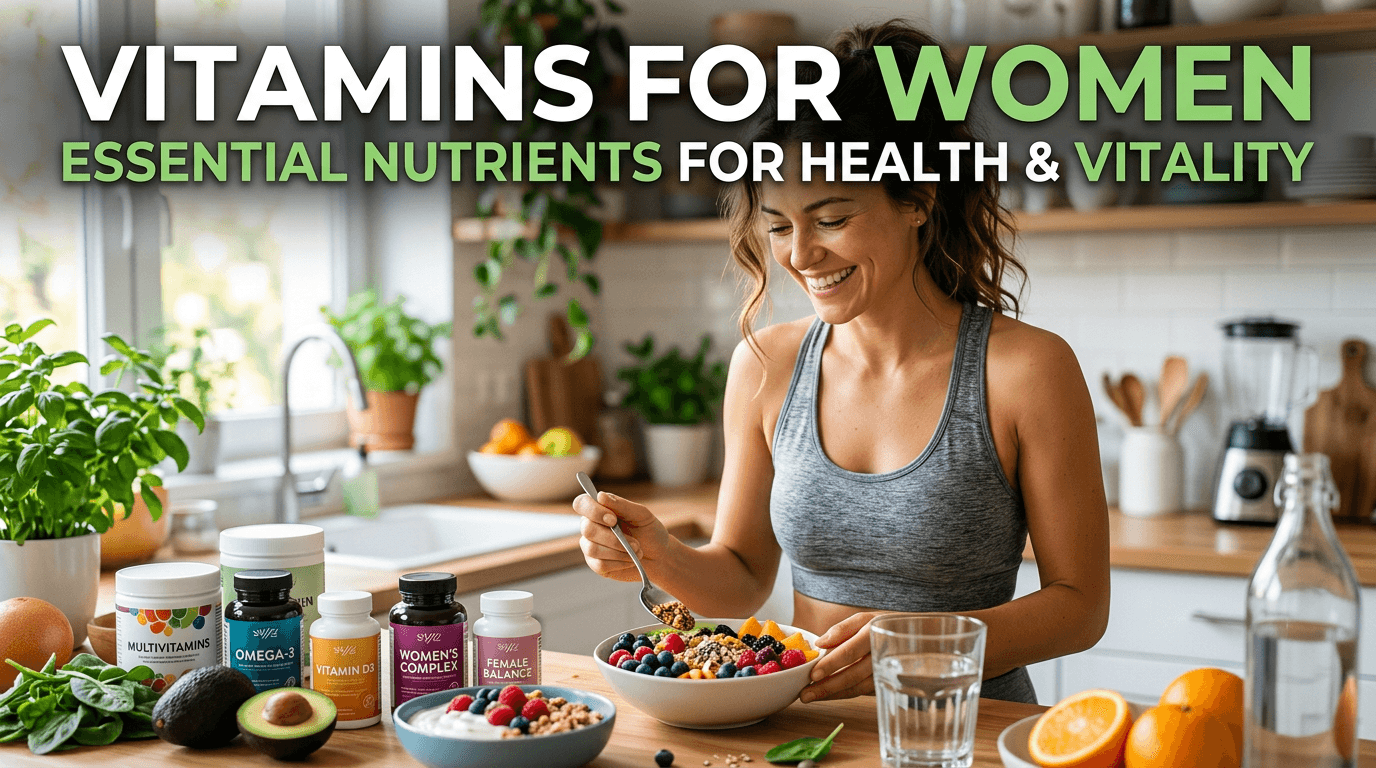
The best vitamins for women in their 30s are those that support bone density, energy metabolism, reproductive health, and stress management, with a primary focus on nutrients like Folate, Iron, Vitamin D, Calcium, and Magnesium. While a balanced diet is the foundation of good health, targeted supplementation can help fill nutritional gaps that are common during this demanding decade. Understanding which vitamins and minerals are most critical can help women proactively manage their health and build a strong foundation for the future.
Your thirties are a decade of significant transition, often characterized by career growth, family planning, and the daily juggle of numerous responsibilities. These life changes directly impact your body's nutritional requirements. This article provides a comprehensive guide to the essential vitamins and minerals for women in their 30s. We will explore why this life stage is unique, detail the roles of key nutrients, discuss how to choose safe and effective supplements, and provide guidance on when to seek professional medical advice.
Why Your 30s Are a Pivotal Decade for Nutrition

This decade is a critical window for establishing long-term health patterns, as choices made now can have lasting effects on bone density, metabolic health, and overall well-being. The unique demands of your 30s—from potential pregnancies to heightened stress levels—place specific pressures on your body's nutrient stores, making a targeted nutritional strategy more important than ever.
During this period, several physiological shifts are underway. Peak bone mass has typically been achieved, so the focus shifts from building to preserving bone density to mitigate future osteoporosis risk. For many, this is also the primary childbearing decade, which dramatically increases the need for specific nutrients like folate and iron to support a healthy pregnancy. Simultaneously, subtle changes in metabolism may begin, and the high-stress nature of modern life can deplete key vitamins and minerals that are essential for energy and mood regulation.
Furthermore, the cumulative effects of lifestyle habits, dietary choices, and environmental exposures become more apparent. Addressing potential nutritional shortfalls during your 30s is a proactive measure that supports not only your current vitality but also helps build resilience against age-related health challenges in the decades to come. It's a time to move from a reactive to a proactive stance on personal health, using nutrition as a foundational tool.
Key Vitamins and Minerals for Women in Their 30s
A well-rounded intake of various micronutrients is essential, but several vitamins and minerals stand out for their importance during this life stage. These nutrients play crucial roles in energy production, bone preservation, red blood cell formation, and reproductive health. Understanding their function helps clarify why a nutrient-dense diet, potentially augmented by strategic supplementation, is so vital.
Folate (Vitamin B9): Beyond Pregnancy
Folate is a B-vitamin that is essential for DNA synthesis and repair, cell growth, and the formation of red blood cells. Its most well-known role is in the prevention of neural tube defects (NTDs) in a developing fetus, making it critically important before and during early pregnancy. Since nearly half of all pregnancies in the U.S. are unplanned, maintaining adequate folate levels is a crucial health strategy for all women of childbearing age.
Beyond its role in pregnancy, folate is vital for everyone's health. It works in conjunction with vitamin B12 to help form healthy red blood cells, and a deficiency can lead to a type of anemia called megaloblastic anemia, characterized by fatigue and weakness. Folate is also involved in the metabolism of an amino acid called homocysteine. Elevated levels of homocysteine are associated with an increased risk of cardiovascular issues, and adequate intake of folate, B6, and B12 helps keep these levels in check.
- Food Sources: Excellent sources include dark leafy greens (spinach, kale, romaine lettuce), asparagus, Brussels sprouts, beans, peanuts, sunflower seeds, fresh fruits, whole grains, and liver. In the United States, many grain products like bread, cereal, and pasta are fortified with folic acid.
- Supplement Considerations: Supplements contain either folic acid (the synthetic, more stable form) or L-methylfolate (the active form). Some individuals have a common genetic variation (MTHFR) that can reduce their ability to efficiently convert folic acid to its active form. For these individuals, a supplement containing L-methylfolate may be more effective. Discussing this with a healthcare provider can help determine the best form for you.
Iron: Combating Fatigue and Anemia
Iron is a mineral that is a fundamental component of hemoglobin, the protein in red blood cells that carries oxygen from your lungs to the rest of your body. It is also a part of myoglobin, which transports and stores oxygen in muscle tissues. Without sufficient iron, your body cannot produce enough healthy oxygen-carrying red blood cells, leading to iron-deficiency anemia, the most common nutritional deficiency worldwide.
Women in their 30s are at a particularly high risk for iron deficiency due to blood loss during menstruation. Pregnancy further increases iron requirements to support the growing fetus and placenta and to account for increased maternal blood volume. Symptoms of deficiency can be pervasive and are often mistaken for general life stress; they include persistent fatigue, weakness, pale skin, shortness of breath, dizziness, cold hands and feet, and brittle nails.
There are two forms of dietary iron: heme and non-heme.
- Heme Iron: Found in animal products like red meat, poultry, and fish. It is more easily absorbed by the body.
- Non-Heme Iron: Found in plant-based foods like beans, lentils, tofu, spinach, and fortified cereals. Its absorption can be enhanced by consuming it with a source of vitamin C (e.g., bell peppers, broccoli, citrus fruits).
When supplementation is medically necessary, various forms are available, such as ferrous sulfate, ferrous gluconate, and iron bisglycinate. Iron bisglycinate is often reported to be better tolerated and cause fewer gastrointestinal side effects like constipation compared to other forms.
Vitamin D: The "Sunshine Vitamin" for Bones and Immunity
Vitamin D functions more like a hormone than a vitamin and plays a central role in calcium absorption, making it indispensable for maintaining strong bones. In your 30s, prioritizing bone health is about preserving the bone density you've built in earlier years to lower the risk of osteoporosis later in life. Without enough Vitamin D, your body cannot effectively absorb calcium from your diet, regardless of how much you consume.
Beyond bones, Vitamin D is also a powerful modulator of the immune system and is involved in mood regulation. Deficiency is widespread in the U.S., partly because few foods are naturally rich in it and because many people have limited sun exposure due to indoor lifestyles or consistent sunscreen use. Symptoms of deficiency can be subtle or non-existent but may include fatigue, bone pain, muscle weakness or cramps, and mood changes. Chronic deficiency can lead to soft, brittle bones (osteomalacia).
- Sources: The primary source is direct sun exposure on the skin, which triggers Vitamin D synthesis. Dietary sources are limited but include fatty fish (salmon, mackerel, sardines), fish liver oils, egg yolks, and fortified foods like milk, plant-based milks, orange juice, and cereals.
- Supplement Considerations: The two main forms are Vitamin D2 (ergocalciferol) and Vitamin D3 (cholecalciferol). Research suggests that Vitamin D3 is more effective at raising and maintaining blood levels of Vitamin D. Since individual needs vary greatly based on location, skin tone, and sun exposure, a blood test (25-hydroxyvitamin D) is the most reliable way to determine if you need a supplement and in what dosage.
Calcium: The Foundation of Bone Health
Calcium is the most abundant mineral in the body, with nearly 99% of it stored in the bones and teeth, providing their structure and hardness. The remaining 1% is crucial for vital functions like muscle contraction, nerve transmission, and blood clotting. Your body maintains a tight control of calcium levels in the blood; if dietary intake is insufficient, it will draw calcium from your bones to meet its needs. Over time, this "borrowing" process weakens the bones.
For women in their 30s, the goal is to maintain the peak bone mass achieved in their late 20s. A consistent intake of calcium, paired with Vitamin D and Vitamin K2, helps preserve this skeletal framework. Inadequate calcium intake during this decade can accelerate bone loss and set the stage for osteopenia (low bone mass) and osteoporosis in later life, significantly increasing fracture risk.
- Food Sources: Dairy products (milk, yogurt, cheese) are well-known sources. Excellent non-dairy sources include fortified plant milks (almond, soy, oat), canned sardines and salmon (with bones), tofu made with calcium sulfate, and dark leafy greens like kale and collard greens.
- Supplement Considerations: If your dietary intake is insufficient, a supplement may be considered. The two most common forms are calcium carbonate and calcium citrate. Calcium carbonate is less expensive and should be taken with food for better absorption. Calcium citrate can be taken with or without food and may be a better choice for those with low stomach acid. It is generally recommended to not exceed 500-600 mg of supplemental calcium per dose for optimal absorption and to avoid taking it at the same time as an iron supplement.
Magnesium: The Unsung Hero for Stress, Sleep, and Muscles
Magnesium is a cofactor in more than 300 enzyme systems that regulate diverse biochemical reactions in the body, including protein synthesis, muscle and nerve function, blood glucose control, and blood pressure regulation. It plays a critical role in energy production and is essential for both muscle contraction and relaxation.
In the context of a busy woman's life in her 30s, magnesium's role in stress modulation and sleep is particularly relevant. Chronic stress can deplete magnesium levels, and low magnesium can, in turn, make the body more susceptible to stress—a vicious cycle. Adequate magnesium intake may help support a healthy stress response, promote relaxation, and improve sleep quality by maintaining healthy levels of GABA, a neurotransmitter that promotes sleep. It is also often used to help alleviate muscle cramps and symptoms of premenstrual syndrome (PMS).
- Food Sources: Magnesium is abundant in plant foods. Top sources include pumpkin seeds, chia seeds, almonds, spinach, cashews, peanuts, black beans, and dark chocolate. Despite its presence in many foods, U.S. government surveys show that a large portion of the population consumes less than the recommended amount.
- Supplement Forms: There are many forms of supplemental magnesium, each with different properties. Magnesium glycinate is highly bioavailable and often chosen for its calming effects, making it a good option for stress and sleep. Magnesium citrate is also well-absorbed but can have a laxative effect. Magnesium oxide is commonly found in multivitamins but is poorly absorbed.
B Vitamins (Especially B12 and B6): For Energy and Mood
The B-vitamin family is a group of eight water-soluble vitamins that are vital for cellular metabolism. They work as a team to help your body convert food (carbohydrates) into fuel (glucose), which is used to produce energy. They also play a key role in the formation of red blood cells and the maintenance of a healthy nervous system. While all B vitamins are important, B12 and B6 are particularly noteworthy for women in their 30s.
Vitamin B12 (Cobalamin) is essential for neurological function and DNA synthesis. A deficiency can cause megaloblastic anemia, fatigue, weakness, and neurological symptoms like numbness or tingling in the hands and feet. Since B12 is found almost exclusively in animal products, women following vegetarian or vegan diets are at a high risk of deficiency and should consider supplementation or consume fortified foods.
Vitamin B6 (Pyridoxine) is involved in over 100 enzyme reactions, mostly concerning protein metabolism. It is also crucial for the creation of neurotransmitters, including serotonin and dopamine, which help regulate mood. Some research suggests that Vitamin B6 may help alleviate symptoms of PMS, such as moodiness and irritability.
- Food Sources: Vitamin B12 is found in meat, fish, poultry, eggs, and dairy products. Fortified cereals and nutritional yeast are good non-animal sources. Vitamin B6 is found in a wide variety of foods, including chickpeas, tuna, salmon, poultry, and fortified cereals.
- Supplement Considerations: B vitamins can be taken individually or as a B-complex supplement. For B12, the methylcobalamin form is often preferred as it is the active form. For B6, the pyridoxal-5'-phosphate (P-5-P) form is the active version. If you are considering a B-complex, look for one that provides balanced doses, as taking high amounts of one B vitamin can sometimes create imbalances in others.
Should You Take a Multivitamin?
A daily multivitamin can serve as a nutritional "insurance policy," helping to fill in the gaps that may exist even in a healthy diet. However, it is not a substitute for whole foods and should be viewed as a supplement to, not a replacement for, a nutrient-rich eating pattern. The decision to take a multivitamin depends on individual dietary habits, lifestyle, and health status.
The primary advantage of a multivitamin is convenience. It provides a broad spectrum of essential vitamins and minerals in a single dose, which can be beneficial for those with busy schedules, restrictive diets, or inconsistent eating habits. It can help ensure you're getting at least a baseline amount of key micronutrients daily, which may be difficult to achieve consistently through food alone.
However, there are downsides. Many multivitamins are formulated as a "one-size-fits-all" solution, which may not be appropriate for everyone. For instance, a multivitamin containing iron could be harmful to a woman who already has adequate iron stores. Conversely, the amounts of certain key nutrients, like magnesium or Vitamin D, are often too low in a standard multivitamin to correct a significant deficiency. The quality and bioavailability of the nutrients can also vary widely between brands.
What to Look For in a Multivitamin for Women in Their 30s
If you and your healthcare provider decide a multivitamin is a good choice for you, consider the following factors:
- Third-Party Certification: Look for seals from organizations like USP (U.S. Pharmacopeia), NSF International, or ConsumerLab.com. These certifications verify that the product contains what the label says it contains, is free from harmful contaminants, and has been manufactured according to good manufacturing practices (GMPs).
- Appropriate Nutrient Levels: Choose a formula designed for women under 50. It should contain adequate folate (or methylfolate) and B vitamins. Consider an iron-free version unless you have been diagnosed with iron deficiency.
- Bioavailable Forms: Look for high-quality, bioavailable forms of nutrients. For example, L-methylfolate instead of folic acid, Vitamin D3 instead of D2, and chelated minerals (like magnesium glycinate or zinc picolinate) which are generally better absorbed.
- Minimal Fillers and Additives: Avoid products with unnecessary artificial colors, flavors, and sweeteners. Check the "other ingredients" list for excessive fillers or potential allergens.
Navigating Supplement Selection and Safety
Choosing a high-quality supplement involves more than just picking the bottle with the most appealing claims. Since the FDA does not regulate dietary supplements for safety and efficacy in the same way it regulates prescription drugs, the consumer must be diligent. Understanding how to read labels and recognize markers of quality is essential for safe and effective supplementation.
Understanding Supplement Labels and Third-Party Testing
The "Supplement Facts" panel on a product label is your primary source of information. It lists the active ingredients, the amount per serving (% Daily Value), and a list of "other ingredients" like binders, fillers, and flow agents. The % Daily Value (%DV) tells you what percentage of the recommended daily intake for a nutrient is provided in one serving, based on a generic 2,000-calorie diet. This is a general guide and may not reflect your individual needs.
The most important step in ensuring supplement quality is to look for third-party certification. Independent organizations test supplements to verify their identity, purity, and potency.
- USP (U.S. Pharmacopeia): Verifies that the supplement contains the ingredients listed on the label in the declared potency and amounts, does not contain harmful levels of specified contaminants, will break down and release into the body within a specified amount of time, and has been made according to sanitary and well-controlled procedures.
- NSF International: Certifies that the supplement contains what the label claims and that the product has been tested for contaminants and undeclared ingredients. The NSF Certified for Sport program goes a step further, testing for over 270 substances banned by major athletic organizations.
- ConsumerLab.com: An independent company that tests a wide range of supplements and publishes results for its subscribers. A seal of approval indicates a product has passed its testing.
Common Supplement Forms and Their Absorption
The form of a nutrient can significantly impact its bioavailability—the degree to which it is absorbed and utilized by the body. This is particularly true for minerals. For example, minerals can be "chelated," which means they are bound to an amino acid. This process can improve their absorption and reduce gastrointestinal side effects.
| Mineral | Common Forms | General Characteristics |
|---|---|---|
| Magnesium | Oxide, Citrate, Glycinate, Malate | Oxide: Low cost, poor bioavailability, can act as a laxative. Citrate: Good bioavailability, common laxative effect. Glycinate: Excellent bioavailability, minimal laxative effect, often used for calming/sleep. Malate: Good bioavailability, often associated with energy support. |
| Calcium | Carbonate, Citrate | Carbonate: Requires stomach acid for absorption (take with food), higher elemental calcium. Citrate: Does not require stomach acid (can be taken anytime), better absorbed by those with low stomach acid. |
| Iron | Ferrous Sulfate, Ferrous Gluconate, Iron Bisglycinate | Ferrous Sulfate: Common, effective, but can cause significant constipation and stomach upset. Iron Bisglycinate: A chelated form known for being gentle on the stomach and having high bioavailability. |
| Zinc | Oxide, Gluconate, Picolinate | Oxide: Often used in sunscreens, less bioavailable as a supplement. Gluconate: A common, affordable form found in many supplements. Picolinate: A chelated form that is often considered to have superior absorption. |
Dosage and Safe Upper Limits
When it comes to vitamin and mineral supplements, the belief that "more is better" is a dangerous misconception. Each nutrient has a specific range for optimal function, and exceeding that range can lead to toxicity. It's essential to be aware of both the Recommended Dietary Allowance (RDA) and the Tolerable Upper Intake Level (UL) for any supplement you consider taking.
The RDA is the average daily level of intake sufficient to meet the nutrient requirements of nearly all (97%-98%) healthy individuals. The UL is the maximum daily intake unlikely to cause adverse health effects. Consistently consuming nutrients above the UL significantly increases the risk of toxicity.
The table below outlines these levels for several key nutrients for non-pregnant, non-lactating women ages 31-50. It is crucial to remember that these are general guidelines. Individual needs and safe limits can be affected by existing health conditions, and all supplementation decisions should be discussed with a qualified healthcare professional.
| Nutrient | RDA (Women 31-50) | Tolerable Upper Intake Level (UL) | Potential Risks of Excess Intake |
|---|---|---|---|
| Iron | 18 mg/day | 45 mg/day | Gastrointestinal distress, constipation, nausea. Chronic excess can lead to organ damage. |
| Folate (DFE) | 400 mcg/day | 1,000 mcg/day (from fortified foods/supplements) | Can mask the hematological signs of a Vitamin B12 deficiency, leaving neurological damage to progress. |
| Vitamin D | 600 IU (15 mcg)/day | 4,000 IU (100 mcg)/day | Hypercalcemia (high blood calcium), nausea, vomiting, kidney stones, weakness. |
| Calcium | 1,000 mg/day | 2,500 mg/day | Increased risk of kidney stones, constipation, potential interference with mineral absorption. |
| Vitamin B6 | 1.3 mg/day | 100 mg/day | Long-term high intake can cause severe nerve damage (sensory neuropathy). |
Potential Interactions with Medications and Other Supplements
Dietary supplements, despite being available over-the-counter, are biologically active substances that can interact with prescription medications, other supplements, and even certain foods. These interactions can alter a drug's effectiveness, increase the risk of side effects, or interfere with nutrient absorption. It is absolutely essential to inform your doctor and pharmacist about all supplements you are taking.
Some interactions can be antagonistic, where one substance decreases the absorption or efficacy of another. For example, calcium and iron supplements compete for the same absorption pathway in the gut. Taking them at the same time can reduce the absorption of both, so it is often recommended to space them out by at least two hours.
Other interactions can be synergistic, sometimes to a dangerous degree. For example, taking high-dose Vitamin E or fish oil (which have mild blood-thinning properties) along with a prescription blood thinner like warfarin can significantly increase the risk of bleeding. Always err on the side of caution and assume an interaction is possible until confirmed otherwise by a healthcare professional.
Common Nutrient-Drug Interactions
Here are some common examples of interactions that women in their 30s should be aware of:
- Calcium: Can interfere with the absorption of certain antibiotics (tetracyclines, fluoroquinolones) and thyroid hormone medication (levothyroxine). It's typically advised to take calcium supplements several hours apart from these medications.
- Magnesium: Can also interfere with the absorption of tetracycline and fluoroquinolone antibiotics. High-dose magnesium may also interact with blood pressure medications and diuretics.
- Vitamin K: Has a well-known and significant interaction with the blood thinner warfarin (Coumadin). Vitamin K promotes blood clotting, while warfarin is prescribed to prevent it. Sudden changes in Vitamin K intake can make the drug less effective or increase bleeding risk. Consistent intake is key.
- Iron: Besides calcium, iron absorption can be reduced by antacids. Iron can also decrease the absorption of levothyroxine and certain medications for Parkinson's disease.
- St. John's Wort: Though an herbal supplement, it's commonly taken for mood and warrants a special mention. It interacts with a vast number of medications, including antidepressants (potentially causing serotonin syndrome), birth control pills (reducing their effectiveness), blood thinners, and many others by inducing liver enzymes that metabolize drugs more quickly.
When to Consult a Healthcare Professional
While this article provides extensive educational information, it is not a substitute for personalized medical advice. Self-diagnosing a nutrient deficiency based on symptoms can be unreliable, as many symptoms (like fatigue) are non-specific and can be caused by numerous underlying health issues. A licensed healthcare professional, such as a physician or registered dietitian, can provide accurate testing, diagnosis, and a tailored plan.
Professional guidance is crucial to ensure that any supplement regimen is safe, necessary, and effective for your unique circumstances. Your doctor can order blood tests to accurately measure levels of nutrients like iron, Vitamin D, and B12, taking the guesswork out of supplementation. This prevents both unnecessary spending on supplements you don't need and the potential harm from taking too much of a nutrient.
You should make it a priority to consult a professional in any of the following situations:
- If you suspect a deficiency: If you experience persistent symptoms like extreme fatigue, unexplained hair loss, pale skin, brittle nails, mouth sores, or neurological symptoms like tingling or numbness.
- Before starting any new supplement: Especially potent ones like iron, high-dose Vitamin D, or any herbal supplement.
- If you are pregnant, planning to become pregnant, or breastfeeding: Nutrient needs are significantly altered during these periods, and some supplements can be harmful. Specialized guidance is essential.
- If you have a chronic medical condition: Conditions affecting the kidneys, liver, or digestive system (like celiac disease or Crohn's disease) can dramatically impact nutrient needs and the ability to tolerate certain supplements.
- If you take any prescription or over-the-counter medications: To avoid potentially dangerous interactions.
- For personalized dosage recommendations: To ensure you are taking the right amount for your body based on lab work, diet, and health status.
Common Myths About Vitamins for Women
The wellness industry is filled with misinformation, making it difficult to separate scientific fact from marketing fiction. Understanding and debunking common myths about vitamins can empower you to make more informed and safer choices for your health.
Myth 1: "More is always better."
Fact: This is one of the most dangerous myths. As discussed, every nutrient has a Tolerable Upper Intake Level (UL), and exceeding it can cause acute or chronic toxicity. Fat-soluble vitamins (A, D, E, K) and minerals like iron and selenium can build up in the body to harmful levels. For example, excess Vitamin A can cause liver damage and birth defects, while excess iron can damage organs. Always adhere to recommended dosages unless specifically advised otherwise by a healthcare professional based on a diagnosed deficiency.
Myth 2: "All supplements are created equal."
Fact: The quality, purity, and potency of supplements can vary dramatically from one brand to another. The industry is not tightly regulated, so some products may not contain the amount of the nutrient stated on the label, could be contaminated with heavy metals or bacteria, or may contain cheaper, less bioavailable forms of a nutrient. This is why choosing products with third-party certification (USP, NSF) is so important.
Myth 3: "Vitamins can replace a healthy diet."
Fact: Supplements are meant to supplement the diet, not replace it. Whole foods provide a complex matrix of not only vitamins and minerals but also fiber, phytonutrients, and antioxidants that work together synergistically. A pill cannot replicate the health benefits of a diet rich in fruits, vegetables, whole grains, and lean proteins. Relying on supplements while eating a poor diet is an ineffective health strategy.
Myth 4: "Prenatal vitamins are a great multivitamin for all women."
Fact: Prenatal vitamins are specifically formulated to meet the significantly increased nutrient demands of pregnancy. They contain much higher levels of certain nutrients, particularly iron and folate, than a standard multivitamin. For a woman who is not pregnant and not anemic, this high dose of iron can be unnecessary and potentially lead to side effects like constipation or, over time, iron overload. While they are essential for those who are pregnant or trying to conceive, they are not an ideal daily multivitamin for the general female population.
Lifestyle Factors That Influence Nutrient Needs
Your requirement for certain vitamins and minerals is not static; it is dynamically influenced by your diet, stress levels, physical activity, and other lifestyle choices. Recognizing how these factors impact your nutritional status can help you make more targeted adjustments to your diet and supplementation routine.
- Dietary Patterns: A woman following a strict vegan or vegetarian diet needs to be particularly mindful of nutrients primarily found in animal products. Vitamin B12 is the most critical, as there are no reliable plant sources, making supplementation or consumption of fortified foods essential. Plant-based (non-heme) iron is less bioavailable, so vegetarian women may need to consume more iron-rich plant foods and pair them with Vitamin C to enhance absorption. Zinc and calcium may also require careful planning.
- Stress Levels: Chronic physical or emotional stress can take a toll on your nutrient stores. The body's stress response can increase the metabolic demand for and excretion of several key nutrients, most notably magnesium and B-complex vitamins. Supporting your body with adequate levels of these nutrients may help enhance resilience to stress.
- Exercise Habits: Regular physical activity is beneficial for health, but intense or prolonged exercise increases the need for certain nutrients. Athletes and highly active women may have higher requirements for iron, antioxidants (like Vitamins C and E) to combat oxidative stress, and electrolytes (sodium, potassium, magnesium) lost through sweat.
- Alcohol Consumption: Regular or heavy alcohol consumption can interfere with the absorption, metabolism, and storage of many essential nutrients. It particularly affects B vitamins, including thiamin (B1), folate (B9), and pyridoxine (B6). Alcohol can damage the lining of the stomach and intestines, impairing nutrient absorption, and increase the excretion of minerals like magnesium and zinc through urine.
Frequently Asked Questions
How do I know if I have a vitamin deficiency?
The only reliable way to diagnose a vitamin deficiency is through a blood test ordered by a healthcare professional. While symptoms like fatigue, hair loss, or pale skin can be indicators, they are non-specific and can point to many other conditions. Self-diagnosing is not recommended; always consult a doctor for accurate testing and diagnosis.
Is it better to get vitamins from food or supplements?
It is always best to get your nutrients from whole foods first. Food provides a complex package of vitamins, minerals, fiber, and phytonutrients that work together in ways a pill cannot replicate. Supplements should be used strategically to fill specific, identified gaps in your diet or to address a diagnosed deficiency.
Can I take all my vitamins at once?
It depends on the vitamins. Fat-soluble vitamins (A, D, E, K) should be taken with a meal containing fat to enhance absorption. Some minerals, like iron and calcium, compete for absorption and should be taken at least two hours apart. A B-complex is often best taken in the morning as it can be energizing. It's best to read the label on each supplement and consult a pharmacist for guidance on optimal timing.
What's the difference between folic acid and folate?
Folate is the natural form of vitamin B9 found in foods like leafy greens. Folic acid is the synthetic form used in supplements and fortified foods because it is more stable. The body must convert both forms into the active version, L-methylfolate. Some people have a genetic variation that makes converting folic acid less efficient, so they may benefit from a supplement containing L-methylfolate directly.
Do I need an iron supplement if I feel tired?
Not necessarily. While fatigue is a classic symptom of iron deficiency, it has many other potential causes, including lack of sleep, stress, thyroid issues, or other nutrient deficiencies. You should never take an iron supplement without first getting a blood test to confirm a deficiency, as excess iron can be toxic.
What are the best vitamins for hair, skin, and nails in your 30s?
Healthy hair, skin, and nails are often a reflection of overall nutritional status. Key nutrients include Biotin (Vitamin B7), Vitamin C (for collagen synthesis), Vitamin E (an antioxidant), zinc, and iron. However, rather than taking a "hair, skin, and nails" supplement, it's often more effective to ensure a well-rounded diet and address any underlying deficiencies of these core nutrients.
Are gummy vitamins effective?
Gummy vitamins can be a good alternative for those who have trouble swallowing pills. However, they often contain added sugars and may have a shorter shelf life, potentially leading to lower potency over time. They are also less likely to be third-party certified, so it is important to choose a reputable brand if you opt for a gummy version.
Should I take a prenatal vitamin if I'm trying to conceive?
Yes, it is widely recommended that women who are actively trying to conceive begin taking a prenatal vitamin. This helps build up stores of crucial nutrients like folate, which is vital for preventing neural tube defects in the earliest stages of pregnancy—often before a woman even knows she is pregnant. Always discuss this with your doctor to choose the right prenatal for you.
Conclusion: A Proactive Approach to Your Health
Your thirties represent a powerful opportunity to invest in your long-term health and vitality. This decade is not just about managing the present but also about building a resilient nutritional foundation for the future. By focusing on a diet rich in whole foods and paying special attention to key nutrients like folate, iron, Vitamin D, calcium, and magnesium, you can actively support your body through the unique challenges and transitions of this life stage.
While supplements can be a valuable tool, they are most effective when used strategically, safely, and in response to a genuine need. The first and most important step is always a nutrient-dense diet. From there, an informed and cautious approach to supplementation—prioritizing quality, appropriate dosing, and professional guidance—can help fill any remaining gaps. Remember to be a proactive partner in your own healthcare. Engage in open conversations with your doctor, ask questions, and use tools like blood tests to gain a clear picture of your nutritional status.
By making conscious, educated choices about your nutrition today, you are empowering yourself with the strength, energy, and resilience needed to thrive through your thirties and all the decades that follow. It is a profound act of self-care that pays dividends for a lifetime.