
vitamine -
Why You Need Molybdenum for Detoxification
The primary molybdenum benefits stem from its role as an essential cofactor for enzymes crucial to detoxification, particularly for processing sulfites and breaking down various compounds in the body. This trace mineral helps convert potentially harmful sulfites into safer sulfat
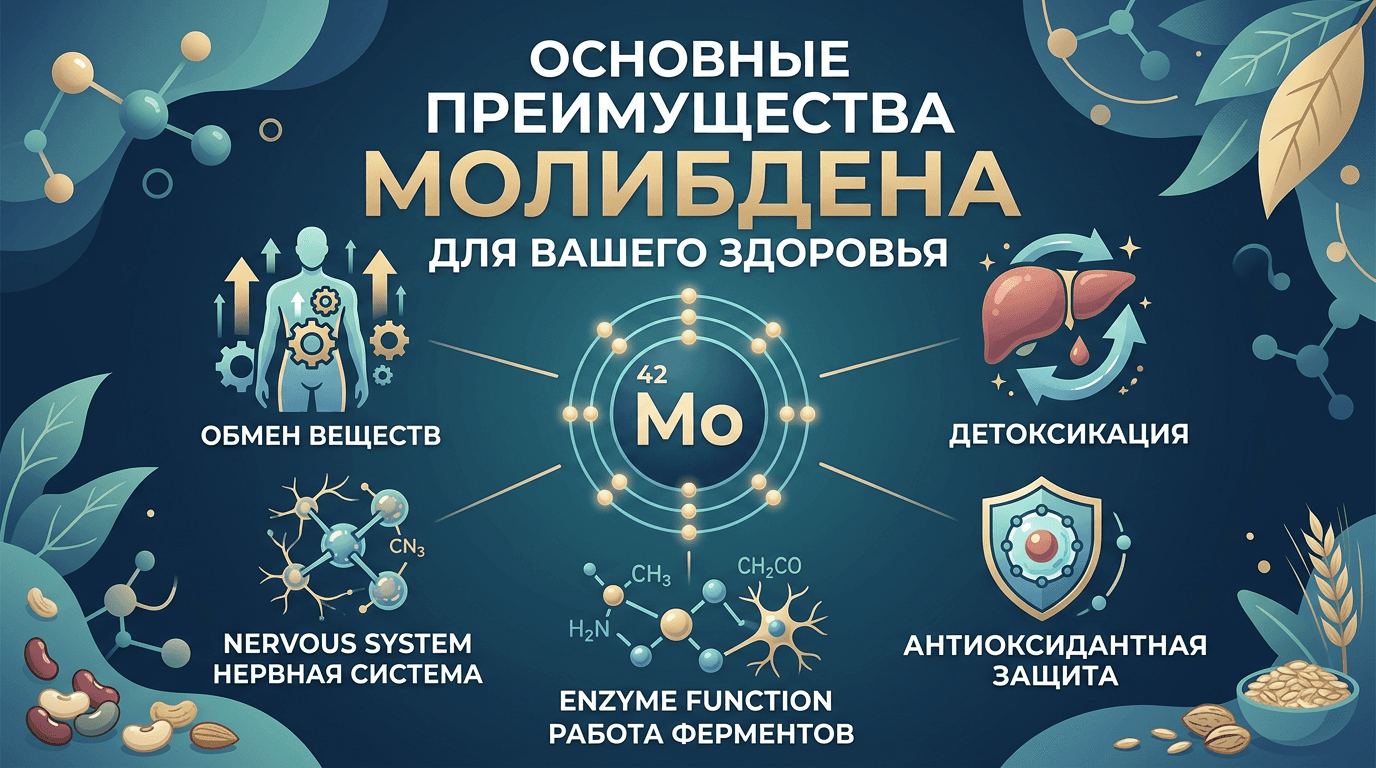
The primary molybdenum benefits stem from its role as an essential cofactor for enzymes crucial to detoxification, particularly for processing sulfites and breaking down various compounds in the body. This trace mineral helps convert potentially harmful sulfites into safer sulfates, supports the metabolism of aldehydes, and plays a part in the breakdown of purines into uric acid, making it a key component of your body's natural metabolic machinery.
While not as well-known as minerals like magnesium or zinc, molybdenum is a vital nutrient your body requires in small amounts to perform critical biological functions. Its importance is most evident in its role supporting a group of enzymes that act like microscopic cleanup crews. This article will provide a detailed exploration of molybdenum's functions, its specific role in detoxification pathways, and the potential benefits associated with maintaining adequate levels. We will cover daily requirements, food sources, the nuances of supplementation, and crucial safety information to help you understand this essential mineral.
What Is Molybdenum and What Does It Do in the Body?
Molybdenum is an essential trace mineral, meaning the body needs it in very small quantities to function properly but cannot produce it on its own. Its primary and most well-understood function is as a crucial structural component, or "cofactor," for a select group of enzymes. An enzyme cofactor is a non-protein chemical compound that is required for an enzyme's biological activity. Think of it as a key that unlocks an enzyme's ability to do its job. Without the correct cofactor, the enzyme is incomplete and cannot perform its specific metabolic task.
In humans, molybdenum is essential for the function of four key enzymes:
- Sulfite Oxidase: This is arguably the most critical molybdenum-dependent enzyme. Its job is to catalyze the transformation of sulfite into sulfate. This process is vital for detoxifying sulfites generated from the breakdown of sulfur-containing amino acids (methionine and cysteine) and those ingested from foods and drinks.
- Xanthine Oxidase: This enzyme plays a central role in purine metabolism. It catalyzes the breakdown of purines (compounds from DNA and RNA) into uric acid, which can then be excreted by the kidneys. This pathway is essential for managing the body's purine levels.
- Aldehyde Oxidase: Working alongside xanthine oxidase, this enzyme participates in the metabolism of various aldehydes and other nitrogen-containing compounds. Aldehydes can be toxic and are generated both within the body and from external sources like alcohol and environmental pollutants.
- Mitochondrial Amidoxime Reducing Component (mARC): This is a more recently discovered molybdenum enzyme. Its exact functions are still being researched, but it is believed to play a role in reducing certain N-hydroxylated compounds, contributing to the detoxification of specific drugs and metabolic byproducts.
Once absorbed from the diet, molybdenum is transported throughout the body and stored primarily in the liver, kidneys, adrenal glands, and bones. The body is efficient at regulating molybdenum levels; if intake is low, the kidneys will excrete less of it to conserve the mineral. Conversely, when intake is high, excretion increases to prevent excessive accumulation.
The Role of Molybdenum in Detoxification Pathways

Molybdenum’s reputation in the world of supplements is largely built on its indispensable role in the body’s detoxification systems. While "detox" can be a vague and overused term, in this context, it refers to specific, measurable biochemical pathways that neutralize and prepare harmful substances for elimination. Molybdenum is a non-negotiable component of several of these pathways.
Sulfite Metabolism: The Sulfite-to-Sulfate Conversion
The most critical detoxification function of molybdenum is its role within the enzyme sulfite oxidase. Sulfites are sulfur-based compounds that can be introduced into the body through diet or produced internally during the breakdown of sulfur-containing amino acids like cysteine and methionine. While sulfites are used as preservatives in some foods and beverages, such as dried fruits, wine, and processed potatoes, the majority of sulfite exposure for most people comes from the body's own metabolic processes.
High concentrations of sulfite are neurotoxic and can be damaging to the body. The sulfite oxidase enzyme, located in the mitochondria (the powerhouses of our cells), provides the only known biological pathway to neutralize it. It does this by catalyzing a simple but vital chemical reaction: it adds an oxygen atom to sulfite (SO3²⁻), converting it into sulfate (SO4²⁻). Sulfate is a relatively inert, non-toxic compound that is essential for many biological functions. It is a building block for cartilage, plays a role in the lining of the gut, and is used by the liver in other detoxification processes. The body can then safely excrete excess sulfate in the urine.
Without sufficient molybdenum, the sulfite oxidase enzyme cannot function. This leads to an accumulation of sulfites, which can have serious consequences. In rare genetic disorders where this enzyme is non-functional, the resulting sulfite toxicity leads to severe neurological damage, seizures, and intellectual disability. While dietary deficiency is not known to cause such extreme effects, the principle remains: molybdenum is essential for protecting the body from the potential toxicity of its own sulfite production.
Metabolism of Aldehydes
Another crucial detoxification role involves the enzyme aldehyde oxidase. Aldehydes are a class of reactive chemical compounds that can be harmful to cells. A well-known example is acetaldehyde, a toxic byproduct of alcohol metabolism that contributes to many of the negative effects of alcohol consumption, including hangovers and long-term liver damage. Aldehydes are also generated from other metabolic processes and exposure to environmental pollutants like smoke and exhaust fumes.
Aldehyde oxidase, which contains molybdenum as a cofactor, helps to metabolize and detoxify a wide range of these compounds. It works in concert with other enzyme systems to break down these reactive molecules into less harmful acids that can be further processed or excreted. By supporting this enzyme, molybdenum contributes to the body's ability to manage its aldehyde load, protecting cells and tissues from oxidative stress and damage.
Purine Metabolism and Uric Acid Production
Molybdenum is also a cofactor for xanthine oxidase, the enzyme that performs the final two steps in the breakdown of purines. Purines are natural substances found in all of the body's cells and in many foods. When cells die and are recycled, their genetic material (DNA and RNA) is broken down, releasing purines that need to be metabolized. Xanthine oxidase converts these purines into uric acid.
Uric acid is often discussed in a negative context due to its association with gout, a painful inflammatory condition caused by the buildup of uric acid crystals in joints. However, producing uric acid is a normal and necessary metabolic process. Uric acid itself is a powerful antioxidant in the blood, helping to protect cells from damage caused by free radicals. The key is balance. The body needs to produce uric acid to eliminate excess purines, and molybdenum-dependent xanthine oxidase is essential for this process. The problems arise when uric acid is either overproduced or under-excreted, leading to high levels in the blood (hyperuricemia).
Potential Molybdenum Benefits Beyond Detoxification
While its role in detoxification is central, the functions of molybdenum-dependent enzymes give rise to several other potential health-supportive benefits. These benefits are logical extensions of its biochemical roles in sulfite metabolism, purine breakdown, and aldehyde processing.
Support for Sulfite Sensitivity
One of the most discussed molybdenum benefits relates to sulfite sensitivity. Some individuals experience adverse reactions after consuming sulfites, which are found in certain foods and beverages like wine, beer, dried fruit, and some processed foods. Symptoms can range from mild to severe and may include headaches, flushing, hives, digestive upset, wheezing, and a rapid heartbeat. While the exact mechanisms of sulfite sensitivity are not fully understood and may vary, one hypothesis is that some individuals may have a reduced capacity to efficiently metabolize sulfites.
Because sulfite oxidase is the primary enzyme for breaking down sulfites, and it requires molybdenum to function, a connection is often proposed. The theory is that ensuring adequate molybdenum intake could support the optimal function of sulfite oxidase, potentially improving the body's ability to handle a normal sulfite load. It is crucial to understand that molybdenum is not a "cure" for sulfite sensitivity or sulfite allergy, which is a true immune response. However, for individuals with intolerance related to metabolic overload, supporting the sulfite oxidase pathway is a logical area of interest. Anyone experiencing symptoms of sulfite sensitivity should consult a healthcare professional for proper evaluation.
Antioxidant-Related Effects
Molybdenum may contribute to the body’s antioxidant network, primarily through an indirect mechanism. The enzyme xanthine oxidase, which requires molybdenum, is responsible for producing uric acid. In the bloodstream, uric acid is one of the most abundant antioxidants, accounting for up to 60% of the blood's total antioxidant capacity. It helps neutralize dangerous free radicals and reactive oxygen species, thereby protecting cells, fats, and DNA from oxidative damage.
Therefore, by participating in the normal, regulated production of uric acid, molybdenum plays a part in maintaining this important protective system. This is a classic example of biological balance; while excessive uric acid is harmful and can cause gout, normal physiological levels are beneficial. Molybdenum's role is to enable the enzyme that produces this dual-purpose compound.
Potential Role in Oral Health
Some older epidemiological studies from the mid-20th century observed a correlation between higher molybdenum levels in soil and drinking water and a lower incidence of dental caries (cavities) in the population. The hypothesis was that molybdenum might be incorporated into the tooth enamel, making it more resistant to the acid produced by oral bacteria. It was also suggested that molybdenum might have a direct effect on the bacteria themselves.
However, this area of research has not been a major focus in recent decades, and the evidence is considered preliminary and historical. While intriguing, the link between molybdenum intake and cavity prevention is not well-established compared to the proven benefits of fluoride, good oral hygiene, and a low-sugar diet. Molybdenum is not added to dental care products, and supplementation is not recommended for the purpose of improving oral health based on current evidence.
Molybdenum Deficiency: Is It Common?
Dietary molybdenum deficiency in healthy individuals is exceedingly rare and has never been documented in the general population. The human body requires only trace amounts of the mineral, and it is found in a wide variety of foods. The average diet in the United States and other developed countries provides well above the daily requirement, making deficiency from food intake virtually unheard of.
The primary evidence for molybdenum's essentiality and the symptoms of its deficiency come from a single, well-documented clinical case. In the late 1980s, a patient receiving long-term total parenteral nutrition (TPN) developed a specific set of symptoms. TPN is a method of feeding that bypasses the digestive system, providing liquid nutrients intravenously. The TPN solution administered to this patient was formulated without molybdenum.
Over several months, the patient developed symptoms that included:
- Rapid heart rate and breathing
- Headaches
- Night blindness
- Nausea and vomiting
- Lethargy and eventual coma
Lab tests revealed high levels of sulfite and urate in the blood and low levels of sulfate and uric acid. This biochemical profile pointed directly to a failure of the molybdenum-dependent enzymes, sulfite oxidase and xanthine oxidase. The patient's condition improved dramatically after molybdenum was added to the TPN solution. This case provided direct proof of molybdenum's essential role in humans and characterized the symptoms of acquired deficiency.
Genetic Molybdenum Cofactor Deficiency
It is important to distinguish acquired dietary deficiency from a group of rare, severe genetic disorders known as Molybdenum Cofactor Deficiency (MoCD). In these inherited conditions, an infant is born with a genetic mutation that prevents the body from synthesizing the molybdenum cofactor itself. Even if molybdenum is present in the diet, the body cannot use it to activate the necessary enzymes.
The result is a functional deficiency of all molybdenum-dependent enzymes. This leads to a massive buildup of toxic sulfites, causing severe and progressive neurological damage shortly after birth. Symptoms include intractable seizures, feeding difficulties, and profound developmental delays. This is a devastating and typically fatal condition, and it highlights the absolute necessity of the sulfite oxidase pathway for neurological health. It is not caused by a lack of molybdenum in the diet and cannot be treated with molybdenum supplementation alone.
Who Might Be at Risk for Low Molybdenum Status?
Although overt molybdenum deficiency is exceptionally rare, it is useful to understand the specific circumstances that could theoretically lead to a compromised molybdenum status. For the vast majority of the population, this is not a practical concern. The risk factors are highly specific and do not apply to healthy individuals eating a varied diet.
The primary and most clearly defined risk group includes:
- Individuals on Long-Term Total Parenteral Nutrition (TPN): As demonstrated by the landmark clinical case, individuals fed intravenously for extended periods are at risk if their TPN solution is not properly formulated. Modern TPN solutions now routinely include molybdenum and other trace minerals to prevent this type of acquired deficiency.
Other potential, though largely theoretical, risk groups include:
- Populations in Severely Molybdenum-Depleted Regions: There are some geographic areas in the world, such as parts of China and Iran, where the soil is naturally very low in molybdenum. This can lead to lower molybdenum content in locally grown food crops and, consequently, lower dietary intake for the population. Some research has linked these areas to higher rates of certain types of esophageal cancer, though the connection is complex and likely multifactorial. This is not considered a significant issue in the United States due to diverse food supply chains and varied soil composition.
- Individuals with High Tungsten Exposure: Tungsten is a heavy metal that can act as a direct antagonist to molybdenum. It can compete with molybdenum for incorporation into enzymes, effectively blocking their function. High exposure to tungsten is typically occupational (e.g., in heavy metal industries) and is not a concern for the general public.
How Much Molybdenum Do You Need? Daily Intake Recommendations
The Food and Nutrition Board (FNB) at the National Academies of Sciences, Engineering, and Medicine has established dietary reference intakes for molybdenum. The primary values are the Recommended Dietary Allowance (RDA), which is the average daily level of intake sufficient to meet the nutrient requirements of nearly all (97%–98%) healthy individuals, and the Tolerable Upper Intake Level (UL), which is the maximum daily intake unlikely to cause adverse health effects.
It's important to note that the average daily intake of molybdenum for adults in the United States is estimated to be around 76 mcg/day for women and 109 mcg/day for men, both of which are well above the RDA. This indicates that most people easily obtain sufficient amounts of this mineral from their diet alone.
| Age Group | Recommended Dietary Allowance (RDA) in micrograms (mcg) | Tolerable Upper Intake Level (UL) in micrograms (mcg) |
|---|---|---|
| Birth to 6 months | 2 (AI) | Not established |
| 7 to 12 months | 3 (AI) | Not established |
| 1 to 3 years | 17 | 300 |
| 4 to 8 years | 22 | 600 |
| 9 to 13 years | 34 | 1,100 |
| 14 to 18 years | 43 | 2,000 |
| 19+ years | 45 | 2,000 |
| Pregnancy | 50 | 2,000 |
| Lactation | 50 | 2,000 |
For infants from birth to 12 months, the FNB establishes an Adequate Intake (AI), which is assumed to ensure nutritional adequacy. The UL for infants has not been established, and caution is warranted with any supplementation.
Top Food Sources of Molybdenum
The best way to obtain molybdenum is through a varied diet. The mineral is present in a wide range of foods, with the highest concentrations generally found in legumes, grains, and nuts. It's important to remember that the molybdenum content of plant-based foods can vary significantly depending on the molybdenum concentration and pH of the soil in which they were grown.
Foods that are consistently reported as being good sources of molybdenum include:
- Legumes: This is the richest and most reliable food group for molybdenum. Black-eyed peas, lentils, pinto beans, lima beans, and black beans are all excellent sources.
- Grains: Whole grains such as oats, barley, and buckwheat contain good amounts of the mineral.
- Nuts and Seeds: Almonds, peanuts, and sunflower seeds contribute to molybdenum intake.
- Dairy Products: Milk, yogurt, and cheese provide molybdenum, partly because the animals consume molybdenum-containing feed.
- Organ Meats: Liver, particularly beef liver, is a very rich source of molybdenum.
- Vegetables: Certain vegetables like potatoes, leafy greens (spinach), and cauliflower can be good sources, though their content is highly soil-dependent.
| Food | Serving Size | Approximate Molybdenum (mcg) | % of Adult RDA (45 mcg) |
|---|---|---|---|
| Black-eyed peas, cooked | 1 cup | ~180 | ~400% |
| Lentils, cooked | 1 cup | ~148 | ~329% |
| Lima beans, cooked | 1 cup | ~104 | ~231% |
| Beef liver, cooked | 3 ounces | ~78 | ~173% |
| Yogurt, plain | 1 cup | ~26 | ~58% |
| Oatmeal, instant, prepared | 1 cup | ~25 | ~56% |
| Milk (2%) | 1 cup | ~22 | ~49% |
| Potato, baked with skin | 1 medium | ~19 | ~42% |
Note: The values in this table are approximate and can vary based on food preparation, soil conditions, and other factors. They are compiled from various nutritional databases for illustrative purposes.
Understanding Molybdenum Supplements
Given that dietary deficiency is virtually nonexistent in the general population, molybdenum supplementation is not necessary for most people. The majority of individuals can and should get their required intake from a balanced diet. However, supplements are widely available, often promoted for detoxification support, and may be considered in very specific situations under the guidance of a knowledgeable healthcare professional.
When Might Supplementation Be Considered?
Supplementation is generally reserved for cases of known or suspected issues with molybdenum metabolism, not for routine health maintenance. A healthcare provider might discuss molybdenum supplementation in contexts such as:
- Documented deficiency: For instance, in a patient on long-term TPN that lacks molybdenum.
- Clinical investigation of sulfite sensitivity: A practitioner may use a trial of low-dose molybdenum as part of a broader strategy to support sulfite metabolism, often alongside dietary changes. This should never be done without professional supervision.
- Specific detoxification protocols: Some functional medicine protocols may include molybdenum to support phase II liver detoxification, particularly sulfite oxidation. This is a specialized application that requires professional oversight.
Common Forms of Molybdenum Supplements
Molybdenum supplements are available in several different chemical forms. The mineral is typically bound to another molecule to improve stability and absorption. Common forms include:
- Molybdenum Glycinate: This is a chelated form where molybdenum is bound to the amino acid glycine. Chelation is a process that binds minerals to amino acids to mimic the form they take in food. This form is often promoted for enhanced absorption and bioavailability, and it is generally well-tolerated.
- Molybdenum Picolinate: In this form, molybdenum is bound to picolinic acid. Picolinic acid is a natural chelator produced in the body, and this form is also considered to have good bioavailability.
- Sodium Molybdate and Ammonium Molybdate: These are inorganic salt forms of molybdenum. They are soluble in water and are the forms often used to fortify TPN solutions and in some less expensive supplements. While effective, some people prefer chelated forms for potentially better absorption and gentleness on the digestive system.
- Molybdenum Amino Acid Chelate: This is a more general term that can refer to molybdenum bound to various amino acids. Molybdenum glycinate is a specific type of amino acid chelate.
There is limited direct human research comparing the absorption rates of these different forms, but chelated versions like glycinate are generally favored in high-quality supplement formulations due to their stability and theoretical absorption advantage.
Dosage and Choosing a Quality Product
Molybdenum supplements are typically sold in dosages ranging from 50 mcg to 500 mcg per capsule. Many multivitamins also contain a small amount of molybdenum, often around 25 to 75 mcg. It is crucial to be mindful of the dosage, as many single-ingredient supplements provide amounts that are many times higher than the RDA of 45 mcg.
When selecting a supplement, if advised by a healthcare provider, look for:
- Clear Labeling: The label should clearly state the form of molybdenum and the elemental amount per serving.
- Third-Party Testing: Choose brands that have been independently tested for purity and potency by organizations like USP (United States Pharmacopeia), NSF International, or ConsumerLab.com. This provides assurance that the product contains what the label says and is free from contaminants.
- Minimal Fillers: Opt for products with fewer unnecessary binders, fillers, and artificial ingredients.
Molybdenum Safety, Side Effects, and Interactions
While molybdenum is an essential nutrient, more is not necessarily better. Taking high doses of molybdenum from supplements can lead to adverse effects and disrupt the balance of other essential minerals in the body. It is vital to respect the Tolerable Upper Intake Level (UL) and understand the potential risks associated with excessive intake.
Tolerable Upper Intake Level (UL) and Toxicity
The FNB has set the Tolerable Upper Intake Level (UL) for molybdenum for adults at 2,000 micrograms (mcg) or 2 milligrams (mg) per day. This is the highest level of daily nutrient intake that is likely to pose no risk of adverse health effects for almost all individuals. Regularly consuming amounts above this UL significantly increases the risk of toxicity.
Molybdenum toxicity from food is virtually impossible. The risk comes almost exclusively from long-term, high-dose supplementation. Symptoms of molybdenum toxicity can include:
- Gout-like symptoms: Very high intakes of molybdenum can increase the activity of xanthine oxidase, leading to a sharp rise in uric acid production. This can cause joint pain, inflammation, and symptoms that mimic gout.
- Digestive issues: Nausea, diarrhea, and stomach cramps have been reported with high doses.
- Anemia and fatigue: These can occur due to molybdenum's interference with copper and iron metabolism.
Interaction with Copper
The most significant interaction to be aware of is the relationship between molybdenum and copper. High molybdenum intake is a known copper antagonist, meaning it can interfere with the absorption and utilization of copper in the body. Excessive molybdenum can form insoluble complexes with copper in the digestive tract, preventing copper from being absorbed. It can also increase the excretion of copper from the body.
This antagonism can lead to a secondary copper deficiency, even if dietary copper intake is adequate. Symptoms of copper deficiency are serious and can include anemia, bone abnormalities, impaired immune function, and neurological problems. This is why many molybdenum supplements are formulated with a small amount of copper, and why anyone considering high-dose molybdenum should have their copper status monitored by a healthcare professional.
Other Interactions
- Medications: There are no well-documented, clinically significant interactions between molybdenum at normal dietary or standard supplement doses and common prescription medications. However, the potential for interactions always exists, especially with high doses. It is essential to discuss all supplements with your doctor and pharmacist.
- Sulfur: A high intake of dietary sulfur, particularly from sulfur-containing amino acids, can increase the body's need for molybdenum to process the resulting sulfites. Conversely, high sulfur can also form complexes with molybdenum and reduce its absorption.
Contraindications and Special Populations
Certain individuals should be particularly cautious with molybdenum supplementation:
- Individuals with Gout: Since high-dose molybdenum can increase uric acid production, people with a history of gout or hyperuricemia should avoid molybdenum supplements unless specifically directed by their doctor.
- Individuals with Copper Deficiency or Metabolism Disorders: People with known copper deficiency or genetic disorders of copper metabolism, such as Wilson's disease, should not take molybdenum supplements due to the strong antagonistic effect.
- Individuals with Kidney Disease: The kidneys are responsible for excreting excess molybdenum. Those with impaired kidney function may be at higher risk of accumulation and toxicity.
- Pregnancy and Breastfeeding: While molybdenum is essential during these stages (the RDA is slightly higher at 50 mcg/day), supplementation should only be undertaken under the direct supervision of a healthcare provider to avoid excessive intake.
When to Talk to a Healthcare Professional
Navigating the world of supplements, especially for a trace mineral like molybdenum, requires caution and expert guidance. Self-diagnosing and self-treating with supplements can be ineffective at best and harmful at worst. It is always best to work with a qualified healthcare professional who can assess your individual health status, diet, and needs.
Schedule an appointment with a licensed healthcare professional, such as a medical doctor (MD), doctor of osteopathic medicine (DO), registered dietitian (RD), or a naturopathic doctor (ND), in the following situations:
- If You Suspect a Nutrient Deficiency: If you are experiencing persistent, unexplained symptoms like chronic fatigue, neurological changes, or digestive issues, it's crucial to get a proper medical evaluation to determine the cause, rather than assuming it's a specific nutrient deficiency.
- Before Starting Molybdenum Supplements: Never start taking a standalone molybdenum supplement without professional advice. A professional can help determine if it's appropriate for you and recommend a safe dosage and form.
- If You Have Adverse Reactions to Foods: If you believe you have a sensitivity to sulfites or other food components, consult an allergist or a doctor specializing in food intolerances for proper testing and a management plan.
- If You Have a Chronic Health Condition: Individuals with gout, kidney disease, liver disease, or disorders of mineral metabolism must discuss any new supplement with their specialist.
- If You Are Pregnant, Planning a Pregnancy, or Breastfeeding: Nutrient needs are unique during these life stages, and all supplements should be approved by your obstetrician or primary care provider.
- If You Are Taking Prescription Medications: To avoid potential interactions, provide your doctor and pharmacist with a complete list of all supplements you are taking or considering.
A healthcare professional can order relevant lab tests (such as uric acid, copper, and ceruloplasmin levels) to get a clearer picture of your metabolic health before recommending any intervention. Their guidance is essential for using supplements safely and effectively.
Frequently Asked Questions About Molybdenum
What are the main molybdenum benefits?
The main benefit of molybdenum is its function as an essential cofactor for enzymes. These enzymes are critical for detoxifying sulfites from the body, breaking down aldehydes, and metabolizing purines into uric acid. By supporting these processes, molybdenum helps protect the body from potentially harmful metabolic byproducts.
Can molybdenum help with Candida?
The claim that molybdenum helps with Candida overgrowth is a popular one in alternative health circles. The theory is that Candida produces acetaldehyde, a toxin that molybdenum-dependent enzymes help break down. While plausible in theory, there is no strong clinical evidence or human studies to support the use of molybdenum as a primary treatment for Candida. Addressing Candida requires a comprehensive approach guided by a healthcare professional.
Does molybdenum help with alcohol detox?
Molybdenum is a cofactor for aldehyde oxidase, an enzyme that helps break down acetaldehyde, the primary toxic byproduct of alcohol metabolism. Therefore, molybdenum is fundamentally involved in the body's natural process of handling alcohol. However, taking a molybdenum supplement is not a recognized treatment for alcohol hangovers or alcohol use disorder and should not be used to justify excessive alcohol consumption.
What is the best form of molybdenum to take?
Chelated forms of molybdenum, such as molybdenum glycinate, are often considered superior due to their potential for better absorption and bioavailability. These forms are bound to amino acids, which may make them gentler on the digestive system. However, other forms like sodium molybdate are also effective and used in clinical settings.
Can I get enough molybdenum from my diet?
Yes, absolutely. Molybdenum deficiency from diet is extremely rare. The average diet in the U.S. provides amounts well above the daily requirement. Eating foods like legumes (beans, lentils), whole grains, nuts, and dairy products will easily provide all the molybdenum you need.
What are the signs of too much molybdenum?
Symptoms of excessive molybdenum intake, primarily from high-dose supplements, can include gout-like symptoms (joint pain and swelling) due to increased uric acid, and signs of copper deficiency like anemia and fatigue. The Tolerable Upper Intake Level (UL) for adults is 2,000 mcg per day; regularly exceeding this amount increases the risk of adverse effects.
Is it safe to take a molybdenum supplement every day?
For most people, a daily molybdenum supplement is unnecessary. If supplementation is recommended by a healthcare professional, it is generally safe to take at the prescribed low dose. However, taking high-dose supplements daily without medical supervision is not recommended due to the risk of toxicity and copper imbalance.
Does molybdenum chelate heavy metals?
The term "chelation" is often associated with removing heavy metals from the body. While molybdenum itself is not a primary chelating agent for metals like lead or mercury, it plays a role in sulfur metabolism. Proper sulfur metabolism is important for producing glutathione, one of the body's main detoxifiers and chelators. Therefore, molybdenum indirectly supports the systems that do handle heavy metals, but it does not directly chelate them.
Conclusion: A Small but Mighty Mineral
Molybdenum may be a trace mineral required in tiny amounts, but its impact on our health is profound. As an essential cofactor for critical enzymes, it stands as a gatekeeper for key metabolic and detoxification pathways. Its role in converting toxic sulfites to harmless sulfates, processing aldehydes, and contributing to purine metabolism underscores its importance in maintaining cellular health and balance.
For most people, the story of molybdenum is one of dietary success. A varied diet rich in legumes, grains, and nuts easily provides more than enough of this mineral, making deficiency a non-issue. The focus, therefore, should be on a healthy, whole-foods-based eating pattern rather than on specific supplementation. The potential molybdenum benefits are best realized when the body's systems are supported through balanced nutrition.
While supplements are available and may be discussed in specific clinical contexts like diagnosed sulfite sensitivity, they come with a need for caution. The risk of disrupting the delicate balance of other minerals, particularly copper, and the potential for toxicity from high doses, means that supplementation should not be a casual decision. The guidance of a healthcare professional is not just recommended; it is essential for navigating the use of molybdenum supplements safely and appropriately.
Ultimately, understanding molybdenum reveals a key principle of nutrition: every nutrient, no matter how small the required amount, has a specific and vital role to play. By appreciating its function, respecting its dietary sources, and approaching supplementation with educated caution, you can ensure this small but mighty mineral continues to support your body's intricate systems effectively.