
vitamine -
Natural Remedies for Insomnia: Beyond Melatonin
While melatonin is a popular choice, many other sleep supplements are available that may help support restful sleep through different mechanisms. Options like magnesium, L-theanine, glycine, and herbal extracts such as valerian root and lemon balm are increasingly explored by ind
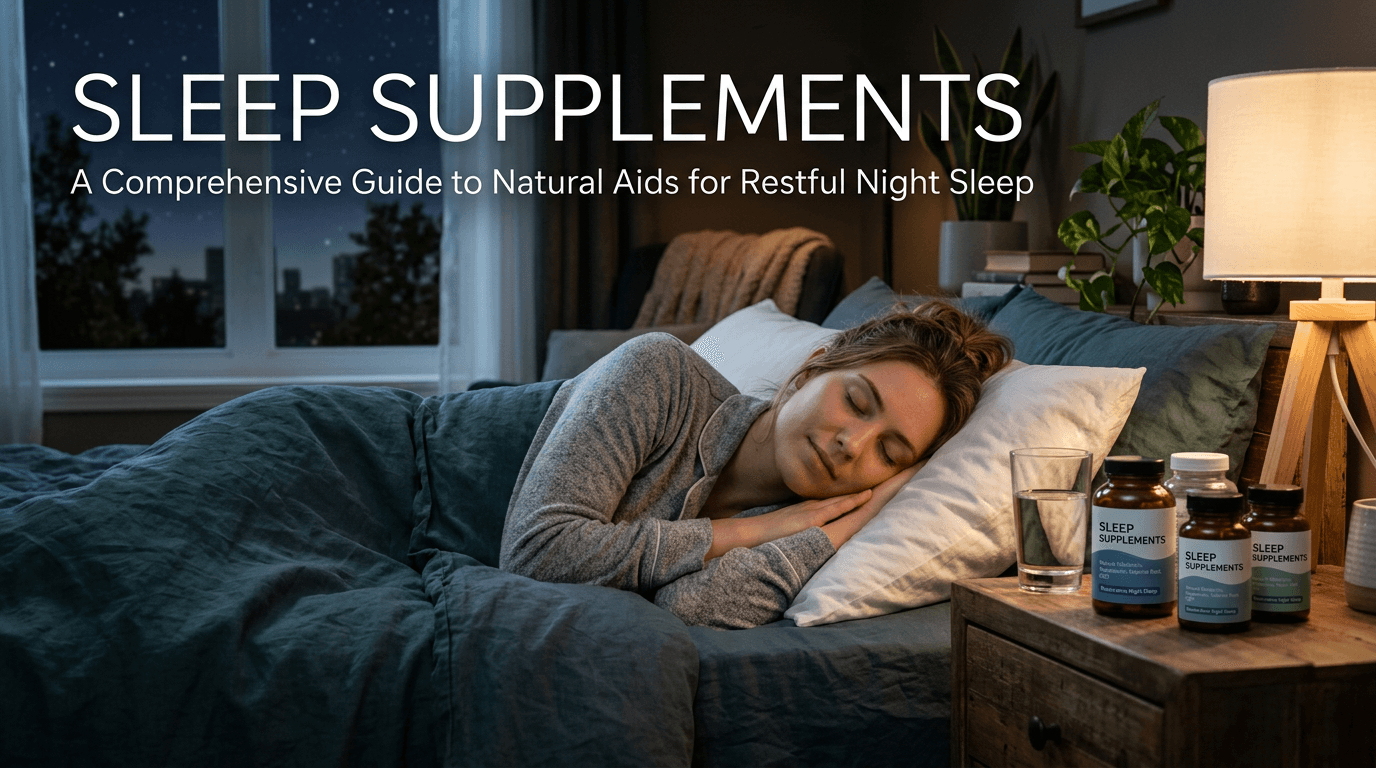
While melatonin is a popular choice, many other sleep supplements are available that may help support restful sleep through different mechanisms. Options like magnesium, L-theanine, glycine, and herbal extracts such as valerian root and lemon balm are increasingly explored by individuals seeking alternatives for managing occasional sleeplessness.
Difficulty falling or staying asleep, a common issue known as insomnia, can significantly impact daytime energy, mood, and overall health. While melatonin is often the first supplement people reach for, it isn't the right fit for everyone. Some individuals experience side effects like morning grogginess, or they find it simply doesn't address their specific sleep challenges. This guide offers a detailed exploration of other evidence-informed nutrients and botanicals that are studied for their potential roles in promoting relaxation and supporting a healthy sleep cycle, helping you have a more informed conversation with your healthcare provider.
Why Look Beyond Melatonin?
Understanding the limitations of melatonin can help clarify why exploring other sleep supplements might be a useful strategy for some. Melatonin is a hormone your body naturally produces to regulate the sleep-wake cycle. Supplementing with it is primarily intended to help shift this cycle, making it potentially useful for issues like jet lag or delayed sleep phase disorder. However, it is not a traditional sedative and may not be as effective for sleep problems caused by anxiety, stress, or other factors.
Some individuals seek alternatives to melatonin for several key reasons:
- It Doesn't Address Their Root Cause: If sleeplessness is driven by racing thoughts, physical tension, or anxiety, a supplement that primarily signals "nighttime" to the brain might not be enough. In these cases, compounds that promote relaxation may be more relevant.
- Unwanted Side Effects: Though generally considered safe for short-term use, some people report side effects from melatonin, including morning grogginess, vivid dreams, headaches, or dizziness.
- Incorrect Dosing: Many over-the-counter melatonin products contain doses much higher than what the body naturally produces. This can sometimes lead to a desensitization of melatonin receptors or disrupt the natural sleep cycle in other ways.
- Hormonal Nature: As a hormone, melatonin can have complex interactions within the body. While research is ongoing, some people prefer to start with non-hormonal options like minerals, amino acids, or botanicals.
For these reasons, a broader look at other sleep-supportive nutrients is warranted. The goal is to find an approach that aligns with the specific reason for poor sleep, whether it's calming the nervous system, reducing muscle tension, or quieting a busy mind. Discussing these nuances with a healthcare professional can help tailor a more effective and appropriate strategy.
Magnesium: The Relaxation Mineral
Magnesium is an essential mineral involved in over 300 enzymatic reactions in the body, and its role in nervous system regulation makes it a cornerstone supplement for sleep support. It helps maintain healthy levels of GABA (gamma-aminobutyric acid), a neurotransmitter that promotes relaxation and sleep. By binding to and stimulating GABA receptors, magnesium can help quiet down nerve activity, preparing the body and mind for rest.
Low magnesium levels have been associated with poor sleep quality, including waking up frequently during the night. The mineral also plays a role in regulating stress hormones like cortisol and may help with muscle relaxation, which can be beneficial for individuals who experience physical tension or restless legs syndrome that interferes with sleep. Because modern diets can be low in magnesium-rich foods and stress can deplete the body's stores, many people may not have optimal magnesium levels for restorative sleep.
Forms of Magnesium for Sleep
Not all magnesium supplements are created equal, and the form you choose can significantly impact its absorption and effectiveness, particularly for sleep. Some forms are better absorbed and less likely to cause digestive side effects.
- Magnesium Glycinate (or Bisglycinate): This is often considered the best choice for sleep support. It's a chelated form, meaning the magnesium is bound to the amino acid glycine. Glycine itself has calming properties and may improve sleep quality. This combination is highly bioavailable and gentle on the stomach.
- Magnesium L-Threonate: This is a newer form of magnesium that has been shown in studies to effectively cross the blood-brain barrier. While much of the research focuses on its cognitive benefits, its ability to increase magnesium concentrations in the brain makes it a promising option for supporting sleep and relaxation.
- Magnesium Citrate: This is a well-absorbed form of magnesium bound to citric acid. It's effective for raising magnesium levels, but it can have a laxative effect at higher doses. It can be a good choice if you also experience constipation, but for pure sleep support without digestive effects, glycinate is often preferred.
- Magnesium Oxide: This is a common and inexpensive form found in many supplements, but it has poor bioavailability. The body absorbs only a small percentage of it, and it is the most likely form to cause diarrhea. It is generally not recommended for correcting a deficiency or for sleep support.
Intake, Safety, and Food Sources
The Recommended Dietary Allowance (RDA) for magnesium for adults in the U.S. is 400-420 mg for men and 310-320 mg for women. Doses used in studies for sleep support typically range from 250 mg to 500 mg of elemental magnesium, often taken 30-60 minutes before bedtime.
While magnesium is generally safe, the Tolerable Upper Intake Level (UL) for supplemental magnesium is 350 mg per day for adults. This limit applies only to supplemental magnesium, not magnesium from food, and is set to prevent the laxative effect that can occur with high doses. People with kidney disease should not supplement with magnesium unless under the direct supervision of a doctor, as their bodies cannot efficiently clear excess magnesium.
Excellent food sources of magnesium include:
- Leafy green vegetables (spinach, Swiss chard)
- Nuts and seeds (almonds, pumpkin seeds, cashews)
- Legumes (black beans, chickpeas)
- Whole grains (brown rice, quinoa)
- Avocado
- Dark chocolate
L-Theanine: Calm Without Drowsiness
L-theanine is an amino acid found almost exclusively in tea leaves (Camellia sinensis), especially green tea. Unlike a sedative that forces sleep, L-theanine promotes a state of calm, focused relaxation. It is well-known for its ability to help quiet a "busy brain," making it an excellent option for individuals whose sleep is disrupted by stress, worry, or racing thoughts.
The primary way L-theanine works is by increasing the production of brain waves known as alpha waves. Alpha waves are associated with a state of "wakeful rest"—the feeling you might have while meditating or letting your mind wander. This state is conducive to falling asleep. L-theanine can also influence calming neurotransmitters like GABA, serotonin, and dopamine, further contributing to a sense of well-being and reduced anxiety without causing drowsiness. This makes it unique because it can be taken during the day to manage stress without impairing cognitive function, or at night to prepare the mind for sleep.
How to Use L-Theanine for Sleep
L-theanine is available as a standalone supplement, typically in capsule form. It is also a popular ingredient in combination sleep formulas, often paired with magnesium or herbal extracts. A typical dosage for sleep support ranges from 100 mg to 400 mg, taken about 30 to 60 minutes before bedtime.
Some key points about using L-theanine:
- Non-Sedating: Because it is not a sedative, L-theanine does not typically cause morning grogginess. It helps you fall asleep by calming the mind rather than by inducing artificial drowsiness.
- Synergy with Caffeine: Interestingly, L-theanine is the compound in green tea that balances the stimulating effects of caffeine, leading to a state of calm alertness. When taken without caffeine in supplement form, its calming properties are more pronounced.
- Safety Profile: L-theanine is generally recognized as safe (GRAS) by the FDA. It has a very high safety profile with no established upper limit and is well-tolerated by most people. However, as with any supplement, it's wise to consult a healthcare professional, especially if you take medications for blood pressure or other conditions.
Valerian Root (Valeriana officinalis)
Valerian root is one of the most well-known and widely used herbal remedies for sleep and anxiety in Europe and the United States. It has been used as a sleep aid for centuries, with a history dating back to ancient Greece and Rome. Its primary appeal is as a mild sedative that may help reduce the time it takes to fall asleep and improve sleep quality.
The exact mechanism of valerian is not fully understood, but researchers believe it works by increasing the amount of GABA in the brain. Similar to magnesium, compounds in valerian root may inhibit the enzyme that breaks down GABA, leading to higher levels of this calming neurotransmitter. It contains several active compounds, including valerenic acid and various antioxidants, that are thought to contribute to its sedative effects.
Evidence and Effectiveness
The scientific evidence for valerian's effectiveness is mixed. Some studies show a modest benefit in subjective sleep quality, while others find it no more effective than a placebo. This inconsistency may be due to variations in the quality and composition of the valerian preparations used in the studies. Valerian's effects also seem to be more noticeable with consistent, long-term use (two weeks or more) rather than as a one-time sleep aid.
Despite the mixed clinical evidence, many people report finding it helpful, particularly for sleep latency (the time it takes to fall asleep). It is often considered for individuals with mild to moderate insomnia, especially when associated with anxiety.
Dosage, Forms, and Safety Considerations
Valerian is available in several forms, including capsules, tablets, teas, and liquid tinctures. The concentration of active compounds can vary widely between products, making standardized extracts preferable.
- Dosage: For sleep, typical doses range from 300 to 600 mg of a standardized valerian root extract, taken 30 minutes to two hours before bedtime. For liquid tinctures, the dosage will vary based on the concentration.
- Side Effects: Valerian is generally well-tolerated for short-term use. The most common side effects are mild and may include headache, dizziness, and digestive upset. A notable, though uncommon, side effect is that it can cause vivid dreams. In a small number of people, valerian can have a paradoxical stimulating effect, causing restlessness instead of calm.
- Safety: Because of its sedative properties, valerian should not be combined with alcohol or other sedatives, including prescription sleep medications, benzodiazepines, or barbiturates, without medical supervision. Due to a lack of safety data, it is not recommended for pregnant or breastfeeding women. Its distinct, strong odor (often compared to old socks) is normal for the dried root.
| Supplement | Primary Mechanism | Potential Best Use Case | Key Considerations |
|---|---|---|---|
| Magnesium (Glycinate) | Acts as a GABA agonist; calms the nervous system and relaxes muscles. | Sleep disrupted by stress, muscle tension, or frequent night awakenings. | Choose bioavailable forms. People with kidney disease need medical guidance. |
| L-Theanine | Increases alpha brain waves; promotes "wakeful relaxation." | Difficulty falling asleep due to racing thoughts or anxiety. | Non-sedating, so no grogginess. Very high safety profile. |
| Valerian Root | May increase GABA levels in the brain, acting as a mild sedative. | Difficulty falling asleep (improving sleep latency). May require consistent use. | Effectiveness varies. Can cause vivid dreams. Do not mix with other sedatives. |
| Glycine | Helps lower core body temperature; increases serotonin. | Improving subjective sleep quality and reducing daytime fatigue. | Requires a relatively large dose (3 grams). Has a sweet taste. |
Calming Herbs: Lemon Balm and Passionflower
Beyond valerian, other botanicals are traditionally used to promote relaxation and support sleep, often by easing anxiety and nervous tension. Lemon balm and passionflower are two gentle yet effective herbs that are frequently found in calming teas and sleep supplement formulas, both individually and in combination.
Lemon Balm (Melissa officinalis)
Lemon balm is a member of the mint family with a distinct lemony scent and a long history of use for calming nerves and improving mood. Like many other sleep-supportive herbs, its benefits are linked to its interaction with the brain's GABA system. Rosmarinic acid, a key compound in lemon balm, is thought to inhibit the enzyme GABA transaminase, which breaks down GABA. This leads to increased availability of GABA in the brain, resulting in a calming, anti-anxiety effect.
Some studies have shown that lemon balm can help reduce symptoms of anxiety and improve sleep, particularly when combined with other herbs like valerian. A common dosage is 300-600 mg of a standardized extract before bed. It is generally considered very safe, with few side effects, though it's always best to consult a professional, especially if you have a thyroid condition, as some older research suggested it might interfere with thyroid hormones.
Passionflower (Passiflora incarnata)
Passionflower is a climbing vine native to the Americas that has been used traditionally as a calming agent and sleep aid. It is believed to work by boosting levels of GABA in the brain, helping to reduce brain activity and promote relaxation. It is often recommended for individuals whose sleeplessness stems from anxiety, worry, and circular thinking.
Small-scale studies suggest that drinking passionflower tea or taking it as a supplement may modestly improve subjective sleep quality. It is considered a mild anxiolytic (anxiety-reducer) and sedative. Dosages typically range from 200-400 mg of a standardized extract. Passionflower is generally safe for short-term use, but it can cause dizziness or confusion in some people. It should not be used during pregnancy or combined with other sedatives without a doctor's approval.
Glycine: An Amino Acid for Deeper Sleep
Glycine is a non-essential amino acid, meaning the body can produce it on its own. However, taking it in supplemental form has been studied for its surprising effects on sleep quality. Unlike supplements that work primarily by inducing drowsiness, glycine appears to improve sleep through a unique physiological mechanism: lowering core body temperature.
A slight drop in core body temperature is a natural signal for the body to initiate and maintain sleep. Glycine is thought to facilitate this process by increasing blood flow to the skin and extremities, which helps dissipate heat more effectively. Research has shown that taking glycine before bed can help people fall asleep faster, spend more time in restorative REM sleep, and experience fewer awakenings during the night. Perhaps most impressively, participants in these studies often report feeling less fatigued and more clear-headed the following day, even without a significant increase in total sleep time.
Dosage and Use
The dose used in most sleep studies is 3 grams of glycine powder mixed with water, taken about an hour before bedtime. Glycine is a crystalline powder with a naturally sweet taste, making it easy to drink. It is generally considered very safe, as it is a fundamental building block of proteins in the body. No significant side effects have been reported at this dosage.
Glycine might be a particularly good option for individuals who wake up frequently or feel that their sleep is not deep or restorative enough. Its ability to improve subjective sleep quality and reduce next-day fatigue makes it a compelling alternative to traditional sedative supplements.
Advanced and Emerging Sleep Supplements
As research into sleep science evolves, more specific compounds and nutrients are being investigated for their targeted effects on sleep architecture and quality. Apigenin and tart cherry are two such examples that go beyond general relaxation, offering more nuanced mechanisms of action.
Apigenin (from Chamomile)
Most people are familiar with chamomile tea as a classic bedtime beverage. The primary active compound responsible for chamomile's calming effects is a flavonoid called apigenin. Apigenin works by binding to specific benzodiazepine receptors in the brain, which induces a mild sedative and anxiety-reducing effect without the risks associated with pharmaceutical benzodiazepines.
While a cup of chamomile tea provides a small amount of apigenin, taking it as a concentrated supplement offers a more standardized and potent dose. This may be more effective for individuals who find the tea too mild. Apigenin supplements, typically sourced from chamomile extract, are being studied for their potential to reduce sleep latency and decrease nighttime awakenings. A common supplemental dose is around 50 mg. It is generally well-tolerated, but individuals with allergies to plants in the daisy family (like ragweed) may have an allergic reaction.
Tart Cherry (Prunus cerasus)
Tart cherry juice and concentrates have gained popularity as a natural sleep aid. Their benefit is thought to come from two main sources. First, tart cherries are one of the few natural food sources of melatonin. However, the amount is relatively small and may not be enough to have a significant effect on its own.
More importantly, tart cherries are rich in potent anti-inflammatory compounds called anthocyanins and procyanidins. Systemic inflammation is linked to poor sleep, and by reducing inflammatory markers, these compounds may help create a more favorable internal environment for rest. Some research suggests that tart cherry can increase sleep time and efficiency. It may be particularly useful for athletes or individuals with inflammatory conditions whose sleep is disrupted by pain or inflammation.
How to Choose and Use Sleep Supplements Safely
Navigating the world of sleep supplements requires a thoughtful and cautious approach. While many are available over-the-counter, they are not without potential risks and interactions. Following a safe and systematic process is essential for finding what might work for you without causing harm.
Chronic insomnia can be a symptom of an underlying medical condition, such as sleep apnea, restless legs syndrome, a thyroid disorder, or a mental health condition like depression or anxiety. Using supplements to mask the symptoms without addressing the root cause can delay proper diagnosis and treatment. Always consult a healthcare professional for persistent sleep problems.
Steps for Safe Supplementation
- Consult a Healthcare Professional: This is the most crucial step. A doctor or registered dietitian can review your health history, current medications, and symptoms to rule out underlying conditions and advise on supplements that are safe and appropriate for you. This is especially critical if you are pregnant, breastfeeding, have a chronic illness (like kidney or liver disease), or take any prescription medications.
- Start with One Supplement at a Time: It can be tempting to try a "sleep stack" of multiple ingredients, but this makes it impossible to know what is working and what might be causing side effects. Introduce one new supplement at a time, giving it at least a week or two to see how your body responds before considering adding another.
- Begin with a Low Dose: Start with the lowest recommended dose on the product label. You can gradually increase it if needed, but this minimizes the risk of side effects. More is not always better, especially with sleep supplements.
- Choose High-Quality Products: The FDA does not regulate supplements with the same rigor as pharmaceuticals. Look for products that have been independently tested by a third party, such as NSF International, USP (U.S. Pharmacopeia), or ConsumerLab.com. This certification verifies that the product contains what the label says it contains, is free from harmful contaminants, and is manufactured according to good manufacturing practices (GMP).
- Check for Interactions: Many supplements can interact with prescription and over-the-counter medications. For example, sedative herbs like valerian can amplify the effects of other sedatives, and magnesium can interact with certain antibiotics and diuretics. A pharmacist or doctor is the best resource for checking potential interactions.
- Focus on Sleep Hygiene First: Supplements are a tool, not a cure-all. They are most effective when used in conjunction with good sleep hygiene practices, such as maintaining a consistent sleep schedule, creating a dark and quiet sleep environment, avoiding caffeine and alcohol before bed, and establishing a relaxing wind-down routine.
| Common Mistake | Safer Approach |
|---|---|
| Taking multiple new supplements at once. | Introduce one supplement at a time, starting with a low dose, to assess its individual effect and any side effects. |
| Using supplements to power through poor sleep hygiene. | Prioritize foundational sleep hygiene (consistent schedule, dark room, no screens) and use supplements as an adjunct, not a replacement. |
| Ignoring persistent insomnia or self-diagnosing. | Consult a doctor for chronic sleep issues to rule out underlying medical conditions like sleep apnea or a thyroid disorder. |
| Assuming "natural" means "safe for everyone." | Research potential side effects and interactions. Discuss with a healthcare professional, especially if you have health conditions or take medication. |
| Choosing the cheapest product without checking quality. | Look for third-party certifications (NSF, USP) to ensure product purity, potency, and safety. |
Frequently Asked Questions About Sleep Supplements
Can I take multiple sleep supplements together?
Combining supplements can increase the risk of side effects and unpredictable interactions. Some ingredients, like magnesium and L-theanine, are often safely paired. However, combining multiple sedative herbs (like valerian, passionflower, and lemon balm) can lead to excessive drowsiness. It is crucial to consult a healthcare professional before creating a "stack" to ensure the combination is safe and appropriate for you.
How long does it take for sleep supplements to work?
This varies greatly. Some supplements, like L-theanine or glycine, may have noticeable effects the first night. Others, particularly herbal supplements like valerian root, may require consistent use for two weeks or more to show a benefit. It is important to be patient and use them as part of a broader strategy that includes good sleep hygiene.
Are natural sleep aids addictive?
Most supplements discussed here, such as magnesium, L-theanine, and glycine, are not considered to be physiologically addictive. However, it is possible to become psychologically dependent on any substance used for sleep. The goal should always be to address the underlying cause of poor sleep rather than relying on a supplement indefinitely.
What's the difference between L-theanine and melatonin?
Melatonin is a hormone that regulates your body's internal clock, signaling that it is time to sleep. It's best for circadian rhythm issues like jet lag. L-theanine is an amino acid that promotes a state of calm relaxation by increasing alpha brain waves and GABA levels, making it better for sleep issues related to stress and racing thoughts. L-theanine calms the mind, while melatonin signals "nighttime."
Is it safe to take sleep supplements every night?
This depends on the supplement and individual circumstances. Nutrients like magnesium may be safe for long-term daily use, especially if correcting a dietary insufficiency. However, most sleep aids are intended for short-term or occasional use. Long-term, nightly reliance on any sleep aid should be discussed with a doctor to ensure it's not masking a more serious issue.
Why doesn't melatonin work for me?
Melatonin may not work if your sleep problem isn't related to a disrupted circadian rhythm. If your insomnia is caused by anxiety, stress, pain, or a racing mind, a hormone that simply signals "nighttime" may not be effective. In these cases, supplements that promote relaxation, like magnesium, L-theanine, or glycine, might be more helpful.
Can I drink alcohol if I take a natural sleep aid?
No, this is not recommended. Alcohol is a depressant, and combining it with supplements that have sedative properties (like valerian, passionflower, or even high-dose magnesium) can cause excessive drowsiness, dizziness, and impaired coordination. It can be a dangerous combination that should be avoided.
Which form of magnesium is best for sleep?
Magnesium glycinate (or bisglycinate) is widely considered the best form for sleep. The magnesium is bound to glycine, an amino acid that has its own calming properties. This form is highly absorbable and very gentle on the digestive system, making it an ideal choice for nightly use without causing the laxative effects associated with other forms like magnesium citrate or oxide.
Conclusion: A Personalized Approach to Restful Sleep
Finding effective support for sleep goes far beyond a single hormone or supplement. While melatonin has its place, the world of natural sleep aids is rich with diverse options—from the muscle-relaxing power of magnesium to the mind-calming properties of L-theanine and the gentle sedative effects of traditional herbs like valerian root. Each compound offers a unique mechanism that may align with a different cause of sleeplessness, whether it's rooted in stress, physical tension, or a "wired" brain.
The key takeaway is that there is no single "best" sleep supplement; the most effective approach is a personalized one. It begins with understanding the potential reasons for your sleep difficulties and prioritizing foundational sleep hygiene. Supplements should be viewed as a supportive tool within a larger, holistic strategy for better rest, not a standalone cure.
Before beginning any new supplement regimen, a conversation with a qualified healthcare professional is essential. They can provide personalized guidance, help you select a high-quality product, and ensure your choices are safe and appropriate for your unique health profile. By taking a thoughtful, informed, and cautious approach, you can explore these options safely and work toward achieving the restorative sleep that is vital for your overall health and well-being.