
vitamine -
Are Multivitamins a Waste of Money?
For some people, a daily multivitamin can be a waste of money, particularly if they already consume a nutrient-rich diet and have no underlying health issues. However, for others—including pregnant individuals, older adults, and those with specific dietary restrictions—a well-for
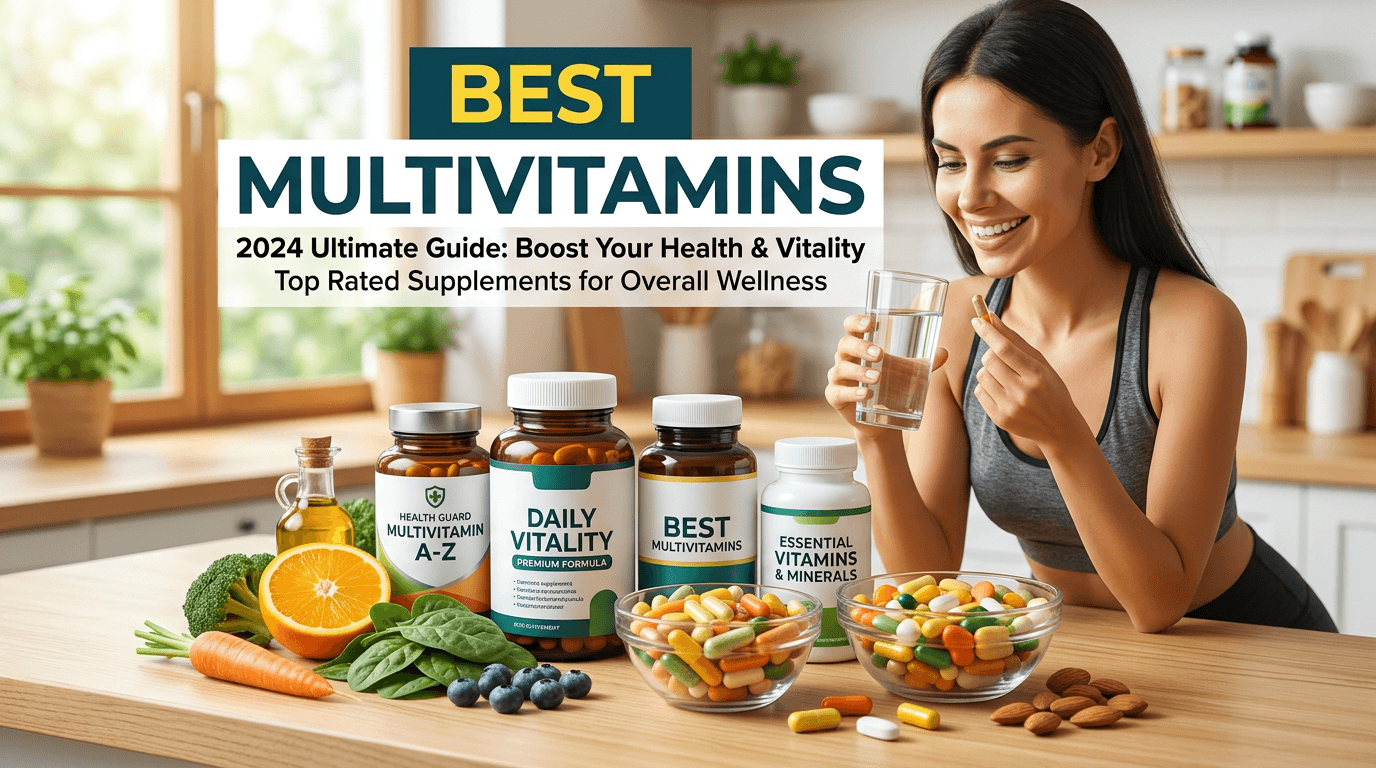
For some people, a daily multivitamin can be a waste of money, particularly if they already consume a nutrient-rich diet and have no underlying health issues. However, for others—including pregnant individuals, older adults, and those with specific dietary restrictions—a well-formulated multivitamin can be a sensible and cost-effective way to fill nutritional gaps and support overall health. The value of a multivitamin is not universal; it depends entirely on your individual diet, lifestyle, health status, and life stage.
The debate around multivitamins is complex, with large-scale studies often producing conflicting or inconclusive results. Some health experts argue they offer little more than a false sense of security, while others view them as a crucial nutritional safety net in a world of processed foods and common dietary shortfalls. This comprehensive article will cut through the confusion, examining the evidence for and against multivitamins. You will learn to identify who might genuinely benefit, understand how to differentiate a high-quality product from a worthless one, and ultimately gain the confidence to decide if a multivitamin is a smart investment for your health or simply an unnecessary expense.
What Is a Multivitamin, Exactly?

A multivitamin is a dietary supplement designed to provide a variety of vitamins and minerals in a single dose. The core purpose of a multivitamin is not to cure disease or replace a healthy diet, but to supplement what you eat and help prevent nutrient deficiencies. Think of it as a broad-spectrum nutritional backstop, intended to fill in the small, often unnoticed gaps that can occur even in a seemingly healthy diet.
Formulations vary dramatically from one product to another. Some contain just the essential vitamins and minerals, while others are fortified with additional ingredients like herbs, antioxidants, enzymes, or amino acids. They come in many forms, including tablets, capsules, chewable gummies, powders, and liquids. You will often see them marketed for specific demographics, such as "Men's One Daily," "Women's 50+," or "Prenatal," with nutrient amounts adjusted to meet the presumed needs of that group.
It's crucial to distinguish a multivitamin from a single-nutrient supplement. If you have a diagnosed deficiency in a specific nutrient, like vitamin D or iron, your doctor will likely recommend a targeted, higher-dose supplement of that nutrient alone. A multivitamin, in contrast, provides a little bit of a lot of things, with dosages typically hovering around the Recommended Dietary Allowance (RDA) or Daily Value (%DV).
The Case Against Multivitamins: Why Some Experts Are Skeptical

The argument that multivitamins are a waste of money is not without merit and is supported by several lines of reasoning, including major scientific studies. For the general, well-nourished population, the evidence for widespread, preventative benefit is surprisingly weak. Understanding these criticisms is essential for making an informed decision.
One of the most prominent arguments comes from large-scale, long-term clinical trials. The U.S. Preventive Services Task Force (USPSTF), an independent panel of national experts in disease prevention, has repeatedly reviewed the evidence. Their conclusions have consistently stated that there is insufficient evidence to recommend for or against the use of multivitamins for the prevention of cardiovascular disease or cancer in healthy, non-pregnant adults. In other words, for the average person, taking a daily multivitamin does not appear to move the needle on preventing the most common chronic diseases.
The "Expensive Urine" Argument
A common critique is that multivitamins lead to "expensive urine." This idea stems from how the body handles water-soluble vitamins, such as the B vitamins (like B12, riboflavin, and folate) and Vitamin C. When you consume these vitamins in amounts greater than your body's immediate needs, the excess is not stored. Instead, it is efficiently filtered by the kidneys and excreted in urine. The bright yellow or orange tint of your urine after taking a multivitamin is visible proof of this process, as it's often caused by the excretion of excess riboflavin (Vitamin B2).
While this process is generally harmless, critics argue it demonstrates that the body is simply discarding what it doesn't need. If you're already getting enough of these nutrients from your diet, the extra amount from a supplement may offer no additional benefit and is, quite literally, flushed away. This makes the cost of the supplement feel like a poor return on investment.
A False Sense of Security
Another significant concern among healthcare professionals is the potential for a "health halo" effect. This is the risk that people who take a multivitamin might develop a false sense of security about their health. They might believe the pill compensates for poor dietary choices, leading them to be less motivated to eat fruits and vegetables, exercise, or seek medical attention for new symptoms.
A multivitamin can never replicate the complex synergy of nutrients, fiber, and phytochemicals found in whole foods. If taking a pill encourages someone to continue eating a diet high in processed foods, the net effect on their health could be negative. Health is built on foundational habits, and no supplement can substitute for a healthy diet and lifestyle.
The "One-Size-Fits-None" Problem
Standard, off-the-shelf multivitamins are designed for the masses, which is precisely their weakness. A generic formula cannot possibly be optimized for an individual's unique biochemistry, diet, age, sex, and health status. For example, most men and postmenopausal women do not need supplemental iron and can risk harmful iron overload by taking a formula that includes it. Conversely, a vegan may need much more Vitamin B12 than a standard multivitamin provides.
A single pill might provide too much of a nutrient you already get in abundance and not nearly enough of a nutrient in which you are genuinely lacking. This "one-size-fits-none" approach can make generic multivitamins an inefficient, and sometimes inappropriate, tool for optimizing health.
The Case For Multivitamins: Nutritional Insurance for Specific Groups
Despite the valid criticisms, dismissing all multivitamins as useless is an oversimplification. For certain individuals and populations, a multivitamin can serve as a practical and important "nutritional insurance policy." The argument for multivitamins rests on the reality that nutrient gaps are common and that some groups have demonstrably higher nutrient needs that are difficult to meet through diet alone.
Data from the National Health and Nutrition Examination Survey (NHANES) consistently shows that significant portions of the U.S. population do not meet the estimated average requirement for several key nutrients from food. These include Vitamin D, Vitamin E, magnesium, calcium, and Vitamin A. While not a full-blown deficiency, this "nutrient insufficiency" can have long-term health implications. A basic multivitamin can help bridge these common gaps.
Pregnant and Breastfeeding Women
This is the least controversial group. The nutritional demands during pregnancy and lactation increase dramatically to support both the mother and the developing fetus or infant. It is extremely difficult to meet the requirements for certain nutrients, especially folate and iron, through diet alone. Folate is critical for preventing neural tube defects in the developing fetus, which is why supplementation is universally recommended for women who are or may become pregnant. Prenatal vitamins are a specialized type of multivitamin designed specifically to meet these heightened needs, and their use is a standard part of prenatal care.
Older Adults (50+)
As we age, our bodies change in ways that affect nutrient needs and absorption. Older adults often have a reduced ability to absorb certain nutrients, most notably Vitamin B12, from food. The body's ability to synthesize Vitamin D from sunlight also declines with age. Furthermore, appetite can decrease, leading to lower overall food intake. For these reasons, a multivitamin formulated for seniors—often with higher levels of Vitamin D and B12 and without iron (for postmenopausal women)—can be a sensible precaution.
Vegans and Vegetarians
While plant-based diets can be exceptionally healthy, they can make it challenging to obtain adequate amounts of certain nutrients primarily found in animal products. Vitamin B12 is the most well-known example, as it is not naturally present in plant foods. Vegans must obtain B12 from fortified foods or supplements to prevent deficiency, which can lead to serious neurological damage. Other nutrients of concern can include iron (the form in plants is less bioavailable), zinc, iodine, calcium, and the long-chain omega-3 fatty acids EPA and DHA. A carefully chosen multivitamin can help cover these potential bases.
Individuals with Restrictive Diets or Malabsorption Conditions
Anyone on a very restrictive diet, whether for weight loss (very low-calorie diets) or due to multiple food allergies and intolerances, is at a higher risk of nutrient deficiencies. Similarly, individuals with medical conditions that impair nutrient absorption—such as celiac disease, Crohn's disease, ulcerative colitis, or those who have had bariatric surgery—are prime candidates for supplementation. In these cases, a multivitamin is not just "insurance" but a necessary medical tool to prevent malnutrition, often prescribed and monitored by a healthcare team.
Food First, Always: Why Supplements Can't Replace a Healthy Diet
Regardless of whether you decide to take a multivitamin, one principle remains non-negotiable: a healthy diet is the foundation of good health. Supplements are, by definition, meant to *supplement* the diet, not replace it. Relying on a pill to provide your nutrients while ignoring your food choices is a flawed strategy that misses the bigger picture of what makes food so beneficial.
Whole foods like fruits, vegetables, whole grains, and lean proteins contain a complex matrix of compounds that work in synergy. This includes not just vitamins and minerals, but also fiber, antioxidants, and thousands of phytonutrients (plant compounds) that have wide-ranging health benefits. An isolated nutrient in a pill cannot replicate this intricate biological orchestra. For example, an orange provides Vitamin C, but it also provides fiber, potassium, folate, and a host of flavonoids and other antioxidants that work together in the body.
Before turning to a supplement, the first step should always be to evaluate your diet. Are you eating a variety of colorful fruits and vegetables? Are you including sources of lean protein, healthy fats, and high-fiber carbohydrates? Improving your diet will always provide more comprehensive benefits than any multivitamin can offer. A multivitamin should be considered a backstop for the nutrients you might still miss, not a free pass to ignore dietary quality.
How to Choose the Best Multivitamin for Your Needs (If You Need One)
If, after careful consideration and ideally a consultation with a healthcare professional, you decide a multivitamin is right for you, the next challenge is navigating the crowded supplement aisle. Choosing the "best multivitamin" is less about finding a single miracle product and more about finding the right product for *your* specific needs. This involves learning to be a savvy label reader and prioritizing quality over marketing hype.
Step 1: Assess Your Needs with a Professional
Before you start supplementing, the most responsible first step is to talk to a licensed healthcare professional, such as a doctor or registered dietitian. They can evaluate your diet, health history, and risk factors. In some cases, they may recommend blood tests to check your levels of specific nutrients like Vitamin D, B12, or iron. This provides objective data to guide your supplementation strategy, moving you from guessing to knowing. This personalized approach is vastly superior to picking a generic bottle off the shelf.
Step 2: Read the Supplement Facts Panel
The "Supplement Facts" panel is the most important part of the bottle. This is where you'll find the list of nutrients, their forms, and their amounts.
- Nutrient Amounts & % Daily Value (DV): This tells you how much of each nutrient is in a serving and what percentage of the recommended daily intake that represents. Note that 100% DV is not always the ideal amount. For some nutrients (like Vitamin D), many people may need more, while for others (like iron in men), 0% is often preferable.
- Key Nutrient Forms: Not all forms of a nutrient are created equal. Some are more bioavailable (better absorbed and utilized) than others. A quality multivitamin will use superior forms, which can be a key differentiator.
- "Other Ingredients": This section lists fillers, binders, colorings, and coatings. Look for products with minimal, clean "other ingredients." Be aware of potential allergens like soy, gluten, or dairy if you are sensitive.
Step 3: Look for Third-Party Testing and Certifications
In the United States, dietary supplements are not regulated by the FDA with the same rigor as prescription drugs. The FDA does not verify the contents, potency, or purity of supplements before they are sold. This makes third-party testing essential. Independent organizations test supplements to confirm that the product contains what the label says it contains, is free of harmful contaminants (like heavy metals or microbes), and will break down properly in the body. Look for seals from reputable third-party certifiers on the label:
- NSF (National Sanitation Foundation)
- USP (United States Pharmacopeia)
- ConsumerLab.com (look for their seal of approval)
A product with one of these certifications offers a much higher level of assurance about its quality and safety.
Step 4: Select a Formula Tailored to Your Profile
Choose a product that aligns with your age, sex, and lifestyle. Generic "one-size-fits-all" products are less likely to be optimal.
- Gender-Specific Formulas: Women's formulas often contain more iron (for premenopausal women) and calcium, while men's formulas are typically iron-free and may contain nutrients like lycopene for prostate health support.
- Age-Specific Formulas: Vitamins for adults 50+ usually have more Vitamin D and B12, and are iron-free for postmenopausal women.
- Prenatal Vitamins: These are specially designed for pregnancy with higher amounts of folate, iron, and iodine and should be taken under medical supervision.
| Nutrient | Lower Bioavailability Form (Cheaper) | Higher Bioavailability Form (Often Better) |
|---|---|---|
| Vitamin B12 | Cyanocobalamin | Methylcobalamin, Adenosylcobalamin |
| Folate | Folic Acid (synthetic) | L-5-Methyltetrahydrofolate (5-MTHF) |
| Magnesium | Magnesium Oxide | Magnesium Glycinate, Citrate, Malate |
| Vitamin E | dl-alpha-tocopherol (synthetic) | d-alpha-tocopherol plus mixed tocopherols |
| Zinc | Zinc Oxide, Zinc Sulfate | Zinc Picolinate, Zinc Glycinate |
Multivitamin Forms: Pills, Gummies, Liquids, and Powders
Multivitamins are available in a wide array of formats, each with its own set of advantages and disadvantages. The best form for you often comes down to personal preference, convenience, and specific health needs, such as difficulty swallowing pills. There isn't one universally "best" form, but understanding the differences can help you make a better choice.
Hard-pressed tablets and capsules are the most traditional and common forms. They are generally the most stable, have a long shelf life, and often contain the most comprehensive formulas with the highest nutrient potencies. However, their size can be a significant drawback for many people. Gummies have surged in popularity due to their pleasant taste and chewable format, making them feel more like a treat than a supplement. But this comes with a cost: they almost always contain sugar or sugar alcohols, may use gelatin, and their chewy nature makes it difficult to include a full spectrum of minerals like iron. There is also a greater risk of overconsumption because they taste like candy. Liquid and powder forms are excellent alternatives for those with dysphagia (trouble swallowing) or for those who prefer to mix their supplements into a drink. They may also offer superior absorption for some individuals, but can have a shorter shelf life, require refrigeration after opening, and sometimes have an unpleasant taste that needs to be masked.
| Form | Pros | Cons |
|---|---|---|
| Tablets/Capsules | High potency, stable, long shelf life, often no added sugar, typically most cost-effective. | Can be large and difficult to swallow, may contain more binders and fillers. |
| Gummies | Easy to take, taste good, good for those who can't swallow pills. | Contain sugar/sugar alcohols, often less potent, may lack certain minerals (like iron), risk of overconsumption. |
| Liquids | Excellent for swallowing issues, may have enhanced absorption, customizable dosing. | Shorter shelf life, often requires refrigeration, can have an unpleasant taste, requires careful measurement. |
| Powders | Can be mixed into drinks/smoothies, customizable dosing, good for higher-dose needs. | Can have taste/texture issues, requires mixing, may not dissolve completely. |
Safety, Side Effects, and Interactions of Multivitamins
While generally considered safe when taken as directed, multivitamins are not without potential risks. It's a common misconception that because vitamins and minerals are "natural," they are completely harmless in any amount. This is untrue. Understanding the potential side effects, overdose risks, and medication interactions is a critical part of responsible supplementation.
The most common side effects are mild and gastrointestinal in nature, such as nausea, upset stomach, constipation, or diarrhea. These are often caused by the mineral content, particularly iron and zinc. Taking your multivitamin with a meal and a full glass of water can significantly reduce or eliminate these issues. If symptoms persist, you may need to try a different formulation, such as one that is iron-free or uses more gentle forms of minerals.
The Risk of Overdosing: Tolerable Upper Intake Levels (ULs)
More is not better when it comes to vitamins and minerals. The body needs these micronutrients in specific amounts, and consuming excessively high doses can lead to toxicity. To help consumers and health professionals, the National Academy of Medicine has established Tolerable Upper Intake Levels (ULs) for most nutrients. The UL is the highest level of daily nutrient intake that is likely to pose no risk of adverse health effects for almost all individuals in the general population.
For example, excessive Vitamin A can cause liver damage and birth defects. Too much iron can lead to organ damage, especially in individuals with hereditary hemochromatosis. While it's difficult (but not impossible) to reach toxic levels from a standard once-daily multivitamin alone, the risk increases significantly if you combine a multivitamin with other high-dose single-nutrient supplements.
Potential Medication Interactions
This is one of the most overlooked but critical aspects of supplement safety. Multivitamins can interact with various prescription and over-the-counter medications, potentially making them less effective or increasing the risk of side effects.
- Vitamin K and Blood Thinners: Vitamin K plays a key role in blood clotting. It can interfere with the effectiveness of anticoagulant drugs like warfarin (Coumadin®), which are designed to prevent clots.
- Calcium/Iron and Thyroid Medication: Minerals like calcium and iron can bind to thyroid medications (e.g., levothyroxine) in the gut, reducing their absorption and efficacy. These medications should be taken several hours apart from a multivitamin containing these minerals.
- Minerals and Antibiotics: Calcium, magnesium, iron, and zinc can reduce the absorption of certain antibiotics, including tetracyclines and fluoroquinolones.
- Vitamin E/Ginkgo and Blood Thinners: High doses of Vitamin E or supplements like Ginkgo Biloba (sometimes included in multis) can have a blood-thinning effect, which can be dangerous if combined with anticoagulant or antiplatelet drugs.
It is absolutely essential to inform your doctor and pharmacist about all supplements you are taking, including multivitamins, to screen for potential interactions.
Common Mistakes to Avoid When Taking Multivitamins
To get the most benefit and least risk from a multivitamin, it's important to use it correctly. Many people make simple mistakes that can either render the supplement less effective or introduce unnecessary risks. Avoiding these common pitfalls will help ensure that if you do choose to take a multivitamin, you're doing so in the smartest way possible.
- Relying on It Instead of a Healthy Diet: This is the cardinal sin of supplementation. A multivitamin is a safety net, not a replacement for vegetables. Always prioritize a nutrient-dense, whole-food diet first.
- Choosing a Low-Quality Brand Without Vetting: Grabbing the cheapest or best-marketed bottle without checking for third-party testing, nutrient forms, or unnecessary additives is a gamble on quality and safety.
- Ignoring Your Specific Needs: Taking a one-size-fits-all product without considering your age, sex, or dietary patterns can be inefficient. For instance, a man taking a high-iron multivitamin designed for pregnant women is making a potentially harmful mistake.
- Taking It on an Empty Stomach: Many find that taking a multivitamin, especially one with iron or zinc, on an empty stomach causes nausea. Always take it with a meal to enhance absorption and minimize digestive upset.
- Unintentionally Doubling Up on Nutrients: This happens when you take a multivitamin and also consume fortified foods (like cereals or plant milks) and other individual supplements (like a separate Vitamin D or B-complex) without adding up the total dosage. This can easily push you over the Tolerable Upper Intake Level (UL) for certain nutrients.
- Forgetting to Tell Your Doctor and Pharmacist: Failing to disclose your supplement use can lead to dangerous medication interactions or confound diagnostic test results. Your healthcare team needs a complete picture of everything you are taking.
- Expecting a Quick Fix: A multivitamin is not a drug or a stimulant. You are unlikely to "feel" it working unless you are correcting a significant deficiency. Its benefits, if any, are cumulative and long-term. Don't expect an immediate energy boost.
Frequently Asked Questions About Multivitamins
What is the best time of day to take a multivitamin?
The best time to take a multivitamin is with a meal to improve the absorption of fat-soluble vitamins and minerals, and to reduce the risk of nausea. Many people find it easiest to incorporate it into their morning routine by taking it with breakfast.
Are gummy multivitamins as effective as pills?
Gummy vitamins can be effective, but they often have drawbacks. They typically contain added sugars, may be less potent or stable than pills, and often omit key minerals like iron. While they are a good alternative for those who cannot swallow pills, it's important to read the label carefully and be mindful of the sugar content and risk of overconsumption.
Do I need a multivitamin if I eat a healthy diet?
If you consistently eat a varied, nutrient-dense diet, you may not need a multivitamin. However, many people have small, undetected nutrient gaps. The only definitive way to know if you have a deficiency is through a blood test and consultation with a healthcare professional.
Are expensive multivitamins better than cheap ones?
Not necessarily. Price is not a reliable indicator of quality. A more expensive product might use more bioavailable (and costly) nutrient forms, but the key factors to look for are third-party testing (like USP or NSF), appropriate dosages for your needs, and minimal unwanted additives. A certified, affordable product is better than an expensive, unverified one.
Can I take a multivitamin every other day?
For a generally healthy person with a good diet who just wants a little "insurance," taking a multivitamin every other day or a few times a week can be a reasonable strategy. This approach can help fill potential gaps without providing high doses of nutrients daily. It is a good idea to discuss this strategy with your healthcare provider.
Should men take a multivitamin with iron?
Generally, no. Men and postmenopausal women do not lose iron through menstruation and are at a higher risk of iron overload, which can be toxic to organs. Most men should choose an iron-free multivitamin unless they have been diagnosed with iron-deficiency anemia by a doctor and specifically told to supplement with iron.
Are personalized multivitamins worth it?
Personalized vitamin subscription services, which tailor formulas based on quizzes or blood tests, can be a good option for targeted supplementation. They eliminate the "one-size-fits-none" problem. However, they are significantly more expensive than off-the-shelf products, and a similar level of personalization can be achieved through consultation with a knowledgeable registered dietitian.
How are multivitamins regulated in the U.S.?
Multivitamins are regulated by the FDA as dietary supplements, a category distinct from drugs. Unlike drugs, the FDA does not approve supplements for safety and efficacy before they are sold. The responsibility for safety lies with the manufacturer. This regulatory gap is why choosing products that have been voluntarily submitted for third-party testing is so important for consumers.
Can multivitamins help with energy levels?
Only if your fatigue is caused by a deficiency in a nutrient contained in the multivitamin, such as B vitamins or iron. If you are deficient, correcting that deficiency will likely improve your energy. However, multivitamins are not stimulants and will not provide an energy boost if your levels are already sufficient.
The Bottom Line: So, Are They a Waste of Money?
After weighing the evidence, it's clear there is no simple "yes" or "no" answer. The value of a multivitamin is highly personal and context-dependent. Blindly taking a generic multivitamin without considering your diet, health, or the quality of the product is, for many, likely a waste of money.
A multivitamin is a waste of money if:
- You are a healthy adult with a consistently varied and nutrient-rich diet.
- You choose a low-quality, un-certified product with poorly absorbed nutrient forms and unnecessary fillers.
- You use it as an excuse to continue making poor lifestyle and dietary choices.
- You take a formula that is inappropriate for your age and sex (e.g., a man taking a high-iron formula).
A multivitamin is a potentially worthwhile investment if:
- You belong to a group with known higher nutrient needs (e.g., pregnancy, older adulthood).
- You have a restrictive diet (e.g., vegan, low-calorie, multiple allergies) that makes it difficult to get a full range of nutrients.
- You have a diagnosed medical condition that impairs nutrient absorption.
- You have had blood tests revealing insufficiencies in several nutrients that a multi could address.
- You do your research, choose a high-quality, third-party tested product with bioavailable ingredients, and use it as a supplement to—not a substitute for—a healthy diet.
Ultimately, the smartest approach is to move away from the idea of passive, just-in-case supplementation and toward intentional, targeted nutritional support. Start with food, assess your genuine needs (ideally with professional guidance), and if a gap exists, choose a high-quality tool to fill it. For the right person in the right situation, a carefully chosen multivitamin is not a waste of money but a sensible component of a comprehensive health strategy.