
vitamine -
How Much Vitamin C Can Your Body Absorb?
Your body's ability to absorb vitamin C is highly dependent on the dosage; in short, absorption efficiency decreases as the dose increases. At low doses typical of food intake (under 200 mg), the body absorbs more than 90% of the vitamin C. However, with a large single vitamin C
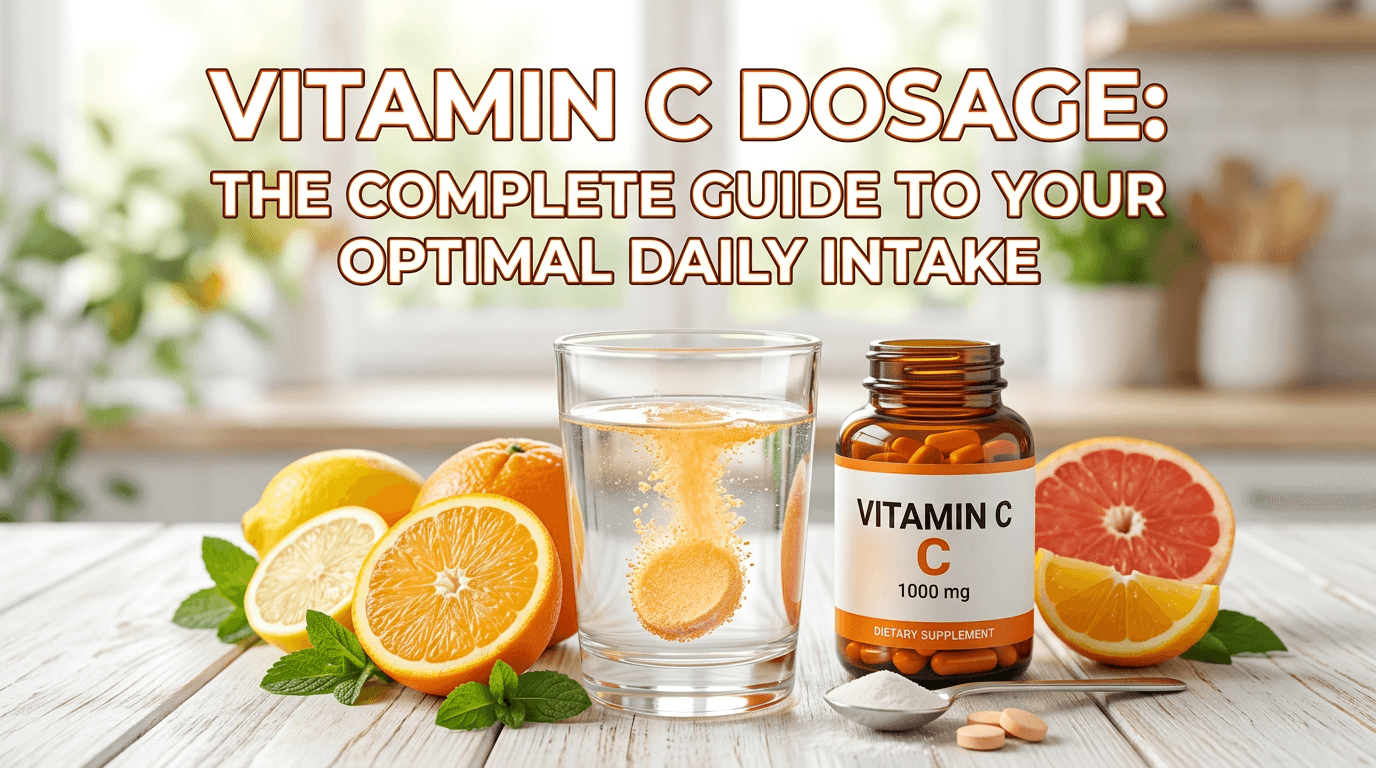
Your body's ability to absorb vitamin C is highly dependent on the dosage; in short, absorption efficiency decreases as the dose increases. At low doses typical of food intake (under 200 mg), the body absorbs more than 90% of the vitamin C. However, with a large single vitamin C dosage, such as 1,000 mg, absorption can drop to less than 50%, with the unabsorbed amount being excreted, primarily in the urine.
Vitamin C, or ascorbic acid, is one of the most widely recognized and consumed dietary supplements in the United States. Its popularity stems from its crucial roles in immune function, skin health, and antioxidant protection. Many people believe that "more is better," leading to the widespread use of high-dose supplements. Understanding the science behind how your body actually absorbs and utilizes this essential nutrient is key to making informed, safe, and effective decisions about your intake. This article provides a comprehensive exploration of vitamin C absorption, factors that influence it, the differences between supplement forms, and evidence-based guidance on dosage.
What Is Vitamin C and Why Is It Essential?

Vitamin C is an essential water-soluble vitamin, meaning your body cannot produce it on its own and must obtain it through diet or supplementation. Known scientifically as L-ascorbic acid, it functions as a powerful antioxidant and is a vital cofactor for numerous enzymatic reactions in the body. Its roles are diverse and critical for maintaining overall health.
The importance of vitamin C cannot be overstated. It is integral to the synthesis of collagen, a protein that provides structure to skin, bones, tendons, ligaments, and blood vessels. This makes it fundamental for wound healing and tissue repair. As an antioxidant, it helps protect cells from damage caused by free radicals—unstable molecules generated by metabolism, pollution, and UV radiation. This protective action is linked to its role in supporting a healthy aging process and overall cellular integrity.
Furthermore, vitamin C plays a significant part in supporting the immune system. It contributes to immune defense by supporting various cellular functions of both the innate and adaptive immune systems. It stimulates the production and function of white blood cells, such as neutrophils and lymphocytes, which are essential for fighting off pathogens. It also enhances the skin's barrier function, helping to keep harmful compounds from entering the body. Without adequate vitamin C, the body's ability to mount an effective immune response can be compromised.
Other critical functions include:
- Neurotransmitter Synthesis: It is required for the production of certain neurotransmitters, including norepinephrine, which are crucial for brain function and mood regulation.
- Carnitine Synthesis: It is involved in the synthesis of L-carnitine, an amino acid derivative essential for transporting fatty acids into mitochondria for energy production.
- Iron Absorption: Vitamin C significantly enhances the absorption of non-heme iron, the type of iron found in plant-based foods. This is particularly important for individuals following vegetarian or vegan diets.
Understanding Vitamin C Absorption: The Biological Mechanism
The absorption of vitamin C from the gut into the bloodstream is a complex and tightly regulated process. It primarily occurs in the small intestine through two main mechanisms: active transport and passive diffusion. The efficiency of this process is the main reason why your body can't absorb unlimited amounts of vitamin C from a single dose.
At low to moderate concentrations, such as those obtained from a balanced diet, vitamin C is absorbed via active transport. This is an energy-dependent process carried out by specific proteins embedded in the intestinal cell walls called Sodium-Dependent Vitamin C Transporters (SVCT1). Think of these transporters as dedicated gateways that recognize ascorbic acid, bind to it, and actively move it into the intestinal cells. However, there is a finite number of these transporters. Once they are all occupied, or saturated, they cannot transport any more vitamin C, no matter how much is present in the intestine.
When you consume a very high vitamin C dosage, far exceeding the capacity of the SVCT1 transporters, a secondary, less efficient mechanism kicks in: passive diffusion. This process does not require transporters or energy. Instead, a small fraction of the highly concentrated vitamin C simply moves across the intestinal barrier down its concentration gradient. However, passive diffusion is far less effective than active transport, and only a small percentage of a very large dose is absorbed this way. The majority of the unabsorbed vitamin C continues through the digestive tract, where it can draw water into the intestines and cause gastrointestinal side effects like bloating, cramps, and diarrhea.
How Vitamin C Dosage Impacts Absorption Rate
The saturation of SVCT1 transporters directly explains why vitamin C absorption is inversely related to the dose. At lower doses, the transporters can easily handle the load, leading to high absorption efficiency. As the dose escalates, the transporters become overwhelmed, and the absorption percentage plummets. The unabsorbed excess is then eliminated from the body, primarily through the urine.
Scientific studies have quantified this relationship, showing a clear pattern of diminishing returns. While the exact percentages can vary slightly between individuals, the general trend is well-established. Consuming vitamin C in smaller, divided doses throughout the day can lead to greater overall absorption compared to taking one single, large dose because it prevents the full saturation of the intestinal transporters.
The following table illustrates the approximate absorption efficiency of ascorbic acid at different single oral doses for a healthy adult. It highlights how quickly the absorption rate declines once intake surpasses typical dietary levels.
| Single Vitamin C Dose | Approximate Absorption Rate | Approximate Amount Absorbed |
|---|---|---|
| 30-180 mg (Dietary Range) | ~80-90% | ~24-162 mg |
| 200 mg | ~98% | ~196 mg |
| 500 mg | ~75% | ~375 mg |
| 1,000 mg (1 gram) | < 50% | < 500 mg |
| 2,000 mg (2 grams) | ~30% | ~600 mg |
| 5,000 mg (5 grams) | ~16% | ~800 mg |
This data clearly shows that taking 5,000 mg in one dose does not result in five times the absorbed amount compared to a 1,000 mg dose. The body's plasma concentrations of vitamin C are tightly controlled. Once plasma levels reach saturation (around 70–90 μmol/L), the kidneys begin to rapidly excrete any excess vitamin C, further preventing accumulation from high oral doses.
Factors That Influence Vitamin C Absorption
Beyond the dose itself, several other factors can influence how much vitamin C your body absorbs and retains. These factors can be related to an individual's health status, the form of vitamin C consumed, and what it is consumed with.
Individual Health Status
Your body's current vitamin C level is a primary regulator of absorption. In individuals with vitamin C deficiency, the body upregulates the production of SVCT1 transporters in the intestine to maximize absorption from any available source. Someone with scurvy or severe deficiency might absorb nearly 100% of a given dose until their body's tissues are repleted. Conversely, someone with already saturated tissues will absorb significantly less. Other health factors, such as gastrointestinal conditions that affect the small intestine (e.g., Crohn's disease or celiac disease), can impair nutrient absorption, including that of vitamin C.
Food Matrix vs. Isolated Supplements
Vitamin C from whole foods like fruits and vegetables is consumed as part of a complex matrix that includes fiber, sugars, and a wide array of other micronutrients and phytochemicals, including bioflavonoids. Some research suggests that these co-occurring compounds can influence absorption and utilization, although the evidence is not entirely conclusive. What is clear is that the vitamin C is released more slowly from a food matrix compared to a rapidly dissolving supplement tablet. This slower release can mimic the effect of taking smaller, divided doses, potentially enhancing overall absorption efficiency by not overwhelming the SVCT1 transporters all at once.
Bioflavonoids
Bioflavonoids (or flavonoids) are a class of plant compounds often found alongside vitamin C in nature. Early research suggested that these compounds could increase the bioavailability of vitamin C. For this reason, many supplements are sold as "Vitamin C with Bioflavonoids." However, subsequent, more rigorous human studies have produced mixed results. While some studies show a modest benefit, many others show no significant difference in absorption or plasma levels of vitamin C when taken with flavonoids compared to ascorbic acid alone. Flavonoids have their own health benefits as antioxidants, but their ability to substantially boost vitamin C absorption remains a topic of scientific debate.
Genetics and Other Factors
Emerging research indicates that genetic variations (polymorphisms) in the gene that codes for the SVCT1 transporter (SLC23A1) can affect how efficiently an individual absorbs vitamin C. Some people may have genetic traits that lead to slightly lower or higher absorption efficiency. Additionally, factors that increase oxidative stress in the body, such as smoking, acute illness, or chronic inflammatory conditions, can increase the body's turnover and use of vitamin C, effectively increasing its requirement and potentially influencing uptake and retention.
Recommended Dietary Allowances (RDAs) for Vitamin C
Before considering high-dose supplementation, it's essential to understand the official dietary intake recommendations set by the Health and Medicine Division of the National Academies of Sciences, Engineering, and Medicine. The Recommended Dietary Allowance (RDA) is the average daily intake level sufficient to meet the nutrient requirements of nearly all (97%–98%) healthy individuals.
The RDAs for vitamin C are based on the amount needed to maintain near-maximal neutrophil concentration with minimal urinary excretion of ascorbate, which is a marker of adequate tissue saturation. For most healthy, non-smoking adults, this requirement can easily be met through a balanced diet rich in fruits and vegetables.
The following table outlines the RDAs for vitamin C for different life stages in the U.S. market.
| Age Group | RDA (mg/day) | Notes |
|---|---|---|
| Infants 0-6 months | 40 (AI*) | *Adequate Intake (AI) |
| Infants 7-12 months | 50 (AI*) | *Adequate Intake (AI) |
| Children 1-3 years | 15 | |
| Children 4-8 years | 25 | |
| Children 9-13 years | 45 | |
| Teens 14-18 years (Male) | 75 | |
| Teens 14-18 years (Female) | 65 | |
| Adults (Male) | 90 | |
| Adults (Female) | 75 | |
| Pregnancy | 85 | |
| Lactation | 120 | |
| Smokers | RDA + 35 | Smoking increases oxidative stress |
Smokers are advised to consume an additional 35 mg of vitamin C per day because smoking generates a high level of free radicals, which depletes vitamin C more rapidly. It's noteworthy that these recommended amounts are significantly lower than the popular 500 mg or 1,000 mg doses found in many supplements, underscoring that such high doses are not necessary for preventing deficiency in the general healthy population.
Exploring Different Forms of Vitamin C Supplements
The supplement market offers vitamin C in a variety of forms, each with different characteristics, costs, and marketing claims. While all forms provide ascorbic acid, some claim to offer superior absorption or gentler effects on the stomach. Understanding these differences can help you select a product that best suits your needs and budget.
1. Ascorbic Acid
This is the purest, most basic form of vitamin C and is chemically identical to the vitamin C found in foods. It is the form used in the vast majority of clinical research, so its effects are the most well-documented. Ascorbic acid is highly effective and typically the most affordable option. However, its acidic nature (low pH) can cause gastric irritation or heartburn in some sensitive individuals, especially at higher doses.
2. Mineral Ascorbates (Buffered Vitamin C)
Mineral ascorbates are a "buffered" form of vitamin C, where ascorbic acid is bound to a mineral, such as sodium, calcium, potassium, or magnesium. Common examples include sodium ascorbate and calcium ascorbate. This buffering process raises the pH, making the supplement less acidic and potentially gentler on the stomach. For individuals who experience digestive upset from pure ascorbic acid, mineral ascorbates are an excellent alternative. When choosing this form, it's important to consider the amount of the accompanying mineral you are also ingesting, particularly if you are taking high doses of vitamin C or need to monitor your mineral intake (e.g., sodium for blood pressure or calcium for kidney stone risk).
3. Vitamin C with Bioflavonoids
As mentioned earlier, these supplements combine ascorbic acid with natural plant compounds called bioflavonoids, such as those derived from citrus fruits. The rationale is to mimic the way vitamin C is found in nature and potentially enhance its absorption and activity. While bioflavonoids are beneficial antioxidants in their own right, the scientific consensus on their ability to significantly increase vitamin C bioavailability in humans is still weak. They are not harmful, but may not justify a significantly higher price if your sole goal is vitamin C repletion.
4. Ester-C®
Ester-C® is a patented, branded form of vitamin C that primarily contains calcium ascorbate, along with small amounts of vitamin C metabolites like dehydroascorbate and threonate. The manufacturer claims that this composition allows for faster absorption and increased retention in white blood cells for up to 24 hours compared to regular ascorbic acid. Some studies, often funded by the manufacturer, support these claims. However, independent research has yielded less conclusive results, with some studies finding no significant difference in bioavailability compared to plain ascorbic acid. It is generally well-tolerated and is a popular, albeit more expensive, buffered option.
5. Liposomal Vitamin C
Liposomal vitamin C represents a more advanced delivery system. In this form, the vitamin C molecules are encapsulated within liposomes—tiny, fat-soluble vesicles made of phospholipids, the same material that makes up your cell membranes. This fatty outer layer is designed to protect the vitamin C from degradation in the digestive system and facilitate its absorption into the intestinal cells and then into the bloodstream, bypassing the saturated SVCT1 transporters to some extent. Research suggests that liposomal delivery can significantly increase the bioavailability of vitamin C, achieving much higher plasma concentrations than are possible with standard oral vitamin C, especially at very high doses. This form is often considered by those seeking to achieve near-intravenous levels of vitamin C orally, but it comes at a substantially higher cost.
6. Sustained-Release Formulas
Sustained-release (or time-release) vitamin C tablets and capsules are designed to dissolve slowly in the digestive tract over several hours. The goal is to release the vitamin C gradually, preventing a sudden, large bolus in the small intestine that would saturate the SVCT1 transporters. In theory, this should lead to better overall absorption compared to an equivalent immediate-release dose. While the concept is sound, research results have been inconsistent. Some studies show a modest benefit, while others find no significant advantage over simply splitting a standard dose throughout the day.
| Form of Vitamin C | Key Characteristic | Primary Advantage | Considerations |
|---|---|---|---|
| Ascorbic Acid | Pure, acidic form | Most researched, most affordable | Can cause stomach upset in sensitive individuals |
| Mineral Ascorbates | Buffered, non-acidic | Gentler on the stomach | Contributes to mineral intake (e.g., sodium, calcium) |
| Ester-C® | Patented, buffered form with metabolites | Claims enhanced absorption and retention | More expensive; claims are debated |
| Liposomal Vitamin C | Encapsulated in phospholipids | May offer superior bioavailability at high doses | Significantly more expensive; requires quality manufacturing |
| Sustained-Release | Slowly releases over time | May improve absorption of a large single dose | Evidence for superiority is mixed |
How to Maximize Vitamin C Absorption
Whether you're getting vitamin C from your diet or from supplements, there are practical strategies you can use to enhance absorption and ensure your body gets the most out of what you consume. The most effective strategies are centered around avoiding the saturation of the intestinal transporters.
Here are some evidence-based tips:
- Prioritize Food Sources: The best initial strategy is to consume vitamin C through a diet rich in fruits and vegetables. Foods like bell peppers, broccoli, kiwi, strawberries, and citrus fruits provide vitamin C within a natural matrix that promotes gradual absorption. Aim for at least five servings of varied fruits and vegetables daily to easily meet your RDA.
- Split Your Doses: If you choose to take a supplemental vitamin C dosage above 200-250 mg, splitting it into two or three smaller doses throughout the day is more effective than taking a single large dose. For example, taking two separate 500 mg doses (morning and evening) will lead to a greater total amount of absorbed vitamin C than taking one 1,000 mg dose.
- Take with a Meal: Consuming your vitamin C supplement with food can help in a few ways. The presence of food slows stomach emptying, leading to a more gradual release of the vitamin into the small intestine. This can help prevent transporter saturation. Additionally, the presence of other nutrients and fats may support absorption, especially for forms like liposomal C.
- Consider Buffered or Sustained-Release Forms: If you require a higher dose and have a sensitive stomach, a buffered form like calcium ascorbate may be a good choice. A sustained-release formula can also be a convenient, though not definitively superior, way to mimic the effect of splitting doses.
- Pair with Iron-Rich Plant Foods: If you are looking to boost your iron status, take your vitamin C with a meal containing non-heme (plant-based) iron sources like lentils, beans, spinach, or fortified cereals. The vitamin C will significantly enhance the absorption of this iron.
Potential Side Effects and Tolerable Upper Intake Level (UL)
Because vitamin C is water-soluble and the body excretes what it doesn't use, it has a low toxicity profile. However, this does not mean that taking massive doses is without consequences. To prevent adverse effects, the Food and Nutrition Board has established a Tolerable Upper Intake Level (UL) for vitamin C.
The UL is the maximum daily intake unlikely to cause adverse health effects in almost all individuals in the general population. For adults 19 years and older, the UL for vitamin C is set at 2,000 milligrams (2 grams) per day from all sources (food and supplements combined). Consuming amounts at or below this level is generally considered safe for healthy adults.
The most common side effects of exceeding the UL are gastrointestinal in nature. These occur because the unabsorbed vitamin C in the lower intestine has an osmotic effect, drawing water into the gut. This can lead to:
- Diarrhea
- Nausea
- Abdominal cramps
- Bloating and flatulence
For most people, these symptoms are dose-dependent and resolve once the high dosage is reduced or stopped. The dose at which these symptoms appear is often referred to as "bowel tolerance" and varies significantly between individuals.
Vitamin C Interactions with Medications and Other Nutrients
High-dose vitamin C supplements can potentially interact with certain medications and affect the status of other nutrients. It is crucial to be aware of these interactions and to consult with a doctor or pharmacist before combining vitamin C supplements with any prescription or over-the-counter drugs.
Medication Interactions
High-dose vitamin C may interfere with the action of several types of medications:
- Chemotherapy and Radiation Therapy: As an antioxidant, vitamin C could theoretically interfere with cancer therapies that rely on generating oxidative stress to kill tumor cells. While some research explores high-dose intravenous (IV) vitamin C as a complementary therapy, patients undergoing active cancer treatment should never take high-dose antioxidant supplements without explicit guidance from their oncology team.
- Statins and Niacin: Some evidence suggests that taking vitamin C along with other antioxidants (like vitamin E and beta-carotene) might reduce the heart-protective effects of drugs like simvastatin (Zocor) combined with niacin. The mechanism is not fully understood, but it warrants caution.
- Anticoagulants (e.g., Warfarin): There have been rare reports of high vitamin C doses reducing the effectiveness of blood-thinning medications like warfarin. While this interaction is not consistently observed, individuals on anticoagulants should maintain a consistent vitamin C intake and avoid large, fluctuating doses.
- Estrogen: Taking vitamin C supplements along with oral contraceptives or hormone replacement therapy might increase estrogen levels. This could potentially increase the risk of estrogen-related side effects, although more research is needed to confirm the clinical significance of this interaction.
Nutrient Interactions
Vitamin C's interaction with other nutrients is also an important consideration:
- Iron: As previously noted, vitamin C dramatically enhances the absorption of non-heme (plant-based) iron when consumed at the same meal. This is a beneficial interaction for people at risk of iron deficiency. However, for individuals with hemochromatosis, a genetic disorder causing iron overload, this enhanced absorption is dangerous.
- Copper: Very high doses of vitamin C (over 1,500 mg/day for prolonged periods) may compete with copper for absorption in the intestine, potentially leading to a copper deficiency in rare cases. This is generally not a concern with moderate supplement doses or dietary intake.
- Vitamin B12: An old concern, based on flawed early studies, was that high doses of vitamin C could destroy vitamin B12 in the digestive tract. More recent and robust research has shown this is not a significant concern. Taking vitamin C, even at high doses, is unlikely to affect vitamin B12 status.
When to Consider Higher Vitamin C Doses
While the RDA is sufficient for most healthy people to prevent deficiency, there are specific situations where the body's demand for vitamin C increases and higher intake may be considered beneficial. In these contexts, supplementation should always be guided by a licensed healthcare professional who can assess individual needs and risks.
Situations where higher vitamin C intake is studied or discussed include:
- During Acute Illness: During infections, such as the common cold or pneumonia, the body experiences significant inflammation and oxidative stress. This process rapidly depletes plasma and leukocyte levels of vitamin C. Some research suggests that supplementing with vitamin C at the onset of a cold may modestly reduce its duration and severity, though it does not appear to prevent colds in the general population.
- Post-Surgery and Wound Healing: Due to its critical role in collagen synthesis, adequate vitamin C is essential for tissue repair. After surgery, major trauma, or burns, the body's requirement for vitamin C can increase substantially. Healthcare providers may recommend higher intake during the recovery period to support healing.
- High Oxidative Stress Conditions: Individuals with chronic exposure to high levels of oxidative stress, such as smokers or those with certain chronic inflammatory diseases, have a higher turnover rate of vitamin C. For these populations, intake above the standard RDA may be necessary to maintain adequate tissue levels.
Common Myths About Vitamin C Dosage and Absorption
Given its popularity, vitamin C is surrounded by numerous myths and misconceptions. Clarifying these can help you make more sensible choices about your intake.
Myth #1: More is always better. Taking several grams of vitamin C will supercharge your immune system.
Fact: As detailed throughout this article, absorption of vitamin C has a ceiling. Beyond a certain point (around 200-500 mg in a single dose), you experience diminishing returns, and the majority of the excess is excreted. While your body's needs increase during illness, megadoses are not necessarily better and can cause gastrointestinal side effects without providing proportional benefits via oral intake.
Myth #2: You can't "overdose" on vitamin C because it's water-soluble.
Fact: While a fatal overdose of vitamin C is practically unheard of, you can certainly take too much and experience adverse effects. Exceeding the Tolerable Upper Intake Level (UL) of 2,000 mg/day significantly increases the risk of diarrhea, nausea, and abdominal cramps. For individuals with certain pre-existing conditions like kidney disease, the risks can be more serious.
Myth #3: All vitamin C supplements are created equal.
Fact: While all forms ultimately provide vitamin C, they differ in their chemical composition, acidity, cost, and delivery mechanism. Buffered forms are gentler on the stomach, and advanced forms like liposomal vitamin C may offer higher bioavailability at very high doses. The "best" form depends on your individual needs, goals, sensitivity, and budget.
Myth #4: Taking high-dose oral vitamin C is the same as getting an IV drip.
Fact: This is a critical distinction. Intravenous (IV) administration of vitamin C bypasses the intestinal absorption bottleneck entirely, delivering the nutrient directly into the bloodstream. This allows for the achievement of plasma concentrations that are 100-fold higher than what is possible with even the largest oral doses. These extremely high concentrations are being studied for specific medical applications and are not achievable through oral supplements, not even liposomal ones.
Frequently Asked Questions About Vitamin C Dosage and Absorption
What is the best time of day to take vitamin C?
There is no single "best" time to take vitamin C. However, to maximize absorption and minimize stomach upset, it is often recommended to take it with a meal. If you are taking a higher dose, splitting it into a morning and evening dose is more effective than taking it all at once.
Can I take 1000 mg of vitamin C every day?
For most healthy adults, taking 1,000 mg of vitamin C daily is below the Tolerable Upper Intake Level (UL) of 2,000 mg and is generally considered safe. However, remember that your body will only absorb less than 50% of that dose, and it's far more than the RDA. It's best to discuss long-term high-dose supplementation with a healthcare provider.
Does liposomal vitamin C really work better?
Research suggests that liposomal encapsulation can significantly increase the bioavailability of vitamin C, especially at higher doses, by allowing it to be absorbed more efficiently than standard forms. While it may "work better" for achieving very high blood levels, it is also much more expensive and may not be necessary for general health support where an RDA-level intake is sufficient.
How do I know if I need more vitamin C?
True vitamin C deficiency is rare in the U.S. but can occur in people with very poor diets, certain medical conditions, or who smoke. Signs of insufficiency can be vague, like fatigue or poor wound healing. If you suspect a deficiency or have risk factors, a healthcare professional can assess your diet and, if necessary, order a blood test to check your vitamin C levels.
Can taking vitamin C prevent me from getting a cold?
For the general population, studies show that routine vitamin C supplementation does not prevent the common cold. However, it may slightly reduce the duration and severity of a cold if taken consistently. For individuals under extreme physical stress, such as marathon runners, some evidence suggests it may reduce the incidence of colds.
Which food is highest in vitamin C?
While oranges are famous for their vitamin C content, many other foods are even richer sources. Red bell peppers, for example, contain nearly three times as much vitamin C as an orange. Other excellent sources include kiwi, broccoli, strawberries, brussels sprouts, and cantaloupe.
Is it better to get vitamin C from food or supplements?
A food-first approach is always recommended. Getting vitamin C from whole foods provides a host of other beneficial nutrients like fiber, potassium, and flavonoids that work synergistically. Supplements can be useful for filling dietary gaps or for targeted use under medical supervision, but they shouldn't replace a healthy diet.
Conclusion: A Balanced Approach to Vitamin C Intake
The question of "how much vitamin C can you absorb?" leads to a clear and practical answer: absorption is a game of diminishing returns. While the body is highly efficient at absorbing the vitamin C it needs from dietary sources, its ability to take in large supplemental doses is biologically limited. A single vitamin C dosage in the multi-gram range results in most of the nutrient being wasted and an increased risk of digestive discomfort.
For the majority of healthy individuals, a diet rich in a variety of fruits and vegetables is the best way to meet the Recommended Dietary Allowance and maintain optimal vitamin C status. When supplementation is considered, understanding the different forms and the strategy of splitting doses can enhance effectiveness. Buffered forms offer a gentler option for sensitive stomachs, while advanced delivery systems like liposomal C may provide higher bioavailability for specific, high-dose applications.
Ultimately, a balanced and informed approach is key. Recognizing that megadoses are not a magic bullet, respecting the Tolerable Upper Intake Level, and understanding potential interactions are all crucial components of safe supplementation. Before beginning or changing any supplement regimen, especially one involving high doses, a conversation with a qualified healthcare professional is the most reliable way to ensure your choices support your individual health needs and goals.