
vitamine -
Why You Actually Need Salt (In Moderation)
Sodium is an essential mineral and a primary electrolyte that your body requires for several vital functions, including maintaining proper fluid balance, supporting nerve impulse transmission, and enabling muscle contraction. While it has been widely criticized due to the health
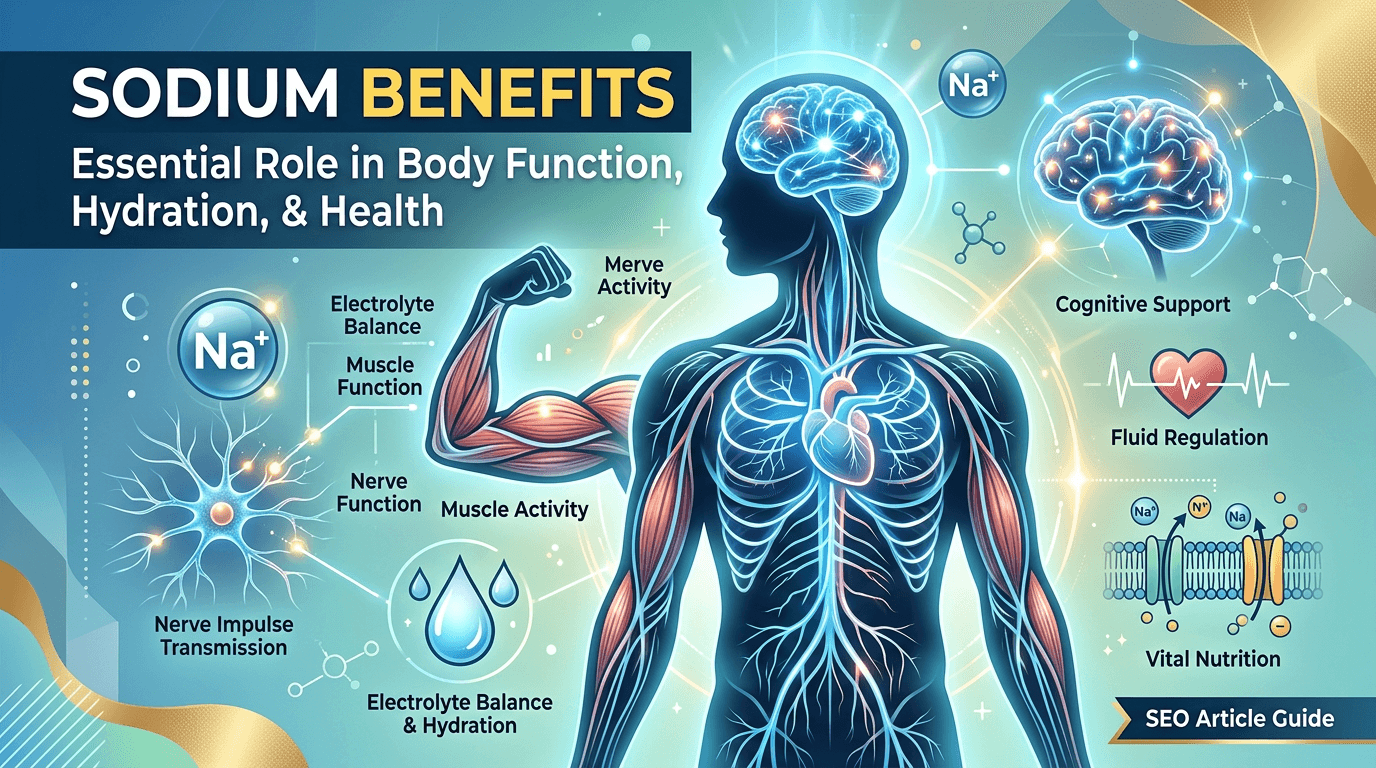
Sodium is an essential mineral and a primary electrolyte that your body requires for several vital functions, including maintaining proper fluid balance, supporting nerve impulse transmission, and enabling muscle contraction. While it has been widely criticized due to the health risks associated with excessive consumption, a balanced intake is crucial for overall health, and a deficiency can be equally problematic.
For decades, the public health message has been a simple one: cut the salt. This has led to a widespread perception that sodium is a dietary villain to be avoided at all costs. While the advice to limit high-sodium processed foods is sound for a majority of the U.S. population, this narrative often overlooks the fact that sodium is not an optional nutrient—it is fundamental to human life. This article provides a balanced and detailed exploration of why your body needs sodium, the functions it performs, the signs of both deficiency and excess, and how to find a healthy middle ground for your individual needs.
What Are Sodium and Salt? Understanding the Basics
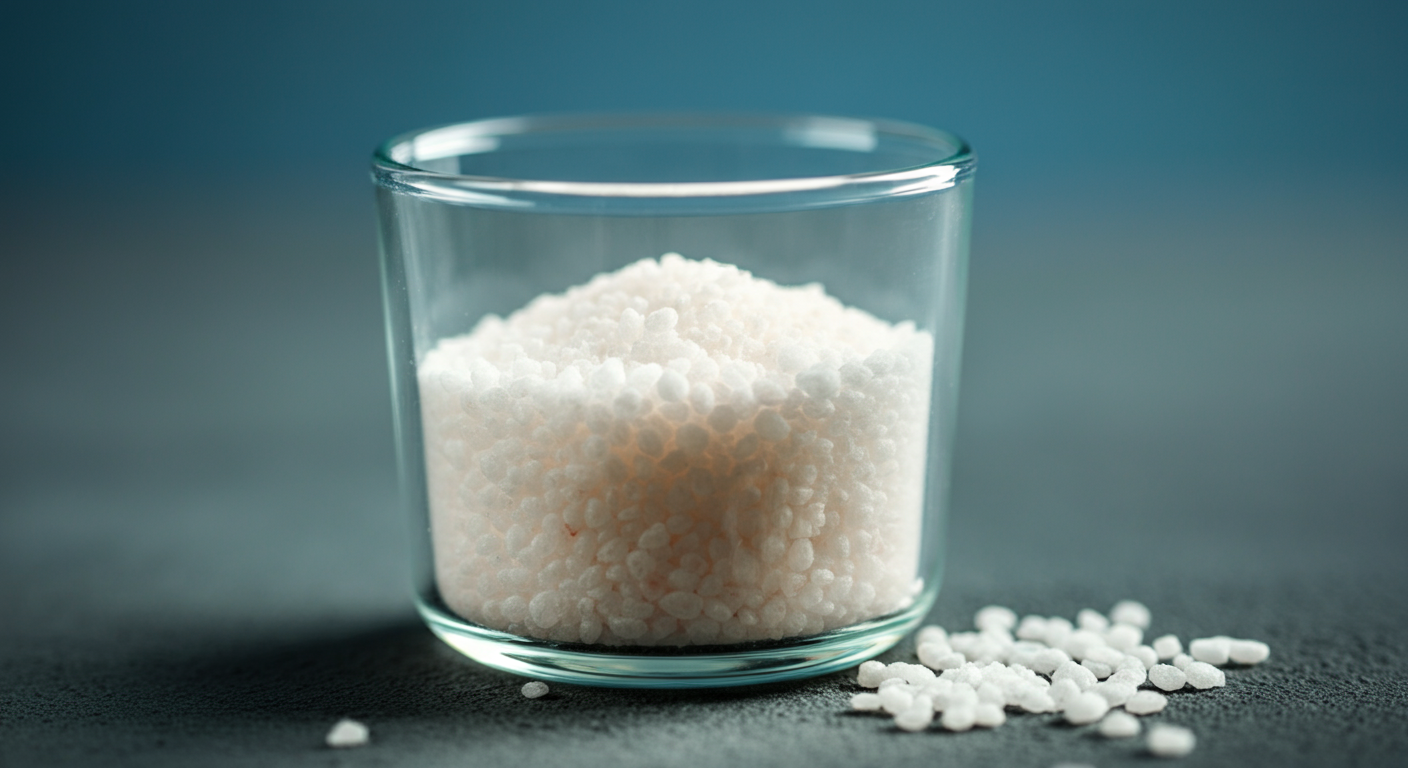
To understand sodium's role in health, it's important to first distinguish between "salt" and "sodium." While the terms are often used interchangeably in conversation, they have distinct chemical meanings. Clarifying this difference is the first step in appreciating the nutrient's function in the body.
Salt, chemically known as sodium chloride (NaCl), is a crystal-like compound that is abundant in nature. It is approximately 40% sodium and 60% chloride by weight. This means that one teaspoon of table salt (about 6 grams) contains roughly 2,300 milligrams (mg) of sodium. Sodium, on the other hand, is the specific mineral element that performs critical physiological functions. When you consume salt, your body absorbs and utilizes the sodium component.
Sodium is also a primary electrolyte, a mineral that carries an electrical charge when dissolved in body fluids like blood. Other key electrolytes include potassium, chloride, calcium, and magnesium. This electrical potential is what allows electrolytes to power nerve signals, muscle movements, and maintain the delicate balance of fluids inside and outside of your body's cells. Without an adequate supply of sodium, these fundamental electrical and chemical processes could not occur.
The Essential Roles of Sodium in the Human Body
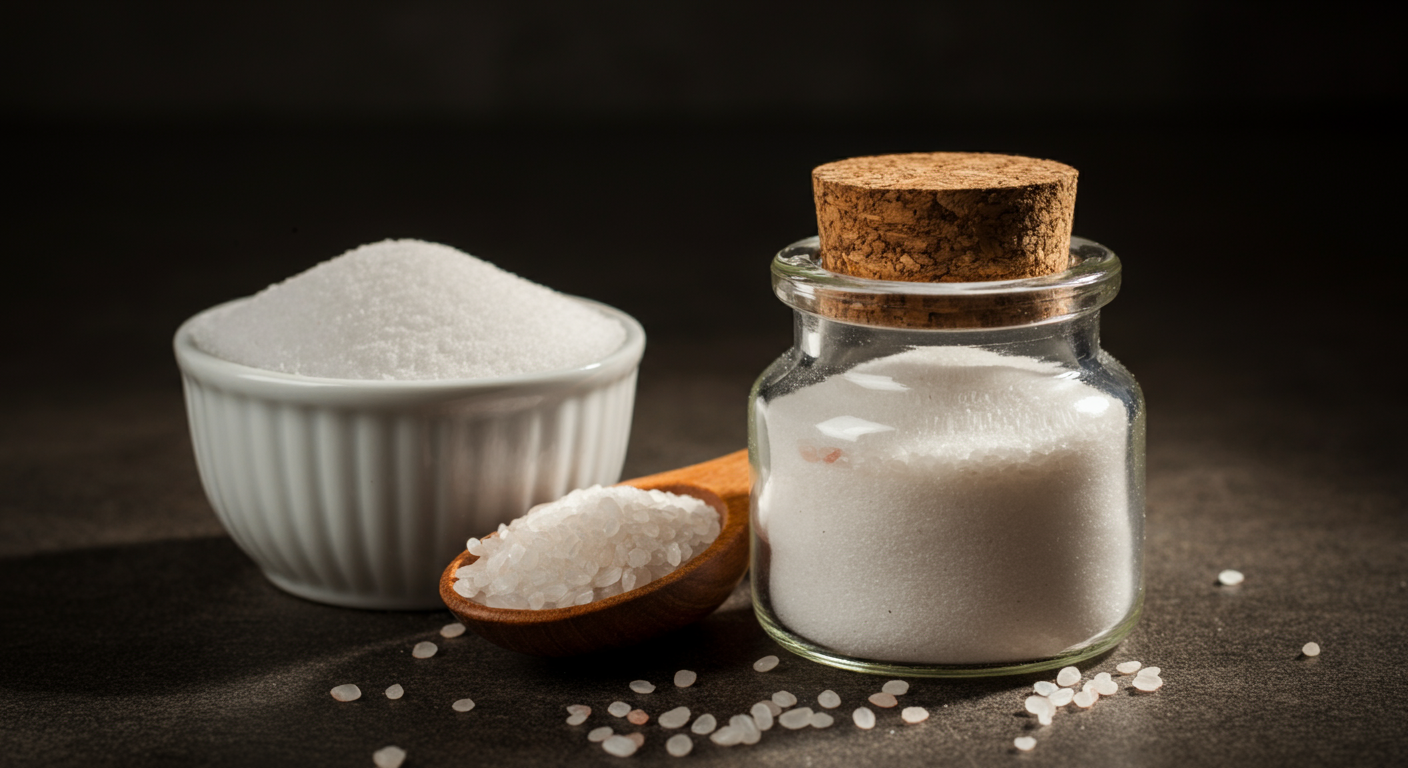
Sodium is not a passive bystander in the body; it is an active and indispensable participant in moment-to-moment physiological processes. Its functions are diverse and interconnected, affecting everything from your brain to your gut. Understanding these roles helps explain why both too little and too much can disrupt your body's equilibrium.
Maintaining Fluid Balance and Blood Volume
One of sodium's most critical jobs is regulating the amount of water in and around your cells, a process governed by osmosis. Your body works tirelessly to maintain a specific concentration of sodium in your blood. When you consume sodium, your body retains water to dilute it and keep the concentration stable. This is a primary mechanism for controlling total blood volume and, by extension, blood pressure.
Think of sodium as a magnet for water. Where sodium goes, water follows. This principle is essential for life:
- Extracellular Fluid: Sodium is the main electrolyte in the fluid outside of your cells (extracellular fluid). It helps keep the right amount of fluid in this space, ensuring that your tissues don't become dehydrated or waterlogged.
- Blood Plasma: The volume of plasma, the liquid component of your blood, is directly influenced by the body's sodium and water content. Adequate blood volume is necessary to transport oxygen and nutrients efficiently throughout the body and maintain stable blood pressure.
If sodium levels drop too low, your body may not be able to hold onto enough water, potentially leading to low blood pressure (hypotension). Conversely, when sodium levels are chronically high, the body retains excess fluid, increasing blood volume and putting extra pressure on blood vessel walls, which can contribute to high blood pressure (hypertension).
Supporting Nerve Impulse Transmission
Every thought, sensation, and movement you make depends on the rapid transmission of electrical signals along your nerves. Sodium is a key player in this incredible process. Nerve cells, or neurons, have a membrane that separates the inside of the cell from the outside. This membrane uses a sophisticated mechanism called the sodium-potassium pump.
The pump actively moves sodium ions out of the cell and potassium ions into the cell, creating an electrical gradient—a difference in charge across the membrane. This "resting potential" is like a loaded spring, ready to be released. When a nerve needs to fire a signal (an action potential), tiny channels in the membrane open, allowing sodium ions to rush into the cell. This rapid influx of positively charged sodium ions temporarily reverses the electrical gradient, creating an electrical spike that travels down the length of the nerve. Without sufficient sodium available, the ability of nerves to generate and conduct these signals would be impaired.
Enabling Muscle Contraction
The same electrical principles that govern nerve function are also essential for muscle contraction, including the most important muscle of all: the heart. Similar to nerve cells, muscle cells maintain an electrical gradient across their membranes, largely through the action of the sodium-potassium pump.
When a nerve signal reaches a muscle, it triggers the opening of sodium channels in the muscle cell membrane. The resulting rush of sodium into the cell initiates a cascade of events that leads to the muscle fibers sliding past one another and contracting. This process applies to all types of muscles:
- Skeletal Muscles: These are the muscles that allow you to walk, lift, and perform all voluntary movements.
- Smooth Muscles: These muscles line the walls of internal organs, like the intestines and blood vessels, controlling processes like digestion and blood pressure regulation.
- Cardiac Muscle: The rhythmic, coordinated contractions of your heart that pump blood throughout your body are critically dependent on the precise movement of sodium and other electrolytes.
Imbalances in sodium levels can interfere with this process, potentially leading to muscle weakness, cramps, or, in severe cases, dangerous irregularities in the heartbeat (arrhythmias).
Aiding Nutrient Absorption in the Gut
Sodium also plays a surprisingly important role in nutrition by helping your body absorb other key nutrients from your small intestine. Certain nutrients, including glucose (the body's primary sugar), amino acids (the building blocks of protein), and some vitamins, are transported from the gut into the bloodstream through a process called co-transport.
Specialized protein transporters on the surface of intestinal cells, such as the Sodium-Glucose Cotransporter 1 (SGLT1), are designed to bind to both a sodium ion and a nutrient molecule (like glucose). The transporter then uses the powerful drive of sodium wanting to move into the cell (down its concentration gradient) to pull the nutrient along with it. Without sodium, the absorption of these vital nutrients would be significantly less efficient. This is the same principle behind the formulation of oral rehydration solutions, which pair sodium with glucose to maximize fluid and energy absorption during dehydration.
Sodium Deficiency (Hyponatremia): Signs, Causes, and Risks
While the focus is often on consuming too much sodium, it's just as important to understand the risks of having too little. A clinically significant low level of sodium in the blood is called hyponatremia. This condition occurs when the concentration of sodium in your blood becomes abnormally diluted, either from losing too much sodium or from drinking excessive amounts of water.
What is Hyponatremia?
Hyponatremia is defined as a serum sodium concentration below 135 milliequivalents per liter (mEq/L). Normal serum sodium levels are typically between 135 and 145 mEq/L. The condition can be acute, developing rapidly in less than 48 hours, or chronic, developing over a longer period. Acute hyponatremia is a medical emergency as it can cause rapid swelling of the brain, leading to severe complications.
It's crucial to understand that hyponatremia is about the *concentration* of sodium, not necessarily the total amount in the body. It often develops when the body's water level increases relative to its sodium level. This can happen from excessive fluid intake that overwhelms the kidneys' ability to excrete water or from conditions that cause the body to retain water inappropriately.
Recognizing the Signs and Symptoms
The symptoms of hyponatremia can be vague and depend on the severity and speed of onset. They are often non-specific and can be mistaken for other conditions. Medical evaluation and a blood test are required for a proper diagnosis.
Symptoms can range from mild to life-threatening:
- Mild to Moderate Symptoms: Nausea or vomiting, headache, fatigue and low energy, muscle weakness or cramps, confusion or disorientation, irritability.
- Severe Symptoms (often from a rapid drop in sodium): Seizures, swelling of the brain (cerebral edema), respiratory arrest, coma.
Who Is at Risk for Low Sodium Levels?
While hyponatremia is uncommon in the general healthy population eating a typical diet, certain groups are at a significantly higher risk. The causes are often related to excessive fluid intake, increased sodium loss, or medical conditions that affect fluid regulation.
Key risk groups include:
- Endurance Athletes: Marathon runners, triathletes, and ultramarathoners are at risk for "exercise-associated hyponatremia." This can occur when they lose significant amounts of sodium through sweat and rehydrate with large volumes of plain water, diluting the sodium remaining in their blood.
- Older Adults: Age-related changes in kidney function, thirst perception, and hormonal regulation can make older individuals more susceptible to sodium imbalances. They are also more likely to be on medications that increase risk.
- Individuals with Certain Medical Conditions: Conditions affecting the kidneys, heart, or liver can impair the body's ability to excrete water and regulate sodium. Congestive heart failure, kidney disease, and cirrhosis are common culprits. The Syndrome of Inappropriate Antidiuretic Hormone (SIADH) is another condition that causes the body to retain too much water.
- People Taking Certain Medications: Thiazide diuretics (often called "water pills"), commonly prescribed for high blood pressure, are a well-known cause of hyponatremia. Certain antidepressants (SSRIs) and pain medications can also increase the risk.
How Much Sodium Do You Actually Need?
Determining the ideal amount of sodium is a complex topic with evolving guidelines and ongoing scientific debate. Official recommendations provide a framework, but individual needs can vary based on several factors. The goal is to consume enough to support essential bodily functions without reaching levels that increase the risk of chronic disease.
The Health and Medicine Division of the National Academies of Sciences, Engineering, and Medicine sets the Dietary Reference Intakes (DRIs) for the U.S. population. For sodium, these include:
- Adequate Intake (AI): The AI for adults aged 19-50 is 1,500 mg per day. This is the recommended average daily intake level presumed to be adequate to meet the needs of healthy individuals and replace sodium lost through sweat in moderately active people.
- Chronic Disease Risk Reduction Intake (CDRR): The CDRR is a newer type of DRI. For sodium, the guidance advises that most adults should reduce their intake if it is above 2,300 mg per day. This level is associated with a lower risk of high blood pressure and cardiovascular disease. This 2,300 mg figure is often referred to as the "upper limit."
It's important to note that the average American consumes far more than this, with daily intake often exceeding 3,400 mg. This disconnect between recommendations and actual consumption is at the heart of public health concerns about sodium.
Factors That Influence Individual Sodium Needs
The 1,500 mg AI and 2,300 mg CDRR are population-level guidelines and may not be perfectly suited for every individual. Certain factors can significantly increase or decrease a person's sodium requirements:
- Activity Level and Sweat Loss: This is the most significant variable. People who exercise heavily or work in hot, humid environments can lose substantial amounts of sodium through sweat. A liter of sweat can contain anywhere from 400 to over 1,600 mg of sodium. An athlete losing several liters of sweat during a workout may need to consciously replace sodium to avoid hyponatremia.
- Health Status: Individuals with conditions like cystic fibrosis, certain types of kidney disease, or adrenal insufficiency may have difficulty conserving sodium and require a higher intake under medical supervision. Conversely, those with hypertension, heart failure, or chronic kidney disease are often advised to strictly limit their sodium intake.
- Digestive Issues: Periods of severe vomiting or diarrhea can lead to rapid loss of both fluids and electrolytes, including sodium, necessitating careful replacement.
The Sodium Intake "J-Curve" Hypothesis
A point of ongoing scientific discussion is the "J-curve" hypothesis of sodium intake. This theory suggests that the relationship between sodium consumption and health outcomes is not linear. While it's well-established that very high sodium intake is associated with increased health risks (like cardiovascular events), some observational studies have suggested that very low intake (e.g., below 2,500 mg/day in some analyses) might also be linked to an increase in adverse events.
The idea is that there may be a "sweet spot" for sodium intake, with risks increasing at both the extremely low and extremely high ends of the spectrum, forming a J-shaped curve on a graph. This concept remains controversial and is a subject of active research. Most major health organizations continue to emphasize the benefits of reducing sodium intake toward the 2,300 mg/day level for the general population, given the current high levels of consumption in the U.S.
Sodium in the American Diet: Where Does It Come From?
A common misconception is that the salt shaker on the dining table is the primary source of sodium in our diets. In reality, it accounts for a relatively small fraction. The vast majority of sodium consumed by Americans comes from processed, packaged, and restaurant foods.
According to the Centers for Disease Control and Prevention (CDC), more than 70% of the sodium Americans eat comes from these sources, with only about 11% coming from salt added during cooking or at the table. This means that even if you never pick up a salt shaker, you could still be consuming very high levels of sodium. Sodium is added not only for flavor but also as a preservative to extend shelf life and as a functional ingredient to improve texture and stability.
| Common High-Sodium Food Categories | Typical Sodium Content |
|---|---|
| Canned Soups | 600-1,200 mg per 1-cup serving |
| Pizza (Restaurant or Frozen) | 500-1,500 mg per slice |
| Cured Meats & Deli Meats (e.g., ham, salami) | 500-1,200 mg per 3-ounce serving |
| Frozen Entrees & Dinners | 700-1,800 mg per meal |
| Bread and Rolls | 100-250 mg per slice/roll |
| Cheese (especially processed) | 300-500 mg per ounce |
| Condiments & Sauces (e.g., soy sauce, ketchup, salad dressing) | 100-1,000+ mg per tablespoon |
The CDC and other health organizations often refer to the "Salty Six"—common food categories that are major contributors to sodium intake in the U.S. diet: breads and rolls, pizza, sandwiches, cold cuts and cured meats, soups, and burritos and tacos. Due to their frequent consumption, even foods that don't seem exceptionally salty, like bread, can contribute significantly to total daily sodium intake.
The Important Relationship Between Sodium and Potassium
It is nearly impossible to have a meaningful discussion about sodium without also talking about potassium. These two minerals have a close and opposing relationship that is fundamental to health, particularly cardiovascular health. The sodium-potassium pump, found in every cell in your body, works constantly to pump three sodium ions out of the cell for every two potassium ions it pumps in. This action is critical for nerve function, muscle contraction, and maintaining fluid balance.
In the context of blood pressure, sodium and potassium have opposite effects:
- Sodium tends to increase water retention and raise blood pressure.
- Potassium helps the body excrete excess sodium in the urine and relaxes the walls of blood vessels, both of which help to lower blood pressure.
Many experts now believe that the *ratio* of sodium to potassium in the diet may be more important for predicting health outcomes than the absolute intake of either mineral alone. The typical Western diet is problematic on both fronts: it is excessively high in sodium (from processed foods) and disappointingly low in potassium (due to a lack of fruits and vegetables). This combination creates a "perfect storm" for elevated blood pressure.
A key public health strategy is therefore not just to reduce sodium, but to simultaneously increase potassium intake. This can be achieved by shifting dietary patterns away from processed foods and toward whole foods rich in potassium, such as:
- Fruits like bananas, oranges, and avocados
- Vegetables like spinach, sweet potatoes, and tomatoes
- Legumes like beans and lentils
- Dairy products like milk and yogurt
Understanding Different Types of Salt
The supermarket and specialty food store shelves are filled with a dizzying array of salts, each claiming to be superior. From pink Himalayan to black lava salt, it's easy to get confused. However, from a nutritional standpoint, the differences are often minimal.
All salt, regardless of its origin or color, is composed primarily of sodium chloride. The variations in color, crystal size, and flavor come from trace amounts of other minerals and the way the salt is processed. Here’s a breakdown:
| Type of Salt | Description & Key Features |
|---|---|
| Table Salt | Highly refined and finely ground. Most table salt in the U.S. is iodized, meaning iodine has been added to prevent iodine deficiency. It also often contains anti-caking agents. |
| Kosher Salt | Has a larger, flakier crystal structure than table salt. It contains no iodine and typically fewer additives. Its large size makes it easy to pinch and sprinkle, which is why chefs often prefer it for controlling seasoning. By volume, it is less dense than table salt. |
| Sea Salt | Produced by evaporating seawater. It contains trace minerals from the ocean, which can affect its flavor and color. The nutritional contribution of these trace minerals is negligible. |
| Himalayan Pink Salt | Mined from salt beds in Pakistan. Its characteristic pink color comes from trace amounts of iron oxide (rust) and other minerals. Despite health claims, it is chemically about 98% sodium chloride, very similar to table salt. The health benefits of its mineral content are not supported by robust scientific evidence. |
While the trace minerals in gourmet salts might offer subtle flavor differences, they do not provide a meaningful health advantage or negate the fact that the primary component is sodium chloride. One potential benefit of table salt is its iodization. Choosing iodized salt is a simple and effective way to ensure adequate iodine intake, which is essential for thyroid health.
The Risks of Excessive Sodium Intake
The reason sodium has such a negative reputation is due to the well-documented health risks associated with chronic high consumption. While your body needs sodium, the amounts found in the typical modern diet far exceed physiological requirements and can contribute to a number of serious health problems over time.
High Blood Pressure (Hypertension)
The link between high sodium intake and high blood pressure is the most established risk. When you consume excess sodium, your body holds onto extra water to dilute the sodium in your bloodstream. This increases the total volume of blood circulating in your blood vessels. More blood volume means more pressure against the artery walls, much like turning up the water pressure in a garden hose. Over time, this chronic high pressure can damage the blood vessels and the heart.
It's important to mention the concept of "salt sensitivity." Not everyone's blood pressure responds to sodium intake in the same way. Some individuals are "salt sensitive," meaning their blood pressure increases significantly with high sodium intake and decreases when sodium is reduced. Others are "salt resistant" and see less of a change. However, it is difficult to know which category one falls into without medical testing, and high sodium intake carries other risks beyond blood pressure.
Cardiovascular Health Concerns
Hypertension is a major risk factor for a host of cardiovascular diseases. By contributing to high blood pressure, a diet high in sodium indirectly but powerfully increases the risk of:
- Heart Attack: High blood pressure forces the heart to work harder, which can lead to a thickening and stiffening of the heart muscle (left ventricular hypertrophy) and damage to arteries.
- Stroke: Hypertension is the single most important risk factor for stroke. It can weaken blood vessels in the brain, making them more likely to burst (hemorrhagic stroke) or clog (ischemic stroke).
- Heart Failure: The constant strain on the heart from pumping against high pressure can eventually cause it to weaken and fail to pump blood effectively.
Other Potential Health Issues
Beyond its effects on the cardiovascular system, excessive sodium intake has been linked to other health concerns:
- Kidney Disease: High blood pressure is a leading cause of chronic kidney disease. Furthermore, the kidneys are responsible for filtering sodium, and a chronically high load can strain them.
- Osteoporosis: Some research suggests that high sodium intake can increase the amount of calcium the body excretes in the urine. If calcium intake is not adequate, this could potentially lead to bone loss over time, increasing the risk for osteoporosis.
- Stomach Cancer: Very high intakes of salt and salt-preserved foods have been associated with an increased risk of stomach cancer, although the evidence is complex and may be linked to other compounds in these foods.
Managing Sodium: Practical Strategies for a Healthy Balance
Achieving a healthy sodium balance is not about eliminating salt entirely but about being mindful and making strategic choices. For most Americans, the goal is to reduce intake from processed sources. For specific populations, like athletes, the goal might be to ensure adequate replacement. A licensed healthcare professional or registered dietitian can provide personalized guidance.
Tips for Reducing Excess Sodium:
- Read Nutrition Facts Labels: Make a habit of checking the sodium content (listed in mg) and the % Daily Value (%DV) on food packages. Aim for options with lower numbers.
- Choose Fresh Over Processed: Opt for fresh or frozen fruits and vegetables instead of canned versions. If using canned, look for "no salt added" labels or rinse the contents thoroughly to wash away some of the sodium.
- Cook More at Home: Restaurant meals, especially from fast-food chains, are often loaded with sodium. Cooking at home gives you complete control over the ingredients.
- Flavor with Herbs and Spices: Instead of reaching for the salt shaker, experiment with a wide array of herbs, spices, citrus juice, vinegar, garlic, and onions to add flavor to your food.
- Be Wary of Condiments: Sauces, dressings, and condiments can be hidden sodium bombs. Use them sparingly or look for low-sodium versions.
Ensuring Adequate Sodium for At-Risk Groups:
For individuals who lose a lot of sodium through sweat or have specific medical needs, avoiding sodium is not the goal. However, any strategy to increase sodium should be approached with caution and ideally under medical guidance.
- Athletes: For exercise lasting over 90 minutes or conducted in extreme heat, consuming an electrolyte drink that contains sodium and carbohydrates can help maintain performance and prevent hyponatremia. The specific amount needed varies widely. Consulting a sports dietitian can be beneficial.
- Salt Tablets: Salt tablets are highly concentrated and should be used with extreme caution and typically only under the direction of a healthcare professional. Taking them without sufficient water can be dangerous and worsen dehydration. For most athletes, a properly formulated sports drink is a safer option.
When to Consult a Healthcare Professional
Navigating sodium intake can be confusing, and general advice does not apply to everyone. It is essential to consult a licensed healthcare professional for personalized guidance, especially in certain situations. Self-diagnosing or self-treating a sodium imbalance can be dangerous.
Consider scheduling an appointment with your doctor or a registered dietitian if:
- You experience any persistent symptoms of sodium imbalance, such as chronic headaches, fatigue, muscle cramping, or confusion.
- You have a chronic medical condition, particularly high blood pressure, heart failure, kidney disease, or liver disease.
- You are taking medications that can affect sodium levels, such as diuretics or certain antidepressants.
- You are an endurance athlete and want to develop a safe and effective hydration and electrolyte strategy.
- You are pregnant or breastfeeding and have concerns about your sodium intake.
- You are considering making a drastic change to your sodium intake (either very low or very high).
Frequently Asked Questions About Sodium
Is sea salt healthier than regular table salt?
Not significantly. While sea salt and other gourmet salts like Himalayan pink salt contain trace amounts of other minerals, they are still about 98% sodium chloride, the same chemical as table salt. The quantity of trace minerals is too small to provide any meaningful health benefit. The primary health consideration for any salt is its sodium content.
How do I know if I need more sodium?
Most people eating a standard American diet get more than enough sodium. The need for more sodium is rare and typically limited to specific groups, such as endurance athletes who lose a lot of sweat or individuals with certain medical conditions. Symptoms like muscle cramps or fatigue can have many causes, so it's essential to consult a healthcare professional for diagnosis rather than assuming you need more salt.
What are the first signs of too much sodium?
Acutely, after a very salty meal, you might experience intense thirst, temporary water retention (bloating), and a possible short-term spike in blood pressure. Chronic excessive intake may not have obvious daily symptoms, but it contributes to the long-term development of high blood pressure, which is often called a "silent" condition because it has no symptoms until significant damage has occurred.
What are the signs of not having enough sodium?
Signs of low sodium levels (hyponatremia) can include nausea, headache, fatigue, muscle weakness, and confusion. Since these symptoms are non-specific and can be caused by many other issues, it's crucial to seek medical evaluation for a proper diagnosis through a blood test rather than self-treating.
Do I need to take salt tablets for exercise?
For most people exercising for less than 90 minutes, salt tablets are unnecessary and potentially risky. Replenishing sodium is more relevant for endurance events or in extreme heat. Even then, a well-formulated sports drink is often a safer and more effective option. Salt tablets should only be used under the guidance of a healthcare professional or sports dietitian.
Does drinking a lot of water help flush out excess sodium?
Yes, to an extent. Your kidneys regulate sodium and water balance. When you have excess sodium, your body retains water to dilute it, which triggers thirst. Drinking water helps your kidneys do their job of filtering out the excess sodium. However, this is a short-term fix; the best long-term strategy is to reduce sodium intake in the first place.
Is a "low-sodium diet" good for everyone?
Reducing sodium from the very high levels of the typical American diet toward the recommended 2,300 mg/day is beneficial for most of the population. However, a very-low-sodium diet is not appropriate for everyone and could be harmful for certain individuals, like some athletes or people with specific medical conditions that cause sodium wasting. It is a therapeutic diet that should be followed under medical supervision.
Can I get enough sodium from food without adding salt?
Yes, easily. Many foods, especially processed and restaurant foods, contain significant amounts of sodium. Even natural, whole foods contain small amounts. It is very difficult to have an insufficient sodium intake on a modern diet unless you are specifically restricting it or have increased losses from sweat or a medical condition.
Conclusion: The Art of Sodium Balance
Sodium is a classic example of a nutrient where the dose makes the poison—and the cure. It is not an inherent enemy to be completely eradicated from the diet, but rather an essential mineral that must be respected and consumed in moderation. The human body is exquisitely designed to run on a precise balance of sodium, which is critical for nerve signals, muscle movements, and fluid regulation.
The modern dietary environment has made it incredibly easy to consume sodium in excess, shifting the balance toward risk for a large portion of the population. The key takeaway is not to fear salt, but to be mindful of its sources. By focusing on a diet rich in whole, unprocessed foods like fruits and vegetables, you can naturally lower your sodium intake while boosting your potassium—a winning combination for cardiovascular health. At the same time, understanding the signs of deficiency and the needs of specific at-risk groups allows for a more nuanced and complete picture.
Ultimately, achieving the right sodium balance is a personal journey that depends on your health, lifestyle, and dietary habits. Arming yourself with knowledge and engaging with a healthcare professional for personalized advice are the most effective steps toward harnessing the benefits of sodium while mitigating its risks.