
vitamine -
Why Your Hair is Falling Out: Nutrient Deficiencies
Nutrient deficiencies, particularly in iron, vitamin D, zinc, and certain B vitamins, can be a significant contributing factor to hair loss and thinning. While many factors influence hair health, inadequate levels of these key vitamins and minerals can disrupt the hair growth cyc
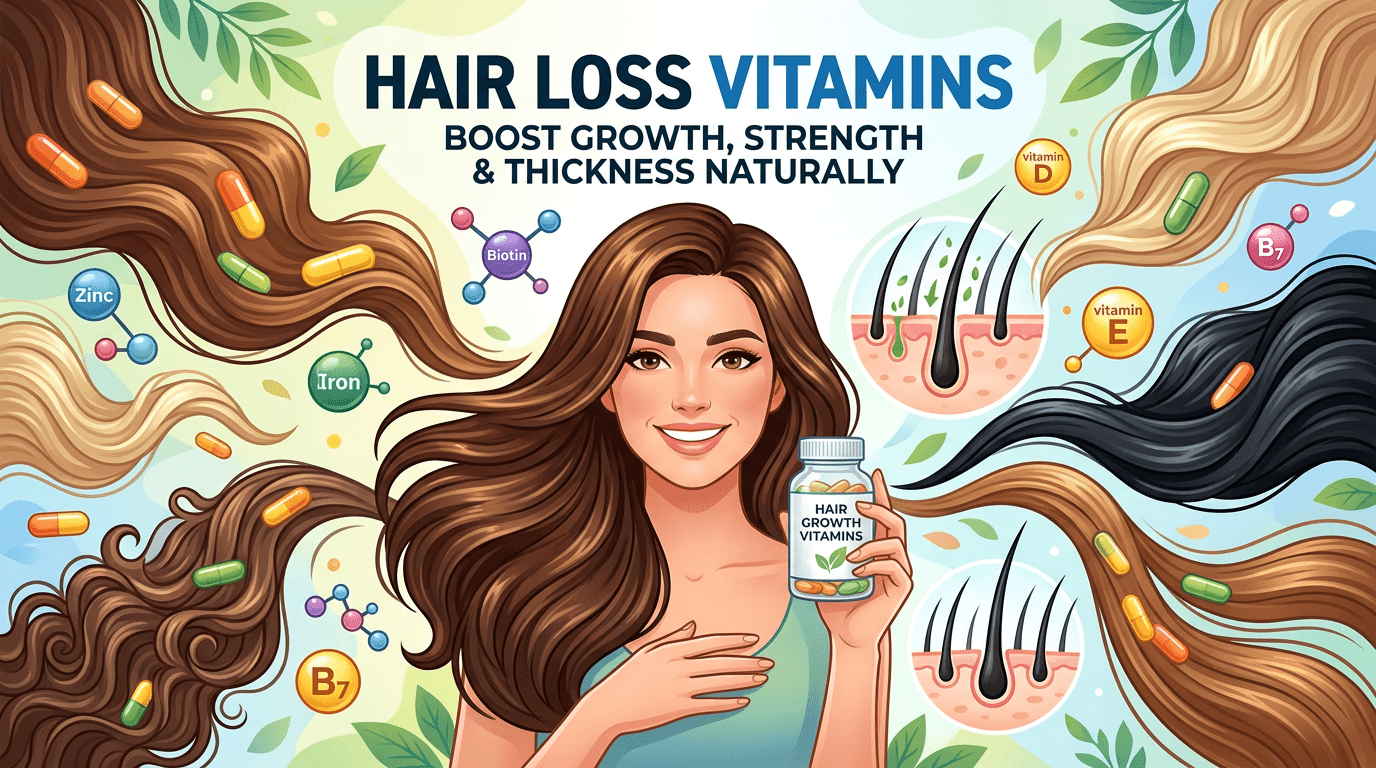
Nutrient deficiencies, particularly in iron, vitamin D, zinc, and certain B vitamins, can be a significant contributing factor to hair loss and thinning. While many factors influence hair health, inadequate levels of these key vitamins and minerals can disrupt the hair growth cycle, leading to increased shedding, a condition often referred to as telogen effluvium. Addressing these specific nutritional gaps through diet and, when necessary, targeted supplementation under medical guidance may help support healthy hair follicles and normal growth.
Experiencing hair loss can be distressing, and searching for answers can lead you down a confusing path of miracle cures and complex advice. This article provides a clear, evidence-based guide to the connection between nutrition and hair health. We will explore the specific roles key nutrients play in the hair growth cycle, identify the signs and risk factors for deficiency, and offer a safe, practical framework for addressing potential nutritional gaps. Understanding this connection is the first step toward developing a targeted and effective strategy with your healthcare provider.
Understanding the Hair Growth Cycle and Hair Loss

Before diving into specific nutrients, it's essential to understand how hair grows and why it falls out. Hair growth is not a continuous process; each of the approximately 100,000 follicles on your scalp operates on its own cyclical timeline. This cycle has three main phases: anagen (growth), catagen (transition), and telogen (rest). A disruption to this delicate cycle is often at the heart of noticeable hair shedding.
The vast majority of your hair (85-90%) is typically in the anagen phase, actively growing for a period of two to seven years. The short catagen phase follows, lasting a few weeks, where the hair follicle shrinks. Finally, the hair enters the telogen phase, a resting period of about three months, after which the old hair is shed to make way for a new one. It's normal to lose 50 to 100 hairs per day as part of this natural cycle. However, when a significant stressor affects the body, a larger-than-normal number of follicles can be prematurely pushed into the telogen phase. This results in diffuse, widespread shedding a few months later, a condition known as telogen effluvium.
Nutritional deficiencies are a well-recognized metabolic stressor that can trigger telogen effluvium. When the body lacks the essential building blocks and energy sources it needs, it prioritizes vital organs and functions over "non-essential" processes like robust hair growth. Other triggers for telogen effluvium include major illness (like a high fever), surgery, significant emotional stress, childbirth, and certain medications. It is also important to distinguish this from other types of hair loss, such as androgenetic alopecia (pattern baldness) or alopecia areata (an autoimmune condition), which have different underlying causes, though nutritional status can still play a supporting role.
The Critical Role of Iron in Hair Health
Iron is one of the most crucial minerals for overall health, and its link to hair loss is well-documented, particularly in women. Its primary role involves the production of hemoglobin, a protein in red blood cells that carries oxygen from the lungs to every cell in the body, including the highly active cells of the hair follicle matrix. Without adequate oxygen, these cells cannot grow and divide effectively, potentially disrupting hair production.
Beyond oxygen transport, iron is a cofactor for several enzymes essential for DNA synthesis. The cells in the hair bulb are some of the most rapidly dividing cells in the body, so a constant and sufficient supply of iron is needed to support this process. When iron levels are low, the body conserves its supply for life-sustaining functions, shunting it away from less critical tissues like hair follicles. This can result in diffuse hair shedding, thinner hair shafts, and slower growth. Research suggests that even low-normal iron stores, not just full-blown anemia, can be associated with hair loss.
Signs and Risk Factors for Iron Deficiency
Hair loss is often a later sign of iron deficiency. Earlier symptoms can be subtle and are frequently attributed to a busy lifestyle. Recognizing these signs is key to seeking appropriate testing.
- Fatigue and Weakness: The most common symptom, resulting from reduced oxygen delivery to muscles and tissues.
- Pale Skin: Particularly noticeable on the inside of the lower eyelids.
- Shortness of Breath: The heart works harder to circulate oxygen-poor blood.
- Brittle Nails: Nails may become spoon-shaped (koilonychia) in severe cases.
- Headaches and Dizziness: Caused by insufficient oxygen supply to the brain.
- Cold Hands and Feet: A common sign of poor circulation associated with anemia.
Certain groups have a higher risk of developing iron deficiency:
- Menstruating Women: Especially those with heavy periods, lose iron monthly.
- Pregnant Women: Increased blood volume and fetal needs dramatically increase iron requirements.
- Vegetarians and Vegans: Plant-based (non-heme) iron is less readily absorbed than animal-based (heme) iron.
- Individuals with Gastrointestinal Conditions: Celiac disease, Crohn's disease, or ulcerative colitis can impair iron absorption.
- Frequent Blood Donors: Regular donations can deplete iron stores.
Addressing Iron Levels: Food, Testing, and Supplementation
The first line of defense is a diet rich in iron. There are two forms of dietary iron: heme iron, found in animal products, and non-heme iron, found in plants.
| Iron Type | Description | Food Sources |
|---|---|---|
| Heme Iron | More easily absorbed by the body (bioavailability of 15-35%). | Red meat, poultry, fish (especially oysters, clams), organ meats. |
| Non-Heme Iron | Less easily absorbed (bioavailability of 2-20%). Absorption is influenced by other foods eaten at the same meal. | Lentils, beans, tofu, spinach, kale, seeds (pumpkin, sesame), fortified cereals. |
To enhance the absorption of non-heme iron, it's beneficial to consume it with a source of vitamin C, such as citrus fruits, bell peppers, or broccoli. Conversely, it's wise to avoid consuming iron-rich meals with calcium supplements, high-calcium foods (like dairy), and compounds in tea and coffee (tannins and polyphenols), as they can inhibit absorption.
Zinc's Essential Function for Hair Follicles
Zinc is a trace mineral that plays a monumental role in cellular health, and its importance for hair cannot be overstated. It is involved in the function of over 300 enzymes in the body, contributing to processes like DNA and RNA synthesis, cell division, and protein production. Since hair follicles are composed of rapidly dividing cells and hair itself is primarily protein (keratin), a steady supply of zinc is fundamental for healthy hair growth.
This mineral is critical for the proper functioning of the hair follicle and the structural integrity of the hair shaft. Zinc deficiency can directly impact the hair growth cycle, potentially causing hair follicles to regress (enter the catagen phase) prematurely and impairing their ability to recover. This can lead to increased shedding (telogen effluvium), as well as dry, brittle hair that is prone to breakage. In some cases, low zinc levels have also been associated with alopecia areata, suggesting a role in immune regulation at the scalp.
Identifying Potential Zinc Deficiency and Risk Groups
Because zinc is involved in so many bodily functions, symptoms of deficiency can be varied and non-specific. Besides hair loss, other potential signs include:
- Impaired wound healing
- Reduced sense of taste or smell
- Skin issues like acne or eczema
- Diarrhea
- Frequent infections, indicating a weakened immune system
Similar to iron, certain populations are more susceptible to zinc deficiency. These include individuals with gastrointestinal diseases that impair nutrient absorption, vegetarians and vegans (as the phytic acid in plant foods can inhibit zinc absorption), pregnant and lactating women, and people with alcohol use disorder. Standard blood tests for zinc can be unreliable, so a diagnosis often involves evaluating dietary patterns, symptoms, and risk factors, sometimes confirmed by a response to supplementation under a doctor's care.
Dietary Sources and Supplement Considerations
Ensuring adequate zinc intake through diet is the best approach. Animal sources provide zinc that is more bioavailable than plant sources.
| Food Source | Serving Suggestion |
|---|---|
| Oysters | By far the richest source; 3 ounces provides several times the daily requirement. |
| Red Meat (Beef, Lamb) | A 3-ounce serving of beef chuck roast provides a significant portion of the RDA. |
| Poultry (Dark Meat) | Dark meat from chicken and turkey contains more zinc than white meat. |
| Pumpkin Seeds | A 1-ounce serving is an excellent plant-based source. |
| Legumes (Chickpeas, Lentils) | Soaking and sprouting can help improve zinc absorption from these sources. |
| Nuts (Cashews, Almonds) | A small handful can contribute to daily intake. |
If supplementation is deemed necessary by a healthcare provider, several forms are available, such as zinc gluconate, zinc picolinate, and zinc citrate, which are generally well-absorbed. It is crucial to follow a doctor's dosage recommendations, as long-term high-dose zinc supplementation can interfere with the absorption of other minerals, most notably copper, and can lead to a copper deficiency with its own set of health problems.
Vitamin D: The Sunshine Vitamin's Role in Hair Follicles
Traditionally known for its role in bone health and calcium absorption, vitamin D is now understood to be a potent hormone that influences thousands of genes and a vast array of bodily functions, including hair growth. Its connection to hair is linked to its role in cell proliferation and differentiation. Specifically, vitamin D receptors are present in hair follicles, and the vitamin appears to be crucial for activating dormant follicles and initiating the anagen (growth) phase.
When vitamin D levels are insufficient, the hair growth cycle can be affected. Research suggests a link between low vitamin D and both telogen effluvium and alopecia areata. In the case of telogen effluvium, the deficiency may prevent follicles from re-entering the growth phase efficiently, leading to a net loss of hair density over time. For alopecia areata, an autoimmune condition where the body attacks its own hair follicles, vitamin D's role as an immune modulator is thought to be significant. Low levels are frequently observed in individuals with this condition, although it's not yet clear if the deficiency is a cause or a consequence of the disease process.
Unlike most other vitamins, the primary source of vitamin D is not diet but synthesis in the skin upon exposure to UVB rays from the sun. However, modern lifestyles, living in northern latitudes, use of sunscreen, and having darker skin pigmentation can all limit vitamin D production. Dietary sources are few and far between, mainly consisting of fatty fish (salmon, mackerel), cod liver oil, and fortified foods like milk, orange juice, and cereals. For many people in the U.S., achieving optimal levels through sun and diet alone is challenging, making deficiency widespread.
Given the difficulty in obtaining sufficient vitamin D, testing and supplementation are common. A blood test for 25-hydroxyvitamin D is the standard way to assess your status. If a deficiency is found, a healthcare professional can recommend an appropriate dosage of vitamin D3 (cholecalciferol), which is generally considered more effective at raising and maintaining blood levels than its plant-based counterpart, D2 (ergocalciferol). It's important to follow medical advice on dosing, as extremely high, unsupervised intake can lead to toxicity.
The B-Vitamin Family: Energy, Creation, and Hair Health
The B-vitamins are a group of eight water-soluble nutrients that work together as the "engine" of the body's metabolic processes. They are essential for converting food into energy, creating new red blood cells, and maintaining healthy nerve cells. Because hair follicle cells have a high turnover rate and require significant energy, a sufficient supply of B-vitamins is foundational for robust hair growth.
Biotin (Vitamin B7): The Over-Hyped Hair Vitamin
Biotin has earned a powerful reputation as the "hair growth vitamin," and it's the star ingredient in countless supplements. Biotin does play a role in the synthesis of keratin, the protein that makes up hair. However, its reputation is largely overblown. True biotin deficiency is extremely rare in healthy individuals eating a varied diet. It typically only occurs in cases of certain genetic disorders, long-term use of anticonvulsant medications, or excessive consumption of raw egg whites (which contain a substance that binds biotin).
While individuals with a confirmed biotin deficiency will see improvement in hair health with supplementation, there is little to no scientific evidence that taking extra biotin will promote hair growth in people with normal levels. Despite this, high-dose biotin supplements are widely available. It's crucial for consumers to be aware of a significant risk associated with them: high-dose biotin can interfere with important medical lab tests, including those for thyroid function and cardiac troponin (a marker for heart attacks), potentially leading to misdiagnosis.
Folate (Vitamin B9) and Cobalamin (Vitamin B12)
Folate and Vitamin B12 are more directly relevant to hair health for a larger portion of the population. Both are critical for the production of red blood cells and the synthesis of DNA. A deficiency in either can lead to a type of anemia called megaloblastic anemia, where red blood cells are large and inefficient at carrying oxygen. Just like with iron-deficiency anemia, the resulting poor oxygenation of tissues, including the scalp, can contribute to hair shedding.
Vitamin B12 deficiency is a particular concern for older adults (due to decreased stomach acid) and for strict vegetarians and vegans, as B12 is found almost exclusively in animal products. Folate deficiency can occur with poor dietary intake, certain medications, or genetic variations (like MTHFR) that impair its metabolism. Food sources of folate include leafy greens, legumes, and fortified grains, while B12 is found in meat, fish, eggs, and dairy.
Protein and Amino Acids: The Fundamental Building Blocks
While we often focus on vitamins and minerals, it's impossible to discuss hair health without emphasizing protein. Hair itself is composed of about 95% keratin, a fibrous structural protein. To build this protein, your body needs a sufficient dietary supply of amino acids, the smaller units that make up proteins. If your protein intake is too low, your body will ration its use, prioritizing essential functions over hair production. This can force a large number of hair follicles into the telogen (resting) phase, resulting in noticeable shedding a few months later.
This is most commonly seen in individuals on crash diets or with restrictive eating patterns. Ensuring adequate daily protein intake from sources like lean meat, poultry, fish, eggs, dairy, legumes, tofu, and quinoa is fundamental. The Recommended Dietary Allowance (RDA) for protein is 0.8 grams per kilogram of body weight, but needs can be higher for active individuals.
Beyond general protein intake, some specific amino acids are thought to be particularly important. L-lysine, an essential amino acid, appears to play a role in iron absorption and storage. Some studies suggest that in women with telogen effluvium, supplementing with L-lysine alongside iron can be more effective than iron alone, particularly if dietary protein intake is low. Cysteine is another amino acid that is a direct component of the keratin molecule, giving hair its strength. A balanced diet with complete protein sources typically provides all the necessary amino acids for healthy hair.
Other Key Nutrients for Hair Support
While iron, zinc, and vitamin D are major players, a holistic approach to hair nutrition involves a full spectrum of nutrients that work synergistically.
Vitamin C
Vitamin C is a powerful antioxidant that helps protect hair follicles from damage caused by free radicals. More importantly, it is essential for the production of collagen, a protein that contributes to the strength of blood vessels that supply the hair follicles. Perhaps its most critical role in the context of hair loss is its ability to significantly enhance the absorption of non-heme (plant-based) iron. Consuming a vitamin C source with an iron-rich meal can make a substantial difference in iron status.
Vitamin E
As a fat-soluble antioxidant, Vitamin E helps protect cell membranes in the scalp from oxidative stress. Some small studies have suggested that supplementation with a specific form of vitamin E called tocotrienols may increase hair count in people experiencing hair loss, possibly by improving blood flow and reducing inflammation at the scalp level. Good dietary sources include sunflower seeds, almonds, spinach, and avocados.
Selenium
Selenium is a trace mineral that is required for the synthesis of several enzymes called selenoproteins, which are involved in antioxidant defense and thyroid hormone metabolism—both of which influence hair growth. However, selenium is a nutrient that requires a delicate balance.
Vitamin A
Vitamin A is necessary for all cell growth, including hair cells. It also helps the skin glands produce sebum, the oily substance that moisturizes the scalp and helps keep hair healthy. However, similar to selenium, vitamin A is a double-edged sword. While deficiency can lead to dry, brittle hair, an *excess* of vitamin A is a well-known cause of hair loss. This is one of the most common supplement-induced causes of telogen effluvium. High doses can overstimulate the follicles, causing them to reach the end of their growth phase too quickly and fall out. This risk is primarily associated with preformed vitamin A (retinol) from supplements and animal sources, not the beta-carotene found in plants.
How to Safely Approach Supplementation for Hair Loss
Navigating the world of supplements for hair loss can be overwhelming, and it's easy to make mistakes. A systematic, safety-first approach is crucial for achieving results without causing harm. The single most important rule is to work with a qualified healthcare professional.
Step 1: Consult a Healthcare Professional
Before you buy any "hair growth" supplement, schedule an appointment with your primary care doctor, a dermatologist, or a trichologist. Hair loss is a symptom, not a diagnosis. A professional can take a full medical history, perform a physical examination of your scalp, and help determine the type of hair loss you are experiencing. They can also rule out other common medical causes of hair loss that have nothing to do with nutrition, such as:
- Thyroid disorders (both hypothyroidism and hyperthyroidism)
- Hormonal imbalances (e.g., PCOS, menopause)
- Autoimmune conditions (e.g., alopecia areata, lupus)
- Side effects of medications
- Scalp infections or conditions
Attempting to treat hair loss with vitamins when the underlying cause is, for example, a thyroid problem will be ineffective and delay proper treatment.
Step 2: Get Tested Before You Supplement
If a nutritional deficiency is suspected, the next step is targeted blood testing. Do not guess. Your doctor can order a panel to check for the most common culprits associated with hair loss. A standard panel might include:
- Complete Blood Count (CBC): To check for anemia.
- Serum Ferritin: To assess iron stores. This is critical.
- 25-Hydroxy Vitamin D: To check vitamin D status.
- Thyroid Panel (TSH, Free T4, Free T3): To rule out thyroid dysfunction.
- Serum Zinc and Vitamin B12: Especially if your diet or symptoms suggest a deficiency.
Testing provides a baseline, confirms a deficiency, and allows your doctor to recommend a specific, therapeutic dose of a supplement. Without testing, you risk taking something you don't need, wasting money, or worse, taking too much of a nutrient that can be toxic in excess (like iron, vitamin A, or selenium).
Step 3: Choose Quality Supplements and a "Food First" Approach
If testing reveals a deficiency, your doctor will recommend a course of action. This often involves both dietary changes and supplementation. When choosing a supplement, look for products that have been third-party tested for purity and potency by organizations like USP, NSF, or ConsumerLab. This provides some assurance that the product contains what it says it contains and is not contaminated.
Remember that supplements are intended to *supplement* a healthy diet, not replace it. The "food first" philosophy should always be your foundation. A balanced diet rich in colorful fruits and vegetables, lean proteins, and healthy fats provides a complex matrix of nutrients that work together in ways that a single pill cannot replicate. Focus on building a nutrient-dense diet and use supplements only to fill specific, identified gaps.
Frequently Asked Questions About Hair Loss and Vitamins
How long does it take for vitamins to help with hair loss?
Patience is key. Because of the hair growth cycle, it can take 3 to 6 months to notice a visible reduction in shedding or the appearance of new growth after correcting a nutritional deficiency. The body must first replenish its stores, and then the hair follicles need time to transition back into the anagen (growth) phase and produce a new hair that is long enough to be seen.
Can taking too many vitamins cause hair loss?
Yes, absolutely. Over-supplementing with certain nutrients is a well-known cause of hair loss. The most common culprits are Vitamin A (in its retinol form), Selenium, and sometimes Vitamin E. This is why it is critical to get tested before taking high-dose supplements and to follow the guidance of a healthcare professional.
What is the single best vitamin for hair loss in women?
There is no single "best" vitamin, as the most effective one is the one you are deficient in. However, for premenopausal women, iron deficiency (or low ferritin) is one of the most common correctable causes of hair loss. Therefore, investigating iron status with a blood test is often a top priority for women experiencing hair shedding.
Is it effective to just take a "hair, skin, and nails" supplement?
These combination supplements can be a gamble. Many contain an excessive amount of biotin (which is rarely helpful and can interfere with lab tests) and sub-therapeutic or ineffective doses of other key nutrients like iron or vitamin D. It is generally more effective and safer to identify a specific deficiency through testing and supplement with that single nutrient at a therapeutic dose recommended by your doctor.
Is biotin really effective for hair growth?
Biotin is only effective for improving hair growth in individuals with a confirmed biotin deficiency, which is very rare. For the general population with normal biotin levels, there is no strong scientific evidence that taking extra biotin will reduce hair loss or make hair grow faster or thicker. Its reputation is largely due to marketing rather than robust clinical data.
Does a vegan or vegetarian diet cause hair loss?
A well-planned vegan or vegetarian diet does not inherently cause hair loss. However, these diets can increase the risk for certain deficiencies linked to hair loss, namely iron, vitamin B12, zinc, and sometimes protein. Individuals following these diets should be particularly mindful to consume fortified foods and diverse plant-based sources of these nutrients and consider regular testing to ensure their levels are adequate.
Should I get my thyroid checked if my hair is falling out?
Yes. Diffuse hair loss is a classic symptom of both an underactive (hypothyroidism) and overactive (hyperthyroidism) thyroid. The thyroid gland regulates metabolism, and imbalances can disrupt the hair growth cycle. Ruling out a thyroid condition is a standard and essential step in any hair loss investigation.
Will my hair grow back after correcting a nutrient deficiency?
If a nutritional deficiency was the primary cause of your hair loss (telogen effluvium), then yes, the hair typically grows back once the deficiency has been corrected. However, it requires time and consistency. It's important to remember that hair loss is often multifactorial, so addressing nutrition is one important piece of a potentially larger puzzle.
Conclusion: A Strategic and Patient Approach
Hair loss is a complex issue with a wide range of potential causes, and nutrition is a significant and modifiable piece of that puzzle. Deficiencies in key nutrients like iron, zinc, vitamin D, and certain B vitamins can disrupt the delicate hair growth cycle and lead to increased shedding and thinning. Understanding the roles these nutrients play is the first step in taking control of your hair health.
However, knowledge must be paired with caution and a strategic approach. Self-diagnosing and randomly taking handfuls of supplements is not only ineffective but can also be dangerous. The most responsible and effective path forward involves a partnership with a healthcare professional to identify the true root cause of your hair loss. This means ruling out other medical conditions, using targeted blood tests to confirm specific nutritional deficiencies, and then implementing a plan that may include dietary improvements and supervised supplementation.
By focusing on a nutrient-dense diet as your foundation and using supplements as a targeted tool rather than a magic bullet, you can provide your body with the essential building blocks it needs for all its functions, including growing strong, healthy hair. Be patient with the process, be consistent with your plan, and work with your healthcare team to address your hair health from the inside out.