
vitamine -
Magnesium L-Threonate for Brain Focus
Magnesium for brain health is a significant area of interest, and Magnesium L-Threonate is a specific form often discussed for its potential to support cognitive functions like focus and memory. This unique compound is designed to effectively cross the blood-brain barrier, delive
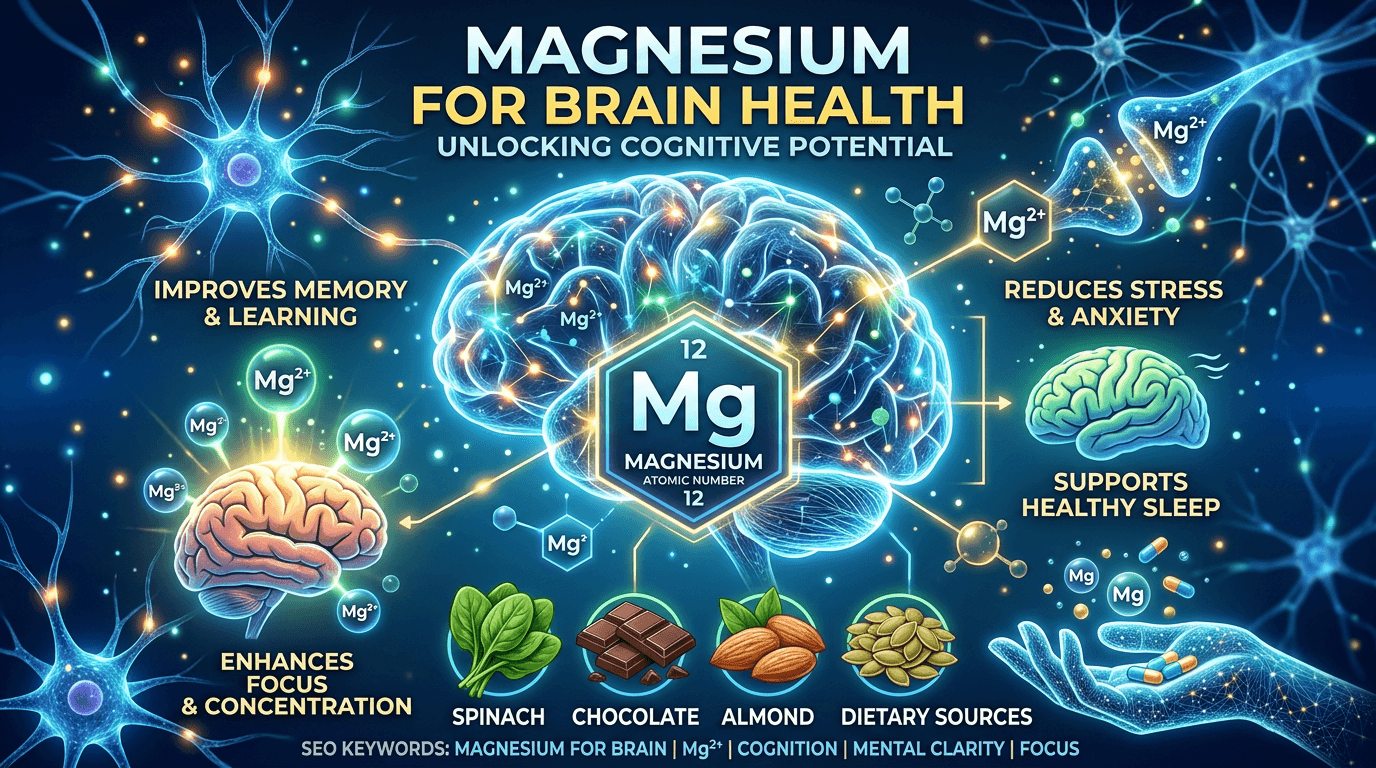
Magnesium for brain health is a significant area of interest, and Magnesium L-Threonate is a specific form often discussed for its potential to support cognitive functions like focus and memory. This unique compound is designed to effectively cross the blood-brain barrier, delivering magnesium directly to the brain where it can participate in neurological processes. While many forms of magnesium benefit overall health, L-Threonate is distinguished by its targeted action on the brain.
Understanding the role of magnesium in the body is fundamental to appreciating why a specific form like L-Threonate is gaining attention. Magnesium is an essential mineral involved in hundreds of biochemical reactions, many of which are critical for optimal brain function. This article provides a detailed exploration of Magnesium L-Threonate, including its mechanism of action, its potential role in supporting cognitive clarity, and how it compares to other forms of magnesium. We will cover the science, safety considerations, dosage information, and practical guidance for anyone considering this supplement for brain health.
The Fundamental Role of Magnesium in Brain Health

Magnesium is one of the most abundant and important minerals in the human body, acting as a cofactor in more than 300 enzymatic systems. Its influence is particularly profound within the brain. Magnesium is essential for nerve transmission, neurotransmitter regulation, and maintaining the brain's delicate electrical balance. A deficiency in this mineral can disrupt these processes, potentially contributing to symptoms like mental fog, poor concentration, and mood disturbances.
One of magnesium's most critical functions in the brain is its role as a natural gatekeeper for the N-methyl-D-aspartate (NMDA) receptors. These receptors are proteins found on nerve cells that are pivotal for synaptic plasticity—the ability of synapses to strengthen or weaken over time—which is the foundation of learning and memory. Magnesium ions sit within the NMDA receptor channel, preventing it from being activated by weak signals that could create neurological "noise." When a strong signal arrives, magnesium moves aside, allowing calcium to enter the cell and trigger the processes necessary for memory formation. An adequate supply of magnesium ensures this system operates smoothly, promoting clear signaling and protecting against excessive excitation that can damage neurons.
Furthermore, magnesium is indispensable for energy production. The brain is an incredibly energy-intensive organ, consuming about 20% of the body's total energy despite making up only 2% of its weight. This energy is supplied in the form of adenosine triphosphate (ATP). Magnesium must be bound to ATP to make it biologically active (as Mg-ATP). Without sufficient magnesium, the brain's ability to produce and utilize energy is compromised, which can lead to mental fatigue and reduced cognitive performance. It also plays a key role in synthesizing and regulating key neurotransmitters, including GABA (which has a calming effect), serotonin (which influences mood), and dopamine (which is central to focus and motivation).
What Is Magnesium L-Threonate and Why Is It Different?

Magnesium L-Threonate is a scientifically engineered form of magnesium that is chelated, or bonded, to L-Threonic acid, a metabolite of vitamin C. This unique compound was developed by researchers specifically to address a common challenge with magnesium supplementation: getting it into the brain. While many forms of magnesium are well-absorbed into the bloodstream, they do not all efficiently cross the blood-brain barrier (BBB), a highly selective membrane that protects the brain from pathogens and toxins.
The innovation of Magnesium L-Threonate lies in its carrier molecule, L-Threonic acid. Research, primarily in animal models, suggests that L-Threonate acts as a shuttle, helping to transport magnesium ions across the BBB and increase magnesium concentrations within brain cells and cerebrospinal fluid more effectively than other common forms like magnesium sulfate or gluconate. This targeted delivery is what sets it apart for cognitive applications. By elevating magnesium levels directly within the brain's environment, it is theorized to more directly support the neurological functions that depend on this mineral.
The process of "chelation" is key to its design. In supplement science, chelation involves binding a mineral (like magnesium) to an organic molecule, often an amino acid or, in this case, a metabolite. This process can improve the mineral's stability, bioavailability, and tolerability. For example, magnesium glycinate is magnesium chelated to the amino acid glycine, which enhances its absorption and gives it a calming quality. In the case of L-Threonate, the chelation is not just for general absorption but for specific transport into the central nervous system, making it a specialized tool for supporting brain magnesium status.
How Magnesium L-Threonate May Support Brain Focus and Cognitive Function
By effectively increasing magnesium concentrations in the brain, Magnesium L-Threonate is thought to bolster several key aspects of cognitive function, including focus, attention, and memory. The proposed benefits stem from magnesium's fundamental role in supporting the health and communication of neurons. While human research is still emerging, preclinical studies provide a strong theoretical basis for its mechanisms of action.
Synaptic Plasticity and Density
The brain's ability to learn, adapt, and form memories depends on synaptic plasticity. Synapses are the tiny junctions where nerve cells communicate with each other. The more robust and numerous these connections are, the more efficient the brain's processing power. Preclinical research on Magnesium L-Threonate has shown that it can increase the density of synapses in key brain regions like the hippocampus and prefrontal cortex, which are crucial for memory and executive functions like focus and planning.
This increase in synaptic density is thought to be driven by magnesium's ability to modulate NMDA receptors and support the production of proteins involved in building and maintaining these connections. A higher number of functional synapses provides a stronger physical framework for encoding new information and retrieving existing memories. This structural enhancement could translate into improved learning capacity and a greater ability to sustain mental effort on complex tasks.
Enhancing Focus and Attention
Sustained focus requires a delicate balance between excitatory and inhibitory signals in the brain. Magnesium plays a crucial role in maintaining this equilibrium. It helps regulate the excitatory neurotransmitter glutamate via its action on NMDA receptors and supports the function of the main inhibitory neurotransmitter, GABA. An imbalance, particularly an excess of glutamate signaling, can lead to a state of mental overstimulation, restlessness, and an inability to concentrate.
By ensuring optimal magnesium levels in the brain, L-Threonate may help dampen excessive neurological "noise," creating a calmer and more stable internal environment. This can make it easier to filter out distractions and maintain attention on a single task. The effect is not one of sedation but rather of enhanced clarity and control, allowing the brain's executive functions to operate more efficiently. For individuals who feel easily distracted or mentally scattered, this regulatory support can be a key benefit.
Supporting Short-Term and Long-Term Memory
Magnesium's influence extends to both short-term (working) memory and long-term memory consolidation. Working memory is the mental "scratchpad" used to hold and manipulate information temporarily, such as remembering a phone number while you dial it. Long-term memory involves the encoding and storage of information for later retrieval. Both processes are heavily dependent on the synaptic plasticity governed by NMDA receptors.
Animal studies have suggested that supplementing with Magnesium L-Threonate can lead to improvements in performance on tasks measuring spatial and associative memory. By optimizing the function of the synaptic network and promoting the formation of new connections, it may enhance the brain's ability to both learn new information and recall it more effectively. The potential to support memory retrieval is particularly interesting, as this is a cognitive function that can decline with age.
Potential Role in Age-Related Cognitive Changes
Research indicates that magnesium levels in the brain tend to decrease with age, a trend that correlates with age-related cognitive decline. This reduction in brain magnesium may contribute to a loss of synaptic connections and a decline in cognitive function. Because Magnesium L-Threonate is specifically designed to counteract this, it is a subject of great interest in the context of healthy aging.
By restoring brain magnesium to more youthful levels, it is hypothesized that L-Threonate could help preserve cognitive function and resilience over time. Early studies in older animals have shown promising results, with supplementation leading to improved performance in memory and learning tests. It is critical to note that this research does not suggest Magnesium L-Threonate can prevent or treat diseases like Alzheimer's or dementia. Instead, its potential lies in supporting the brain's structural integrity and functional capacity as part of a proactive approach to cognitive health throughout the aging process. More human clinical trials are needed to confirm these effects.
Understanding Magnesium Deficiency and Its Impact on the Brain
Suboptimal magnesium status is surprisingly common in the United States, with estimates suggesting that nearly half of the population does not consume the recommended daily amount from their diet. While severe, clinically diagnosed magnesium deficiency is rare in healthy individuals, chronic low intake can lead to a range of subtle but disruptive symptoms, many of which directly affect the brain and nervous system.
When magnesium levels are insufficient, the brain's delicate electrochemical balance can be disturbed. This can manifest as a variety of neurological and psychological symptoms. Because these signs are non-specific and can overlap with many other conditions, they are often overlooked or misattributed. Recognizing them is the first step toward addressing a potential inadequacy.
- Mental Fog and Poor Concentration: Difficulty thinking clearly or focusing on tasks can be linked to magnesium's role in energy production and neurotransmitter function.
- Fatigue and Low Energy: As magnesium is essential for activating ATP, a lack of it can lead to persistent feelings of physical and mental exhaustion.
- Irritability and Anxiety: Insufficient magnesium can disrupt the calming GABA pathway and lead to an overactive stress response, contributing to feelings of nervousness and agitation.
- Poor Memory: The role of magnesium in NMDA receptor function means that low levels can impair the processes of learning and memory consolidation.
- Muscle Twitches and Cramps: While not a brain symptom, involuntary muscle contractions, especially in the eyelids or calves, are a classic sign of low magnesium status due to its role in muscle relaxation.
- Headaches and Migraines: Low brain magnesium is a known factor in the pathophysiology of migraines for some individuals.
Several factors can increase an individual's risk of developing low magnesium levels. Modern diets, often high in processed foods and low in magnesium-rich whole foods like nuts, seeds, and leafy greens, are a primary contributor. Beyond diet, certain health conditions and lifestyle factors can deplete magnesium stores or impair its absorption, including chronic stress, excessive alcohol consumption, gastrointestinal disorders (like Crohn's disease or celiac disease), and type 2 diabetes. Furthermore, the use of certain common medications, such as proton pump inhibitors (for acid reflux) and some diuretics, can lead to increased magnesium loss through urine. Older adults are also at higher risk due to a combination of reduced dietary intake, decreased intestinal absorption, and increased renal excretion.
Comparing Magnesium L-Threonate to Other Forms of Magnesium
The market for magnesium supplements is vast, with numerous forms available, each possessing distinct characteristics, bioavailability, and primary uses. While Magnesium L-Threonate is specialized for brain health, other forms are better suited for different goals, such as correcting a general deficiency, supporting muscle relaxation, or promoting bowel regularity. Understanding these differences is crucial for selecting the right supplement for your individual needs.
The key differentiators among magnesium forms are their bioavailability (how much is absorbed and used by the body) and the properties of the molecule they are chelated (bound) to. A form with low bioavailability, like magnesium oxide, may require very high doses to be effective and is more likely to cause digestive side effects. Highly bioavailable forms, like glycinate and citrate, are efficiently absorbed and better tolerated. Magnesium L-Threonate's value lies not just in its good bioavailability but in its unique ability to penetrate the central nervous system.
| Magnesium Form | Primary Use / Target Area | Bioavailability | Common Side Effects |
|---|---|---|---|
| Magnesium L-Threonate | Brain Health, Cognitive Function, Memory, Focus | Moderate to High (Excellent brain penetration) | Drowsiness, headache, "heavy head" feeling initially. Low risk of GI issues. |
| Magnesium Glycinate | Relaxation, Sleep, Anxiety, Muscle Tension, General Deficiency | High | Very low risk of GI issues. Well-tolerated. |
| Magnesium Citrate | General Deficiency, Constipation Relief | High | Can have a laxative effect at moderate to high doses. |
| Magnesium Malate | Energy Production, Muscle Pain, Fibromyalgia Support | High | Generally well-tolerated. Some find it energizing. |
| Magnesium Oxide | Antacid, Short-Term Constipation Relief | Low (~4%) | High likelihood of laxative effect and digestive upset. Not ideal for correcting deficiency. |
| Magnesium Sulfate | Epsom Salt Baths (transdermal absorption), IV Administration | Poor oral absorption | Strong laxative effect when taken orally. Not recommended for oral supplementation. |
Magnesium Glycinate vs. L-Threonate
This is a common comparison, as both forms are known for their calming effects on the nervous system. Magnesium glycinate is chelated to glycine, an inhibitory amino acid that promotes relaxation. This makes it an excellent choice for managing stress, improving sleep quality, and reducing muscle tension. It is highly bioavailable and very gentle on the stomach. While it supports overall brain health by increasing systemic magnesium levels, it is not specifically designed to cross the blood-brain barrier with the same efficiency as L-Threonate. Therefore, for goals directly related to enhancing cognitive mechanisms like synaptic density and memory, L-Threonate is the more specialized option. For general relaxation and sleep, glycinate is often preferred.
Magnesium Citrate vs. L-Threonate
Magnesium citrate is another highly bioavailable form, created by bonding magnesium with citric acid. It is an effective and affordable option for raising overall magnesium levels in the body to correct a deficiency. However, its most well-known characteristic is its osmotic laxative effect, as it draws water into the intestines. This makes it a popular choice for relieving constipation. While effective for systemic repletion, it does not possess the unique brain-penetrating properties of L-Threonate. Individuals seeking cognitive support without a pronounced effect on bowel motility would find L-Threonate to be a more suitable choice.
Dosage, Safety, and Potential Side Effects of Magnesium L-Threonate
While Magnesium L-Threonate is generally considered safe for healthy adults when used appropriately, understanding proper dosage, potential side effects, and overall safety is paramount. As with any supplement, it's best to start with a conservative dose and consult a healthcare professional, especially if you have pre-existing health conditions or take other medications.
General Dosing Considerations
The dosage for Magnesium L-Threonate is typically described in terms of the total compound, not just the elemental magnesium it contains. This can be a point of confusion. Commercially available supplements and dosages used in studies often range from 1,500 mg to 2,000 mg of Magnesium L-Threonate per day. This amount provides a much smaller dose of actual (elemental) magnesium, usually between 108 mg and 144 mg.
It's crucial to read the "Supplement Facts" panel on the product label to identify the amount of elemental magnesium per serving. This is the number that counts toward your daily intake. The Tolerable Upper Intake Level (UL) for supplemental magnesium, set by the Food and Nutrition Board for adults, is 350 mg of elemental magnesium per day. This UL refers to magnesium from supplements and medications only, not from food, and is established to prevent the common side effect of diarrhea. The typical elemental dose from Magnesium L-Threonate falls well below this limit.
Potential Side Effects and How to Manage Them
Magnesium L-Threonate is known for being gentle on the digestive system and is much less likely to cause diarrhea than forms like oxide or citrate. However, it can have side effects related to its action in the brain, particularly when starting the supplement.
- Drowsiness or Fatigue: This is the most commonly reported side effect, likely due to the increase in brain magnesium and its calming influence. For this reason, many people prefer to take it in the evening.
- Headaches or a "Heavy Head" Feeling: Some users report experiencing headaches or a sense of fogginess when they first begin taking it. This may be part of an adjustment period as the brain adapts to changes in magnesium levels.
- Vivid Dreams: An increase in vivid dreams or changes in sleep patterns can occur, which may be related to magnesium's role in sleep cycle regulation.
To manage these potential side effects, it is wise to adopt a "start low, go slow" approach. Begin with a half dose (or even a quarter dose) for the first week to assess your tolerance. Taking the supplement with a small meal can sometimes help, as can ensuring you are well-hydrated throughout the day. If side effects are bothersome, they often subside as your body adjusts over one to two weeks. Taking the full dose before bed can leverage the potential for drowsiness to improve sleep quality.
Safety and Who Should Be Cautious
The most significant contraindication for any magnesium supplement is impaired kidney function. The kidneys are responsible for excreting excess magnesium from the body. Individuals with chronic kidney disease can be unable to clear magnesium effectively, leading to a dangerous buildup in the blood known as hypermagnesemia. Symptoms can range from nausea and weakness to more severe issues like difficulty breathing and cardiac arrest. Therefore, anyone with known kidney problems should not take magnesium supplements without strict medical supervision.
Additionally, pregnant or breastfeeding women should always consult their healthcare provider before starting any new supplement, including Magnesium L-Threonate, as its effects in these populations have not been well-studied. The same caution applies to individuals with any chronic medical condition or those taking prescription medications, due to the potential for interactions.
How to Choose and Use a Magnesium L-Threonate Supplement
Selecting a high-quality Magnesium L-Threonate supplement and using it correctly are key to achieving the desired benefits while ensuring safety. The supplement market is unregulated by the FDA in the same way as pharmaceuticals, so consumer diligence is essential. Focus on label transparency, third-party testing, and consistent use.
Reading the Supplement Facts Label
This is the most critical skill when purchasing any supplement. For Magnesium L-Threonate, you need to identify two key pieces of information:
- The Amount of the Compound: The label will list the total amount of "Magnesium L-Threonate" per serving. This is often a large number, like 2,000 mg.
- The Amount of Elemental Magnesium: Look for a line that says "Magnesium (from Magnesium L-Threonate)." This is the actual amount of the mineral you are getting, typically a much smaller number like 144 mg. This is the value to track for your daily intake.
Also, check the "Other Ingredients" list. A high-quality product will have minimal fillers, binders, or artificial colors. Common, acceptable inactive ingredients include vegetable cellulose (for the capsule) and rice flour or magnesium stearate (as flow agents).
Quality and Third-Party Testing
To ensure the product is pure and contains what the label claims, look for evidence of third-party testing. Independent organizations test supplements for identity, potency, purity, and contaminants like heavy metals or microbes. Reputable certifications to look for on the label or the company's website include:
- NSF International
- U.S. Pharmacopeia (USP)
- ConsumerLab.com (look for their approved quality seal)
Another sign of a quality brand is the use of the patented form of Magnesium L-Threonate, often trademarked as Magtein®. While other generic forms exist, Magtein® is the specific compound used in the foundational research, which may provide an extra layer of confidence in its efficacy and manufacturing standards.
Timing and Consistency
The benefits of Magnesium L-Threonate for cognitive function are not immediate. It is not a stimulant like caffeine. Instead, it works cumulatively by gradually increasing magnesium concentrations in the brain over time. Therefore, consistency is vital. You should plan to take the supplement daily for at least several weeks to months to properly evaluate its effects.
As for timing, the most common recommendation is to take it in the evening, about an hour before bed. This approach helps mitigate potential side effects like drowsiness and may even contribute to better sleep quality. Some people prefer to split the dose, taking one capsule in the afternoon and one in the evening, to maintain more stable levels throughout the day. Experiment to see what works best for your body and schedule.
Potential Interactions and Contraindications
Magnesium supplements, including Magnesium L-Threonate, can interact with various prescription and over-the-counter medications. These interactions can either reduce the effectiveness of the medication or alter the body's magnesium levels. It is imperative to discuss supplementation with your doctor or a pharmacist if you are taking any medications.
Here are some of the most significant potential interactions:
- Antibiotics: Magnesium can bind to certain types of antibiotics, specifically tetracyclines (e.g., doxycycline) and fluoroquinolones (e.g., ciprofloxacin, levofloxacin), in the digestive tract. This can significantly reduce the absorption and effectiveness of the antibiotic. To avoid this, magnesium supplements should be taken at least 2 hours before or 4-6 hours after the antibiotic dose.
- Bisphosphonates: These drugs are used to treat osteoporosis (e.g., alendronate/Fosamax). Magnesium can interfere with their absorption. It's recommended to take magnesium supplements at least 2 hours apart from these medications.
- Diuretics (Water Pills): The interaction depends on the type of diuretic. Loop diuretics (e.g., furosemide/Lasix) and thiazide diuretics (e.g., hydrochlorothiazide) can increase the loss of magnesium through urine, potentially leading to deficiency. Conversely, potassium-sparing diuretics (e.g., spironolactone, amiloride) can reduce magnesium excretion, increasing the risk of high magnesium levels (hypermagnesemia) when taken with supplements.
- Proton Pump Inhibitors (PPIs): Long-term use of PPIs for acid reflux (e.g., omeprazole, esomeprazole) has been linked to low magnesium levels. Supplementation may be necessary, but this should be monitored by a doctor.
- High-Dose Zinc: Taking very high doses of zinc supplements (over 140 mg/day) can interfere with magnesium absorption.
The primary contraindication for magnesium supplementation is chronic kidney disease or renal failure. Healthy kidneys are efficient at filtering out excess magnesium. When kidney function is compromised, this ability is lost, and taking supplements can lead to a toxic accumulation of magnesium in the blood. This is a serious medical risk, and individuals with any degree of kidney impairment should avoid magnesium supplements unless explicitly directed and monitored by their physician.
Food Sources of Magnesium for Overall Brain Support
While Magnesium L-Threonate is a specific supplemental compound designed for brain delivery, the foundation of good magnesium status is always a nutrient-dense diet. A food-first approach ensures you get not only magnesium but also a synergistic blend of vitamins, minerals, and phytonutrients that work together to support overall health, including brain health. Prioritizing magnesium-rich foods is a critical strategy for everyone, regardless of supplementation choices.
Many delicious and healthy whole foods are excellent sources of magnesium. Incorporating a variety of these into your daily meals can significantly boost your intake. The Recommended Dietary Allowance (RDA) for adults is 400-420 mg per day for men and 310-320 mg per day for women.
| Food Source | Serving Size | Approximate Magnesium (mg) | % Daily Value (DV)* |
|---|---|---|---|
| Pumpkin seeds, shelled | 1 ounce (oz) | 156 mg | 37% |
| Chia seeds | 1 oz | 111 mg | 26% |
| Almonds | 1 oz | 80 mg | 19% |
| Spinach, boiled | 1/2 cup | 78 mg | 19% |
| Cashews | 1 oz | 74 mg | 18% |
| Black beans, cooked | 1/2 cup | 60 mg | 14% |
| Dark chocolate (70-85%) | 1 oz | 64 mg | 15% |
| Avocado, cubed | 1 cup | 44 mg | 10% |
| Banana | 1 medium | 32 mg | 8% |
*Daily Value (DV) is based on a 420 mg reference value for adults.
It's important to understand that you cannot create Magnesium L-Threonate in your body by eating magnesium-rich foods and foods high in vitamin C (the precursor to L-Threonic acid). The specific chelated bond that gives the supplement its unique properties must be formed during the manufacturing process. However, a diet rich in these foods provides the body with the foundational magnesium supply needed for all its hundreds of functions, creating a healthy baseline upon which a targeted supplement like L-Threonate can potentially act more effectively.
Frequently Asked Questions
How long does it take for Magnesium L-Threonate to work?
The effects of Magnesium L-Threonate are not immediate. It works by gradually increasing magnesium levels in the brain over time. Most studies and user reports suggest consistent daily use for at least four to twelve weeks is necessary to notice potential benefits in cognitive function like focus and memory.
Can I take Magnesium L-Threonate with other forms of magnesium?
Yes, it is generally safe to combine Magnesium L-Threonate with other forms, such as glycinate or citrate. Many people do this to get the brain-specific benefits of L-Threonate while using a more cost-effective form for systemic needs. Just be sure to track the total amount of elemental magnesium from all supplements to stay below the 350 mg daily upper limit.
Is Magnesium L-Threonate better than glycinate for focus?
Magnesium L-Threonate is specifically designed and studied for its ability to cross the blood-brain barrier and support cognitive mechanisms related to focus and memory. Magnesium glycinate is excellent for promoting general relaxation and sleep. For the targeted goal of improving mental focus, L-Threonate is theoretically the more specialized choice.
Does Magnesium L-Threonate help with sleep?
Many users report improved sleep quality when taking Magnesium L-Threonate, often due to its calming effect on the nervous system and a reduction in mental "chatter." The most commonly reported side effect is drowsiness, which is why it's often recommended to be taken in the evening. However, for sleep-specific benefits, magnesium glycinate is more commonly used.
What are the main side effects of Magnesium L-Threonate?
The most common side effects are related to its neurological effects and include drowsiness, fatigue, headaches, or a "heavy head" feeling, especially during the first one to two weeks of use. It is much less likely to cause the digestive issues or laxative effects associated with other forms like magnesium oxide or citrate.
Why is Magnesium L-Threonate more expensive than other forms?
Magnesium L-Threonate is more expensive due to its complex manufacturing process and the research and development that went into its creation. The patented form, Magtein®, carries additional costs associated with licensing and clinical research. Its specialized nature as a brain-targeted compound makes it a premium, higher-cost ingredient compared to commodity forms like oxide or citrate.
Who should not take Magnesium L-Threonate?
Individuals with chronic kidney disease or any level of renal impairment should not take magnesium supplements without strict medical supervision, as their bodies cannot effectively clear excess magnesium. Additionally, anyone taking prescription medications, especially antibiotics, bisphosphonates, or diuretics, should consult a healthcare professional before use.
Should I take it in the morning or at night?
Most people prefer to take Magnesium L-Threonate in the evening, about an hour before bedtime. This timing helps mitigate the common side effect of drowsiness and may support restful sleep. However, some people split the dose or take it during the day without issue. It's best to experiment to see what works for your body.
Conclusion: A Balanced Perspective on Magnesium for Brain Health
Magnesium is undeniably a powerhouse mineral for the brain, fundamental to energy production, neuronal communication, and the very structure of memory and learning. In the diverse world of magnesium supplements, Magnesium L-Threonate stands out as a uniquely engineered compound specifically designed to overcome the challenge of delivering magnesium to the brain. Its potential to elevate brain magnesium levels offers a promising mechanism for supporting cognitive functions like focus, clarity, and memory.
While the preclinical research is compelling and provides a strong scientific rationale, it is important to maintain a balanced perspective. The evidence in human clinical trials is still developing, and individual results can vary. Magnesium L-Threonate should not be viewed as a quick fix or a "smart pill," but rather as a specialized tool that may help optimize the brain's internal environment over time. Its benefits are cumulative and require consistent, patient use.
Ultimately, a successful strategy for brain health is holistic. It begins with a diet rich in magnesium-filled foods like leafy greens, nuts, and seeds. Supplementation should be a thoughtful addition to this foundation, not a substitute for it. If you are considering Magnesium L-Threonate for brain focus, prioritize quality, start with a low dose to assess your tolerance, and, most importantly, consult with a licensed healthcare professional. This ensures your approach is safe, personalized, and integrated into your overall health plan.