
vitamine -
5 Nutrients Every Vegan is Likely Missing
For individuals following a vegan diet, certain essential nutrients require careful planning to obtain, and for some, the most reliable strategy involves vegan supplements. The five nutrients most commonly at risk of being low or deficient in a vegan diet are Vitamin B12, Vitamin
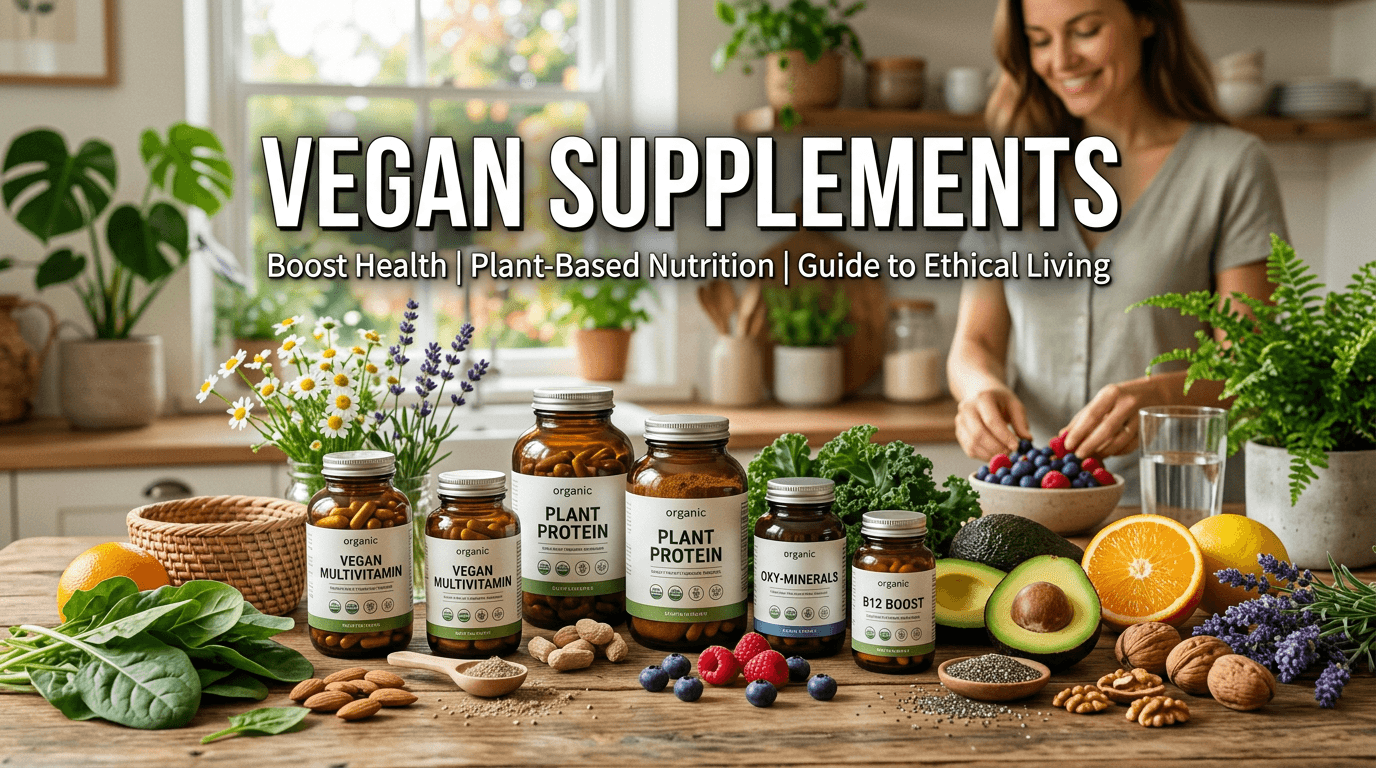
For individuals following a vegan diet, certain essential nutrients require careful planning to obtain, and for some, the most reliable strategy involves vegan supplements. The five nutrients most commonly at risk of being low or deficient in a vegan diet are Vitamin B12, Vitamin D, long-chain omega-3 fatty acids (EPA and DHA), Iodine, and Iron. Without supplementation or consistent intake of fortified foods, obtaining adequate amounts of these key nutrients from plant-based sources alone can be challenging or, in the case of B12, impossible.
A well-planned vegan diet offers numerous health benefits and can provide most of the nutrients your body needs. However, eliminating all animal products from your diet fundamentally changes your nutrient sources. Understanding which nutrients are no longer readily available is the first step toward building a sustainable, healthy, long-term vegan lifestyle. This article provides a comprehensive, evidence-based guide to the five nutrients that demand the most attention, exploring why they are a concern, how to identify potential shortfalls, and practical strategies for ensuring you meet your body's needs through food and, when necessary, targeted supplementation.
1. Vitamin B12: The Non-Negotiable Vegan Supplement
Vitamin B12 is arguably the most critical nutrient for vegans to supplement. It is the only vitamin that is not reliably found in any plant-based foods, including whole foods, fermented foods, or algae. Because the consequences of deficiency can be severe and irreversible, securing a consistent source of B12 through supplementation or fortified foods is not optional for anyone following a vegan diet.
What is Vitamin B12 and Why Is It Essential?
Vitamin B12, also known as cobalamin, is a water-soluble vitamin that plays a fundamental role in several of the body's most critical processes. It is indispensable for the proper functioning of the nervous system, as it is required for the synthesis and maintenance of myelin, the protective sheath that surrounds nerve fibers. Without adequate B12, nerve signaling can be impaired, leading to neurological symptoms.
Furthermore, B12 is a crucial co-factor in DNA synthesis and the formation of healthy red blood cells in the bone marrow. A deficiency can lead to the production of large, immature, and dysfunctional red blood cells, a condition known as megaloblastic anemia. This impairs the blood's ability to carry oxygen efficiently, resulting in fatigue and weakness. B12 also works alongside folate (vitamin B9) to help metabolize an amino acid called homocysteine. Elevated homocysteine levels are considered a risk factor for cardiovascular issues, and sufficient B12 is needed to help keep them in a healthy range.
Why Vegans Are at High Risk for B12 Deficiency
The primary reason vegans are at risk is straightforward: Vitamin B12 is produced by microorganisms, such as bacteria and archaea. Animals obtain B12 by consuming these microorganisms from soil and water or through their own gut bacteria. This B12 is then stored in their tissues, particularly the liver and muscles. Plants do not produce or store Vitamin B12.
Common myths suggest that vegans can get B12 from sources like unwashed organic produce, mushrooms, spirulina, chlorella, or fermented foods like tempeh. However, these are not reliable sources. While some of these foods may contain inactive B12 analogues (compounds that look like B12 but do not function as such in the human body), they cannot prevent or correct a true deficiency. Relying on them can provide a false sense of security while B12 stores are slowly depleted, a process that can take several years.
Signs and Symptoms of Vitamin B12 Deficiency
The onset of B12 deficiency can be slow and insidious. Early symptoms are often vague and can be easily attributed to other causes. It is critical to recognize that self-diagnosing based on symptoms is unreliable and dangerous; proper diagnosis requires blood tests ordered by a healthcare professional.
- Neurological Symptoms: This is the most concerning category, as damage can sometimes be permanent. Symptoms may include tingling or numbness in the hands and feet (paresthesia), difficulty with balance, memory loss, confusion, and depression.
- Hematological Symptoms: Related to megaloblastic anemia, these include persistent fatigue, weakness, shortness of breath, pale or jaundiced skin, and a sore, glossy tongue (glossitis).
- Other Symptoms: General weakness, lack of energy, and unexplained cognitive changes can also occur.
Vegan B12 Sources: Fortified Foods and Supplements
Since whole plant foods do not contain B12, vegans have two reliable options: fortified foods or supplements. Relying on fortified foods requires diligent, consistent daily intake. For many, supplementation offers a more convenient and dependable backstop.
| Fortified Food Source | Typical B12 Content (per serving) | Notes |
|---|---|---|
| Fortified Nutritional Yeast | ~4-8 mcg (40-100%+ DV) per 1-2 tbsp | Check the label; not all nutritional yeast is fortified. |
| Fortified Plant Milk (Soy, Almond, Oat) | ~1-3 mcg (50-120% DV) per 1 cup | Varies widely by brand. Must be consumed daily. |
| Fortified Breakfast Cereals | ~0.6-6 mcg (25-100%+ DV) per serving | Check labels carefully, as fortification levels differ. |
| Fortified Vegan Meat Alternatives | Highly variable | Can contribute but should not be the sole source. |
Choosing a Vitamin B12 Supplement
For most vegans, taking a dedicated B12 supplement is the most straightforward way to ensure adequacy. Several forms and delivery methods are available.
- Forms (Cyanocobalamin vs. Methylcobalamin):
- Cyanocobalamin is the most stable, most studied, and least expensive form. It is a synthetic form that the body converts into the active forms (methylcobalamin and adenosylcobalamin). It is highly effective for preventing and correcting deficiency in most people.
- Methylcobalamin is an active form of B12. Some proponents suggest it is more "natural" or better absorbed, especially for individuals with certain genetic polymorphisms related to B12 metabolism. However, it is less stable and more expensive, and research has not conclusively proven its superiority over cyanocobalamin for the general population. Both are effective choices.
- Delivery Methods: Oral pills, chewable tablets, sublingual (under-the-tongue) tablets, liquids, and sprays are all effective. Absorption of B12 is complex; only a small amount is absorbed at a time. This is why supplement dosages are much higher than the Recommended Dietary Allowance (RDA) of 2.4 mcg/day. Common strategies include taking a smaller dose (e.g., 25-250 mcg) daily or a much larger dose (e.g., 1000-2500 mcg) two to three times per week. All these methods work to saturate the body's absorption pathways.
Safety and Intake Considerations
Vitamin B12 is a water-soluble vitamin, and the body excretes what it doesn't need. There is no established Tolerable Upper Intake Level (UL) for B12 due to its low potential for toxicity. High doses are generally considered safe. However, it is always wise to follow the dosage instructions on the supplement label or the advice of a healthcare professional. Certain medications, like metformin and proton pump inhibitors (used for acid reflux), can interfere with B12 absorption, making it even more important for individuals on these drugs to monitor their status.
2. Vitamin D: The Sunshine Vitamin
Vitamin D is another crucial nutrient that can be challenging to obtain from a vegan diet. While our bodies can synthesize it from sun exposure, factors like geography, season, skin tone, and sunscreen use make sun-derived Vitamin D unreliable for many people in the U.S., regardless of their diet. Because most food sources of Vitamin D are animal-based, vegans often need to rely on fortified foods or supplements.
What is Vitamin D and Why Is It Important?
Often called the "sunshine vitamin," Vitamin D is a fat-soluble vitamin that functions more like a hormone in the body. Its most well-known role is in regulating calcium and phosphorus absorption, which is essential for building and maintaining strong bones. A severe deficiency can lead to rickets in children and osteomalacia (softening of the bones) in adults.
Beyond bone health, Vitamin D receptors are found in cells throughout the body, indicating a much broader role in overall health. Research suggests it plays a significant part in supporting immune function, modulating cell growth, and reducing inflammation. Low levels of Vitamin D have been associated with a range of health concerns, making it a key nutrient for overall well-being.
Why Vegans May Have Lower Vitamin D Intake
The primary natural food sources of Vitamin D are fatty fish (like salmon and mackerel), fish liver oils, and egg yolks—all of which are excluded from a vegan diet. While some mushrooms exposed to UV light can produce Vitamin D2, the amount can be variable and may not be sufficient on its own.
This leaves vegans with two main options: sun exposure and fortified foods. However, sun exposure is not a failsafe method. People living in northern latitudes (roughly above the 37th parallel in the U.S., a line running from San Francisco to Richmond, VA) cannot produce Vitamin D from the sun for several months in the winter. Additionally, individuals with darker skin tones have more melanin, which reduces the skin's ability to produce Vitamin D. Consistent use of sunscreen, while critical for skin cancer prevention, also blocks UVB rays and thus Vitamin D synthesis. For these reasons, many people, including vegans, cannot rely on the sun alone.
Signs and Symptoms of Vitamin D Deficiency
Vitamin D deficiency is often asymptomatic, especially in its early stages. When symptoms do appear, they can be subtle and non-specific. As always, these signs are not a basis for self-diagnosis and warrant a discussion with a doctor.
- Bone and Muscle Pain: Aching bones, particularly in the lower back, hips, and legs, can be a sign. Muscle weakness or pain may also occur.
- Frequent Illness: Since Vitamin D plays a role in immune support, getting sick often could be linked to low levels.
- Fatigue and Tiredness: Persistent, unexplained fatigue can sometimes be associated with low Vitamin D status.
- Mood Changes: Some studies have linked low Vitamin D levels with low mood or depression, particularly seasonal affective disorder (SAD).
Vegan Sources of Vitamin D
For vegans, the most reliable dietary sources of Vitamin D are fortified products. Similar to B12, manufacturers often add Vitamin D to plant-based staples.
- Fortified Plant Milks: Many soy, oat, almond, and rice milks are fortified with Vitamin D, typically providing around 2-3 mcg (10-15% of the DV) per cup.
- Fortified Cereals and Orange Juice: Some breakfast cereals and brands of orange juice are also fortified.
- UV-Exposed Mushrooms: Some mushrooms are treated with ultraviolet light to stimulate Vitamin D production. These are a good whole-food source, but availability and D content can vary. Check the packaging for information.
Choosing a Vitamin D Supplement
For many vegans, especially during winter months or for those with limited sun exposure, a supplement is the most effective way to maintain adequate levels.
- Forms (D2 vs. D3):
- Vitamin D2 (ergocalciferol) is always derived from plant or yeast sources and is therefore vegan.
- Vitamin D3 (cholecalciferol) has traditionally been sourced from lanolin (sheep's wool grease). However, a vegan form of D3 derived from lichen is now widely available. Most research indicates that D3 is more effective at raising and maintaining blood levels of 25(OH)D than D2, making vegan D3 from lichen the preferred choice for many.
- Dosage: The RDA for adults is 600 IU (15 mcg) per day. However, many experts suggest that higher intakes, often in the range of 1,000-2,000 IU (25-50 mcg) daily, may be needed to maintain optimal blood levels, especially for those with deficiency. Dosage should be based on blood test results and a healthcare provider's recommendation.
Safety, Absorption, and Upper Limits
Vitamin D is fat-soluble, which means excess amounts are stored in the body's fat tissue and can build up to toxic levels. The Tolerable Upper Intake Level (UL) for adults is 4,000 IU (100 mcg) per day. Taking excessively high doses for prolonged periods without medical supervision can lead to hypercalcemia (dangerously high blood calcium levels), which can damage the heart, blood vessels, and kidneys.
To enhance absorption, it is often recommended to take Vitamin D supplements with a meal that contains some fat. As it is a key partner to calcium, ensuring adequate calcium intake from sources like fortified plant milks, tofu, and leafy greens is also important for bone health.
3. Omega-3 Fatty Acids (EPA & DHA): Brain and Heart Health
While the vegan diet is rich in the short-chain omega-3 fatty acid ALA, it lacks direct sources of the long-chain omega-3s, eicosapentaenoic acid (EPA) and docosahexaenoic acid (DHA). These specific fats play crucial roles in brain health, inflammation, and cardiovascular function, and the body's conversion of ALA to EPA and DHA is highly inefficient, making supplementation a consideration for many vegans.
Understanding the Different Omega-3s
Omega-3 fatty acids are a family of essential polyunsaturated fats. The three most important ones are:
- Alpha-linolenic acid (ALA): This is a short-chain omega-3 found in plant foods like flaxseeds, chia seeds, hemp seeds, and walnuts. The body cannot produce ALA, so it is an "essential" fatty acid that must be obtained from the diet.
- Eicosapentaenoic acid (EPA): A long-chain omega-3 primarily involved in modulating inflammation.
- Docosahexaenoic acid (DHA): A long-chain omega-3 that is a major structural component of the brain's gray matter and the retina of the eye. It is critical for brain development and function.
While the body can theoretically convert ALA into EPA and then into DHA, this conversion process is very limited. Estimates suggest that less than 5% of ALA is converted to EPA, and less than 0.5% is converted to DHA. This rate can be further inhibited by high intake of omega-6 fatty acids, which are common in many plant-based diets (e.g., from sunflower, corn, and soy oils).
Why a Direct Source of EPA and DHA Is Important
The primary source of pre-formed EPA and DHA in a standard diet is fatty fish. Fish don't produce these fats themselves; they accumulate them by eating microalgae. This is a key piece of information for vegans: the original source of EPA and DHA in the food chain is algae.
Because of the poor conversion rate from ALA, vegans tend to have lower blood and tissue levels of EPA and DHA compared to omnivores. While the long-term health implications of this are still being studied, the established importance of EPA and DHA for brain, eye, and cardiovascular health has led many experts to recommend that vegans consider a direct source of these long-chain omega-3s.
Signs of Potential Omega-3 Insufficiency
Unlike a severe vitamin deficiency, low omega-3 status does not typically cause overt, easily identifiable symptoms. Instead, it may contribute subtly to a range of issues over time. Potential signs are non-specific and can have many other causes.
- Skin Issues: Dry, rough, or irritated skin may be linked to fatty acid imbalances.
- Cognitive Changes: Difficulty with focus, memory, or mood might be influenced by low DHA levels, given its structural role in the brain.
- Joint Discomfort: Since EPA has anti-inflammatory properties, some believe low levels could contribute to joint stiffness.
An "Omega-3 Index" test, which measures the percentage of EPA and DHA in red blood cell membranes, is available and can provide a clear picture of your long-chain omega-3 status. This can help guide decisions about supplementation.
Vegan Strategy for Omega-3s: ALA and Algal Oil
A two-part strategy is often recommended for vegans to ensure adequate omega-3 status.
- Optimize ALA Intake: Consistently include good sources of ALA in your daily diet. This provides the precursor for the body's own limited conversion and has its own health benefits. Excellent sources include ground flaxseed, chia seeds, hemp seeds, and walnuts.
- Consider a Direct EPA/DHA Source: To bypass the inefficient conversion process, a supplement made from microalgae (algal oil) is the only direct vegan source of EPA and DHA. This "cuts out the middle fish" and goes straight to the original source.
| Omega-3 Type | Primary Vegan Sources | Primary Role |
|---|---|---|
| ALA (Alpha-Linolenic Acid) | Flaxseeds, chia seeds, hemp seeds, walnuts, canola oil | Energy source; precursor to EPA/DHA |
| EPA/DHA (Long-Chain) | Algal oil supplements | Brain structure, retina health, cardiovascular function, inflammation modulation |
Choosing an Algal Oil Supplement
Algal oil supplements are available in softgels or liquid form. When choosing one, look for a product that specifies the amounts of both EPA and DHA.
- Dosage: There is no official RDA for EPA and DHA, but many health organizations recommend a combined intake of 250-500 mg per day for general health. This is a common dose found in many algal oil supplements. Individuals with specific health goals or low Omega-3 Index scores may be advised by their doctor to take a higher dose.
- Purity and Freshness: Look for brands that are third-party tested for purity to ensure they are free from heavy metals and other contaminants. Omega-3 oils are prone to oxidation, so store them in a cool, dark place and check for any "off" or rancid smell.
Safety and Interactions
Omega-3 supplements are generally safe for most people. The most common side effect is a fishy (or in this case, "oceany") aftertaste or mild digestive upset. Taking them with food can help. High doses of omega-3s can have a blood-thinning effect. It is crucial for anyone taking anticoagulant medications (like warfarin) or antiplatelet drugs (like aspirin) to consult their doctor before starting an omega-3 supplement, as it may increase the risk of bleeding.
4. Iodine: The Overlooked Mineral for Thyroid Health
Iodine is a trace mineral that is essential for the production of thyroid hormones. While it's found in the ocean, its content in plant foods is notoriously unreliable, depending entirely on the soil in which the plants were grown. This variability makes it a nutrient that vegans should not overlook, and securing a reliable source is key to supporting thyroid function.
The Critical Role of Iodine
The primary function of iodine is as a building block for the two main thyroid hormones: thyroxine (T4) and triiodothyronine (T3). These hormones are master regulators of the body's metabolism, controlling the rate at which cells use energy. They are vital for growth, development, and the function of nearly every organ system, especially the brain during fetal and infant development.
An iodine deficiency impairs the thyroid gland's ability to produce these hormones. In an attempt to compensate, the thyroid gland may enlarge, leading to a goiter. Prolonged deficiency can lead to hypothyroidism, a condition characterized by a slow metabolism, weight gain, fatigue, and cognitive sluggishness.
Why Iodine Intake Can Be Low in Vegan Diets
The main sources of iodine in a standard American diet are iodized salt, dairy products (due to iodine-containing sanitizers used on milking equipment), and seafood. Vegans do not consume dairy or seafood, which removes two major sources. Furthermore, many people—vegans and omnivores alike—are increasingly using non-iodized salts like sea salt, pink Himalayan salt, or kosher salt, which contain negligible amounts of iodine.
The iodine content of plant foods is entirely dependent on the iodine levels in the soil and water where they are grown. Soil in many inland regions, such as the Midwest and Great Plains, is iodine-poor. Therefore, relying on fruits and vegetables for iodine is a gamble. While some plant foods like potatoes or cranberries can contain iodine, the amounts are inconsistent.
Signs of Iodine Deficiency
Symptoms of iodine deficiency are primarily related to impaired thyroid function (hypothyroidism). It is essential to remember these are signs of a potential problem that requires medical diagnosis.
- Goiter: A visible swelling in the neck due to an enlarged thyroid gland is the classic sign of iodine deficiency.
- Unexplained Weight Gain: A slowed metabolism can make it easier to gain weight.
- Fatigue and Weakness: Feeling unusually tired and sluggish is a hallmark symptom of hypothyroidism.
- Feeling Cold: Sensitivity to cold temperatures is common.
- Hair Loss and Dry Skin: Thyroid hormones are involved in the health of hair follicles and skin.
- Cognitive Issues: "Brain fog," memory problems, and difficulty concentrating can occur.
Vegan Sources of Iodine
Vegans need to be intentional about getting enough iodine. There are two primary reliable sources.
- Iodized Salt: This is the most straightforward and inexpensive method. The RDA for adults is 150 mcg of iodine per day. Just half a teaspoon of iodized salt typically provides around this amount. Using iodized salt for cooking and at the table can easily meet daily needs.
- Seaweed: Sea vegetables like kombu, wakame, and nori are very rich in iodine as they absorb it from seawater. However, their iodine content is extremely variable and can sometimes be excessive, especially with kombu. While occasional consumption of nori (used for sushi) or wakame (in miso soup) is generally fine, regular, heavy reliance on seaweed, particularly kombu, can lead to iodine overload, which can also disrupt thyroid function.
Supplementation and Safety Considerations
For vegans who use non-iodized salt and do not regularly eat seaweed, an iodine supplement may be a consideration. Many vegan multivitamins contain iodine, typically as potassium iodide, in a dose around the RDA of 150 mcg.
Additionally, certain plant foods known as goitrogens can interfere with iodine uptake by the thyroid gland. These include raw cruciferous vegetables (like broccoli, kale, and cabbage) and soy products. However, for people with adequate iodine intake, the effect of goitrogens from normal food consumption is generally considered clinically insignificant. Cooking these vegetables also deactivates most of the goitrogenic compounds.
5. Iron: A Matter of Type and Absorption
Iron is a mineral vital for transporting oxygen in the blood, but not all dietary iron is created equal. Plant-based diets provide only non-heme iron, which is less readily absorbed by the body than the heme iron found in animal products. While a vegan diet can be rich in iron-containing foods, low absorption rates mean that vegans, particularly premenopausal women, need to be strategic to meet their needs.
The Two Types of Iron: Heme vs. Non-Heme
Understanding the two forms of dietary iron is key to understanding the risk for vegans.
- Heme Iron: Found exclusively in animal flesh (meat, poultry, fish). Its absorption is highly efficient (around 15-35%) and is not significantly affected by other dietary factors.
- Non-Heme Iron: Found in plant foods (legumes, grains, nuts, seeds, vegetables) as well as in eggs and dairy. Its absorption is much lower (around 2-20%) and is strongly influenced by the presence of absorption enhancers and inhibitors in the same meal.
Because vegans consume only non-heme iron, their bodies have to work harder to absorb it. For this reason, the recommended daily iron intake for vegetarians and vegans is sometimes stated as being up to 1.8 times higher than for omnivores. The RDA for adult men and postmenopausal women is 8 mg/day, while for premenopausal women, it is 18 mg/day due to menstrual losses.
The Role of Iron in the Body
Iron is a central component of hemoglobin, the protein in red blood cells that binds to and carries oxygen from the lungs to the rest of the body. It is also part of myoglobin, which supplies oxygen to muscles. Beyond oxygen transport, iron is essential for energy metabolism, DNA synthesis, and healthy immune function. A deficiency can impact physical stamina, cognitive function, and overall vitality.
Signs of Iron Deficiency
Iron deficiency develops in stages, beginning with the depletion of iron stores (ferritin) and progressing to iron-deficiency anemia, where hemoglobin production is impaired. The symptoms are often non-specific and can overlap with other deficiencies.
- Fatigue and Weakness: This is the most common symptom, resulting from reduced oxygen delivery to tissues.
- Pale Skin: Particularly noticeable on the inside of the lower eyelids.
- Shortness of Breath and Dizziness: Especially with exertion.
- Cold Hands and Feet: Poor circulation related to inadequate oxygenation.
- Brittle Nails or Hair Loss: Can occur in more advanced deficiency.
- Pica: An unusual craving for non-nutritive substances like ice, dirt, or clay.
A doctor can diagnose iron deficiency with a blood test that measures ferritin (iron stores), hemoglobin, hematocrit, and other markers of red blood cell size and color.
Optimizing Non-Heme Iron Intake on a Vegan Diet
Vegans can absolutely meet their iron needs from food, but it requires a strategic approach focused on both including iron-rich foods and maximizing absorption.
Excellent Vegan Sources of Iron:
- Legumes: Lentils, chickpeas, black beans, kidney beans, and tofu are iron powerhouses.
- Nuts and Seeds: Pumpkin seeds, sesame seeds (and tahini), cashews, and hemp seeds.
- Vegetables: Spinach, Swiss chard, and other leafy greens (though absorption is hampered by oxalates, see below).
- Whole Grains and Fortified Products: Quinoa, oats, and fortified breakfast cereals.
- Other: Blackstrap molasses and dark chocolate.
Strategies to Enhance Absorption:
- Pair with Vitamin C: Vitamin C (ascorbic acid) is the most potent enhancer of non-heme iron absorption. It can increase absorption several-fold. Always include a source of Vitamin C with your iron-rich meals. Examples: adding bell peppers to a bean chili, squeezing lemon juice over a lentil salad, or having a side of broccoli with a tofu scramble.
- Avoid Inhibitors with Iron-Rich Meals: Certain compounds bind to non-heme iron and prevent its absorption.
- Phytates: Found in whole grains, legumes, nuts, and seeds. Soaking, sprouting, or fermenting these foods can reduce their phytate content.
- Polyphenols: Found in tea and coffee. Avoid drinking coffee or tea with your main meals; consume them between meals instead.
- Calcium: High amounts of calcium (from fortified foods or supplements) can compete with iron for absorption. If taking a calcium supplement, take it at a different time than your main iron-rich meal.
- Cook in Cast-Iron Cookware: Cooking acidic foods (like tomato sauce) in a cast-iron skillet can leach small amounts of iron into the food, slightly increasing its iron content.
When to Consider an Iron Supplement
Iron supplementation should not be undertaken lightly. Unlike water-soluble vitamins, the body has no easy way to excrete excess iron, and it can accumulate in organs, leading to toxicity. Iron supplements should only be taken when a deficiency has been diagnosed by a doctor through blood tests.
If supplementation is recommended, a doctor will prescribe a specific form and dosage. Common forms include ferrous sulfate, ferrous gluconate, and ferrous fumarate. These can sometimes cause digestive side effects like constipation or nausea. Taking them with a small amount of food (though not a full meal with inhibitors) or trying a different form, like iron bisglycinate, may help. Always take iron supplements as directed by your healthcare provider and keep them safely out of reach of children, as an overdose can be fatal.
Other Nutrients to Monitor on a Vegan Diet
While B12, D, Omega-3s, Iodine, and Iron are the top five concerns, a well-planned vegan diet also requires mindfulness about a few other key nutrients. In most cases, these can be adequately obtained through careful food choices without the need for supplementation, but awareness is key.
Calcium
Calcium is synonymous with bone health, but it's also vital for nerve function, muscle contraction, and blood clotting. While dairy is a major source in the standard diet, many plant foods are rich in calcium. The key is to focus on well-absorbed sources. Leafy greens like spinach and Swiss chard are high in calcium, but they also contain oxalates, which bind to calcium and reduce its absorption. Low-oxalate greens like kale, bok choy, and broccoli are better choices. The best plant-based sources include fortified plant milks and orange juice, calcium-set tofu, and tahini. Ensuring adequate intake is especially important when also focusing on Vitamin D for bone health.
Zinc
Zinc is a mineral involved in hundreds of enzymatic reactions, including immune function, wound healing, protein synthesis, and cell division. Like non-heme iron, the absorption of zinc from plant foods is reduced by phytates. Vegans should focus on consuming zinc-rich foods such as legumes (lentils, beans, chickpeas), nuts (cashews, almonds), seeds (hemp, pumpkin, sesame), and whole grains (oats, quinoa). Techniques like soaking and sprouting beans and grains can help improve zinc bioavailability. A deficiency can manifest as impaired immunity, hair loss, or delayed wound healing, but supplementation should only be considered under medical guidance.
Selenium
Selenium is a trace mineral that acts as a powerful antioxidant and is important for thyroid hormone metabolism and reproductive health. The selenium content of plant foods depends on the soil. In the U.S., most soil is selenium-rich, so a varied vegan diet usually provides enough. The single most concentrated plant source of selenium is the Brazil nut. Just one or two Brazil nuts per day can easily meet the RDA of 55 mcg. However, it's important not to overdo it, as Brazil nuts are so potent that regular high intake can lead to selenium toxicity. Other good sources include whole grains and legumes.
How to Choose High-Quality Vegan Supplements
If you and your healthcare provider decide that supplements are a necessary part of your vegan nutrition plan, navigating the market can be daunting. Not all supplements are created equal in terms of quality, purity, or even their vegan status. Here’s what to look for to make an informed choice.
1. Third-Party Testing and Certification
In the United States, the FDA does not approve dietary supplements for safety and effectiveness before they are marketed. This makes independent, third-party verification crucial. Look for seals on the label from organizations that test for identity, purity, potency, and contaminants.
- NSF International: Tests and certifies products to ensure they contain what the label claims and are free from contaminants.
- U.S. Pharmacopeia (USP): The USP Verified Mark indicates that the product contains the ingredients listed on the label in the declared potency and amount, is free from harmful levels of specified contaminants, and will break down and release into the body within a specified amount of time.
- ConsumerLab.com: An independent testing organization that purchases products and tests them for quality. They publish reports and have an approval program.
2. Vegan Certification
Just because a supplement is a vitamin or mineral doesn't mean it's vegan. Many hidden animal ingredients can be used in production.
- Capsules: Gelatin, derived from animal collagen, is commonly used for softgels and capsules. Look for "veggie caps" made from cellulose (HPMC).
- Fillers and Binders: Some tablets use lactose (from milk) or magnesium stearate (which can be animal-derived).
- Active Ingredients: As discussed, Vitamin D3 is often from lanolin (sheep's wool), and some omega-3s are from fish.
To be sure, look for a clear vegan certification mark on the packaging. Reputable certifications include those from The Vegan Society ("Vegan" with the sunflower logo) and Certified Vegan (Vegan.org). These logos guarantee that the product is free from animal ingredients and has not been tested on animals.
3. Check the Ingredients and Dosage
Always read the "Supplement Facts" panel. Ensure the dose and form of the nutrient align with what you need (e.g., vegan D3 from lichen, methylcobalamin vs. cyanocobalamin B12). Be wary of "proprietary blends" that don't disclose the amount of each ingredient. Also, check the "Other Ingredients" list for unnecessary fillers, artificial colors, sweeteners, or potential allergens you wish to avoid.
A Strategic Approach: Testing and Professional Guidance
The most responsible and effective way to manage your nutritional health on a vegan diet is to adopt a "test, don't guess" philosophy. While this article highlights common areas of concern, individual needs vary based on genetics, lifestyle, age, and overall health. Working with a qualified professional ensures your approach is personalized and safe.
When to Get Tested
Regular blood work can provide a clear, objective picture of your nutrient status and prevent a minor insufficiency from becoming a major deficiency. It's wise to have baseline testing done when you transition to a vegan diet and then periodically as recommended by your doctor. Key tests include:
- Vitamin B12: Serum B12 plus a functional marker like Methylmalonic Acid (MMA).
- Vitamin D: 25-hydroxyvitamin D [25(OH)D].
- Iron: A full iron panel including Ferritin (to check storage levels), hemoglobin, and hematocrit.
- Thyroid: A full thyroid panel (TSH, free T4, free T3) if there are concerns about iodine intake or symptoms of thyroid dysfunction.
- Omega-3s: The Omega-3 Index test can be a useful, though often out-of-pocket, tool to assess EPA/DHA status.
Working with a Healthcare Professional
Interpreting lab results and creating a supplementation plan should be done in partnership with a licensed healthcare provider. A registered dietitian (RD) or nutritionist with expertise in plant-based diets is an invaluable resource. They can help you analyze your current diet, identify potential gaps, and create a sustainable plan using food and supplements that is tailored specifically to you.
Your primary care physician is also a key partner, especially for ordering tests, diagnosing deficiencies, and ensuring that any supplements you consider do not interact with medications you take or underlying health conditions you may have. Open communication with your health team is the cornerstone of a successful and healthy long-term vegan journey.
Frequently Asked Questions About Vegan Supplements
Can I get all my nutrients from a vegan diet without any supplements?
It is not possible to get Vitamin B12 reliably from a whole-foods vegan diet. You must obtain B12 from either fortified foods or a supplement. For other nutrients like Vitamin D and Iodine, supplementation may be necessary depending on your sun exposure, geography, and food choices (e.g., use of iodized salt). A well-planned diet can provide the rest, but supplementation offers a reliable safety net.
Is nutritional yeast a reliable source of B12?
Only if it is fortified with Vitamin B12. Nutritional yeast does not naturally contain B12. Always check the nutrition label on the package to confirm that B12 has been added. If it is fortified, it can be a very good source, but you must consume it consistently.
Do I need a vegan multivitamin?
Not necessarily. A multivitamin can be a convenient way to get several key nutrients at once, like B12, D, and Iodine. However, it may also provide nutrients you already get enough of from your diet, like Vitamin A or C. Targeted, single-nutrient supplementation based on your specific needs and lab results is often a more precise and effective approach.
How do I know if my supplements are truly vegan?
Look for a third-party vegan certification logo from a reputable organization like The Vegan Society or Vegan.org. Also, read the ingredient list carefully, looking out for common non-vegan ingredients like gelatin (in capsules), lanolin (source of D3), lactose, and carmine. When in doubt, contact the manufacturer directly.
Can I get enough long-chain omega-3s (EPA/DHA) from flax and chia seeds?
Flax and chia seeds are excellent sources of the short-chain omega-3, ALA. However, the body's conversion of ALA into the long-chain forms EPA and DHA is very inefficient. To ensure adequate levels of EPA and DHA, which are important for brain and heart health, many experts recommend a direct source like an algal oil supplement.
Should all vegans take an iron supplement?
No. Iron supplements should only be taken if a deficiency is diagnosed by a doctor via a blood test. Unnecessary iron supplementation can be toxic as the body cannot easily excrete excess iron. Most vegans can meet their needs by eating a diet rich in legumes, seeds, and whole grains and by pairing those foods with a source of Vitamin C to enhance absorption.
How long does it take to become deficient in Vitamin B12?
The liver can store a significant amount of Vitamin B12, so it can take several years (typically 3-5, but sometimes longer or shorter) for a new vegan with previously adequate stores to develop a clinical deficiency. However, this should not be a reason to delay supplementation. It is crucial to start a reliable B12 source as soon as you adopt a vegan diet to prevent stores from ever depleting.
Are vegan supplements less effective than non-vegan ones?
No, as long as you choose the correct form. For example, vegan Vitamin D3 from lichen is considered as effective, or more effective, than plant-based D2. Cyanocobalamin B12 is synthetic and identical regardless of the final product's vegan status. Algal oil is the direct, primary source of EPA/DHA, making it just as effective as fish oil. The key is to select high-quality, reputable products.
Conclusion: A Balanced Approach to Vegan Nutrition
Adopting a vegan diet can be a powerful choice for health, ethics, and the environment. Success and sustainability, however, hinge on a well-planned nutritional strategy. While a diet abundant in fruits, vegetables, legumes, and whole grains provides a wealth of protective nutrients, it's crucial to acknowledge and address the specific nutrients that are harder to obtain without animal products. Vitamin B12 is non-negotiable, requiring fortification or supplementation for every vegan.
Vitamin D, long-chain omega-3s (EPA/DHA), iodine, and iron also demand conscious effort. By understanding why these nutrients are important, learning the best plant-based sources, and implementing strategies to maximize absorption, you can build a robust nutritional foundation. For many, thoughtful supplementation offers a simple and effective way to fill any potential gaps, providing peace of mind and supporting long-term health.
Ultimately, a proactive and informed approach is your best tool. Regular check-ins with a healthcare professional, periodic lab testing, and a commitment to a varied, nutrient-dense diet will empower you to thrive on your vegan journey. Rather than viewing these nutrients as obstacles, consider them opportunities to become more connected with your body's needs and to master the art of building a truly nourishing lifestyle.