
vitamine -
Top Longevity Clinics in the World
Longevity centers are specialized medical and wellness facilities that focus on aging-related health assessment, prevention, and personalized strategies designed to support long-term health. The best-known clinics combine physician oversight, lab testing, body composition assessm
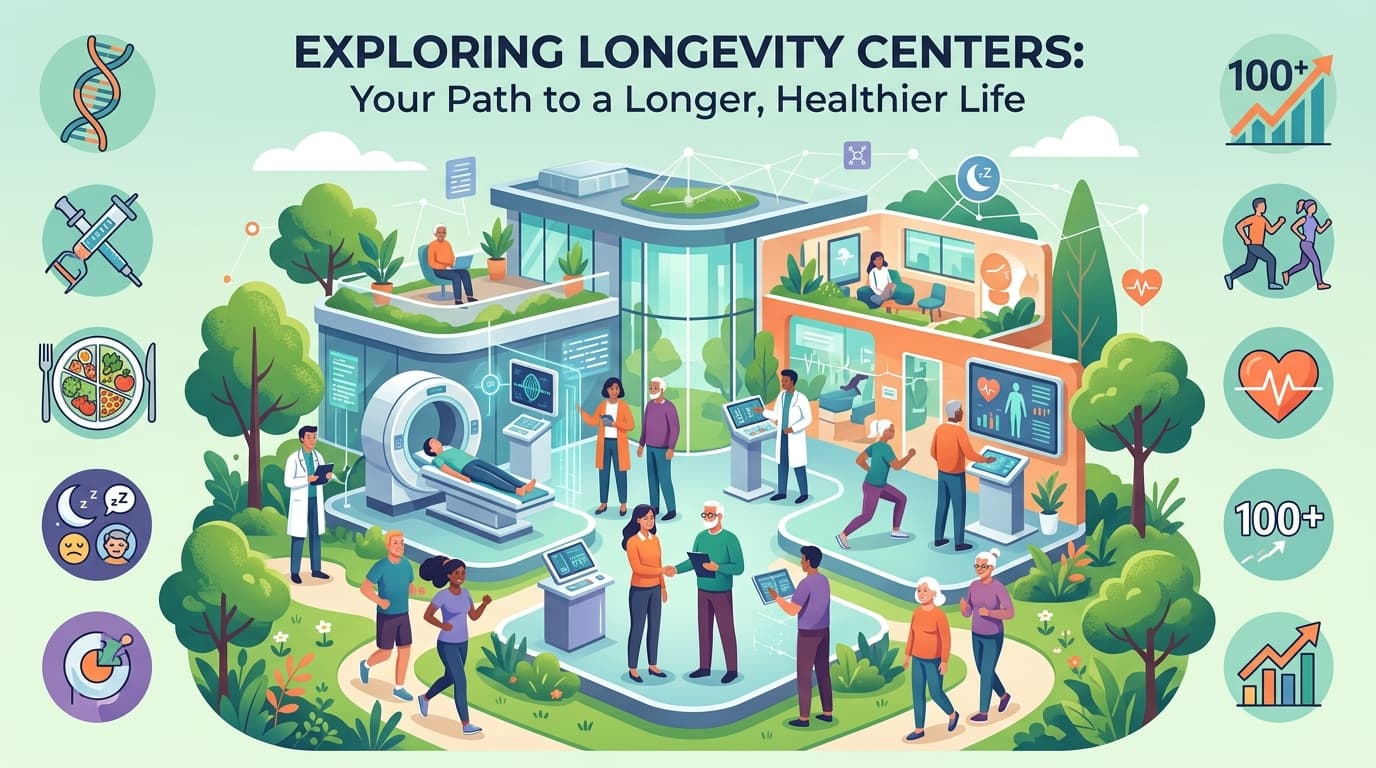
Longevity centers are specialized medical and wellness facilities that focus on aging-related health assessment, prevention, and personalized strategies designed to support long-term health. The best-known clinics combine physician oversight, lab testing, body composition assessment, lifestyle counseling, and cautious supplement guidance rather than promising quick fixes.
If you are researching top longevity clinics in the world, you are likely trying to understand what these centers actually do, how they differ from ordinary concierge medicine, and what makes some of them more credible than others. This guide explains the services longevity centers commonly offer, how to evaluate them, what to expect from testing and supplement recommendations, and how to think about safety, evidence, cost, and follow-up care.
What longevity centers are and what they are not
Longevity centers are generally built around preventive health assessment, risk reduction, and individualized planning. In practical terms, they may offer advanced lab work, nutritional counseling, cardiovascular risk review, metabolic screening, strength and body composition evaluation, sleep assessment, and sometimes supervised supplement use. The best centers frame their work as ongoing risk management rather than miracle anti-aging.
They are not a substitute for emergency care, diagnosis of active symptoms, or treatment of established disease. Some clinics place a heavy emphasis on lifestyle and lab monitoring, while others lean more toward boutique testing and supplement programs. For a U.S. reader, the key distinction is whether a clinic uses medically grounded, transparent protocols or simply sells expensive testing with vague promises.
How longevity medicine is different from general wellness care
General wellness care may focus on annual physicals, basic blood work, and broad counseling on diet, exercise, and medications. Longevity-focused care usually goes further by trying to identify earlier signs of risk, such as insulin resistance, elevated apolipoprotein B, poor sleep quality, loss of muscle mass, or markers suggesting inflammation or micronutrient issues. This does not mean every test is necessary for every person, but it does mean the approach is typically more detailed.
Many longevity centers also spend more time on education and follow-up. Instead of giving one-time advice, they may build a plan around repeat testing and staged interventions. That can be useful if the clinic is careful and evidence-informed, but it can also be wasteful if the testing is excessive or the recommendations are not tied to meaningful health goals.
What a credible center usually emphasizes
A credible longevity clinic usually prioritizes measurable, reasonable goals rather than dramatic claims. That often includes blood pressure control, metabolic markers, strength preservation, sleep quality, nutritional adequacy, medication review, and safe supplementation when indicated. It may also include referrals to standard medical specialists when findings are outside the clinic’s scope.
- Clear explanation of testing and why it is being ordered
- Transparent pricing and follow-up expectations
- Non-promotional guidance on supplements and nutrients
- Willingness to say “we do not need that test right now”
- Coordination with the patient’s primary care clinician when appropriate
| Feature | Credible longevity center | Questionable clinic |
|---|---|---|
| Testing approach | Targeted, explained, and connected to care goals | Broad panels with unclear purpose |
| Supplement guidance | Individualized, cautious, and interaction-aware | Aggressive sales pitch or one-size-fits-all stack |
| Evidence use | Balanced discussion of benefits, limits, and uncertainty | Overstated claims and disease-like promises |
| Follow-up | Review, monitoring, and adjustment over time | One-time sales with little continuity |
Why people search for longevity centers
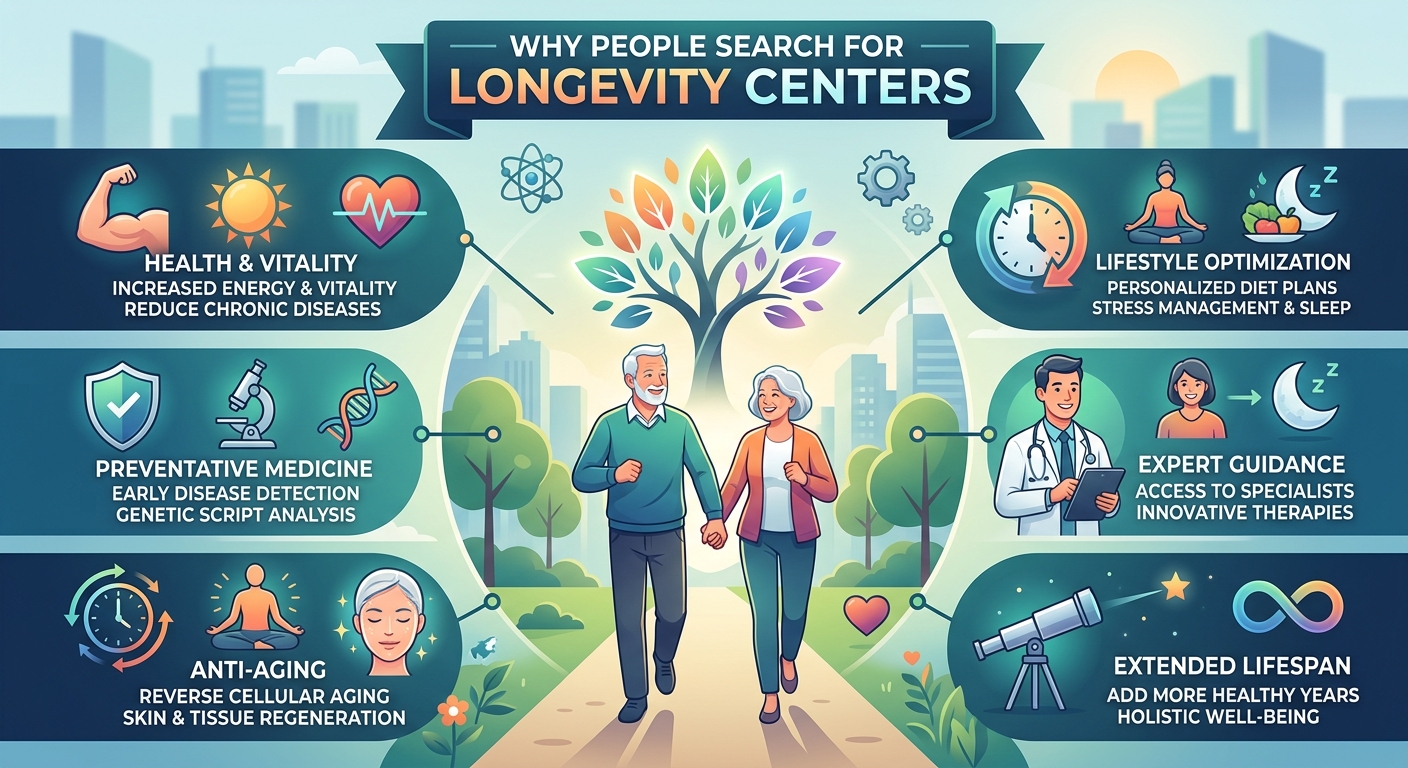
People often search for longevity centers because they want more than a standard annual physical. Some are concerned about family history, metabolic health, declining energy, body composition changes, sleep issues, or general uncertainty about which preventive steps actually matter. Others are curious about biomarkers, supplement testing, and whether a more detailed evaluation may reveal gaps that routine care has not addressed.
That interest is understandable, but the field can be confusing. “Longevity” is a broad label that may refer to medical care, nutrition counseling, supplement use, exercise guidance, stress management, or high-end concierge service. A good article on longevity centers should help readers separate useful preventive care from expensive branding.
Common reasons people explore these clinics
Some patients are trying to be proactive because they feel well and want to stay that way. Others have non-specific concerns such as low stamina, poor sleep, changes in weight, or a desire to optimize nutrition. A subset of readers are looking for guidance after lab work showed borderline or abnormal results and they want a careful, individualized interpretation.
- Interest in prevention and earlier risk detection
- Desire for personalized nutrition and supplement guidance
- Need for repeat monitoring instead of one-time advice
- Questions about medication and nutrient interactions
- A wish to coordinate lifestyle changes with medical oversight
What readers often misunderstand
One common misconception is that a longevity clinic can “reverse aging” in a literal or guaranteed sense. In reality, these clinics may help support health metrics, identify modifiable risks, and encourage better long-term habits, but they cannot eliminate aging or guarantee better outcomes. Another misconception is that more testing is always better; excessive screening can create false alarms, unnecessary anxiety, and expensive follow-up.
Readers also sometimes assume supplement stacks are harmless because they are sold in a medical setting. That is not a safe assumption. Vitamins, minerals, herbs, and other products can still interact with medications, cause side effects, or be inappropriate for people with kidney disease, liver disease, pregnancy, or specific lab abnormalities.
How to evaluate the top longevity clinics in the world
There is no single official ranking of the “top” longevity clinics in the world, and a simple list would not be meaningful without context. The better approach is to evaluate clinics by what they offer, how they communicate, whether they involve licensed clinicians, and how responsibly they handle supplements, testing, and follow-up. For U.S. readers, it is especially important to consider whether the clinic aligns with familiar standards of medical ethics, transparency, and evidence-based care.
Before choosing a clinic, ask what problems it is designed to address. A clinic that is strong in preventive cardiometabolic assessment may not be the best fit for someone seeking nutrition support, and a center famous for wellness branding may not be the most medically rigorous. The point is not to find the fanciest location; it is to find a team that can explain its clinical reasoning clearly.
Questions to ask before booking
These questions help separate a well-run center from a purely commercial one. You do not need every clinic to answer them perfectly, but the overall pattern should be reasonable and transparent. If the staff is evasive or overly sales-oriented, that is a warning sign.
- Who reviews the labs, and what are their credentials?
- How are supplement recommendations individualized?
- What happens if a test is abnormal?
- Do they coordinate with primary care or specialists when needed?
- Are costs explained before testing is done?
- How often are follow-up visits recommended, and why?
| Evaluation area | What good looks like | What to question |
|---|---|---|
| Medical oversight | Licensed clinician involvement and review | No clear medical responsibility |
| Testing | Targeted, understandable, and actionable | Broad panels with weak rationale |
| Supplement strategy | Based on needs, labs, and interactions | Prepackaged bundles for everyone |
| Communication | Clear, measured, and non-alarmist | Fear-based or exaggerated claims |
Red flags that matter
Some red flags are obvious, such as promises to “reverse aging” or claims that a clinic can prevent all chronic disease through one protocol. Others are subtler, including pressure to buy expensive supplement bundles before any meaningful review, routine use of high-cost testing without explanation, or dismissive attitudes toward medications prescribed by the patient’s regular physician. A credible clinic should respect standard care rather than present itself as superior to all other medicine.
Another red flag is a one-size-fits-all philosophy. The older, richer, leaner, more athletic, or more medically complex a person is, the more individualized care needs to be. Longevity care should adapt to health history, medications, lab values, diet pattern, lifestyle, and goals.
Common services offered by longevity centers
Most longevity centers offer some combination of assessment, coaching, testing, and follow-up. The specific menu varies widely, and some clinics emphasize physician-led medicine while others are built around dietitians, health coaches, or integrative practitioners. When the services are grounded in standard medical logic, they can help create a useful picture of nutritional status and long-term health risk.
For readers interested in vitamins, minerals, and supplements, the most relevant part of a longevity center is often the way it interprets nutrient gaps. A good center does not simply recommend more pills. It considers diet quality, medications, digestion, lab markers, and whether a supplement is even needed at all.
Examples of common evaluation categories
- Cardiometabolic markers such as glucose, lipids, and blood pressure
- Nutrient-related labs such as vitamin D, B12, iron studies, or magnesium-related assessment when appropriate
- Body composition and muscle mass evaluation
- Sleep and recovery review
- Medication and supplement interaction screening
- Dietary intake review and food pattern assessment
Why supplements often enter the conversation
Supplements are discussed in many longevity settings because nutrition gaps are common and because some people want a practical way to address them. However, supplements should usually follow a clear reason: a documented deficiency, a plausible insufficiency, a diet pattern that suggests a shortfall, or a targeted need identified by a clinician. They should not replace food, sleep, activity, medical follow-up, or prescription treatment when those are relevant.
In a thoughtful clinic, supplement recommendations are usually modest at first. That may mean correcting a single deficiency, simplifying a current stack, or checking whether a medication is affecting nutrient status. The goal is support, not overcomplication.
| Service | Why it may matter | Caution |
|---|---|---|
| Lab review | Can identify nutrient or metabolic issues | More testing is not always better |
| Diet review | May show likely nutrient gaps | Food history can be incomplete or inaccurate |
| Supplement planning | Can target actual needs | Interactions and side effects still matter |
| Follow-up | Helps monitor response and safety | Results should be interpreted in context |
Supplements and nutrients in longevity care
Vitamins, minerals, and other supplements are central to many longevity programs, but they are only one piece of the picture. The most responsible clinics use supplement guidance to correct or prevent deficiencies, support dietary adequacy, or address a specific, clinically reasonable concern. They avoid implying that supplements alone can offset smoking, poor sleep, inactivity, unmanaged medical conditions, or a poor overall diet.
For a U.S. audience, the main issue is not whether supplements are ever useful, but whether they are used appropriately. Some nutrients are commonly discussed in relation to aging, bone health, muscle function, energy metabolism, or nerve function, yet each has a different safety profile and interaction potential. That means the supplement conversation should always be specific rather than generic.
Nutrients commonly discussed in longevity settings
| Nutrient | Common reason it comes up | Key caution |
|---|---|---|
| Vitamin D | Bone and muscle support; low sun exposure | Too much can be harmful; lab-guided use is preferable |
| Vitamin B12 | Nerve and red blood cell support; vegetarian diets; medication-related risk | Absorption can be limited by stomach and medication issues |
| Iron | Low ferritin or iron deficiency concerns | Should not be taken casually without a reason |
| Magnesium | Dietary shortfall, muscle and nerve support | Some forms cause diarrhea; kidney disease requires caution |
| Omega-3s | Commonly discussed for cardiometabolic support | May interact with blood thinners at higher doses |
| Protein / amino acid support | Muscle maintenance and aging-related intake concerns | Needs fit the person’s diet and kidney status |
What responsible supplement guidance looks like
Responsible supplement guidance begins with the question “Do you actually need this?” If the answer is unclear, a good clinic may recommend more food-based changes, a repeat lab, or no supplement at all. When supplements are suggested, the clinician should explain the purpose, typical duration, possible side effects, and how the product fits with medications and medical history.
It is also reasonable for a clinic to recommend one change at a time. That makes it easier to determine what is helping and what is causing side effects. People who add multiple products at once often cannot tell which one is creating a problem or whether anything is working.
What to know about testing, labs, and biomarkers
One of the biggest draws of longevity centers is testing. Biomarkers can provide useful clues about nutrition, metabolic status, inflammation patterns, medication effects, and organ function, but test results are only meaningful when interpreted correctly. A good clinician does not overreact to a single number, especially if the result is borderline or the patient is otherwise healthy.
Testing can be helpful when there is a clear question, such as whether a nutrient deficiency is likely, whether supplement use is safe, or whether a symptom pattern warrants deeper evaluation. It becomes less useful when panels are ordered without purpose or when small fluctuations are presented as proof of major disease risk.
Examples of tests a clinic may discuss
- Complete blood count and basic metabolic panel
- Iron studies or ferritin when indicated
- Vitamin B12 and folate assessment when clinically appropriate
- 25-hydroxy vitamin D in certain risk groups
- Lipids and glucose-related markers for metabolic risk
- Kidney and liver function when supplement use may affect them
Why interpretation matters more than raw numbers
Lab values can be influenced by recent diet, hydration, supplements, medications, illness, pregnancy, training load, and testing variation. That means a single abnormal result is not always a diagnosis or a reason to start multiple supplements immediately. In some cases, repeat testing or a broader review is the safer next step.
People sometimes assume that more advanced biomarkers automatically lead to better care. That is not necessarily true. A clinic earns trust by explaining which numbers are actionable, which are uncertain, and which should be watched over time rather than “fixed” aggressively.
| Lab area | Why it may be reviewed | Common interpretation issue |
|---|---|---|
| Vitamin D | Possible insufficiency or excess | Over-supplementation can occur |
| B12 | Diet, absorption, medication effect | Normal serum values do not always tell the whole story |
| Ferritin | Iron stores | Inflammation can affect interpretation |
| Kidney/liver function | Supplement safety and dosing context | Important before high-dose or multi-supplement use |
How longevity centers handle nutrition, lifestyle, and prevention
Although supplements are often the most visible part of a longevity program, nutrition and lifestyle guidance should remain central. Good clinics typically consider eating patterns, protein adequacy, fiber intake, hydration, physical activity, sleep habits, alcohol intake, and stress load. These factors often influence energy, function, and long-term risk more than any single supplement.
For readers focused on safe supplementation, this matters because nutrition can determine whether a supplement is even needed. Someone eating a well-balanced diet with adequate protein and varied micronutrient intake may not need much beyond targeted support. In contrast, someone with a restricted diet, digestive issues, poor intake, or medication-related depletion may have a clearer reason for supplementation.
Food-first does not mean supplement-never
Some people hear “food first” and assume supplements are discouraged. That is not the point. Food-first simply means diet is usually the foundation, and supplements are used selectively when diet alone is not enough or when a specific need exists. That approach reduces unnecessary pill burden and makes it easier to monitor safety.
For example, a longevity center may suggest increasing dietary protein before recommending a powder, or it may discuss magnesium intake from food before deciding on a supplement. It may also recommend a multivitamin only if intake is limited or labs suggest a gap. The healthiest approach is usually the simplest effective one.
Prevention should be specific
Good preventive medicine does not rely on vague promises. It connects recommendations to measurable risk factors such as blood pressure, weight trends, lipid patterns, glucose control, muscle loss, nutrient insufficiency, and sleep disruption. That way, the plan is tailored rather than generic.
When prevention becomes too broad, people may end up with expensive routines that are hard to maintain. A better longevity center will help the patient focus on the most meaningful changes first and revisit the plan over time.
Supplement forms, timing, absorption, and combinations
Supplement form matters because it can affect tolerance, convenience, cost, and absorption. A longevity center may recommend a nutrient in a specific form based on digestive issues, medication use, or blood test patterns. The best choice is not always the most expensive or the most heavily marketed one.
Timing and combinations also matter. Some nutrients are better tolerated with food, some are absorbed better in certain forms, and some can compete with others if taken together. These details may sound minor, but they often affect whether the plan is practical and whether the person actually sticks with it.
Common supplement forms and why they differ
| Form | Potential advantage | Potential drawback |
|---|---|---|
| Tablet | Often inexpensive and stable | May be hard to swallow or slower to dissolve |
| Capsule | Often easier to take | Can vary in size and content |
| Powder | Useful for larger doses or flexibility | Taste and measuring accuracy can be issues |
| Liquid | May help people with swallowing difficulty | Stability and dosing precision can vary |
| Softgel | Helpful for certain fat-soluble nutrients | Not always suitable for all dietary preferences |
Timing basics without overcomplication
Some supplements are commonly taken with food to improve tolerance, especially if they can irritate the stomach. Others may be separated from certain minerals, medications, or foods depending on absorption concerns. Longevity centers that focus on practical care usually give simple timing instructions rather than elaborate schedules that are hard to follow.
It is also useful to avoid stacking multiple new supplements at once. Starting one product at a time makes it easier to identify side effects such as nausea, constipation, diarrhea, headache, rash, or sleep disruption. If the clinic gives a complex regimen with many moving parts, ask for clarification on what is essential versus optional.
Absorption factors that can change outcomes
- Food intake and stomach acidity
- Concurrent minerals or medications
- Digestive conditions affecting nutrient uptake
- Dose size and how it is split during the day
- Product quality and ingredient form
| Interaction type | Why it matters | Examples of caution |
|---|---|---|
| Supplement-medication | Can change drug effect or absorption | Iron, calcium, magnesium, vitamin K, fish oil, herbal products |
| Mineral-mineral | Some compete for absorption | Iron with calcium; zinc with other minerals in some settings |
| Food-supplement | Food can help or hinder uptake | Fat-soluble nutrients often pair with meals |
Safety, side effects, contraindications, and who should be cautious
Safety is one of the most important parts of any longevity discussion because “wellness” products can still cause harm when used incorrectly. The risks range from mild stomach upset to clinically relevant interactions or excessive intake. A clinic that truly values longevity should be especially careful about avoiding preventable problems.
People with chronic conditions, pregnancy or breastfeeding status, kidney or liver disease, a history of nutrient overload, and prescription medication use deserve extra caution. This is also true for anyone considering higher-dose regimens, multiple products at once, or long-term use without monitoring.
Common side effects to discuss before starting a supplement
Side effects vary by nutrient and dose, but a responsible clinic should mention plausible issues before recommending a product. For example, iron can cause constipation or stomach upset, magnesium can cause loose stools depending on the form, and some B vitamins can be unnecessary or poorly tolerated when taken in large amounts. Fat-soluble vitamins require particular caution because they can accumulate more easily than water-soluble vitamins.
- Nausea or stomach irritation
- Constipation or diarrhea
- Headache or sleep disturbance
- Rash or allergic reaction
- Interaction-related changes in medication effect
Groups who need extra caution
People taking blood thinners, thyroid medication, diabetes medication, blood pressure medication, seizure medication, or certain antibiotics should not assume a supplement is harmless. The same applies to individuals with kidney disease, liver disease, hemochromatosis, parathyroid disorders, or malabsorption syndromes. Even common nutrients can be inappropriate in the wrong setting.
Pregnant and breastfeeding individuals should be especially careful with any supplement that is not clearly indicated and discussed with a clinician familiar with maternal health. “Natural” does not equal “appropriate during pregnancy,” and dosage matters greatly. If a longevity center does not ask about pregnancy or medication use, that is a major concern.
When to stop and seek medical advice
If a supplement causes persistent vomiting, rash, shortness of breath, significant abdominal pain, unusual bleeding, palpitations, or a clear change in how a medication seems to work, it should not simply be “pushed through.” Stop the product and contact a licensed healthcare professional for guidance. New or worsening symptoms should always be taken seriously, especially if they are severe or unusual.
It is also wise to seek help if a supplement recommendation comes with uncertainty about what the product actually contains, whether it overlaps with existing medications, or whether it was suggested without a clear clinical reason. Responsible longevity care should make safety easier, not harder.
How to think about dosage framing without self-prescribing
Readers often want exact doses, but exact dosing should be individualized by a licensed professional based on labs, health history, age, medications, and the specific nutrient involved. In longevity centers, dosage framing is most responsibly presented as a range or as a decision based on deficiency severity, intake pattern, and response to follow-up. That approach helps avoid underdosing, overdosing, or unnecessary long-term use.
For educational purposes, the most useful question is not “What dose should I take?” but “What factors determine whether a supplement is appropriate, and how will we know if it is helping?” That framing supports safer decision-making and aligns better with the way evidence-based care works in practice.
General principles for safe dose selection
First, a supplement should match a real need. Second, the chosen amount should be the lowest effective amount for the intended purpose. Third, the plan should include a monitoring strategy, especially when the nutrient can build up in the body or affect medication response. Fourth, the product should be reassessed periodically rather than used indefinitely by habit.
This is particularly important with iron, vitamin D, vitamin A, vitamin E, iodine, selenium, zinc, and other nutrients where excess can create problems. Longevity centers should be able to explain why they selected a certain amount and when they would reconsider it. If they cannot, their advice is too vague.
| Dose-related question | Why it matters | Better approach |
|---|---|---|
| Do I need this at all? | Avoids unnecessary supplements | Use diet, labs, and medical history to decide |
| How much is appropriate? | Prevents over- or underuse | Individualize with professional guidance |
| How long should I take it? | Supports reassessment | Set follow-up and review timing |
| What if I’m on medications? | Interaction risk | Review by a licensed clinician/pharmacist |
Common mistakes people make with longevity centers and supplements
Many of the most common mistakes are understandable. People want to feel proactive, and the idea of optimizing aging can be appealing. The problem is that enthusiasm can lead to overtesting, over-supplementing, or relying on clinic branding rather than careful clinical reasoning.
A good longevity center helps prevent these mistakes by simplifying decisions and keeping the focus on what is actually actionable. If the process feels overwhelming or driven by fear, it may be time to pause and reassess the plan with a licensed healthcare professional.
Mistakes that commonly create problems
- Starting multiple supplements at once
- Assuming “natural” means low-risk
- Ignoring medication interactions
- Treating borderline labs as emergencies
- Following a protocol without follow-up testing
- Buying expensive products before understanding the goal
Why more information can still lead to worse decisions
It may seem that more biomarkers, more data, and more products should equal better prevention. In practice, too much information without proper interpretation can create confusion and unnecessary spending. The best clinics help narrow the field so the patient can focus on the most important variables first.
Another common mistake is using online comparisons of longevity clinics as if they were objective medical rankings. Reputation, aesthetics, and price do not reliably predict clinical quality. Ask whether the clinic’s process is coherent, conservative where needed, and willing to defer to standard medical care when appropriate.
How to compare clinic types: medical, concierge, and wellness-focused centers
Not all longevity centers are structured the same way. Some are physician-led medical practices with a preventive focus, some are concierge medicine clinics that add more time and access, and some are wellness brands with limited medical oversight. Understanding the difference helps you evaluate what you are actually paying for.
For U.S. readers, the safest assumption is that a more medically grounded clinic will be clearer about licensure, scope, lab rationale, and follow-up. Wellness-oriented centers can still be helpful for coaching or habit support, but they should not overstep into medical decision-making without proper oversight.
| Clinic type | Typical strength | Typical limitation |
|---|---|---|
| Medical longevity clinic | Clinical oversight and lab interpretation | May be costly and not widely accessible |
| Concierge medicine with longevity focus | Longer visits and continuity of care | May vary in how advanced the longevity component is |
| Wellness-focused center | Lifestyle coaching and convenience | May lack robust medical oversight |
| Hybrid center | Can combine coaching with clinician review | Quality depends heavily on staffing and protocols |
Which type may fit different needs
Someone with a complex medication list, abnormal labs, or a chronic condition should usually prioritize medical oversight. Someone who already has a primary care clinician but wants more time, education, and proactive monitoring may prefer concierge-style care. Someone mainly looking for habit support may find a wellness-focused program useful, provided it does not drift into unsupported medical advice.
The right choice depends on the person’s health status and goals, not on clinic prestige alone. A lower-profile clinic with good judgment can be more valuable than a famous center with vague protocols.
What the best longevity centers around the world tend to have in common
While there is no universally accepted global ranking, the strongest longevity centers usually share several traits. They are clinically cautious, clear in communication, willing to say when a test or supplement is unnecessary, and focused on long-term follow-up. They also tend to work within the boundaries of conventional medicine while adding a preventive and individualized layer.
For readers comparing options internationally, these shared features matter more than a luxury setting or celebrity affiliation. The clinic’s ability to explain its reasoning, manage risk, and coordinate care is more important than glossy marketing or an impressive lobby.
Shared traits of stronger clinics
- Licensed medical staff who can interpret labs and medications
- Evidence-aware nutrition and supplement recommendations
- A willingness to avoid unnecessary interventions
- Monitoring plans for repeat visits and lab follow-up
- Respect for standard preventive and primary care
What does not make a clinic better by itself
A clinic is not automatically better because it uses expensive imaging, very broad biomarker panels, elaborate infusions, or a large number of supplements. Those services may be appropriate in some cases, but they are not proof of superior care. What matters is whether the intervention is justified, safe, and likely to change management in a useful way.
Likewise, a luxurious setting does not guarantee stronger clinical judgment. A cautious, well-organized, transparent clinic in a less glamorous location may offer more useful care than a highly marketed destination center.
Frequently asked questions
What is a longevity center?
A longevity center is a clinic that focuses on preventive care, health optimization, and long-term monitoring. It may offer lab testing, nutrition guidance, supplement recommendations, and lifestyle counseling. The best centers emphasize individualized care and careful safety review rather than promising dramatic anti-aging results.
Are longevity centers the same as wellness spas?
No. Some wellness spas offer coaching or relaxation services but do not provide meaningful medical oversight. A credible longevity center should involve licensed clinicians, clear lab interpretation, and responsible supplement guidance when needed. Always ask who is reviewing your results and what their credentials are.
Do longevity centers prescribe supplements?
Many do, but responsible clinics recommend supplements only when there is a clear reason, such as a deficiency, dietary gap, or specific risk factor. They should also explain side effects, interactions, and follow-up plans. Supplements should not be used casually, especially if you take prescription medications.
How do I know if a longevity clinic is credible?
Look for transparency about medical staff, lab rationale, pricing, and follow-up. Credible clinics do not pressure you into expensive bundles or claim they can reverse aging. They should also be willing to coordinate with your primary care clinician when appropriate.
Can supplements replace medical care at a longevity center?
No. Supplements may support nutrition or address specific gaps, but they do not replace diagnosis, medication management, or medical evaluation. If you have symptoms, abnormal labs, or a chronic condition, you should speak with a licensed healthcare professional before starting or changing supplements.
Are expensive tests always better in longevity medicine?
Not necessarily. The most useful test is the one that answers a real clinical question and leads to a practical decision. Overly broad testing can create confusion, false alarms, and unnecessary costs without improving care.
Should I bring my current supplements to a longevity appointment?
Yes, that is usually helpful. A clinician can review ingredients, dose, duplication, and potential interactions with medications or other nutrients. This can prevent unnecessary overlap and make the plan safer and simpler.
Who should be especially cautious with longevity supplements?
People who are pregnant or breastfeeding, have kidney or liver disease, take prescription medications, or have abnormal lab results should be especially careful. Anyone with a chronic condition or new symptoms should consult a licensed healthcare professional before starting or changing supplements.
Conclusion
Top longevity clinics in the world are best understood as centers that combine preventive medicine, thoughtful testing, and individualized risk management. The most credible longevity centers are not the ones that make the boldest promises, but the ones that explain their reasoning clearly, avoid unnecessary interventions, and handle supplements with care. For U.S. readers, that means looking for clinical transparency, interaction awareness, and a respectful relationship with standard medical care.
If you are considering a longevity center, focus on whether it offers practical value: clear lab interpretation, sensible nutrition support, cautious supplement guidance, and follow-up that helps you make informed decisions over time. The goal should be to support health responsibly, not to chase unrealistic anti-aging claims. If you have symptoms, a chronic condition, abnormal labs, or questions about supplements and medications, consult a licensed healthcare professional for personal guidance.