
vitamine -
Manganese: The Mineral for Connective Tissue
The primary manganese benefits stem from its role as an essential trace mineral that acts as a cofactor for numerous enzymes, supporting antioxidant defense, nutrient metabolism, bone health, and the formation of connective tissue. While crucial for health, it is a mineral where

The primary manganese benefits stem from its role as an essential trace mineral that acts as a cofactor for numerous enzymes, supporting antioxidant defense, nutrient metabolism, bone health, and the formation of connective tissue. While crucial for health, it is a mineral where balance is key, as both deficiency and excess can pose health risks.
Manganese is a powerhouse mineral that often flies under the radar compared to nutrients like iron or calcium. However, its function is indispensable for human health. It participates in complex biological processes, from protecting your cells against damage to building strong bones and functional joints. Understanding how manganese works, where to find it, and how to approach supplementation safely is vital for anyone looking to support their overall well-being. This article provides a detailed look at the science behind manganese, its benefits, dietary sources, and critical safety considerations for supplementation.
What Is Manganese and Why Is It Important?
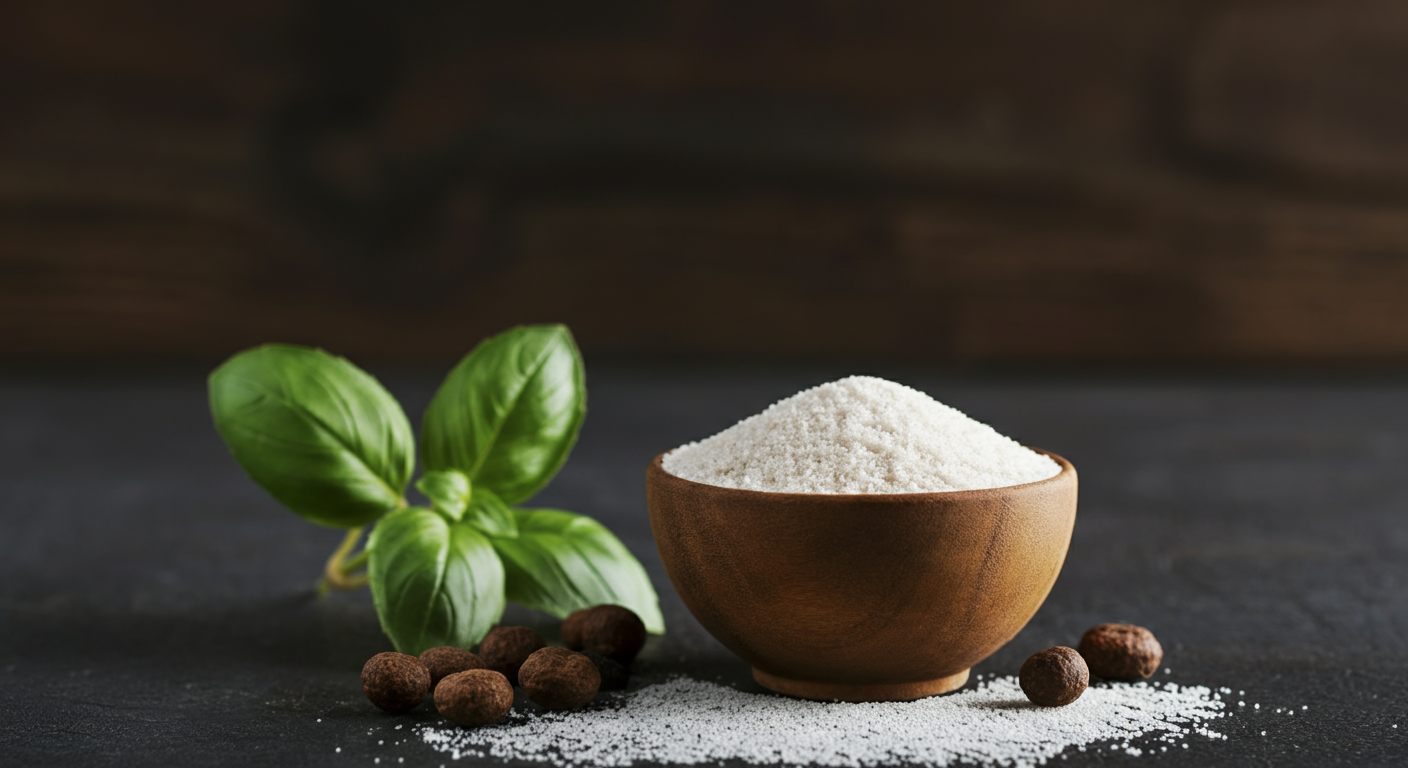
Manganese (Mn) is an essential trace mineral, meaning the body needs it in small amounts to function correctly. Its primary importance lies in its role as a component or activator (a "cofactor") for a wide variety of enzymes. These manganese-dependent enzymes are involved in some of the body's most fundamental processes, making this mineral a critical, albeit small, piece of the puzzle of human health.
Enzymes are proteins that speed up chemical reactions. Without their specific cofactors, many enzymes cannot function efficiently, if at all. Manganese helps activate enzymes responsible for metabolizing carbohydrates, amino acids, and cholesterol. It is also a key structural component of manganese superoxide dismutase (MnSOD), a powerful antioxidant enzyme that protects the mitochondria—the energy factories inside our cells—from oxidative damage. Furthermore, it is essential for the enzymes involved in forming bone and connective tissues like cartilage and collagen.
The human body contains approximately 15–20 milligrams of manganese, concentrated primarily in the bones, liver, kidneys, and pancreas. The body has a sophisticated system to regulate manganese levels, absorbing more from the diet when stores are low and increasing excretion when intake is high. However, this regulatory system can be overwhelmed, particularly by high-dose supplements or environmental exposure, making a balanced approach crucial.
Potential Manganese Benefits for Health

Manganese's benefits are directly linked to the functions of the enzymes it supports. While it is not a treatment for disease, ensuring adequate intake is fundamental for maintaining several key physiological systems. Research into its specific effects is ongoing, but its foundational roles are well-established.
Support for Bone Health and Development
Manganese is a critical player in the complex process of building and maintaining a healthy skeleton. Its role is often considered alongside more well-known bone nutrients like calcium, vitamin D, and magnesium. Manganese contributes to bone health by helping to form the bone matrix, the protein-based scaffolding that minerals like calcium and phosphorus then harden.
It acts as a cofactor for enzymes called glycosyltransferases, which are necessary for the production of proteoglycans. These molecules are essential components of healthy cartilage and bone. Some studies have observed that manganese, in combination with other minerals like calcium, zinc, and copper, may help support bone mineral density, particularly in specific populations. While manganese alone is not a solution for bone density concerns, its presence is a necessary part of the nutritional toolkit for skeletal integrity.
Antioxidant Function and Cellular Protection
One of the most researched roles of manganese is in antioxidant defense. It is an integral part of the enzyme manganese superoxide dismutase (MnSOD). This enzyme is located primarily within the mitochondria, which are the main sites of energy production in cells. As a byproduct of producing energy, mitochondria also generate reactive oxygen species (ROS), or free radicals.
If left unchecked, ROS can cause significant oxidative stress, damaging cellular components like DNA, proteins, and cell membranes. MnSOD is the primary antioxidant enzyme that neutralizes these specific free radicals within the mitochondria, protecting them from damage and ensuring they can continue to produce energy efficiently. By supporting the function of MnSOD, adequate manganese levels contribute to the body's overall antioxidant capacity and help protect cells from a foundational type of damage linked to aging and various health issues.
Connective Tissue Formation and Wound Healing
Manganese is fundamental for the synthesis of collagen, the most abundant protein in the body and the main structural component of connective tissues, including skin, cartilage, ligaments, and tendons. Its role in this process is tied to the activation of an enzyme called prolidase.
Prolidase is needed to provide the amino acid proline, a key building block for collagen formation during wound healing and tissue repair. Additionally, manganese-dependent enzymes are involved in the synthesis of other components necessary for healthy skin and connective tissue. Because of this, manganese is essential for proper wound healing. A deficiency can theoretically impair the body's ability to repair skin and other tissues, though this is rarely seen in humans outside of experimental settings.
Metabolism of Nutrients
The body must break down and process the macronutrients we eat—carbohydrates, proteins, and fats—to create energy and build tissues. Manganese is a cofactor for several key enzymes in these metabolic pathways.
- Carbohydrate Metabolism: It is involved in gluconeogenesis, the process of creating glucose from non-carbohydrate sources, which is vital for maintaining blood sugar stability.
- Amino Acid Metabolism: Manganese-dependent enzymes are necessary for breaking down and utilizing amino acids, the building blocks of protein.
- Cholesterol Metabolism: The mineral plays a part in the pathways that synthesize cholesterol, a substance needed for producing hormones and vitamin D.
By facilitating these processes, manganese helps ensure that the body can efficiently convert food into usable energy and essential biological components.
Brain and Nervous System Function
Manganese plays a complex and dual role in the brain. It is essential for normal brain function, including its role in protecting against oxidative stress via MnSOD and its involvement in the synthesis and metabolism of neurotransmitters like dopamine. Manganese is transported into the brain and is necessary for the healthy function of neurons.
However, the brain is also highly susceptible to manganese toxicity. While dietary manganese is generally safe, excessive accumulation in the brain—typically from environmental inhalation (like welding fumes) or severe liver disease—can be neurotoxic. This can lead to a condition called "manganism," with symptoms that resemble Parkinson's disease. This paradox highlights the critical importance of maintaining manganese levels within a narrow, healthy range.
Signs and Symptoms of Manganese Deficiency
Manganese deficiency is extremely rare in humans. This is because the mineral is widely available in a variety of common plant-based foods, and the body is very efficient at retaining it. There have been no cases of a life-threatening deficiency reported from a normal diet. Most of what is known about manganese deficiency comes from animal studies or a few experimental human studies where it was deliberately eliminated from the diet.
Because it is so uncommon, there isn't a single, clear set of symptoms for manganese deficiency. The non-specific signs that have been observed in experimental conditions could easily be caused by many other health issues. Therefore, self-diagnosing a manganese deficiency based on symptoms is not reliable or recommended. If you experience these symptoms, it is essential to consult a healthcare professional for a proper diagnosis.
Potential, though unconfirmed and non-specific, signs that might be associated with very low manganese status include:
- Impaired growth or skeletal abnormalities
- Skin rashes or reduced skin integrity
- Changes in hair or beard growth and color
- Altered mood or cognitive function
- Abnormal glucose metabolism
- Lowered blood cholesterol levels
Who Is at Risk for Manganese Imbalance?
For manganese, the clinical focus is often more on the risk of excess than deficiency. An imbalance—either too little or too much—can disrupt normal physiology. Certain populations and conditions may increase the risk for such an imbalance.
Groups at Potential Risk for Low Intake
While true deficiency is rare, some situations could theoretically lead to suboptimal manganese status. These include:
- Long-Term Parenteral Nutrition (IV feeding): Individuals who receive all their nutrients intravenously for extended periods may become deficient if manganese is not included in their nutritional formula. This is a known risk that is monitored in clinical settings.
- Extremely Restricted Diets: Diets that completely exclude whole grains, legumes, nuts, and seeds are lower in manganese. However, even then, a clinical deficiency is unlikely.
- High Intake of Competing Minerals: Very high supplemental doses of iron, calcium, or magnesium can interfere with manganese absorption. This is more of a concern in the context of supplementation than with whole foods.
Groups at Risk for Manganese Toxicity (Overexposure)
The risk of manganese toxicity, or having too much manganese, is a more significant public health and clinical concern than deficiency. The body's ability to regulate manganese can be overwhelmed by high levels of exposure, leading to its accumulation in tissues, particularly the brain.
Groups at high risk for manganese toxicity include:
- Industrial Workers: Welders, miners, and steelworkers are at the highest risk due to occupational inhalation of manganese-containing dust and fumes. The lungs absorb manganese very efficiently, bypassing the liver's primary excretion route. This can lead to the neurological condition manganism.
- Individuals with Chronic Liver Disease: The liver is the main organ responsible for excreting excess manganese from the body via bile. People with cirrhosis or other forms of severe liver dysfunction cannot effectively get rid of manganese, causing it to build up to toxic levels in the blood and brain.
- Populations Drinking Contaminated Water: In some regions, ground or well water can be naturally high in manganese. Chronic consumption of this water, especially by infants and children whose brains are still developing, is a potential source of overexposure.
- Users of High-Dose Supplements: Taking high-dose manganese supplements over a long period, especially without a medical reason or professional guidance, can lead to a gradual accumulation and increase the risk of toxicity.
Dietary Sources of Manganese
The best and safest way to get manganese is through a balanced diet. It is abundant in plant-based foods, making it easy for most people, including vegetarians and vegans, to meet their needs. Animal products are generally poor sources of this mineral.
Foods that are particularly rich in manganese include:
- Whole Grains: Brown rice, oatmeal, whole-wheat bread, and quinoa. Refined grains lose much of their manganese content during processing.
- Nuts and Seeds: Pecans, almonds, hazelnuts, pine nuts, and pumpkin seeds are excellent sources.
- Legumes: Chickpeas, lentils, soybeans, and lima beans provide a good amount.
- Leafy Green Vegetables: Spinach, kale, and collard greens.
- Spices: Cloves, cinnamon, and black pepper are surprisingly concentrated sources, although consumed in small quantities.
- Tea: Black and green teas can be a significant source of dietary manganese.
- Certain Fruits: Pineapple and blueberries are good fruit sources.
| Food Source | Serving Size | Approx. Manganese (mg) | % of Adult AI (Male) |
|---|---|---|---|
| Pineapple, raw, chunks | 1 cup | 1.5 mg | 65% |
| Pecans | 1 ounce (approx. 19 halves) | 1.3 mg | 56% |
| Oats, rolled, cooked | 1 cup | 1.4 mg | 61% |
| Brown rice, cooked | 1 cup | 1.1 mg | 48% |
| Spinach, cooked | 1 cup | 0.8 mg | 35% |
| Chickpeas, canned | 1 cup | 0.9 mg | 39% |
| Almonds | 1 ounce | 0.6 mg | 26% |
AI = Adequate Intake. The AI for adult males (19+) is 2.3 mg/day, and for adult females (19+) is 1.8 mg/day. Values are approximate.
Manganese in Supplements: Forms and Considerations
Manganese supplements are available as standalone products or, more commonly, as part of multivitamin/mineral formulas and joint support blends. Given that deficiency is rare and toxicity is a real concern, approaching manganese supplementation requires caution and should ideally be done under the guidance of a healthcare professional.
Common Forms of Manganese in Supplements
Manganese in supplements comes in various chemical forms, which can affect its stability and how well it is absorbed by the body. The most common forms include:
- Manganese Sulfate and Manganese Gluconate: These are inorganic salt forms of manganese. They are common, inexpensive, and generally well-absorbed.
- Manganese Picolinate: This is a chelated form, meaning the manganese is bound to picolinic acid. Chelation is thought to enhance absorption for some minerals.
- Manganese Citrate: Another chelated form where manganese is bound to citric acid, which may improve bioavailability.
- Manganese Amino Acid Chelates (e.g., Bisglycinate): In these forms, manganese is bound to one or more amino acids, such as glycine. This chelation mimics how minerals are often found in food and is often considered a highly bioavailable and gentle form.
While manufacturers often claim superior absorption for chelated forms, the practical difference for manganese may not be significant for most people, as even inorganic forms are absorbed reasonably well. The choice of form is often less important than the dosage, which is the primary safety consideration.
Dosage and Recommended Intake Levels
Understanding the established dietary reference intakes for manganese is crucial for evaluating supplement dosages and ensuring safety. These values are set by the Food and Nutrition Board of the National Academies of Sciences, Engineering, and Medicine.
Adequate Intake (AI)
Because there is not enough scientific evidence to establish a Recommended Dietary Allowance (RDA), manganese has an Adequate Intake (AI) level. The AI is the level assumed to ensure nutritional adequacy, based on observed intake in healthy populations.
| Age Group | Males | Females | Pregnancy | Lactation |
|---|---|---|---|---|
| Infants 7–12 months | 0.6 mg/day | - | - | |
| Children 1–3 years | 1.2 mg/day | - | - | |
| Children 4–8 years | 1.5 mg/day | - | - | |
| Children 9–13 years | 1.9 mg/day | 1.6 mg/day | - | - |
| Teens 14–18 years | 2.2 mg/day | 1.6 mg/day | 2.0 mg/day | 2.6 mg/day |
| Adults 19+ years | 2.3 mg/day | 1.8 mg/day | 2.0 mg/day | 2.6 mg/day |
Tolerable Upper Intake Level (UL)
The Tolerable Upper Intake Level (UL) is the maximum daily intake unlikely to cause adverse health effects. The UL for manganese is particularly important because of the risk of neurotoxicity. This UL applies to total manganese intake from supplements, fortified foods, and water, but it is not intended to apply to the manganese naturally present in food.
The UL for adults aged 19 and older is 11 mg per day. The UL is lower for children and adolescents:
- 1–3 years: 2 mg/day
- 4–8 years: 3 mg/day
- 9–13 years: 6 mg/day
- 14–18 years: 9 mg/day
How to Take Manganese Supplements Safely
If you and your healthcare provider decide that a manganese supplement is appropriate for you, following safety guidelines is essential to minimize risks. The goal is to support your body's needs without approaching toxic levels.
Timing, Absorption, and Interactions
The absorption of manganese from the digestive tract is relatively low (around 1-5%) and can be influenced by other dietary factors.
- Take with Food: Taking manganese supplements with a meal can help reduce the risk of gastrointestinal upset, a common side effect of many mineral supplements.
- Competition with Other Minerals: Manganese shares absorption pathways with other minerals. Very high intakes of supplemental iron, calcium, and magnesium can decrease manganese absorption. Conversely, high manganese intake can interfere with iron absorption. For this reason, it is generally advised not to take high-dose single-mineral supplements at the same time. If you take an iron supplement, for example, consider taking it at a different time of day than your manganese-containing multivitamin.
- Medication Interactions: Manganese supplements may interact with certain medications. For instance, they can decrease the absorption of tetracycline and quinolone antibiotics. It is recommended to take these antibiotics at least 2 hours before or 4-6 hours after taking a manganese supplement. Antacids and laxatives containing magnesium may also decrease manganese absorption. Always consult your doctor or pharmacist about potential interactions with your medications.
Potential Side Effects and Toxicity Symptoms
While dietary manganese from food is safe, supplemental manganese carries a risk of side effects and toxicity if taken in excess. Mild side effects can include stomach upset or nausea.
The most severe risk is chronic toxicity from long-term overexposure, which results in a neurological condition called manganism. This condition primarily affects the central nervous system and can cause symptoms that are disturbingly similar to Parkinson's disease. The damage can be irreversible.
Symptoms of manganese toxicity can include:
- Tremors and muscle spasms
- Stiffness and difficulty walking (gait problems)
- Irritability, anxiety, and mood swings
- Cognitive impairment and memory issues
- Facial muscle spasms ("mask-like" expression)
This risk is why adhering to the UL is paramount. The risk is highest for individuals with pre-existing liver conditions or those with occupational exposure, but it can also occur from long-term, high-dose supplementation alone.
Special Considerations for Specific Populations
The need for and risks of manganese supplementation can vary depending on life stage and health status. Certain groups need to exercise particular caution.
Pregnancy and Breastfeeding
The need for manganese increases slightly during pregnancy and lactation to support the developing fetus and infant. The AI increases from 1.8 mg/day to 2.0 mg/day during pregnancy and 2.6 mg/day during lactation. Most pregnant individuals can meet these needs through diet. While manganese is included in most prenatal vitamins, high-dose standalone supplements are generally not recommended during pregnancy or breastfeeding unless prescribed by a physician to correct a diagnosed issue. The developing brain is sensitive to manganese levels, so avoiding excess is just as important as ensuring adequacy.
Infants and Children
Infants and children have lower Tolerable Upper Intake Levels (ULs) for manganese than adults, making them more susceptible to toxicity. Manganese supplements should not be given to children unless specifically recommended and supervised by a pediatrician. Infant formula is fortified with manganese to ensure adequacy, but parents should be cautious about other sources, such as well water with high manganese content.
Individuals with Liver Disease
This group is at the highest risk for manganese toxicity. A healthy liver removes excess manganese from the body. When the liver is compromised, as in cirrhosis or chronic hepatitis, this excretion process is impaired. As a result, manganese can accumulate to dangerous levels in the body and brain, even from a normal dietary intake. Individuals with any form of liver disease should not take manganese supplements unless explicitly instructed to do so by their hepatologist or specialist physician.
Frequently Asked Questions About Manganese
Can you get too much manganese from food?
It is virtually impossible for a healthy person to get a toxic amount of manganese from food alone. The body's absorption and excretion mechanisms are very effective at regulating manganese from dietary sources. The risk of toxicity is associated with supplements, contaminated water, or industrial inhalation.
Does manganese help with arthritis?
Manganese is essential for cartilage formation, which is why it is often included in joint health supplements, usually with glucosamine and chondroitin. Some research suggests this combination may be beneficial for symptoms of osteoarthritis, but the evidence is mixed and it's unclear what role manganese plays. Manganese is not a standalone treatment for arthritis, and supplements should not be used in place of medical care.
What is the best form of manganese to take?
Chelated forms like manganese bisglycinate, picolinate, or citrate are often marketed as being more bioavailable and gentler on the stomach. However, common salt forms like manganese gluconate and sulfate are also effective and well-absorbed. For manganese, the dosage is a more critical safety factor than the specific form.
Should I take a manganese supplement?
Most people do not need a standalone manganese supplement. A balanced diet rich in whole grains, nuts, and seeds typically provides more than enough. Supplementation should only be considered under the guidance of a healthcare professional, especially since the risk of toxicity from overuse is greater than the risk of deficiency.
Can I get tested for manganese deficiency?
Blood tests for manganese levels are available but are not always a reliable indicator of the body's total stores, as blood levels are tightly regulated. These tests are typically used in clinical settings to investigate suspected toxicity or in specific medical situations like monitoring patients on long-term IV nutrition, not for routine screening for deficiency in the general population.
Is manganese the same as magnesium?
No, manganese (Mn) and magnesium (Mg) are two completely different essential minerals with distinct roles in the body. Their names sound similar, which can cause confusion, but they are not interchangeable. Both are important, but they have different functions, recommended intakes, and safety profiles.
How much manganese is in a typical multivitamin?
A standard daily multivitamin for adults often contains between 2 mg and 5 mg of manganese. This amount is generally considered safe and falls well below the Tolerable Upper Intake Level (UL) of 11 mg per day for adults. However, it's important to check the labels of all your supplements to ensure your total intake is not excessive.
Conclusion: A Balanced Approach to Manganese
Manganese is a vital trace mineral that performs indispensable functions related to metabolism, bone health, antioxidant defense, and the creation of connective tissue. Its role as a crucial enzyme cofactor makes it a foundational nutrient for everyday health. Fortunately, it is widely available in a healthy diet, particularly in whole grains, nuts, legumes, and seeds, making deficiency exceedingly rare for most people.
The story of manganese is one of balance. While ensuring adequacy is important, the greater concern in modern society is the risk of toxicity from over-supplementation or environmental exposure. The potential for irreversible neurological damage from excess manganese underscores the need for a cautious and informed approach. For the vast majority of people, the safest and most effective strategy is to obtain manganese from a varied, whole-foods-based diet.
Before starting any new supplement, especially a single mineral like manganese, consulting with a licensed healthcare professional is the most responsible step. They can help you assess your individual needs, evaluate your diet, and review your medications and health status to provide personalized guidance that prioritizes your long-term safety and well-being.