
vitamine -
Epigenetics: How to Change Your Gene Expression
Epigenetic diet is a term people often use to describe eating patterns that may support healthy gene expression without changing DNA itself. In practical terms, this means choosing foods and nutrients that may influence how genes are turned on or off, especially through pathways
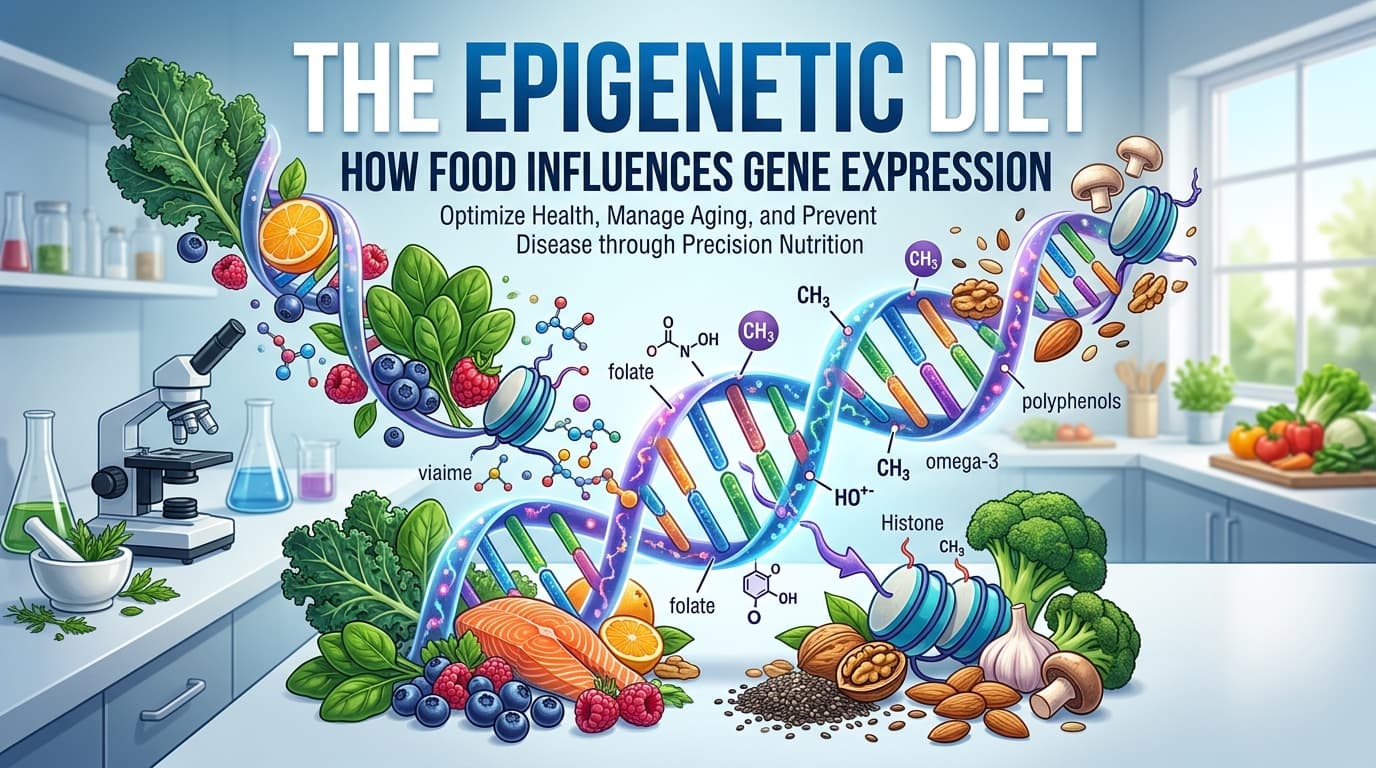
Epigenetic diet is a term people often use to describe eating patterns that may support healthy gene expression without changing DNA itself. In practical terms, this means choosing foods and nutrients that may influence how genes are turned on or off, especially through pathways related to metabolism, inflammation, oxidative stress, and cellular repair.
This topic matters because epigenetics connects everyday choices to long-term health in a way that is more nuanced than simple “good food versus bad food” advice. You will learn what epigenetics is, how diet may influence it, which nutrients are most often discussed, what the evidence can and cannot show, and how to think about supplements, safety, and realistic expectations.
What Epigenetics Means and Why People Connect It to Diet
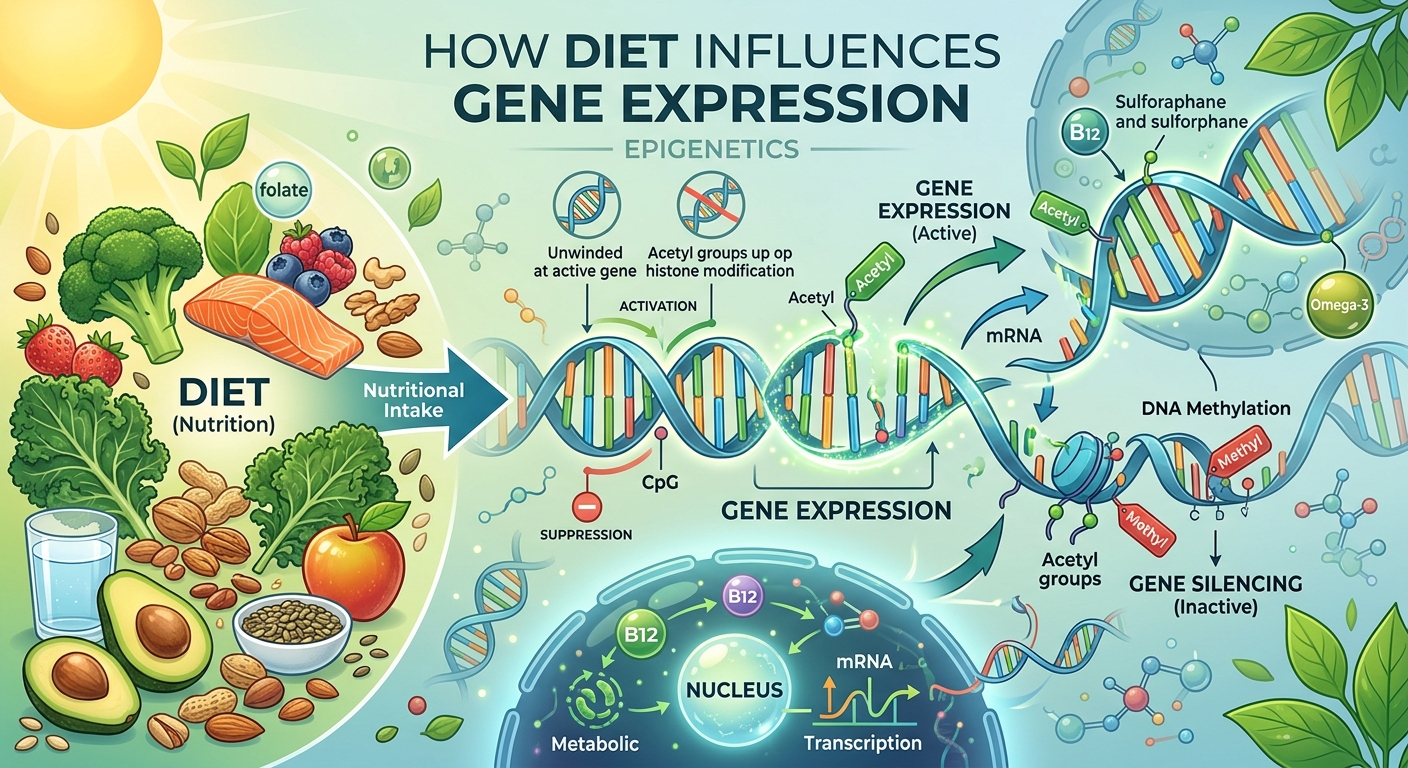
Epigenetics refers to changes in how genes are expressed, or read, without changing the underlying DNA sequence. Think of DNA as the instruction manual and epigenetic signals as the bookmarks, dimmers, and notes that affect which instructions are used, when they are used, and how strongly they are used. Diet is one of several factors that may influence those signals.
People often search for an epigenetic diet because they want a practical way to support healthy aging, metabolic balance, or general wellness through food. That interest is understandable, but the science is still developing, and epigenetic effects are influenced by many variables, including age, genetics, sleep, physical activity, stress, medications, health status, and overall diet quality.
It is also important to separate a helpful concept from overblown claims. Food does not “rewrite” your genes in a magical way, and no single ingredient can guarantee a specific health result. However, nutrition does interact with biochemical pathways involved in methylation, histone modification, inflammation, and oxidative stress, which is why diet is often discussed in epigenetics research.
How Diet Can Influence Gene Expression
Diet may influence gene expression through several biological mechanisms. Some nutrients serve as building blocks for methylation, a chemical process that helps regulate gene activity. Others act as antioxidants or help regulate inflammation, both of which can affect signaling pathways tied to cellular function. Still others may influence the gut microbiome, which can produce compounds that interact with host metabolism and gene regulation.
These effects do not happen in isolation. A person’s total dietary pattern matters more than a single “superfood,” and the impact of diet depends on nutrient status, frequency of intake, and overall quality of the eating pattern. For this reason, epigenetics is usually discussed in terms of broad dietary patterns rather than one exact supplement protocol.
Researchers are especially interested in the periods of life when nutrition may have a larger influence on gene expression, such as early development, pregnancy, childhood, and aging. Even so, adults may still benefit from diet-related changes that support healthy nutrient intake and metabolic balance. The key is to keep expectations realistic and avoid claims that oversimplify a complicated field.
| Diet-related factor | How it may relate to gene expression | Practical takeaway |
|---|---|---|
| Methyl donor nutrients | Support chemical reactions involved in DNA methylation | Eat a varied diet with adequate folate, B12, B6, choline, and methionine |
| Antioxidant-rich foods | May help reduce oxidative stress that affects cell signaling | Include fruits, vegetables, legumes, nuts, and seeds regularly |
| Fiber and fermented foods | May support gut-derived compounds linked to metabolic signaling | Aim for consistent fiber intake and include tolerated fermented foods |
| Excess alcohol or highly processed diets | May disrupt nutrient status and cellular regulation | Limit excess and focus on overall diet quality |
The Main Nutrients Commonly Discussed in an Epigenetic Diet
When people talk about an epigenetic diet, they are usually referring to nutrient patterns rather than one specific diet plan. Some nutrients are especially relevant because they participate in methylation, antioxidant defense, or cellular signaling. These nutrients are not “epigenetic cures,” but they may help support normal biological functions related to gene expression.
The most commonly discussed nutrients include folate, vitamin B12, vitamin B6, choline, betaine, methionine, riboflavin, magnesium, zinc, selenium, and a range of plant compounds such as polyphenols. A balanced diet that includes a wide range of food groups is usually a more reliable foundation than trying to target one isolated compound.
Methyl donor nutrients
Methyl donor nutrients help supply methyl groups used in methylation processes. Methylation is a normal biochemical function in the body that plays a role in regulating gene activity, neurotransmitter metabolism, and other cellular tasks. Folate, vitamin B12, vitamin B6, choline, betaine, and methionine are often discussed together because they participate in related pathways.
A deficiency or low intake of one nutrient can sometimes affect the broader network. For example, low folate or vitamin B12 intake can influence methylation capacity, although symptoms and consequences vary and are not specific enough for self-diagnosis. Because of that, nutrient status is best evaluated through diet history, symptoms, and laboratory testing when appropriate.
Antioxidant and polyphenol-rich nutrients
Polyphenols are plant compounds found in foods such as berries, tea, coffee, cocoa, olive oil, herbs, spices, and colorful fruits and vegetables. They are often studied for their role in oxidative stress and signaling pathways that may affect gene expression. Their effects are usually modest, cumulative, and dependent on the overall diet pattern rather than a single serving.
Antioxidant-related nutrients, including vitamin C, vitamin E, selenium, and zinc, also contribute to the body’s defense against oxidative stress. That does not mean more is always better. Excessive supplementation can create problems, and some antioxidants can interact with medications or become harmful at high doses.
| Nutrient or compound | Common food sources | Why it is discussed in epigenetics |
|---|---|---|
| Folate | Leafy greens, beans, lentils, fortified grains | Supports methylation and DNA-related processes |
| Vitamin B12 | Animal products, fortified foods, some supplements | Works with folate in methylation pathways |
| Choline | Eggs, meat, fish, soybeans, some vegetables | Contributes to methyl donor availability |
| Polyphenols | Berries, tea, cocoa, herbs, spices, olive oil | May influence signaling and oxidative stress pathways |
Fiber and gut-related compounds
Fiber is often overlooked in discussions of epigenetics, but it matters because the gut microbiome can transform fiber into short-chain fatty acids and other compounds that may influence cellular signaling. These effects are indirect, yet they are part of why diet quality may shape biological processes beyond simple calorie intake. Regular intake of beans, lentils, vegetables, fruits, oats, nuts, seeds, and whole grains can support this pathway.
Fermented foods are sometimes included in epigenetic diet discussions as well, although evidence varies and not every person tolerates them well. The most useful perspective is to think about fiber, microbial diversity, and overall diet pattern rather than assuming one probiotic food will produce a precise molecular effect.
What an Epigenetic Diet Looks Like in Real Life
An epigenetic diet is not a single branded meal plan. In practical terms, it usually means a pattern that emphasizes minimally processed foods, diverse plant foods, adequate protein, healthy fats, and enough key vitamins and minerals to avoid deficiency. It also means limiting factors that may interfere with nutrient status, such as heavy alcohol use or highly processed, low-fiber eating patterns.
Rather than chasing a perfect list of foods, focus on consistency. Gene expression is influenced by repeated exposures over time, so a sustainable pattern matters more than occasional “detox” meals or expensive powders. This makes the topic more useful and less gimmicky.
Core food priorities
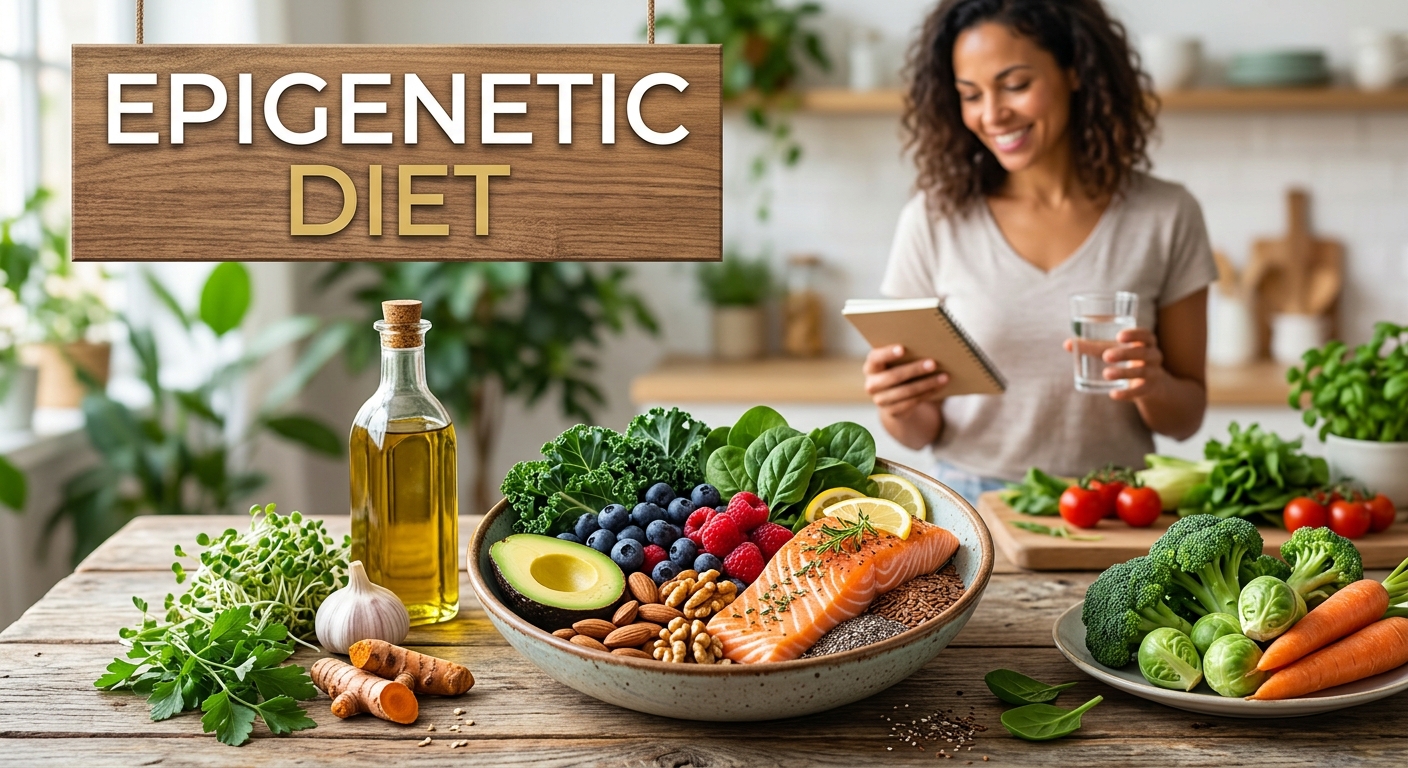
Many readers benefit from a pattern built around colorful vegetables, fruits, legumes, nuts, seeds, fish or other lean proteins, and whole grains if tolerated. These foods collectively support nutrient sufficiency and provide a broad range of plant compounds. Different cultural and dietary traditions can fit this framework, so there is no single required menu.
It can also help to include foods rich in B vitamins and choline, especially if intake is low or the diet is restrictive. For people who avoid animal products, B12 status deserves particular attention because reliable B12 intake usually requires fortified foods or supplements.
- Emphasize leafy greens, beans, lentils, and cruciferous vegetables for folate and fiber.
- Include eggs, fish, dairy, or fortified foods if those fit your diet and medical needs.
- Use nuts, seeds, herbs, spices, berries, tea, coffee, and cocoa as polyphenol-rich additions.
- Limit frequent intake of ultra-processed foods that crowd out nutrient-dense choices.
Food Sources That Fit an Epigenetic Diet Pattern
Food sources matter because supplements are not always necessary, and they are not always the best first step. A food-first approach can improve nutrient balance while also providing fiber and many other compounds that work together. For most healthy adults, the most practical strategy is to build meals around whole foods that naturally supply the nutrients discussed in epigenetics research.
The table below gives a useful overview of common food sources. This is not an exhaustive list, and individual tolerances, allergies, and dietary patterns still matter. It is also worth remembering that fortified foods can be an important source of specific nutrients, especially B12 and folic acid, in the U.S. food supply.
| Nutrient focus | Examples of food sources | Notes |
|---|---|---|
| Folate | Spinach, romaine, asparagus, beans, lentils, avocado | Food folate and fortified folic acid are not identical; both can contribute to intake |
| Vitamin B12 | Fish, meat, eggs, dairy, fortified plant milks, fortified cereals | Vegans often need supplements or fortified foods |
| Choline | Eggs, chicken, salmon, soybeans, Brussels sprouts | Intake may be low in some eating patterns |
| Polyphenols | Blueberries, strawberries, black tea, green tea, cocoa, olive oil, herbs | Effects depend on overall dietary pattern |
| Fiber | Oats, barley, beans, lentils, apples, pears, chia, flax | Supports gut microbial metabolism and regularity |
Signs of Low Intake or Nutrient Gaps That May Matter for Epigenetics
Because epigenetic pathways rely on ordinary nutrient sufficiency, it makes sense to consider possible gaps. Low intake does not automatically mean a deficiency, and symptoms are often nonspecific. Fatigue, brain fog, poor appetite, hair changes, or low energy can have many causes, so they should not be used to self-diagnose a nutrient problem.
Some nutrient gaps are more likely in certain groups, such as people following highly restrictive diets, those with absorption problems, older adults, pregnant or breastfeeding people, and individuals taking certain medications. If symptoms or labs suggest a deficiency, a licensed healthcare professional can help interpret the cause and decide whether food changes, testing, or supplements are appropriate.
| Possible nutrient gap | Non-specific signs that may occur | Common risk situations |
|---|---|---|
| Folate | Fatigue, poor intake of vegetables/legumes, poor diet variety | Low produce intake, pregnancy, alcohol overuse, some medications |
| Vitamin B12 | Fatigue, numbness, weakness, memory concerns | Vegan diets, older age, metformin use, acid-suppressing medications, absorption problems |
| Choline | Often no obvious symptoms at low intake | Low egg or animal-food intake, limited diet variety |
| Zinc or iron | Tiredness, reduced appetite, hair or skin changes | Low animal food intake, heavy menstrual losses, malabsorption |
Who May Be at Higher Risk for Low Nutrient Intake
Certain people are more likely to have nutrient gaps that can affect normal gene regulation pathways. This does not mean they will have a deficiency, but it does mean diet and supplement planning may deserve closer attention. The main point is not to assume everyone needs supplements, but to recognize that individual needs differ.
Risk can come from restricted intake, higher needs, absorption issues, or medication effects. If one or more of these apply, a clinician may suggest specific lab testing or a more tailored nutrition plan. The goal is to prevent problems, not to create an overly complicated supplement stack.
- People following vegan or very low animal-food diets may need attention to B12, iron, zinc, iodine, and choline.
- Older adults may absorb B12 less efficiently and may have lower intake overall.
- Pregnant and breastfeeding people have higher nutrient demands and should not guess at supplementation.
- People with gastrointestinal disorders or bariatric surgery history may have absorption challenges.
- Those taking metformin, acid reducers, or other long-term medications may need nutrient review.
Supplement Forms Used in Epigenetic Diet Discussions
Supplements are sometimes used to correct low intake or support a nutrient pattern, but they should not be treated as interchangeable with food. The form of a supplement can matter because absorption, tolerance, and interactions may differ. For example, folate from food, folic acid from fortified foods, and supplemental forms such as methylfolate are not the same in every respect.
People sometimes assume that “more bioavailable” automatically means “better,” but that is not always true. The best form depends on why the supplement is being considered, what medications are used, whether there is a history of deficiency, and whether the person has any medical conditions that affect absorption or metabolism.
| Common supplement form | Why people discuss it | Practical note |
|---|---|---|
| Folic acid | Common in multivitamins and fortified foods | Useful in some contexts, but not always the right choice for every person |
| L-methylfolate / methylfolate | Often marketed as a more active folate form | Should be used thoughtfully, especially if there are medication or medical considerations |
| Cyanocobalamin | Stable, widely used B12 form | Common and effective for many people, though form choice can vary |
| Methylcobalamin | Another common B12 form | Often marketed as superior, but individual need matters more than marketing |
| Choline salts or phosphatidylcholine | Used to raise choline intake | Dose and tolerance can vary; food sources are often easier to manage |
| Magnesium forms | Sometimes included in wellness or methylation products | Different salts have different GI tolerance and absorption profiles |
How to choose a supplement form carefully
If a supplement is being considered, the right question is not “Which form is best overall?” but “Which form fits this person’s situation?” Food intake, age, pregnancy status, medications, and lab results all matter. The more specific the reason for supplementation, the more useful professional guidance becomes.
For many people, a basic multivitamin or a single-nutrient supplement may be enough if there is a true shortfall, but more is not always better. Complex stacks can create unnecessary overlap, especially with B vitamins, where multiple products may contain similar ingredients in high amounts.
Dosage Framing, Timing, and Absorption Factors
Because this article is educational rather than personalized, it should not provide individualized dosing. Still, general dosage framing can be useful. The most responsible approach is to use the label as directed, stay within age-appropriate limits, and consult a clinician when there is pregnancy, medication use, a known deficiency, or a medical condition that changes requirements.
Timing and absorption vary by nutrient. Some supplements absorb better with food, some are better on an empty stomach, and some should be separated from medications or other minerals. That is one reason “epigenetic diet” should be understood as a food-and-nutrient pattern rather than a collection of pills taken without context.
General timing considerations
B vitamins are often taken earlier in the day because some people find them energizing, though that effect is not universal. Fat-soluble nutrients such as vitamin D, A, E, and K generally absorb better with a meal that contains fat. Minerals such as iron, calcium, magnesium, and zinc can interact with one another or with medications, so the timing may matter more than people expect.
If a supplement causes nausea, taking it with food may improve tolerance, but this is not always appropriate for every ingredient. When in doubt, the package directions and a clinician’s advice should guide use rather than social media recommendations.
Factors that can affect absorption
Absorption can be influenced by stomach acid, digestive health, fiber intake, fat intake, and other nutrients taken at the same time. For example, high doses of certain minerals may compete for absorption, and some medications can reduce nutrient uptake. This is especially important for people who use acid suppressors, metformin, or medicines that bind minerals in the gut.
Food timing also matters. A supplement taken consistently is often more useful than one taken sporadically, but consistency should never override safety. If a product causes side effects or conflicts with medical treatment, it should be reviewed with a professional.
| Nutrient or supplement | Absorption or timing note | Common caution |
|---|---|---|
| Iron | Often affected by food and other minerals | Can interact with calcium and certain medications |
| B12 | Usually flexible; depends on form and dose | Underlying absorption problems may require medical evaluation |
| Folate | Often well tolerated; food and supplement form differ | High intakes can mask B12 deficiency if not monitored |
| Magnesium | Some forms are better tolerated than others | Can cause loose stools; may interact with some medications |
Potential Benefits of an Epigenetic Diet Approach
The potential value of an epigenetic diet approach is less about dramatic change and more about foundational support. A nutrient-dense eating pattern may help cover gaps that affect ordinary cellular functions, including pathways involved in methylation, antioxidant defense, and metabolic regulation. Those are broad biological effects rather than disease-specific claims.
In practical terms, this kind of diet may support energy metabolism, healthy growth and repair, and a balanced nutrient status. Some readers also like the framework because it encourages an individualized view of nutrition that goes beyond calorie counting or simplistic food rules.
Where evidence is stronger
Evidence is more established for the importance of avoiding nutrient deficiency than for making precise claims about how one food changes a specific gene. For example, adequate folate and B12 are clearly important for normal physiology, and dietary fiber is clearly valuable for gut health and regularity. These are more practical and dependable benefits than speculative molecular promises.
Foods rich in polyphenols and unsaturated fats also have plausible roles in supporting healthy cellular signaling and cardiovascular-friendly eating patterns. Still, the evidence varies by nutrient and outcome, and research on direct gene-expression effects in humans remains a developing field.
What not to expect
An epigenetic diet should not be expected to reverse genetics, erase family history, or quickly change health status on its own. It is one input among many, and it works within the limits of an individual’s medical background and daily habits. People who understand that limitation are less likely to be disappointed by unrealistic promises.
It is also unwise to expect immediate sensations or dramatic changes after one meal or one supplement. If a dietary change is working well, the results are usually gradual and subtle, such as better diet quality, improved nutrient intake, and a more sustainable routine.
Side Effects, Contraindications, and Medication Interactions
Even nutrients that are essential in normal amounts can cause problems at high intake or in the wrong context. Supplements can also interact with prescription medications, alter lab results, or worsen symptoms in people with underlying conditions. For that reason, an epigenetic diet discussion should always include safety, not just potential benefits.
Some risks are dose-related, while others depend on the person. The same supplement may be helpful in one scenario and inappropriate in another, especially when pregnancy, kidney disease, liver disease, malabsorption, or medication use is involved.
| Supplement or nutrient | Possible side effects or concerns | Why medical review may matter |
|---|---|---|
| Folate / folic acid | May mask B12 deficiency if used in high amounts | B12 status should be considered before long-term high intake |
| Vitamin B12 | Usually well tolerated, but high-dose use should still be reviewed if symptoms exist | Underlying absorption problems may need evaluation |
| Choline | Can cause GI upset or fishy body odor at higher intakes | Total intake from food and supplements matters |
| Magnesium | May cause diarrhea or cramping depending on form and dose | Kidney disease can change safety considerations |
| Iron | Can cause nausea, constipation, and overload risk if unnecessary | Should not be taken casually without a reason |
Medication interactions to keep in mind
Some supplements may interact with medicines used for thyroid conditions, diabetes, anticoagulation, reflux, blood pressure, or seizure disorders, among others. For example, minerals can affect the absorption of certain medications if taken together. In other cases, a supplement may change nutrient status in a way that matters for long-term treatment.
If you take any prescription medication, it is prudent to ask a pharmacist or clinician before adding a new supplement. This is especially true for products marketed as “methylation support,” “DNA support,” or “detox support,” because those labels can hide overlapping ingredients and higher-than-expected doses.
Common Mistakes People Make With Epigenetic Diets
One of the biggest mistakes is assuming that epigenetics justifies broad supplement use without a clear reason. Another common error is focusing on a single nutrient while ignoring the rest of the diet. Because epigenetic pathways are interconnected, a narrow strategy often misses the bigger picture.
People also sometimes assume that natural automatically means harmless. This is not true for concentrated extracts, high-dose vitamins, or herbal products, especially when combined with medicines or used for long periods. A careful, evidence-aware approach is more useful than a maximalist one.
- Using multiple overlapping products without checking total nutrient intake.
- Treating symptoms as proof of a specific deficiency without testing or evaluation.
- Assuming more methyl donors are always better for gene expression.
- Ignoring medication interactions and underlying conditions.
- Expecting one food, one pill, or one week of change to produce measurable epigenetic results.
Pregnancy, Breastfeeding, and Special Populations
Pregnancy and breastfeeding are situations where nutrient needs are different, and the stakes are higher. Folate, iron, choline, iodine, vitamin B12, and other nutrients can matter in different ways, but the right intake depends on diet, health history, and prenatal care. This is not a time for guesswork or internet-based supplement stacks.
People with kidney disease, liver disease, gastrointestinal disorders, eating disorders, or a history of bariatric surgery also need careful guidance. These conditions can change absorption, storage, metabolism, and safety considerations. Even “basic” supplements may require a different approach.
A practical rule is simple: if a person has a special physiological state or a chronic condition, the supplement decision should be individualized. An epigenetic diet may still be a useful framework, but it should be adapted with professional support rather than generalized advice.
How to Think About an Epigenetic Diet Without Falling for Myths
There are several common myths around epigenetics and diet. One is that certain foods can directly turn genes on and off in a way that creates instant, visible outcomes. Another is that supplements are required to “fix” gene expression. A more accurate view is that nutrition contributes to a network of signals that may influence how cells behave over time.
It is also a myth that a person can identify epigenetic problems from symptoms alone. Fatigue, weight changes, mood changes, skin concerns, and digestive complaints are common and nonspecific. They deserve thoughtful evaluation, not assumptions based on a trend term.
More accurate ways to frame the topic
Instead of asking, “Which supplement changes my genes?” a better question is, “Am I getting enough of the nutrients that support normal cellular processes?” Instead of asking, “What is the most powerful epigenetic food?” ask, “What eating pattern is sustainable, nutrient-dense, and appropriate for my health needs?” Those questions lead to more sensible decisions.
This also keeps the discussion aligned with U.S. regulatory-safe language. Supplements may support health in some cases, but they are not substitutes for diagnosis, treatment, or ongoing medical care when needed.
Practical Ways to Build an Epigenetic Diet Pattern
A practical epigenetic diet pattern is built on repeatable habits rather than perfection. The goal is not to micromanage genes but to support the nutritional environment in which normal gene regulation can occur. That makes meal planning, food variety, and supplement restraint all part of the same strategy.
These tips are general and not personalized. They are meant to help readers think through choices and identify when a clinician or dietitian may be helpful, especially if the diet is restrictive or the reader has lab abnormalities or symptoms.
- Base meals on whole foods, including vegetables, fruit, protein, and fiber-rich carbohydrates if tolerated.
- Include foods that supply B vitamins, choline, and minerals rather than relying on pills first.
- Use supplements only when there is a clear reason, such as low intake, a known deficiency, or a clinician’s guidance.
- Check for medication interactions before starting any new product.
- Reassess regularly instead of staying on the same stack indefinitely.
Frequently asked questions
What is an epigenetic diet?
An epigenetic diet is a way of eating that may support healthy gene expression through nutrient sufficiency, fiber, and plant compounds. It is not a single official diet plan. In practice, it usually means a balanced, minimally processed eating pattern rather than a strict supplement protocol.
Can food really change gene expression?
Food can influence biological pathways involved in gene expression, but the effects are complex and usually modest. Diet does not change your DNA sequence, and no food guarantees a specific result. The best-supported approach is broad nutritional adequacy over time.
Do I need supplements for epigenetic health?
Not necessarily. Many people can meet their needs with food, but supplements may be appropriate if intake is low, absorption is impaired, or a clinician recommends them. Supplements should be chosen carefully because too much of certain nutrients can be harmful.
Which nutrients are most often discussed in an epigenetic diet?
Folate, vitamin B12, vitamin B6, choline, betaine, methionine, magnesium, zinc, selenium, and polyphenol-rich plant compounds are often discussed. Fiber is also important because of its role in gut-derived signaling. The right mix depends on the person’s overall diet and health status.
Can I use an epigenetic diet if I am pregnant or breastfeeding?
Yes, but it should be tailored with professional guidance because nutrient needs are different during pregnancy and breastfeeding. This is not the time to self-prescribe supplements based on internet advice. A clinician can help make sure the plan is appropriate and safe.
What are the biggest mistakes people make with epigenetic diets?
Common mistakes include taking too many supplements, focusing on one nutrient instead of the whole diet, and assuming symptoms automatically mean a deficiency. Another mistake is ignoring medication interactions. A conservative, food-first approach is usually more sensible.
How do I know if I have a nutrient deficiency?
You usually cannot know for sure from symptoms alone because many deficiencies look similar to other health issues. A clinician may use diet history, symptoms, and lab testing to evaluate your situation. If you suspect a deficiency, it is best to seek medical guidance rather than guessing.
Are methylated supplements better for everyone?
No. “Methylated” does not mean better for every person, and the right form depends on the individual’s needs, medications, and health history. Some people may benefit from a specific form, but that decision should ideally be made with professional input.
Conclusion
An epigenetic diet is best understood as a nutrient-dense, balanced eating pattern that may support healthy gene expression through normal biological pathways. The most useful steps are usually simple: meet nutritional needs, include plenty of whole foods, pay attention to key nutrients like folate, B12, choline, and fiber, and avoid assuming that supplements are automatically necessary or beneficial.
If you are considering supplements, have symptoms, take medications, are pregnant or breastfeeding, or have abnormal labs, a licensed healthcare professional can help you choose the safest and most appropriate path. Epigenetics is a fascinating field, but the practical takeaway is modest and grounded: small, consistent nutrition choices matter more than dramatic claims, and safety should always come first.