
vitamine -
CoQ10 and Statins: Why You Might Need Both
One of the most significant coq10 benefits is its potential role in supporting individuals taking statin medications, as statins can deplete the body's natural levels of this crucial compound. While Coenzyme Q10 (CoQ10) is essential for cellular energy production and antioxidant
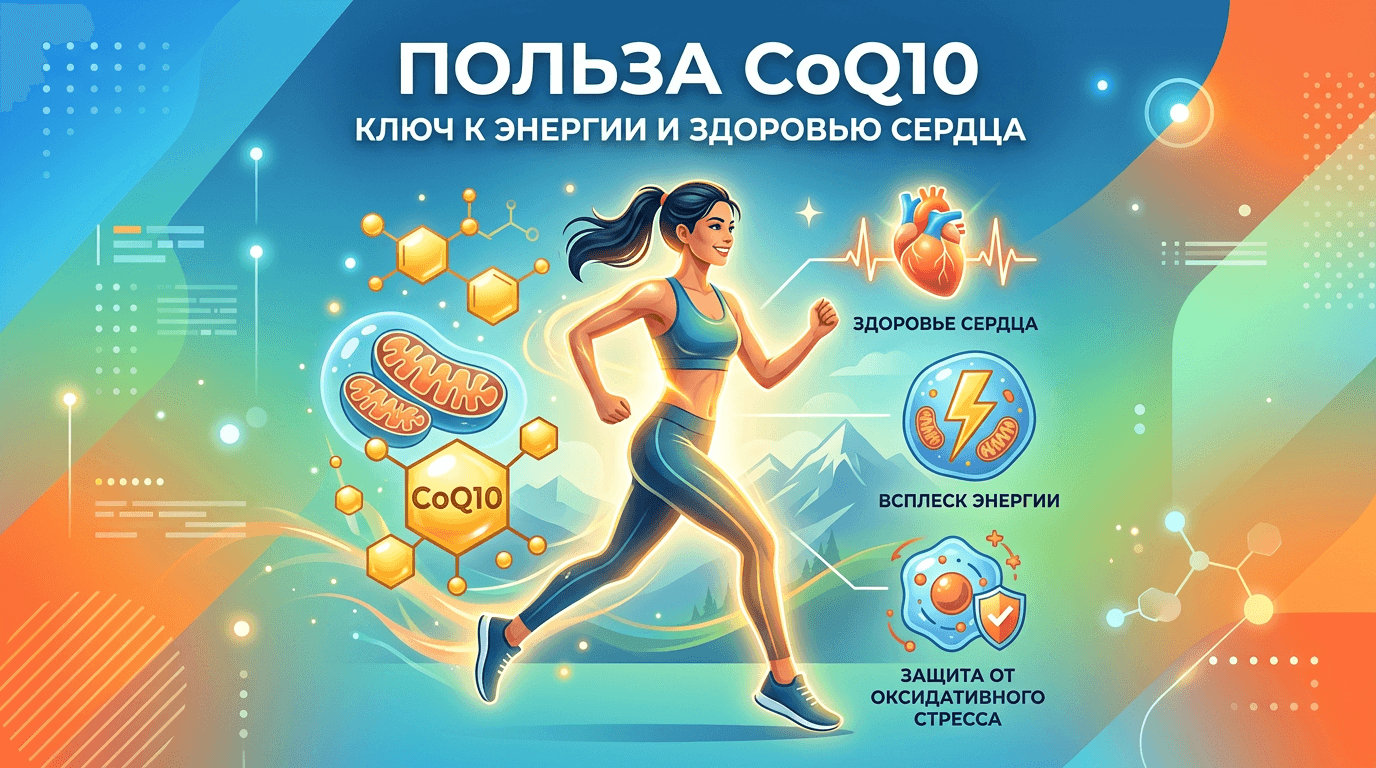
One of the most significant coq10 benefits is its potential role in supporting individuals taking statin medications, as statins can deplete the body's natural levels of this crucial compound. While Coenzyme Q10 (CoQ10) is essential for cellular energy production and antioxidant defense throughout the body, its relationship with statins is a key reason many people explore supplementation. The core of the issue is that the same biological pathway that statins inhibit to lower cholesterol is also responsible for producing CoQ10.
This article provides a detailed, evidence-based exploration of the complex relationship between statins and CoQ10. You will learn what CoQ10 is and why it's vital for your health, how statin medications work and why they can affect CoQ10 levels, and the scientific evidence surrounding the use of CoQ10 supplements to manage statin-associated side effects, particularly muscle pain. We will also cover practical guidance on choosing a supplement, understanding dosage, ensuring safety, and knowing when to have a conversation with your healthcare provider.
What is CoQ10 and Why is it Important for Your Body?

Coenzyme Q10, often shortened to CoQ10, is a compound naturally produced by the human body and found in every single one of its cells. It is sometimes referred to as ubiquinone because it is "ubiquitous," or present everywhere in the body. While it has vitamin-like properties, it isn't technically a vitamin because the body can synthesize it on its own. CoQ10 is concentrated in the organs with the highest energy demands, such as the heart, liver, kidneys, and muscles.
The importance of CoQ10 cannot be overstated, as it plays a fundamental dual role in maintaining cellular health. Its primary functions are in energy production and antioxidant protection, two processes that are critical for life. A decline in CoQ10 levels, whether due to aging, certain health conditions, or medication use, can theoretically impair these vital cellular activities, which is why it has become a subject of extensive scientific research and public interest.
The Dual Role of CoQ10: Energy Production and Antioxidant Protection
The first and most critical role of CoQ10 is as a key component in the process of creating cellular energy. Inside our cells are tiny power plants called mitochondria. CoQ10 acts as a shuttle within the mitochondrial membrane, transferring electrons along a series of protein complexes known as the electron transport chain. This process is the final and most efficient stage of aerobic respiration, culminating in the production of adenosine triphosphate (ATP), the body's primary energy currency. Without sufficient CoQ10, the efficiency of ATP production can decrease, potentially leading to fatigue and reduced function in high-energy organs.
The second vital function of CoQ10 is as a potent, fat-soluble antioxidant. During the energy production process, unstable molecules called free radicals are generated as a byproduct. If left unchecked, these free radicals can cause oxidative stress, damaging cellular components like DNA, proteins, and cell membranes. CoQ10, particularly in its reduced form (ubiquinol), directly neutralizes these harmful free radicals. It also helps regenerate other antioxidants in the body, such as vitamin E, further bolstering the body's defense system against oxidative damage.
Understanding Statins and How They Work
Statins are a class of prescription medications designed to lower levels of low-density lipoprotein (LDL) cholesterol, often referred to as "bad" cholesterol. They are among the most widely prescribed drugs in the United States and are a cornerstone of prevention and management for atherosclerotic cardiovascular disease (ASCVD), which includes conditions like heart attacks and strokes. Common statin medications include atorvastatin (Lipitor), rosuvastatin (Crestor), and simvastatin (Zocor).
The primary mechanism of action for all statins is the inhibition of a specific enzyme in the liver called HMG-CoA reductase (3-hydroxy-3-methylglutaryl-coenzyme A reductase). This enzyme is a critical rate-limiting step in the mevalonate pathway, which is the body's intricate biochemical assembly line for producing cholesterol. By blocking HMG-CoA reductase, statins effectively slow down the liver's production of cholesterol. In response, the liver increases the number of LDL receptors on its surface, which pull more LDL cholesterol out of the bloodstream, thereby lowering overall blood levels.
The Biochemical Link: How Statins Affect CoQ10 Levels
The connection between statins and CoQ10 is not a coincidence but a direct consequence of their shared biochemical origins. Both cholesterol and CoQ10 are synthesized through the same mevalonate pathway that statins target. The enzyme HMG-CoA reductase, which statins inhibit, is located early in this pathway. After this step, the pathway branches off to create several essential compounds, with one branch leading to the synthesis of cholesterol and another leading to the synthesis of CoQ10.
Because statins block the pathway at a step that is "upstream" from both cholesterol and CoQ10 production, they inadvertently reduce the body's ability to synthesize both compounds. This is a well-established biochemical effect documented in numerous studies. Research has consistently shown that initiating statin therapy leads to a measurable decrease in circulating CoQ10 levels in the blood, with reductions often reported in the range of 20% to 50%. The magnitude of this reduction can depend on the specific statin used, the dosage, and the duration of therapy.
Statin-Associated Muscle Symptoms (SAMS): The Most Common Complaint
While statins are highly effective and generally well-tolerated, the most frequently reported side effect is a group of symptoms collectively known as Statin-Associated Muscle Symptoms (SAMS). These symptoms can range in severity and presentation, but most commonly include:
- Myalgia: Muscle pain, soreness, aching, or tenderness. This is the most common complaint and can affect any muscle group, but it is often reported in the large muscles of the thighs, calves, and back.
- Myopathy: Muscle weakness, which may or may not be accompanied by pain.
- Cramps: Involuntary and painful muscle contractions.
SAMS is a significant clinical issue because it is the primary reason why patients stop taking their prescribed statin medication, potentially increasing their risk of cardiovascular events. The exact cause of SAMS is complex and not fully understood, but a leading hypothesis centers on the statin-induced depletion of CoQ10 within muscle cells. The theory suggests that lower CoQ10 levels impair mitochondrial energy production (ATP synthesis) in the muscles. This "energy crisis," combined with increased oxidative stress from reduced antioxidant capacity, may lead to muscle cell dysfunction, pain, and weakness.
It is crucial to understand that while the CoQ10 depletion theory is biologically plausible and a popular explanation, other mechanisms are also likely involved. Not everyone who experiences CoQ10 depletion on statins develops SAMS, and not everyone with SAMS shows a dramatic improvement with CoQ10 supplementation. This indicates that SAMS is likely a multifactorial problem, with individual genetics, statin type, and other factors playing a role.
Does CoQ10 Supplementation Help with Statin-Related Muscle Pain? A Look at the Evidence
This is the central question for many individuals taking statins, and unfortunately, the scientific community has not yet reached a definitive consensus. The evidence from clinical trials on using CoQ10 to treat or prevent SAMS has been mixed and, at times, contradictory. Some studies have shown a benefit, while others have found CoQ10 to be no more effective than a placebo.
Several factors contribute to these inconsistent findings:
- Variability in Study Design: Studies have used different CoQ10 dosages (from 50 mg to over 600 mg per day), different forms (ubiquinone vs. ubiquinol), and different treatment durations.
- Different Statins: Some statins are more "lipophilic" (fat-soluble) and may penetrate muscle cells more easily, potentially causing more side effects. Studies using different statins can yield different results.
- Subjective Nature of Pain: Muscle pain is a subjective symptom, making it difficult to measure objectively. The placebo effect can be strong in studies on pain relief.
- Patient Population: The underlying cause of muscle pain may differ between patients, and CoQ10 might only be effective for a specific subgroup whose symptoms are directly related to CoQ10 deficiency.
Despite the mixed results, some systematic reviews and meta-analyses (studies that pool data from multiple individual trials) have suggested a trend toward a modest benefit. A 2018 meta-analysis published in the Journal of the American Heart Association concluded that CoQ10 supplementation might be associated with a significant reduction in statin-associated muscle pain and may also improve tolerance to statin therapy. However, other large-scale reviews have found no statistically significant effect.
The prevailing clinical perspective is that while CoQ10 is not a guaranteed cure for SAMS, its excellent safety profile makes it a reasonable option to consider for individuals experiencing muscle symptoms on statins. Many clinicians suggest a trial of CoQ10 for a few months to see if symptoms improve. The key is that this should be done in communication with the prescribing doctor, not as a reason to stop taking the statin.
Identifying and Understanding CoQ10 Deficiency
True, severe CoQ10 deficiency is a rare genetic condition known as primary CoQ10 deficiency, which manifests early in life with serious neurological and muscular symptoms. What is more common, and relevant to the discussion of statins, is a "secondary" or relative deficiency. This is not a complete absence of the compound but rather a state where levels are lower than optimal due to external factors.
The most common causes of secondary CoQ10 depletion include:
- The Aging Process: The body's natural ability to synthesize CoQ10 peaks in one's 20s and gradually declines with age.
- Statin Medications: As discussed, this is a direct biochemical effect of the drugs.
- Certain Chronic Diseases: Conditions like heart disease, diabetes, and neurodegenerative disorders are often associated with lower CoQ10 levels, although it's often unclear if the low levels are a cause or a consequence of the disease.
- Intense Physical Exertion: Strenuous exercise increases metabolic rate and can temporarily deplete CoQ10 stores.
The symptoms of a mild or moderate CoQ10 deficiency are typically non-specific and can easily be attributed to other causes. These may include fatigue, muscle weakness, and general lack of stamina. Because these symptoms overlap with many other conditions, including the aging process itself, it is impossible to diagnose a CoQ10 deficiency based on symptoms alone. While blood tests to measure CoQ10 levels are available, they are not routinely used in clinical practice. The results can be difficult to interpret, and there is no universally agreed-upon "normal" range. For this reason, supplementation in the context of statin use is usually considered based on symptoms and risk factors, rather than a blood test result.
Choosing the Right CoQ10 Supplement: Ubiquinone vs. Ubiquinol
When you browse the supplement aisle, you will find CoQ10 available in two primary forms: ubiquinone and ubiquinol. Understanding the difference between them can help you make a more informed choice, though both can be effective. These two forms represent the oxidized (ubiquinone) and reduced (ubiquinol) states of the CoQ10 molecule. Inside the body, they are constantly being converted back and forth as part of their function.
Ubiquinone (The Oxidized Form)
Ubiquinone is the form of CoQ10 that was first discovered and has been used in the majority of clinical trials, including many of the foundational studies on statins and heart health. It is the more stable of the two forms and is generally less expensive to produce. When you ingest ubiquinone, your body must convert it into ubiquinol for it to perform its antioxidant functions and participate in energy production. In healthy, young individuals, this conversion process is typically very efficient.
Ubiquinol (The Reduced, Active Form)
Ubiquinol is the "active" antioxidant form of CoQ10. It is marketed as being more "body-ready" and having superior bioavailability, meaning more of it may be absorbed into the bloodstream compared to the same dose of ubiquinone. This enhanced absorption may be particularly beneficial for older adults or individuals whose ability to convert ubiquinone to ubiquinol might be compromised. However, ubiquinol is less stable (it can oxidize back to ubiquinone if exposed to air) and is significantly more expensive to manufacture, which is reflected in its higher retail price.
| Feature | Ubiquinone | Ubiquinol |
|---|---|---|
| Form | Oxidized | Reduced (Active Antioxidant) |
| History | The classic form; used in most older studies | Newer form; available since the mid-2000s |
| Bioavailability | Good, especially with advanced formulations | Generally considered higher or more efficient |
| Body's Need | Must be converted to ubiquinol by the body | "Body-ready" form, requires no conversion |
| Stability | More stable in manufacturing and storage | Less stable, sensitive to oxidation |
| Cost | Less expensive | More expensive |
| Best For | Younger, healthy individuals; budget-conscious users | Older adults; individuals with suspected conversion issues |
Ultimately, the choice between ubiquinone and ubiquinol may come down to individual factors and cost. For many people, a high-quality ubiquinone product, especially one formulated with an oil or emulsifying agent to enhance absorption, is a perfectly effective and more economical choice. For those who are older or who do not experience benefits from ubiquinone, trying ubiquinol may be a worthwhile experiment under a doctor's guidance.
How to Take CoQ10 for Best Absorption: Dosage and Timing
Properly taking your CoQ10 supplement can significantly impact how well your body absorbs and utilizes it. Because CoQ10 is a fat-soluble compound, its absorption is greatly enhanced when taken with a source of dietary fat. Simply taking it with a glass of water on an empty stomach is the least effective method.
Here are some practical tips for maximizing absorption:
- Take with a Meal: Always take your CoQ10 supplement with a meal or snack that contains some fat or oil. This could be a meal with avocado, nuts, olive oil, eggs, or fatty fish.
- Choose an Oil-Based Softgel: Many CoQ10 supplements are sold as oil-based softgels. These formulations have already dissolved the CoQ10 crystal in an oil carrier (like olive, soybean, or canola oil), which can improve absorption compared to dry powders in a capsule or tablet.
- Consider Splitting Doses: If you are taking a higher dose (e.g., 200 mg or more per day), splitting it into two smaller doses (e.g., 100 mg in the morning and 100 mg in the evening) may lead to better absorption and more stable blood levels throughout the day than taking one large dose.
Regarding dosage, there is no one-size-fits-all answer. The appropriate dose depends on the individual, the reason for taking it, and the form being used. In clinical studies examining CoQ10 for statin-associated muscle symptoms, daily dosages typically range from 100 mg to 200 mg per day. Some studies have used higher doses, up to 600 mg, but these are less common and should only be considered under strict medical supervision. For general health support, lower doses of 30-100 mg are often used.
Safety, Side Effects, and Potential Interactions of CoQ10
One of the most appealing aspects of CoQ10 as a supplement is its exceptionally high safety profile. It is well-tolerated by most people, even at high doses used in clinical research for extended periods. There is no established Tolerable Upper Intake Level (UL) for CoQ10, but this does not mean that excessive doses are advisable. Most experts recommend staying within the commonly studied ranges (up to 400-600 mg/day) unless directed otherwise by a knowledgeable healthcare provider.
Side effects are rare and generally mild when they do occur. The most commonly reported issues are gastrointestinal in nature and can include:
- Upset stomach or nausea
- Loss of appetite
- Diarrhea
These side effects are more likely with higher doses. Splitting the daily dose into two or three smaller administrations with meals can often alleviate these issues. Some people have also reported insomnia or restlessness when taking high doses, especially if taken late in the evening. While not common, it is something to be aware of.
CoQ10 and Medication Interactions
While generally safe, CoQ10 has the potential to interact with certain types of prescription medications. It is absolutely essential to discuss CoQ10 supplementation with your doctor and pharmacist if you take any of the following:
- Blood Thinners (e.g., Warfarin/Coumadin): This is the most significant potential interaction. CoQ10 is structurally similar to vitamin K, a nutrient that helps blood clot. There is a theoretical concern that CoQ10 could slightly oppose the action of warfarin, potentially making it less effective and requiring a dosage adjustment. Anyone on warfarin must consult their doctor before starting CoQ10 and may require more frequent INR monitoring.
- Blood Pressure Medications: Some studies suggest CoQ10 may have a mild blood pressure-lowering effect. If you are already taking antihypertensive drugs, adding CoQ10 could have an additive effect, potentially causing your blood pressure to go too low. Monitoring is advised.
- Insulin and Diabetes Medications: CoQ10 might improve insulin sensitivity and lower blood sugar levels in some individuals. If you have diabetes and take medication to manage your blood sugar, adding CoQ10 could increase the risk of hypoglycemia (low blood sugar). Close monitoring of blood glucose is necessary.
Pregnancy, Breastfeeding, and Special Populations
There is not enough reliable research to establish the safety of CoQ10 supplementation during pregnancy or breastfeeding. Therefore, its use is generally not recommended in these populations unless specifically advised and monitored by a healthcare provider. Similarly, its use in children should only be under the guidance of a pediatrician, typically for specific medical conditions.
Beyond Statins: Other Potential Benefits of CoQ10
While the connection with statins is a major focus, research into the benefits of CoQ10 extends to many other areas of health, primarily related to its roles in energy production and antioxidant defense. It is important to note that the evidence for many of these uses is still developing and supplementation should not replace conventional medical care.
Some of the most researched potential applications include:
- Heart Health: Studies have explored CoQ10's role in supporting patients with heart failure. The theory is that the failing heart is energy-starved, and CoQ10 may help improve mitochondrial function and energy production in heart muscle cells. Some research suggests it may improve symptoms and quality of life in these patients when used as an adjunct to standard therapy.
- Migraine Prevention: Some clinical trials have found that CoQ10 supplementation (typically at doses of 100-300 mg per day) may help reduce the frequency and severity of migraine headaches in some individuals. It is thought to work by improving mitochondrial function in brain cells.
- Fertility: Emerging research suggests CoQ10 may have benefits for both male and female fertility. In men, it may improve sperm motility and count by protecting sperm from oxidative damage. In women, it may improve egg quality, particularly in older women, by supporting energy production in the mitochondria of the egg cells.
- General Fatigue and Aging: Because CoQ10 levels decline with age and it is central to energy production, some people take it to combat age-related fatigue and support overall vitality. The evidence here is more anecdotal, but it is a biologically plausible application.
Frequently Asked Questions (FAQ)
If I take CoQ10, can I stop taking my statin?
No, absolutely not. CoQ10 is not a replacement for statin medication. Statins are prescribed to lower your cholesterol and reduce your risk of a heart attack or stroke. CoQ10 does not lower cholesterol. It is only considered as a supportive supplement to potentially manage a side effect of the statin, not to replace its primary life-saving function. Never stop or change your dose of a prescription medication without consulting your prescribing doctor.
How long does it take for CoQ10 to work for muscle pain?
CoQ10 is not a fast-acting pain reliever. It can take several weeks to months for levels to build up in your tissues and for any potential benefits on muscle symptoms to become apparent. A typical trial period suggested by clinicians is often 2 to 3 months to assess whether it is providing any relief.
Can I get enough CoQ10 from food instead of supplements?
While CoQ10 is present in some foods, obtaining therapeutic amounts from diet alone is very difficult. The best food sources are organ meats (like heart and liver), fatty fish (like salmon and tuna), and beef. However, you would need to eat very large quantities of these foods to get the 100-200 mg dose often used in studies, making supplementation the only practical way to achieve these levels.
Should I take CoQ10 if I'm on a statin but have no muscle pain?
This is a controversial topic with no clear consensus. Some doctors advocate for a proactive approach, suggesting that anyone on a statin should take CoQ10 to counteract the depletion. Others argue that if there are no symptoms, supplementation is unnecessary. There is currently not enough evidence to make a firm recommendation for prophylactic use, so this is a decision to be made in partnership with your healthcare provider based on your individual health profile.
Is ubiquinol really that much better than ubiquinone?
Ubiquinol is generally more bioavailable, meaning your body may absorb it more efficiently. This can be an advantage for older individuals or those who don't respond to ubiquinone. However, high-quality, oil-solubilized ubiquinone formulations can also be very effective and are more affordable. The best form for you may depend on your age, health status, and budget.
Can CoQ10 lower my cholesterol?
No, CoQ10's primary role in this context is not cholesterol management. It does not lower LDL ("bad") cholesterol the way statins do. Its potential benefit for statin users is related to its role in cellular energy production and mitigating a potential side effect, not replicating the statin's primary purpose.
How do I choose a good quality CoQ10 supplement?
Since supplements are not tightly regulated by the FDA, quality can vary. Look for products that have been independently tested by a third party, such as USP (U.S. Pharmacopeia), NSF International, or ConsumerLab.com. This verification provides assurance that the product contains what is stated on the label, is not contaminated, and will be properly absorbed by the body.
Conclusion: A Balanced Approach to CoQ10 and Statin Therapy
The relationship between statins and CoQ10 is a prime example of the intricate and interconnected nature of human biochemistry. Statins are undeniably powerful and life-saving medications for managing cardiovascular risk, but their mechanism of action directly leads to a reduction in the body's natural production of CoQ10. This depletion is a leading suspect in the development of Statin-Associated Muscle Symptoms (SAMS), a common and frustrating side effect that can cause people to abandon their treatment.
Supplementing with CoQ10 offers a biologically plausible strategy to counteract this depletion. While the scientific evidence for its effectiveness in relieving muscle pain remains mixed, many individuals and clinicians find it a worthwhile and safe option to try. Given its excellent safety profile and potential to improve statin tolerance for some, it has earned a place in the conversation about comprehensive cardiovascular care.
The most important takeaway is that CoQ10 should be viewed as a potential partner to statin therapy, not an alternative. The decision to start, stop, or change any supplement, especially when you are taking prescription medication, must be a collaborative one. A conversation with your cardiologist or primary care physician is the essential first step. They can help you weigh the potential benefits against your specific health history, assess your symptoms, and make an informed choice that supports your long-term health and well-being.