
vitamine -
Best Prenatal Vitamins for a Healthy Pregnancy
Prenatal vitamins are specially formulated multivitamins designed to support the increased nutritional needs of women who are pregnant, trying to conceive, or breastfeeding. Their primary purpose is to fill nutritional gaps in the diet and provide crucial nutrients like folic aci
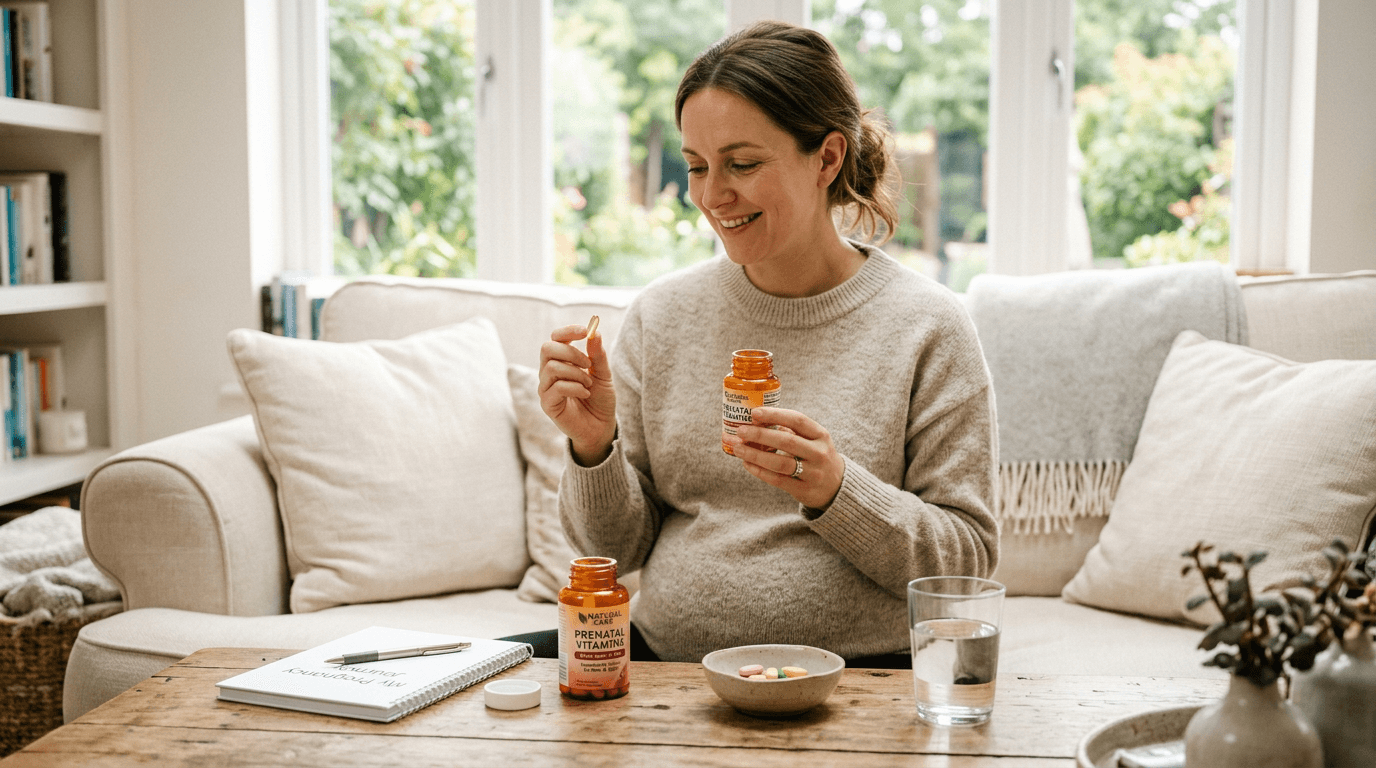
Prenatal vitamins are specially formulated multivitamins designed to support the increased nutritional needs of women who are pregnant, trying to conceive, or breastfeeding. Their primary purpose is to fill nutritional gaps in the diet and provide crucial nutrients like folic acid, iron, and DHA, which are essential for healthy fetal development and maternal well-being. Choosing the right prenatal vitamin is a key step in preparing for and navigating a healthy pregnancy.
Understanding the world of prenatal nutrition can feel overwhelming, but it is one of the most proactive steps you can take for your health and your future baby's health. These supplements are not a substitute for a balanced diet, but rather a vital safety net to ensure you are consistently receiving the building blocks necessary for this unique life stage. This comprehensive guide will walk you through what prenatal vitamins are, which key nutrients to look for, how to choose the best option for your individual needs, and how to use them safely and effectively, all in partnership with your healthcare provider.
What Are Prenatal Vitamins and Why Are They Important?
Prenatal vitamins are multivitamins specifically formulated to meet the heightened nutrient demands before, during, and after pregnancy. They differ from standard adult multivitamins by containing higher amounts of specific nutrients that are critical for supporting fetal growth and preventing certain birth defects. Think of them as a nutritional insurance policy that complements a healthy diet.
During pregnancy, your body's requirements for certain vitamins and minerals increase dramatically. For example, you need more iron to support a nearly 50% increase in blood volume, and you need sufficient folic acid to support the rapid cell growth of the fetus. While a nutrient-dense diet is the foundation of a healthy pregnancy, it can be challenging to consistently get enough of every key nutrient from food alone, especially if you experience nausea or food aversions. Prenatal vitamins help bridge these potential gaps.
One of the most critical reasons for taking prenatal vitamins is the role they play in the very earliest stages of pregnancy. The neural tube, which becomes the baby's brain and spinal cord, develops within the first month of pregnancy—often before a woman even knows she is pregnant. Sufficient levels of folic acid are crucial during this period to help prevent major birth defects of the neural tube. This is why healthcare professionals universally recommend that anyone who could become pregnant start taking a prenatal vitamin well before conception.
Key Nutrients in Prenatal Vitamins: What to Look For
A high-quality prenatal vitamin provides a spectrum of nutrients, but several are particularly vital for a healthy pregnancy. When evaluating a product, the Supplement Facts panel is your most important tool. Look for specific forms and adequate amounts of the following key nutrients, and discuss the ideal amounts for your personal situation with your doctor or registered dietitian.
Folic Acid (Folate): The Neural Tube Protector
Folic acid is arguably the most well-known prenatal nutrient. It is the synthetic form of folate, a B-vitamin that plays an essential role in DNA synthesis and cell growth. Its most critical function during pregnancy is to support the healthy development of the neural tube. The U.S. Centers for Disease Control and Prevention (CDC) recommends that all women of reproductive age consume 400 micrograms (mcg) of folic acid daily, in addition to folate from a varied diet, to help prevent neural tube defects like spina bifida and anencephaly.
Most prenatal vitamins contain between 600 and 1,000 mcg of folic acid to ensure adequate levels. You may also see "folate" on the label, listed as L-methylfolate (or 5-MTHF). This is the active, readily usable form of folate. Some individuals have a common genetic variation (MTHFR) that can make it more difficult to convert synthetic folic acid into active methylfolate. While more research is needed, some practitioners may recommend a prenatal with methylfolate for these individuals. This is a topic that requires a specific discussion and possibly testing with your healthcare provider.
Iron: For Blood and Oxygen Supply
During pregnancy, your body’s blood volume increases by 30-50% to support both you and your growing baby. To make the extra hemoglobin (the protein in red blood cells that carries oxygen) for this new blood, you need significantly more iron. The recommended daily intake for iron jumps from 18 milligrams (mg) for non-pregnant women to 27 mg during pregnancy.
Inadequate iron intake can lead to iron-deficiency anemia, a condition characterized by fatigue, weakness, and shortness of breath. Severe maternal anemia is linked to a higher risk of preterm birth, low birth weight, and postpartum complications. Prenatal vitamins typically provide the full 27 mg recommended during pregnancy. Iron can be hard on the digestive system, causing constipation or nausea for some. Formulations with gentler, more easily absorbed forms like iron bisglycinate chelate may be better tolerated than the common ferrous sulfate form.
DHA (Docosahexaenoic Acid): Brain and Eye Development
DHA is an omega-3 fatty acid that is a primary structural component of the human brain, cerebral cortex, skin, and retina. It is critically important for fetal brain and eye development, particularly during the third trimester when the brain undergoes rapid growth. Professional organizations, including the American College of Obstetricians and Gynecologists (ACOG), recognize the importance of omega-3s and recommend that pregnant and breastfeeding women aim for at least 200-300 mg of DHA per day.
Many prenatal vitamins now include DHA, but not all do, and the amounts can vary. If your chosen prenatal does not contain DHA, or if it contains a low amount, you may need to take a separate supplement. Look for DHA derived from either purified fish oil or a vegan-friendly algal oil. When choosing a fish oil supplement, ensure it has been third-party tested for purity to screen for heavy metals like mercury.
Calcium: Building Strong Bones
Calcium is essential for building your baby's bones and teeth. The recommended daily intake for pregnant women is 1,000 mg (1,300 mg for teens). If you don't consume enough calcium from your diet, your body will draw it from your own bones to provide for the fetus, which can compromise your bone density over time.
You may notice that most prenatal vitamins contain only 200-300 mg of calcium, far less than the daily requirement. This is intentional. Calcium is a bulky mineral, and including the full amount would make the pill prohibitively large. Furthermore, calcium can interfere with iron absorption. Therefore, prenatal vitamins provide a supplemental amount, with the expectation that you will get the majority of your calcium from dietary sources like dairy products, fortified plant milks, leafy greens, and tofu.
Vitamin D: The Sunshine Vitamin for Bones and Immunity
Vitamin D works hand-in-hand with calcium to help develop the baby's bones and teeth. It also plays a vital role in immune function and healthy cell division. The recommended intake during pregnancy is at least 600 International Units (IU) per day, but many experts believe this is too low, as vitamin D deficiency is common.
Your healthcare provider may test your vitamin D levels and recommend a higher dose if you are deficient. Many prenatal vitamins now offer 1,000 IU, 2,000 IU, or even more. The form to look for is Vitamin D3 (cholecalciferol), which is generally considered more effective at raising and maintaining vitamin D levels in the body compared to Vitamin D2.
Choline: The Unsung Hero for Brain Health
Choline is a nutrient gaining significant recognition for its critical role in pregnancy. Like folate, it is important for fetal brain development, specifically the hippocampus (the memory center of the brain), and may also help prevent neural tube defects. The American Medical Association began advocating for evidence-based amounts of choline in all prenatal vitamins in 2017.
The Adequate Intake (AI) for choline during pregnancy is 450 mg per day. Despite its importance, many prenatal supplements contain very little choline, or none at all. It is a bulky nutrient, making it difficult to include in a single pill. Therefore, it is crucial to focus on dietary sources like eggs (especially the yolk), beef liver, chicken, fish, soybeans, and cruciferous vegetables. If your diet is low in these foods, discuss the possibility of a separate choline supplement with your provider.
Iodine: For Thyroid and Brain Function
Iodine is a trace mineral that is essential for the production of maternal and fetal thyroid hormones. These hormones regulate the development of the fetal brain and nervous system. Even mild iodine deficiency during pregnancy can have negative effects on cognitive development. The American Thyroid Association recommends that women who are pregnant, breastfeeding, or planning a pregnancy take a daily supplement containing 150 mcg of iodine.
Many, but not all, prenatal vitamins contain this amount. It's important to check the label, as iodized salt is a primary source for many people, but intake can vary widely depending on dietary habits and the use of specialty salts like sea salt, which is often not iodized. Your total intake from food and supplements should be monitored, as excessive iodine can also be harmful.
| Nutrient | Recommended Pregnancy Intake | Key Role in Pregnancy |
|---|---|---|
| Folic Acid | At least 600 mcg DFE (400 mcg from supplement) | Helps prevent neural tube defects; supports rapid cell growth. |
| Iron | 27 mg | Supports increased blood volume, prevents anemia, carries oxygen. |
| DHA | At least 200-300 mg | Fetal brain, eye, and nervous system development. |
| Calcium | 1,000 mg | Builds baby's bones and teeth; maintains maternal bone density. |
| Vitamin D | At least 600 IU (often more is recommended) | Aids calcium absorption, supports bone health and immune function. |
| Choline | 450 mg | Supports fetal brain development and helps prevent neural tube defects. |
| Iodine | 220 mcg | Essential for thyroid hormone production and fetal brain development. |
How to Choose the Best Prenatal Vitamin for You
The "best" prenatal vitamin is not a one-size-fits-all answer; it is the one that meets your specific health needs, is well-tolerated, and is one you will take consistently. Navigating the choices requires a careful look at labels, an understanding of quality markers, and an open conversation with your healthcare provider. Your provider can offer recommendations based on your health history, diet, and any pre-existing conditions.
Reading the Supplement Facts Panel
The Supplement Facts panel is the most important part of the product label. It tells you exactly what is in the supplement and in what quantity. Here’s what to look for:
- Serving Size: Is it one pill, or do you need to take two, three, or even four per day? This impacts convenience and cost.
- Amount Per Serving: This column lists the quantity of each nutrient, typically in mg, mcg, or IU. Compare these amounts to the recommended intakes for pregnancy.
- % Daily Value (%DV): This percentage is based on the needs of a standard adult, not specifically a pregnant person. While it can be a useful reference, your focus should be on the actual amount of the nutrient, as pregnancy needs differ.
- Nutrient Forms: Look for specific forms mentioned earlier, such as methylfolate vs. folic acid, iron bisglycinate vs. ferrous sulfate, and vitamin D3 vs. D2. The form can impact absorption and tolerability.
- Other Ingredients: This list includes binders, fillers, and coating ingredients. If you have allergies or dietary restrictions (e.g., gluten-free, vegan), this is where you'll find that information.
The Importance of Third-Party Testing
In the United States, the Food and Drug Administration (FDA) does not test or approve dietary supplements for safety, effectiveness, or purity before they are marketed. The responsibility for ensuring a product is safe and contains what the label says it contains falls on the manufacturer. This lack of pre-market regulation makes third-party certification incredibly valuable.
Independent organizations like USP (U.S. Pharmacopeia), NSF International, and ConsumerLab.com offer voluntary certification programs. When a product has a seal from one of these organizations, it means it has been tested to verify:
- It contains the ingredients listed on the label in the declared amounts.
- It does not contain harmful levels of contaminants like heavy metals, pesticides, or microbes.
- It will break down and release into the body within a specified amount of time.
- It has been manufactured according to current Good Manufacturing Practices (cGMPs).
While a lack of a third-party seal doesn't automatically mean a product is low-quality, its presence provides an extra layer of assurance about the safety and accuracy of the supplement.
Gummy, Pill, or Liquid? Choosing a Form
Prenatal vitamins come in various forms, each with its own set of advantages and disadvantages. The best form is the one you can tolerate and take consistently.
| Form | Pros | Cons |
|---|---|---|
| Pills/Capsules | Most comprehensive nutrient profile; typically contain iron; often the most cost-effective. | Can be large and difficult to swallow; can contribute to nausea. |
| Gummies | Easy and pleasant to take; great for those with nausea or difficulty swallowing pills. | Almost never contain iron; often have lower amounts of other key nutrients; may contain added sugar and gelatin. |
| Liquids/Powders | Good alternative for those who cannot swallow pills; absorption can be efficient. | Taste and texture can be an issue; may require refrigeration; nutrient stability can be a concern. |
If you opt for a gummy vitamin, it's critical to be aware of its limitations. Because iron is a mineral that is difficult to formulate into a gummy without a metallic taste and because of overdose risk in children, nearly all gummy prenatals are iron-free. If you choose a gummy, you must discuss with your doctor whether you need a separate iron supplement.
Considering Your Dietary Needs and Restrictions
Modern prenatal vitamins cater to a wide range of dietary needs. Always check the "Other Ingredients" list for potential allergens or unwanted additives.
- Vegetarian/Vegan: Look for products explicitly labeled as vegan. This ensures that Vitamin D3 is from lichen (not sheep's wool), DHA is from algal oil (not fish), and the capsule is not made from gelatin. It also guarantees the presence of Vitamin B12, which is absent in vegan diets.
- Allergies/Sensitivities: Many formulations are now free of common allergens like gluten, soy, dairy, and nuts. The label should clearly state this.
- Organic/Non-GMO: If avoiding genetically modified organisms or synthetic pesticides is a priority, look for products with USDA Organic or Non-GMO Project Verified seals.
When to Start and Stop Taking Prenatal Vitamins
The timing of when you start and stop prenatal vitamins is just as important as the vitamin itself. The general guidance is to start before you even begin trying to conceive and continue well into the postpartum period.
Before Conception (Preconception)
Ideally, you should start taking a prenatal vitamin at least one to three months *before* you start trying to get pregnant. This period is crucial for building up your body's reserves of key nutrients, especially folate. As mentioned, the neural tube forms in the first 28 days after conception, a time when many women are not yet aware they are pregnant. Having adequate folate stores from the very beginning is the best way to support its proper closure and reduce the risk of serious birth defects.
During Pregnancy
It is essential to continue taking your prenatal vitamin every day throughout all three trimesters of your pregnancy. Nutrient needs remain high as the baby grows and develops. The iron supports your expanding blood supply, the calcium builds the skeleton, the DHA fuels brain growth, and all the other vitamins and minerals support the millions of processes happening in both your body and the baby's.
Postpartum and Breastfeeding
The need for enhanced nutrition doesn't end at delivery. The postpartum period is a time of healing and recovery for the mother. Continuing your prenatal vitamin can help replenish nutrient stores that were depleted during pregnancy and childbirth. If you are breastfeeding, your nutritional needs remain elevated, as you are now providing all the nutrition for your baby through your breast milk. The quality of your diet and your nutrient stores directly impacts the nutritional content of your milk, particularly for nutrients like DHA, iodine, and B vitamins. Many doctors recommend continuing with a prenatal or switching to a specific "postnatal" vitamin for at least six months postpartum, or for as long as you continue to breastfeed.
Potential Side Effects and How to Manage Them
While prenatal vitamins are beneficial, they can sometimes cause uncomfortable side effects, most of which are manageable. The most common culprits are the high levels of iron and other minerals, which can be tough on the digestive system.
Nausea: Morning sickness can be exacerbated by prenatal vitamins. If you find your vitamin makes you feel queasy, try these strategies:
- Take your vitamin with a meal or a small snack to buffer your stomach.
- Try taking it right before bed.
- Switch to a gummy prenatal (after discussing the lack of iron with your doctor).
- Ask your provider about splitting the dose—for instance, if your prenatal requires two pills a day, take one in the morning and one at night.
- Look for a formulation with added vitamin B6, which has been shown to help with pregnancy-related nausea.
Constipation: Iron is the primary cause of supplement-induced constipation. To counteract this effect:
- Increase your fluid intake significantly. Aim for plenty of water throughout the day.
- Boost your dietary fiber with foods like fruits, vegetables, whole grains, and legumes.
- Engage in regular physical activity as approved by your doctor.
- Talk to your provider about switching to a prenatal with a gentler, non-constipating form of iron, such as iron bisglycinate chelate.
- Do not take laxatives without first consulting your healthcare provider.
If side effects are severe or persist despite these adjustments, don't just stop taking your prenatal. Contact your doctor's office. They can help you find an alternative formulation or strategy that works for you. The benefits of consistent supplementation are too important to miss.
Prenatal Vitamins and Special Health Considerations
While a standard over-the-counter prenatal is appropriate for many women, some individuals have unique health histories or conditions that require a more personalized approach to supplementation. It is imperative that these choices be guided by a licensed healthcare professional.
MTHFR Gene Variation
Some individuals have a genetic variation in the MTHFR gene, which produces an enzyme that helps convert folic acid into its active form, L-methylfolate. For those with certain MTHFR variants, this conversion process may be less efficient. In these cases, a healthcare provider might recommend a prenatal vitamin that contains L-methylfolate directly, bypassing the need for conversion. Self-diagnosing and supplementing based on a presumed MTHFR status is not recommended; this requires a specific conversation with your doctor, who may or may not recommend genetic testing.
Anemia
If you enter pregnancy with pre-existing iron-deficiency anemia or develop it during pregnancy, the standard 27 mg of iron in a prenatal may not be sufficient to correct the deficiency. Your doctor will monitor your hemoglobin and ferritin levels through blood tests and, if needed, will prescribe an additional, higher-dose iron supplement. Never take extra iron supplements without medical supervision, as iron overload can be toxic.
Vegetarian or Vegan Diets
While a well-planned vegan or vegetarian diet can be perfectly healthy during pregnancy, it requires careful attention to certain nutrients that are less abundant in plant-based foods. In addition to choosing a vegan-certified prenatal vitamin, you may need to discuss additional supplementation with your provider for nutrients like vitamin B12, iron, zinc, iodine, and DHA, ensuring your total intake is adequate.
History of a Child with a Neural Tube Defect
If you have previously had a pregnancy affected by a neural tube defect, the standard recommendation for folic acid changes significantly. Your doctor will likely prescribe a much higher dose of folic acid—often as high as 4,000 mcg (4 mg)—starting before you conceive and continuing through the first trimester. This is a high dose that is only available by prescription and should only be taken under strict medical guidance.
Multiple Gestation (Twins, Triplets, etc.)
Carrying more than one baby places even greater demands on your body's nutrient stores. Women pregnant with multiples have higher requirements for calories, protein, and many vitamins and minerals, including iron, folic acid, and calcium. Your obstetrician will provide specific guidance on your prenatal regimen, which may involve a specialized prenatal formula, higher doses, or additional individual supplements.
Common Mistakes to Avoid with Prenatal Vitamins
To get the most benefit from your prenatal supplement and ensure your safety, it's helpful to be aware of common pitfalls. Avoiding these mistakes can help you maintain a healthy and effective supplementation routine.
- Taking a Prenatal and a Regular Multivitamin: Never double up. Taking both can lead to dangerously high levels of fat-soluble vitamins like Vitamin A, which can be toxic and cause birth defects. Your prenatal is your multivitamin during this time.
- Assuming All Gummies Are Sufficient: While helpful for nausea, it's a mistake to assume a gummy prenatal is comprehensive. Remember they almost always lack iron and may be lower in other key nutrients. This must be addressed with your doctor.
- Believing Supplements Replace a Healthy Diet: Prenatal vitamins are a supplement, not a substitute. A varied, nutrient-dense diet rich in fruits, vegetables, lean proteins, and healthy fats is the foundation of pregnancy nutrition.
- Starting Too Late: Waiting until your first prenatal appointment to start a vitamin means you've missed the critical window for neural tube formation. Start as soon as you decide to try to conceive.
- Stopping Too Soon After Birth: Your body needs to recover, and if you're breastfeeding, your nutrient needs remain high. Abruptly stopping your prenatal can hinder recovery and may affect breast milk composition. Continue for as long as your doctor recommends.
- Choosing Based on Marketing Alone: Pretty packaging or celebrity endorsements do not equate to quality. Make your choice based on the Supplement Facts panel, third-party certifications, and guidance from your healthcare provider.
Frequently Asked Questions
Can prenatal vitamins help you get pregnant?
Prenatal vitamins do not contain any hormones or drugs that will increase your fertility or make you get pregnant faster. However, taking them before conception helps create the optimal nutritional environment for a healthy pregnancy from the very start, which is a key part of fertility planning.
Is it okay to take a prenatal vitamin if I'm not pregnant?
For women of reproductive age who are not actively trying to conceive, a standard multivitamin is usually more appropriate. Prenatal vitamins contain very high levels of certain nutrients, like iron, that are not necessary and could potentially be harmful if taken long-term without a specific need. However, if you are sexually active and could become pregnant, many doctors recommend a prenatal as a precaution.
What's the best time of day to take my prenatal vitamin?
There is no single "best" time; consistency is the most important factor. Many women find that taking it with a meal helps prevent nausea. Some prefer taking it with breakfast to start the day, while others find that taking it with a snack before bed helps them sleep through any potential stomach upset.
Do I need a prescription for prenatal vitamins?
Most prenatal vitamins are available over-the-counter. However, in some cases, such as a history of a neural tube defect or specific severe deficiencies, a doctor may prescribe a special high-dose formulation. Some insurance plans may also cover the cost of a prescription prenatal, so it is worth asking your provider.
What happens if I miss a dose of my prenatal vitamin?
If you miss a dose, simply take it as soon as you remember. If it's almost time for your next dose, just skip the missed one and resume your normal schedule. Do not take a double dose to "catch up," as this can cause stomach upset and is unnecessary.
Can I just take two regular multivitamins instead of a prenatal?
No, this is not a safe or effective strategy. Doubling up on a regular multivitamin will not provide the right amounts of key pregnancy nutrients like folic acid and iron, and it could lead to a toxic overdose of other nutrients like vitamin A, which can be harmful to the fetus.
Are expensive prenatal vitamins better than generic ones?
Not necessarily. Price is not always an indicator of quality. A more expensive vitamin might use premium or trademarked ingredients, have more third-party certifications, or come in fancier packaging. However, a basic, affordable generic brand can be just as effective if it contains the right nutrients in the right amounts. Compare the Supplement Facts panels and look for third-party seals rather than focusing on price.
How do I choose a prenatal with DHA?
Many prenatal vitamins are now formulated as a "prenatal + DHA" combination, either in a single softgel or as a two-pill pack. Check the label to ensure it contains at least 200-300 mg of DHA. If your chosen prenatal does not include it, you can purchase a separate, high-quality fish oil or algal oil supplement to take alongside it, after discussing with your doctor.
Conclusion: Partnering with Your Provider for a Healthy Pregnancy
Choosing and using a prenatal vitamin is one of the first and most fundamental steps you can take to support a healthy pregnancy. These specialized supplements act as a crucial nutritional safety net, ensuring both you and your developing baby have the building blocks needed for optimal growth and well-being. By starting early, focusing on key nutrients like folic acid, iron, and DHA, and prioritizing quality through third-party testing, you are making a powerful investment in your family's health.
Remember that a prenatal vitamin is part of a larger picture that includes a balanced diet, regular exercise, and consistent medical care. The sheer number of options on the shelf can be daunting, but you don't have to make the decision alone. The "best" prenatal vitamin is ultimately the one that is tailored to your individual needs and medical history.
Use this guide as a starting point for a productive conversation with your doctor, midwife, or registered dietitian. They are your best resource for navigating your unique needs and can provide personalized recommendations that will help you feel confident and empowered on your journey to motherhood. By partnering with your healthcare team, you can ensure your nutritional strategy is safe, effective, and perfectly suited to you.